
Stop your foundation from settling. Steel piers driven to solid ground — for good.
I'm Ready For A Free Quote
Thank You For Your Submission!
A team member will be reaching out to you shortly.






These warning signs mean your foundation is moving — and it won't stop on its own.
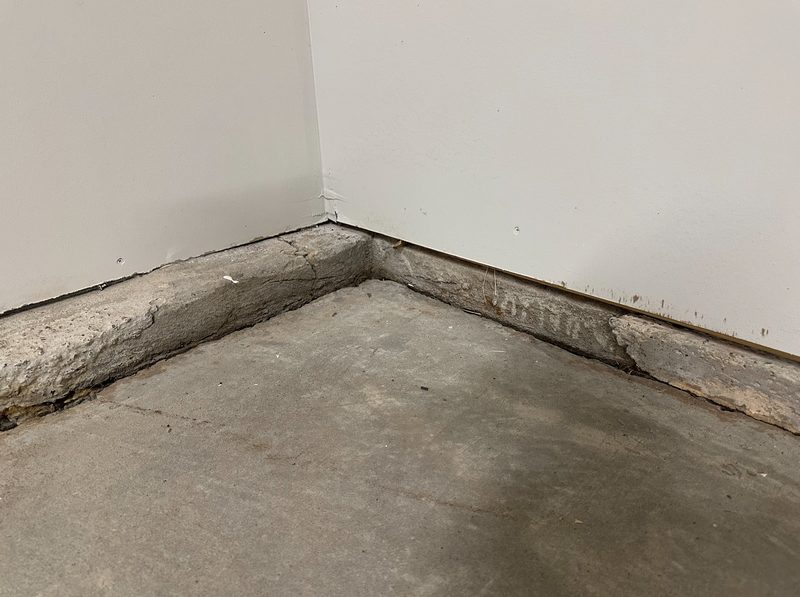
Put a ball on your floor. If it rolls, one side of your foundation has dropped. This kind of uneven settlement gets worse every year as the soil keeps shifting underneath. Helical pier installation moves that load onto steel, not onto dirt that keeps moving. The installation is what makes it permanent.
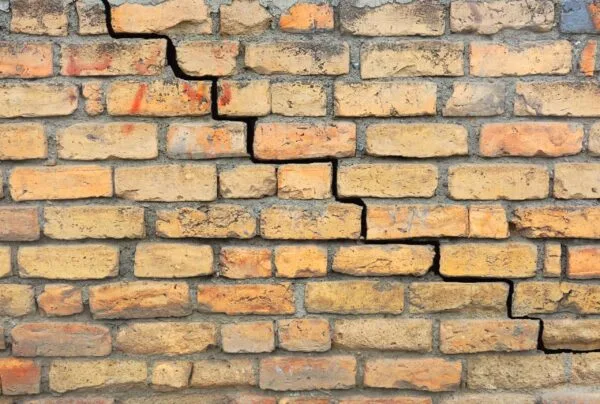
Cracks that follow the mortar joints in a zigzag pattern mean part of your foundation is sinking. These cracks grow wider over time and can start letting water in. Helical piers close the crack by lifting the structure back, and the concrete stops working against itself. Concrete does not heal, but a lifted wall stops tearing.
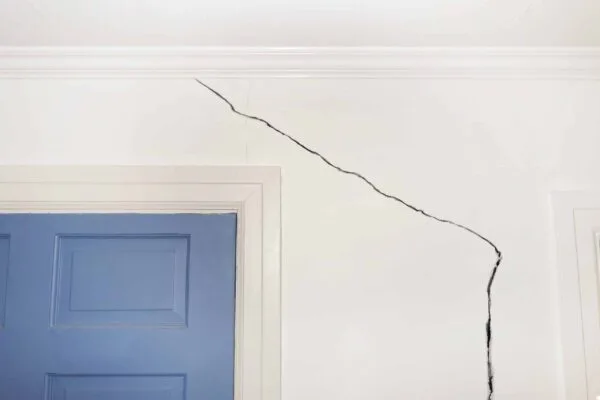
When a foundation drops, the frames around your doors and windows shift with it. A door that suddenly needs a hard shove to close is telling you the structure has moved. Once the structure moves, a helical pier is the only foundation repair that puts the doors back. Helical pier systems carry the load, so the framing stops racking.
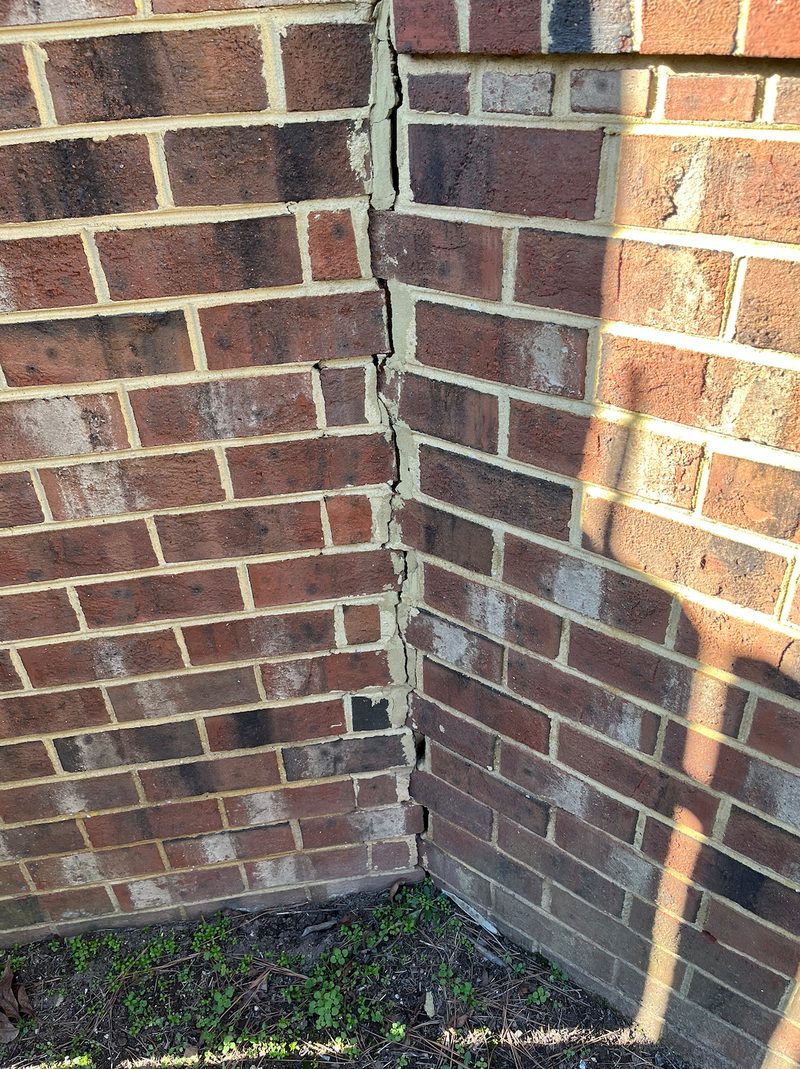
A gap between your front porch and the house means the porch footing has settled on its own. Left alone, that gap keeps growing and the porch keeps dropping. Helical piers under a porch cost far less than rebuilding it, and the project takes a day or two. A helical pier under a porch is a small installation.
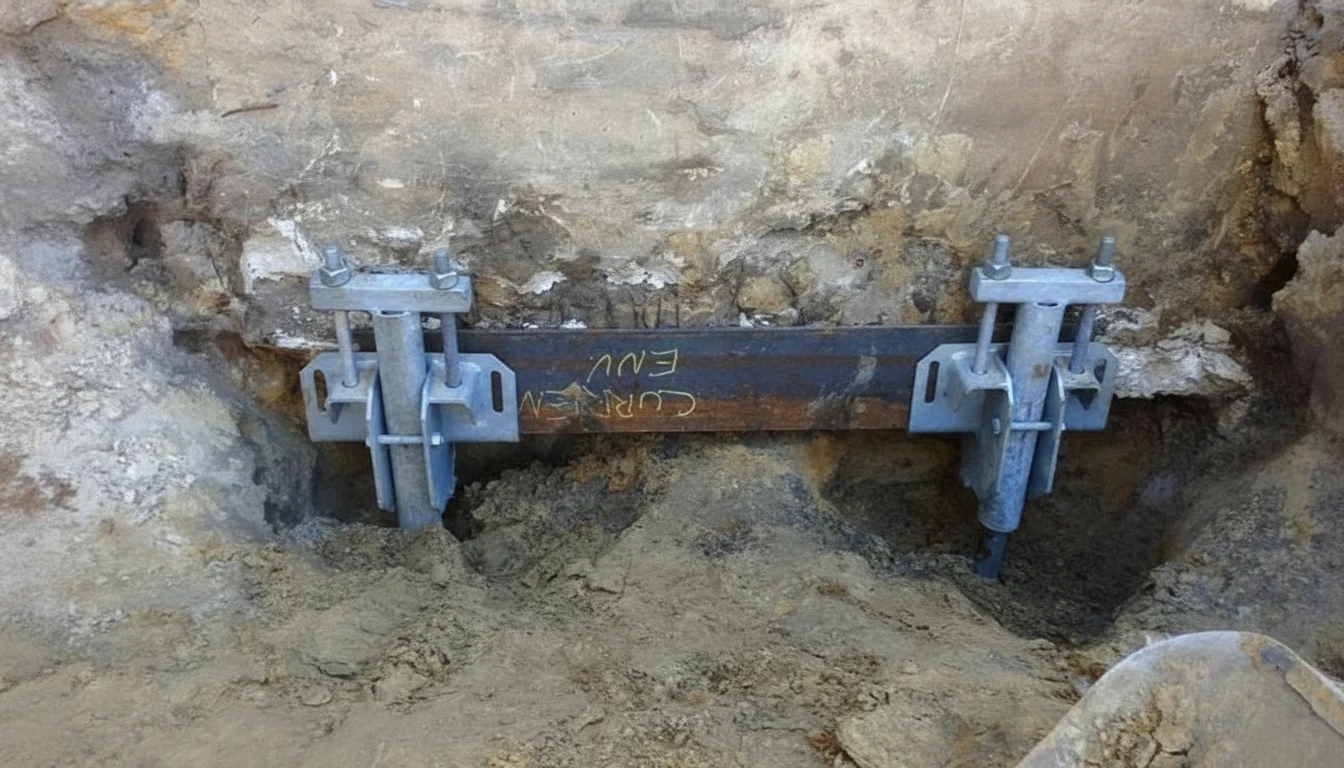
Helical pier installation gives your home a new foundation — one that reaches all the way down to solid ground. Each pier is a steel shaft with spiral plates that screw deep into the earth. When the pier hits load-bearing soil, we bolt it to your footing and transfer the weight of your home onto ground that isn't going anywhere. This is the fix for homes that are sinking, cracking, and shifting. Helical pier installation uses the same equipment as commercial construction, scaled to a house. The piers are a structural system, not a concrete patch.
Foundation underpinning with helical piers supports a settling home from below. We install piers along the affected walls, connect them to your footings with steel brackets, and lift the structure back toward level. The piers carry the load — not the problem soil that caused the settling in the first place. Steel piles reach past it to load-bearing depth, and the installation transfers the building onto them. That is what piles do that concrete cannot.
Porches, stoops, chimneys, and room additions often settle because they sit on shallow footings. Helical piers screw past the weak soil and anchor these lighter structures to stable ground — closing the gap between your porch and your house for good. That project is quoted on its own line, so the porch never hides inside the main foundation repair. The helical pier count is set by the load.
Our Process
We inspect your foundation, measure how far it has settled, and check the soil around your home. This tells us how many piers you need and how deep they need to go. The plan sets the pier count, the depth, and the installation cost before any crew reaches your yard. Nothing about the installation is a guess.
We dig small holes at each pier location and screw the steel piers into the ground with hydraulic equipment. Each pier is driven until it hits solid soil — confirmed by torque readings on every single pier. The drive head reads resistance the whole way down during installation, so every helical pier lands on real capacity. The drive head is a measurement, not an estimate.

Steel brackets connect each pier to your footing. Once every pier is set, we use hydraulic jacks to carefully lift the settled part of your foundation back toward its original position. Brackets tie the structure to the piles, and the building comes back on steel instead of dirt. The load carries on them from then on.
We backfill the work areas, clean up your property, and hand you full documentation — including a torque log for every pier and your warranty paperwork. You get the installation record for every helical pier, which matters when you sell. Helical piers are documented one at a time.
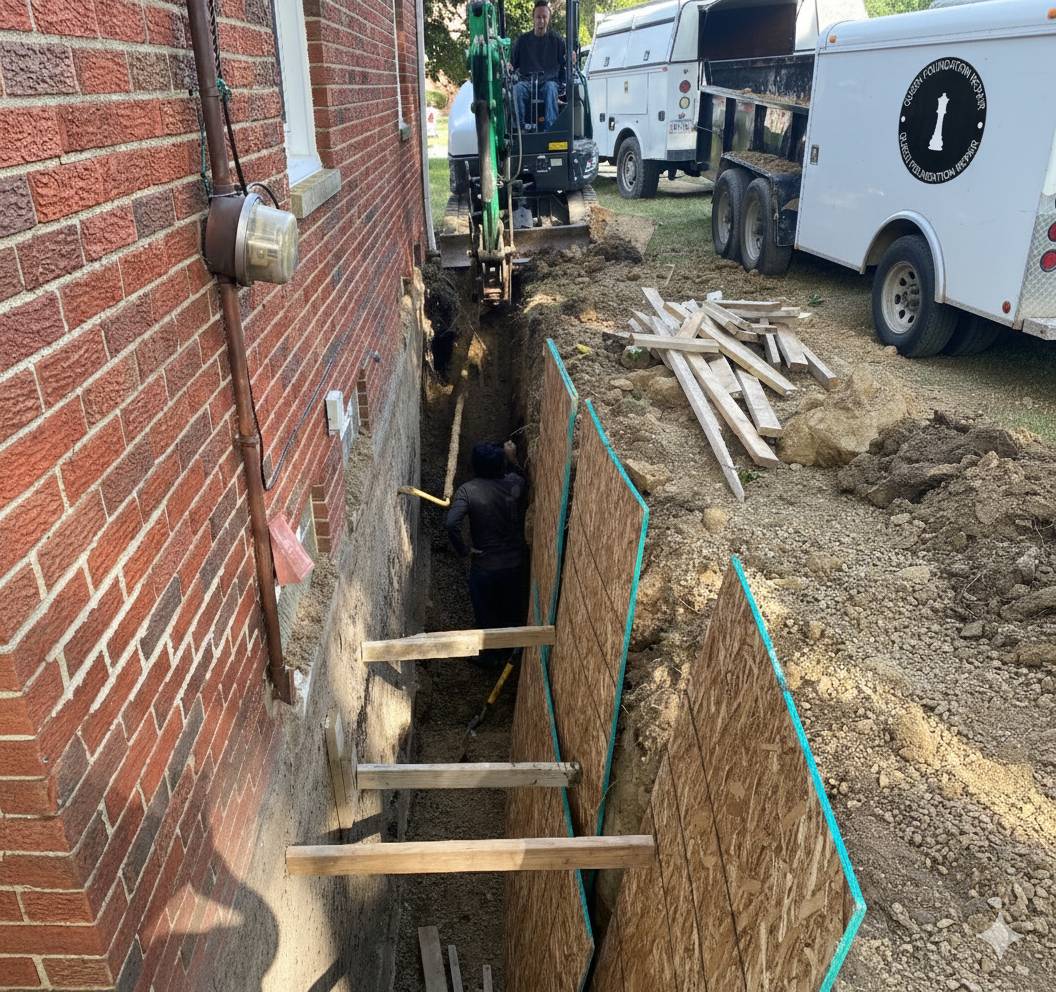
Helical piers are a permanent fix — but only when they're installed right. We use engineered steel pier systems with verified load capacities on every single pier. That means no guessing about whether your piers reached solid ground. You get a torque log for every pier we install, proving it hit the depth and resistance it needed to hold your home. That depth is what separates a real foundation repair from a concrete patch, and it is why helical piers hold. Shallow work fails where deep piles do not.
We don't cut corners on materials or method. Every pier is sized and spaced for your specific home and soil conditions. We dig down to the footing — not above it — so the load transfers correctly. And we give you a detailed written proposal before any work starts, so you know exactly what you're getting and what it costs. The quote covers the piers, the equipment, and the concrete work, so no cost shows up later. You see the full price before we start.
Your foundation holds up everything you care about. We treat it that way. From the first inspection to the final walkthrough, we explain what we're doing and why. No pressure. No surprises. Just honest work backed by a warranty you can count on. Helical pier systems are rated by the load they carry, not by how the sales pitch sounds. A helical pier either holds the building or it does not.
Get My Free Quote
Helical piers are a permanent solution. The coated steel shafts are built to last the life of your home. Once installed to proper torque in load-bearing soil, they don't settle, shift, or wear out. That's why they come backed by a long-term warranty. Steel piles do not rot, and the structure they hold stays where the installation put it. Helical piers outlast the concrete above them.
Helical piers are screwed into the ground with a hydraulic motor. Push piers are driven down using the weight of the building as resistance. Helical piers work best for lighter structures, porches, additions, and new construction. Push piers are better for heavier homes where the building's weight can drive the pier to depth. We recommend the right method based on your home and soil conditions. Push piers and helical piers solve different problems, and a foundation repair project done right starts with knowing which. Helical pier systems suit some homes and not others.
It depends on where the stable soil is below your home. Helical piers are driven until they hit the right resistance, confirmed by torque readings during installation. That could be 15 feet or it could be 25 feet or more. The depth is based on real soil conditions — not a guess. Some helical piers stop at fifteen feet and some run past forty, and the installation follows what the load needs. The drive head reads it the whole way down.
Yes. Once the piers are installed and connected to your footing with steel brackets, we use hydraulic jacks to raise the settled section back toward its original position. The amount of lift depends on the structure and the damage, but in many cases we can bring the foundation close to level. Lifting concrete back to level depends on what the structure will take, and we say so before the work starts. Cracks that have opened stay open, but they stop widening.
The best warranties in foundation repair are transferable. That means if you sell your home, the new owner is still protected. A transferable warranty can actually help your home's resale value — buyers feel confident knowing the work is guaranteed. Ask about warranty details during your free inspection. The warranty follows the helical piers, not the paperwork, and it carries to the next owner at no cost. Foundation repair should outlive the installation paperwork.
Queen Foundation Repair installs helical piers for homeowners across multiple service areas. If your foundation is settling, we can help — request your free inspection today.