
A wet basement gets worse with every storm. We stop the water and keep it out. Basement waterproofing keeps the basement dry for good, and the walls stay dry with it. Most basement waterproofing here needs an interior system, not a coating on the walls. A basement stays dry when the water has somewhere to go, and that is what a proper waterproofing installation gives it.
I'm Ready For A Free Quote
Thank You For Your Submission!
A team member will be reaching out to you shortly. We will walk the basement, check the walls, and price the waterproofing service before anything starts.







Basement Water Problem Warning Signs
Spot any of these? It is time to call.
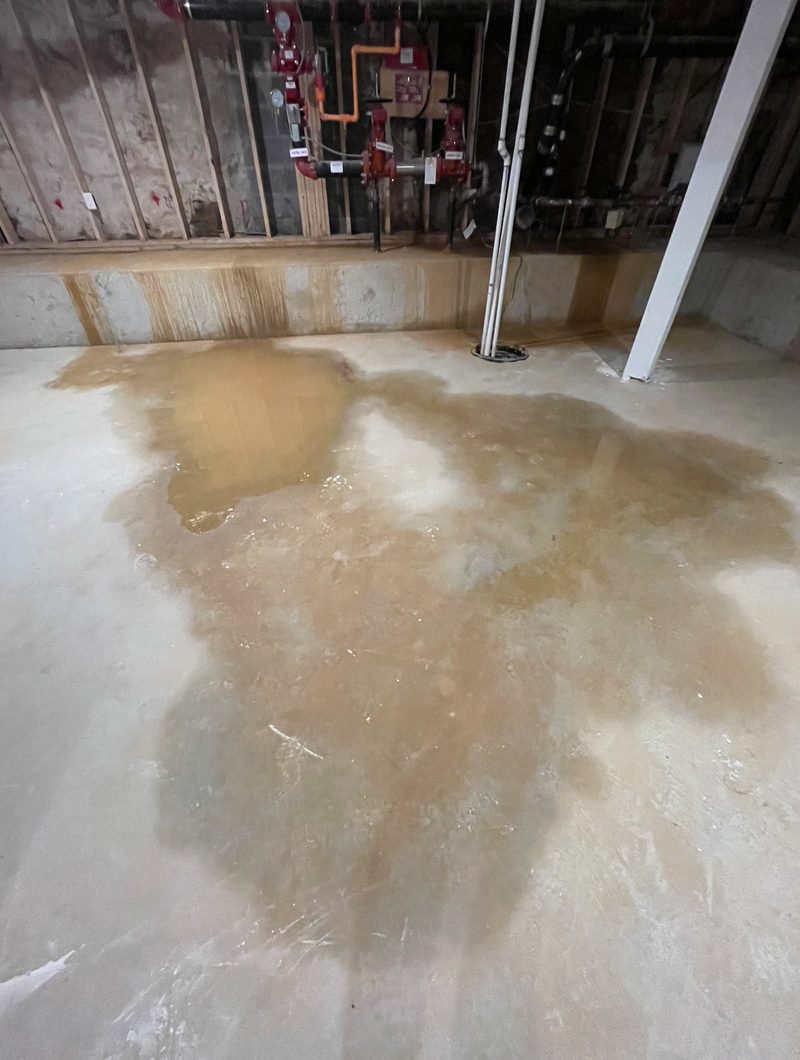
That means water pressure is building under your slab and pushing up through every gap it can find. It gets worse — not better. A basement only dries out once the basement walls stop letting water through. Waterproofing the basement is the difference between damp and dry. Block weeps long before a basement floods, and the repair is cheaper at that stage.
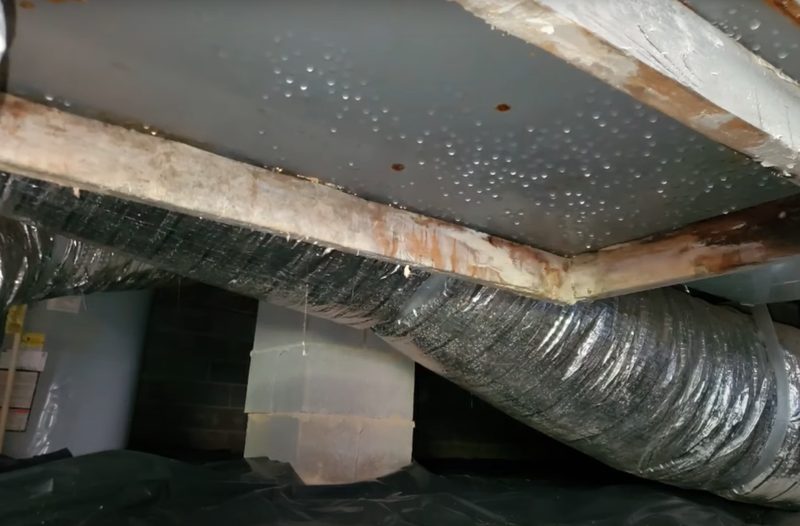
Moisture trapped below your house feeds mold. That mold gets into your air and spreads upstairs. A dry basement is the fix, and basement waterproofing is how you get one. Basements that stay sealed do not grow mold. A sealed basement protects the framing above it, and a sealed system is what keeps the block from feeding it.
That white residue is minerals from water passing through your concrete. The longer it builds up, the more damage is happening behind the wall. A perimeter system keeps the basement walls dry from the inside, and the pump carries the water away from the basement for good. Interior systems handle the water already inside the block.
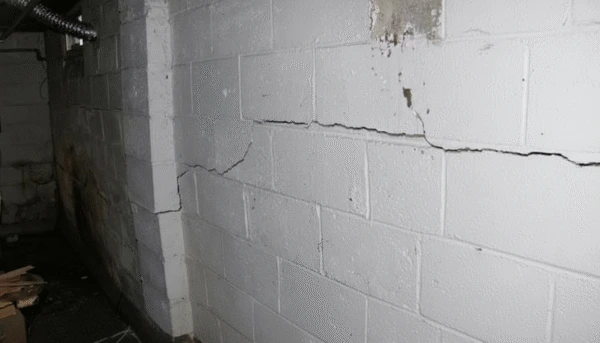
Every crack is an open door for water. They get wider over time and let in more every season. Crack injection seals them, and exterior sealing keeps the soil water off the basement walls. Basement wall repair on cracked or bowing walls is part of the same service, and exterior work on the outside of the basement walls finishes it.
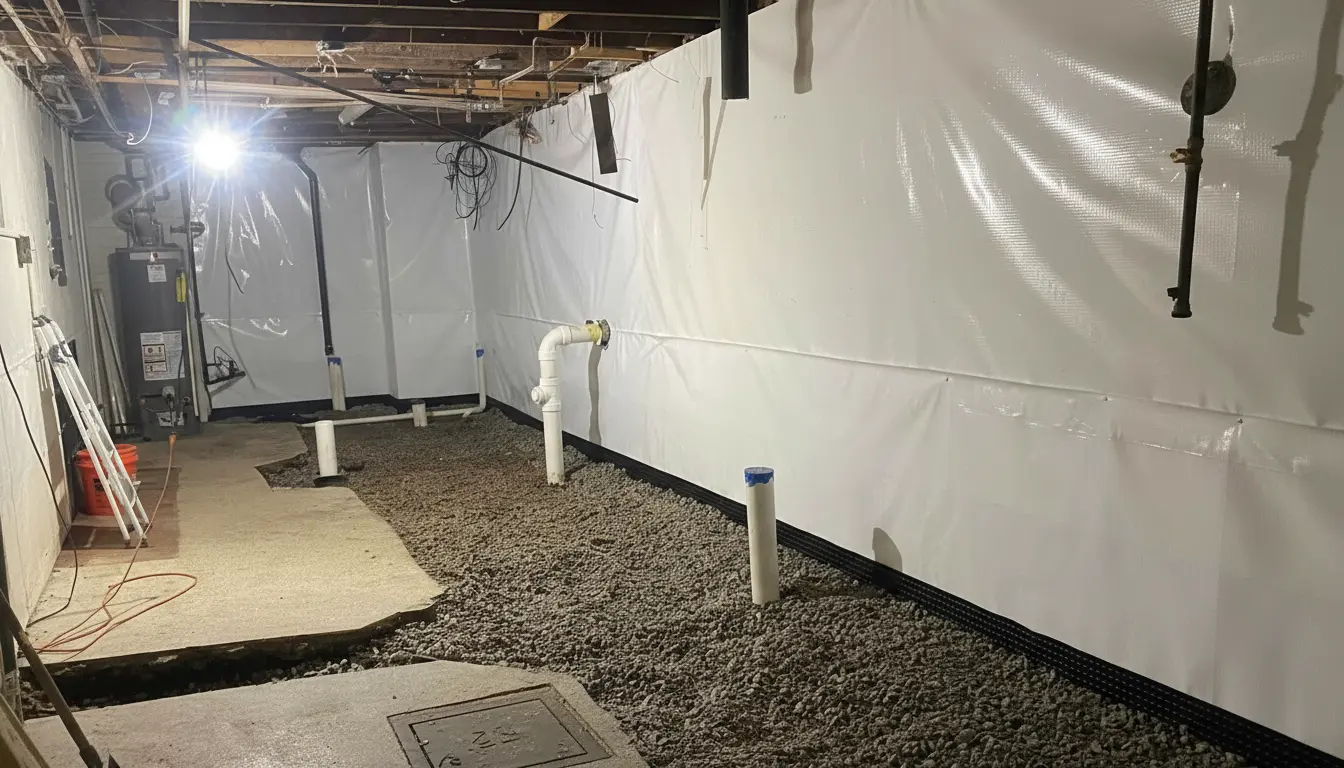
Basement waterproofing is about controlling where water goes — not trying to block it out. We manage it below your floor and behind your walls so it never reaches your living space. Most jobs combine drainage, pumping, and sealing to handle every source of water at once. Interior and exterior basement waterproofing solutions each solve a different path, and most basements need both. A waterproof basement is the goal, not a drier one. Interior and exterior solutions together are what make a basement waterproof rather than merely dry.
We cut a channel along the cove joint — where your floor meets the wall — and lay drain tile in gravel. This catches water at the most common entry point and routes it to a sump pit before it ever reaches your floor. A sump pump pulls the water from the pit and pushes it out and away from your house through a discharge line. We include a battery backup so the system runs during storms — even when the power goes out. A sump pump is the heart of any basement waterproofing system, and the installation is what makes it reliable. Pump installation is quoted with the rest of the basement waterproofing scope. A basement without a working pump is not protected, it is just sealed.
For wall cracks in poured concrete, we seal them with polyurethane injection. Block walls get a dimple membrane to channel seepage down to the drain. These fixes stop water at the point of entry so it never makes it past the wall. Sealing the basement walls at the source keeps the interior dry without trapping water inside the block. Block walls that stay sealed stop deteriorating, and the basement behind them stays usable. The block is the first place water shows and the last place it leaves.
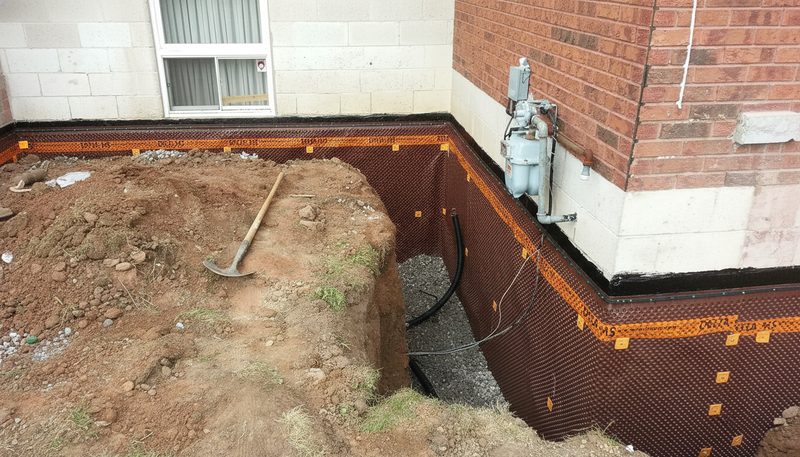
On the outside, we apply a waterproof membrane to the foundation and fix grading so surface water moves away from the house. When moisture still pushes through as vapor, we add a dehumidifier to finish the job. That is what keeps a basement dry year round rather than just drier than it was. Conditioned air in the basement protects everything stored down there. A conditioned basement is a usable basement.
Our Process
We inspect every wall, joint, and crack inside your basement. Then we check your gutters, grading, and downspouts outside. We find where the water is coming from before we recommend anything. Every basement waterproofing job starts with finding the water, not with selling a system. We look at the basement, the floor joint, and the exterior grade first, then price the repair. Interior and exterior basement work are two different solutions to the same problem. We price the service from what the basement actually needs.
We design the drainage layout, choose the right pump size, and give you a written estimate with the full scope of work. No surprises. Perimeter systems, sump pump installation, and exterior work are priced as separate solutions.

Our crew cuts the concrete, lays the drain tile, and sets the sump pump and battery backup. We protect your space and clean up each day. The basement stays workable while the waterproofing service is underway, and most basement waterproofing installations finish in two to three days. The basement is back in use the same week.
We run water through the entire system to make sure it works. Then we walk you through everything — how to test the pump, what the warranty covers, and what to watch for going forward. A basement waterproofing system needs almost no upkeep once the installation is signed off. A basement waterproofing service is a one-time repair when the interior and exterior work is done properly. A basement done once should not need doing again.
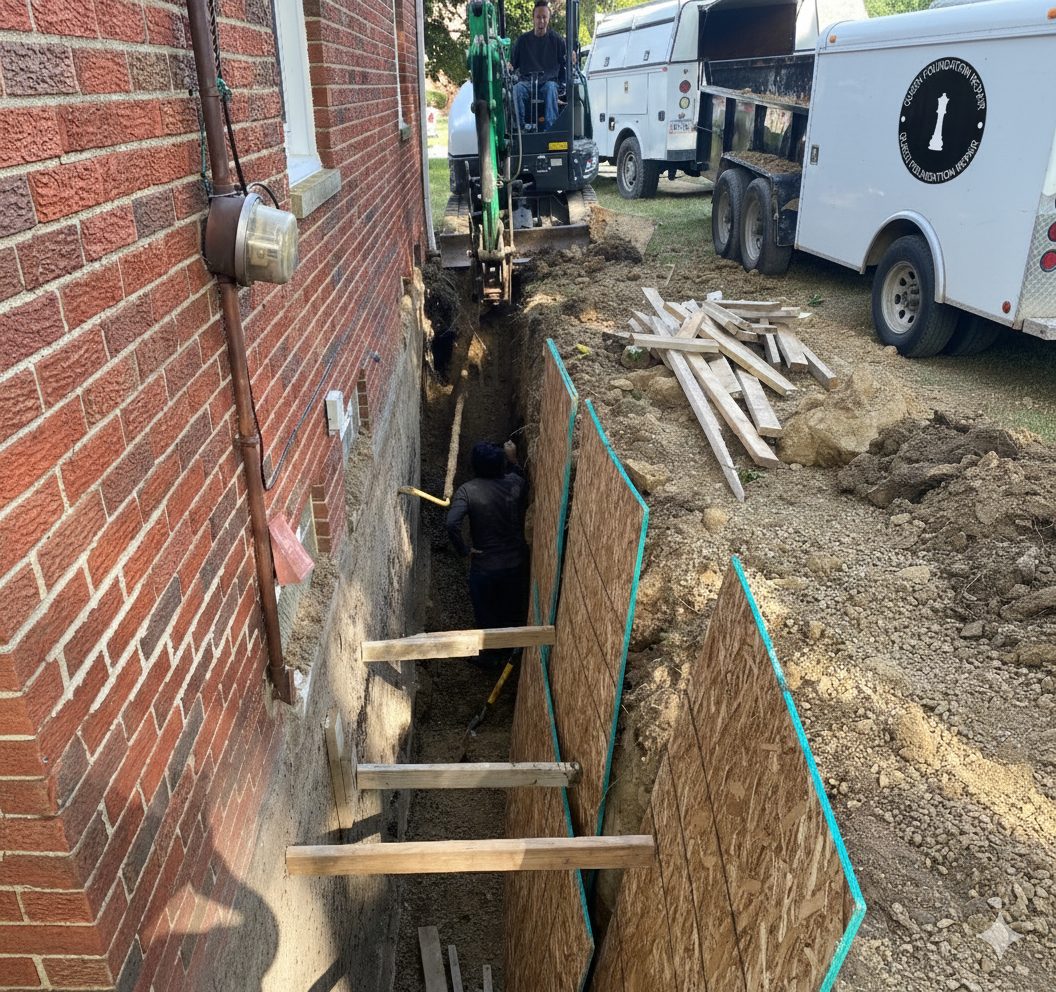
Most waterproofing failures come from the wrong system for the problem. We do not sell the same solution to every house. If the issue is outside grading, we fix the grading. If it is hydrostatic pressure pushing water through the cove joint, we install interior drainage. You get the fix your basement actually needs — not the most expensive option on the list. Some basements need a full perimeter system; some just need the walls sealed and a sump pump.
A waterproofing job means cutting into your basement floor and working inside your home. We run dust control, protect your space, and clean up every day. You will know what is happening at every step. If anything changes — scope, timeline, or cost — we tell you before we move forward. That holds for basement waterproofing solutions and for straight repair work alike.
Every system we install comes with a transferable warranty. If water comes through where we waterproofed, we come back and fix it at no cost. That warranty transfers to the next owner if you sell — so it protects your investment now and adds value later. A dry basement is worth more than a repaired one, and buyers can tell the difference. A sealed basement adds usable square footage to the home, which is why basement waterproofing pays for itself. A sealed basement is worth more per square foot than a damp one.
Get My Free Quote
In most cases, no. Insurance companies treat water seepage and groundwater as a maintenance issue, not a covered event. Flood insurance covers natural flood damage but not water pushing through your foundation. If you are waiting on an insurance decision to act, the problem is getting worse in the meantime. A free estimate will tell you exactly what the fix involves. Basement waterproofing pricing follows the scope: a perimeter system, exterior excavation, or sump pump installation.
Interior waterproofing works for most homes. It catches water after it enters and moves it to a drain and pump system before it reaches your floor. Exterior waterproofing stops water at the wall with a membrane — but it requires excavation down to the footing, which adds significant cost. We inspect your basement and recommend the approach that fits your situation. Most basements need a perimeter system; some need the exterior walls sealed as well.
Products like Drylok and hydraulic cement handle surface dampness. They cannot hold back hydrostatic pressure — water in the soil pushing against your foundation from the outside. That is why they peel or bubble after a season or two. The real fix is a drainage system that moves the water out, not a coating that tries to hold it back. Paint traps water in the basement walls. A drainage system moves it out and keeps the basement dry. Waterproof coatings fail because the water has nowhere to go. A proper system works because it gives the water a path out of the basement.
Yes. A documented wet basement is one of the biggest red flags in a home inspection. Fixing it removes that red flag and gives you usable square footage back. A transferable warranty also shows future buyers the problem was handled the right way. A documented basement waterproofing service is worth more at sale than an undocumented repair.
Test your sump pump every few months by pouring water into the pit. Check the battery backup once or twice a year. Keep the discharge line clear outside. A properly installed system runs on its own with very little upkeep. Basement waterproofing systems are built to outlast the sump pump inside them, and the pump itself is a simple repair when its time comes. The rest of the system keeps working around it.
Queen Foundation Repair provides basement waterproofing across 41 cities nationwide. Select your location below to learn more.