A musty smell that meets you in the hall, floors that bounce when you cross them, humidity the air conditioning cannot shift. Foundation repair, crawl space encapsulation and french drain work on houses from San Marco out to Murray Hill. The inspection costs nothing.
Get Your Free Inspection
We appreciate you reaching out.
One of our team members will be with you shortly.





WHAT WE SEE MOST
Most older Jacksonville houses sit up on piers with a crawl space underneath, and the ground down there is open sand with the water table close under it. What comes off that ground has one way to go, which is up into the house. This is what you notice first.
A musty smell in the hall
You catch it walking in and it never quite clears. Most of what you are breathing up here started on the open ground under the floor.
Floors that bounce
One patch gives as you cross it, usually mid room. On piers that means a beam has sagged or a post has pressed down into the sand.
Humidity that will not shift
The air conditioning runs and the rooms still feel heavy. Wet ground under the house puts moisture into the air faster than the unit takes it out.
Doors that stick
It shut cleanly for years and now it catches at the top. The frame is no longer square because the floor beneath it has dropped.
Cracks over doors and windows
A wall gives at its openings first, so cracks show above the frame before anywhere else. One that reopens after filling is still moving.
A gap at the ceiling line
Trim pulling away from the ceiling, wider at one end than the other. Something below is taking the frame out of shape.
The difference here is that most of it happens where nobody looks. A crack you can keep an eye on; wet ground under a raised floor simply carries on, and the joists take the damage quietly. If the smell is back every summer, or the give in that floor is worse than it was last year, that is the point where looking costs nothing and waiting starts costing something you cannot see yet.
A crawl space that never dries, floors that give as you cross them, a wall that stays damp at the bottom, ground that will not drain. Those are the calls across Jacksonville. Tap any service to see what the work involves and when it honestly is not what you need.
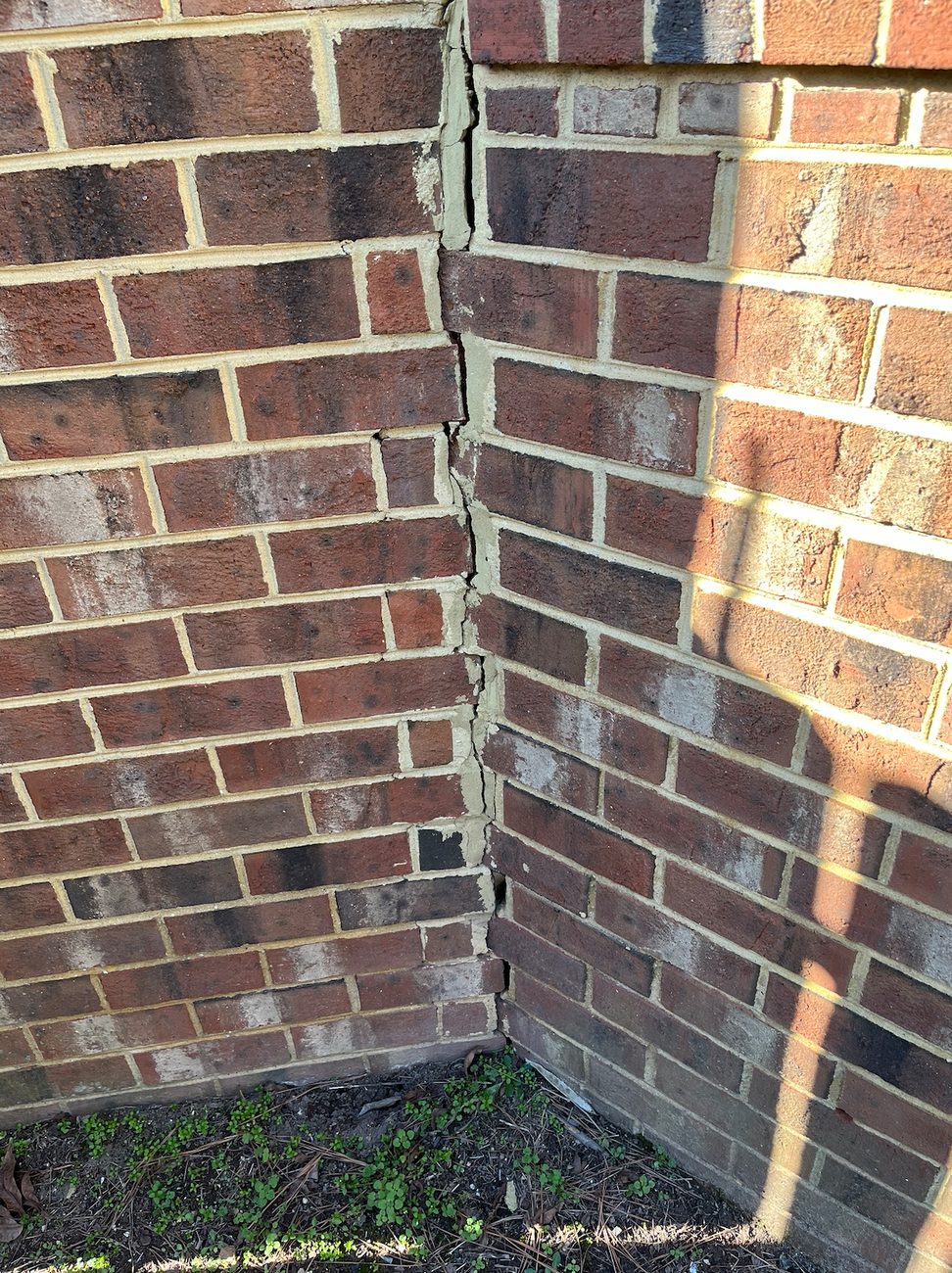
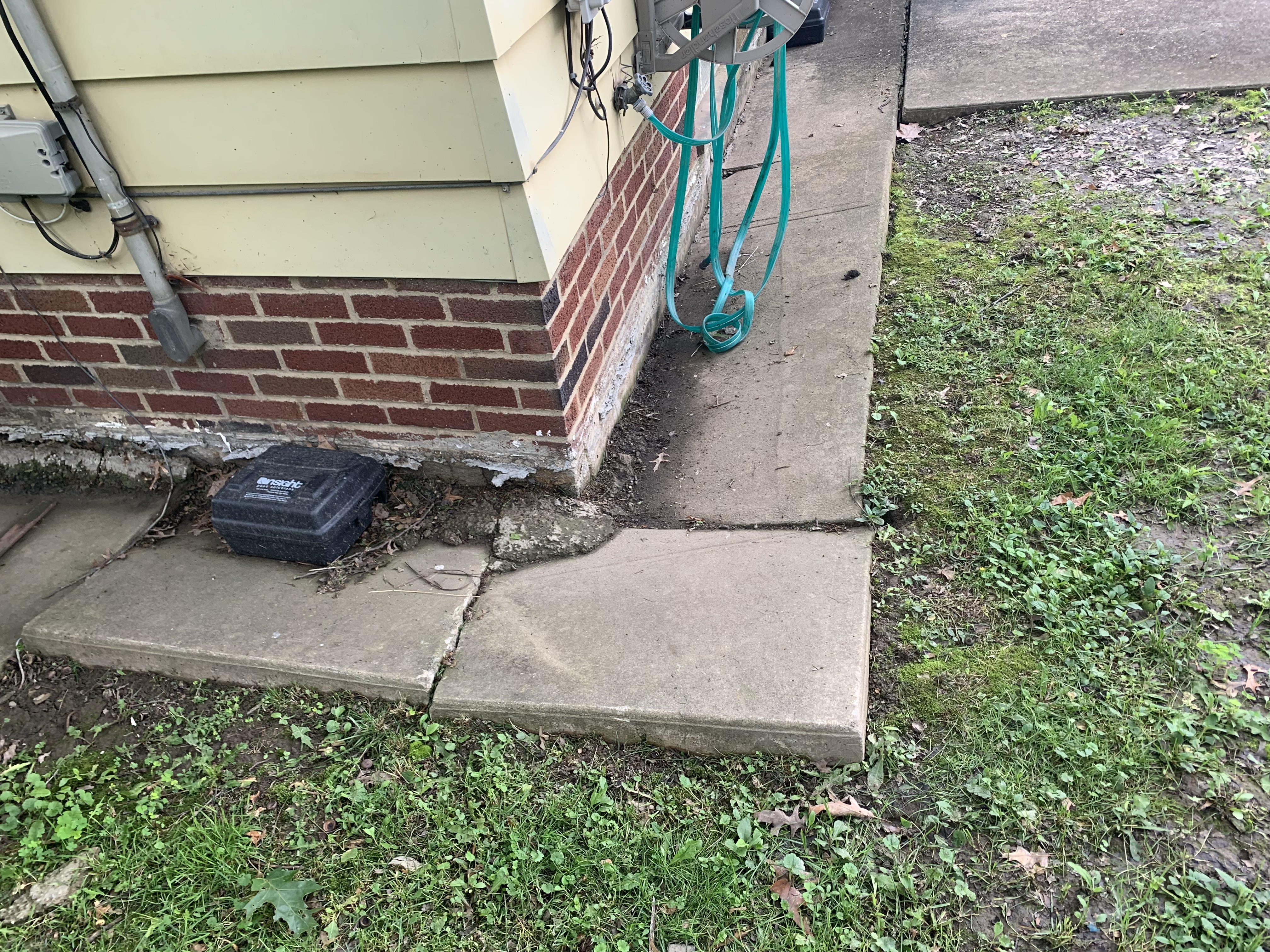
Stabilizing houses that have settled, bringing sloping floors and cracked walls back to level on ground that will carry the load.
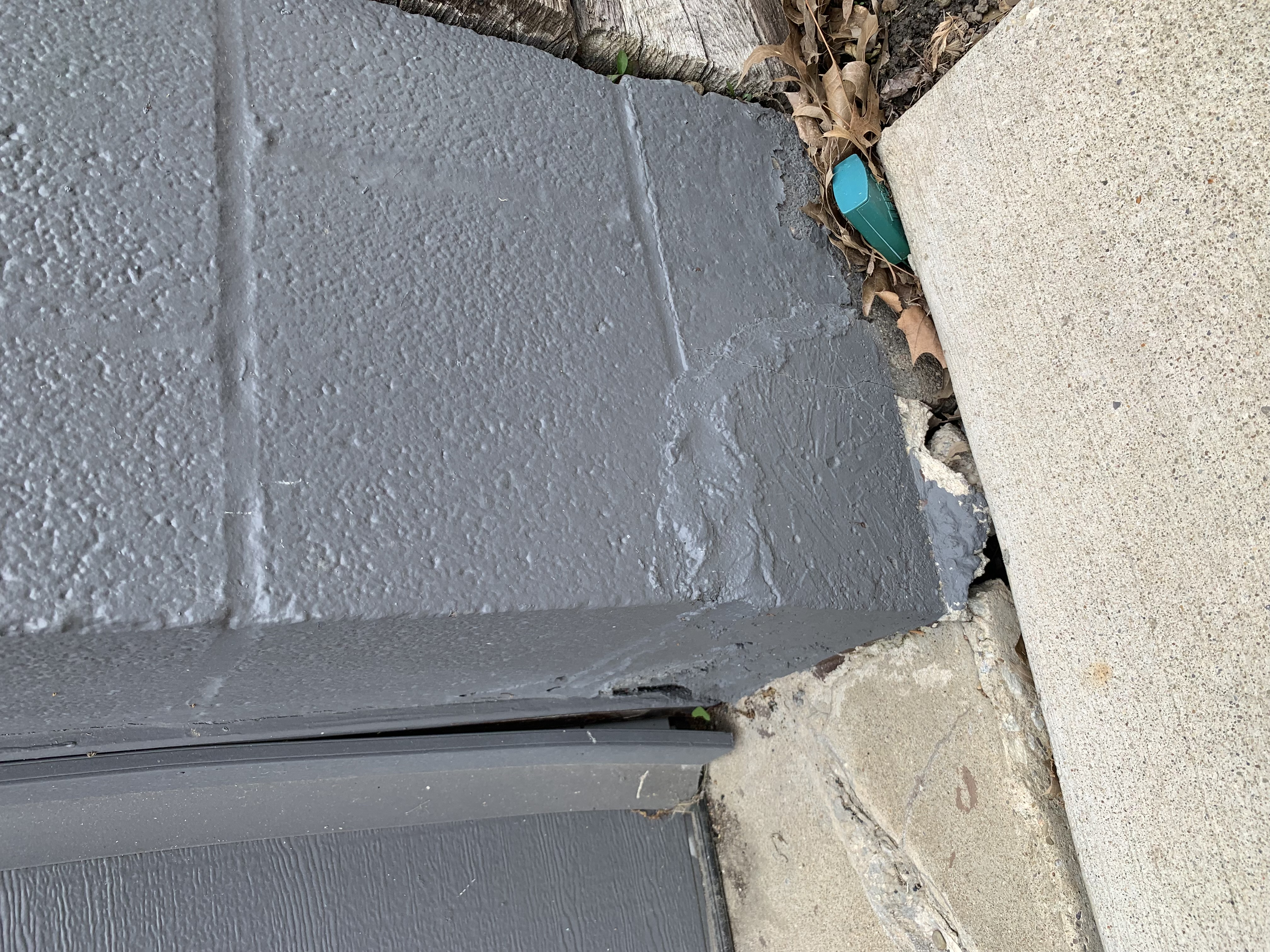
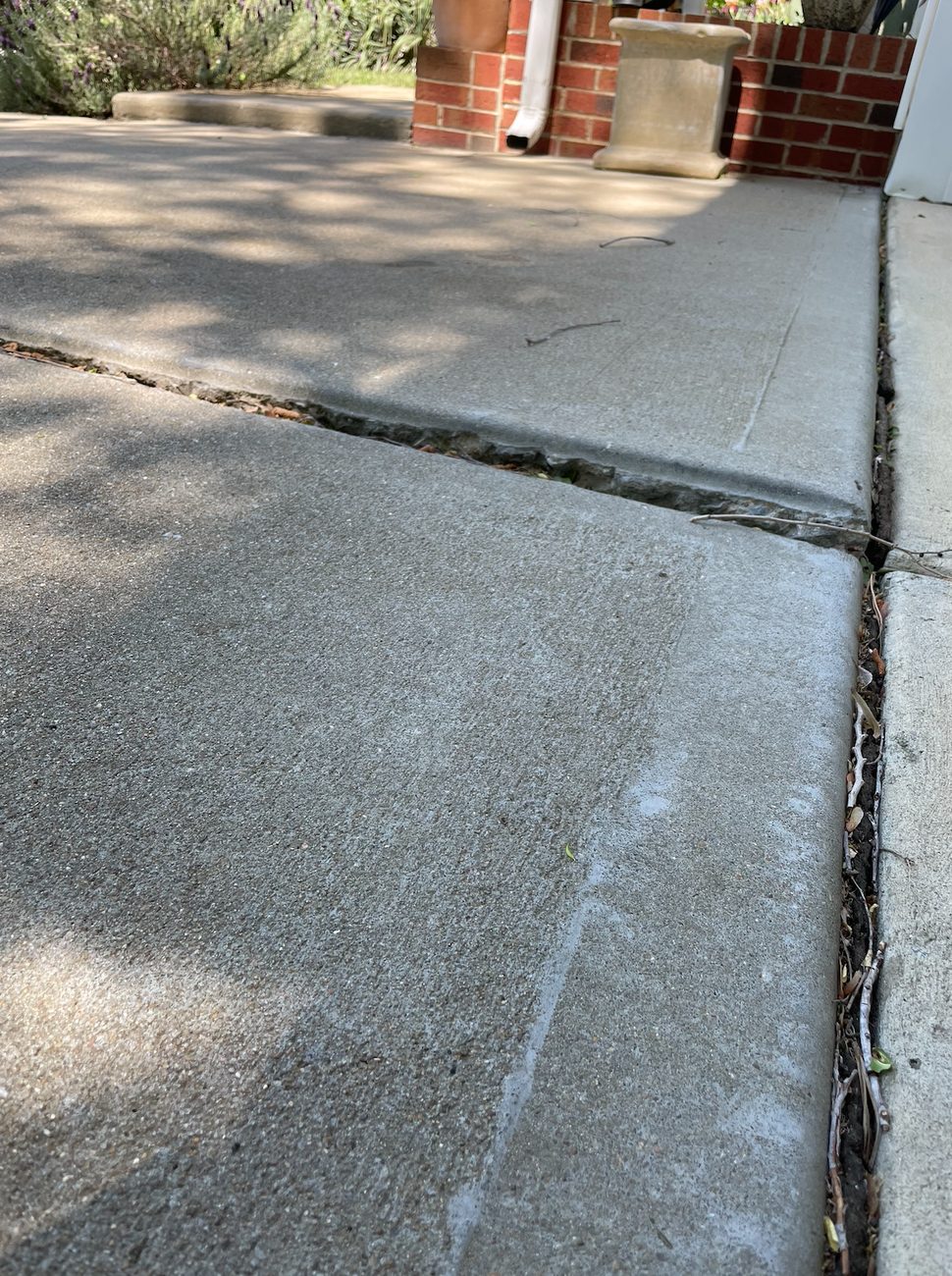
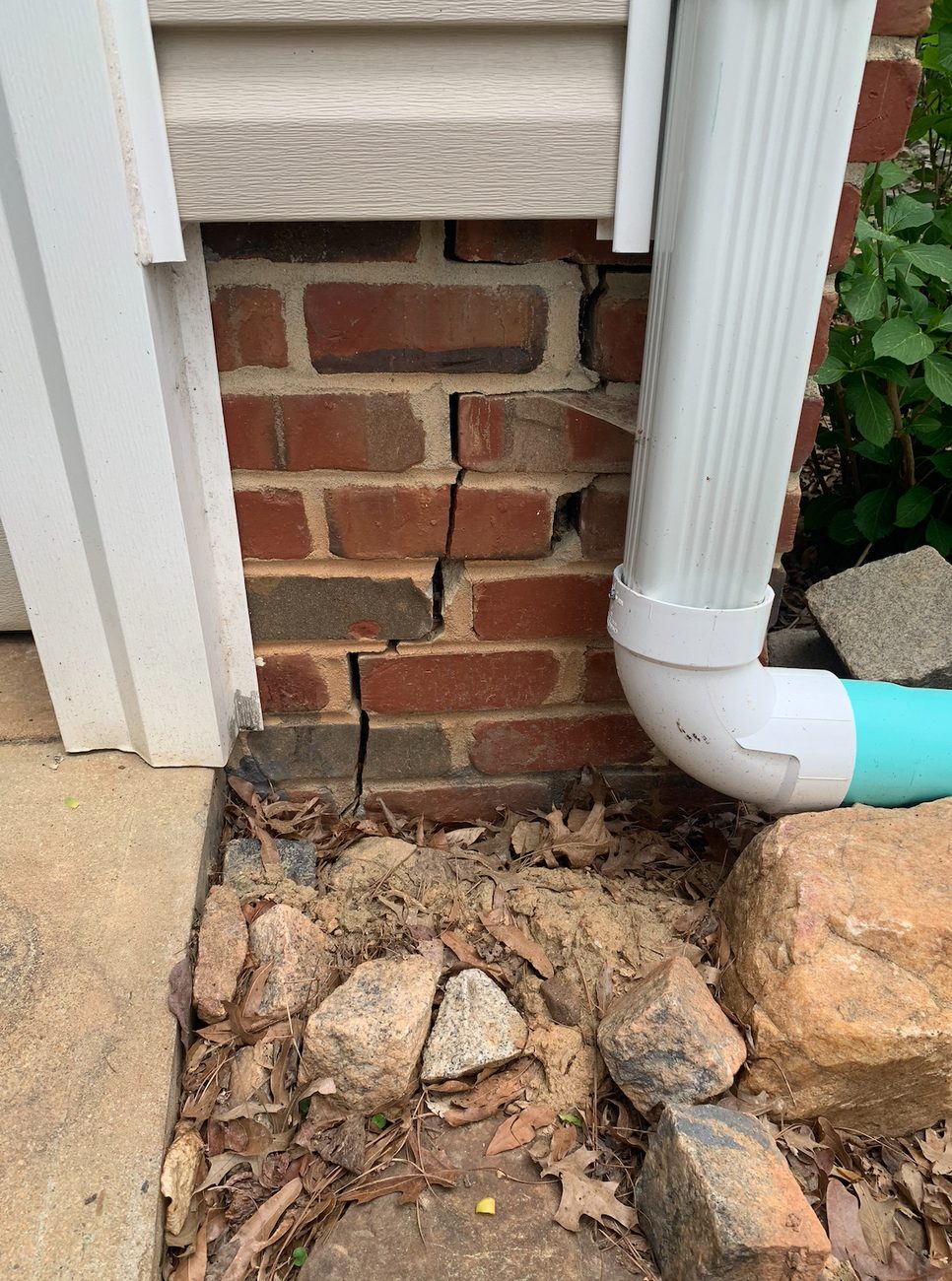
Learn moreFloors running away from level toward one wall, cracks opening above the doors, a door that stopped closing properly last winter. On the raised houses through San Marco the load runs down through posts and piers into sand, and where that sand was never compacted it keeps giving way slowly for decades.
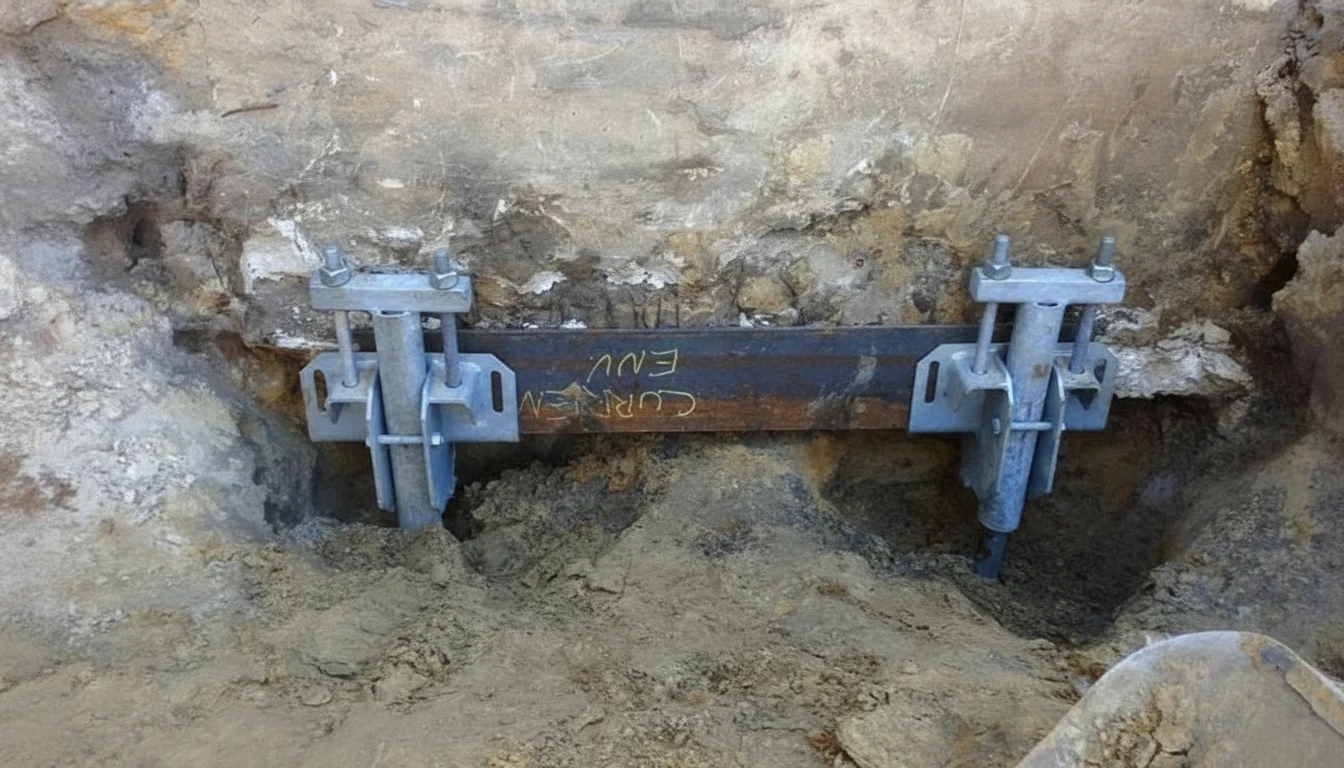
What we do depends how the house is built. On a raised house, underpinning means new steel supports turned down until they reach material that carries weight, then the load transferred onto them. Near the river the depth can run to twenty feet or more before anything holds. On the slab houses further out it is the same principle, with the supports taken down to the footing instead of the beam.
None of it dries the ground out. If a downspout or the grade is still putting water under that corner, it happens again. Around Avondale we look at where the water goes before quoting the repair, because the two problems arrive together and fixing only the visible one buys time rather than settling it.
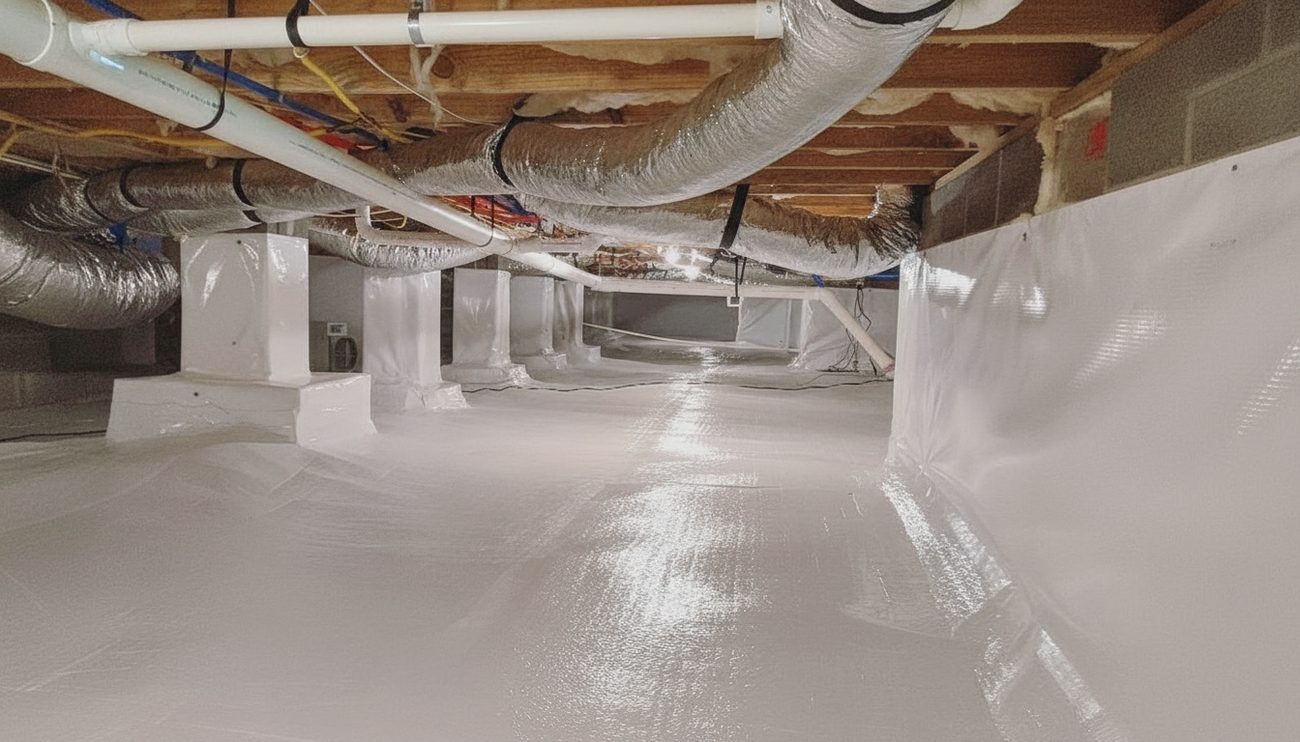
Sealing the open ground under a raised house so the damp stops rising into the rooms and the space finally stays dry.
Learn moreA smell that meets you in the hallway, humidity the air conditioning cannot bring down, insulation sagging wet between the joists. Under the older houses through Avondale the crawl space floor is open sand with the water table close beneath it, and ground like that gives off moisture without ever stopping. What comes off it has one direction to travel.
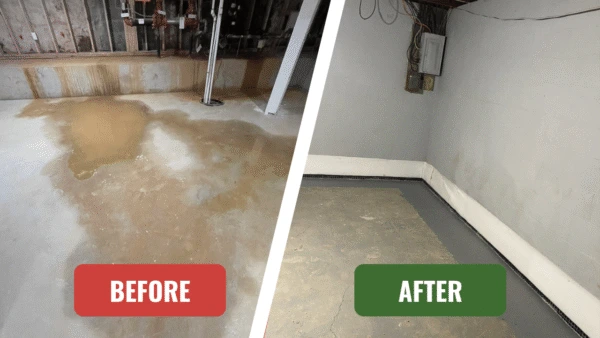
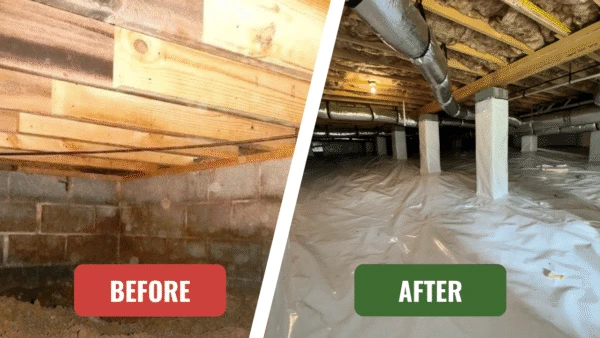
Encapsulation closes it off properly. A heavy liner goes across the whole floor, up the piers and up the walls, taped at the seams and sealed over the footing so nothing gets in behind it. Vents get closed, because Jacksonville air brings in more moisture than it ever removes. Murray Hill crawl spaces are almost all like this. A dehumidifier sized to the space holds it there and drains itself, and sized wrong it runs all day and never catches up.
This is not a structural repair. A floor that already sags needs new supports as well as a liner. Around San Marco, where water actually stands under the house, drainage goes in first, because sealing over standing water only puts a lid on it, and the smell finds its way back within a season.
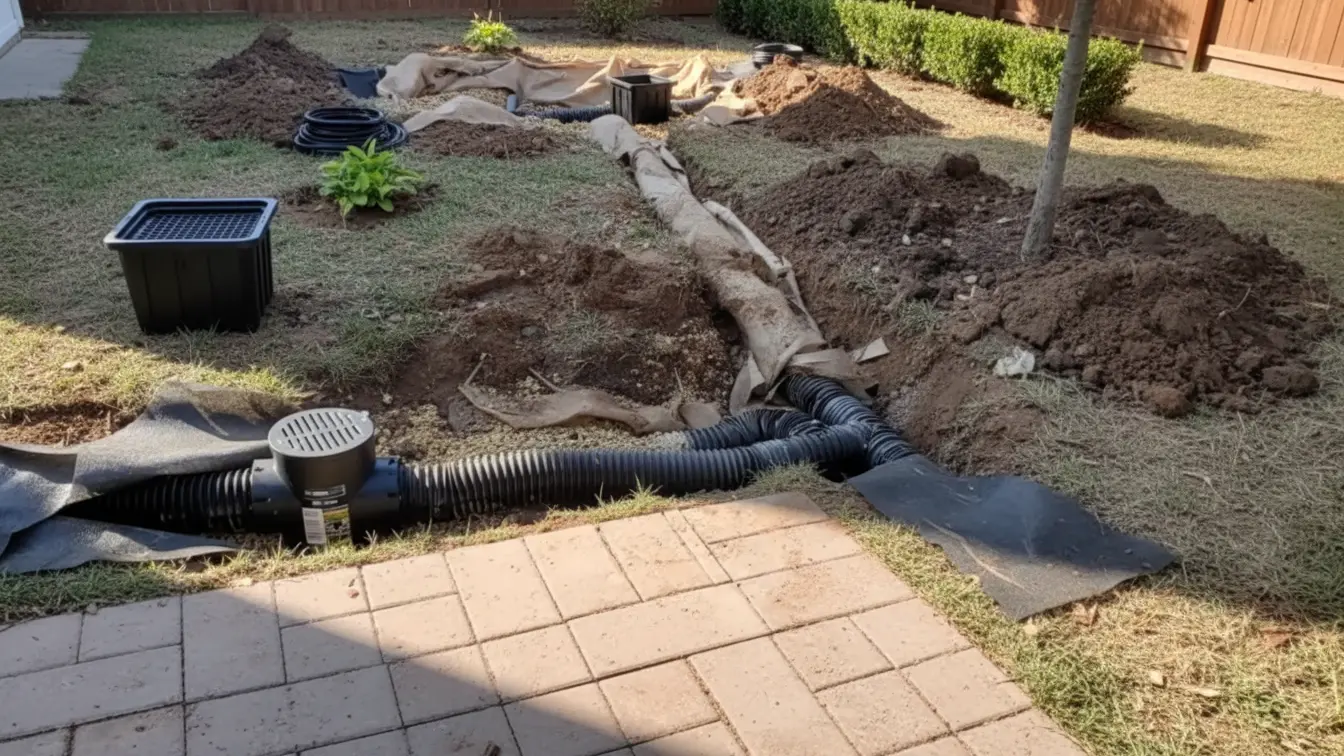
Cutting a drain line that catches water below ground and carries it clear before it reaches the crawl space or the footings.
Learn moreA strip of lawn still soft three days after rain, water standing under the house where it used to drain, a low corner of the yard that has become permanent. With the water table sitting where it does through Murray Hill, rain has very little room to go anywhere, so it stays and works its way under the floor.
Around Avondale a drain gives it a route out. We open a trench above wherever the water keeps arriving, lay filter fabric so sand cannot choke the pipe, then perforated pipe on a steady fall bedded in washed stone. Water reaches the stone, drops into the pipe and leaves the property. In sand the depth matters more than the length, because the pipe has to sit below the level the water actually travels at.
Where it discharges decides whether it works at all. Ending a line in ground already saturated achieves nothing. This handles groundwater and surface water, not a crawl space damp from humid air, and on some lots regrading the yard is the cheaper answer, which we will say plainly when it is the case.
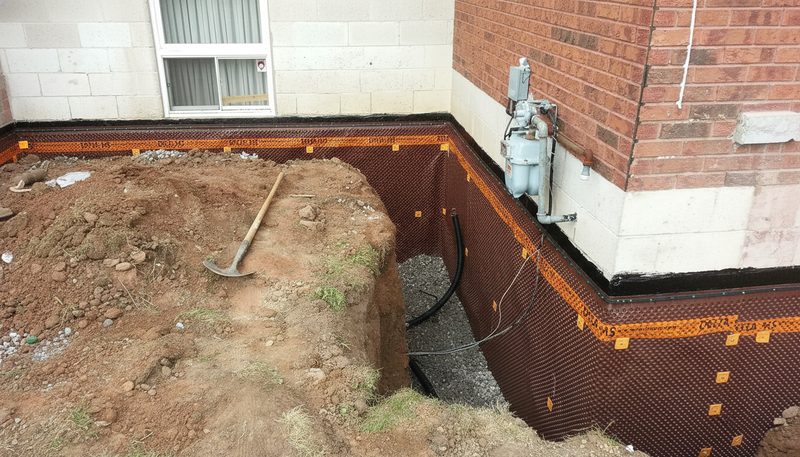
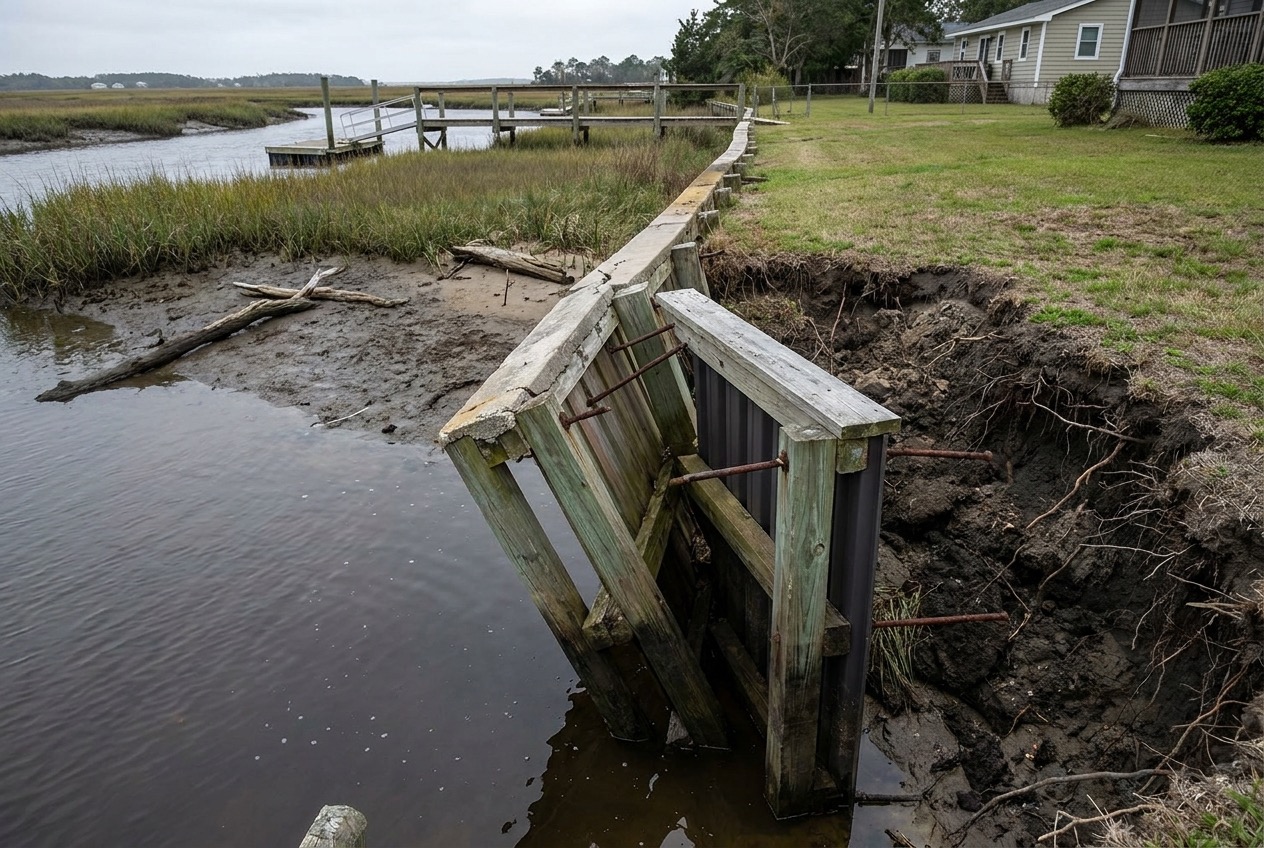
Keeping water off the foundation itself, with a membrane on the outside face and a drain at the footing to take it away.
Learn moreA dark band along the bottom of an exterior wall that never dries, chalky white powder that comes back after you brush it away, damp showing where the framing meets the foundation. Water is standing against the wall rather than moving past it. On the low ground near the river through San Marco that is a condition rather than an event.
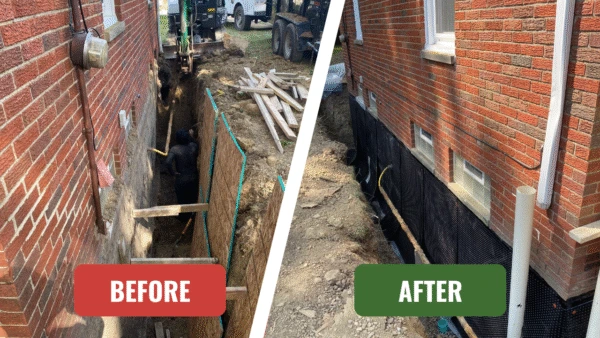
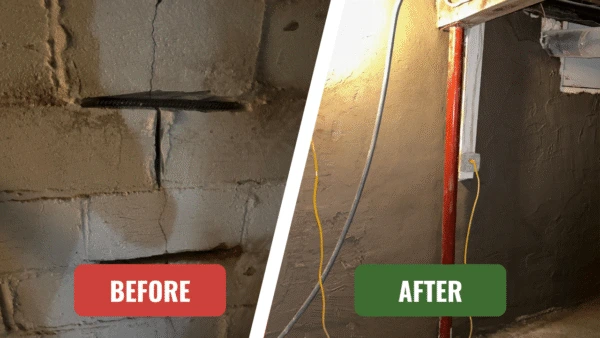
The work happens on the outside face. The wall is excavated down to the footing, cleaned and coated, then a dimple-board membrane goes over the coating so any water arriving runs down the sheet instead of soaking in. A perforated drain sits at the footing in washed stone and carries it clear of the house.
This is a different job from a french drain out in the yard, and it will not dry out a crawl space that is damp from the ground beneath it. What it does is stop water reaching the foundation. Around Murray Hill it is usually the part everything else depends on, and doing it later costs more than doing it once.
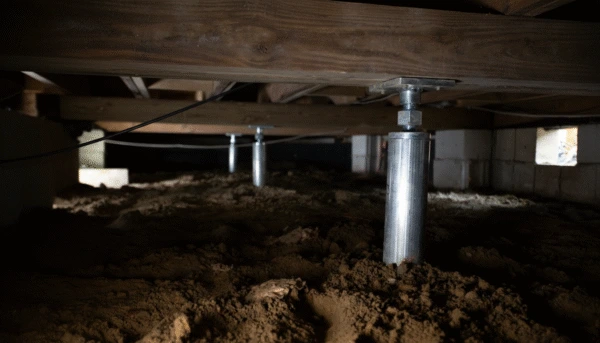
Replacing the failing posts, beams and joists under a raised house, so the floors overhead stop sagging and giving as you cross them.
Learn moreA floor that runs downhill across a room, a place near the middle that gives when you walk it, doors that have started catching. Under a raised house something a few feet below has moved. In the Murray Hill houses the posts have pressed down into sand that was never compacted, the beam has sagged between them, and joists that have breathed damp air since the forties are nothing like what they were.
We pull the old posts and set adjustable steel ones on fresh concrete pads, so the load rests on concrete rather than sand. The beam comes back to level over several days instead of in an afternoon, because lifting it quickly cracks plaster upstairs. Weak joists get new lumber bolted alongside, soft ends are cut back to solid wood, and anything rotted through is replaced outright.
Lifting a floor does nothing about why it dropped. If it stays damp under there the new lumber ends up exactly like the old lumber. In the Avondale houses we look at both on one visit and say which part needs doing now.
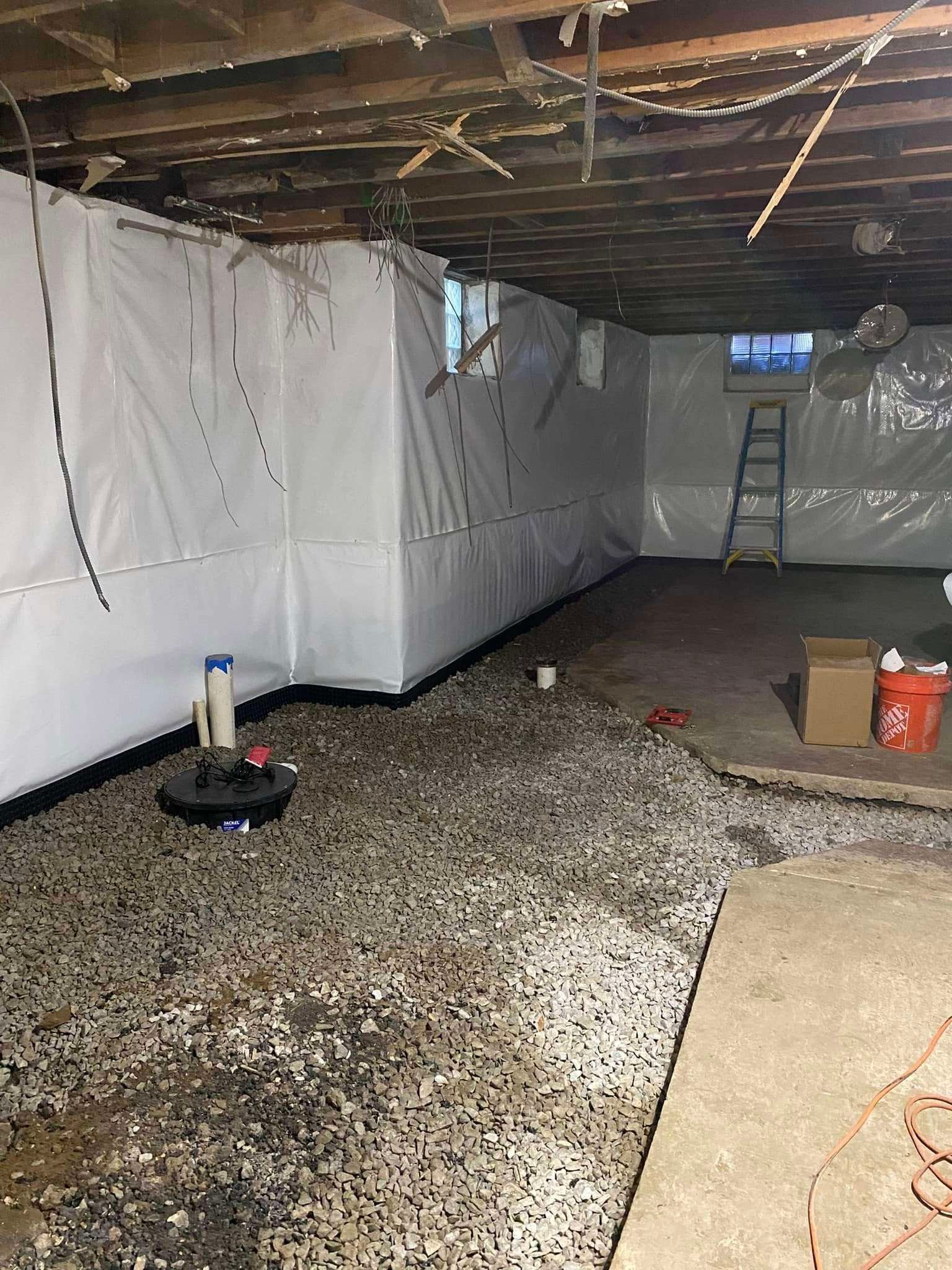
Stops the open ground under the house feeding moisture up into the rooms above, using heavy sheeting laid across it.
Learn moreA smell coming up through the floorboards, insulation that feels damp when you press on it, or an inspection that flagged open ground under the house. Lift that insulation in an older San Marco home and what is underneath is usually bare sand, giving off moisture without a pause, every day of the year.
Sheeting goes across the whole floor, overlapped and taped at every seam, cut around each pier and run a short way up the walls rather than stopped at the edge, because that joint is where a great deal of the moisture was escaping. Weight matters more than people expect: builder-grade poly splits the first time somebody crawls over it, so we use reinforced sheeting rated to take a knee, fastened down at the edges.
This brings the moisture down without sealing the space. Where water genuinely stands under there, encapsulation with drainage is the honest answer and we would rather say so than sell sheeting twice. In the Murray Hill houses the piers sit close enough that cutting round them takes the longest part of the day.
Queen Foundation Repair handles the two things that go wrong under a Jacksonville house: ground that has moved beneath it, and the moisture that never leaves. We are a leading provider of foundation work across the Jacksonville area, covering foundation repair, crawl space encapsulation, french drain installation and foundation waterproofing.
Most of what we get called to started quietly. A smell in the hallway that came back each summer, a soft patch in the floor you learned to step around, insulation that felt damp the one time anybody checked. Left alone those get dearer, because the ground under the floor carries on doing what it does.
So we look before we quote. Someone comes out, goes over the property inside and underneath, and tells you in plain words what is happening and what putting it right involves. The price is in writing before any work starts. If what you have is cosmetic, we will say so instead of selling you a repair you do not need.
The houses we are under most here went up between the wars and the fifties, raised on piers with sand underneath. You can see everything Queen Foundation Repair does across Florida. Licensed and insured, the warranty moves with the house if you sell, and looking costs you nothing.
Get your free inspection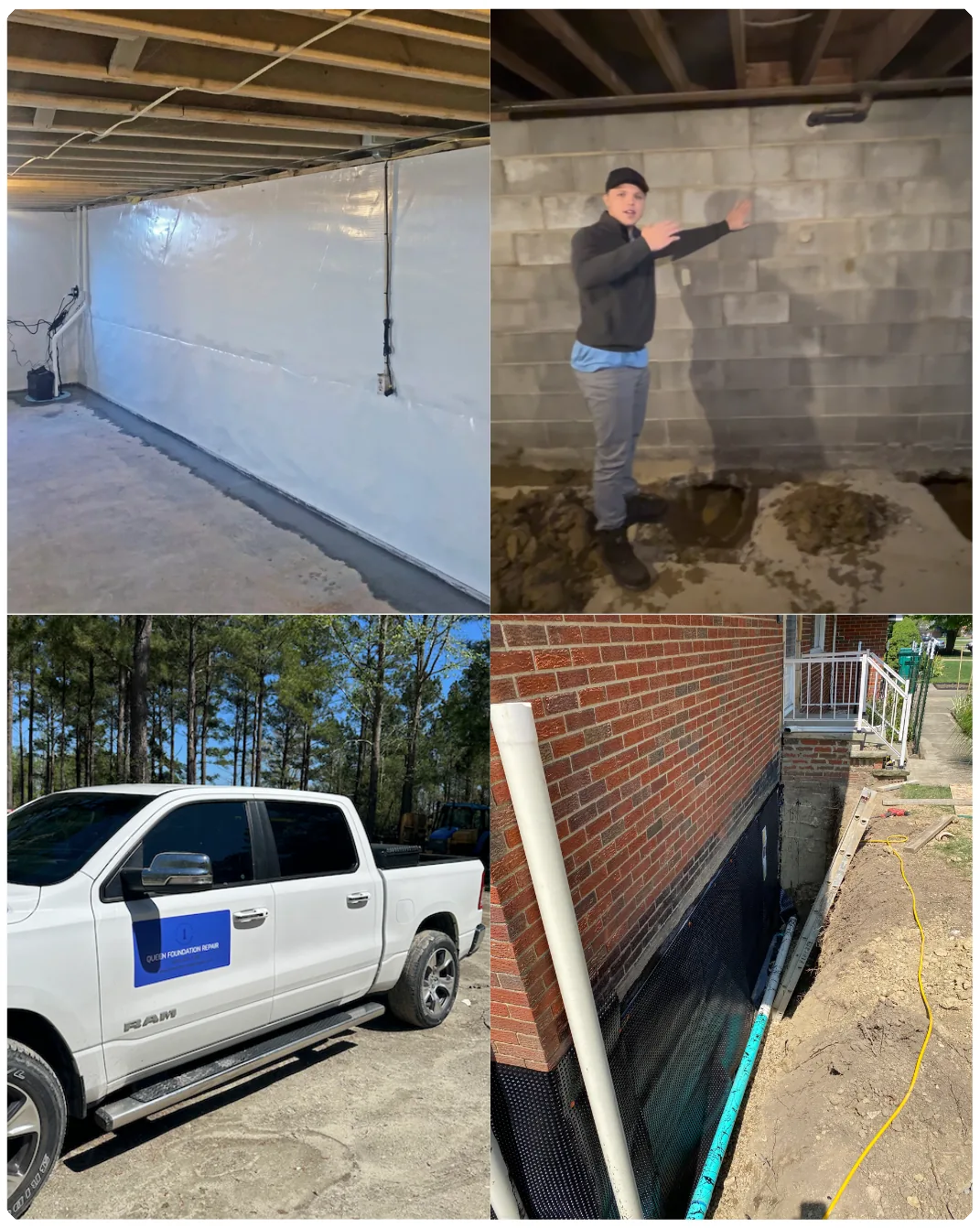
WHAT YOU GET
We pick up quickly and get out to the property fast, so you're not waiting weeks to learn what's wrong and what it costs.
No charge for us to come out, work out what's happening, and lay out what the fix involves. You know where you stand before spending anything.
Licensed, with full liability and workers' comp cover, so the work meets code and your property is protected if something goes wrong.
Every repair carries a written warranty that passes to the next owner, so it protects the value of the house if you sell.
A clear written price before anything starts. No vague ballpark, and nothing new appearing once a crew is already on site.
Most older homes here sit up on piers over open sand, and that ground never dries. We are under those houses daily, from San Marco to Murray Hill.
COMMON QUESTIONS
These are the questions Jacksonville homeowners bring us, and most of them start under the floor. San Marco or Murray Hill, the answers are the same and the visit is free.
Wet Crawl Spaces
By finding where the water is coming from first. Groundwater rising through open sand needs a liner and usually a dehumidifier. Surface water running in from outside needs drainage and regrading. A plumbing leak needs a plumber. Sealing the space before you know which one you have is how people end up paying twice for the same problem.
When the crawl space is actually driving something upstairs, yes. Humidity you cannot shift, a smell that returns every summer, floors that feel cold and damp. Sealing the ground stops it at source. If the space is already dry and already covered, it is not worth it and we will say so.
Cost up front, and it is not a structural repair. A sealed crawl space with a sagging beam still has a sagging beam. It needs a dehumidifier running to work properly, so there is a small ongoing electricity cost, and sealing over standing water traps it rather than solving it.
What Crawl Space Work Costs
Around $6,000 to $14,000 in Jacksonville, working out at roughly $3 to $7 a square foot installed. Dry ground with decent headroom sits at the bottom of that. Add drainage, a sump or a dehumidifier and it climbs. Access is what surprises people most, because low clearance costs more in labor than the materials cost.
Replacing or sistering a beam run generally lands between $1,000 and $3,000, with new posts and concrete pads included. A full support rebuild under a whole side of a house runs higher. What drives it is how much of the timber is soft, which nobody knows until somebody goes under and looks.
A properly installed reinforced liner lasts fifteen to twenty years. The dehumidifier is what wears out first, usually somewhere around eight to ten. Neither one is fit and forget. Both want checking every couple of years, and the liner wants a look after anybody has been working under there.
Crawl Space or Foundation
Crawl space repair deals with what holds the floor up: posts, beams, joists and the ground they sit on. Foundation repair deals with what holds the house up: the piers or footings and the soil beneath them. A bouncing floor is usually the first. A house dropping at one corner is usually the second. Plenty of Jacksonville houses have some of both, which is why we look at the whole thing rather than the one symptom.
Most Florida jobs land between $2,000 and $12,000. Sealing a crack is the low end, often under $1,000. Piers run $1,200 to $2,000 each and near the river they have to go deep, so the count and the depth both matter. A whole-house job can pass $25,000, though that is not the usual call.
Usually not. Standard Florida policies exclude settlement, earth movement and gradual water intrusion, which covers most of what we see. Sudden accidental discharge is covered, so a burst supply line that washed out the ground underneath is often a claim even when the settling itself is not.
Waterproofing the Foundation
Not every wall, but any wall with water standing against it does. On the low ground near the river that is common, and the sign is a dark band at the base that never fully dries, or white powder that keeps returning after you brush it off.
Working on the outside face. Excavate to the footing, coat the wall, then a dimple-board membrane over the coating so water runs down the sheet rather than soaking through, with a perforated drain at the bottom carrying it away. Interior coatings look cheaper and only move the problem, because the water is still arriving at the wall either way.
From the outside if you want it to last. That means excavating to the footing, coating the wall, fitting a membrane over the coating and running a drain at the bottom. From the inside you can slow it down with sealers and manage it with drainage, but the water is still arriving at the wall and it will keep arriving.
Drainage
Between $10 and $25 per linear foot installed, so a hundred foot run is roughly $1,000 to $2,500. Jacksonville sits at the upper half because sand and a high water table mean the pipe has to go deeper to sit below the level the water actually travels at.
It has to discharge somewhere. If the outlet ends in ground that is already saturated the drain does nothing, and that is the most common reason one fails. It also means opening a trench across the yard, and it handles groundwater only, not damp coming off a crawl space floor.
A short run fixing one bad corner is a few hundred dollars. A full side of a house is more often one to three thousand. Depth is what moves the number here, along with what the trench has to route around and where the water is allowed to go once it is collected.
Movement and Cracks
Because something under them has given. On a pier house that is usually a post that has pressed down into the sand, a beam that has sagged between supports, or joists gone soft after decades of damp. It is rarely the floorboards themselves, which is why refinishing the floor never fixes it.
Most Jacksonville crawl space jobs land between $2,000 and $8,000 once you are past a straightforward liner. New posts and a beam run sit in the middle of that. What decides it is how much timber has gone soft and how much room there is to work in, and low clearance costs more in labor than the materials do.
Almost always. The work happens outside or underneath, and crews clear out each evening. Where a floor is being lifted it comes up slowly over several days, which is partly so the plaster survives and partly so you can carry on living there while it happens.
WHERE WE WORK
We serve the entire Jacksonville metro, not just the city limits, working the raised houses over crawl spaces in the historic core the same as the newer slab builds out south and east. Same sand under all of it. See your neighborhood on the list below, or one bordering it, and the visit is free.
ZIP CODES WE COVER
Ready to Get Started?
No obligation, fast and easy.
We appreciate you reaching out.
One of our team members will be with you shortly.