
Seal out moisture, mold, and pests. Protect your home from the ground up with a professionally encapsulated crawl space. Crawl space encapsulation seals the crawl space, controls the air, and keeps the vapor out of the home for good. A sealed crawl space is a dry crawl space.
I'm Ready For A Free Quote
Thank You For Your Submission!
A team member will be reaching out to you shortly.







Crawl Space Warning Signs
These warning signs mean moisture is already doing damage under your home. A damp crawl space feeds mold, and the crawl space air ends up in the home. Encapsulation cuts the vapor at the crawl space floor.
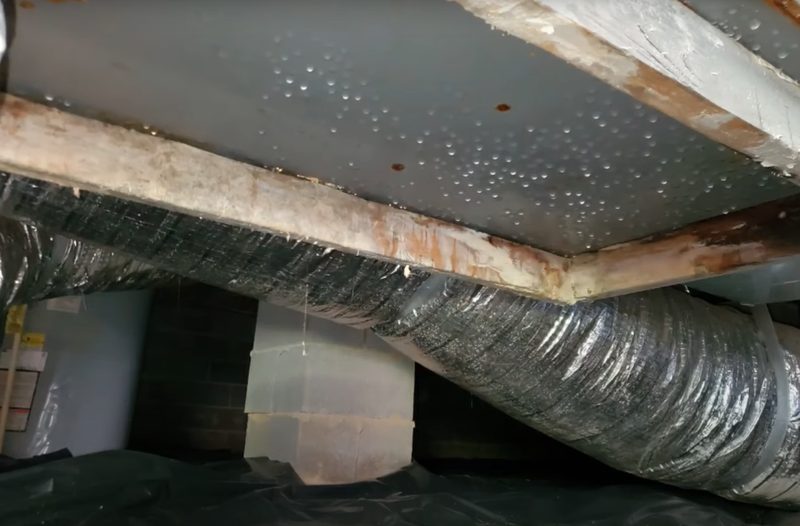
That damp, earthy smell in your hallway or living room usually starts under the house. Moisture from bare dirt feeds mold — and the odor rises right through your floors into the air your family breathes. Sealing the crawl space cuts that path. Encapsulation is what makes the air under the home part of the home instead of a threat to it.
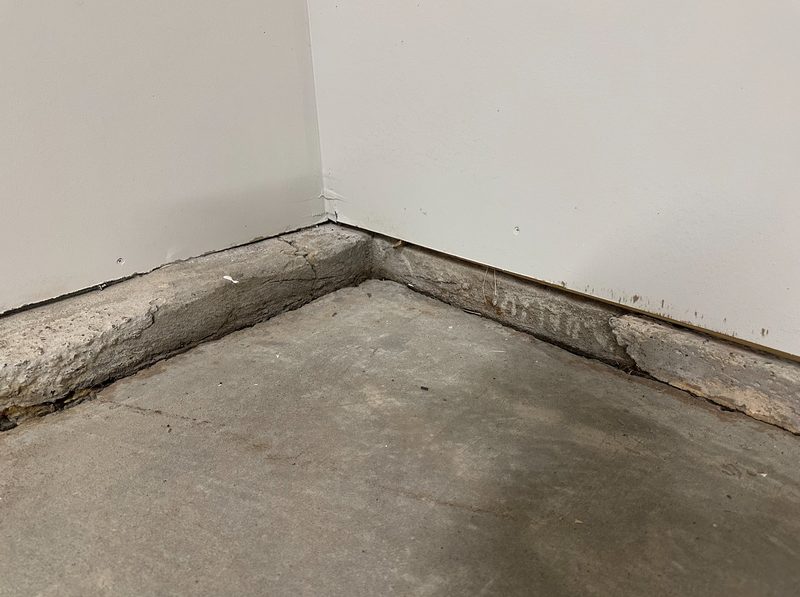
Floors that feel soft, uneven, or bouncy mean the wood underneath is getting weak. Moisture rots floor joists over time, and the damage only gets worse the longer it sits.
White, green, or black mold on your floor joists and subfloor means humidity is way too high. Once mold starts, it spreads fast — and the spores travel into your living space through every gap in the floor. A sealed crawl space stops the stack effect, and insulation on the crawl space walls holds the temperature. The crawl space becomes part of the conditioned home.
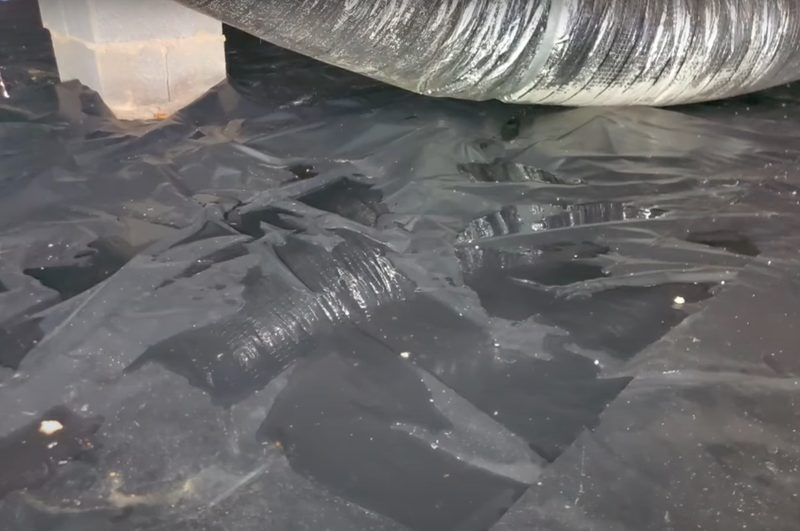
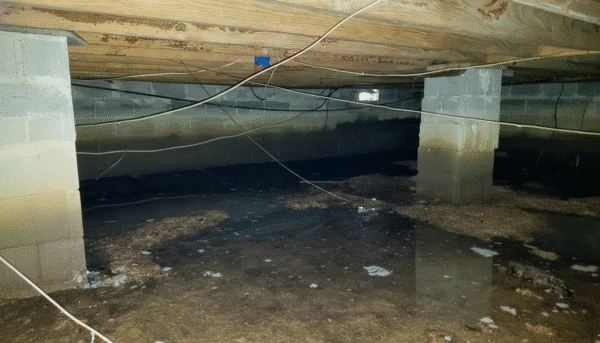
Water pooling in your crawl space after rain is a serious problem. It speeds up mold growth, attracts termites and pests, and breaks down the wood that holds up your home. Mold in a crawl space is a moisture problem, and crawl space encapsulation is the moisture fix. Mold cannot grow in a crawl space with no vapor to feed it.
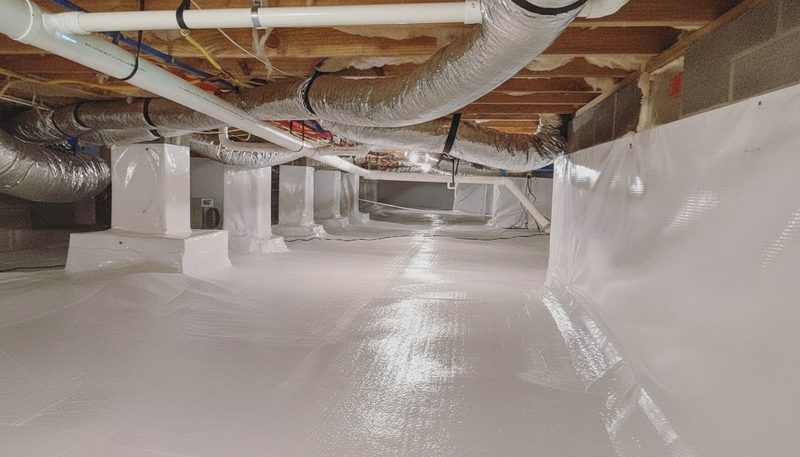
Crawl space encapsulation turns a damp, dirt-floor crawl space into a clean, dry, sealed space. A heavy-duty vapor barrier locks out moisture from the ground. Sealed vents stop humid air from pouring in. A commercial dehumidifier keeps the space dry for good. The result is cleaner air inside your home, stronger floors, and lower energy bills. An encapsulated crawl space runs drier, and the home above runs cheaper to heat. Insulation in the crawl space is what makes that difference.
A 20-mil reinforced vapor barrier covers the entire floor and runs up the walls. Every seam gets taped and sealed so no moisture passes through. This is the core of every encapsulation job — it cuts off the biggest source of humidity under your house. Vapor rising off the crawl space floor is what drives crawl space humidity in the first place. A vapor barrier across the whole crawl space floor stops it.
If water pools under your home after rain, we install a drainage system beneath the vapor barrier to move it to a sump pit and pump it out. The barrier stays dry on top while the drain handles the water underneath.
A commercial-grade dehumidifier keeps humidity below the mold threshold after everything is sealed. Big-box dehumidifiers burn out in a year — ours are built for crawl spaces and run continuously with minimal maintenance. A dehumidifier keeps it dry once the vapor barrier is down.
Our Process
We go under your house, take moisture readings, check for mold, look at the floor joists, and photograph everything. Then we show you exactly what we found and explain what it means — in plain English. We measure humidity and the vapor coming off the floor before quoting any encapsulation.
No two crawl spaces are the same. We build a plan based on what your home actually needs — whether that's drainage, mold treatment, structural repair, or just a barrier and dehumidifier. You get a written estimate with every line item explained. Crawl space encapsulation scopes list the vapor barrier, the sealing, the insulation, and the dehumidifier separately. Every crawl space needs a different mix.

Our crew covers the floor and walls with a heavy-duty reinforced vapor barrier, seals every vent, and installs drainage if water is an issue. Everything gets taped, fastened, and sealed tight. A crawlspace is only encapsulated when every seam, pier, and wall is done.
We install a commercial-grade dehumidifier to keep humidity in check. Then we walk you through the finished crawl space, show you photos, and explain what to expect going forward. The crawl space is photographed before and after so you can see the work in the crawl space. Most homeowners never look under their own house.
Most homeowners who call us have already been online for hours. They've read the horror stories about oversold jobs, cheap materials, and companies that disappear after cashing the check. We get it. That's why we show you photos from your own crawl space, explain every line on the estimate, and give you time to decide Some crawl spaces need full encapsulation; some just need a vapor barrier and better air movement in the crawl space. — no pressure, no "sign today" discounts.
We use 20-mil reinforced vapor barriers, commercial-grade crawl space dehumidifiers, and proper drainage systems — not thin plastic and big-box dehumidifiers that burn out in a year. Every job comes with a written warranty that spells out exactly what's covered and for how long. No fine print that takes away what the headline promised. Our coverage extends to the vapor barrier and the seams, not just the labor.
Your crawl space is the foundation of your home's air quality, structural strength, and energy performance. We don't treat it like an afterthought. Every job gets a thorough inspection, a plan built for your house, and a follow-up to make sure the humidity dropped, the smell is gone, and your home feels different. A sealed crawl space changes the air in the whole home, not just underneath.
Get My Free Quote
It depends on the size of your crawl space and what it needs. A home with no water or mold issues costs less than one that needs drainage, mold cleanup, or structural work. We give you a detailed estimate during your free inspection — every item listed, nothing hidden. Pricing follows the square footage of the crawl space and how much sealing it needs.
Yes. About half the air you breathe on your first floor comes up from the crawl space. If there's moisture, mold, or pests down there, that's what your family is breathing. Encapsulation stops that cycle. Most homeowners notice lower energy bills, fewer allergy symptoms, and floors that feel solid again. And fixing the damage later always costs more than sealing the space now. Mold remediation in a crawl space costs more than the encapsulation that would have prevented it.
A vapor barrier is just a sheet of plastic on the dirt floor. It blocks some ground moisture but doesn't seal the walls, close the vents, or control humidity. Full encapsulation covers the floor and walls with a heavy-duty reinforced barrier, seals all vents, and adds a commercial dehumidifier to actively keep humidity low. One is a bandaid. The other is a real fix. A vapor barrier alone slows the vapor; full encapsulation stops it. The difference shows in the crawl space humidity readings.
Yes. Sealing the crawl space traps whatever moisture is already in the air, wood, and concrete. Without a dehumidifier to pull that moisture out and keep humidity below the mold threshold, a sealed space can actually make things worse. A commercial crawl space dehumidifier is a core part of the system — not an add-on. Sealed space still needs conditioning, which is why the dehumidifier belongs in the scope.
Most jobs take one to three days. A straightforward encapsulation with a vapor barrier and dehumidifier wraps up faster. Jobs that also need drainage, mold treatment, or structural repairs take a bit longer. We give you a clear timeline before any work starts. Most crawl space encapsulation finishes in two to three days once the crawl space is cleared. Access is the slow part of any job like this.
Queen Foundation Repair encapsulates crawl spaces for homeowners across all of our service areas. Select your location below to learn more.