From a wet crawl space to a settling foundation, we track down what’s going wrong underneath and put it right.
I'm Ready For A Free Quote
We appreciate you reaching out.
One of our team members will be with you shortly.







Foundation repair, basement waterproofing, crawl space encapsulation, and french drain installation for Chattanooga TN. Concrete slabs, block walls, and pier foundations each fail differently, and the repair has to match what your home is doing.
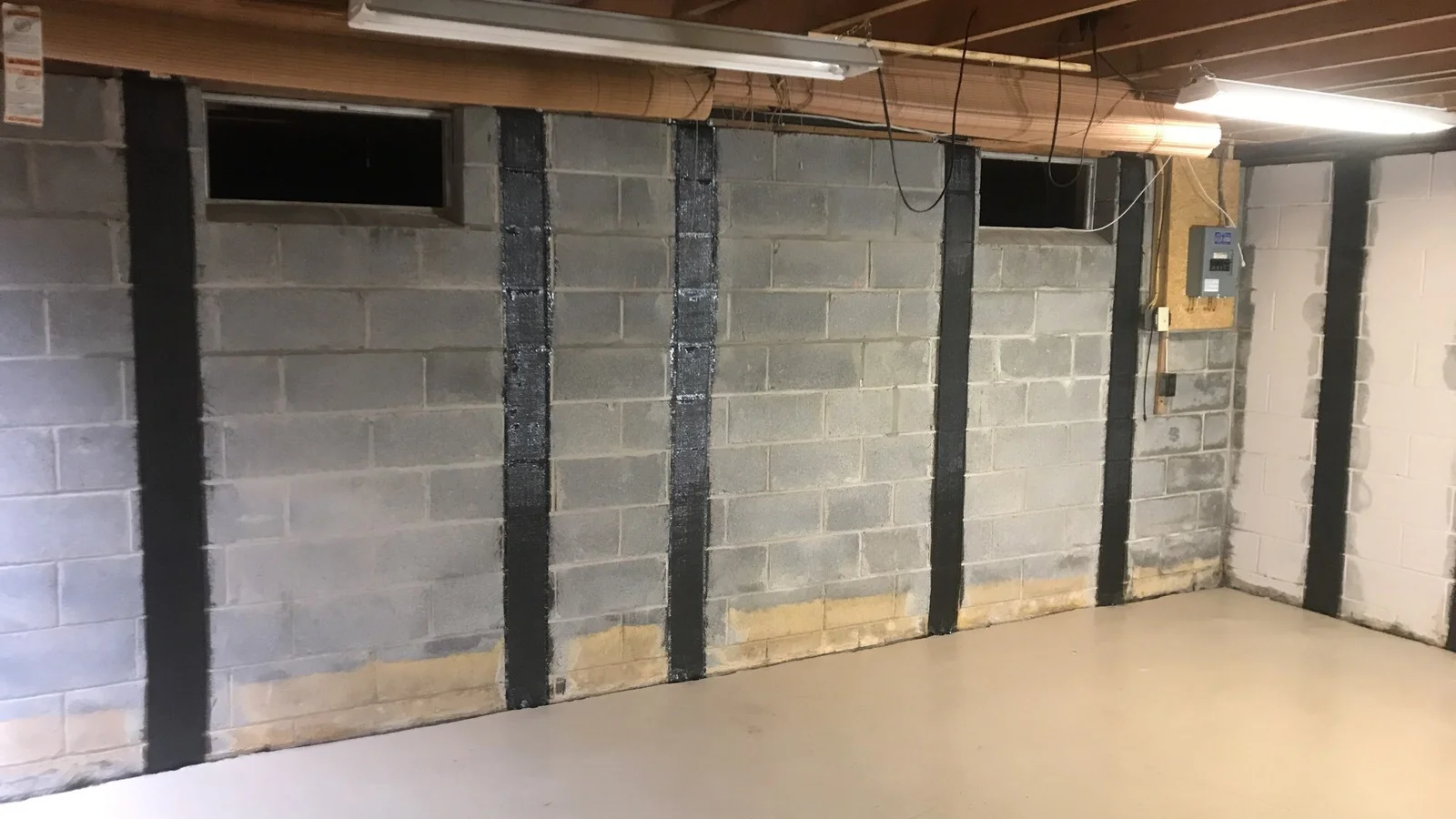
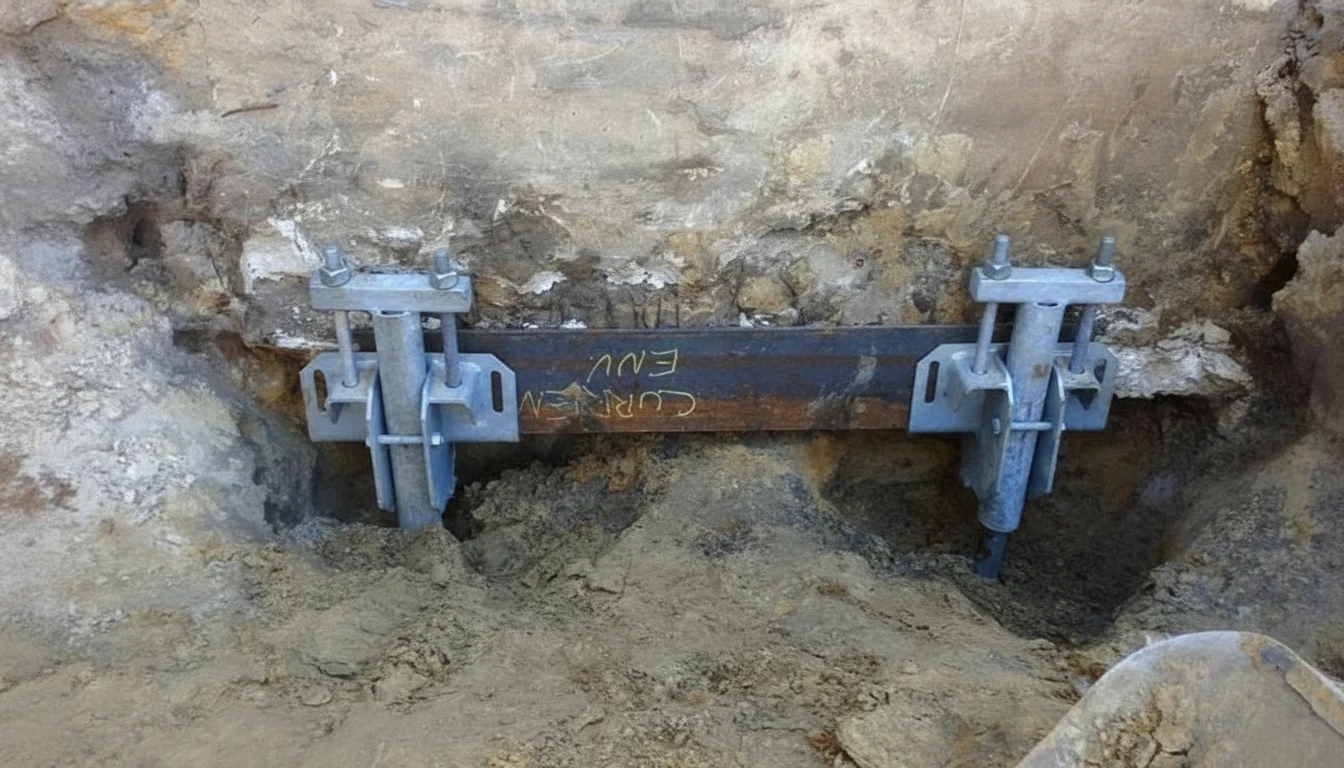
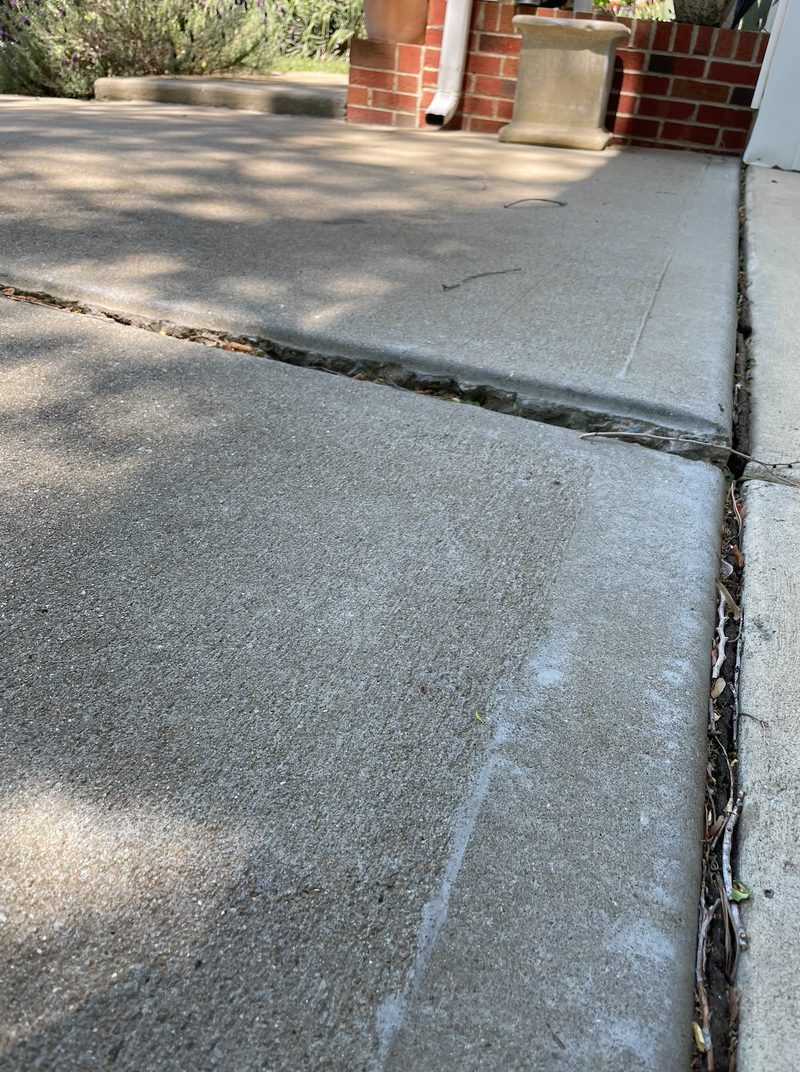
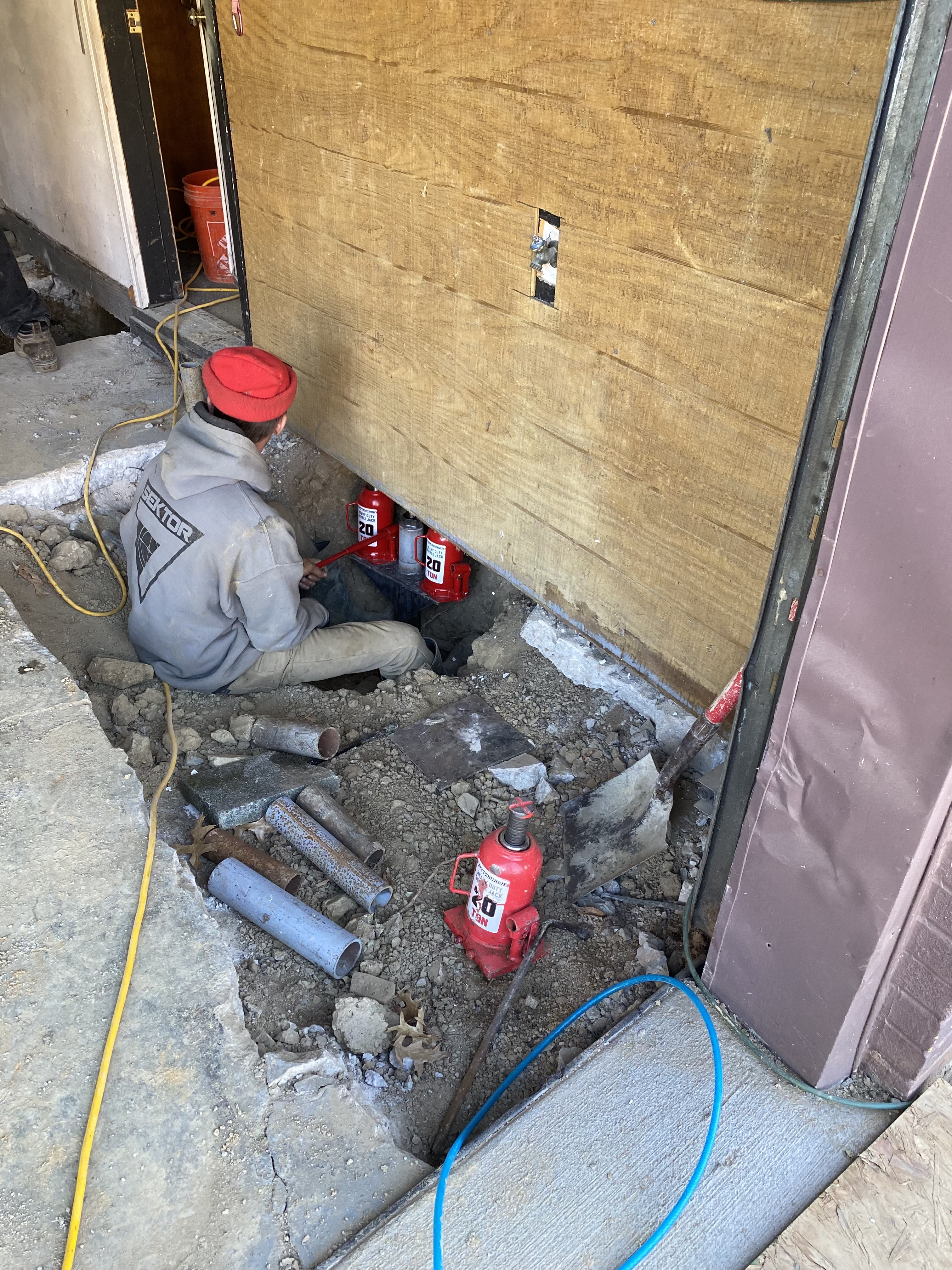
Cracks fanning out from a window corner, a door that’s started sticking, a floor that drifts downhill to one side — that’s the foundation settling on Chattanooga’s clay. We set steel piers down to firm ground, shift the home’s weight onto them, and the sinking stops; usually we can bring the low corner back up in the process. The whole job runs off a few small access points — the house stays in one piece.
Learn More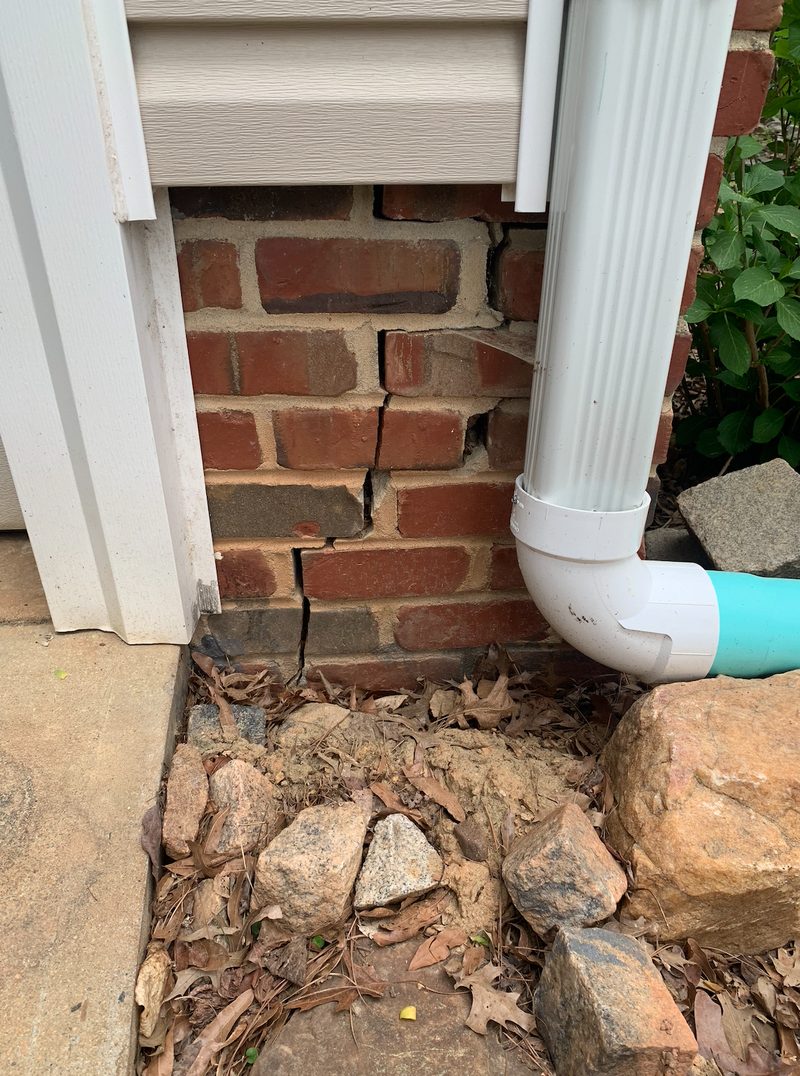
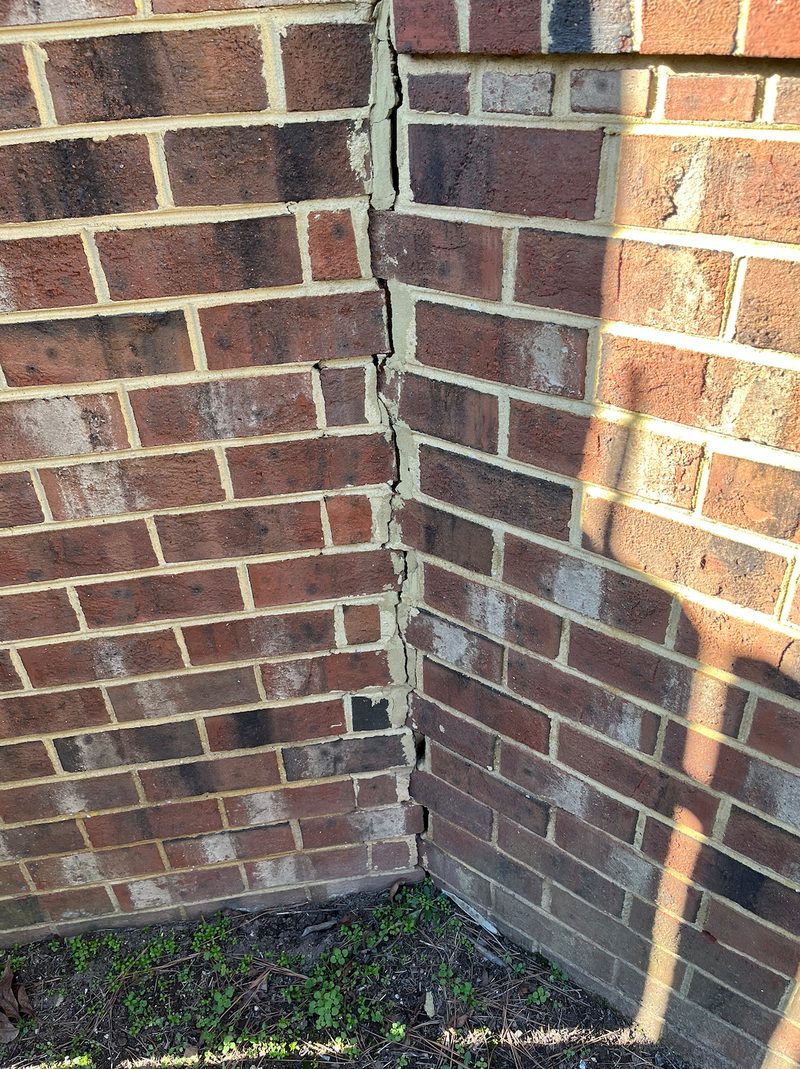
Not every crack is a red flag — a thin vertical one is usually leftover from the day the concrete cured. The ones worth watching climb at an angle off a door or window, step through the brick, or taper from wide to narrow. If it’s letting water in but isn’t structural, we seal it with an injection that grips inside the wall and flexes as it moves. If the crack is really the foundation settling, sealing it alone is a stopgap — we handle the movement first, and we’ll tell you which one you’re dealing with.
Learn More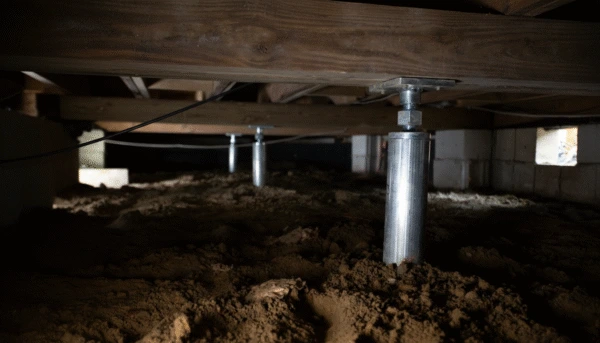
A floor that gives underfoot or rolls downhill usually starts in the crawl space, where damp has worked into the joists and the old posts have settled into the clay. We lift the floor back up on adjustable steel posts poured into real footings, then sister or replace whatever’s rotted. The moisture gets dealt with the same day — leave it, and the rot just comes back.
Learn More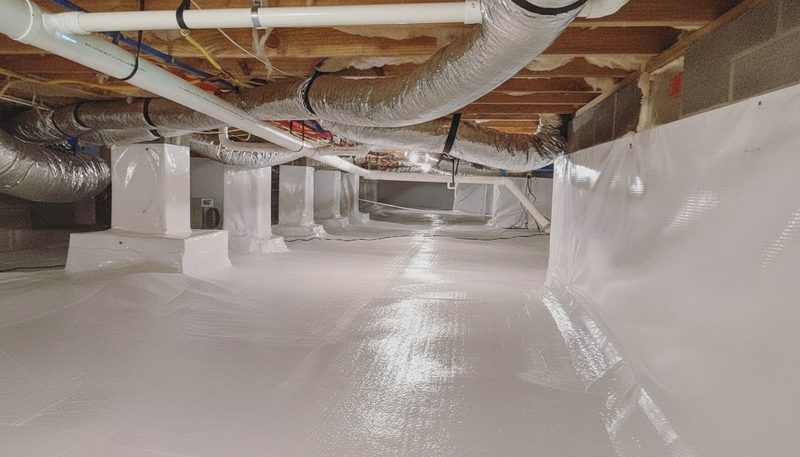
Most older Chattanooga homes sit over an open, vented crawl space, and our humidity keeps it wet enough to rot framing and feed musty air up into the rooms above. We close it in — heavy vapor barrier over the ground and walls, vents sealed, a dehumidifier holding the air dry. The rot stops, the smell goes, and the AC quits working overtime against the damp. A loose sheet of plastic on the dirt isn’t this and won’t hold.
Learn More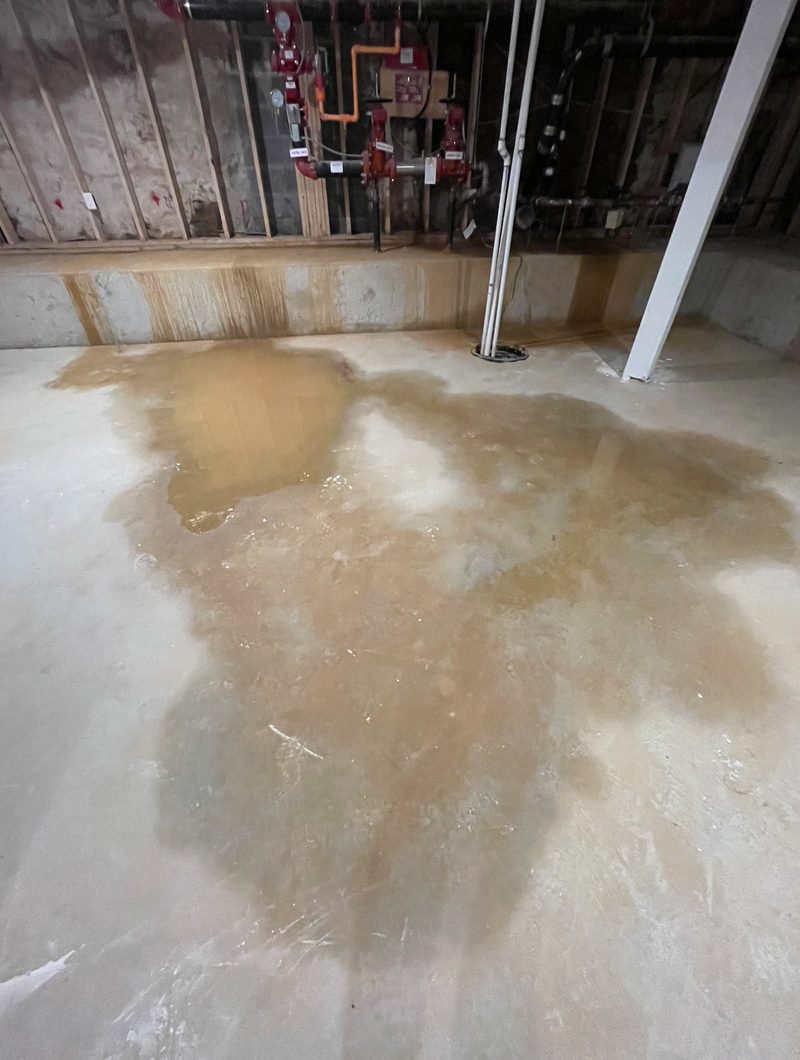
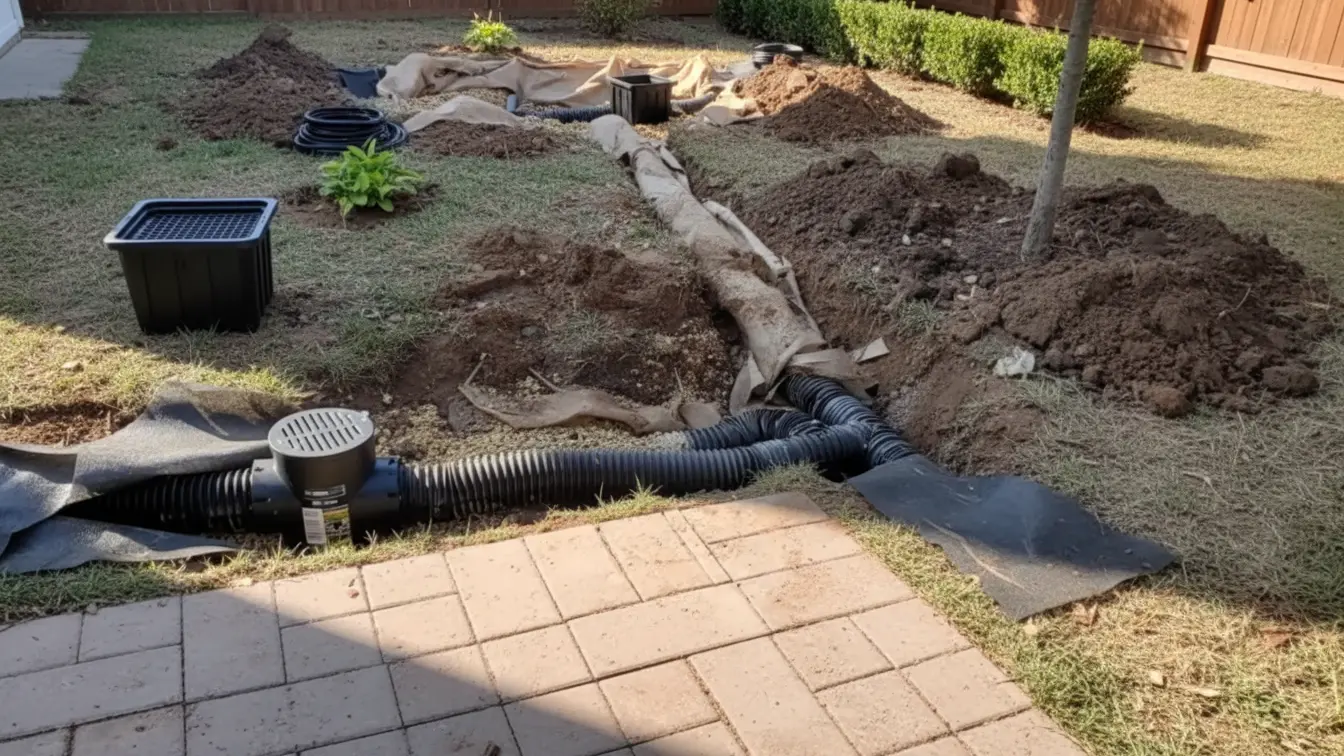
Water showing up after a storm isn’t beaten by coating the inside of the wall — close one route and it finds another. You beat it by taking the pressure off: a drain channel below the floor that catches the water and hands it to a sump pump. What that looks like depends on where it’s coming in, and that’s what we pin down on the inspection.
Learn More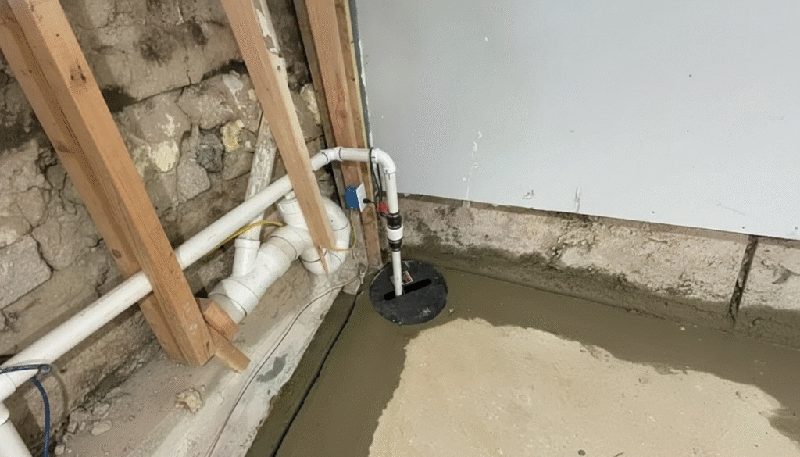
Once water’s under the house, the sump pump is what gets it out. We size the pump to how much you actually deal with and add a battery backup, so when a storm drops the power — right when you need it — the pump keeps going.
Learn MoreGetting started is simple. Here's what to expect when you work with us.
In Chattanooga it’s almost always the ground and the damp doing the damage. Here’s what’s actually behind it — and why homeowners across Tennessee hand their foundation repair, basement waterproofing, and crawl space encapsulation to Queen Foundation Repair.
In Chattanooga it’s almost always the ground and the damp doing the damage. Here’s what’s actually behind it — and why homeowners across Tennessee hand their foundation repair, basement waterproofing, and crawl space encapsulation to Queen Foundation Repair.
Our soil is clay, and clay never holds still — it puffs up after a rain and draws back tight in a dry spell, and that endless push-and-pull is what finally splits a wall or drops a footing. On the hillside lots around the ridges there’s the extra shove of soil pressing sideways against the walls, and where the limestone underneath gives way, a whole section of the house can drop into the void. Whatever’s driving it, we build the repair around the cause, not the crack on the surface. Foundation repair in Chattanooga has to account for the clay under the home, not just the concrete above it. Foundation repair in Tennessee starts underground, with the soil that moves.
A vented crawl space in this climate acts like a sponge — warm, wet air rolls in and never really leaves, and that standing dampness goes straight to work on the joists and beams overhead. Give it time and it’s rot under the floor and a musty smell drifting up through the house. Seal it off, keep it dry, and the structure above stops paying for it. Crawl space repair and basement waterproofing are the two ways we do that, depending on what your home sits on. Interior waterproofing follows the same logic from the other direction.
We’ll be honest about what you actually need. A crack isn’t always structural and a damp crawl space doesn’t always call for full encapsulation — when that’s true, we’ll say it, even if it shrinks the bill. The big franchises lean on warranties and payment plans; we’d rather get under the house, show you the pictures, and tell it to you straight. Foundation trouble gets cheaper the earlier you find it, and the repairs get smaller too.
Get My Free Quote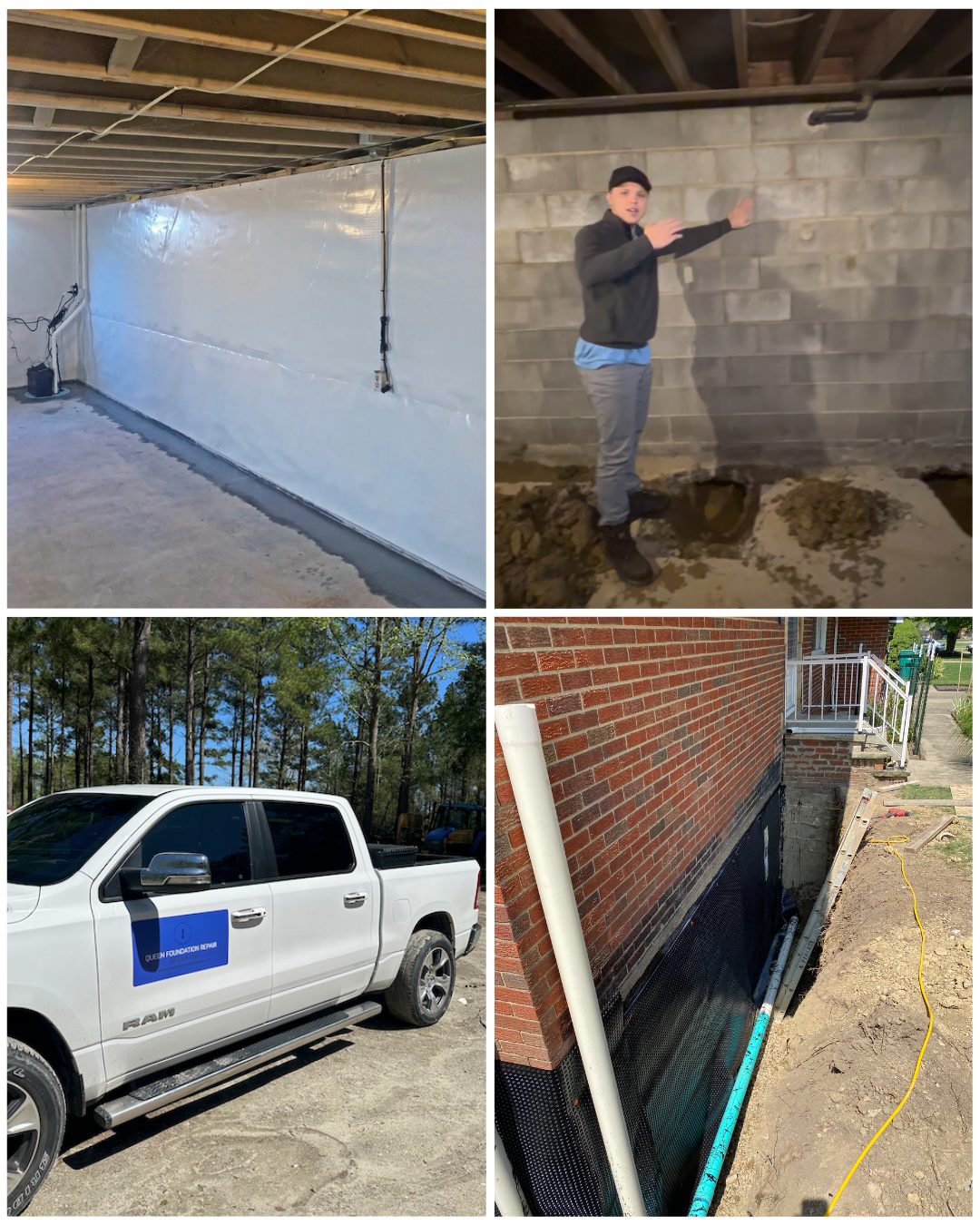
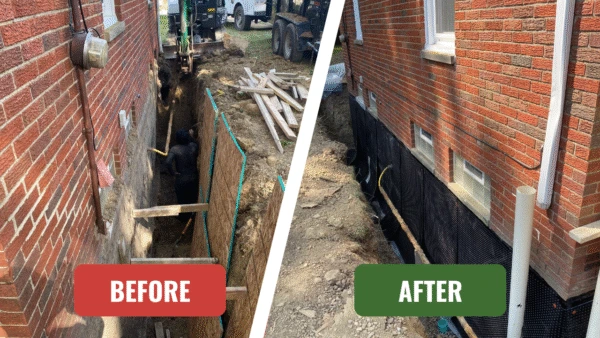
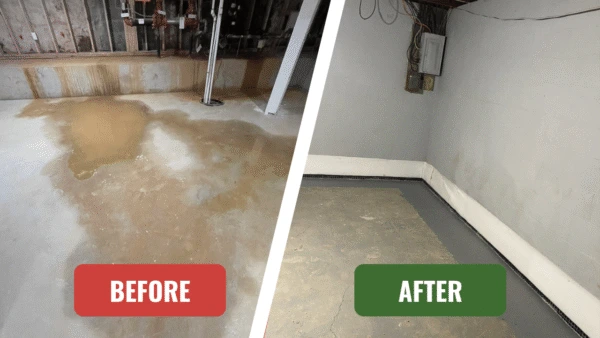
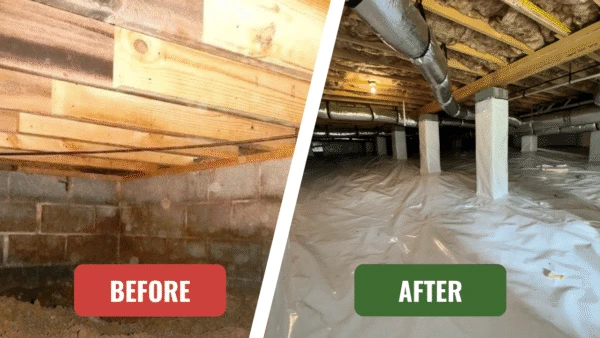
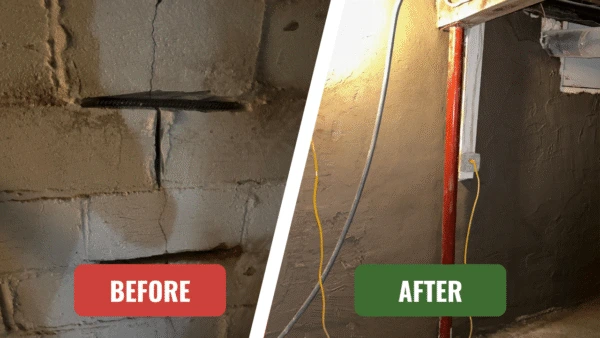
Real foundation repair and waterproofing projects across Chattanooga and the surrounding areas. Concrete leveling, crawl space repair, and basement service on homes like yours.
The questions Chattanooga TN homeowners ask most about foundation repair, basement waterproofing, and crawl space problems in Tennessee.
Two things, mostly: the soil and the damp. Chattanooga’s clay swells when it’s wet and shrinks when it’s dry, and that movement is what opens cracks and drops foundations. Meanwhile the humidity keeps crawl spaces wet enough to rot the framing underneath, and on the ridges and hillside lots you get soil leaning sideways on the walls. That mix is what we get called out for most. Chattanooga foundation repair costs scale with how deep the problems run, not the size of the home. Foundation repair in Chattanooga TN usually starts with the basement walls and the crawl space beneath. We price the repair from what the inspection actually finds at your home.
It’s about the shape and where it’s headed. A thin vertical crack is usually just curing shrinkage and nothing to worry about. The ones that matter angle off the corners of doors and windows, stair-step through brick, or run wider at one end — those say the foundation’s moving, especially alongside sticking doors or a sloping floor. When you’re unsure, the inspection is free and we’ll be straight about it. Most Tennessee homeowners pay for foundation repairs out of pocket, and the concrete work is the biggest line item. Foundation problems in Tennessee homes rarely fix themselves. The longer the concrete moves, the more the repairs cost, and the bigger the foundation repair scope gets.
It’s the climate against an open crawl space. Vented crawl spaces pull in humid air, and the ground underneath holds moisture, so the wood never really dries. Given enough time that means rot, mold, and a musty smell drifting up into the house. Sealing it off and controlling the humidity is what ends it. Basement waterproofing and interior drainage handle the same problems from the other side of the walls. Crawl space encapsulation is the permanent version of that fix. Basement waterproofing does the same job for homes with a basement instead, and both start with the same inspection.
Rarely. Most policies file foundation settling, soil movement, and crawl-space moisture under maintenance or exclusions — and that’s the majority of what we fix. A sudden covered event like a burst pipe might qualify; check your policy. Otherwise, plan on paying out of pocket, which is why we offer financing. Foundation repair service in Chattanooga TN is quoted per scope, never per square foot. Foundation repair services here range from crack repair to slab leveling and pier work. We give you the number in writing before anything starts.
It depends on what’s actually wrong — the size of the crawl space, how far things have settled, how many piers, whether there’s water in the picture. A single crack repair runs a few hundred dollars; mid-range work like supports, drainage, or encapsulation lands in the low thousands; major structural work with piers or wall bracing climbs from there. We won’t throw out a number blind — the inspection’s free and you get the real figure in writing before anyone starts, financing included. Repairs to the basement walls and the concrete slab are itemised separately so nothing is hidden. Every foundation repair we quote covers the whole scope: the walls, the subfloor, and the drainage that caused the problem in the first place.
It snowballs. A wet crawl space keeps eating joists, a settling crack keeps spreading as the clay moves, and the longer it sits the more it pulls in — floors, framing, indoor air. Early is almost always the cheaper road. Foundation repair services reach every one of those Tennessee areas from the same Chattanooga crew. Those areas get the same foundation repair and waterproofing service as Chattanooga itself, across the wider Tennessee market, and the same repair standards.
We serve homeowners across Chattanooga and the surrounding metro. If you don’t see your area below, give us a call and we’ll confirm.
Neighborhoods & communities: Chattanooga, St. Elmo, Highland Park, North Chattanooga, Brainerd, East Brainerd, Hixson, Red Bank, East Ridge, Soddy-Daisy, Signal Mountain, Lookout Mountain, Ooltewah, Collegedale
ZIP codes: 37402, 37403, 37404, 37405, 37406, 37407, 37408, 37409, 37410, 37411, 37415, 37419, 37421