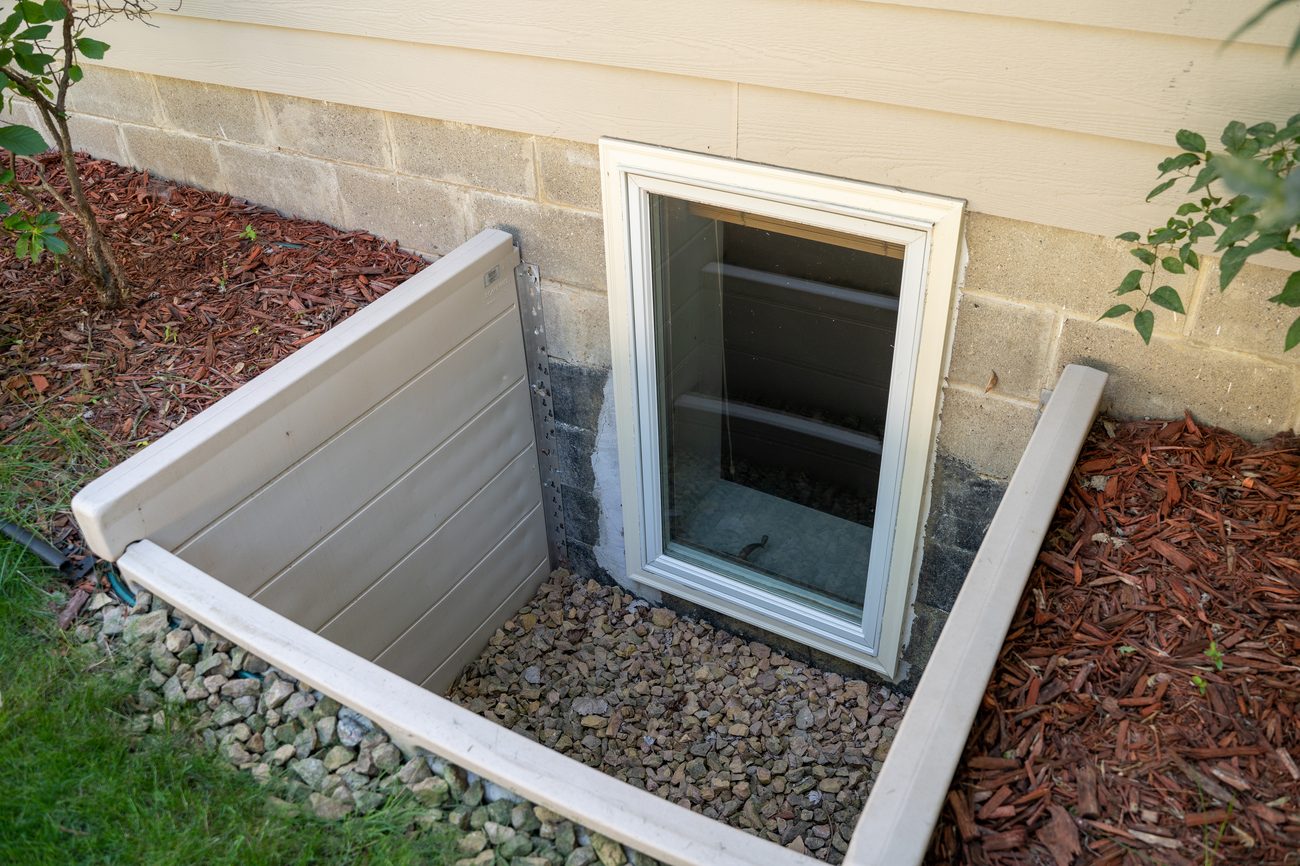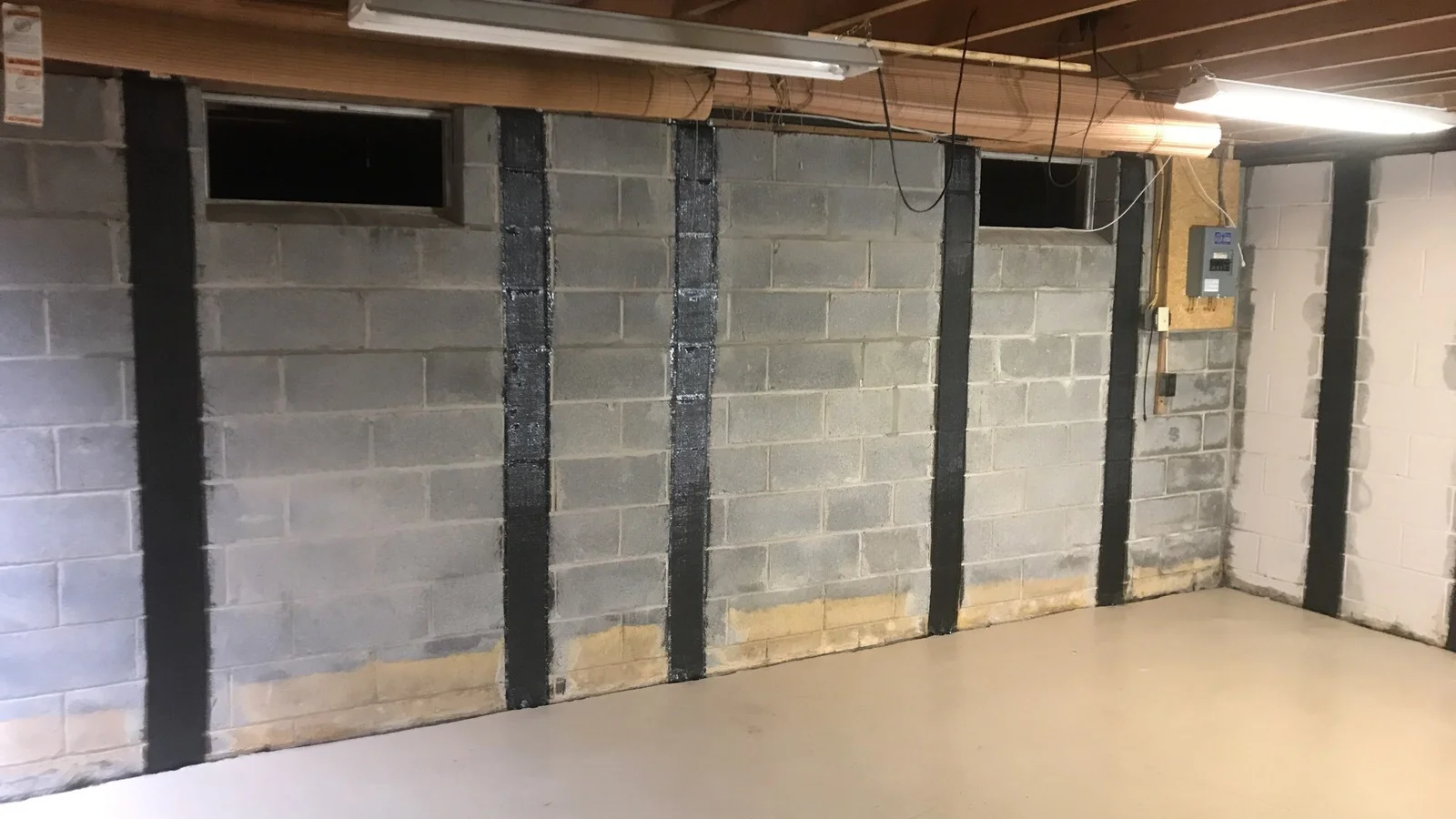
Most of Philadelphia is row homes, which means the wall your basement leaks through is the same wall your neighbor owns half of. From Fishtown to Manayunk we handle basement waterproofing, foundation repair and french drain installation. The inspection is free.
Get Your Free Inspection
We appreciate you reaching out.
One of our team members will be with you shortly.





WHAT WE SEE MOST
Philadelphia is a row home city. Your basement wall is shared with the house next door, so water that gets into their foundation ends up in yours. Some of these are cosmetic and some are not. These are the ones we get called about most.
It is coming through, not down
It shows up at the joint where the wall meets the floor within hours of a hard rain, then dries back. That is groundwater finding a way in.
That white powder is salt
Water moves through the wall, dries on the inside face, and leaves the salt it carried behind. It means the wall is wet inside.
The mortar has washed out
Anything laid before about 1920 used lime mortar, and a century of water washes it out. Once the joints go soft the wall loses its grip.
The wall is being pushed
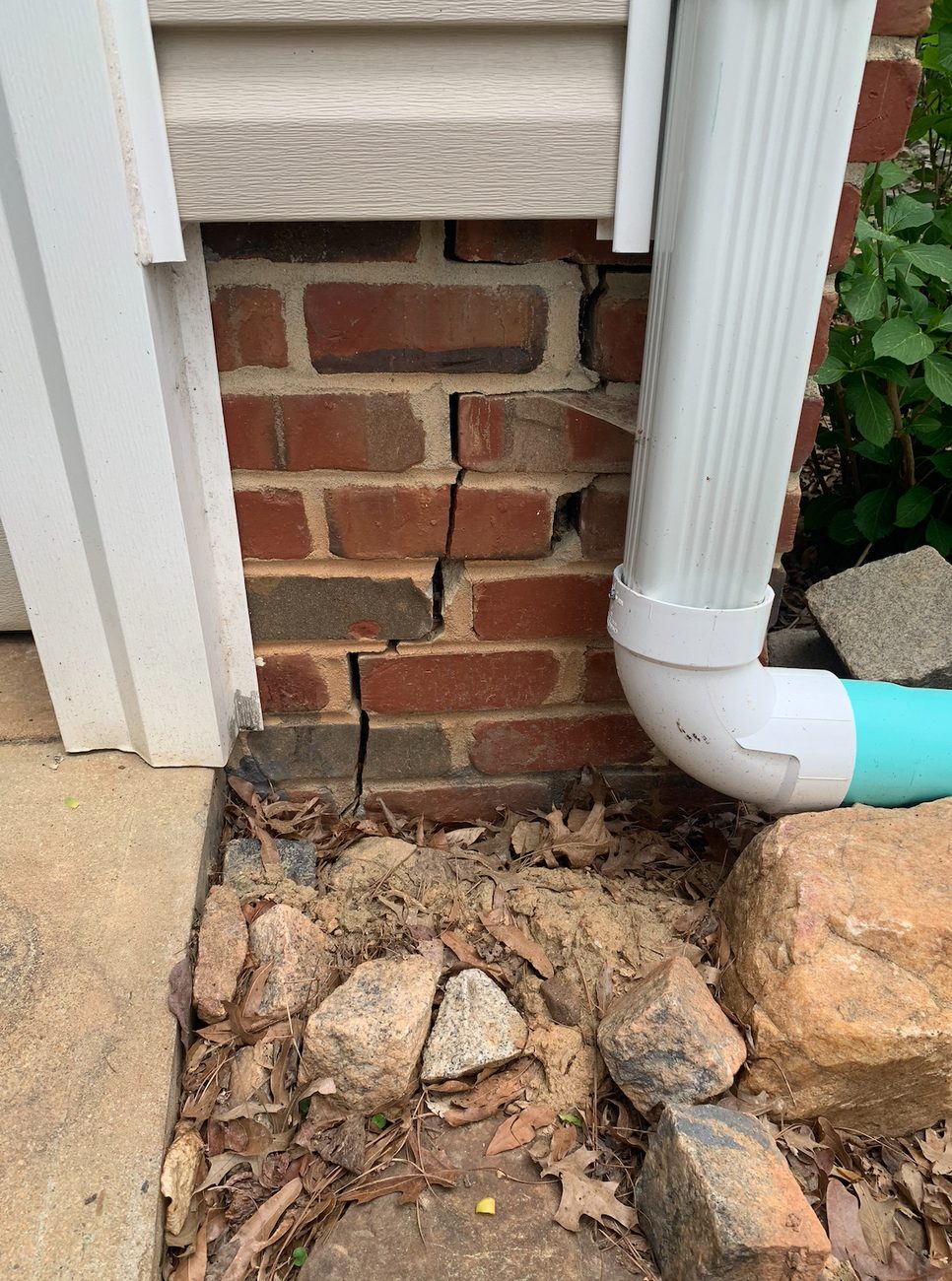
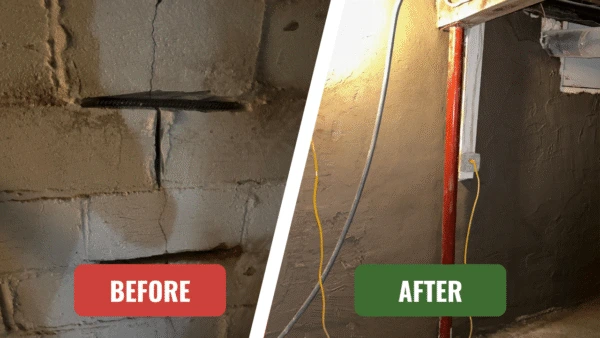
A crack running side to side means soil pushing from outside, not the house settling. If the courses above it have shifted in, call someone.
The ground under it is wet
Back additions on these rows were built straight onto dirt. That ground gives off moisture all day, and it rises into the floor above.
It has nowhere to go
When the drain cannot take what is arriving, it comes back up instead. Sometimes that is the city line and sometimes it is your own.
The thing to check is whether it is changing. Mortar that has been crumbling for twenty years is different from a joint that opened this year. Damp that dries back on its own is usually manageable. A crack running sideways along a course, or one that is wider at one end than the other, is the kind we want to look at soon. Two or three of these together is worth a call. The inspection is free.
From a basement that takes water every storm, to a wall leaning in, to a shared foundation you only half own, these are the calls we get across Philadelphia. Tap any service to see what the work involves.
Stops water arriving through the wall, instead of managing it with a mop and a shop vac after every storm.
Learn morePhiladelphians search this more than any other repair, and in a row the first question is whose water it is. The wall it comes through is frequently the one you share, so a dry basement can depend on a decision made by whoever owns the other half. Around Fishtown we regularly find the source two doors down, which changes the conversation from a repair into a negotiation.
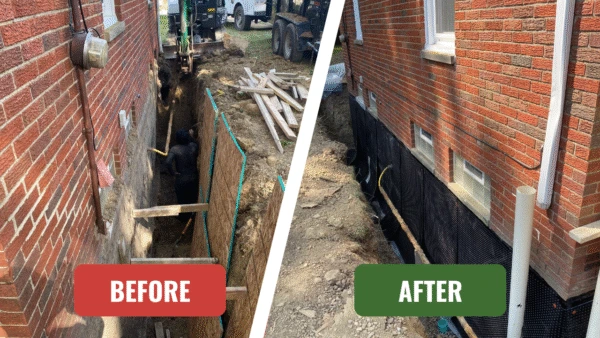
Inside, a channel is cut at the perimeter below the slab, piped to a pit and pumped back out. Outside, the wall gets excavated, sealed across its face, and given a footing drain so the water never arrives. The second costs several times the first and outlasts it by decades. Interior work runs roughly five to fifteen thousand; exterior excavation starts near fifteen and climbs with depth and access.
In a row the choice is often made for you: with houses attached on both sides there may be no ground to excavate, which is why interior systems are the norm here and exterior work happens where there is a rear yard, as there often is behind Passyunk Square and Queen Village. Chestnut Hill, being detached, gets the option nobody in a row does.
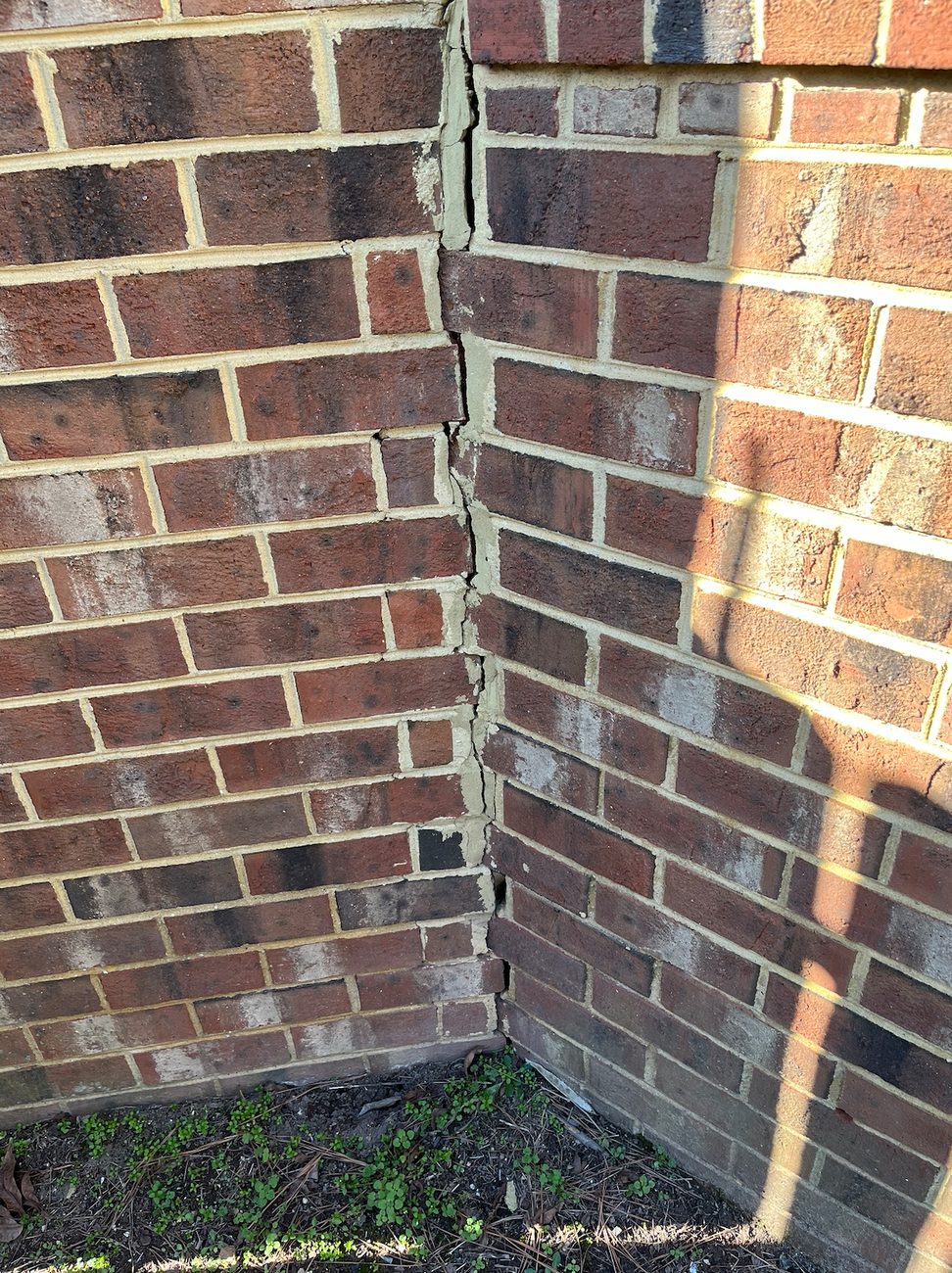
Brings a settled section back up and keeps it there, once we know what removed the support from underneath it.
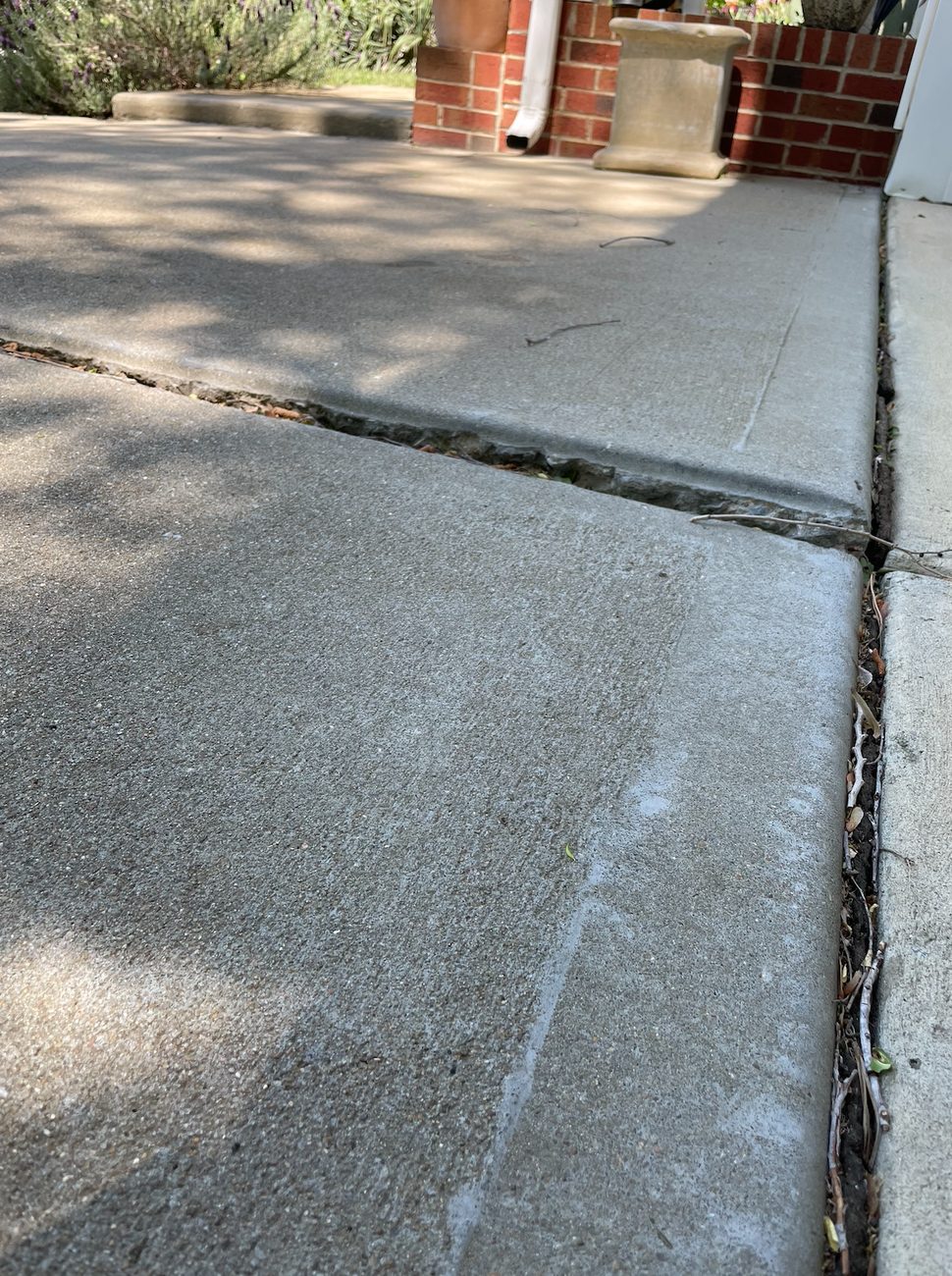
Learn moreSettlement rarely stops at one address here. Rows were built as a single run with continuous footings, so a section that drops takes its neighbors with it, and the owner who calls is often not the owner whose ground failed. Through Manayunk and Roxborough whole rows have stepped down the slope together over a century, and the crack you are looking at may be the fifth house's share of one long movement.
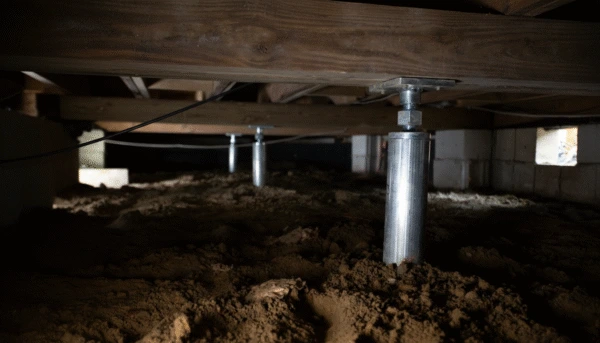
Steel supports are driven past the failed ground to material that carries weight, then loaded to take the section back toward level. A wall that has moved sideways gets braced rather than lifted. Where water is still arriving, that gets fixed first or the ground keeps giving way underneath whatever we install.
So the first job is finding where the movement starts, which means levels through your rooms and a look at what the houses either side are doing. Fishtown and Port Richmond owners are often surprised to learn the fix belongs partly next door. We put that in writing before anybody talks about price, including the part that is not yours to fix, because you will need it if the conversation next door goes badly.
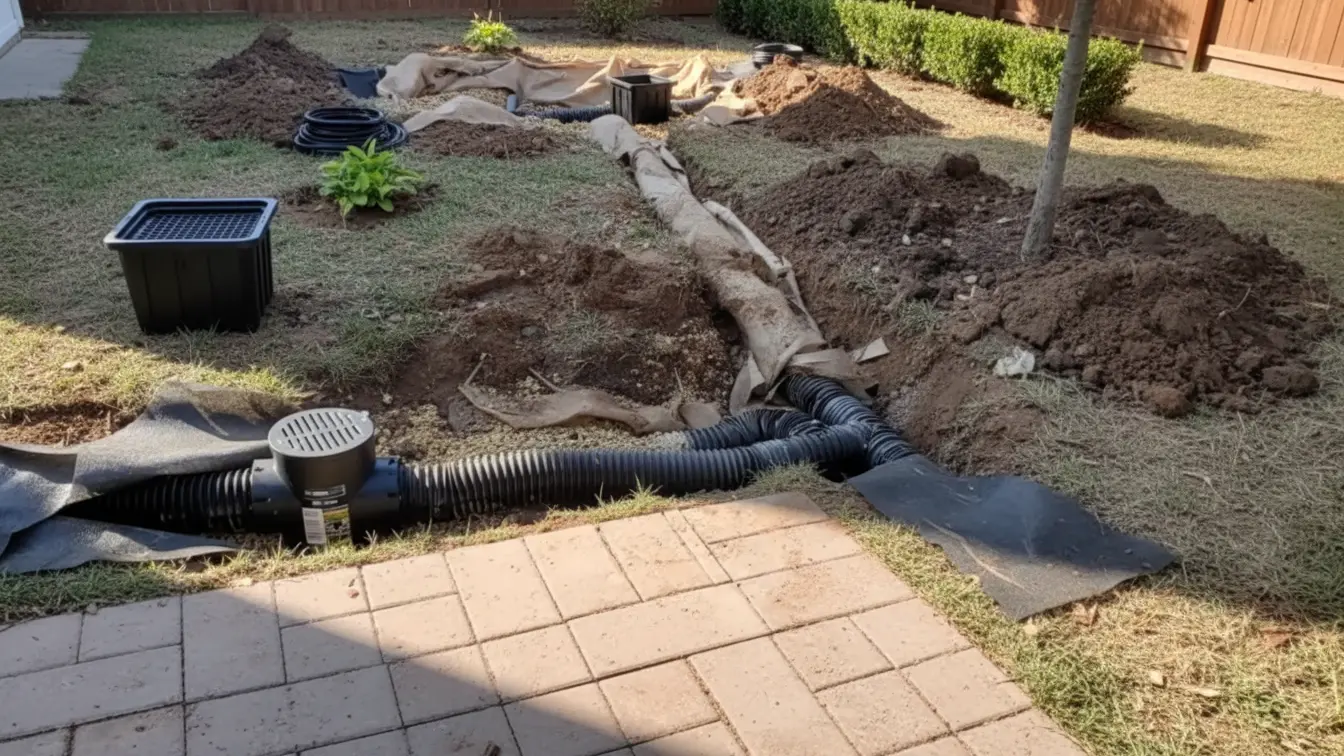
Gives rain somewhere to go on a city lot where almost every surface is paved and nothing soaks away on its own.
Learn moreA row home lot is mostly roof, sidewalk and paving. Rain that lands on it has almost no soil to disappear into, so it runs to whatever strip of ground is left, usually along the side or the back, and stands there against the wall. In Manayunk, and on that same slope through Roxborough and East Falls, it also arrives from the hill above before it ever reaches your property, so the volume is larger than your own roof would suggest.
A trench is opened where the water collects, wrapped so soil cannot silt it up, and a perforated pipe bedded in washed stone. The fall carries water away without a pump, discharging clear of the house, and roof leaders get tied into it rather than emptying at the wall.
Room is the real constraint. A Fishtown lot may offer four feet to work in, and where there is genuinely none the honest answer is an interior system instead of pretending a trench will fit. We tell you which the property allows before quoting either one, and if a trench genuinely fits we will say so, because it is the cheaper of the two by a wide margin.
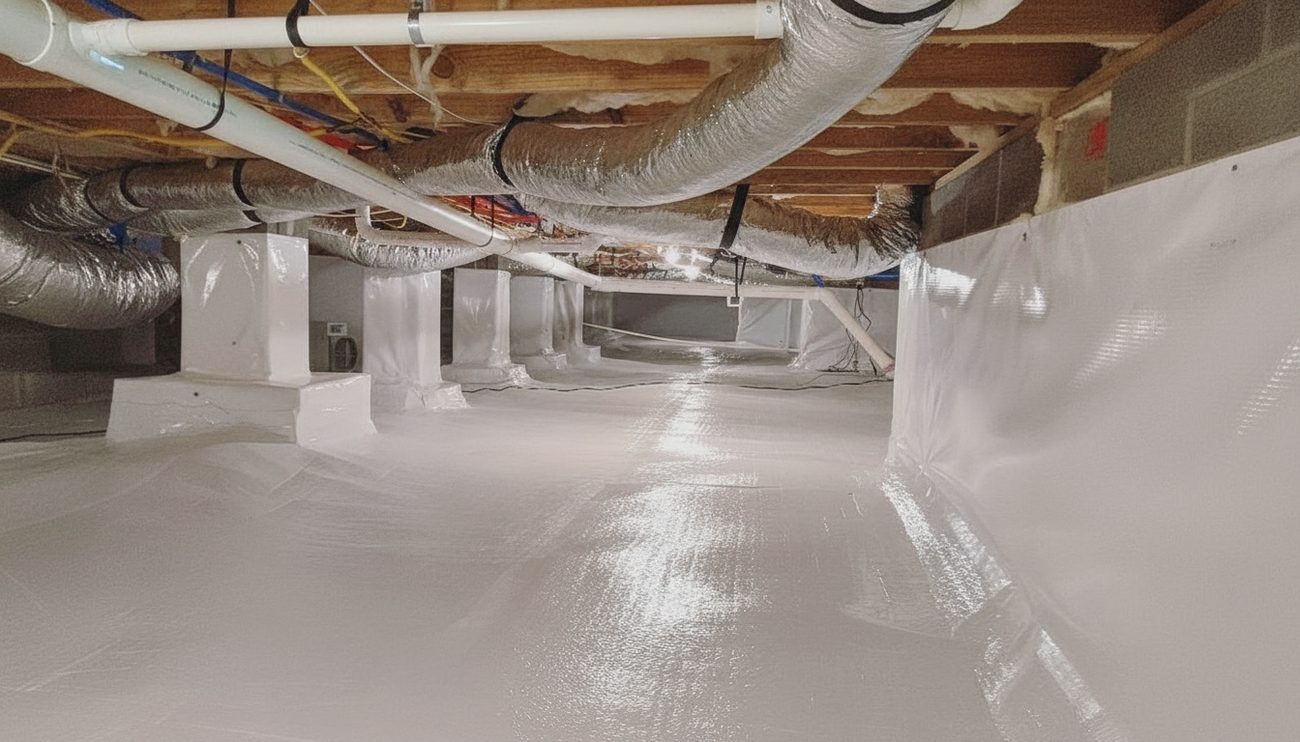
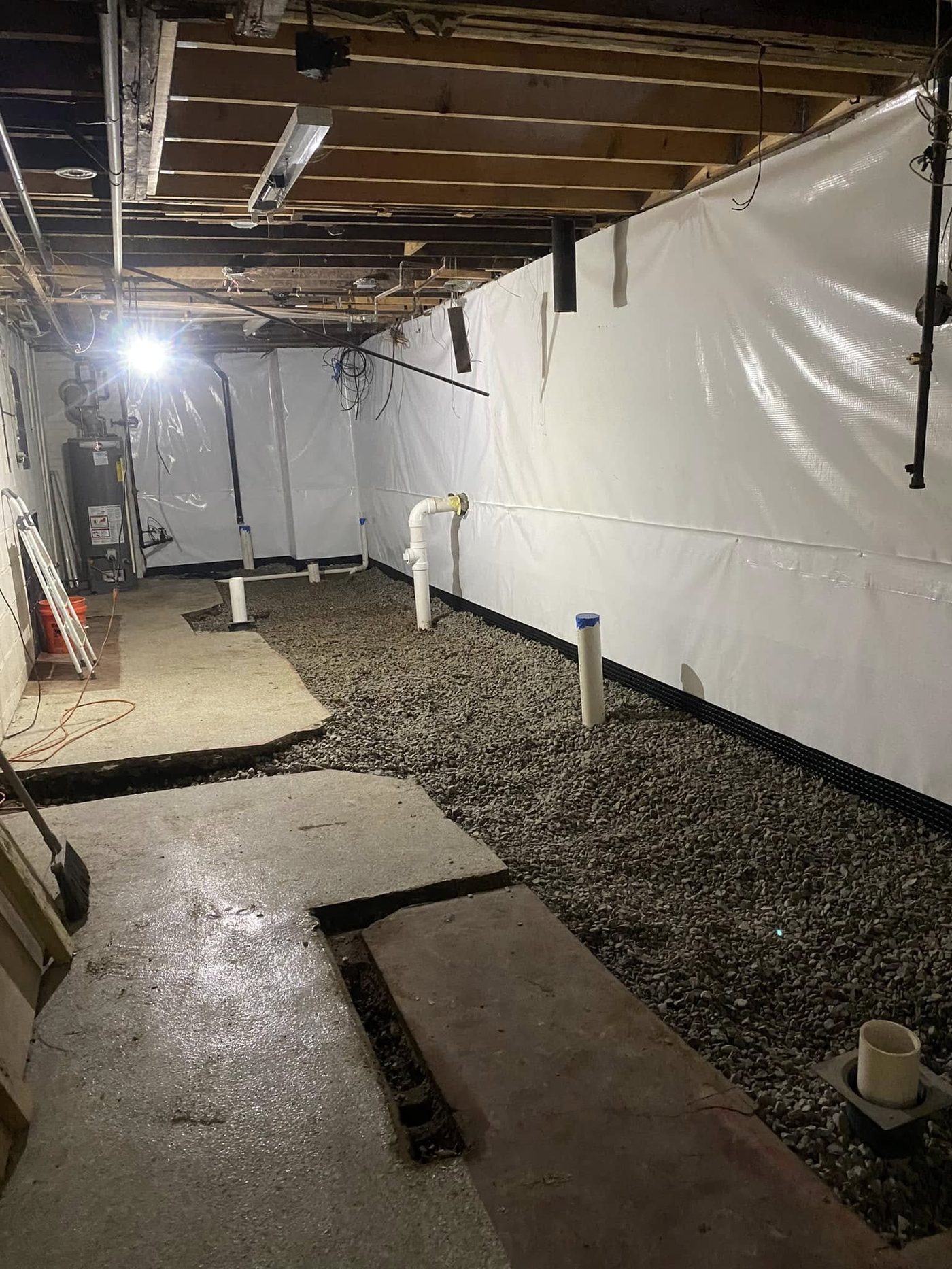
Seals off the bare earth under your floor so that the damp coming off it stops reaching the rooms above.
Learn moreNot every house here sits over a full basement. Many older rows have a shallow crawl under part of their footprint, and back additions were routinely built straight onto dirt. Earth gives off moisture continuously, and the only direction it can travel is up into your floor. In a Fishtown row that means the damp is arriving under the back half of the house while the front sits over a proper basement.
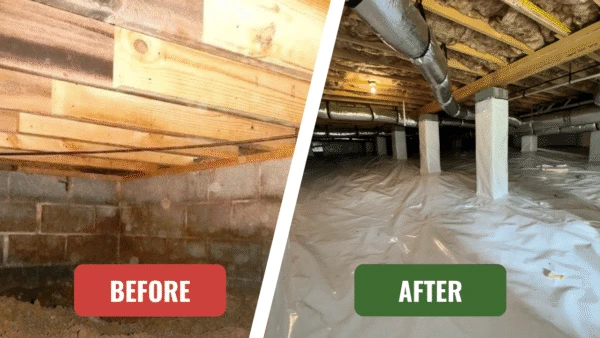
Heavy liner goes down over the whole floor and carries on up the piers and the perimeter, with every joint taped and the top edge sealed against the wall. Old foundation vents, which were letting humid outside air straight in, get closed permanently. Standing water underneath is drained and pumped before anything is sealed over it.
You notice it upstairs within a few days, in the smell and in floors that stop feeling cold. Chestnut Hill and Mount Airy houses, being detached and older, tend to have larger crawls and show the biggest change. It also keeps framing dry, which decides how long the floor above lasts and whether you are replacing joists in ten years.
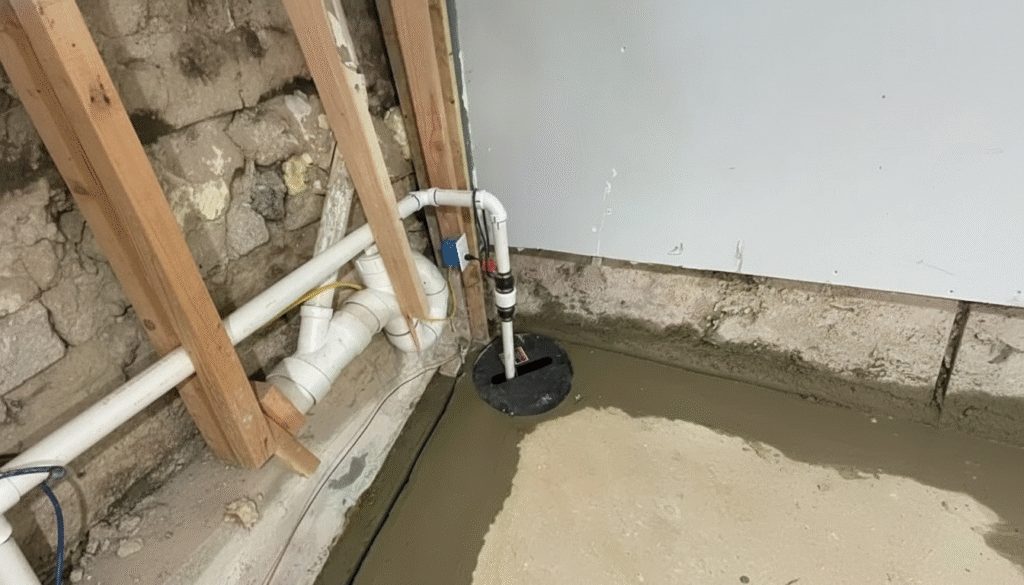
Removes the water an interior drain collects, before it ever gets a chance to spread out across your basement floor.
Learn moreAn interior drain is only as good as the pump sitting at the end of it. Since most Philadelphia basements are protected from the inside rather than the outside, that pump is doing more work here than in a city where the water is stopped at the wall. It fails during the storm that needed it, which is how people find out the float had jammed or the outlet pipe iced over months earlier. In Manayunk, and low down in Grays Ferry, that pump may run several times a day.
The pit is sized and set below slab level so water arrives rather than pools. Cast iron runs cooler and outlives plastic. Discharge is routed well clear of the building instead of to the corner where it returns, and a check valve keeps the last cycle from draining back.
Battery backup matters here more than most places. Storms that flood a Fishtown basement take the power with them, and a pump without power is decoration. If the one you have is sound we will say so, because swapping out a pump that works is a sale, not a repair, whatever anyone else has quoted.
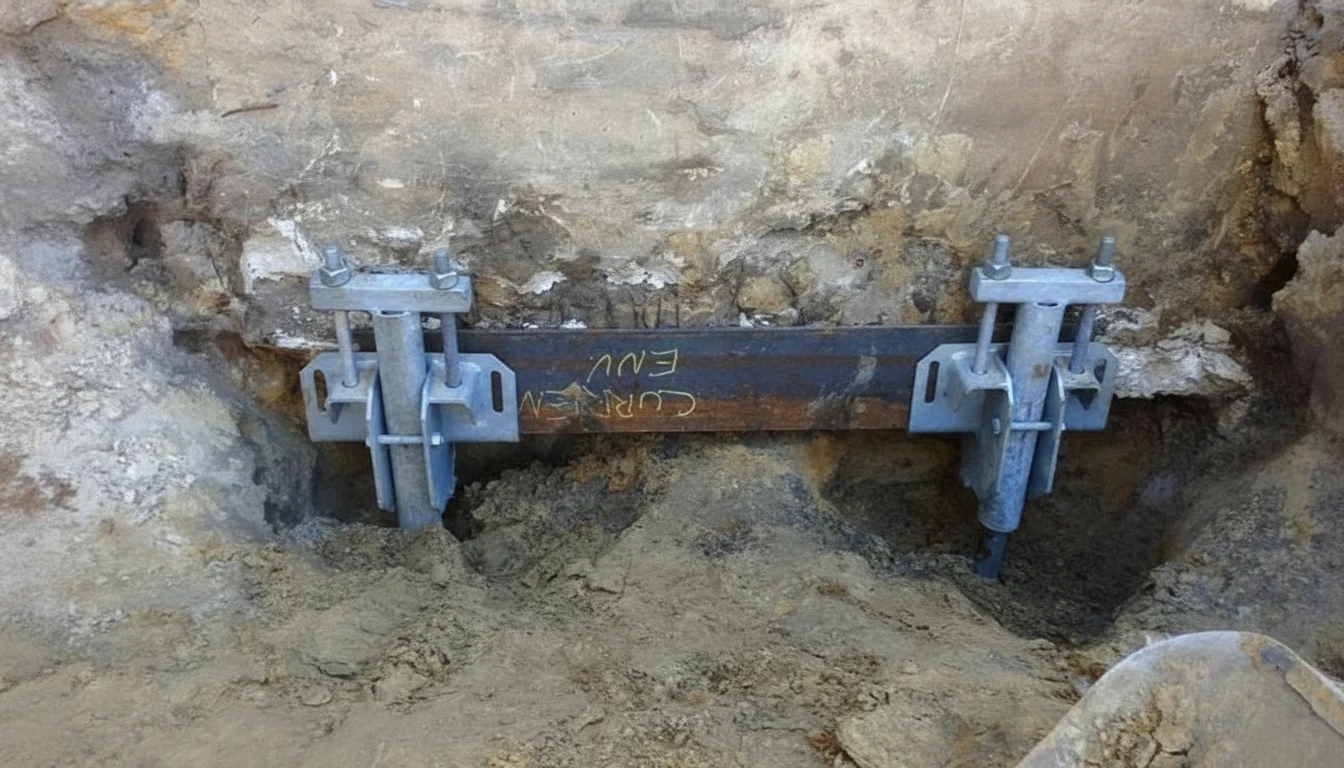
Carries a settled section down onto ground that will hold it, without opening up the whole wall to do it.
Learn moreTwo different people call us about underpinning in Philadelphia. One has a section that has dropped and needs carrying. The other is digging a Fishtown or Northern Liberties basement deeper for headroom, which means the existing footings sit above the new floor and must be extended before anything is safe down there.
A shaft carrying wide helical plates is turned into the ground, and the machine reads resistance as it goes, so the depth is measured rather than assumed. Brackets at the footing then transfer the load onto the shafts once they reach material that will hold it. Nothing is driven blind, which matters where fill and original ground sit at different depths on adjacent lots.
In a row this is done in sequence rather than all at once, because the wall being worked under supports two households. Philadelphia requires permits for underpinning and we pull them, along with the survey work the department wants to see before anybody digs. In Chestnut Hill, where houses stand alone, the same job is considerably simpler and costs less for exactly that reason.
Queen Foundation Repair handles the two things that go wrong under a Philadelphia house: water coming through the walls, and ground that has stopped carrying the weight. We are a leading provider of foundation work across the city, covering basement waterproofing, foundation repair, french drain installation and crawl space encapsulation.
Most of what we get called to started small. A damp line along the bottom of the wall after a storm, mortar you could pick out with a fingernail, a corner of the floor that never quite dried. Left alone those get dearer, because the water behind them keeps coming.
So we look before we quote. From Fishtown up to Chestnut Hill, someone comes out, goes over the property inside and underneath, and tells you plainly what is happening and what putting it right involves. The price is in writing before work starts. If it is cosmetic, we will say so rather than sell you a repair you do not need.
Most of the houses we work on are rows, which means the wall we are fixing is holding up more than one address. You can see everything Queen Foundation Repair does across Pennsylvania. Licensed and insured, and the warranty moves with the house if you sell.
Get your free inspection
WHAT YOU GET
We pick up quickly and get out to the property fast, so you're not waiting weeks to learn what's wrong and what it costs.
No charge for us to come out, work out what's happening, and lay out what the fix involves. You know where you stand before deciding.
Licensed, with full liability and workers' comp cover, so the work meets code and your property is protected if anything goes wrong.
Every repair carries a written warranty that passes to the next owner, so it protects the value of the house if you sell.
A clear written price before anything starts. No vague ballpark, and nothing new appearing once a crew is already on the job.
From Fishtown basements to the older stone walls around Chestnut Hill, we work these houses weekly and know what a shared wall does.
COMMON QUESTIONS
What waterproofing costs, whether you can do it from the inside, what underpinning actually involves, and how a wet basement next door ends up in yours. Same questions in Fishtown and Chestnut Hill. Prices are ranges, because the house decides.
What Waterproofing Costs
It depends on how much wall you are treating and how the water is getting in. Sealing one spot where a pipe comes through the wall is a few hundred. A full interior drain around the perimeter with a pump runs into the low thousands, and toward the higher end in a row home, where the wall is stone and the crew works by hand along a wall you share with next door. You get the number in writing, itemized, after somebody has actually seen the basement.
Fixing the outside first, and a lot of it is free. Clear the gutters, run the downspouts well away from the house, slope whatever soil you have away from the wall. In plenty of row homes that alone stops it. The cheap answer is the wrong one when water comes through the wall itself, because sealer over wet stone peels.
Usually not. A standard homeowners policy covers sudden accidental discharge, a pipe that bursts, and excludes gradual seepage, groundwater and flood. Waterproofing is prevention, so it sits outside almost every policy. Sewer and drain backup is sold separately as an endorsement and most Pennsylvania carriers offer one, which matters in a city with old clay laterals under the street. Worth a call to your agent before you assume it either way, because the wording moves around from carrier to carrier.
Inside or Outside
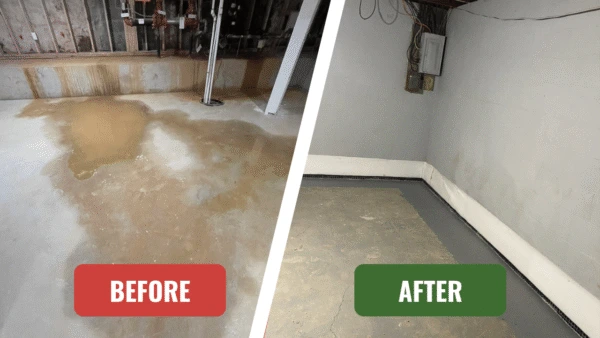
Yes, and in a row home it is usually the only way, because there is no side yard to dig in and the wall you would excavate is shared. Interior work means a drain channel at the footing, a sump and a pump, and sealing the wall. It routes water out instead of stopping it in the soil.
Interior drainage lets water reach the wall and then takes it away, so the wall itself stays damp. It needs a pump, so it needs power. Exterior work stops water sooner but costs more and often cannot be done here. None of it straightens a wall already moving. Anyone telling you there is no trade-off is selling.
The drainage and the membrane will outlast most of us if they went in right. The pump is the part with a clock on it, usually eight to twelve years, and the discharge line has to stay clear. Ours comes with a written warranty, and it carries over to whoever buys the house after you.
Underpinning
It is the most expensive thing on this page, well into five figures for a whole house. The work goes in under an existing wall in short sections, and each one has to set before the next one opens, so it is slow by design. The price moves with depth, how much wall there is, and whether party walls are involved. If all you want is a dry basement, you very likely do not need it.
Yes. Any excavation in the basement of an existing building needs a building permit from L&I, and a licensed special inspections engineer has to be on site the whole time the digging and underpinning is going on. Cut more than five feet below the grade next door and that needs its own excavation permit. We pull them.
There are two different reasons people do it. If the footing is failing, yes, and little else answers. If it is to gain headroom and turn the basement into rooms, that is a renovation call, and it pays when the finished space is worth more than the dig. We will tell you which one you are looking at.
The Wall You Share
Often, yes. The wall between the two houses sits on one footing, and water does not know where your deed stops. If their downspout empties at the foundation, or their basement holds water after a storm, it moves through the shared wall and turns up as a damp stripe on your side of it. You can treat your side without involving them and it will help. It is still worth knowing where the water is starting before you spend anything.
Not for work on your own side of it. Both owners have rights in a party wall and both are expected to look after it. What changes that is excavation below the wall, which requires written notice to the owner next door. If we need onto their property, that is an access agreement, sorted before anyone starts.
Because of what it is made of. Rows built before about 1920 have stone or rubble walls laid in lime mortar, soft on purpose so the wall can move a little. A century of water running through it washes it out. Repointing puts it back. It is a normal repair here, not a structural emergency.
Leaks Under the Floor
A patch of slab that stays damp, or warm, when the rest is dry. A water bill that climbed with nothing else changing. The sound of water running with every tap shut off. A crack in the floor with a chalky ring around it. Any one of those is worth a look before anybody cuts concrete.
Water in the ground underneath with nowhere better to go. After a hard rain the soil under the floor fills up and the water takes the weakest path it can find, which is a crack or the joint where floor meets wall. In older basements the floor is thin and poured onto dirt, so it comes up mid-room too.
Usually. A crack that is leaking can be injected from the inside and that holds. Water arriving at the joint where wall meets floor gets a drain channel and a pump. What cannot be fixed from inside is soil pushing the wall over, or a downspout emptying against the house. Those get dealt with outside.
Cracks and Selling
Yes, when the crack is the whole problem. Poured concrete takes a resin injection that seals and bonds both sides. Stone and brick get repointed instead. Neither helps if the crack is the wall telling you it is moving, which is why we read the shape first. A horizontal or stair-step crack means something different than a thin vertical one.
The range is wide because the jobs are not alike. Sealing one crack is a few hundred. Interior drainage with a pump runs into the low thousands. Bracing a wall that is bowing is more than that, and piers or underpinning is well into five figures. What moves the number in this city is access, because a row has no side yard and the material comes through the front door by hand. The price is written and itemized before anything starts.
Yes. Pennsylvania requires the Seller's Property Disclosure Statement, delivered before the buyer signs, and it asks specifically about water in the basement and about structural condition. You disclose what you know, not what you guess. A repair with paperwork and a warranty that transfers to the new owner reads very differently to a buyer than a damp wall nobody can explain, and it is the unexplained one that gets negotiated off your price at the table.
WHERE WE WORK
We cover the whole Philadelphia area, not only the addresses inside the city limits. That is all of Philadelphia County and the towns ringing it, out through Delaware, Montgomery and Bucks. Most weeks the work is in the city itself, from Fishtown and Manayunk up to Chestnut Hill. The neighborhoods and ZIP codes below are where we get called most.
ZIP CODES WE COVER
Ready to Get Started?
No obligation, fast and easy.
We appreciate you reaching out.
One of our team members will be with you shortly.