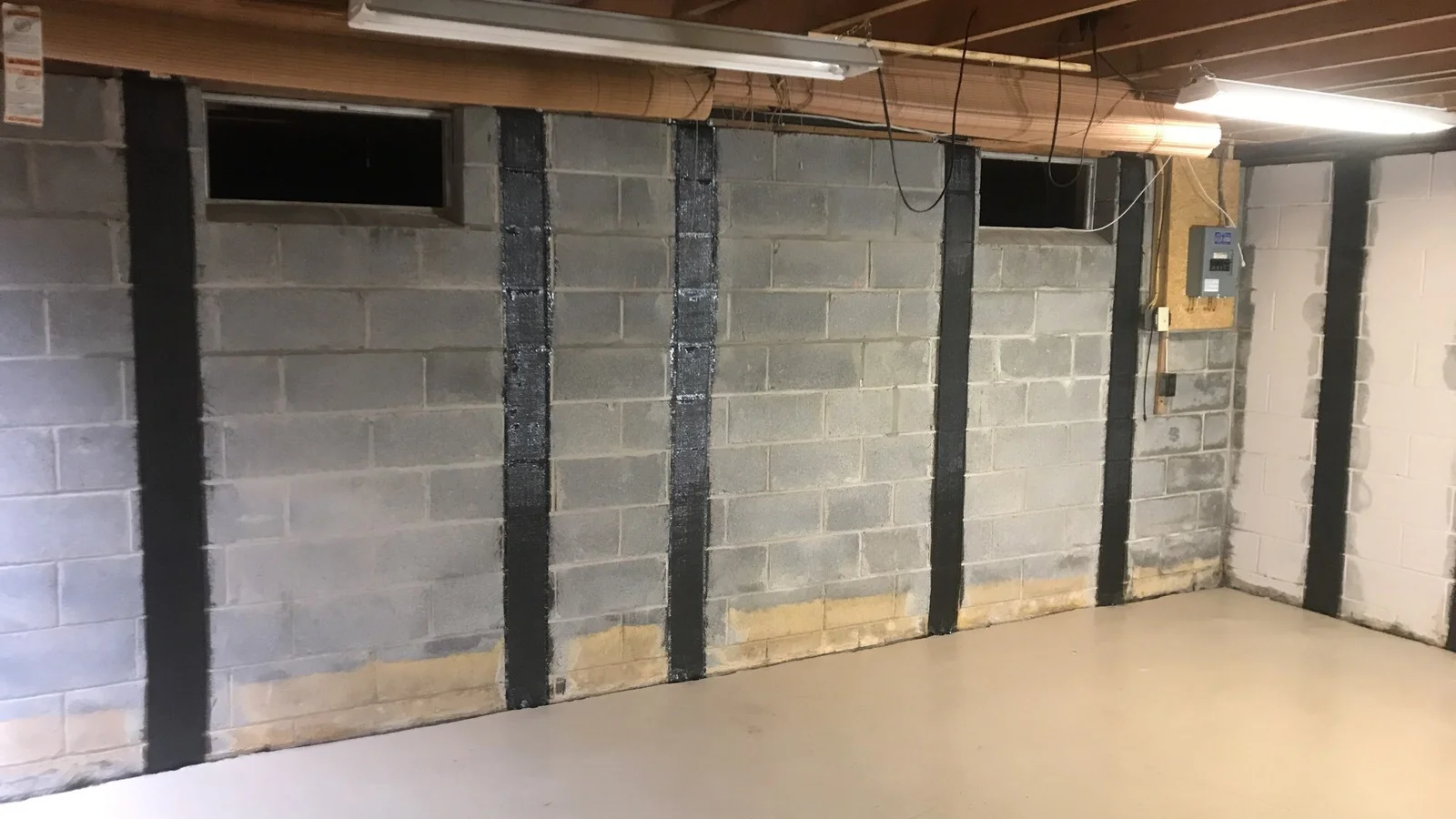
Birmingham runs uphill, and what is under your house depends on where you sit on it. Up around Redmont Park that means a basement taking water from above. Down in Avondale it means a crawl space that never dries out. We handle both. The inspection is free.
Get Your Free Inspection
We appreciate you reaching out.
One of our team members will be with you shortly.





WHAT WE SEE MOST
Birmingham is built on a slope, and what goes wrong depends on where your house sits on it. Up on the ridge it is usually a basement wall taking water. Down on the flat it is usually the crawl space. Some of this is cosmetic and some is not. A foundation inspection tells you which signs matter and which do not.
The ground is feeding it
Bare dirt under the house gives off moisture all day, and the vents let humid summer air straight in. It shows up as a smell first. Moisture in the crawlspace is the first of those signs.
Something outside is pushing
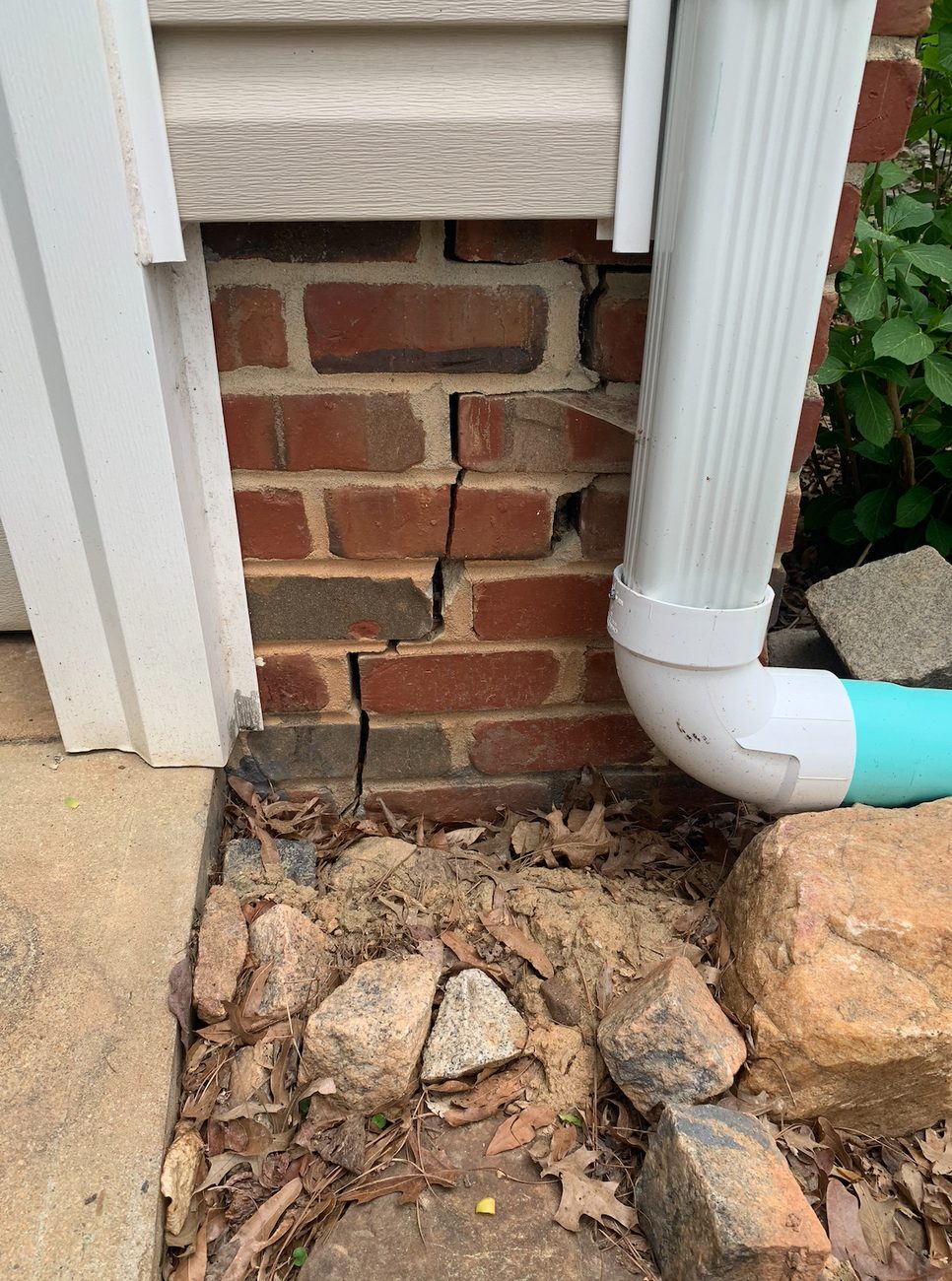
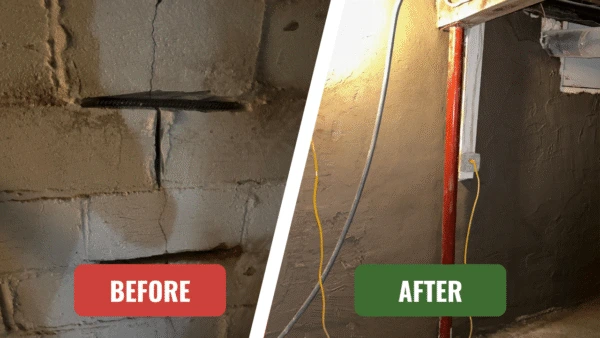
A crack running side to side means pressure from the uphill side, not the house settling. Watch whether the courses above it have moved in. Structural movement in a foundation wall needs solutions, not filler.
The support under it dropped
One end of a room sits lower than the other, or a doorway has a lip in it. Something underneath stopped carrying its share. The soil under a Birmingham foundation shifts with every wet season.
A corner is moving
Cracks that climb the mortar joints in a staircase pattern mean one part of the foundation has dropped away from the rest of it. Foundation repair here means supporting the structural load properly.
The frame is out of square
The gap down the latch side is wider at one end. Doors and windows stop closing right before most people notice anything else. Those signs point to soil conditions under the foundation. Soil conditions drive most structural problems here.
The wall has moved away
Trim that used to sit tight against the ceiling has opened a dark line along the top of the wall. Something below has dropped. Soil conditions under the property are usually the cause.
What we look at first is whether it is still moving. A crack that has looked the same since you bought the house is not the same problem as one that opened this spring. A damp crawl space is worth sorting but it can wait a week. What should not wait is a wall pushing inward, a crack that is tapered rather than even, or a floor that is still dropping. The inspection is free. We look at the soil, the concrete, and the foundation together.
From a crawl space that never dries out down on the flat to a basement wall taking water up on the ridge, these are the calls we get across Birmingham. Tap any service to see what the work involves. Structural solutions in Birmingham start with the soil, not the crack.
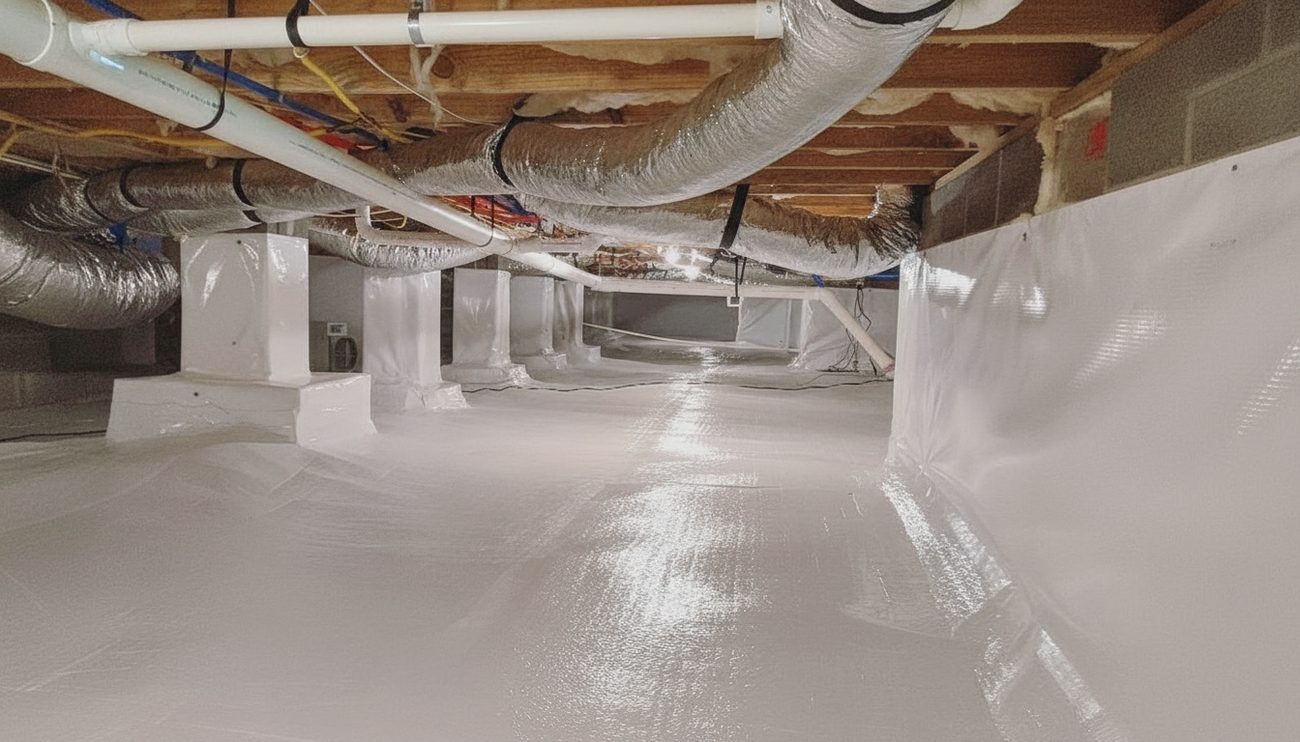
Seals the crawl off from the ground underneath it, so the damp stops rising into the floor and the smell goes with it. Crawlspace solutions handle the moisture and the smell together. One visit, both problems.
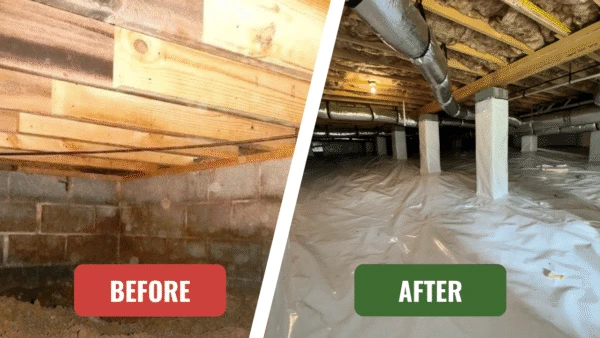
Learn moreMost houses here sit over a crawl space rather than a basement, and most of those crawls are open to bare dirt. Earth gives off moisture continuously. Vents were supposed to carry it away and mostly do the opposite, pulling humid Alabama summer air into a cool space where it condenses on everything. Down on the flat in Avondale that is the usual story behind a smell nobody can find. Crawlspace moisture is a foundation problem in disguise.
Heavy liner goes down across the whole floor and continues up the piers and the perimeter wall, every seam taped and the top edge sealed. The old foundation vents get closed permanently. Standing water underneath is drained and pumped before anything is sealed over the top of it, and a dehumidifier holds the space at a set humidity afterward. Those solutions keep the space dry through an Alabama summer.
You notice it upstairs within a few days, in the smell and in floors that stop feeling cold. It will not fix a floor that has already sagged, and it is not a termite treatment. Around Ensley, where the ground stays wet longer, the drainage usually has to be sorted first or the liner just covers a puddle. Drainage first, then the space gets sealed.
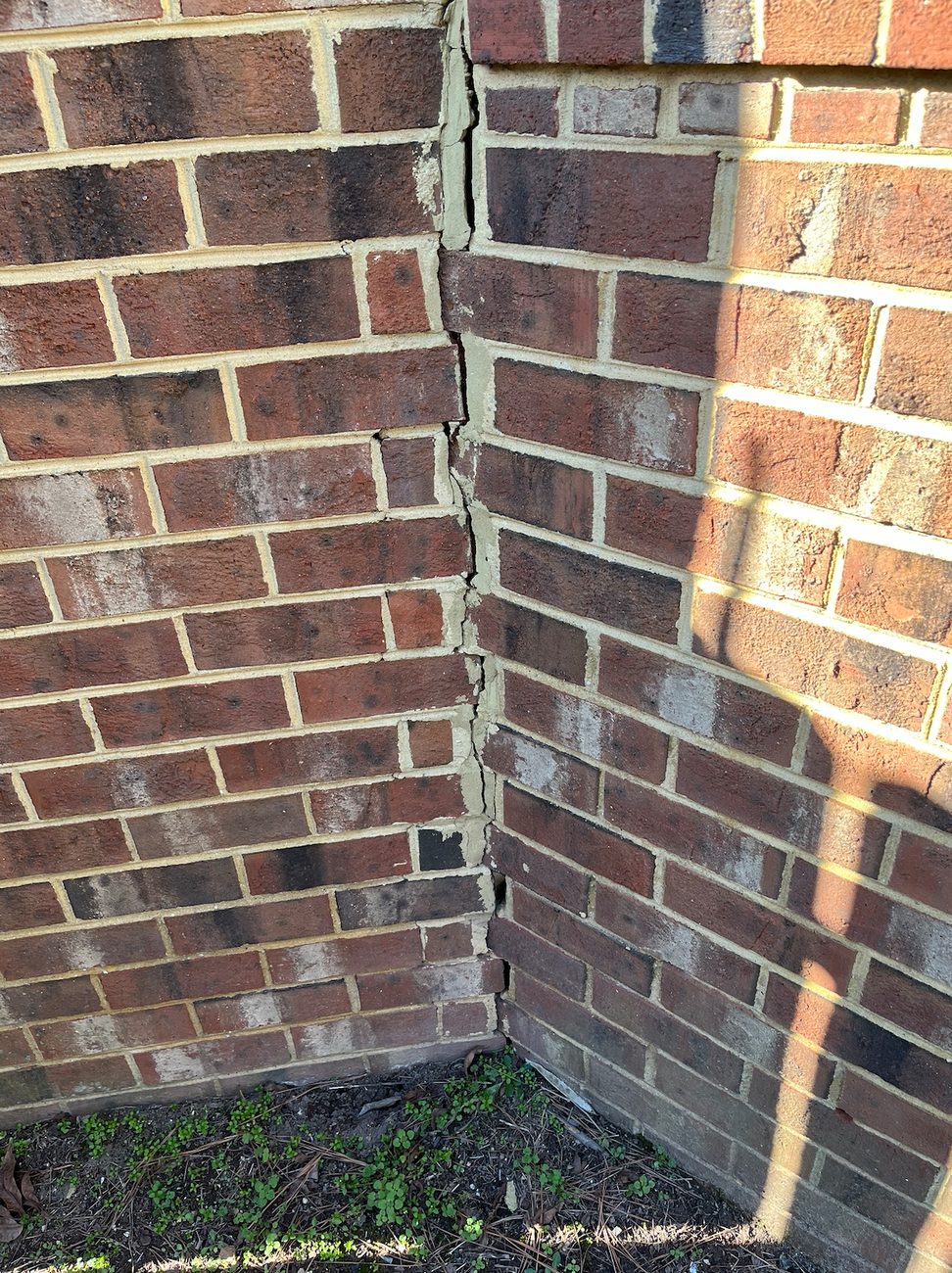
Gets a settled corner back up and keeps it there, once we know what took the support out from under it.
Learn moreSettlement here is rarely the whole house. One corner drops, or one wall goes, and the rest stays put. That is what makes the cracks diagonal and the doors stick on one side only. The reason is almost always something under that one spot losing the ability to carry weight. Up around Redmont Park, where lots are cut into the slope, fill on the downhill side is the usual suspect. Birmingham property lines slope more than owners expect.
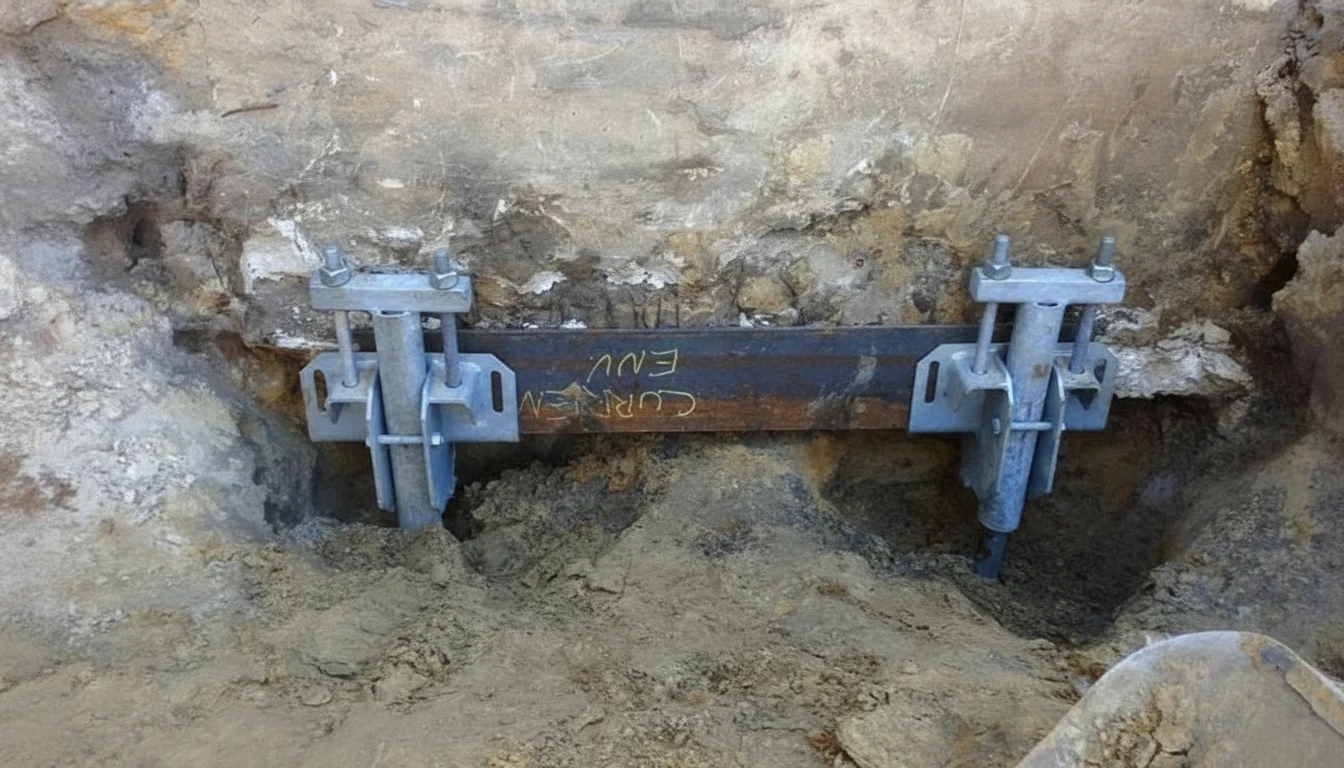
Steel supports are driven down past whatever failed until they reach material that will hold, then loaded to take the section back toward level. How far it comes back depends on the house; forcing plaster and brick is how you crack them. Where water is still arriving, that gets solved first, or the ground keeps giving way underneath the new supports. Structural work fails when the soil conditions are ignored.
So the first job is measuring, not quoting. Levels through the rooms, a look at the grade outside, and a look underneath. In Roebuck the houses are newer and the answer is more often drainage than piers. We put it in writing before anybody talks about price. Every foundation repair line is written out first.
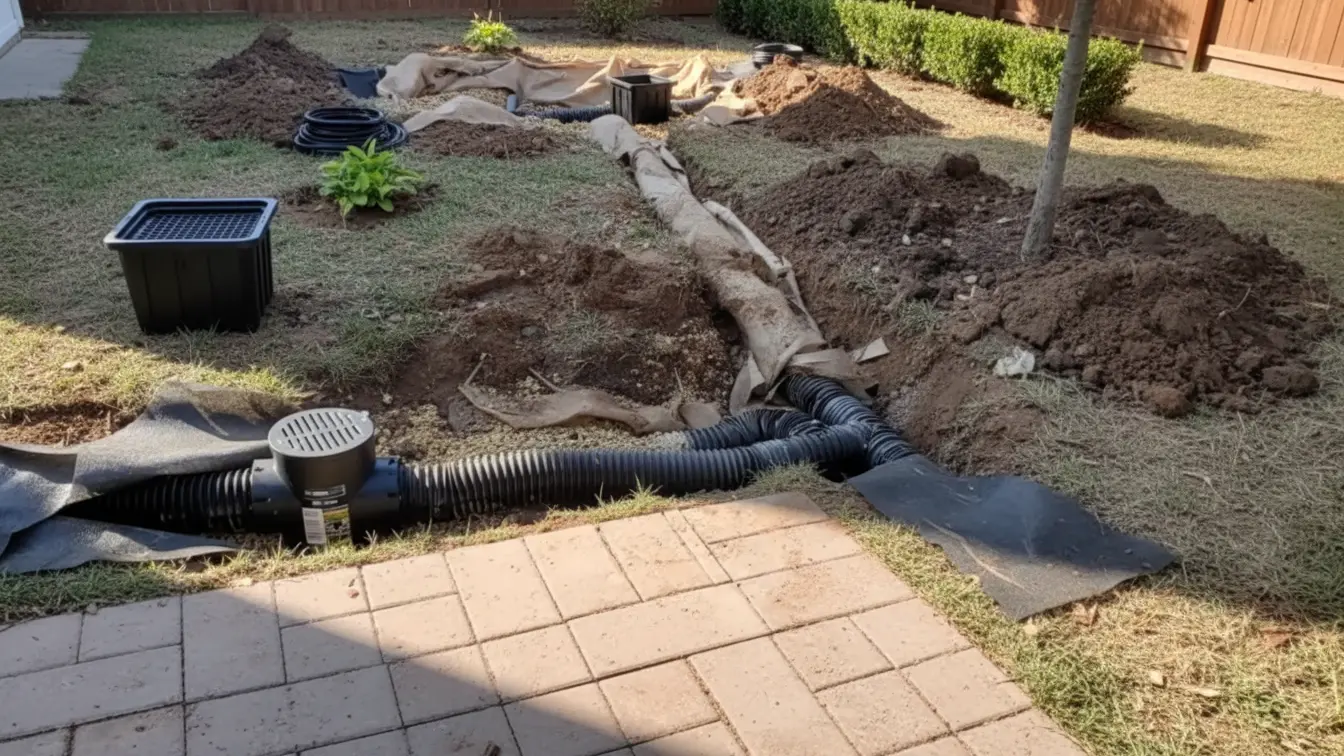
Gives water somewhere to go before it reaches the house, on a lot where the ground already slopes toward you.
Learn moreBirmingham gets around fifty-seven inches of rain a year and very little of it lands on flat ground. On a sloped lot the water arrives from uphill, sheets across the yard and stands against whatever is in its way, which is usually a foundation wall. In Forest Park, where houses sit part-way up the hill, the volume coming down is larger than the roof alone would suggest. Roof water is a foundation problem on most Birmingham lots.
A trench is opened along the path the water is already taking, lined so soil cannot silt the pipe up, and a perforated pipe bedded in washed stone. The fall carries water away without a pump and discharges well clear of the house. Roof leaders get tied in rather than emptying at the corner of the foundation. Move it and half the foundation problems go away.
It is the cheapest thing on this list by a wide margin and it fixes more than people expect. What it will not do is dry out a wall that water is already inside. Above Redmont Park there is sometimes nowhere downhill to discharge to, and then it is the wrong answer and we say so. Honest solutions beat expensive ones every time.
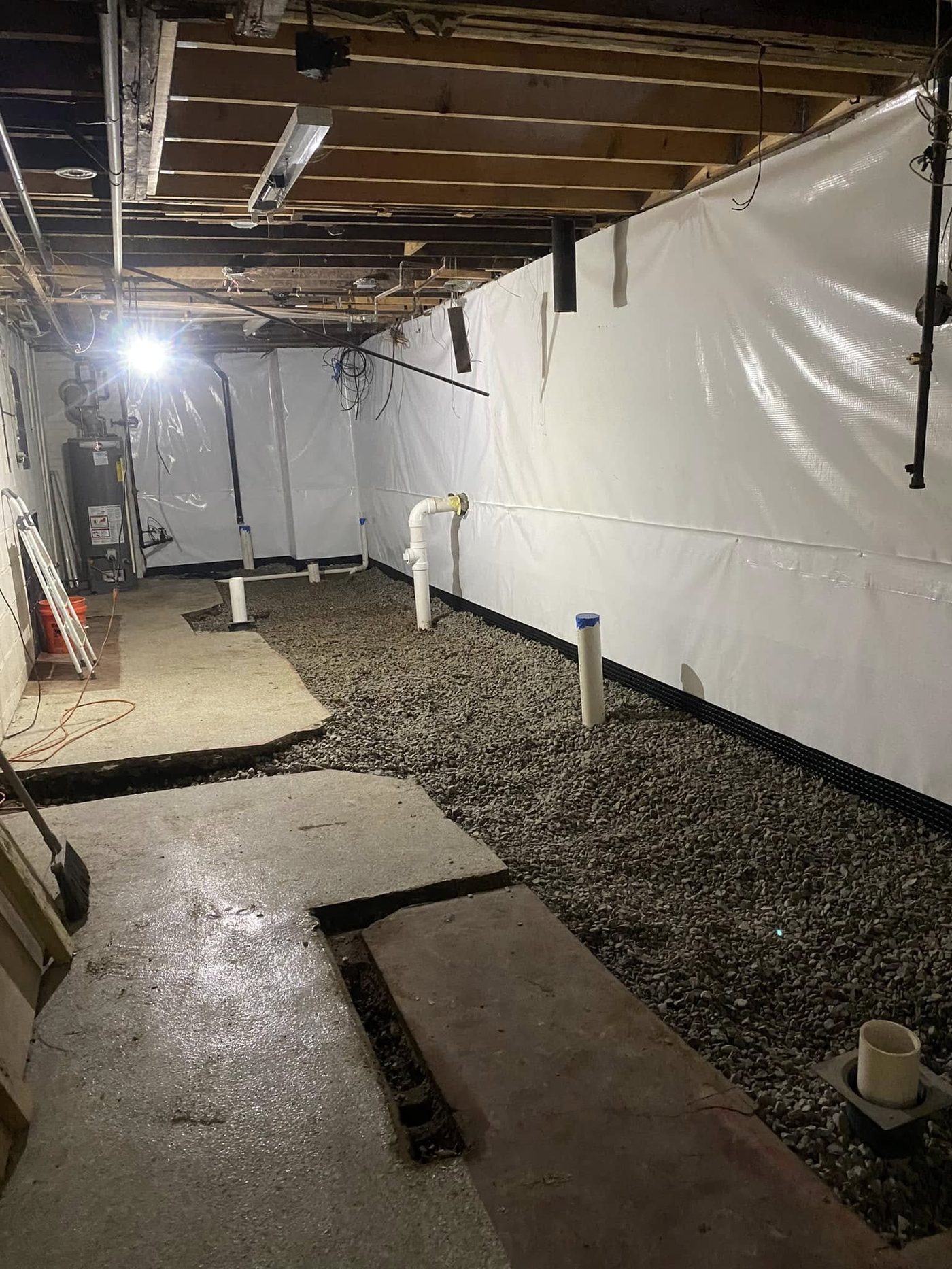
Stops water arriving through a basement wall in the first place, instead of managing it with a shop vac after every heavy storm. Proper water solutions end that for good.
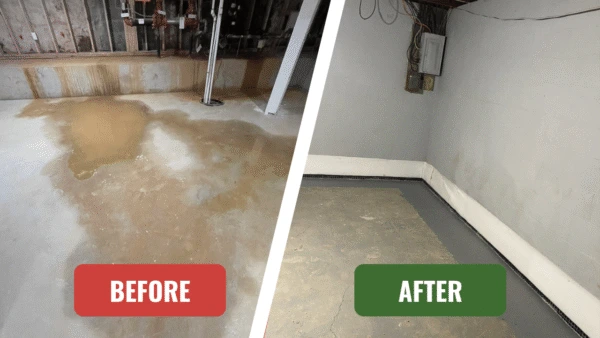
Learn moreBasements are not the norm in Birmingham, but on the ridges and the cut lots they are common, and they take water differently than a basement on flat ground. Everything uphill of you drains toward the wall. After a heavy storm the ground on the high side saturates and the water goes looking for a way through, usually at the joint where the wall meets the floor. Redmont Park sees this every wet spring. The soil there holds water against the foundation for weeks.
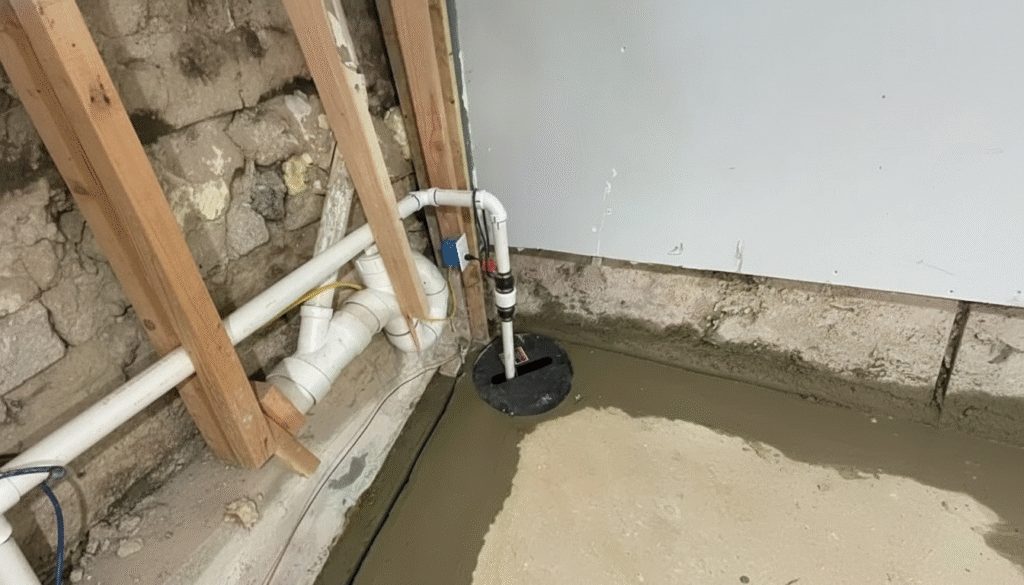
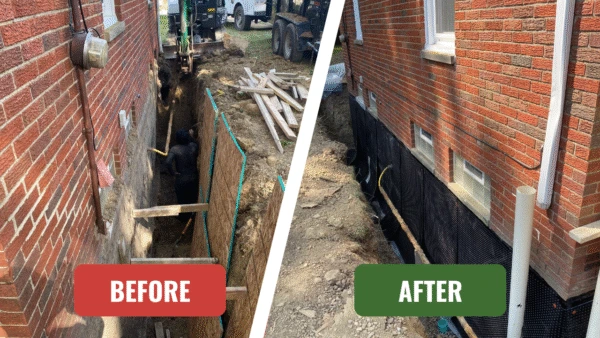
Inside, a channel is cut at the perimeter below the slab, piped to a pit and pumped back out. Outside, the wall is excavated, sealed across its face and given a footing drain so the water never arrives. The second costs several times the first and lasts far longer. Foundation repair done twice costs more than doing it once.
Which one you get is usually decided by access rather than budget. Up in Bush Hills some lots have room to bring a machine round the back; plenty of hillside lots are not, and on those the honest answer is interior drainage even though it is the lesser fix. Neither one straightens a wall that has already moved, and anyone selling you waterproofing as a cure for that is selling you the wrong job. We would rather lose the work than sell the wrong foundation solutions.
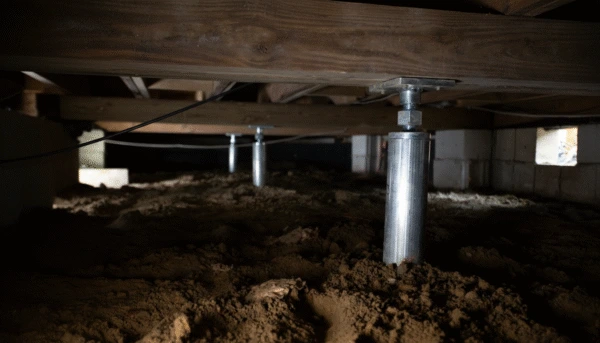
Puts the structure under the floor back to carrying weight, when a post or a joist end has given up.
Learn moreA floor that gives when you cross it, or slopes toward the middle of a room, is reporting on what is underneath rather than on the floor itself. In older houses the usual culprits are a joist end rotted where it sits in the masonry, or a support post that has sunk into ground which never got a chance to dry out. In Avondale, where a lot of the stock is from the fifties, both turn up together. Older Birmingham construction shows the same structural signs.
Soft ends get sistered or replaced, a sagging beam is picked up onto new posts bearing on proper footings, and any support that has dropped gets reset on ground that will carry it. Lifting is done gradually, because a house that has settled into a shape over seventy years will crack if you hurry it. Concrete that old needs patience, not force.
The repair only holds if the water gets solved alongside it. Timber softens because it stays wet, so new wood over an unsolved cause simply repeats this in a few years. Out in Wylam that usually means fixing where the roof water lands before anything else. That is where most foundation problems in Birmingham begin.
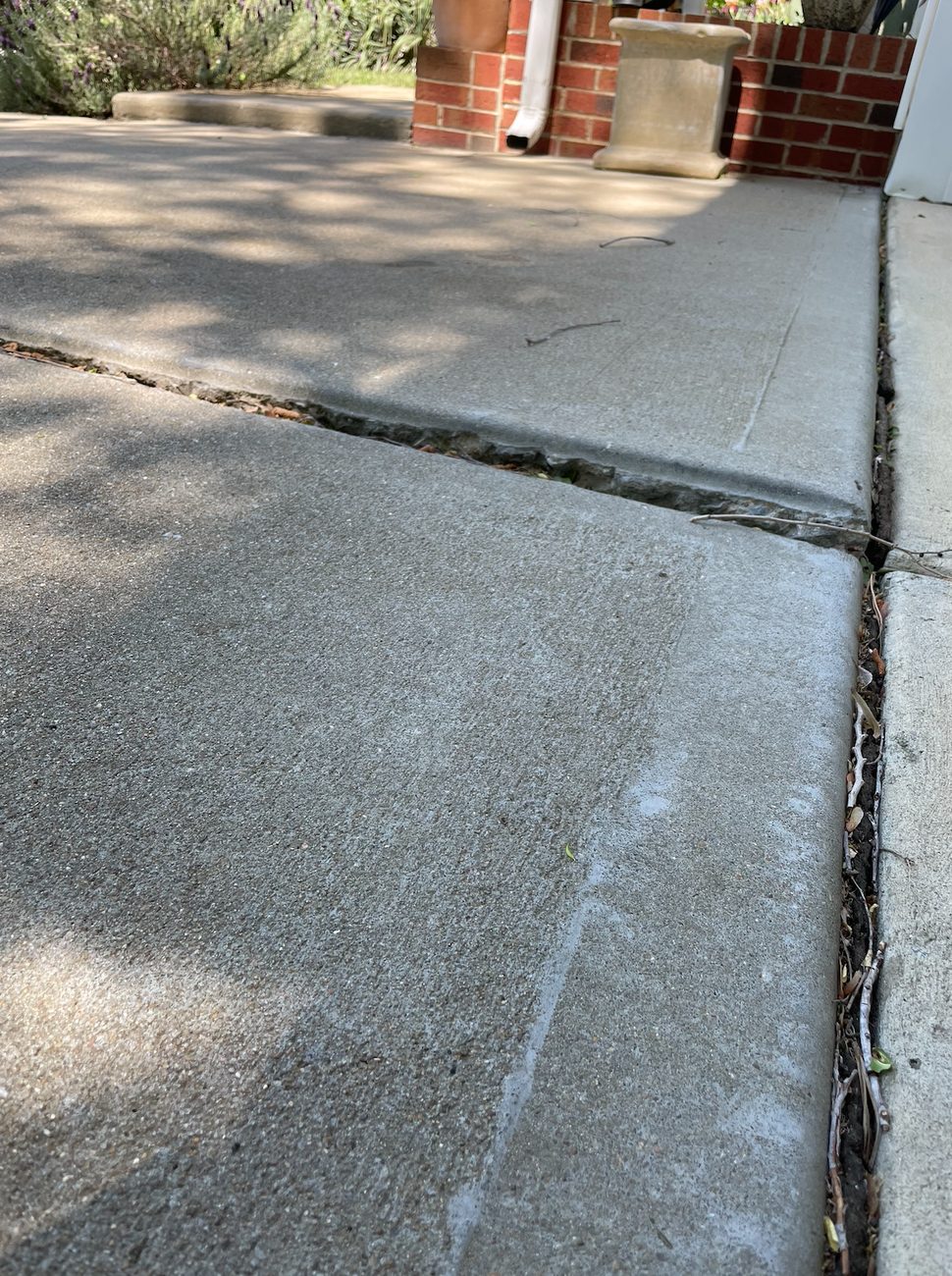
Raises a dropped driveway or walkway slab back to where it belongs, without breaking it out and pouring a new one.
Learn moreA slab drops when whatever was holding it up moves, and here that usually means water washing soil out from under an edge, or fill that was never properly compacted finally settling. Much of the flatter ground around Southside was built up rather than dug into, and made ground keeps settling for decades after anybody remembers it being placed. Old concrete and shifting soil are the usual pair here.
Small ports are drilled through the slab and material injected underneath, filling the void and lifting the panel back to grade. It takes foot traffic the same day and a car within hours, which on a driveway is usually what decides it. The ports get patched and the original slab stays where it is, which is where the saving comes from. Structural solutions sized to the property, not to a template.
Worth establishing why the ground left in the first place, because lifting a slab does not stop whatever moved the soil. If water still runs under there the void reopens and the same panel drops again inside a couple of years. On the older streets around Smithfield, sorting the drainage while the slab is already up beats paying for a second lift later. Foundation repair once, properly, on stable soil.
Queen Foundation Repair handles the two things that go wrong under a Birmingham house: damp coming up out of the ground underneath it, and ground that has stopped carrying the weight. We are a leading provider of foundation work across the city, covering crawl space encapsulation, foundation repair, french drain installation and basement waterproofing. Both are foundation solutions, not add-ons. Priced with the structural work, not after it.
Most of what we get called to started small. A smell at the top of the basement stairs, a hairline that got wider over one wet winter, a floor that gave a little in one spot. Left alone those get dearer, because the water behind them keeps coming. Water management first, always, on any Birmingham property.
So we look before we quote. From Avondale up to Redmont Park, someone comes out, goes over the property inside and underneath, and tells you plainly what is happening and what putting it right involves. The price is in writing before work starts. If it is cosmetic, we will say so rather than sell you a repair you do not need. Our reviews say that more than anything else. Reviews from Birmingham property owners, not stock ones.
Most of the houses we work on sit over a crawl space, which means the problem is usually under the floor rather than behind a wall. You can see everything Queen Foundation Repair does across Alabama. Licensed and insured, and the warranty moves with the house if you sell. That protects the property value too.
Get your free inspection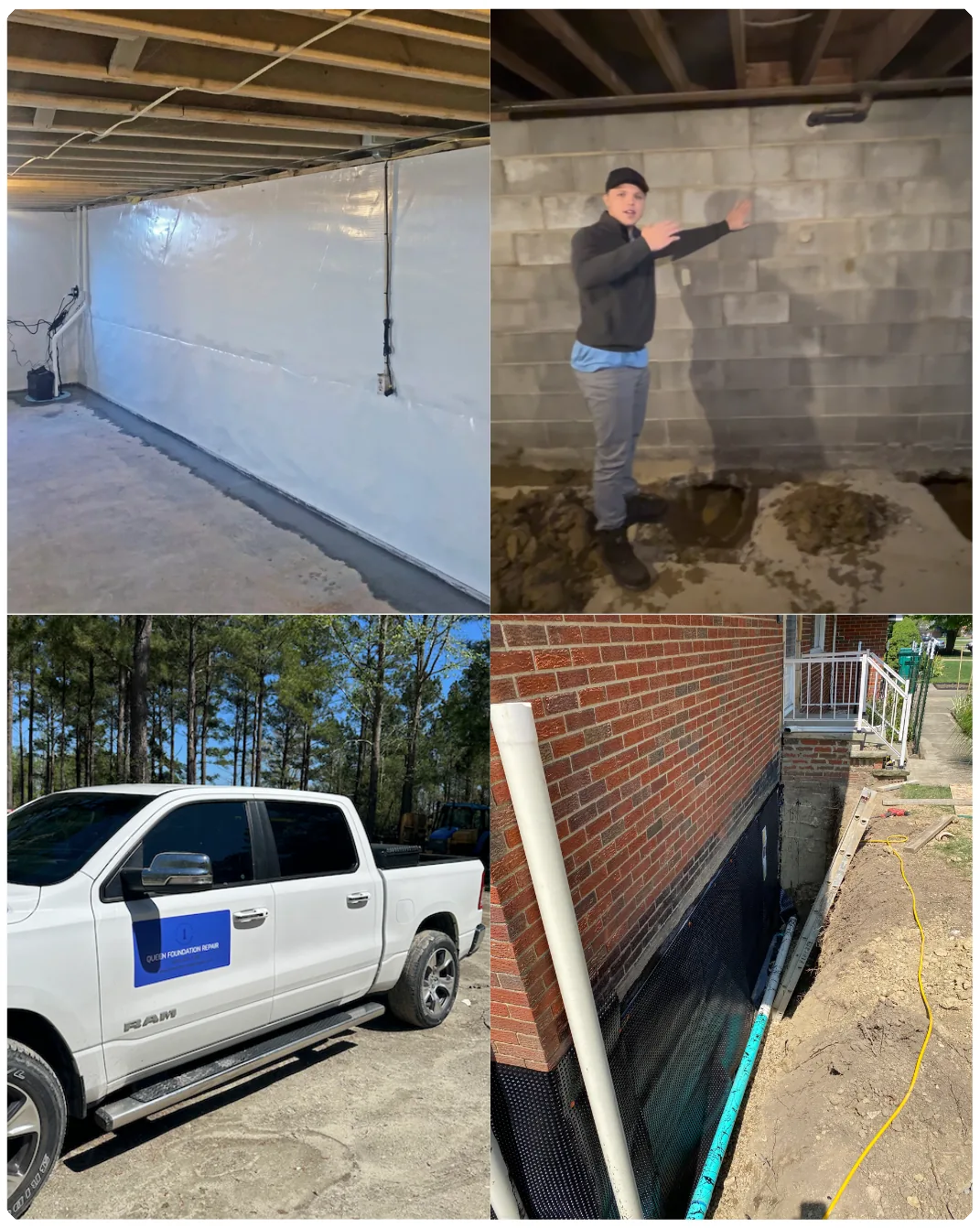
WHAT YOU GET
We pick up quickly and get out to the property fast, so you're not waiting weeks to learn what's wrong and what it costs. The foundation inspection is free either way. Signs, soil conditions, and solutions all explained.
No charge for us to come out, work out what's happening, and lay out what the fix involves. You know where you stand before deciding. Every structural option explained, with the soil conditions behind it.
Licensed, with full liability and workers' comp cover, so the work meets code and your property is protected if anything goes wrong. Your property and the foundation repair both covered.
Every repair carries a written warranty that passes to the next owner, so it protects the value of the house if you sell. Documented foundation repair is worth real money at closing. Structural paperwork protects the property value.
A clear written price before anything starts. No vague ballpark, and nothing new appearing once a crew is already on the job. No surprise problems once we are under the house.
From the crawl spaces down around Avondale to the cut basements up on Redmont Park, we are under these houses every week. Birmingham crawlspace conditions are their own specialty. The soil and the moisture behave differently here.
COMMON QUESTIONS
Whether encapsulation is worth the money, what a repair actually costs, why the house next door has a basement and yours does not, and what you owe a buyer. Same questions in Avondale and up on Redmont Park. The same soil problems show up across the whole property line.
Is Encapsulation Worth It
No, but plenty of it is sold badly. A liner on its own, over ground that still gets wet, is close to useless and that is where the reputation comes from. Done properly it is a sealed floor and walls, closed vents, drainage sorted first, and a dehumidifier holding the space at a set level. That version works and you can measure it. If someone quotes you a liner and nothing else, that is the gimmick version. Real solutions take more work and last longer. Foundation problems do not respond to shortcuts.
It costs real money up front and the dehumidifier uses power year round, which is a running cost nobody mentions in the quote. Sealing a space that still has standing water in it traps the problem instead of fixing it, so the drainage has to come first. And it does nothing at all for a floor that has already sagged, which is a separate structural job with its own price. Anyone telling you it solves everything under the house is overselling it. We would rather report no problems than invent them.
It moves with square footage, how much drainage has to go in first, and whether a dehumidifier is included. A small crawl with dry ground is a few thousand. A large one needing a drain, a pump and a unit runs into five figures. You get the number in writing after somebody has actually been under there. Photos of your actual crawlspace, not a stock foundation.
Living With One
The liner itself will outlast most of us if it went in right and nobody puts a foot through it. The dehumidifier is the part with a clock on it, usually eight to twelve years, and it needs a drain line that stays clear. Ours comes with a written warranty that carries over to the next owner. Structural work should outlive the owner who paid for it.
It helps, mostly by removing a reason for a buyer to walk. A dry, lined crawl with paperwork reads very differently to an inspector than bare dirt and a smell. It is not a kitchen and it will not return the whole cost on paper, but it is the kind of thing that stops a price being knocked down late. Foundation problems found early are far cheaper to fix.
Yes, just less. Alabama winters are mild and damp rather than cold, so the crawl still holds moisture even when the air upstairs feels dry. Most units manage this themselves once they are set. Turning it off completely for months is how people find mold in the spring. Moisture solutions stop it before that happens.
What It Costs
The range is wide because the jobs are not alike. Sealing one crack is a few hundred. Drainage runs into the low thousands. Piers under a settled corner are well into five figures, because the price follows how many you need and how deep each one has to go before it finds something solid. In this city that depth is genuinely hard to predict until we test it, since the rock underneath rises and falls, which is why we measure before quoting rather than after and why a number over the phone is worth nothing.
Underpinning a whole side of a house, or lifting a slab foundation that has settled unevenly across its full width. Both mean going under the existing structure in sequence and supporting it while you work. If someone is quoting you that off a photograph, get somebody else out. Honest structural reporting is the whole point.
Usually not. A standard policy covers sudden accidental damage, a pipe bursting under the slab, and excludes settlement, seepage and ground movement. That is where most foundation work sits. Alabama also does not require carriers to offer the sinkhole coverage Florida mandates, so it is worth asking your agent what your policy actually says rather than assuming.
Ridge or Flat
Elevation, most likely. There is over four hundred feet of difference between the high and low ends of this city, and builders dug basements where the lot was cut into a slope and used crawl spaces where the ground was flat. Two streets apart can be two different answers, and it decides what goes wrong later.
Usually a basement or a partial one, cut into the hillside, with ground sitting higher than the floor on at least one side. That is a good foundation to have, but it means everything uphill of you drains toward one wall. The repairs up there are almost always about handling that water rather than about support.
Because a lot of the rock under this valley dissolves. Rainwater is slightly acidic, it moves down through the limestone underneath, and over a very long time it opens spaces in it. Soil works its way down into those spaces and the surface above settles. It is slow, it is completely normal here, and it is the reason the depth to solid ground can vary so much from one side of a single lot to the other.
Basement Water
Outside stops the water before it reaches the wall and lasts far longer. Inside collects it once it has arrived and pumps it out. Outside is several times the price and needs room to dig, which plenty of hillside lots here do not have. Access usually decides it, not preference.
Yes, though it costs more because the finishes have to come off the affected wall and go back afterward. Interior drainage means opening the floor at the perimeter regardless. The calls we get about finished basements almost always start with someone boxing in a wall that still took water.
Fixing the outside first, and much of it is free. Clear the gutters, run downspouts well away from the house, and make sure the ground falls away from the wall rather than toward it. On a sloped lot that alone stops a surprising amount. It is the wrong answer when water is already coming through the wall itself.
Settling and Selling
Doors and windows going out of square, cracks wider at one end than the other, a floor that slopes toward one corner, and cracks that climb the mortar joints in a staircase pattern. One on its own is often nothing. Two or three together, or any of them changing month to month, is worth a look.
Almost always yes. Crawl space and drainage work happens underneath and outside, and you keep using the house. Pier work is noisy and there will be equipment in the yard, but people stay. The only time we suggest otherwise is major structural work across the main living area, and that is rare.
Alabama is a caveat emptor state and one of the few with no required seller disclosure form, so there is generally no duty to volunteer it. There are real limits on that: if the buyer asks you directly you have to answer honestly, and known defects affecting health or safety are treated differently by the courts. In practice a documented, warrantied repair is worth having on paper here anyway, because the buyer's inspector finds the evidence either way, and paperwork is the thing that stops your price getting knocked down late.
WHERE WE WORK
We cover the whole Birmingham area, not only the addresses inside the city limits. That is all of Jefferson County and the towns around it, out through Hoover and Homewood. Most weeks the work is in the city itself, from Avondale and Forest Park up to Redmont Park. The neighborhoods and ZIP codes below are where we get called most.
ZIP CODES WE COVER
Ready to Get Started?
No obligation, fast and easy.
We appreciate you reaching out.
One of our team members will be with you shortly.