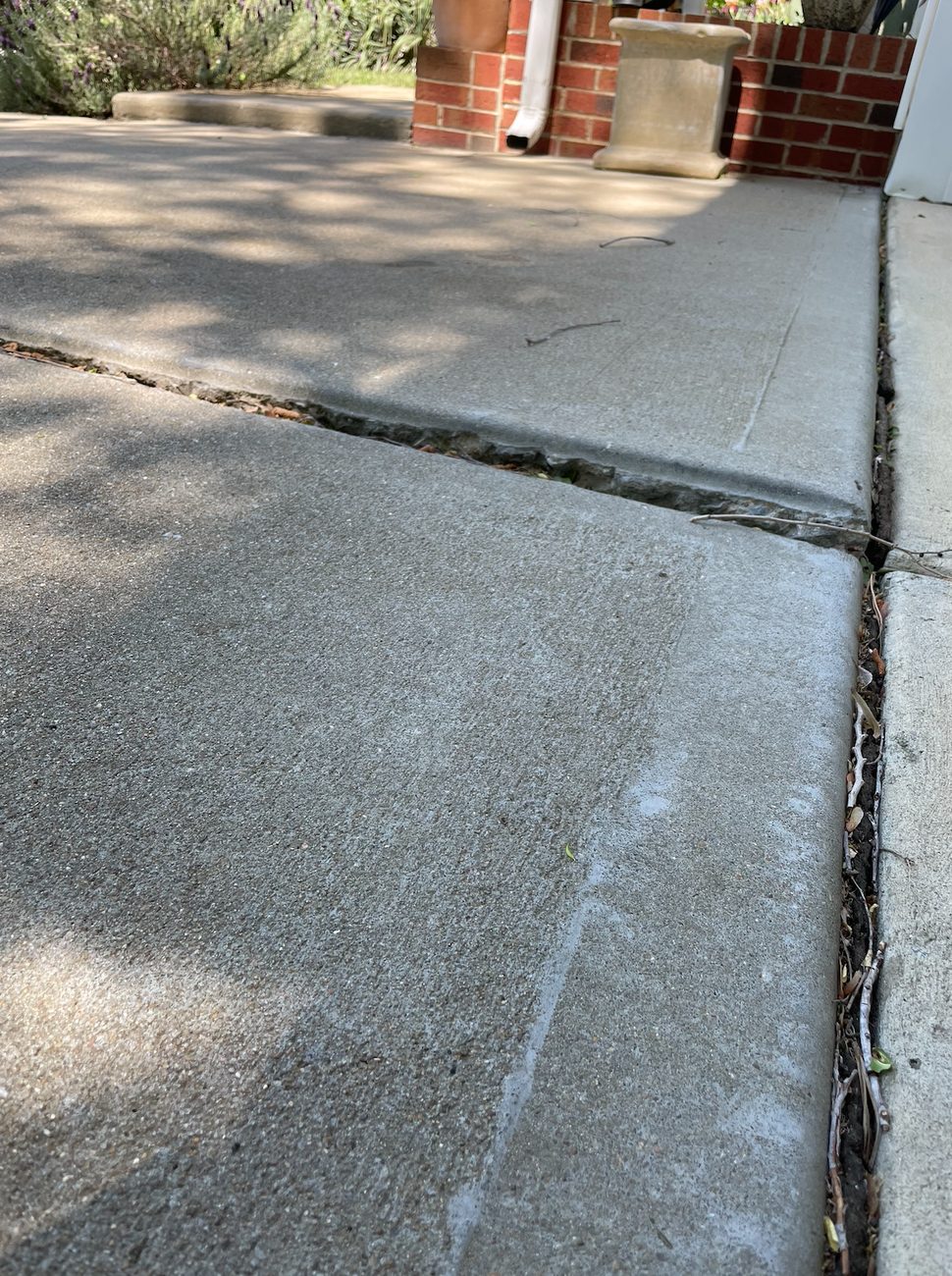
A door that won’t latch, a crack up the drywall, a floor that slopes to one corner. In Hickory these usually trace back to water, from historic Oakwood to the newer builds toward Moore’s Ferry. Foundation repair, crawl space sealing, and drainage, starting with a free inspection.
Get Your Free Inspection
We appreciate you reaching out.
One of our team members will be with you shortly.





Warning Signs
A sticking door, a hairline crack, a floor that dips. Any one is easy to shrug off. Together they point underneath, where Hickory’s real trouble is water: a damp crawl space and poorly drained ground slowly moving the house. In Catawba County that ground is mostly clay sitting over rock.
The footing has moved
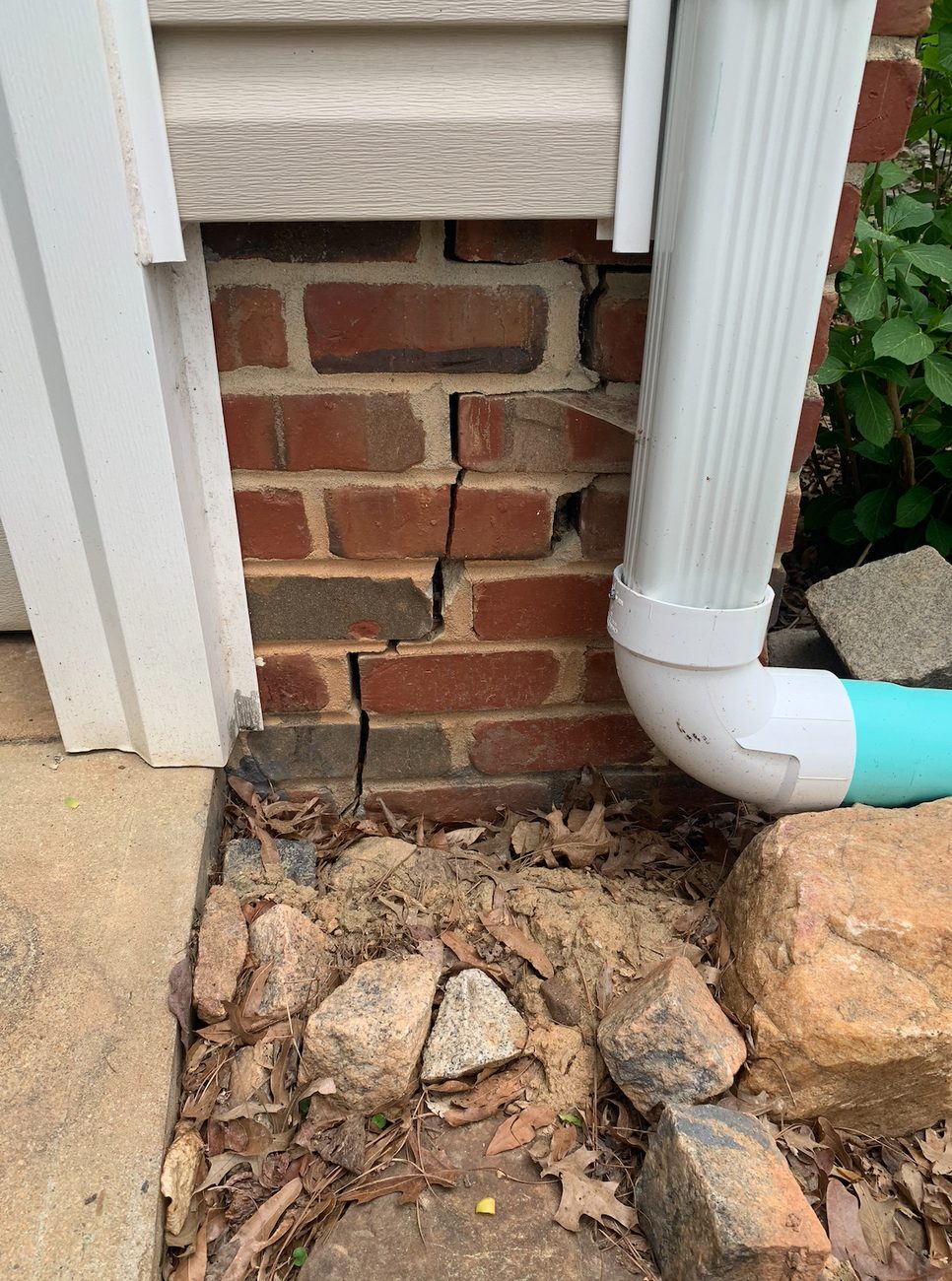
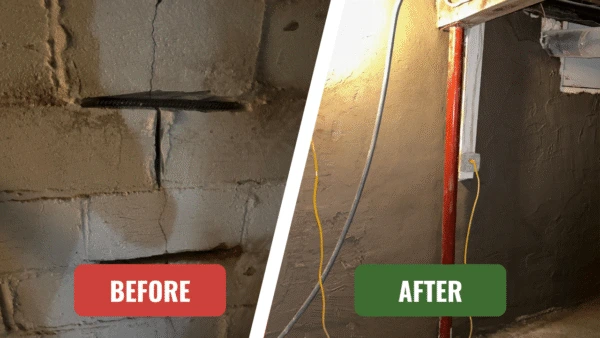
Stair-step cracks in the brick, or a crack creeping up the drywall or foundation wall. The wider it grows, the more the ground under that corner has dropped. A settling foundation shows itself at the corners first.
The frame is racking
A door that won’t latch, or a window that fights you. As one corner settles, the frames pull out of square and begin to bind. The foundation crack pattern around an opening tells you how far it has gone.
The support below dropped
A floor that tilts toward one wall, or a threshold that feels off underfoot. The support beneath it has settled, so the floor no longer sits level. Home foundation leveling brings it back without touching the finishes.
Humid air is condensing
That damp, old-house smell, worst in summer. Humid air pours into a vented crawl space, condenses on the joists, and the stack effect pulls it upstairs. A crawlspace foundation breathes into the rooms above it.
The ground stays saturated
Water standing against the foundation, or sitting in the yard days after a storm. Poorly drained ground stays wet and keeps working against the footings. That is how a concrete foundation loses its bearing.
The joists are rotting
Floors that give underfoot or sag toward the middle of the room. Years of crawl space moisture have rotted the joists that hold them up. Structural repair replaces the wood and the support under it.
Not every crack means trouble. Some are only cosmetic, and a free inspection will tell you straight, before you spend a dollar on a repair you may not need.
From a cracked, settling foundation to a sagging floor, a musty crawl space, or water that won’t drain away, we handle what Hickory homes actually run into. Open any card to see how the fix works.
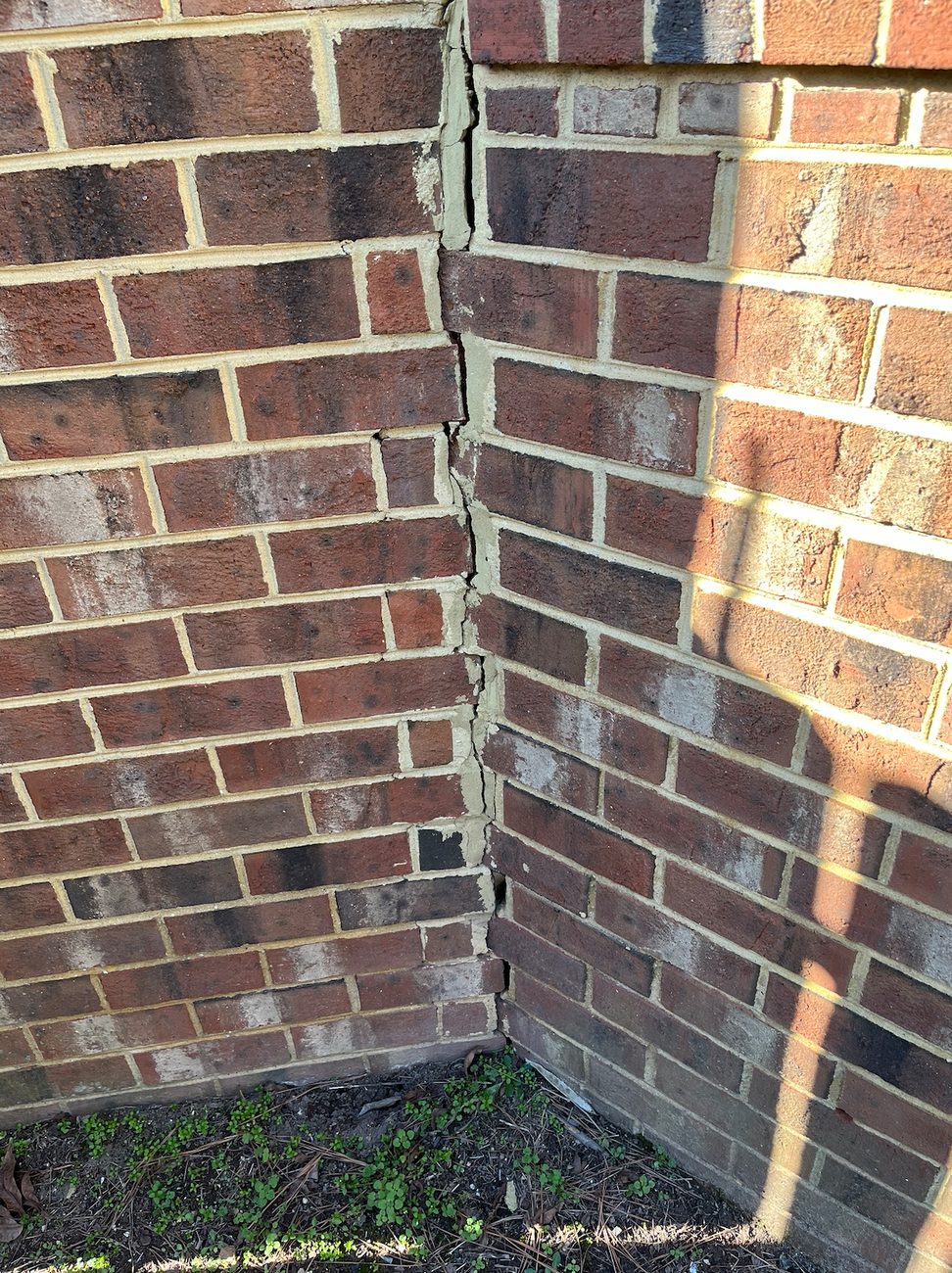
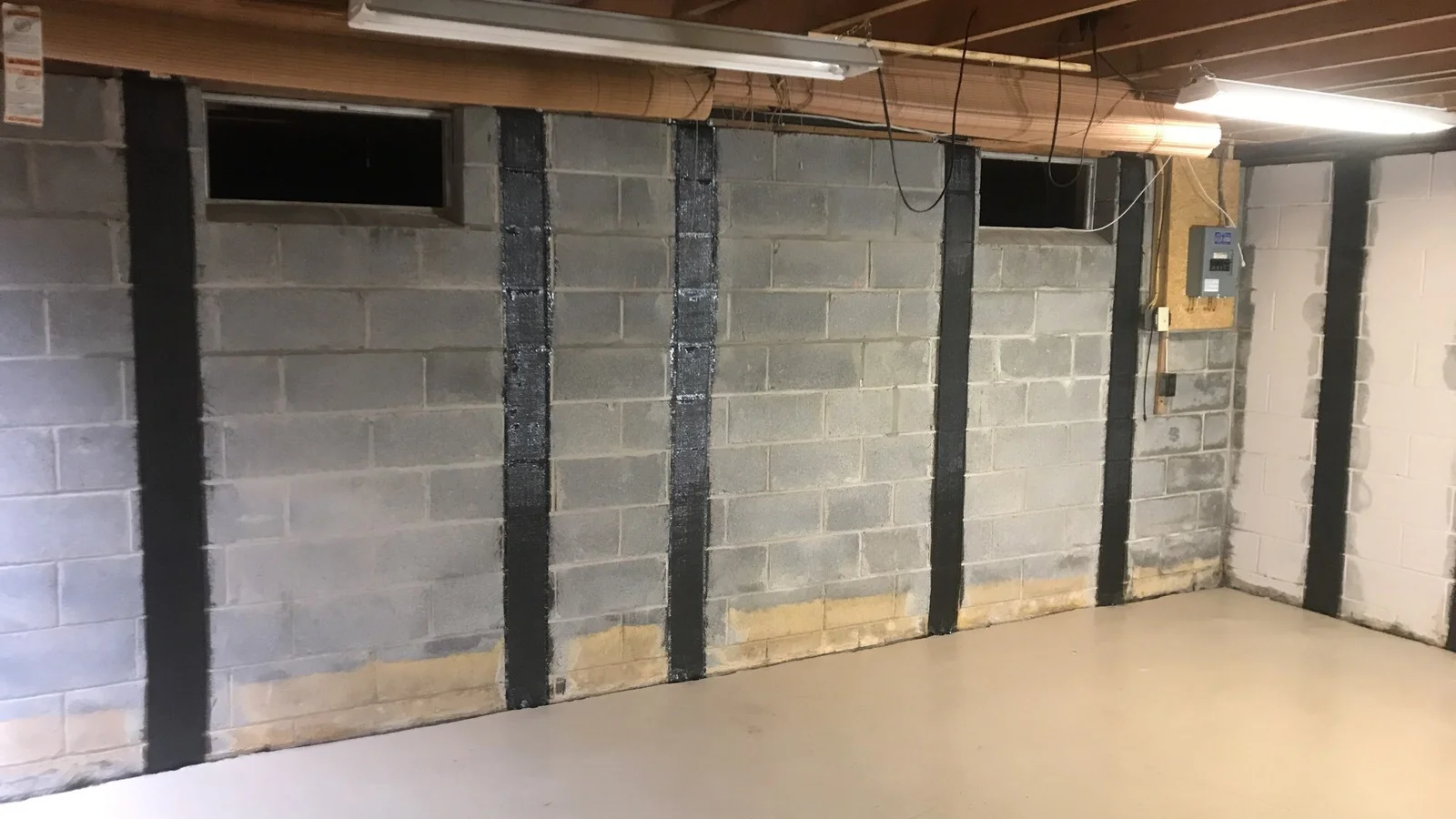
Closing the cracks, bringing the floors back toward level, and freeing stuck doors by stabilizing the settling underneath. Foundation lifting comes after the stabilization holds.
Learn moreDoors that won’t latch, a crack climbing the brick, a floor that tips toward one wall. The honest question is the one you’re already asking: is it structural, or just cosmetic? In Hickory it usually traces to water rather than swelling soil. Poor drainage and moisture pulling out from under the footing let one corner drop, and the house rides a little further out of level each season. Around Hickory NC foundation movement follows the wet months.
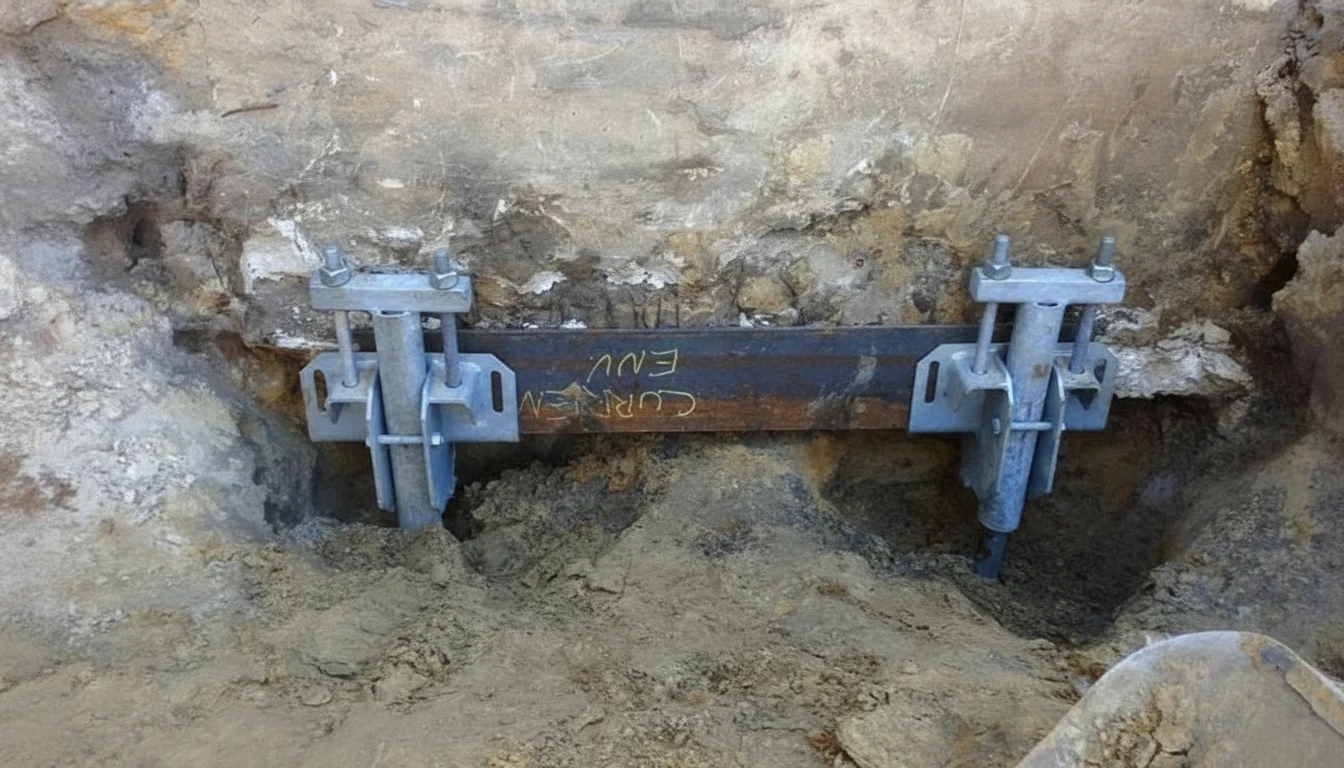
Since the trouble sits under the house, that is where the fix goes. We move the load off the weak soil and onto firm ground below, underpinning the settled section with steel push piers or helical piers, chosen by the weight of the house and how far it has moved. Where a floor has dropped, we can lift the structure back toward level as the piers take the load, and sister the joists under a sagging span. The depth, the pier type, and how much lift is realistic all come out of the inspection, never a set script.
Once the weight is on the piers, the settling stops, the doors swing true, and the cracks quit spreading because nothing underneath is moving anymore. If the crack turns out to be cosmetic, we say so and let you keep your money. From the newer builds around Cloninger Mill to the older homes in Oakwood, it starts with a free, no-pressure inspection, and the scope and the transferable warranty are in writing before any work begins.
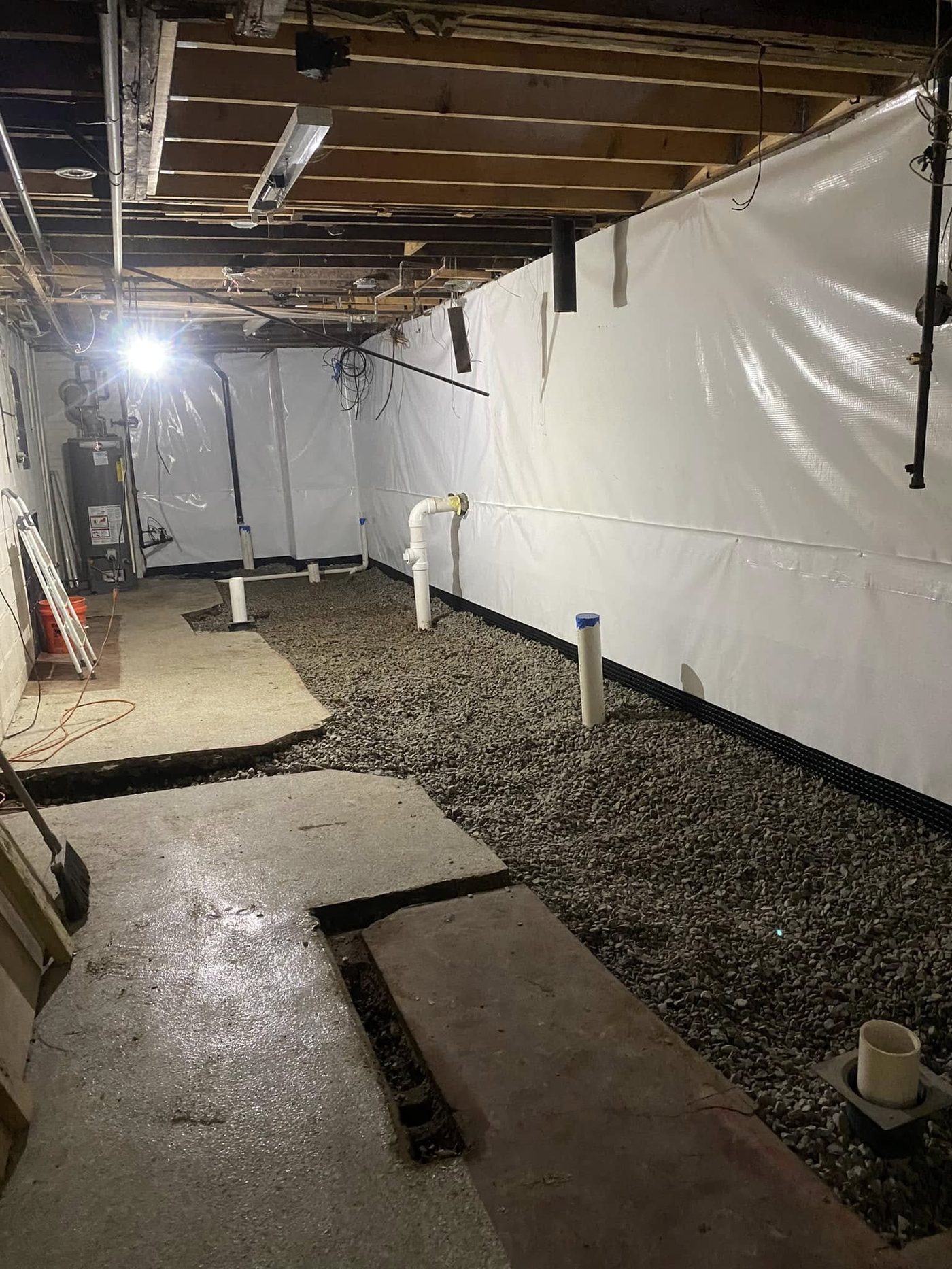
Drying out the basement, clearing the damp walls and closed-up smell, by stopping the water before it gets in. Water is the usual cause of foundation damage here.
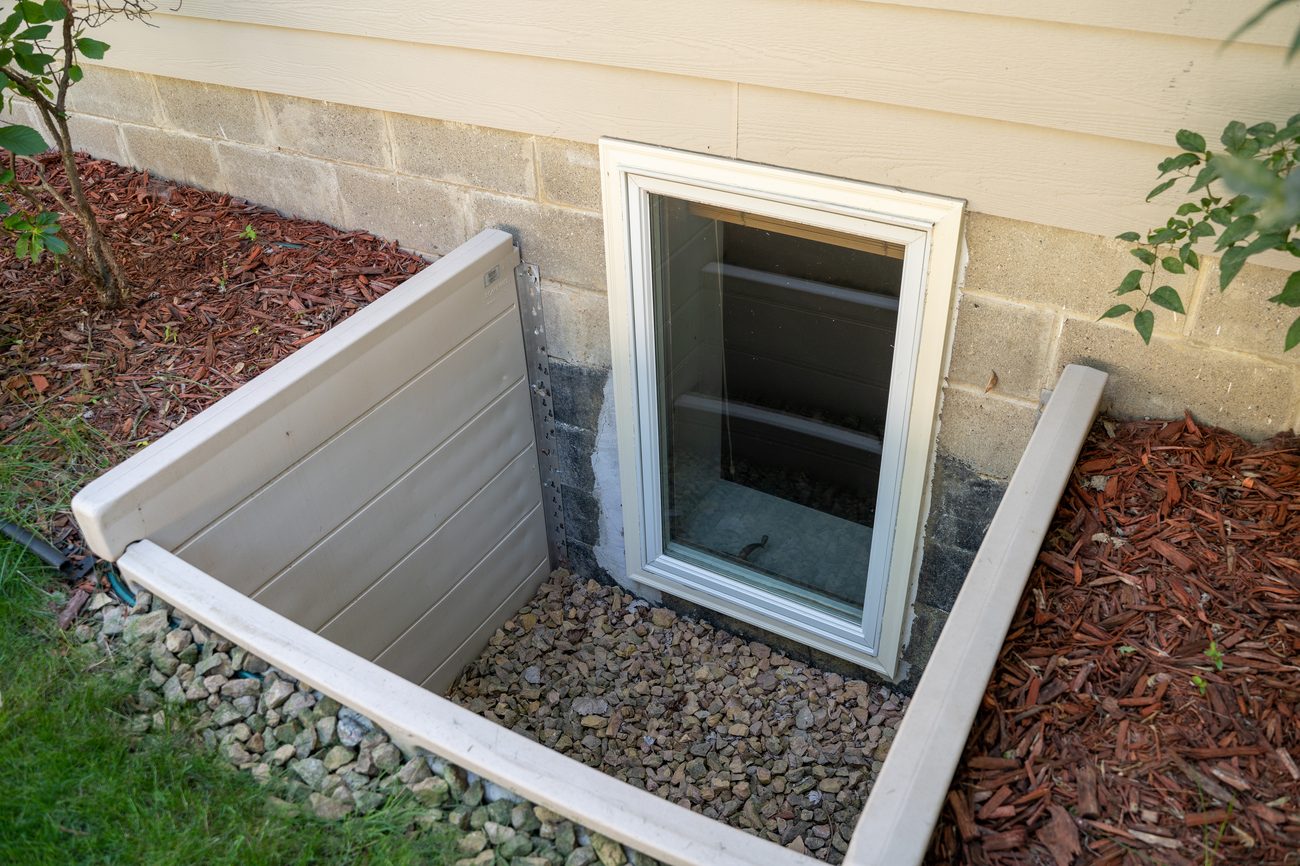
Learn moreA damp basement wall, a puddle that turns up after every hard rain, that closed-up smell down the stairs. In Hickory it comes back to water in the ground, not always a crack you can see. When the soil around the basement stays saturated, the pressure drives moisture through the wall and floor wherever it can find a seam. Crack repair on a poured wall starts at that seam.
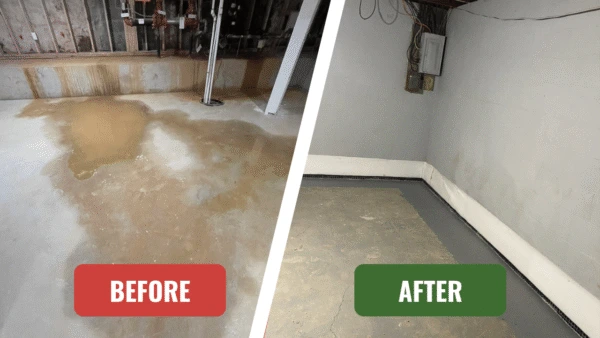
How we stop it depends on how it is getting in, so we read that first. Most of the time the answer is an interior perimeter drain tied to a sump that carries the water out before it reaches the floor. Where the problem starts outside, we regrade and seal the exterior so the water never loads the wall to begin with. If a wall is weeping through cracks or block, we seal those too, and add a vapor barrier to shut down the damp that keeps the space smelling closed-up.
Done right, the basement stays dry through the next storm, the walls quit sweating, and the musty smell clears for the long run. From the older homes in Kenworth to the established streets of Viewmont, it starts with a free inspection and a straight read on where the water is really coming from, with the scope and the transferable warranty in writing before we start.
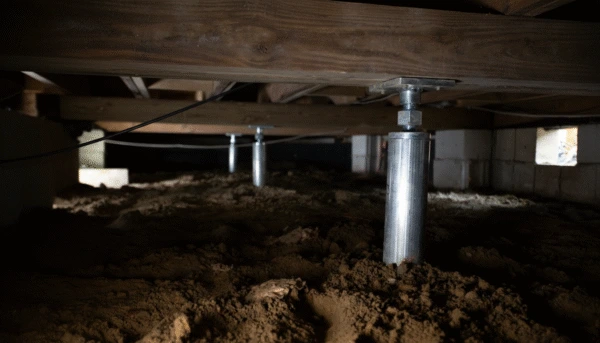
Firming up soft, bouncy floors and taking out the sag, by rebuilding the failing supports underneath the room. A sinking foundation under a pier line does the same thing.
Learn moreA floor that gives underfoot, or sags toward the middle of a room. It almost always starts below, in the crawl space, where years of Hickory’s humid air have taken their toll on the wood. The joists take on moisture until they can no longer carry the load, and the supports settle into soft ground, so the floor loses its level from underneath. Concrete foundation leveling is the fix when a slab has dropped.
So we go under the house and find what is actually failing before we touch anything. Sometimes it is the floor joists and girders, soft with rot and no longer holding their span. Sometimes it is the support columns, sitting on footings that were never deep enough. We map where the floor has dropped, trace each low spot back to the cause, then rebuild it right: sister or replace the rotted wood, set adjustable steel support jacks on proper footings, and bring the floor back toward level in careful stages so nothing cracks upstairs.
Done alongside moisture control, the bounce is gone, the floor sits solid, and it stays that way instead of starting the same clock over. From the older homes in Green Park to the mill-era streets of West Hickory, it starts with a free inspection under the house, and you get the plan and the transferable warranty in writing before any wood is replaced.
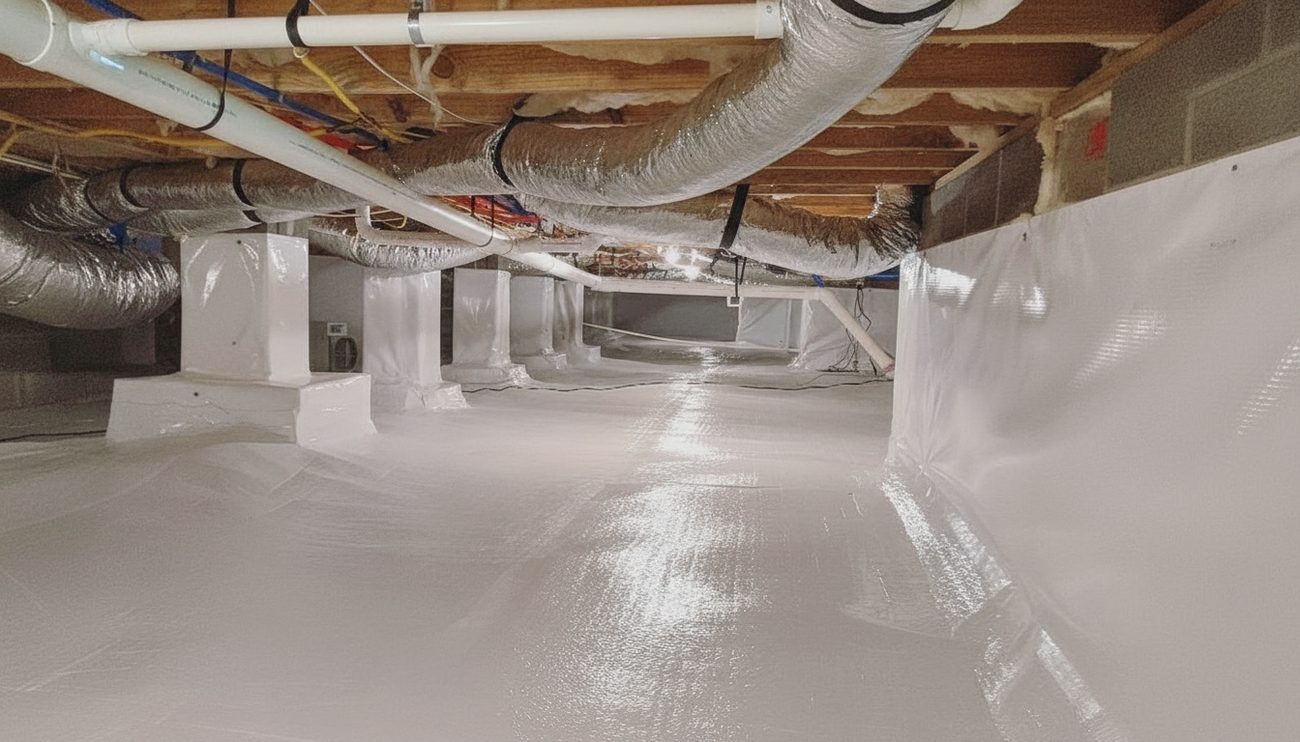
Clearing the musty smell, dropping the humidity, and drying the crawl space by sealing it off from the damp. Catawba County humidity makes that seal worth having.
Learn moreThat musty, old-house smell that is worst in summer, floors that feel cool and damp, humidity the AC never quite beats. Under the house, a vented crawl space works against you in Hickory’s climate. Warm, wet outside air pours in, meets the cooler ground and joists, and condenses, so the space never really dries and the damp drifts up into the rooms you live in.
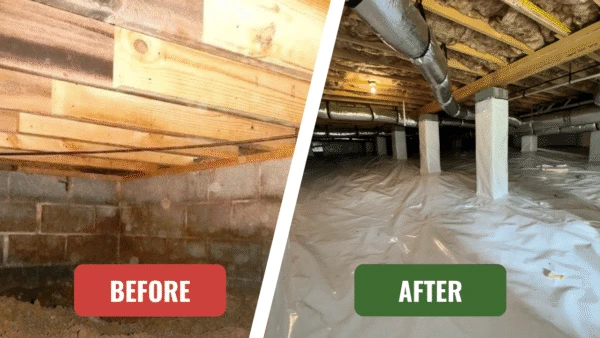
Encapsulation seals the crawl off from the wet ground and the outside air, instead of trying to vent its way out of a problem the vents created. First we handle any standing water and grade the floor, then we line the ground and walls with a heavy vapor barrier, seal the vents and the seams, and add a dehumidifier sized to the space. If there is a drainage or a structural issue underneath, that gets solved before anything is closed up. It is the fix building science and the NC code both point to for a humid climate like this.
Once it is sealed and dried, the difference shows upstairs: the musty smell clears, the floors stop feeling clammy, the humidity drops, and the joists quit taking on the moisture that was quietly aging them. From the older homes in Westmont to the established streets of Forest Hills, it starts with a free inspection so you can see exactly what the space needs, with the scope and the transferable warranty in your hands first.
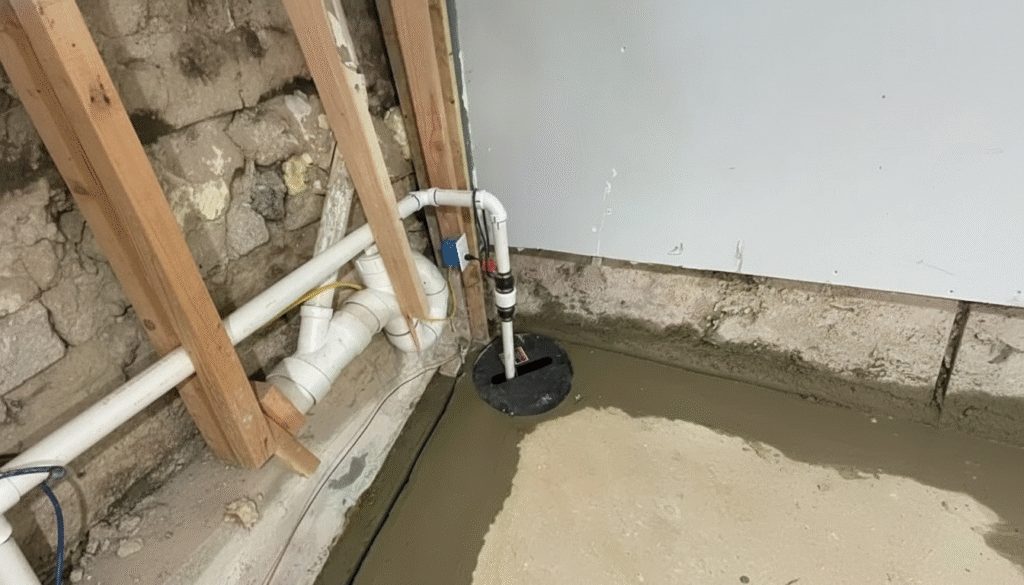
Getting standing water out from under the house automatically, before it can pool in the crawl space or basement. Standing water leads to foundation damage over a few seasons.
Learn moreWhen a crawl space or a basement keeps taking on water after every storm, drainage moves most of it, but whatever still collects has to go somewhere. In Hickory that means a low spot under the house where water pools and sits, soaking the ground and the framing until it is pumped out. The storms that flood the low streets are the same ones that reach down there.
A pump only helps if it is sized right and it runs when you need it, which is usually during the exact storm that knocks the power out. So we set the basin, the sump pit, at the low point where water naturally collects, pick a pump rated for the volume the house really sees, and wire in a check valve so nothing drains back down once it is out. The part that matters most is the backup: a battery unit that takes over the moment the primary loses power or gets overwhelmed, so the system keeps working through the worst of it.
With it in, the water gets pumped out and away instead of pooling under the house, and the space below stays dry when the weather is at its worst. From the lakeside homes around Lakeland Park to the newer builds near Moore’s Ferry, it begins with a free visit to size the system to your house and your storms, and the written scope and transferable warranty come before anything is installed.
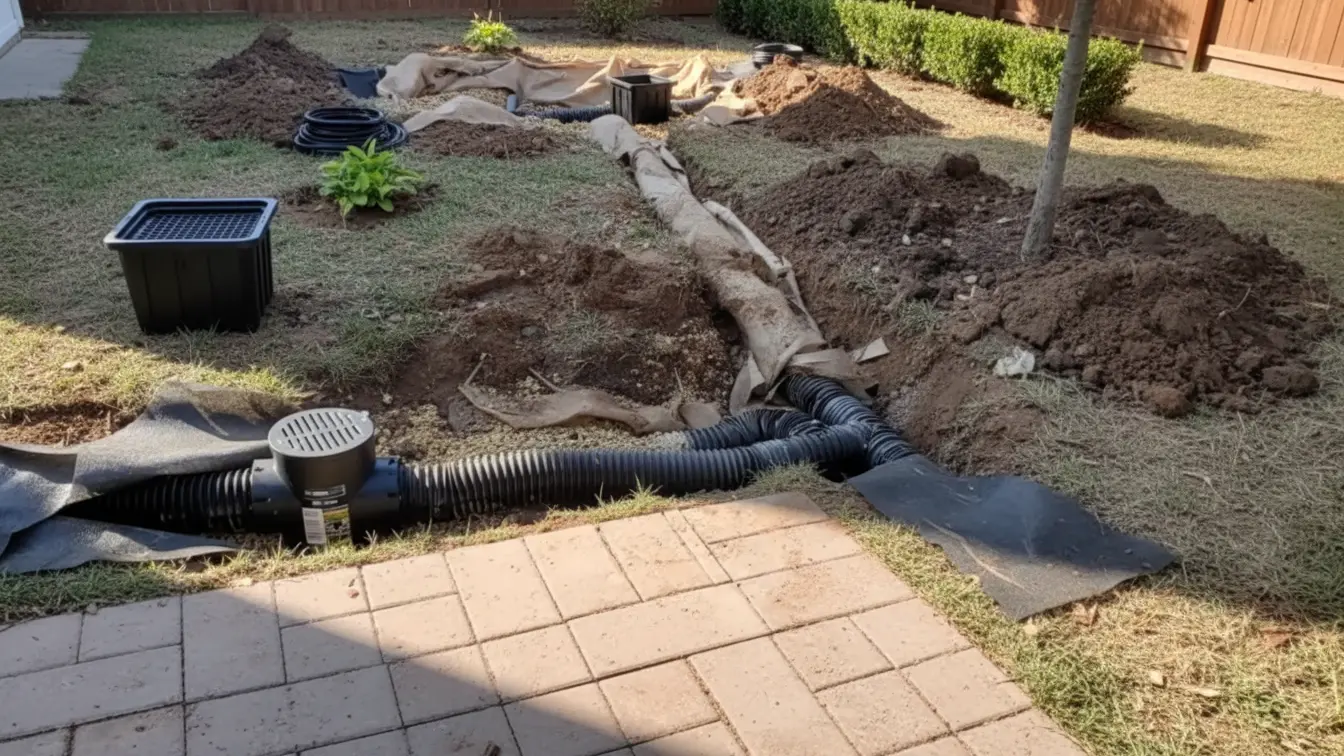
Catching the water that pools against the house and yard, and carrying it safely away from the foundation. Grading matters more in Catawba County than most people expect.
Learn moreAfter a hard Hickory rain, water that pools against the house or sits in the yard for days is doing quiet damage. Runoff and poorly drained ground collect around the foundation, and saturated soil is what floods crawl spaces, pushes on walls, and works against the footings. Until you give that water somewhere to go, it keeps coming back to the same low spots. Those spots sit where the Catawba River valley flattens out.
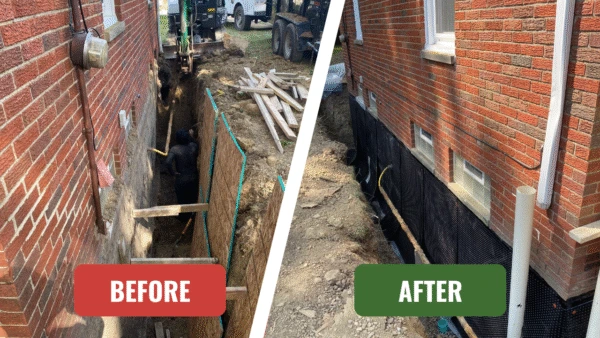
A french drain does exactly that. We dig a trench along the path the water actually takes, which we work out by watching the grade and where it collects after a storm, and lay a perforated pipe in gravel wrapped in filter fabric so it will not silt up and quit in a few years. The water drops into the pipe and runs downhill to daylight, a dry well, or a sump, away from the house. We run it as a footing drain outside along the foundation, under the crawl space, or as a yard drain out in a soggy stretch, depending on where the water starts.
Once it is in, the pooling stops, the crawl space stays dry through the next storm, and the ground around the foundation quits holding water against it. From the newer lots in Fairbrook to the graded streets of Sweetwater, it starts with a free visit to trace where the water is really coming from, with the plan and the transferable warranty in writing before we break ground.
Queen Foundation Repair does foundation, waterproofing, and crawl space work across Hickory, from the older homes around Oakwood to the newer builds out toward Cloninger Mill. Most of what we get called out for is a damp crawl space, a sticking door, or a crack that has started to spread. The first thing most homeowners want to know is simple: is it serious, or is it just cosmetic? A foundation crack under a window is usually the second.
So every job opens with a free inspection, and nothing gets decided that day. If the house truly needs piers, we walk you through the evidence. If a crack is only cosmetic, we say so, and you keep your money. When there is real work, whether crawl space encapsulation, foundation repair, drainage, or waterproofing, the scope and the price are in writing before we start, and the warranty transfers to the next owner if you sell.
Get your free inspection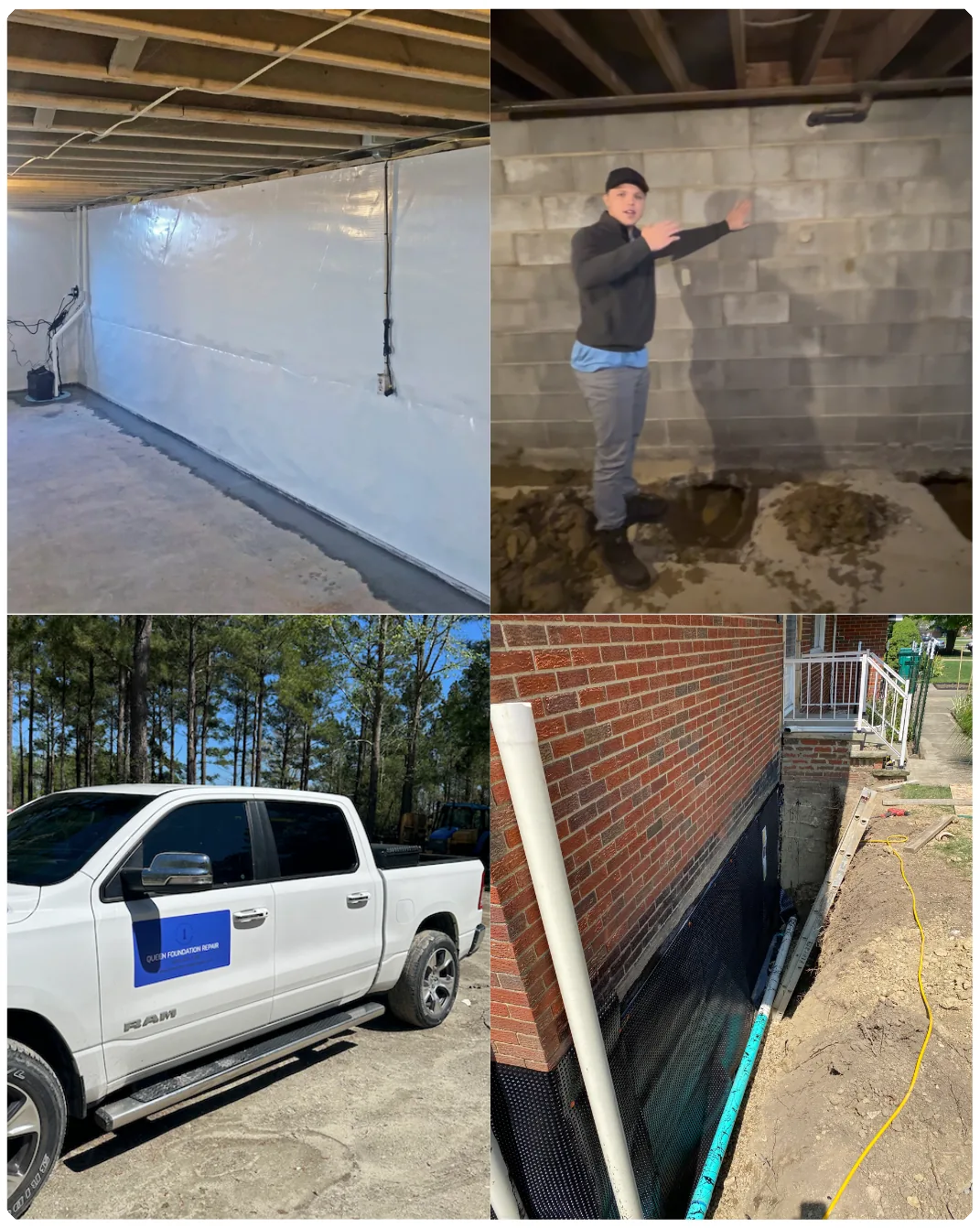
Why Choose Us
We measure the floors, read the cracks, and tell you what is really going on, even when that means it can wait and you keep your money.
Every repair is backed by a written warranty that transfers to the next owner, so it stays with the house if you ever sell.
Fully licensed and insured in North Carolina, so the crew on your property is covered and the work is done to state code.
A written quote for exactly what the job needs and nothing it does not. You see the price before we start, and it does not change after.
We get out quickly and turn the estimate around fast, because a wet crawl space and a settling corner only get worse the longer they wait. Foundation damage compounds through a Catawba County winter.
We are under Hickory houses every week, from Viewmont to Moore’s Ferry, so we know where the water collects and which older crawl spaces stay damp. We have run Hickory NC foundation jobs in most of them.
Every job runs the same four steps, and it starts with a free inspection.
Common Questions
The questions we hear most in Hickory usually come down to three things: is it serious, what does it cost, and will it last. Here are the answers we give, from the older homes off Green Park to the newer builds out toward Fairbrook.
Signs & When to Worry
The ones people notice first are usually upstairs: a door that starts sticking, a window that will not open right, a new crack running up the drywall, or a floor that dips or feels bouncy in one spot. Outside, you might see stair-step cracks in the brick or a gap opening where the porch meets the house. Under the house, it shows up as a damp, musty crawl space and water sitting after a storm. Any one of these can be minor. Two or three together usually means something underneath is moving. That is a settling foundation, not a cosmetic problem.
Not every crack is a problem, and an honest inspection will tell you which is which. Thin hairline cracks are often just concrete curing and need nothing. What actually matters is a crack wider than about a quarter inch, one that steps diagonally through brick or block, one that is wider at one end than the other, or one that lets water in after it rains. Those point to movement underneath. A horizontal crack running across a basement wall is a different and more serious sign, because that is sideways pressure from wet soil, not settling. When we come out, we measure the crack, note which way it runs, and if there is any doubt we mark it and watch whether it grows before ever calling it structural. If it turns out cosmetic, we tell you and you keep your money.
It depends on the cause, but foundation problems do not fix themselves, and the cause usually keeps working. A settling corner keeps settling because the water or the poorly drained ground under it is still there, so a small pier job today can turn into a much bigger one later, along with cracked drywall and stuck doors upstairs. A wet crawl space is the same story: left alone, the moisture rots the joists until a cleanup turns into structural repair. That said, if it really is cosmetic, waiting is fine, and we will tell you that. The free inspection is how you find out which one you are dealing with.
Repairs & Methods
We move the weight of the house off the weak soil and onto firm ground below, using steel piers driven or turned down to a solid layer. Once the load is on the piers, the settling stops, and we can often lift the corner back toward level. Where the real trouble is water, the fix is drainage, moving it away from the footings so the ground stops shifting underneath. A lot of jobs are a mix of both. The right approach depends on what the inspection finds under your house, not a set package we sell to everyone.
Both take the house down to firm ground, they just get there differently. Push piers are driven straight down using the weight of the house itself, so they suit heavier homes where solid ground is reachable at depth. Helical piers are screwed in like a giant screw, and because they do not lean on the home's weight, they work better under lighter structures, additions, and porches, and give a measured reading of how much each one can hold as it goes in. Which one fits your house comes down to its weight and what is under it, and we walk you through that call before anything starts.
A proper repair holds, and the reason is that we fix the cause, not just the symptom. If we only sealed a crack over ground that is still moving, it would open right back up, so the real job is stopping whatever is moving the house in the first place, whether that is settling soil or water that is not draining away. Piers reach ground that does not shift, and drainage takes the water out of the equation, so the doors keep closing and the cracks stop growing. It is also why the repair comes with a written warranty that transfers to the next owner: if the work we did ever moves again, you call us and we come back and look at no charge. That is the difference between fixing it and patching it.
Crawl Space & Water
It is a moisture problem that can become a structural one, and in Hickory it is one of the most common calls we get. A vented crawl space in this climate works against you: warm, humid outside air flows in, meets the cooler ground and floor joists, and condenses, so the space stays damp and that musty smell drifts up into the house through the floor. Left long enough, the constant moisture rots the joists and the subfloor until the floor above starts to feel soft or bouncy, which is where it crosses from a smell into a repair. The fix is to seal the crawl off from the wet ground and the outside air, dry it out, and keep it that way with a dehumidifier. If the wood has already taken damage, we handle that first. Either way the inspection is free.
A vapor barrier is one piece of the job, a plastic liner over the dirt floor that blocks moisture rising up from the ground. Encapsulation is the whole system: a heavy liner over the ground and up the walls, the vents sealed off, the seams closed, and a dehumidifier sized to the space to keep the air dry. A bare vapor barrier helps a little, but on its own it does not stop the humid outside air that pours through the vents, which is the real source of the problem here. Full encapsulation is what actually keeps a Hickory crawl space dry year round.
It stops the conditions mold needs, which is what keeps it from coming back. Mold grows on damp wood, so as long as the crawl space stays wet, it will keep returning no matter how many times you clean it. Sealing the space off, drying it out, and running a dehumidifier pulls the humidity down below the level mold can grow at. If there is already mold on the wood when we get under there, that gets treated first, and then the sealed, dry crawl space keeps it from coming back. A dry crawlspace foundation lasts decades.
Cost & Financing
It depends entirely on what is actually going on under the house, so anyone who quotes you a number over the phone is guessing. Nationally, a minor crack repair can run a few hundred dollars, while underpinning a settled corner with piers runs into the thousands, and a whole-house job more than that. In Hickory the real driver is water, and plenty of what looks alarming turns out to be a drainage fix or a cosmetic crack that needs far less than people expect. The only way to get a real number is to have someone get under the house, find the cause, and measure the actual scope. That is why the inspection is free and the quote is in writing before you decide anything, so you are comparing a real price, not a phone guess.
Usually not, and it is worth knowing why before you file. Standard homeowners policies almost always exclude damage from settling, soil movement, and earth expansion, which is exactly what most foundation problems are, so those claims get denied. The one common exception is when the damage comes from a sudden covered event, like a plumbing line that bursts under the slab and washes out the soil. Then the water damage may be covered even if the slab itself is not. Every policy is different, so read yours or ask your agent, and do not just assume it is covered or that it is not. What we can tell you is that we never build a repair plan around an insurance payout, because most of the time settling is on the homeowner, and we would rather you know that going in.
Foundation work is rarely a planned expense, so financing is a common way to handle it rather than paying all at once. It is worth asking about when you get your quote, because the options and terms depend on the size of the job. The one thing that stays the same either way is that the price is set and in writing first, so you always know the real number before you decide how to pay for it.
Process & Timeline
Most jobs are faster than people expect. A handful of piers on one settled corner, or a standard crawl space encapsulation, is usually a day or two. A full drainage system runs one to three days. A large underpinning job across several walls can take a week or more, especially with wet weather or tight access under the house. When we quote the work, we give you a realistic timeline for your specific job, not a generic promise, and we stage it so the house stays livable while it is going on.
Sometimes, and we will tell you when. Underpinning and structural work in this area generally require a permit, and that gets pulled and inspected so the work is signed off to code. A structural engineer is not needed on most jobs, but if your situation genuinely calls for one, we will say so up front, and you are free to bring in your own for an independent opinion. We would rather you get that second set of eyes than wonder later whether you needed it. Structural repair is worth confirming before you commit.
You can have foundation work done any time of year, but the honest answer is that the sooner you address a real problem, the less it costs, because the cause keeps working while you wait. Piering and interior crawl space work happen year round, rain or shine. Outdoor drainage and grading go a little smoother in drier stretches, but they are not season-dependent. If you are seeing active signs, do not wait for a particular month. Get the free inspection and find out whether it is actually urgent or can safely wait.
Trust, Warranty & Local
The repair comes with a written warranty on the work we do, and yes, it transfers to the next owner if you sell, which is worth a lot when a buyer sees a documented foundation repair. It covers the specific work performed: if a pier we installed ever moves, or a crawl space we sealed has an issue, you call us and we come back and look at no charge. One honest thing to understand is that a warranty covers what we fixed, not the parts of the house we never touched. If a different corner settles years later on ground we never worked on, that is a new issue, not a warranty claim. We always tell you exactly what is and is not covered before you sign, in writing, so there are no surprises down the road.
Yes, and you have a few options. You can fix it before you list, which removes the biggest objection a buyer has and lets you hand over a documented, transferable warranty. You can disclose it and price it in, though the word foundation tends to scare buyers and drag the offers down. Or a buyer may ask for the repair as a condition of the sale. In North Carolina you are required to disclose known issues, so hiding it is not a safe route. Most of the time, a documented repair nets you more than an unaddressed problem. Buyers in Catawba County ask about foundation repair history.
It comes down to water, not the soil myth you often hear. Hickory sits in the humid Blue Ridge foothills, and the real trouble is moisture: poorly drained ground that stays wet against the footings, water that washes out the soft layer under a corner, and a humid climate that keeps vented crawl spaces damp. The older homes near downtown were built with crawl spaces and block foundations that leak where the wall meets the floor, while newer subdivisions sit on graded fill that settles unevenly. Different houses, same root cause: managing the water is what keeps a foundation stable here. Catawba County soil holds water far longer than sandy ground does.
Areas We Serve
From the historic homes around Oakwood and Kenworth to the newer builds out toward Cloninger Mill, we fix failing foundations, damp crawl spaces, and drainage problems for homeowners across Hickory. Wherever you are in and around the city, a free inspection is one call away.
ZIP Codes We Serve
Ready to Get Started?
No obligation, fast and easy.
We appreciate you reaching out.
One of our team members will be with you shortly.