Cracks, a settling foundation, a wet crawl space, a sinking slab — we find what’s moving or washing out under your house and fix it.
I'm Ready For A Free Quote
We appreciate you reaching out.
One of our team members will be with you shortly.







Around Memphis it usually traces back to two things — clay that shifts with the weather and loess that washes out from underfoot. Here’s what we do about each.
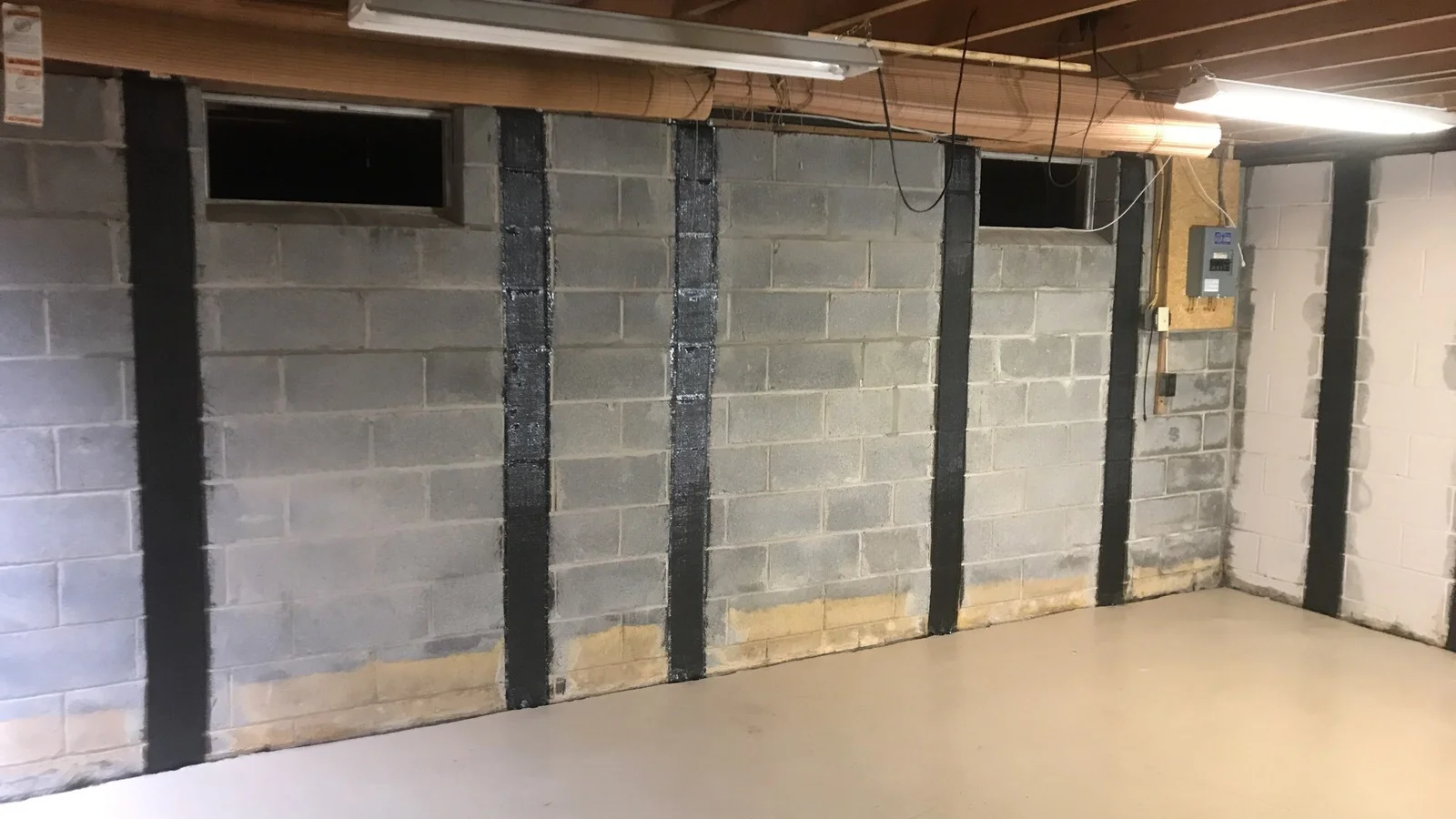
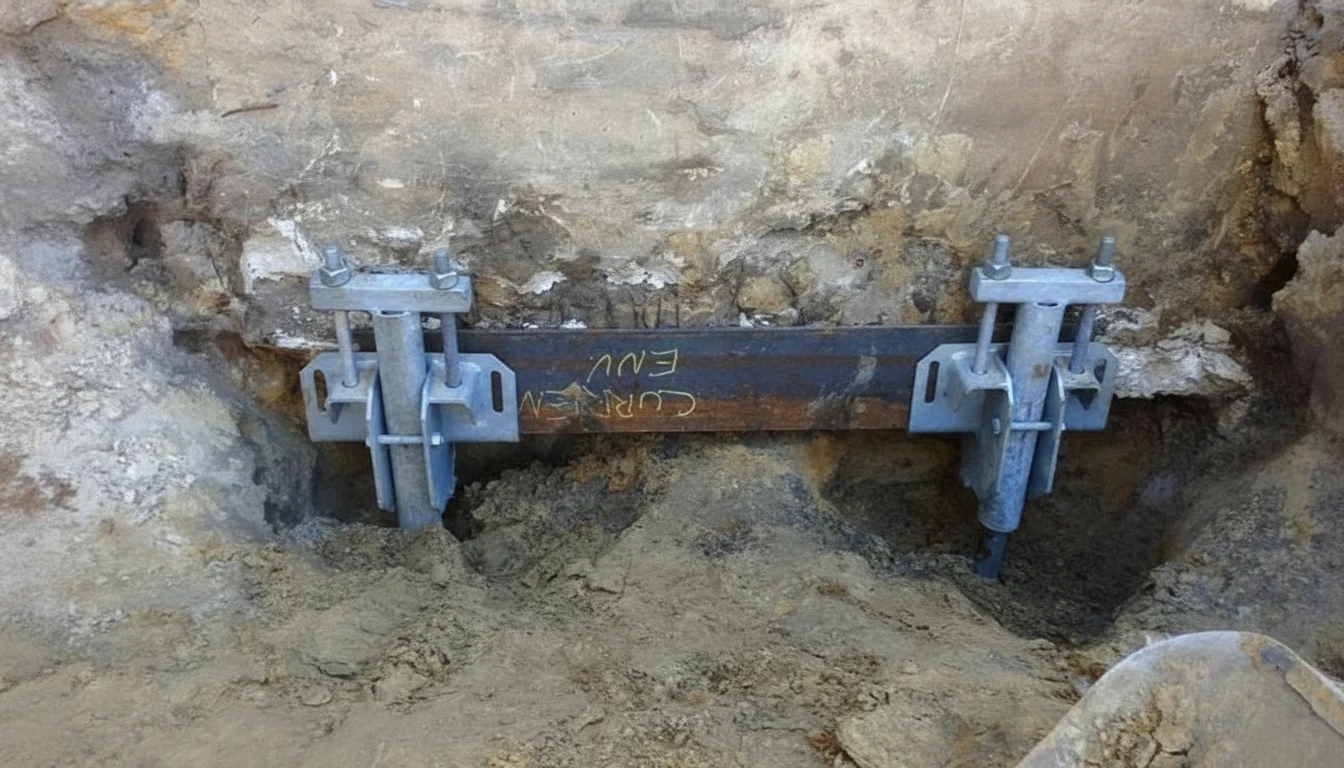
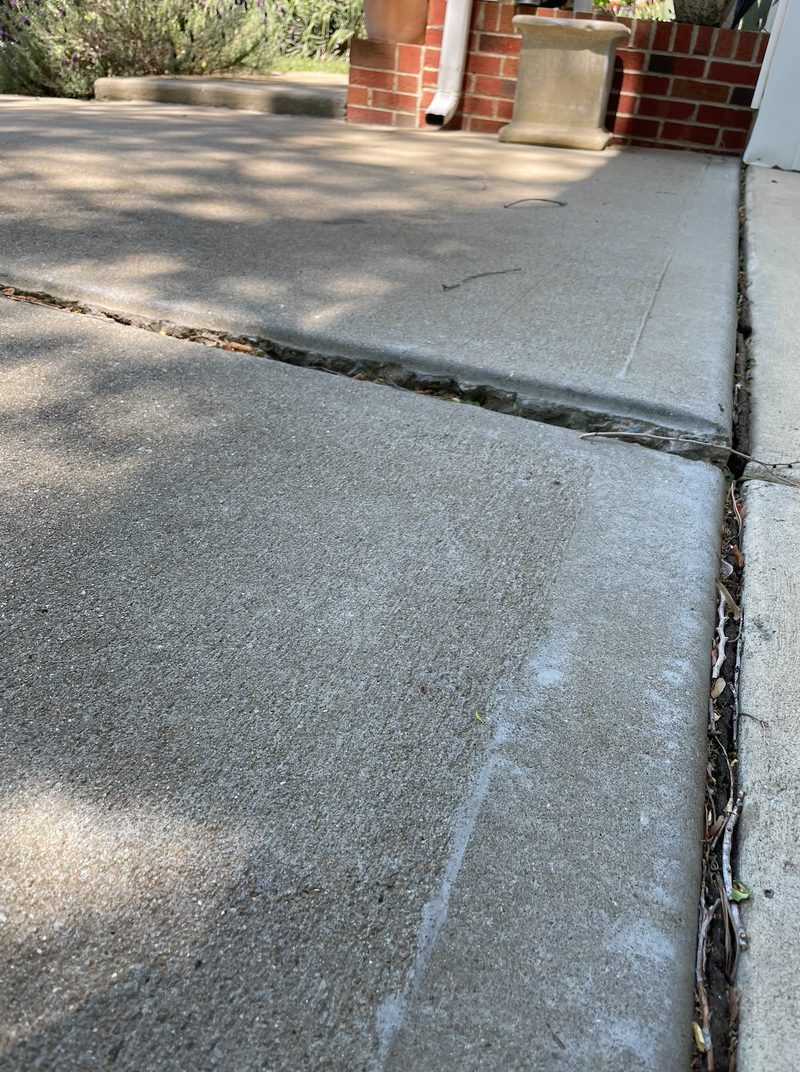
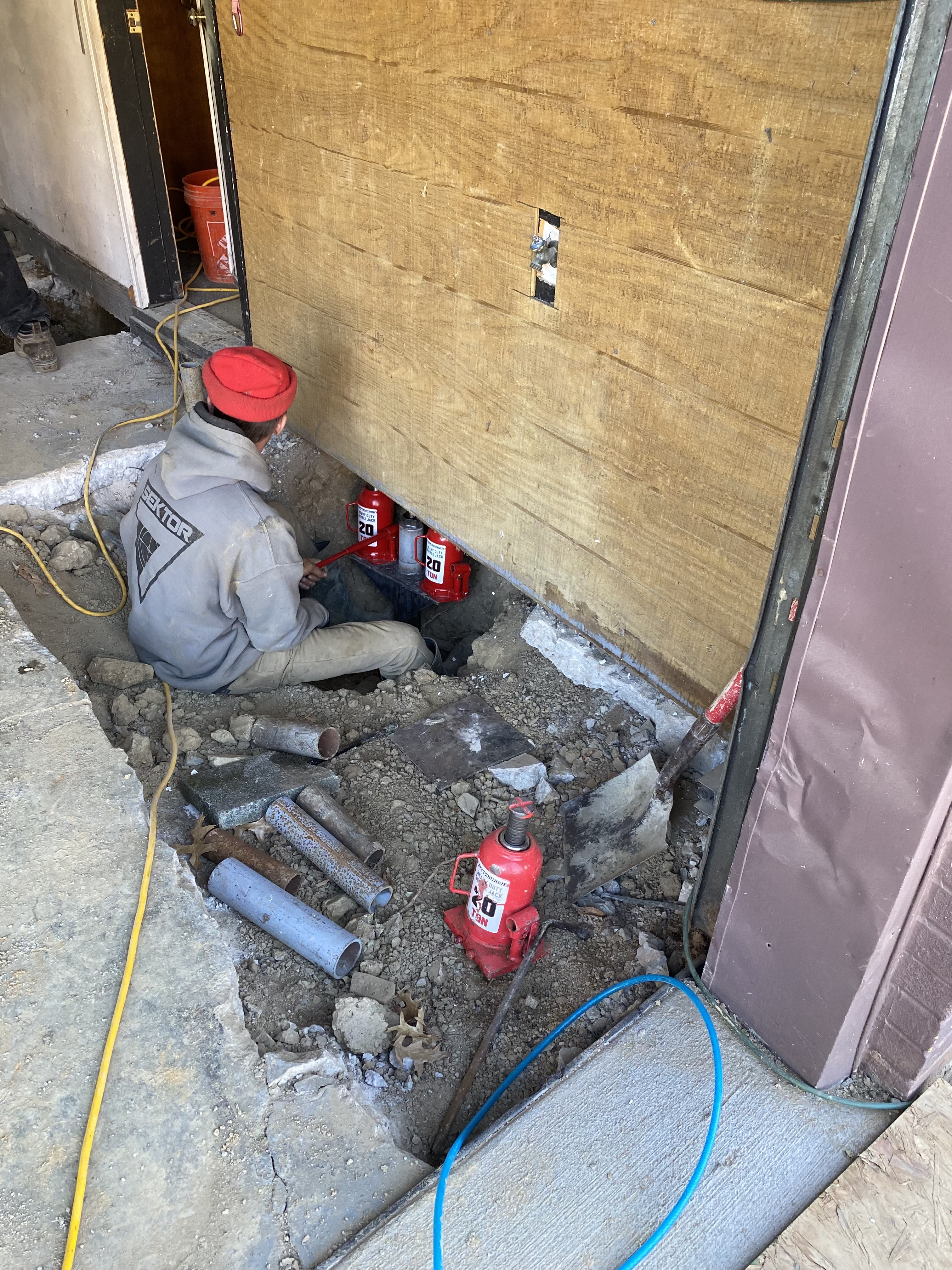
When a Memphis foundation drops, it’s the clay shrinking away or the loess washing out from under a footing — the dirt moves and the house goes with it. We stop the slide with steel piers set down past that restless layer onto solid ground, then carry the structure’s weight onto the piers and lift the settled part back toward level where we can. No torn-up yard — it all happens through a handful of small access points.
Learn More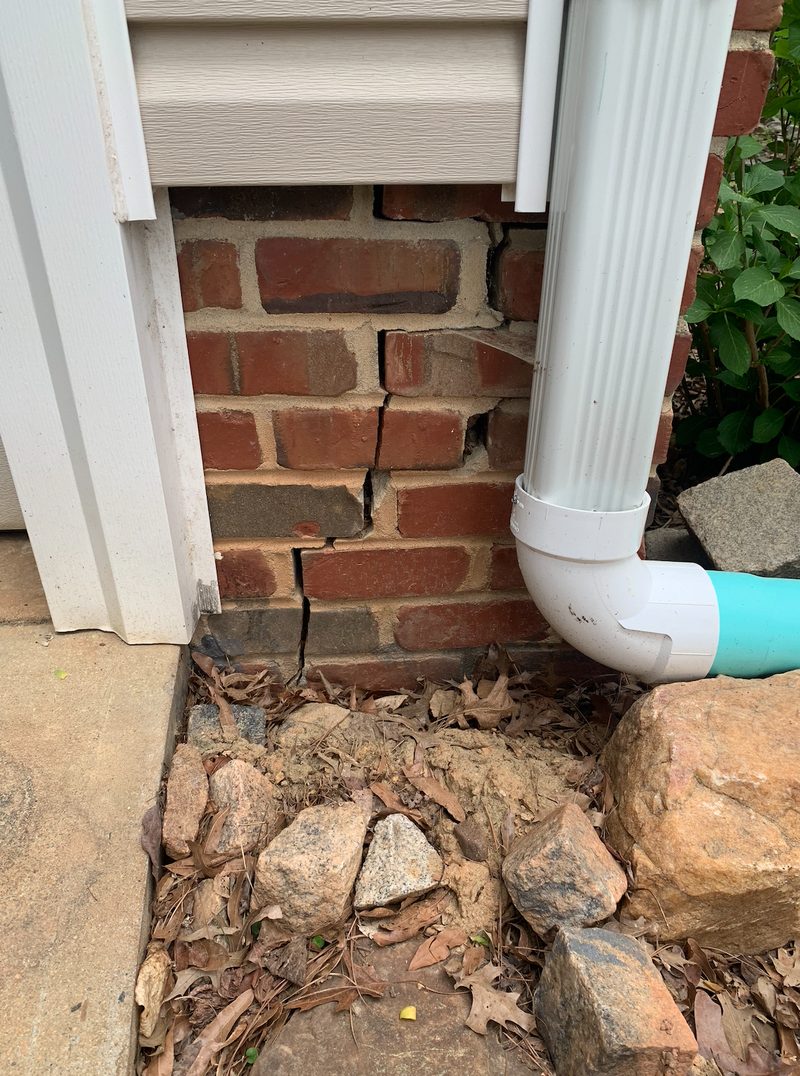
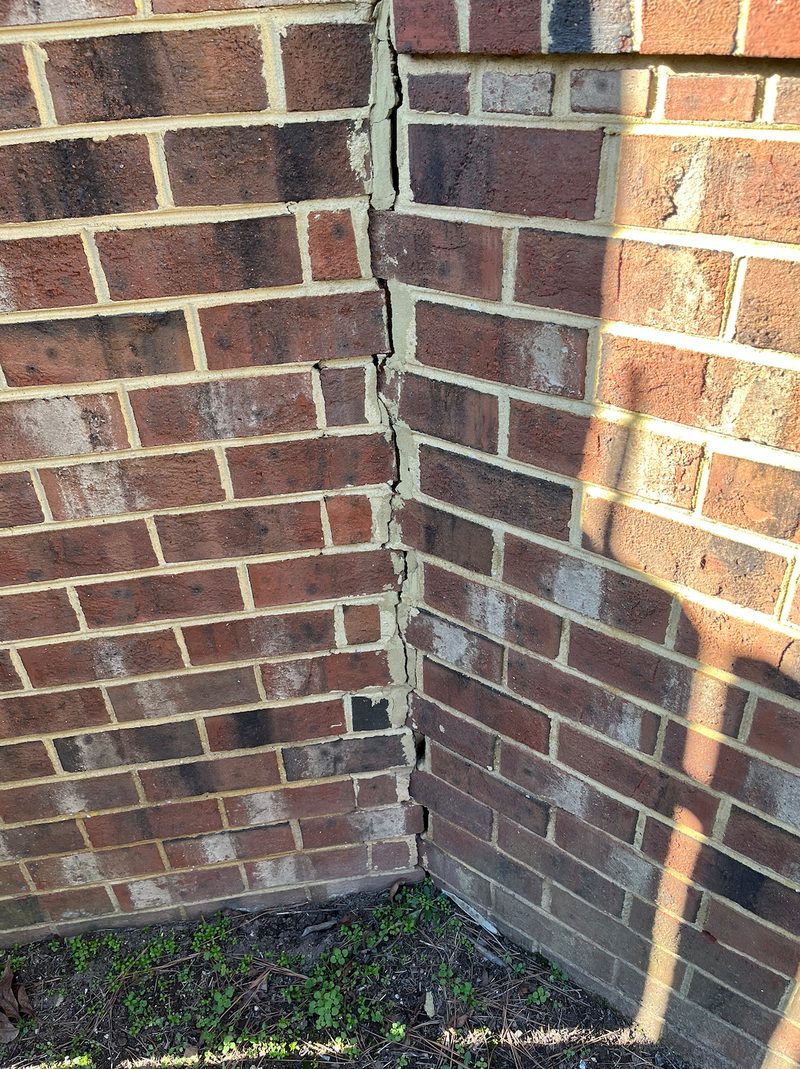
A crack isn’t automatically a structural problem — a hairline running straight up and down is usually just concrete that cured years ago. What we watch for are the diagonal ones off door and window corners, the stair-steps in brick, and any crack that’s fat at one end and thin at the other; those mean movement. The non-structural ones that weep water we seal with an injection that bonds inside the wall and flexes with it. But if the crack is the symptom of a settling foundation, patching it is a band-aid — we deal with the movement first, and we’ll tell you straight which one you’ve got.
Learn More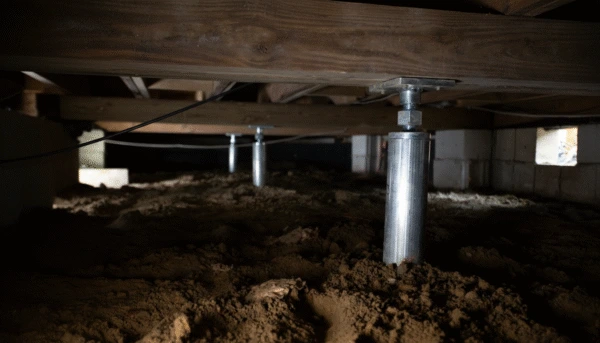
Floors that bounce, dip, or feel soft are almost always a crawl space telling on itself — moisture has gotten into the joists and the posts have sunk into the clay. We bring the floor back up on new adjustable steel jacks footed in concrete (not perched on a brick or bare dirt), then sister or swap out the joists that have gone soft. And we dry the space out in the same trip, because if the moisture stays, so does the rot.
Learn More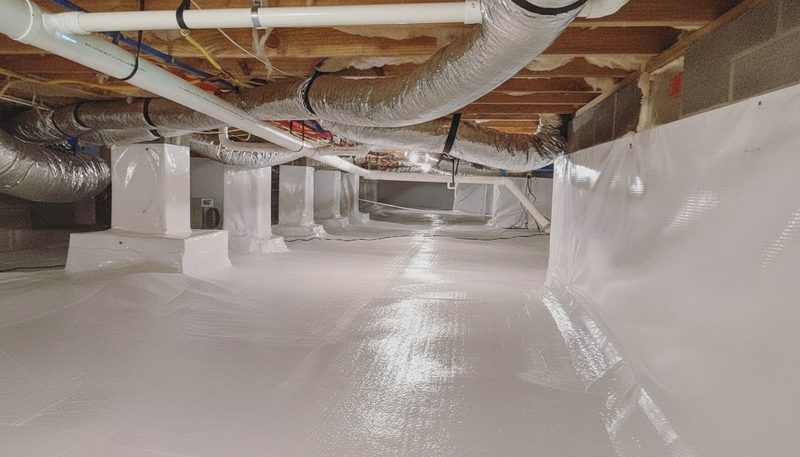
Plenty of Memphis homes sit on a vented crawl space, and between the humidity and a high water table it stays damp — damp enough to rot framing and push musty air up through the floors. Encapsulation seals it off: a heavy liner across the ground and up the walls, the vents closed, and a dehumidifier holding the air dry. The smell clears, the wood stops rotting, and your AC quits fighting the moisture all summer. A sheet of plastic tossed over the dirt is not this, and it won’t last.
Learn More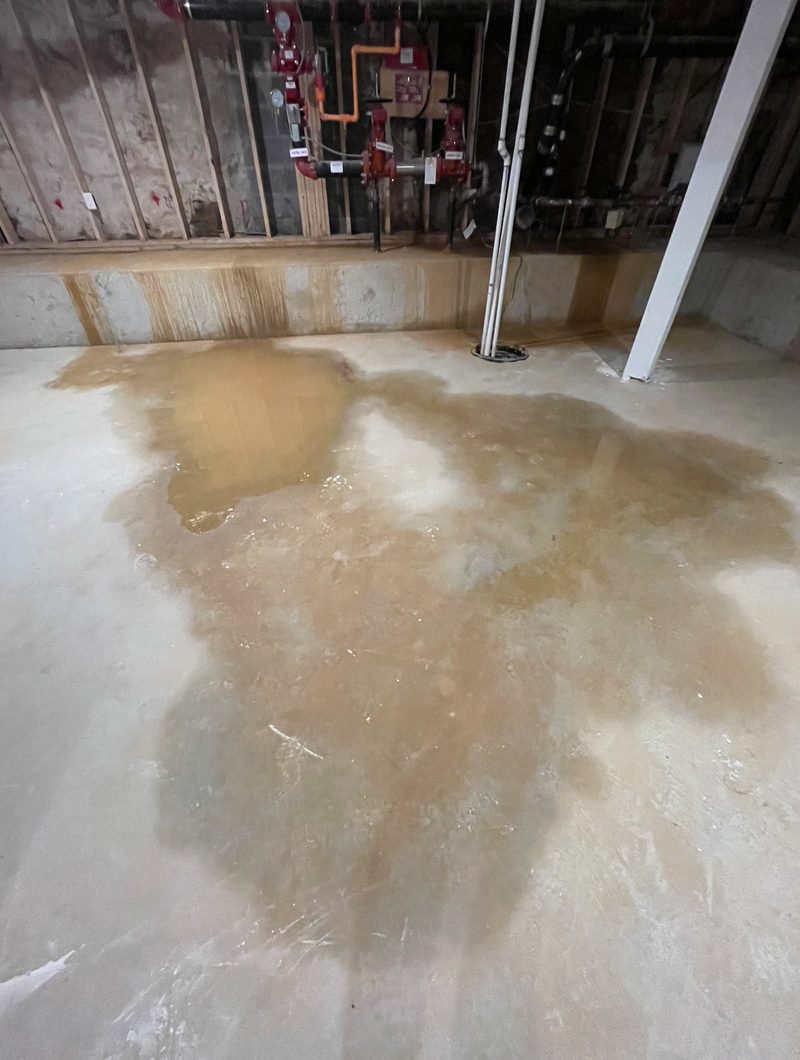
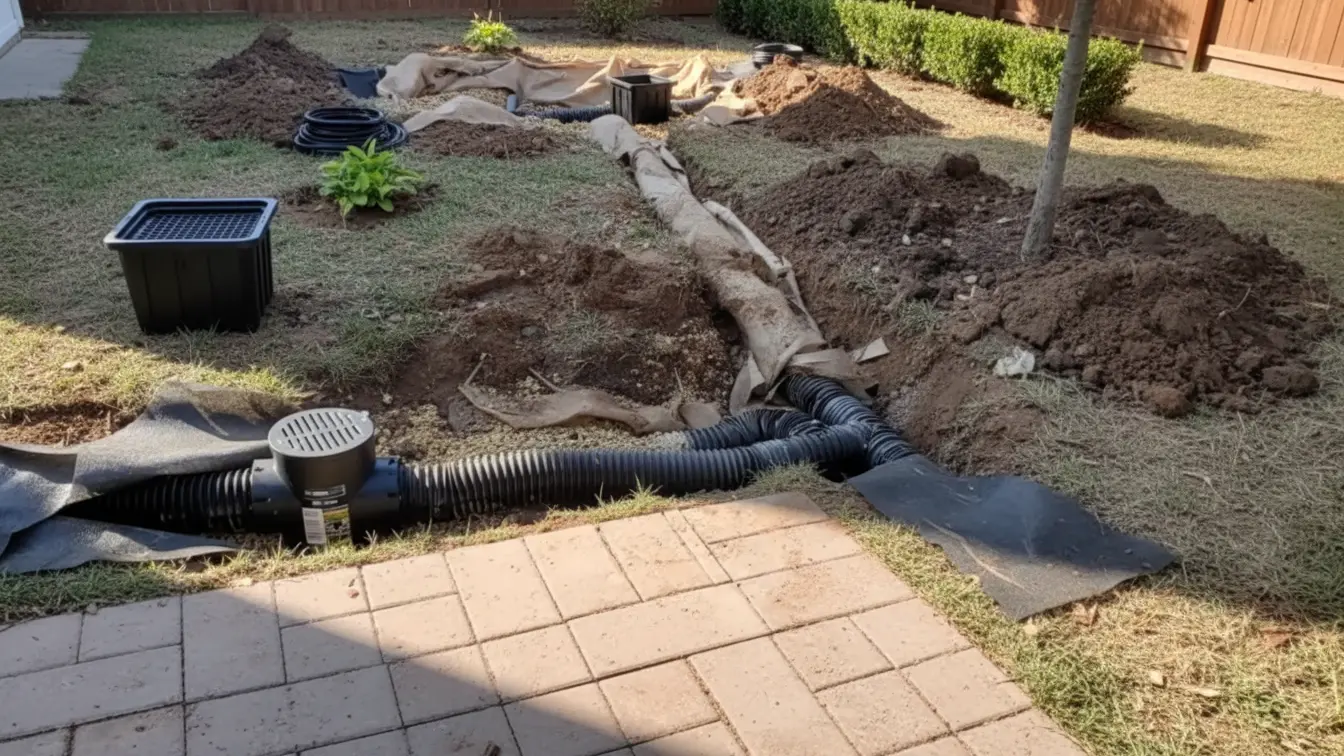
Water that turns up after a downpour won’t be stopped by sealing the wall from the inside — block one path and it just takes the next. The real fix is relieving the pressure: a drain line set beneath the floor that intercepts the water and feeds it to a sump pump. Exactly how it’s laid out depends on where the water’s getting in, which is the first thing we sort out on the inspection.
Learn More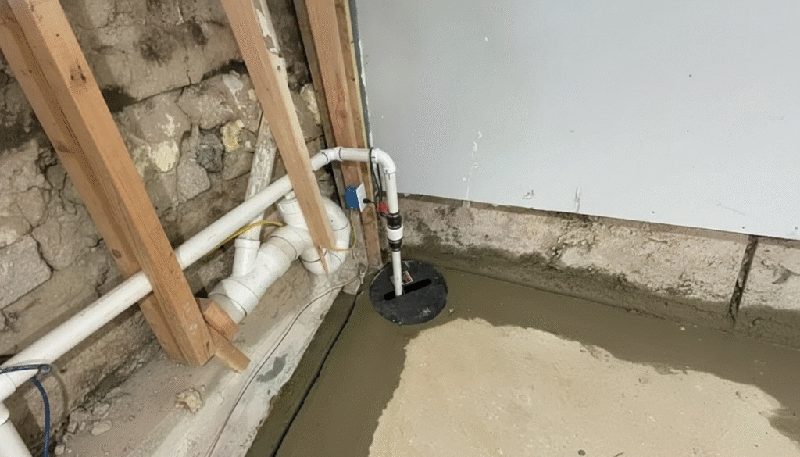
When water does get under the house, the sump pump is what carries it back out. We match the pump to how much water you actually take on and back it up with a battery, so a storm that knocks the power out — the exact moment it matters — doesn’t leave the pump dead.
Learn MoreGetting started is simple. Here's what to expect when you work with us.
Underneath nearly every Memphis foundation problem is the same short list — clay, loess, and water. Here’s how each one works on a house, and why people bring in Queen Foundation Repair rather than the franchises.
Underneath nearly every Memphis foundation problem is the same short list — clay, loess, and water. Here’s how each one works on a house, and why people bring in Queen Foundation Repair rather than the franchises.
Memphis clay behaves like a sponge, swelling through a wet stretch and pulling tight through a dry one, and that constant flexing is what eventually cracks a wall. Riding on top of it is loess — a fine bluff silt that erodes in a hurry — and a single hard rain can scour it from under a footing and leave a hollow for the house to settle into. The mature trees shading so many yards make it worse still, drawing moisture out of the clay right where their roots run. We match the repair to whichever of those is actually at work, not just the crack on the wall. Foundation repair solutions here start with the soil, and the repair follows what the inspection finds at your home. Foundation repair here follows the home, not a template.
Plenty of Memphis homes are built over a vented crawl space, and with the humidity and a high water table close by, the ground down there almost never dries out. That steady damp rots the joists carrying your floors and sends stale, musty air up into the living space. Close the crawl space in and hold it dry, and the wood above it stops rotting. Crawl space encapsulation and basement waterproofing are the two solutions we use, depending on what your home sits on. Both solutions protect the same home.
We’ll tell you the truth about what you need. A crack isn’t always a structural job and a damp crawl space doesn’t always need the full encapsulation — when that’s the case, you’ll hear it from us, even when it means a smaller invoice. The big names in this market sell on badges, awards, and monthly payments; we’d rather get under the house, hand you the photos, and explain what’s actually moving down there. Foundation repair services are itemised so you can see what each piece of the repair costs.
Get My Free Quote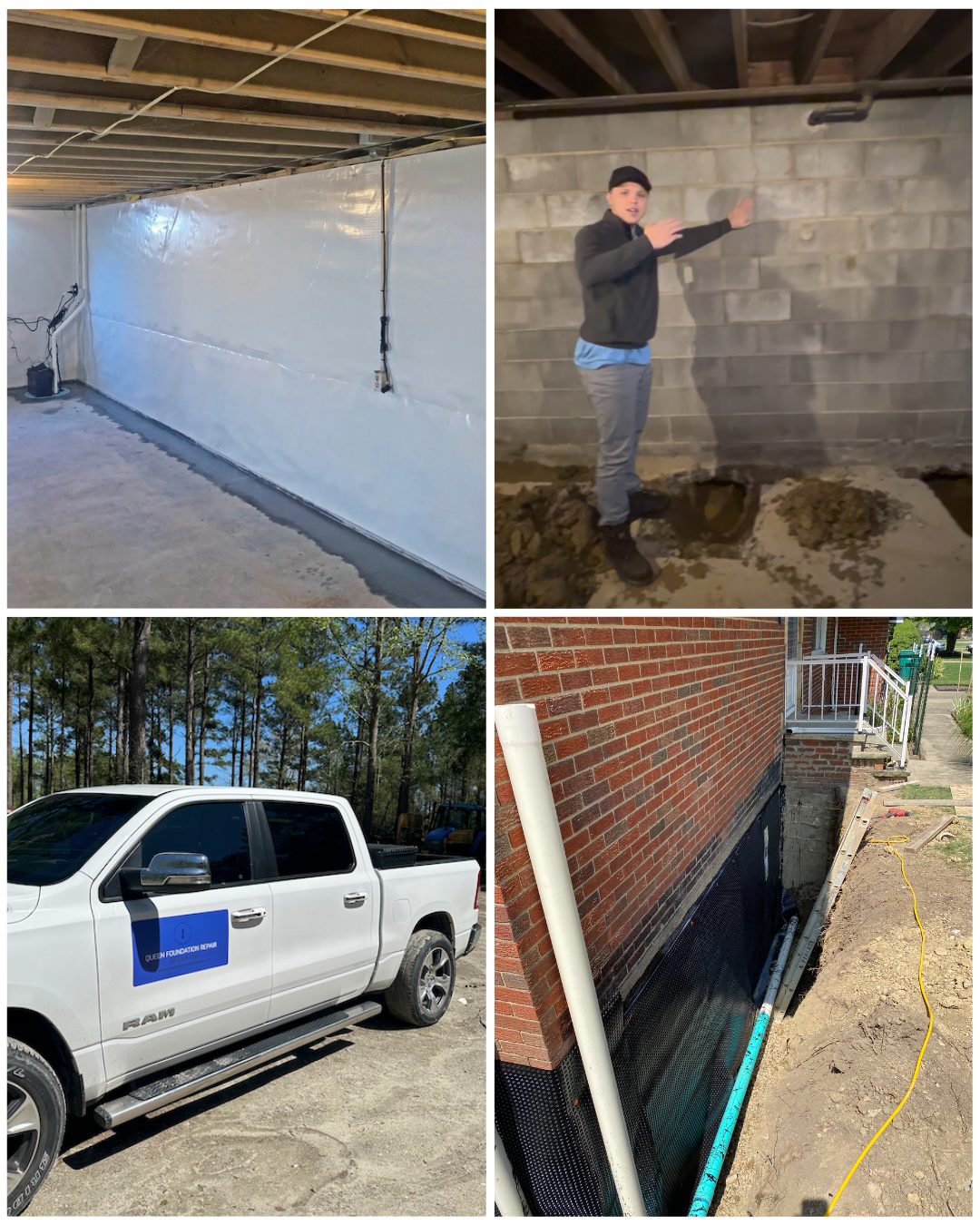
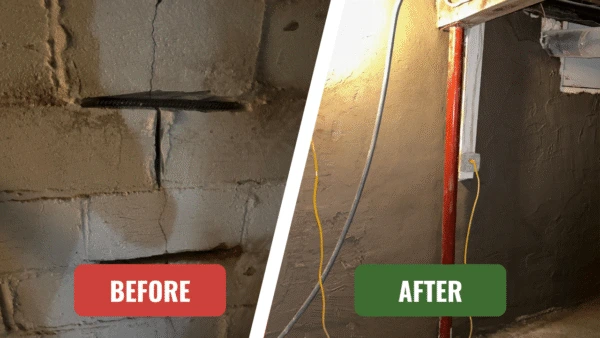
Real foundation repair and waterproofing projects across Memphis and the surrounding areas. Concrete leveling, crawl space encapsulation, and basement solutions on homes like yours.
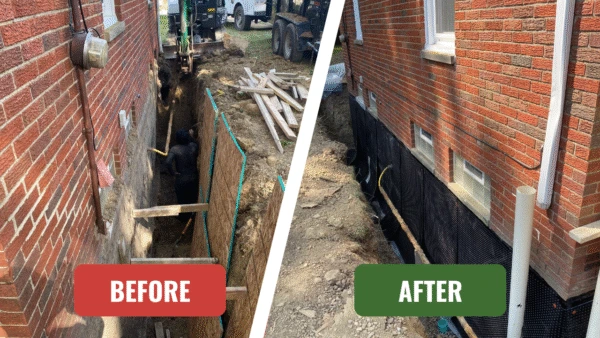
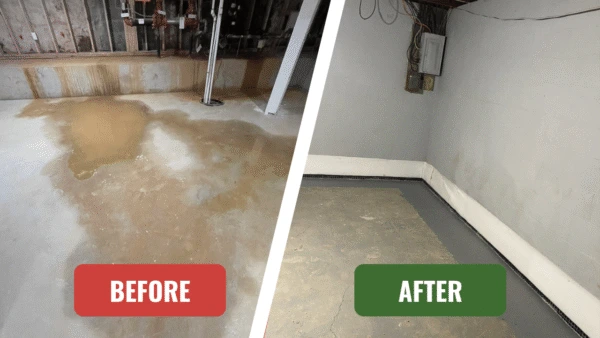
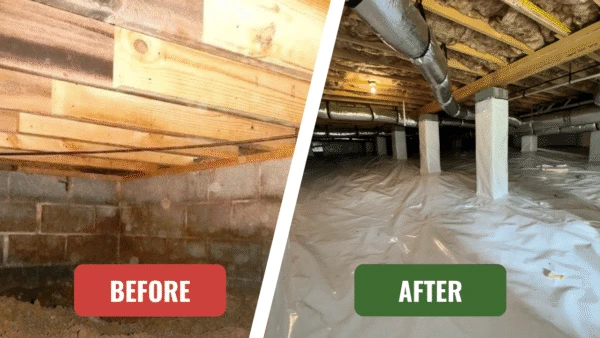
The questions homeowners ask most about foundation repair, basement waterproofing, and crawl space solutions. Here are the ones we hear most.
Blame the dirt. Underneath Memphis is clay that swells and shrinks several inches a year as the weather turns, and over it a layer of loess — silt — that erodes and washes out in heavy rain. One cracks and settles your foundation; the other leaves voids under it. Add a yard full of thirsty tree roots and a humid climate that won’t let the crawl space dry, and foundation trouble is just common here. Foundation repair in this area usually starts under the house, and the damage spreads upward from there. Foundation repair solutions start at the home, and the right repair depends on what the foundation is doing.
Look at the direction and the width. Straight up-and-down and hairline-thin is usually harmless curing shrinkage. Diagonal off a door or window corner, stair-stepped through brick, or clearly wider at one end than the other — that’s the foundation moving. Pair it with sticking doors or a sloping floor and it’s worth taking seriously. Not sure? The inspection’s free and we’ll give it to you straight. Foundation repair services here range from crack repair to concrete leveling and pier work. We give you the number in writing before anything starts. Repair services here cover the foundation, the drainage, and the damage underneath.
Your clay is doing it. A dry Memphis summer pulls the moisture out of the clay, it shrinks, the foundation eases down, and the door frames rack just enough to bind. Let it rain a few days and the clay swells back, the house lifts, and the doors swing free again. A little seasonal movement is normal — but if it’s spreading across the house or getting worse year over year, that’s the clay telling you it’s time to look. Encapsulation solves the damp side of it, and basement waterproofing handles the rest. Basement waterproofing solutions suit a home with a basement; encapsulation handles the rest.
Almost never. Settling, soil movement, and crawl-space moisture get treated as maintenance or flat-out excluded, and that’s the bulk of what we do. Flood and a few sudden events are their own separate coverage, so read your policy — but go in expecting this to be out of pocket, which is why we keep financing on the table. Most homeowners pay for foundation repairs out of pocket, and the concrete work is the biggest line item. Foundation repair services are quoted per home, never per square foot.
It depends on what’s actually wrong — the size of the crawl space, how far the foundation’s dropped, how many piers, whether water’s in the picture. A single crack repair runs a few hundred dollars; moderate work like supports, drainage, or encapsulation lands in the low thousands; major structural work with piers or wall bracing climbs from there. We don’t quote blind — the inspection’s free and the real figure goes in writing before anyone starts, financing included. Every repair we price covers the whole scope: the subfloor, the slab, and the drainage that caused the damage. We repair foundation issues in these areas the same way we do everywhere else.
It compounds. The crawl space keeps rotting joists season after season, a settling crack keeps widening with every swing of the clay, and soil washing out under a slab keeps right on washing. Waiting doesn’t make any of it cheaper — it just adds to the repair. Repair costs climb the longer the home sits, and the experience of the crew is what keeps the solutions right the first time. Waiting adds damage, and the repair solutions get bigger the longer the home waits.
We serve homeowners across Memphis and the surrounding metro. If you don’t see your area below, give us a call and we’ll confirm.
Neighborhoods & communities: Memphis, Midtown, East Memphis, Central Gardens, Cooper-Young, Cordova, Raleigh, Germantown, Collierville, Bartlett, Lakeland, Arlington, Millington, Southaven, Olive Branch, West Memphis
ZIP codes: 38103, 38104, 38105, 38106, 38107, 38108, 38109, 38111, 38112, 38114, 38116, 38117, 38118, 38119, 38120, 38122, 38127, 38128