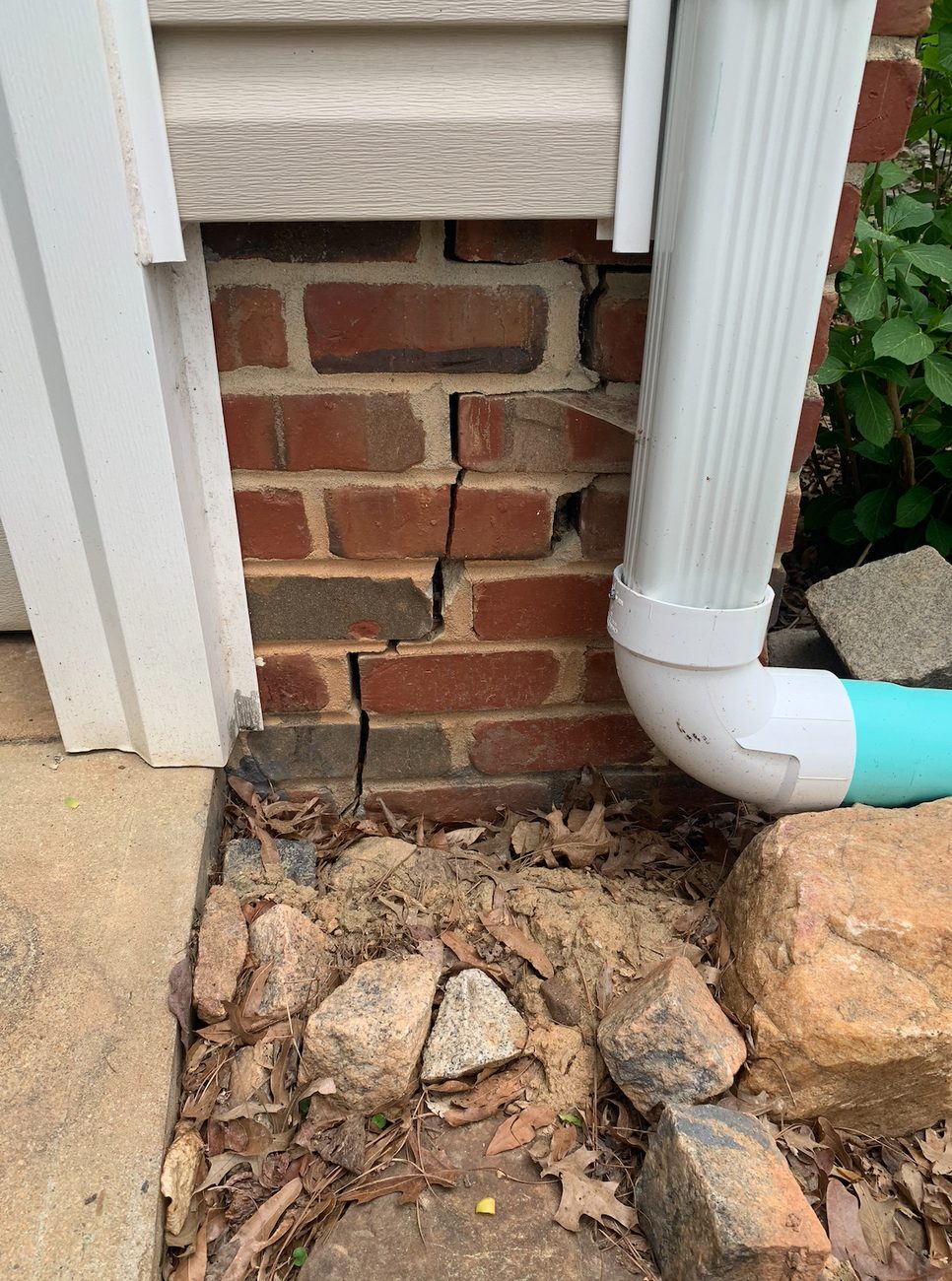
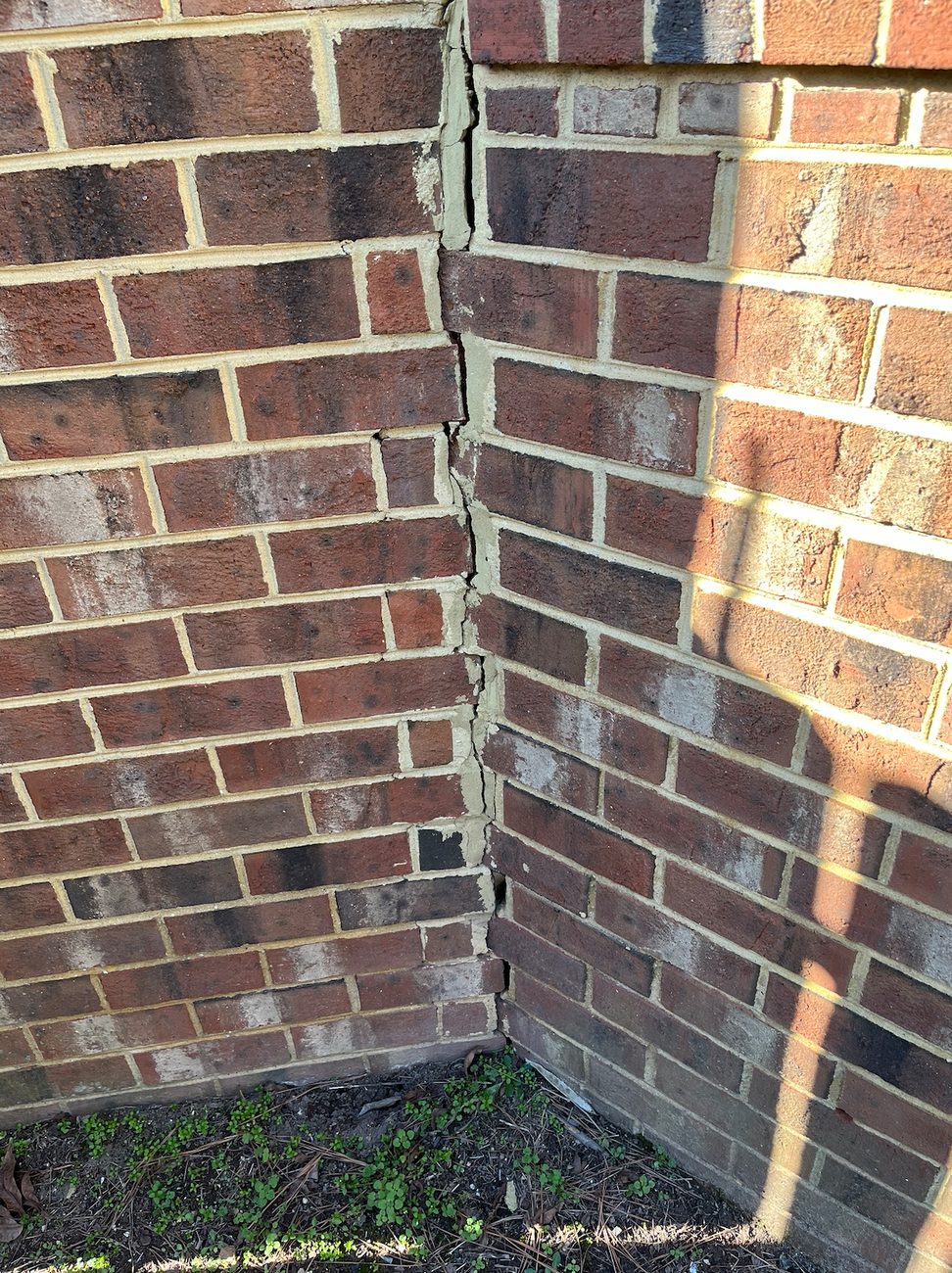
Brick cracking up from a corner, a door that sticks all summer, a gap opening at the slab edge. We see all three across Fort Worth, from Fairmount to Wedgwood, and we handle foundation repair and french drain installation. The inspection is free.
Get Your Free Inspection
We appreciate you reaching out.
One of our team members will be with you shortly.





WHAT WE SEE MOST
In Fort Worth the ground itself moves. Clay swells when it takes water and shrinks back in a dry summer, and the slab is riding on top of it. Some of what that leaves behind is cosmetic. Some of it is not.
The corner has moved
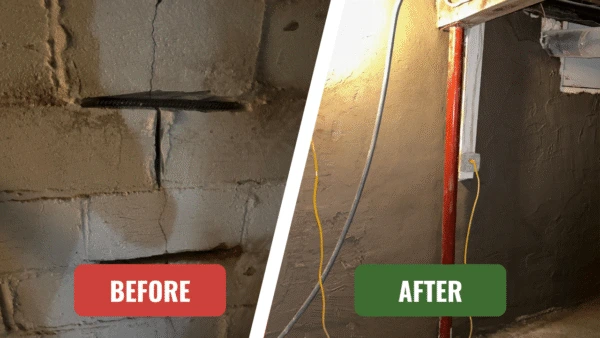
A crack that steps up through the mortar joints from a corner means that part of the house has gone down while the rest stayed put.
The slab rides on it
A door that binds in August and swings fine by February is the clearest sign around here. The ground dried out and the house moved with it.
The opening is being pulled
Cracks running up and away from a door frame keep coming back after patching, because the patch is not what moved. The frame is.
The floor left the wall
A line opening between the baseboard and the floor on an outside wall means one is going somewhere the other is not.
One end has dropped
You notice it with a ball, or a chair that will not sit level. One part of the slab has settled further than the rest of it.
The ground drinks it in
A downspout emptying at the corner soaks the ground right where the slab bears. That ground swells, and the corner it sits under lifts.
The season tells you a lot here. Movement that comes back every summer and eases off in winter is the ground doing what it does here, and it is manageable. What we want to look at is anything that does not come back: a crack that keeps widening year on year, a door that never frees up again, a corner that has kept dropping. If two or three turn up together, get someone out. The inspection is free.
From brick cracking up out of a corner to a door that binds every August, these are the calls we get across Fort Worth. Tap any service to see what the work involves.
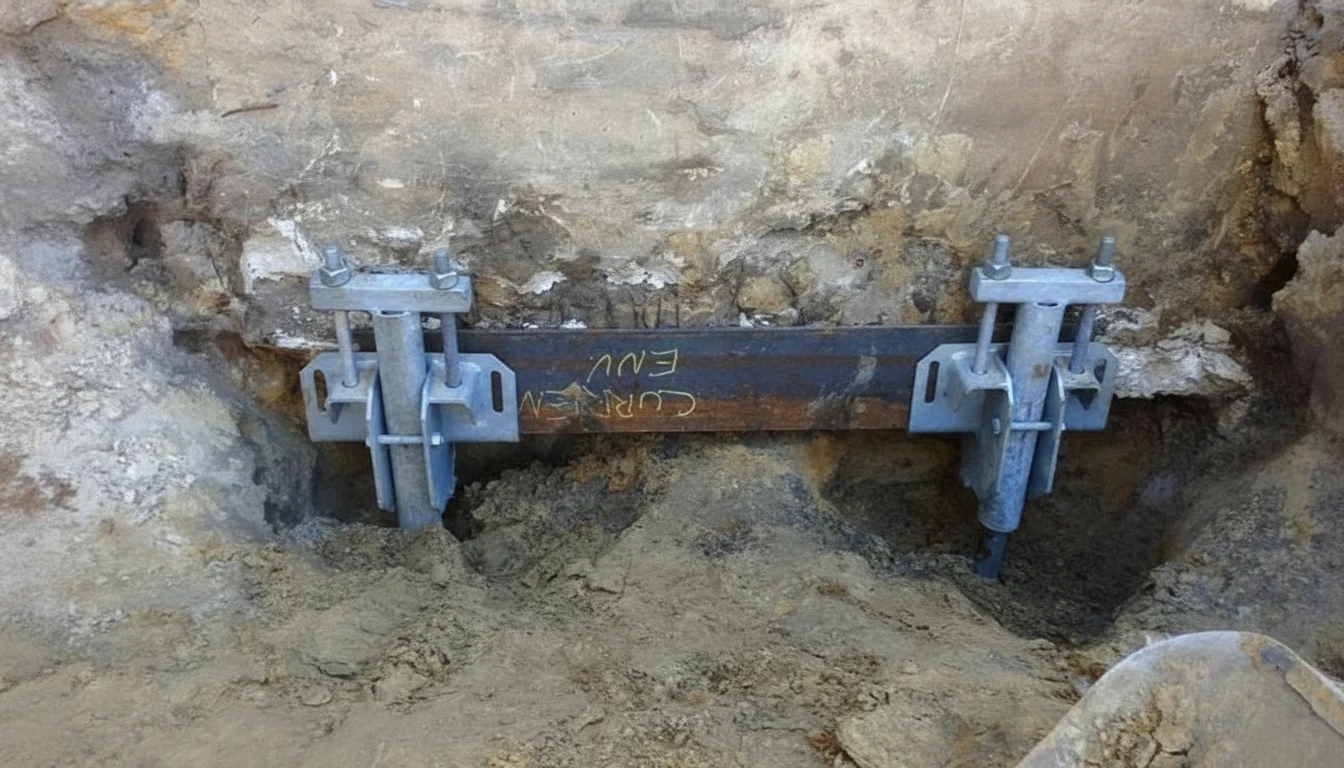
Gets a settled part of the house back up and holds it there, once we know which way the ground moved.
Learn moreThis is the biggest call we get here, and the reason is under the house rather than in it. The clay across this part of Texas takes on water and swells, then gives it up in a dry summer and shrinks back. A slab sitting on that is being lifted and dropped by the weather. Around Wedgwood, where the post-war streets are all slab, that is nearly every call.
Steel piers are driven down past that layer to material that does not move with the season, then the section is loaded onto them and brought back toward level. How far it comes back depends on the house. Where drainage is feeding the problem, that gets fixed at the same time, or the ground keeps cycling underneath the repair.
The first visit is measuring, not quoting. Levels through the rooms, a look at the grade outside, and a walk round the brick to see where it has parted. In Fairmount the houses are pier and beam instead, and the answer there is a different job entirely. You get the number in writing before anybody talks about price.
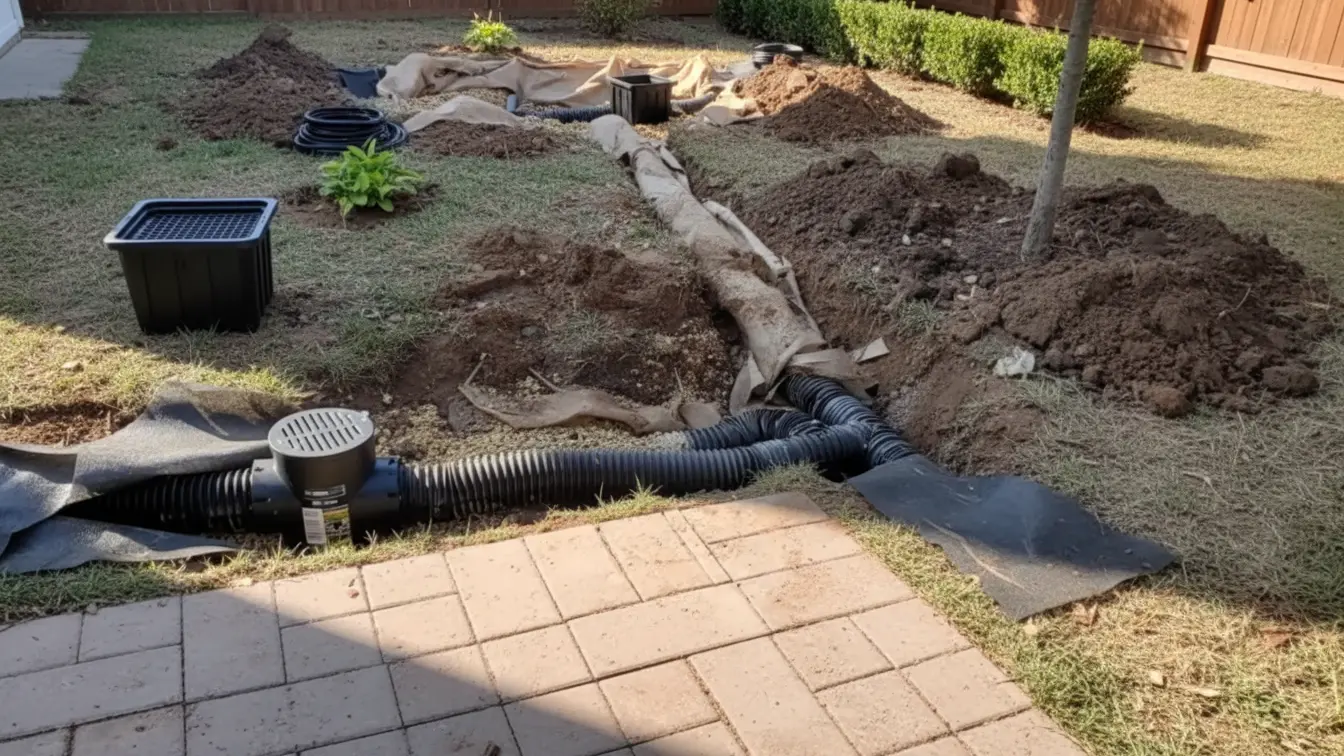
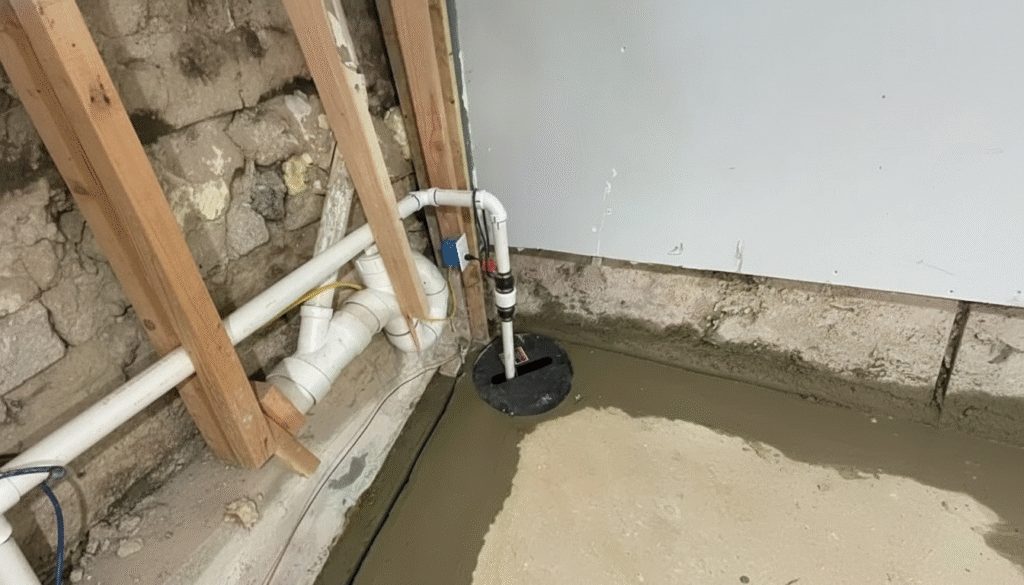
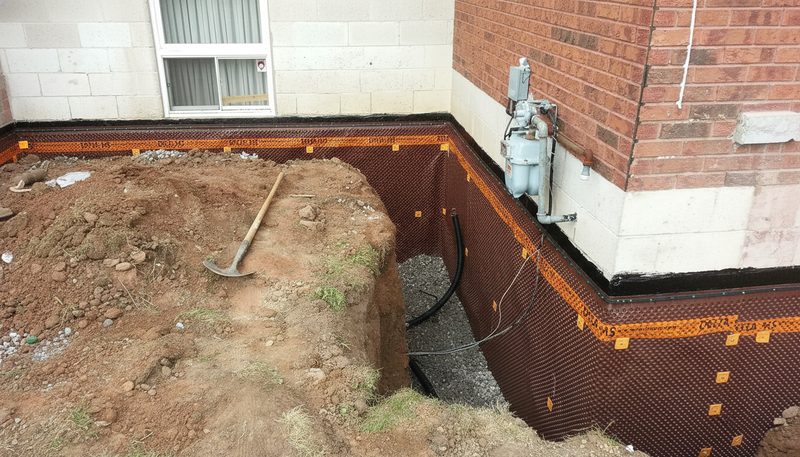
Takes water away from the foundation before it ever reaches the foundation, so the ground alongside stops swelling and shrinking against it.
Learn moreHere the enemy is not water itself, it is uneven water. One side of the house stays soaked because that is where the roof drains, the other bakes dry in August, and the slab is asked to bridge the difference. Around Arlington Heights, where the lots slope toward the street, the low side is usually the one that has moved.
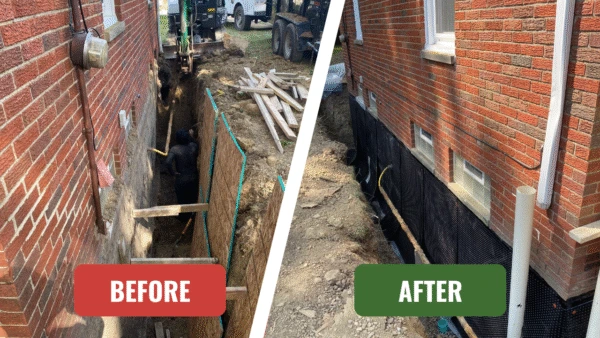
A trench is opened where the water already runs, lined so soil cannot silt the pipe up, and a perforated pipe bedded in washed stone. The fall carries the water well clear of the house without a pump. Roof leaders get tied in rather than dumping at a corner where the ground will drink it.
It is the cheapest thing on this list and on a lot of houses it is the whole fix, because evening out the moisture is what stops the movement in the first place. What it will not do is lift a corner that has already dropped. In Wedgwood we often quote drainage on its own first and watch what the house does over a season before anybody spends money on piers.
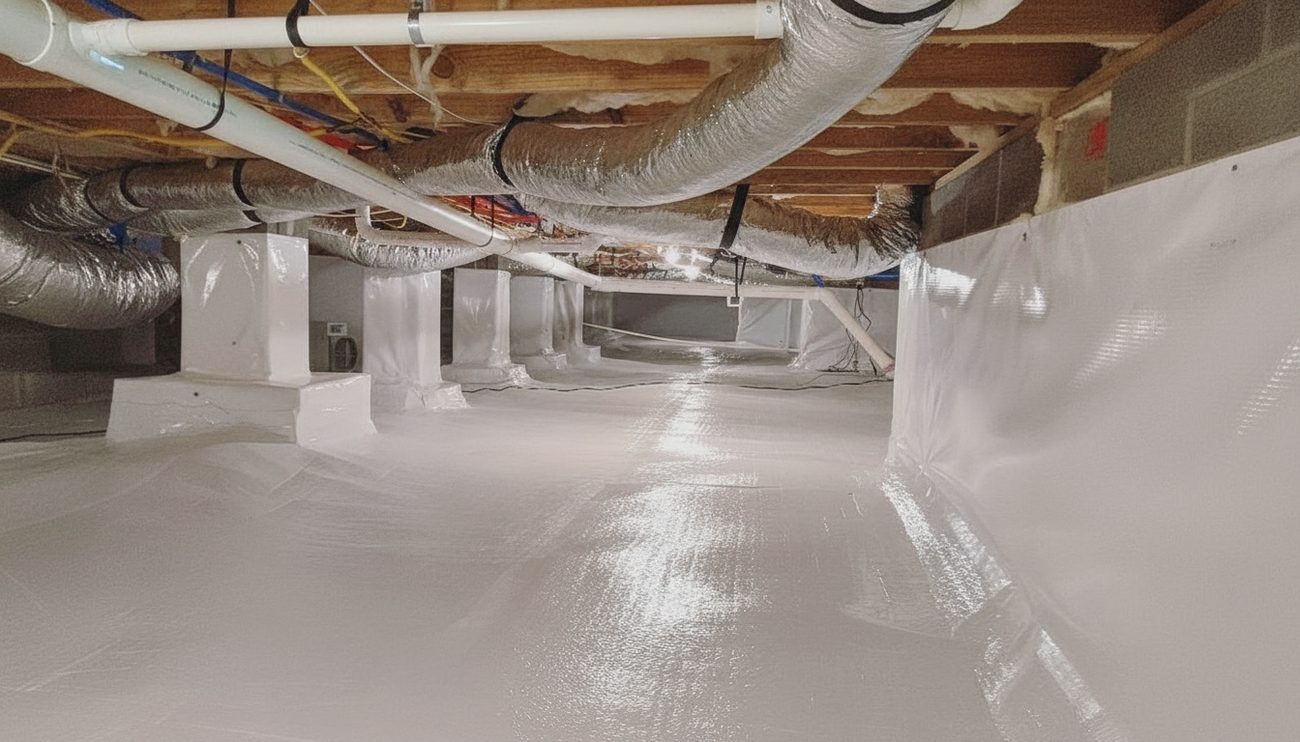
Seals the crawl off from the ground below it, so the damp stops rising into the floor above and the smell goes with it.
Learn moreMost of Fort Worth is slab, but the older inner neighborhoods are not. Where there is a crawl space there is bare dirt under the house giving off moisture all day, and vents that pull humid Texas air into a cool space where it condenses. In Fairmount and Mistletoe Heights, where the houses are pier and beam, that is the usual story behind a smell nobody can place.
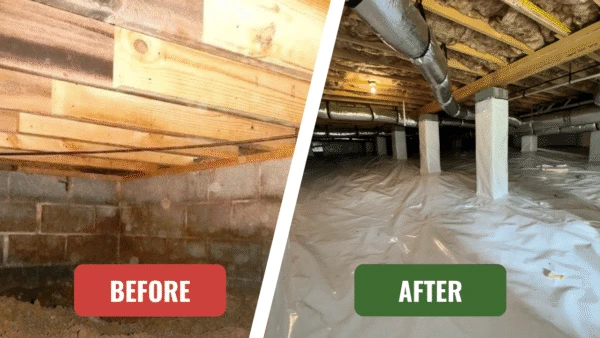
Heavy liner goes down across the floor and carries up the piers and the perimeter, every seam taped and the top edge sealed. Old vents get closed permanently. Standing water is drained and pumped out before anything gets sealed over it, and a dehumidifier holds the space at a set level.
You notice it upstairs within a few days, in the smell and in floors that stop feeling cold. It will not straighten a floor that has already sagged, and it does nothing at all for a slab house, which has no crawl to seal in the first place. We will tell you which of the two you have standing there, before anybody quotes you for anything.
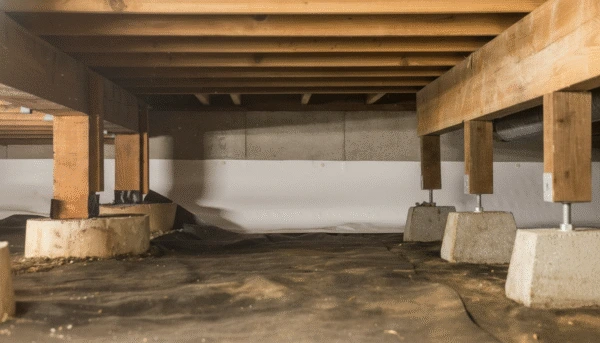
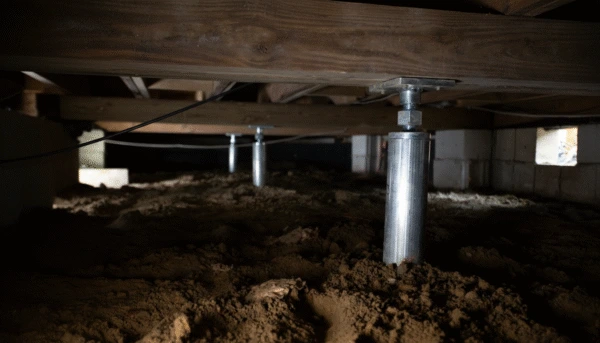
Gets an older house sitting level again and keeps it there, by resetting the piers and beams carrying it underneath.
Learn moreThe older inner neighborhoods were built before slabs took over, and those houses sit on beams carried by piers with a crawl space underneath. They fail differently. A pier settles into ground that shrank, a beam end rots where it meets masonry, or a previous owner shimmed something that has since worked loose. In Fairmount and Ryan Place this is most of what we look at.
Failed piers are replaced or reset on footings that reach past the moving layer, sagging beams are picked up onto new posts, and soft beam ends get sistered or swapped. Lifting happens gradually across visits, because a house that settled into a shape over eighty years will crack if you hurry it back.
The advantage of pier and beam is that it can be adjusted later, which a slab cannot. The disadvantage is that the crawl underneath has to stay dry or you will be looking at the same posts again in a few years. Over in Mistletoe Heights we usually sort the drainage in the same visit rather than treat it as a separate job.
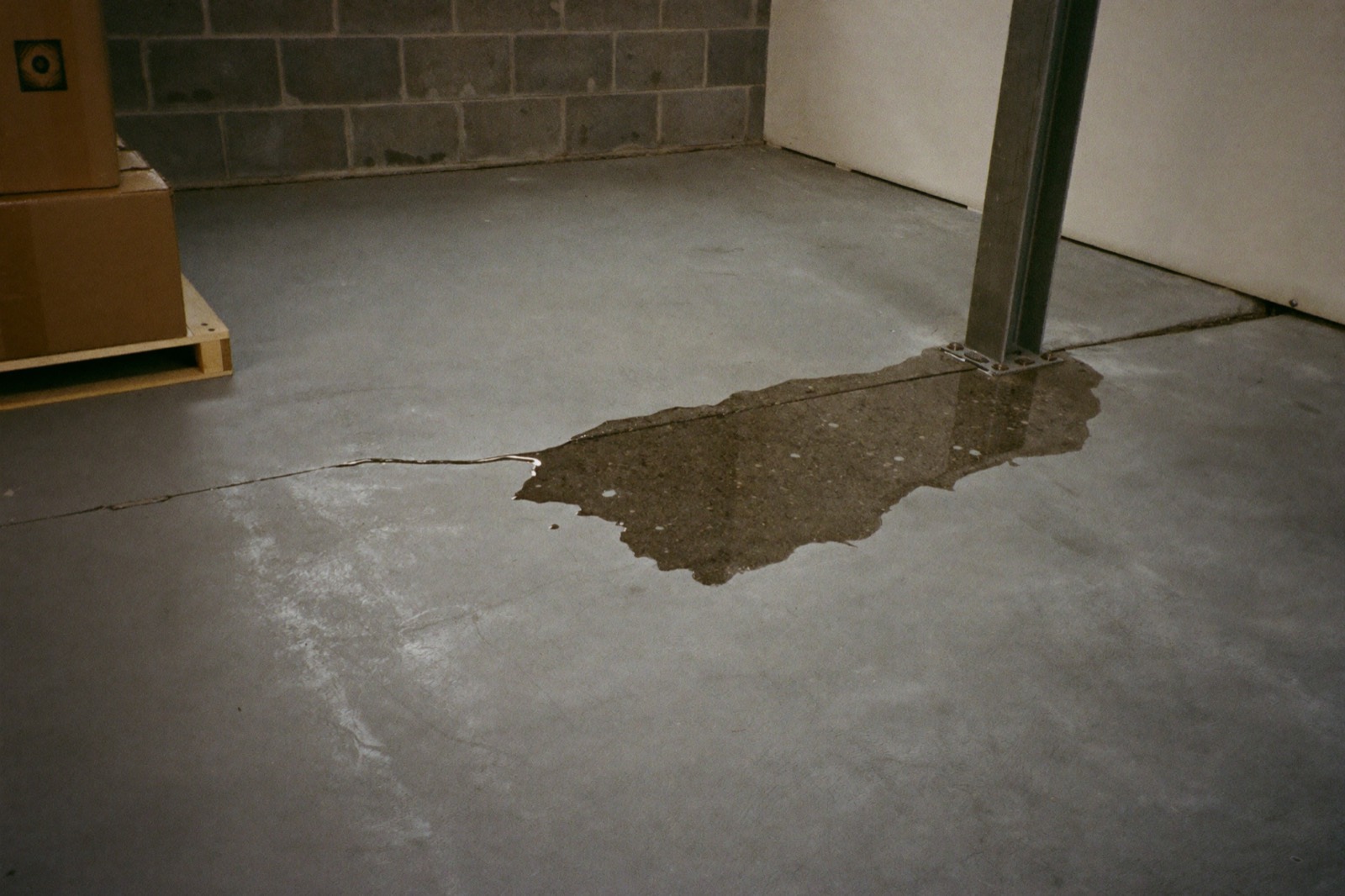
Finds and stops a water line leaking under the slab, before the water it is losing moves the house sitting on top of it.
Learn moreA supply line running under a slab can leak for months without anybody noticing. The water goes into ground that swells where it lands, so one part of the house lifts while the rest stays put, and the first sign is usually a door that stops closing rather than anything wet. Around Arlington Heights, where a lot of the plumbing is original, it turns up more than people expect.
The leak gets located before anything is opened, so the work is one hole rather than a search. From there it is either a repair through the slab or a reroute overhead, depending on the run and how much pipe is involved. Then the ground is given time to give the water back before anyone judges how far the house has moved.
This is also the one foundation problem in Texas your insurance may actually pay toward, because the damage is sudden rather than gradual. We document what we find either way. Over in Meadowbrook we have seen a single leak account for movement three owners had blamed on the drought.
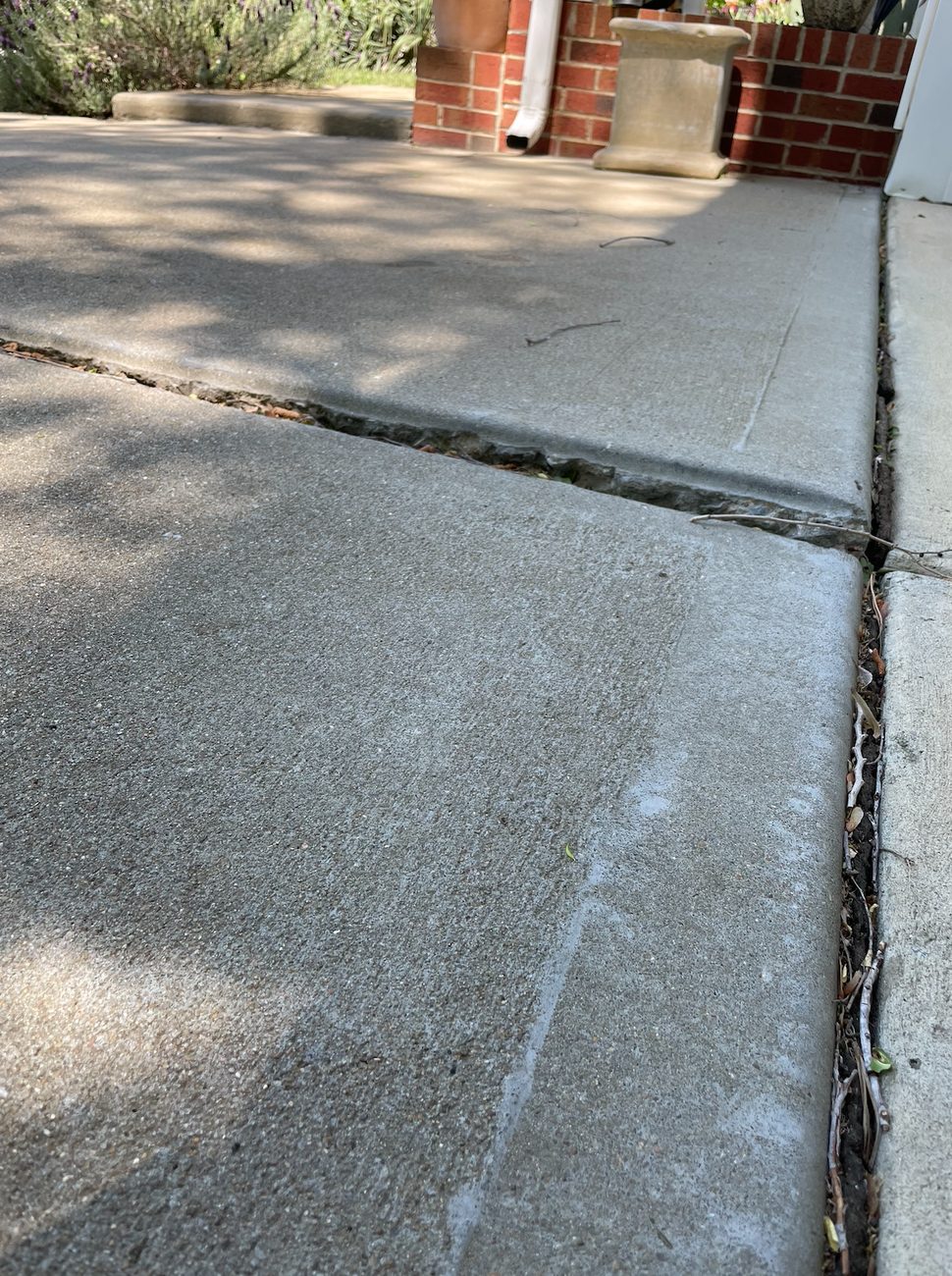
Raises a dropped driveway, walk or patio back up to where it belongs, without breaking the whole thing out and repouring it.
Learn moreDriveways, walks and patios sit on the same ground the house does, but with none of the weight to hold them steady, so they move first and further. That is why the drive can drop an inch while the slab indoors reads fine. Around Westcliff and Candleridge the flatwork is often the earliest sign anything is moving at all.
Small ports are drilled through the slab and material injected underneath, filling the void and lifting the panel back to grade. It takes foot traffic the same day and a car within hours, which on a driveway is what usually decides it. The ports get patched and the original concrete stays where it is, which is where the saving comes from.
Worth working out where the water goes first, because lifting a panel does not change whatever moved the soil underneath it. If a downspout is still emptying beside it, the void simply reopens and the panel drops again. We would rather sort the drainage and the lift together than come back to the same square of concrete next year and charge you twice.
Queen Foundation Repair handles the two things that go wrong under a Fort Worth house: ground that moves with the weather, and water arriving where it should not. We are a leading provider of foundation work across the city, covering foundation repair, french drain installation, crawl space encapsulation and pier and beam foundation repair.
Most of what we get called to started small. A hairline over a door that came back after painting, a door that stuck one August and never quite freed up, a line opening along a baseboard. Left alone those get dearer, because the water behind them keeps coming.
So we look before we quote. From Fairmount out to Wedgwood, someone comes out, goes over the property inside and underneath, and tells you plainly what is happening and what putting it right involves. The price is in writing before work starts. If it is cosmetic, we will say so rather than sell you a repair you do not need.
Half the houses we work on are slab and half are pier and beam, and they fail in completely different ways. You can see everything Queen Foundation Repair does across Texas. Licensed and insured, and the warranty moves with the house if you sell.
Get your free inspection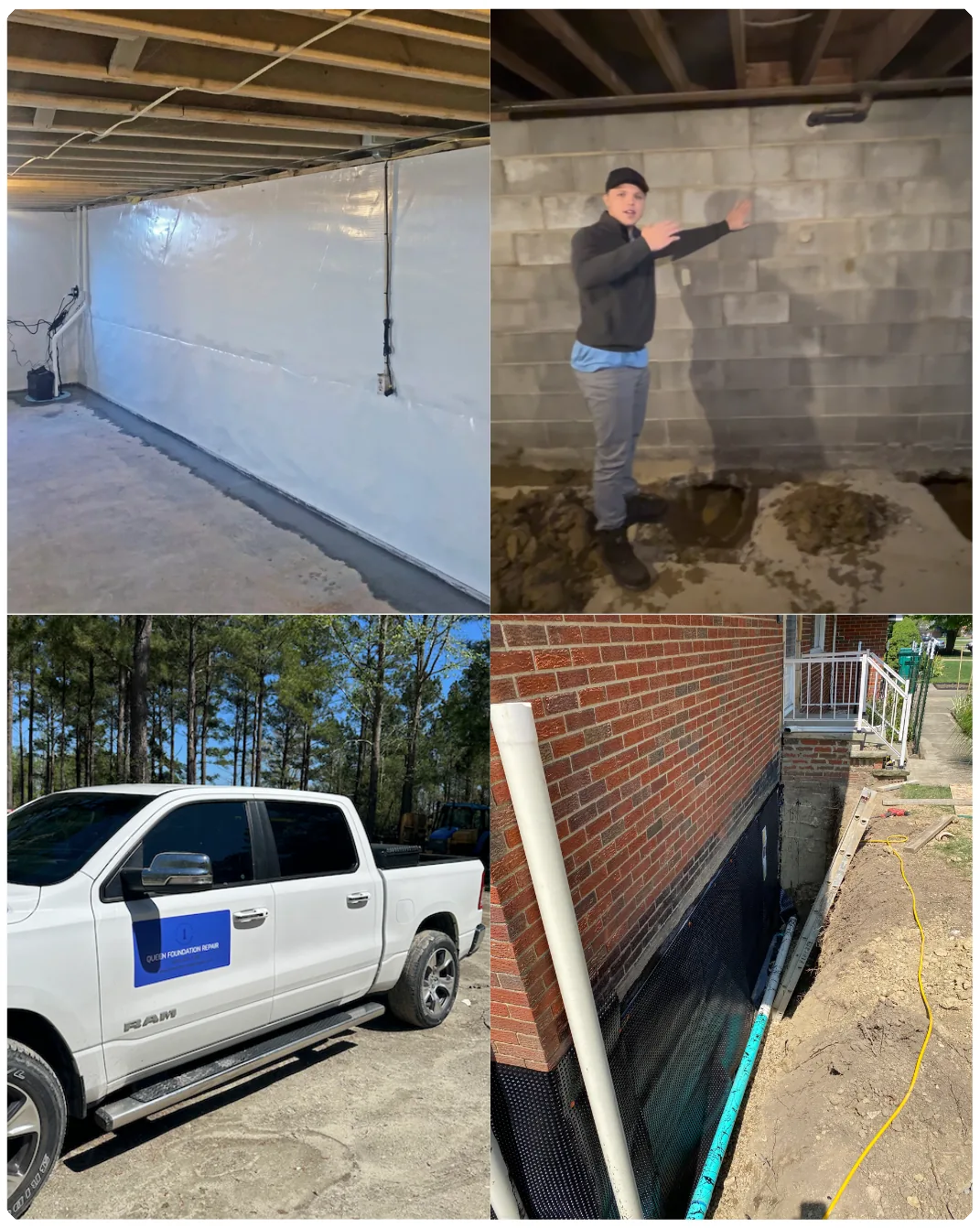
WHAT YOU GET
We pick up quickly and get out to the property fast, so you're not waiting weeks to learn what's wrong and what it costs.
No charge for us to come out, work out what's happening, and lay out what the fix involves. You know where you stand before deciding.
Licensed, with full liability and workers' comp cover, so the work meets code and your property is protected if anything goes wrong.
Every repair carries a written warranty that passes to the next owner, so it protects the value of the house if you sell.
A clear written price before anything starts. No vague ballpark, and nothing new appearing once a crew is already on the job.
From the pier and beam bungalows in Fairmount to the slab streets out in Wedgwood, we are under these houses every week.
COMMON QUESTIONS
What the work costs, whether a slab can be fixed at all, what you owe a buyer, and whether you should be running a soaker hose in August. Same questions in Fairmount and out in Wedgwood.
What It Costs
It follows how many piers the house needs and how deep each one has to go before it finds ground that does not move. A handful along one side is a few thousand. A full perimeter on a large slab runs well into five figures. Drainage on its own, which turns out to be the whole fix on plenty of houses, is cheaper than either. You get the number in writing after somebody has taken levels, because a figure given over the phone is a guess.
More than pier and beam, generally, because a slab cannot be adjusted. You are lifting the concrete itself on piers rather than shimming a beam. The count is what drives it: piers go roughly six to eight feet apart along the affected side, and the price follows that number and the depth.
Usually less than a slab, because the house was built to be adjusted. Resetting or replacing failed piers and shimming beams back to level is straightforward work. It climbs when beam ends have rotted and need replacing, or when the crawl needs draining before anyone can work down there.
Slab or Pier and Beam
Yes, and it is the most common job in this city. The slab is lifted back toward level on piers driven down past the layer that moves with the season, so the house ends up carried by something that stays put all year round instead. It will not go back perfectly flat, and anyone promising you that is overselling. It goes back close enough that doors close again, cracks stop widening, and the movement stops being seasonal.
From underneath. Failed piers are reset or replaced on footings that reach past the moving layer, sagging beams are picked up onto new posts, and soft beam ends are sistered or swapped out. It is done gradually across visits, because a house that settled slowly will crack if you force it back in a day.
Indefinitely, if the crawl space underneath stays dry. That is the whole condition. Timber lasts indefinitely in dry air and rots quickly in wet, so the piers and beams outlive everybody as long as water is not sitting under the house.
Selling and Liability
No, but Texas requires a Seller's Disclosure Notice on most residential resales, and it asks directly about known foundation defects. So you can sell the house; you cannot conceal what you know about it. The liability comes from concealing it, never from the crack itself.
An unexplained crack does. A documented repair with a transferable warranty mostly does not, because it answers the question the buyer's inspector was going to raise anyway. What actually costs money at closing is a problem with no paperwork attached to it.
Not if the paperwork is in order. Foundation work is so common in North Texas that buyers here are used to seeing it, and an engineer's letter plus a transferable warranty usually settles the conversation. Repairs nobody can produce a receipt for are the ones that stall a sale.
Insurance and Permits
Usually not. Policies exclude settlement and earth movement, which is exactly what the ground under your house does every year. The exception worth knowing about is a plumbing leak under the slab: that damage is sudden and the leak is the proximate cause, so a slab leak claim often does pay where a seasonal movement claim never would. It is worth asking your agent before you assume it either way, because the wording moves around a good deal between carriers.
Generally yes. Fort Worth issues them through Development Services, and underpinning work is the kind that needs one. We pull them where required, and the permit is part of the paperwork that makes the repair provable later when you sell.
No. A crack is evidence of movement, and movement is what the policy excludes. What can be covered is the event that caused it, if there was a sudden one. That distinction is the whole game with a Texas foundation claim, and it is why documenting the cause matters more than documenting the damage.
The Ground Here
Because the clay under it changes size. It swells when it takes on water and shrinks back in a dry summer, and your slab is riding on top of that. This is the Blackland Prairie and it is genuinely what happens here, which is why doors bind in August and free up again by February.
In a long dry spell, yes, and it is the cheapest thing you will ever do for the house. A soaker hose a foot or two out from the slab, run for a short time on a regular schedule, keeps the moisture even so the ground is not shrinking hard on one side while the other stays damp. The goal is steady, not soaked. Overdoing it swells the ground instead and causes the opposite problem, so a timer is worth more than enthusiasm.
Brick cracking up from a corner, doors that bind in one season, gaps opening at the baseboards, and sheetrock cracks over a doorway that keep coming back after patching. One on its own is often nothing. Two or three together, or anything that does not reverse next season, is worth a look.
Timing and Living Through It
Any of it, though the house tells you most in late summer when the ground has shrunk furthest and the movement is at its widest. That is the easiest time to measure honestly. Work itself happens year round, and a Texas winter stops nothing.
Yes, nearly always. Pier work happens outside and underneath the house, and drainage is all in the yard. There will be equipment and noise, and interior piers mean clearing a room for a day, but people stay in the house throughout.
A few weeks for the structure to find its position, and longer for the cosmetic cracks to be worth patching. We tell people to wait a month before touching the sheetrock, because patching too early means doing it twice. The doors usually tell you first.
WHERE WE WORK
We cover the whole Fort Worth area, not only the addresses inside the city limits. That is all of Tarrant County and the towns around it, out through Benbrook and White Settlement. Most weeks the work is in the city, from Fairmount and Arlington Heights out to Wedgwood. The neighborhoods and ZIP codes below are where we get called most.
ZIP CODES WE COVER
Ready to Get Started?
No obligation, fast and easy.
We appreciate you reaching out.
One of our team members will be with you shortly.