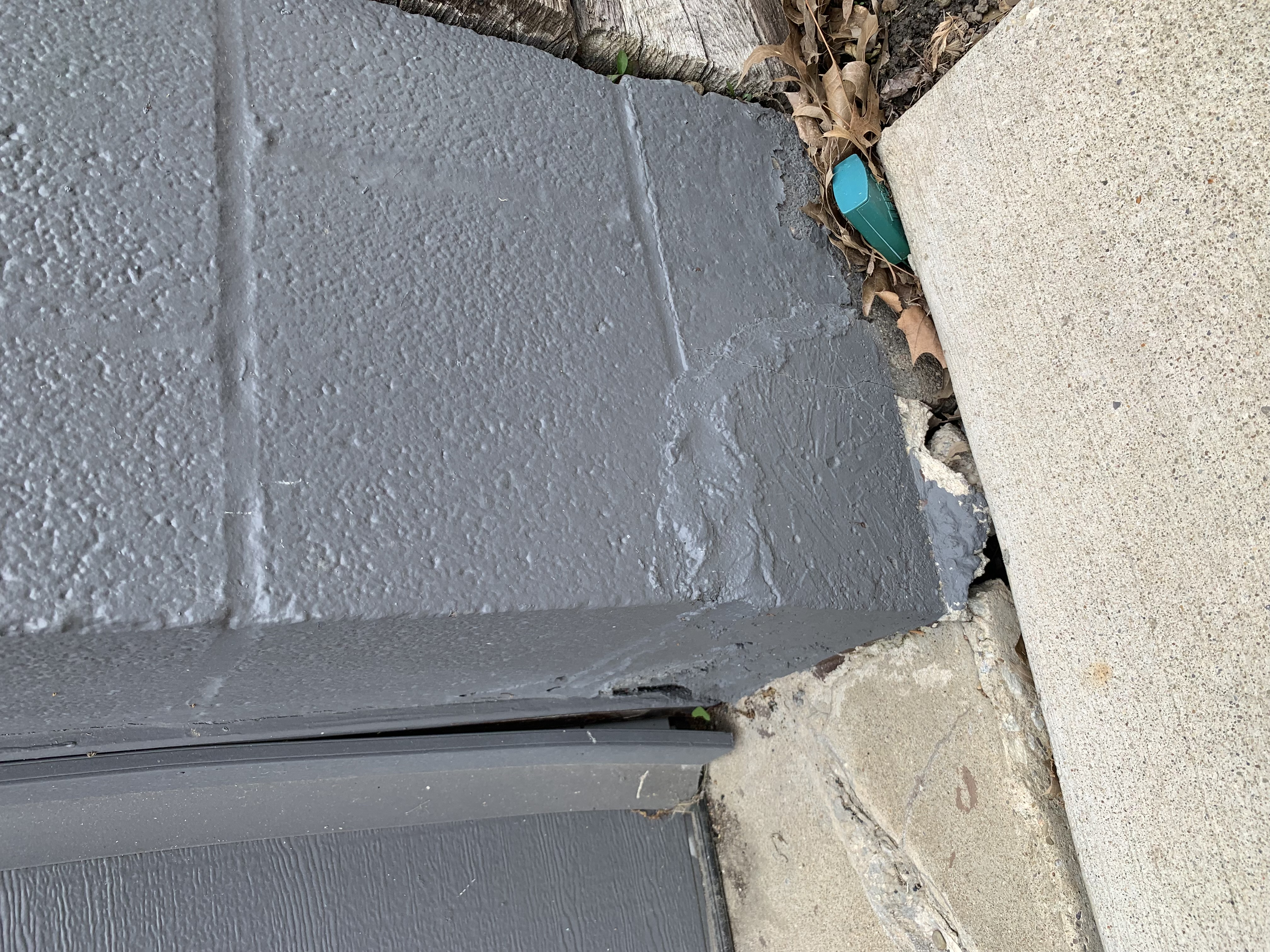
Tallahassee sits on hills, so rain runs downhill and collects under houses instead of draining away. That is what leaves a crawl space damp and a floor soft. From Killearn Estates to Lafayette Park we handle crawl space encapsulation, foundation repair and french drain installation, and the inspection is free.
Get Your Free Inspection
We appreciate you reaching out.
One of our team members will be with you shortly.





WHAT WE SEE MOST
Tallahassee is not flat. There is about a hundred and forty feet between the low ground and the ridge, and rain uses all of it. In Betton Hills that means water arriving from somebody else's slope, and most of what we get called out for starts right there.
The crawl space is feeding the house
Damp air under the floor carries that smell up through every gap. Left alone it reaches insulation and joists, and the wood starts giving way.
The AC is fighting the crawl space
Moisture from below moves upstairs faster than the system can pull it out. You get condensation on the glass, sticky rooms, and a rising power bill.
Runoff is stopping at your wall
Rain coming off higher ground has to go somewhere, and a downspout dumping at the corner holds it there. The footing loses its support.
The floor and the wall are parting
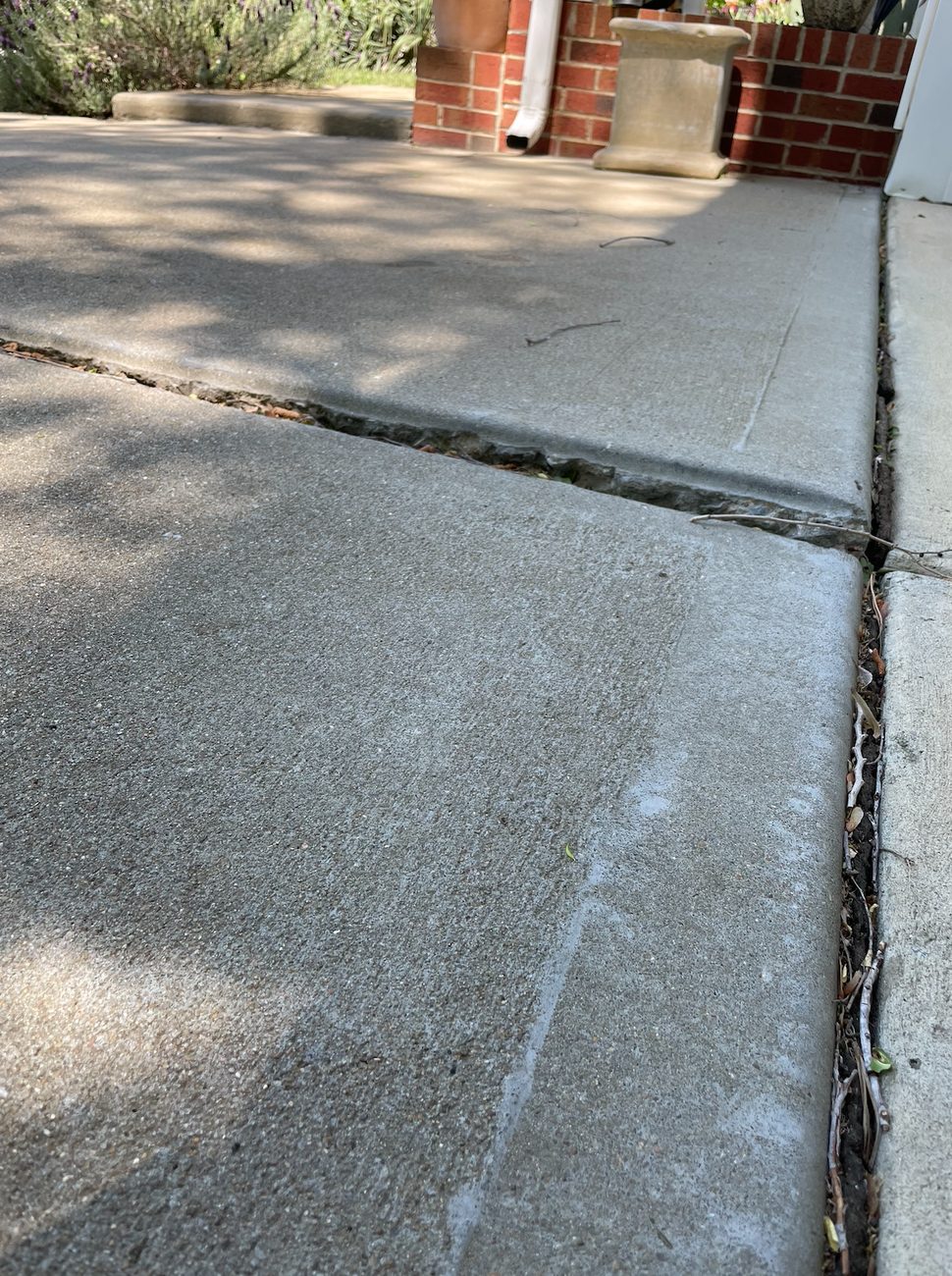
Trim pulls away and a line opens along the baseboard. It usually means one side of the floor has dropped, and the gap widens until something holds it.
The opening is out of square
When a frame settles, the door no longer matches it. Light shows down one edge, the latch misses, and the windows nearby start doing the same.
The wall is moving with the corner
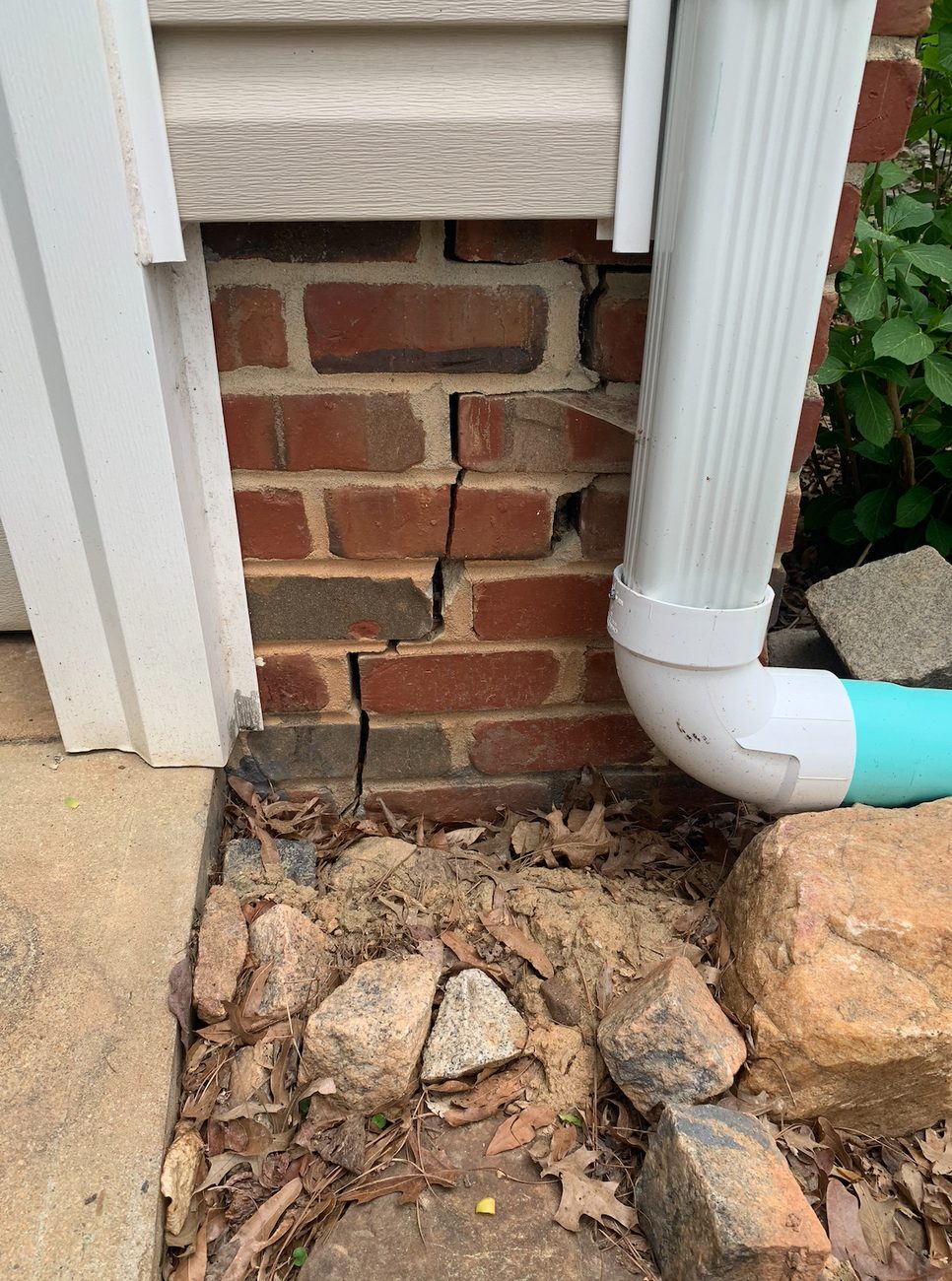
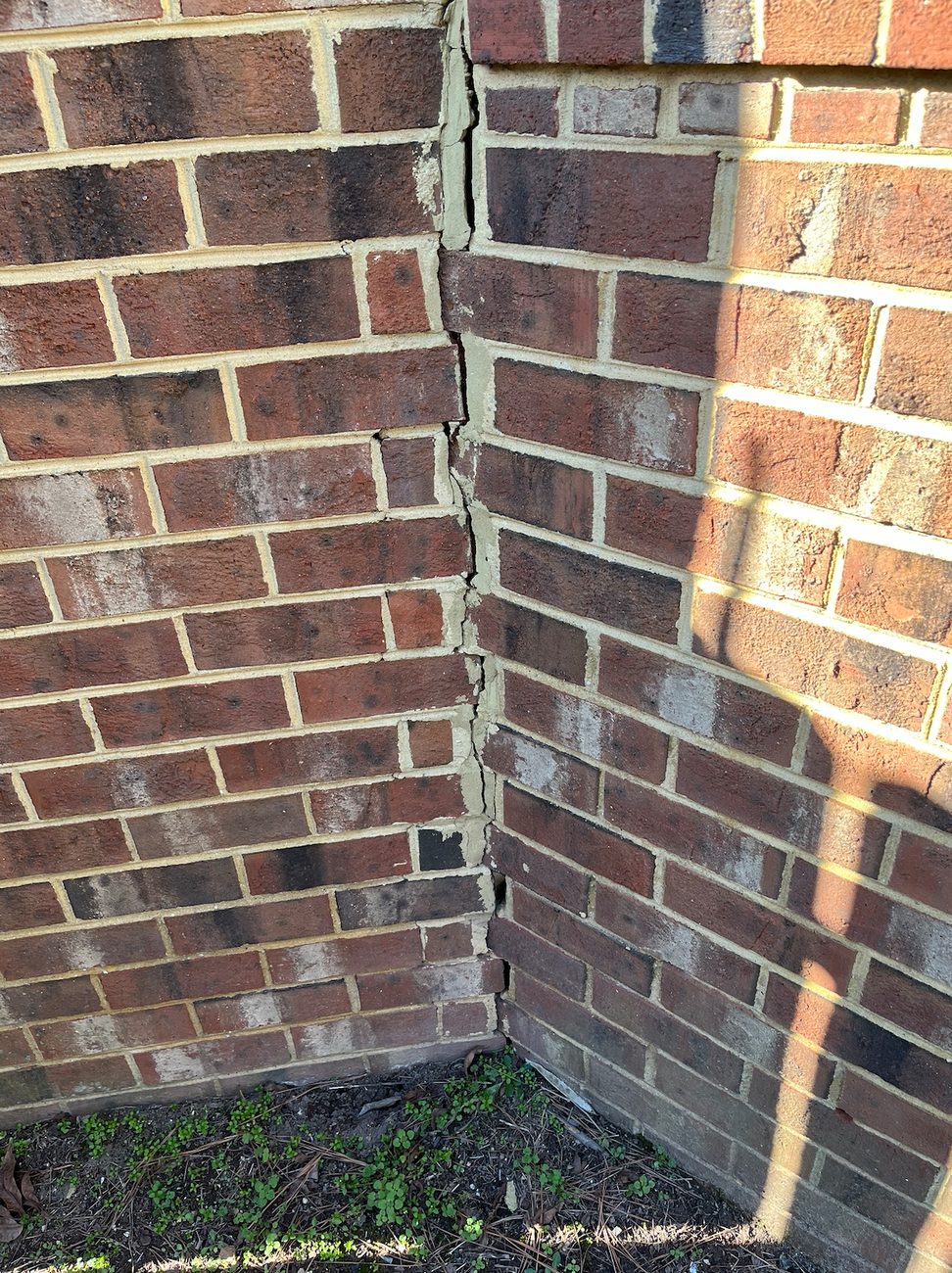
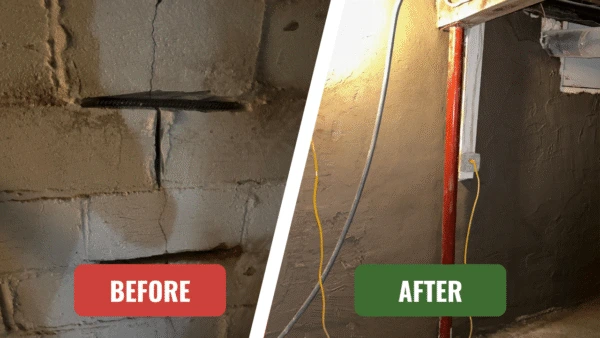
Cracks that climb the mortar joints in steps point to one corner dropping. They run wider at the top or bottom depending which way it is going.
Some of this is cosmetic. A door can stick because the wood swelled, and a hairline crack in mortar can sit for years. What matters is whether it is moving. Two or three showing up together on the same side of the house is the pattern worth a look. That is as true in a Killearn Estates ranch as in an older place near Lafayette Park. If it is nothing, we will say so.
From a crawl space that never dries out, to a slab that has dropped at one corner, to water sitting against a wall after every storm, these are the calls we get across Tallahassee. Tap any service to see what the work involves.
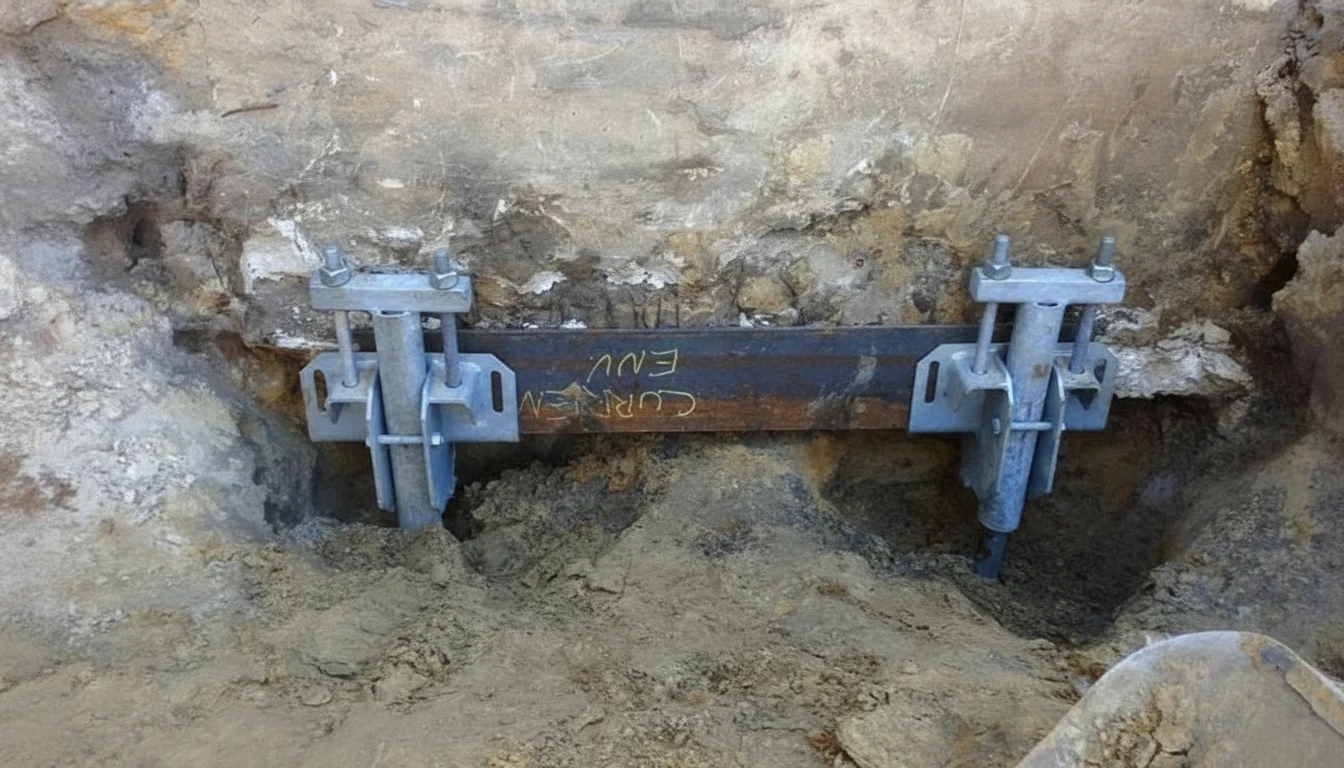
Bringing a settled corner back up and holding it there, once we know what pulled it down in the first place.
Learn moreA crack that climbs the mortar joints in steps, a floor that sits low toward one wall, doors that stopped latching on the same side of the house. On the slopes around Betton Hills the water comes off higher ground and keeps arriving at the same corner, and the ground under that corner gives up its support before the rest of it does.
What we do about it depends on how far it has gone. On a slab, supports go down to soil that will carry the weight and then get loaded to bring the corner back toward level. Under a raised house it is beam work instead, replacing timbers and footings that have rotted or sunk. Where the ground itself is the problem, drainage comes first, because anything set into ground that is still taking on water will move again.
We start by working out which one you have, whether the house sits on piers or on a Killearn Estates slab. That means levels taken through the rooms, a look underneath, and the outside grade checked to see where the water ends up. You get told what is moving, what is only cosmetic, and what the work costs before any of it starts.
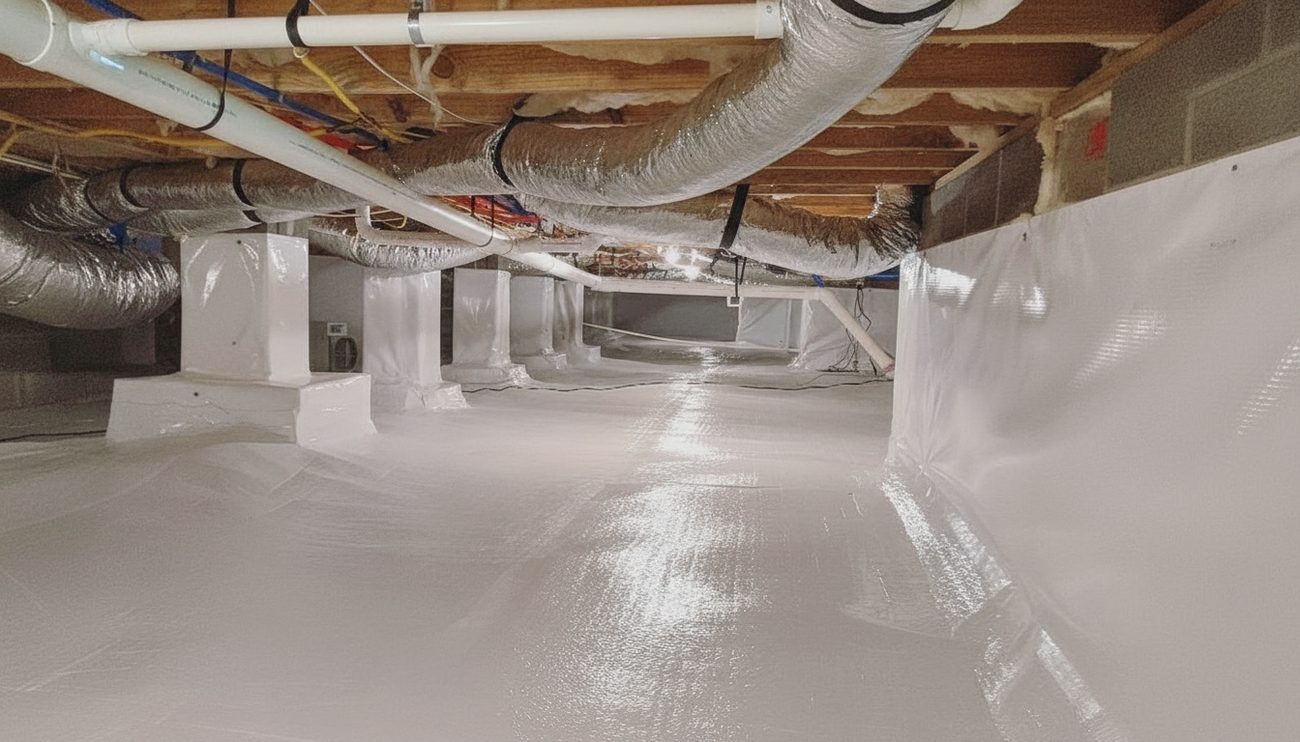
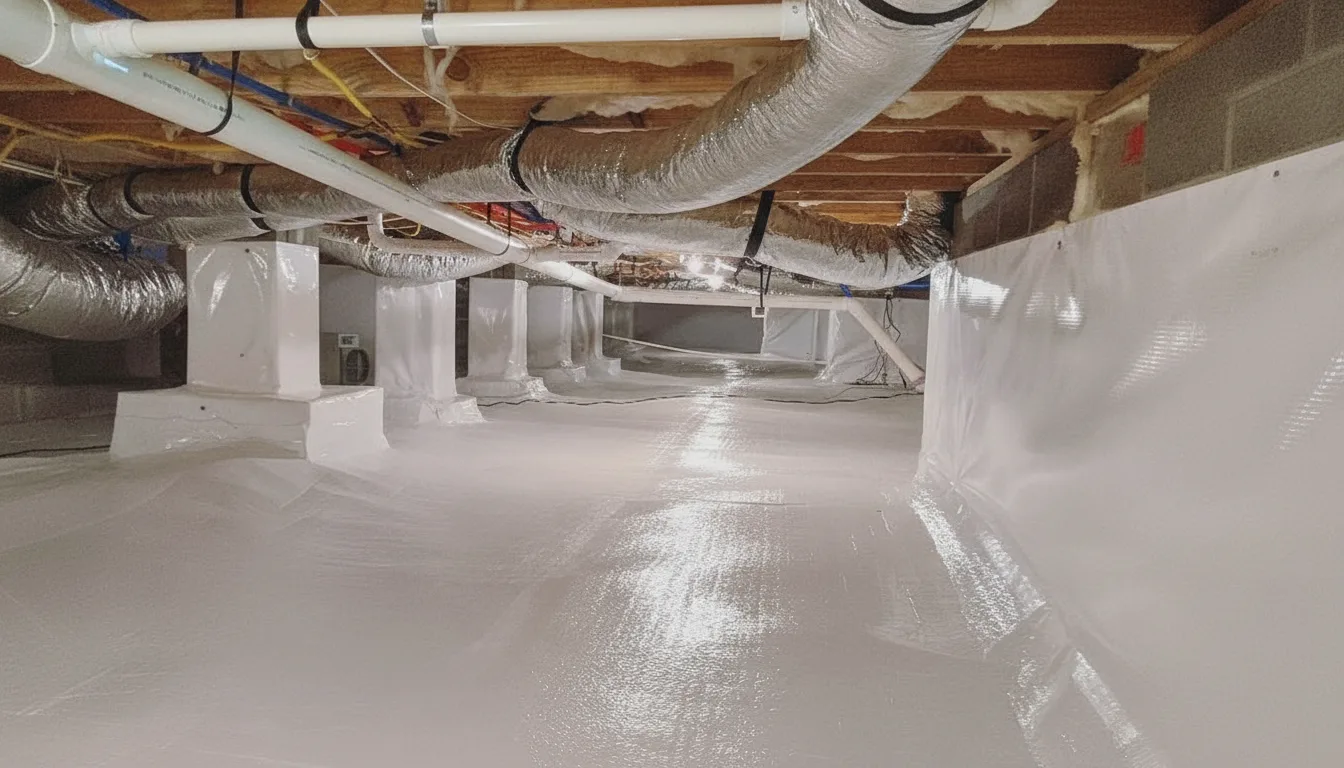
Closing off the open ground under a raised house so the damp stops rising into the rooms and the space finally stays dry.
Learn moreA smell that meets you in the hall, air conditioning that runs and runs without the house ever feeling dry, insulation sagging wet between the joists. More people in Tallahassee call about this than about anything else we do. The ground under a raised house near Lafayette Park is open dirt, and open dirt gives off moisture the whole time. All of it has one way to go, which is up.
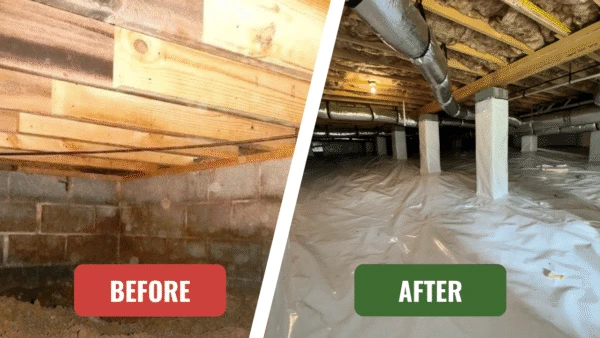
Encapsulation shuts that off. A heavy liner goes across the entire floor, up the piers and up the perimeter walls, taped at every seam and sealed at the top. Vents that were letting warm outside air in get closed. Where the ground is wet enough to pond, a drain and a pump go in underneath the liner first, because sealing over standing water only hides it.
The rooms above it change within a few days. The smell goes, the floors stop feeling cold and damp, and the air conditioning stops working against the crawl space. It also keeps the joists dry, which is the part that matters longest in a Betton Hills house built on piers.
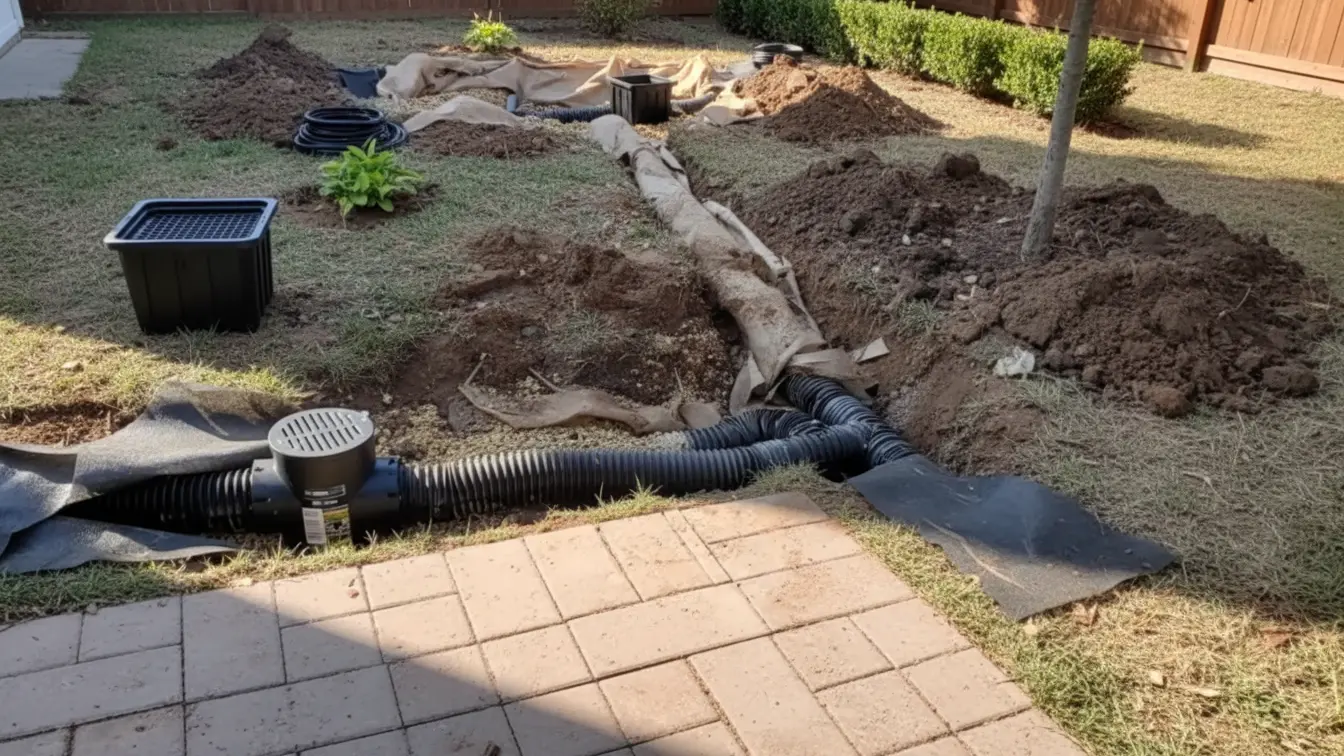
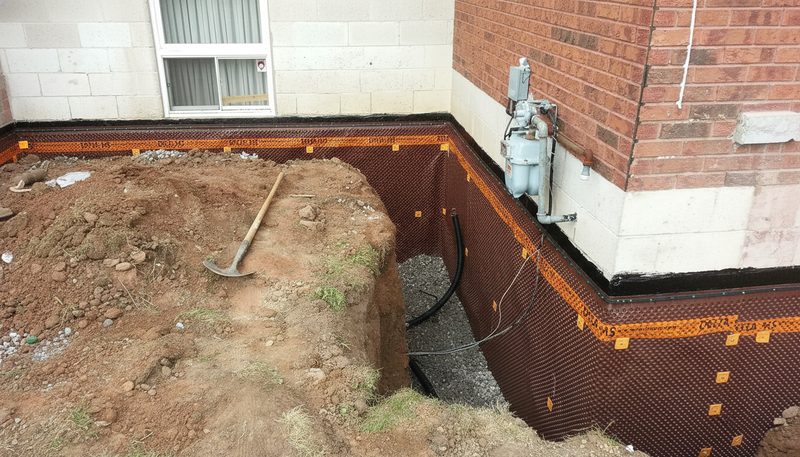
Giving water that comes off higher ground a route around the house instead of a place to sit against the wall.
Learn moreOn a slope the water does not have to fall on your property to become your problem. It runs down from above, reaches the first thing in its way, and stops. That is usually a wall. Through Betton Hills you see it as ground that stays soft on one side of the house for days, or water sitting at the corner where a downspout lets go.
A french drain gives it somewhere else to be. A trench is cut along the side taking the water, lined with fabric, and a perforated pipe is bedded in washed stone so silt cannot pack it solid. It is set at a depth and a fall that carries water away under its own weight, then daylighted well clear of the house, which on the wider Killearn Estates lots is easy enough to do. Downspouts get tied into it rather than left to dump at the corner.
Distance from the wall matters, and so does what the pipe is packed in. Both are the reasons the drains people dig themselves stop working after a couple of years. Done properly this is often the cheapest thing that fixes a foundation problem, because it removes the cause instead of repairing the result.
A unit sized to the space that holds a sealed crawl space at a steady dryness instead of letting it drift back up.
Learn morePeople here search for this more than in any other market we work, and there is a reason. Sealing a crawl space stops the ground from feeding it, but the air already in there still holds moisture, and every time somebody opens a hatch more comes in. In a climate this humid a sealed space can still sit high enough to grow mold on the joists, and we see it in Lafayette Park houses that were sealed properly.
A dedicated unit fixes the level rather than the source. It sits on the liner, drains to the outside or to a pump so nobody has to empty a tray, and runs on a humidistat that only calls for it when the reading climbs. It is sized to the square footage of the crawl space, not guessed at, because a unit that is too small runs constantly and never gets there.
This goes in after encapsulation, not instead of it. Sealing is what removes the water coming out of the ground; the dehumidifier holds what is left at a number that keeps wood dry. Together they are what stops the smell coming back, in Killearn Estates or anywhere else in town.
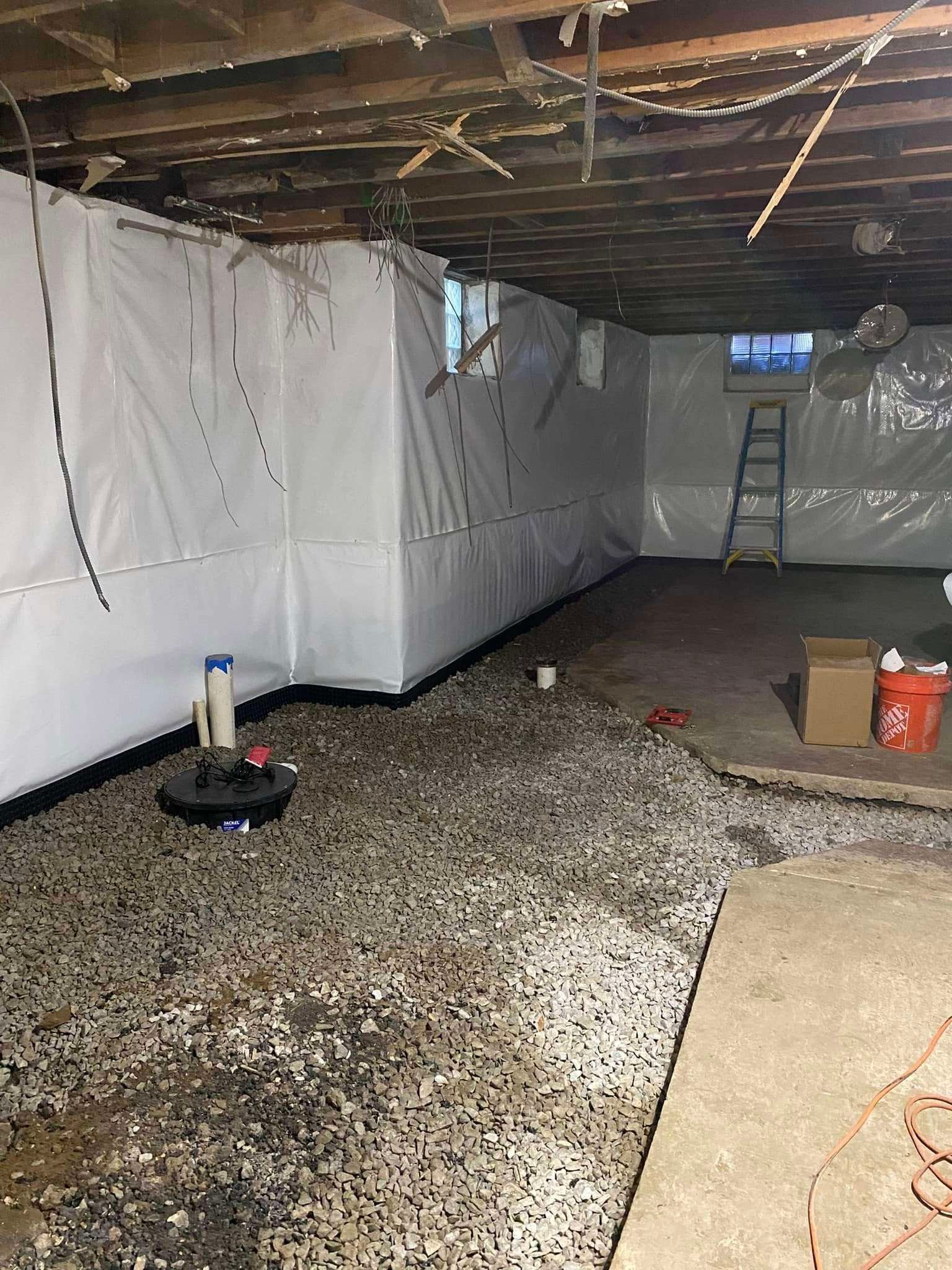
Stops soil moisture coming straight up into the floor, using heavy sheeting laid across the bare ground and up the piers.
Learn moreA vapor barrier covers the dirt floor and nothing else. It is the smaller version of encapsulation, and for a crawl space whose floor is dry but is still giving off moisture it is often all that is needed. The old builder-grade sheeting most Killearn Estates houses got is thin, torn by anyone who has crawled through since, and rarely covers the corners.
New sheeting goes down heavier than what came out, and in the older Betton Hills crawl spaces that means working around low clearance. It is overlapped at the seams and taped, run up the piers far enough that moisture cannot come round the edge. Anything left under there gets cleared first, and any sheeting that is already shot comes out rather than being covered over.
It is worth being honest about where the line is. A barrier handles moisture rising out of the ground, and that is all it handles. It does nothing about humid outside air coming in through open vents, and it does nothing about water that is actually running in from somewhere. If either of those is happening, this is not the job you want, and we will say so on the visit rather than take the work.
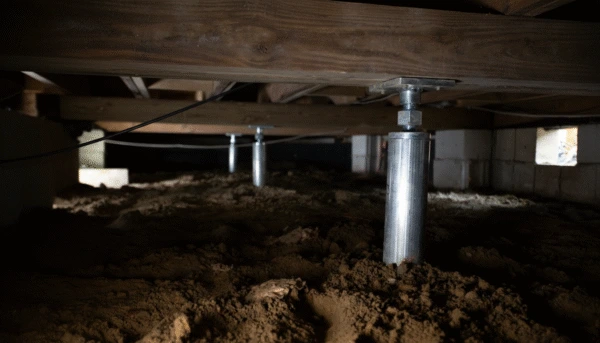
Gets a floor that bounces or slopes back to solid, by repairing the beams, joists and support piers holding it up.
Learn moreA floor that gives when you cross it, or reads downhill toward the middle of a room, is telling you about the structure underneath rather than the flooring. In the Lafayette Park houses on piers the usual causes are a beam that has taken on too much moisture over the years, a joist gone soft at the end where it sits, or a support pier that has settled into ground that got wet.
The work is straightforward once it has been looked at. Rotted joist ends are sistered or replaced, a sagging beam is picked up on new posts set on proper footings, and piers that have dropped get rebuilt on ground that will hold. Where a floor has to come back up it is jacked slowly over several visits rather than forced in one go, because forcing it cracks everything above.
It is worth dealing with the water at the same time. Wood under a house only rots because it stays damp, so repairing the timber without sorting out why it got wet puts you back here in a few years. Most of the time that means drainage outside, which on the Killearn Estates slopes is where it starts.
Queen Foundation Repair handles the two things that go wrong under a Tallahassee house: water arriving from higher ground, and damp that never leaves the crawl space. We are a leading provider of foundation work across the Tallahassee area, covering crawl space encapsulation, foundation repair, french drain installation and crawl space dehumidifiers.
Most of what we get called to started quietly. A door on one side that stopped closing right, a floor that gave a little in the same spot, windows running with condensation on a humid morning. Left alone those get dearer, because the water behind them keeps arriving.
So we look before we quote. From Killearn Estates down to Lafayette Park, someone comes out, goes over the property inside and underneath, and tells you in plain words what is happening and what putting it right involves. The price is in writing before any work starts. If what you have is cosmetic, we will say so rather than sell you a repair you do not need.
The houses we work on here range from old ones on brick piers to slab homes built from the sixties on. You can see everything Queen Foundation Repair does across Florida. Licensed and insured, the warranty moves with the house if you sell, and looking costs you nothing.
Get your free inspection
WHAT YOU GET
We pick up quickly and get out to the property fast, so you're not waiting weeks to learn what's wrong and what it costs.
No charge for us to come out, work out what's happening, and lay out what the fix involves. You know where you stand before deciding.
Licensed, with full liability and workers' comp cover, so the work meets code and your property is protected if anything goes wrong.
Every repair carries a written warranty that passes to the next owner, so it protects the value of the house if you sell.
A clear written price before anything starts. No vague ballpark, and nothing new appearing once a crew is already on the job.
This is hill country by Florida standards, and water runs downhill into crawl spaces and against walls. We are under these houses every week.
COMMON QUESTIONS
The questions Tallahassee homeowners actually search for, answered straight. Prices are ranges because the real number depends on your house, and we would rather give you a range than a number we cannot stand behind.
Cost
Most jobs in Florida land between $2,000 and $12,000. A few piers under one settled corner sits at the low end. A slab job usually runs $5,000 to $15,000, and underpinning a whole house goes past $25,000. What yours costs depends on how many supports it needs and how easy they are to reach, which is what the free visit is for.
Encapsulation generally runs $3,000 to $8,000, or about $3 to $7 per square foot, so the size of the crawl space sets most of the price. A dehumidifier on top adds to that. If there is standing water to drain first, or old sheeting and debris to clear out, both add to the day count and the price.
Say so and we will tell you what actually buys time. Often that is drainage: getting the water away from the wall costs a fraction of the structural work and slows everything down. We can also stage a job, doing the corner that is moving now and leaving the rest. What we will not do is pretend a small problem is an emergency.
Insurance
Usually not. Settlement, earth movement, soil washout and poor drainage are excluded as standard, and those are most of what we get called about. The exception is sudden accidental discharge from a plumbing failure, where a leak has washed material out from under the slab. That is often a claim even though the settling itself would not be.
Encapsulation and vapor barriers are treated as maintenance, so they are not covered. Rot or mold that came from a sudden plumbing failure sometimes is. Gradual moisture almost never is, because insurers read it as something that built up over years rather than an event. Check your declarations page rather than assuming either way.
Do not guess at a cause on the phone. Saying a problem has been there for years, or naming drainage as the reason, can close a claim before anyone looks at it. Describe what you can see and when you noticed it, and let the adjuster and any report establish why. Say what you know, not what you suspect.
Selling Your Home
Yes. Florida is a disclosure state under Johnson v. Davis, which means a seller must disclose known facts that materially affect value and are not readily observable. Known foundation damage qualifies. Florida law also requires disclosing a sinkhole claim that was made and paid on the property.
Repaired and documented is easier to sell than unrepaired and disclosed. Buyers price in the unknown, and an open problem invites a bigger deduction than the repair would have cost. A written warranty that transfers to the new owner answers the question the buyer is actually asking, which is whether it will come back.
Not for most repairs. A buyer, a lender or an insurer sometimes asks for one, and if yours does you should get it from an independent structural engineer rather than from a contractor. Our inspection tells you what is happening and what it costs to fix. It is not a substitute for a stamped report.
Cracks
It depends on whether the crack has stopped moving. One that opened once and has stayed the same width can be injected from inside and that is the end of it. One that is still widening will open again next to whatever you put in it, so the movement has to be dealt with first. Where water is coming through, the outside face gets treated as well.
A stable hairline crack can sit for years and do nothing. A crack that is still opening lets water in, and that speeds it up rather than settling it down. The cost of the repair usually tracks how far it has gone, which is the argument for looking early.
Movement in more than one place, on the same side of the house. Stepped cracks in brick, a floor sitting low toward one wall, doors and windows going out of square together, and a gap opening where the floor meets the baseboard. One of those alone is often nothing. Three of them lined up is a pattern.
Water & Drainage
It matters more here than in most of Florida. There is around a hundred and forty feet between the low ground and the high ground in this city, so rain does not sit where it lands, it travels. If your house is downhill of your neighbors you are receiving their water as well as your own, and it stops at the first wall in its way.
Far enough out that it intercepts water before it reaches the wall, and deep enough that it sits below where the water is travelling. Too close and too shallow is the usual fault with a drain somebody dug themselves. Where exactly depends on the fall of your ground, which is why it gets walked before it gets quoted.
A properly built one lasts decades. The ones that fail early fail because silt got into the pipe, which happens when the trench was not lined with fabric or the pipe was bedded in dirt instead of washed stone. A drain that has packed solid can sometimes be jetted clear, but often it is cheaper to rebuild it correctly.
Crawl Spaces
Because the air conditioning is working on the rooms, not on the ground under them. An open crawl space has bare dirt giving off moisture the whole time, and open vents let humid outside air in on top of that. The system pulls some of it out upstairs, but it never gets ahead of what is coming up from below.
Drying it out treats the symptom. A fan or a dehumidifier in an unsealed crawl space is pulling against ground that keeps producing moisture and vents that keep letting more in, so it runs constantly and never wins. Sealing removes the source, and a dehumidifier afterwards holds what is left. That order is what makes it stick.
Almost never. Florida building puts the house on a poured slab at ground level, with crawl spaces under the older raised houses, and the water table makes residential basements impractical statewide. If somebody is selling you basement waterproofing here, ask what they are actually looking at, because it is far more likely a crawl space.
WHERE WE WORK
We cover Tallahassee and the rest of Leon County, and the crews run out into the surrounding counties as far as Crawfordville, Monticello and Quincy. Most weeks the work is inside the city, where the older streets sit on piers and the newer ones sit on slab. The neighborhoods and ZIP codes we get called to most often are listed below.
ZIP CODES WE COVER
Ready to Get Started?
No obligation, fast and easy.
We appreciate you reaching out.
One of our team members will be with you shortly.