A crack you keep checking to see if it has grown, doors that have started to stick, a gap opening where the brick meets the slab. From Midtown out to Maple Ridge we handle foundation repair, basement waterproofing and crawl space repair, and the inspection is free.
Get Your Free Inspection
We appreciate you reaching out.
One of our team members will be with you shortly.





WHAT TO LOOK FOR
Oklahoma ground does two opposite things in the same year. It shrinks away from the footing in a dry spell and swells back against it when the rain returns. Most of what we get called to is a house that has been riding that.
Watch whether it changes
The one you look at every few months to see if it has grown. Width matters less than whether it is wider than it was last year.
One corner has settled
The crack climbs the mortar joints in a staircase up the outside wall. It means one part of the footing has dropped further than the rest.
The opening went out of square
It closed fine last year and now it needs a shove, or the gap runs wider at one end. The frame has moved with the floor under it.
Support underneath gave way
One spot gives when you cross it, or a doorway has a lip in it. Something below has stopped carrying its share of the weight.
The clay pulled back
A separation opening where the brick meets the concrete, usually widest in late summer. That is the shrink half of the cycle.
The ground is holding water
Wet dirt under the house days after the rain stopped. Clay drains slowly, so what gets under there tends to stay a while.
On this ground a house moves a little every year, so the useful question is not whether it has moved but whether it came back. A door that binds in one season and frees up in another is doing what houses here do. A door that never freed up again is not. If you cannot remember which yours did, that is worth a look, and someone will come out and tell you at no cost.
A slab that has cracked through, doors that stopped closing right, floors you can feel dip as you cross them. Those are the calls we take across Tulsa. Open any service below to see what the repair actually involves.
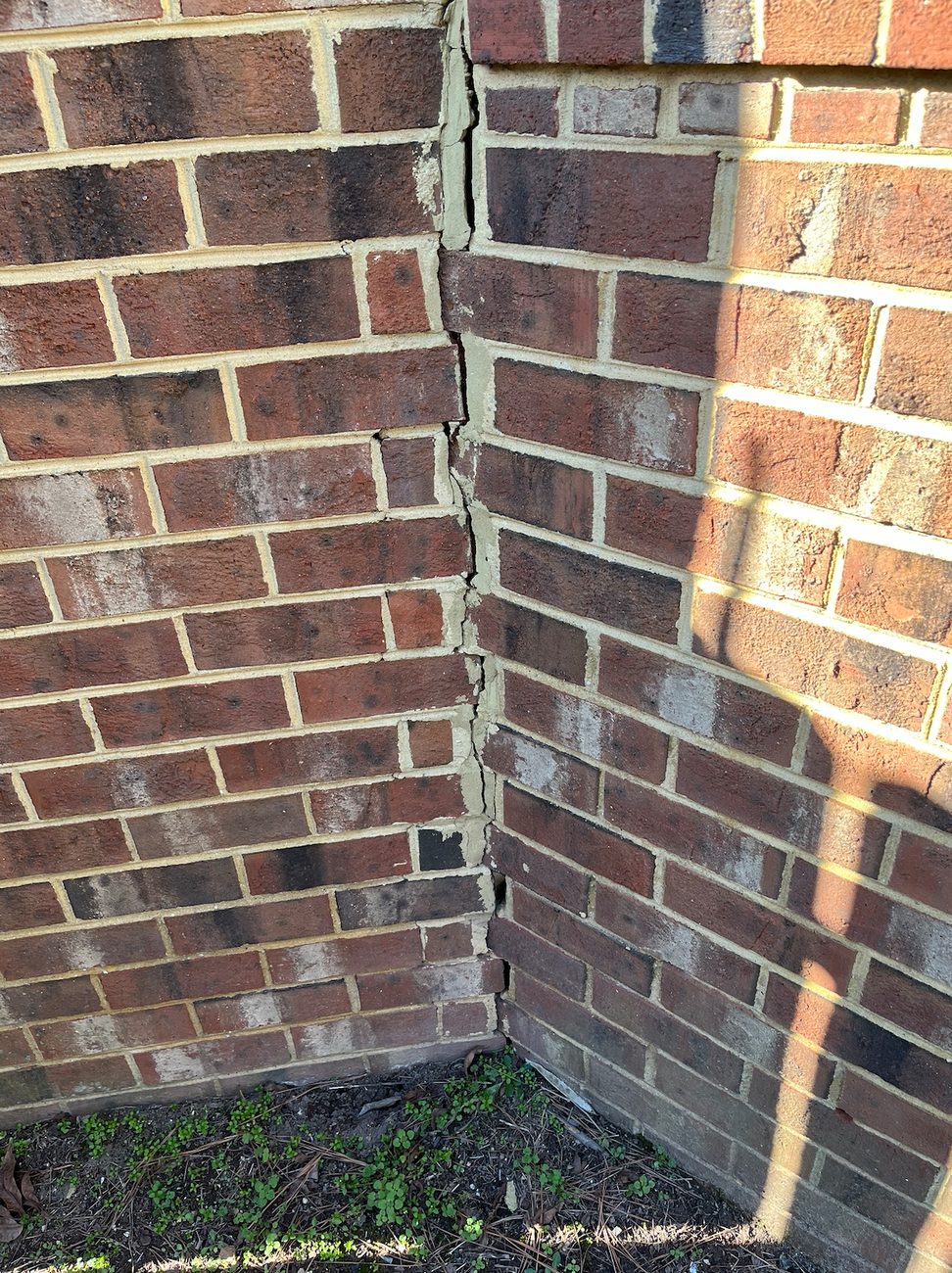
Stops a house that has settled from dropping further, brings it back toward level, and closes the cracks the movement opened up.
Learn moreThe ground here does not sit still. In Midtown a slab can be resting on clay that pulled back through a dry August and pushed again when the rain returned, and the footing rides every bit of that until something gives.
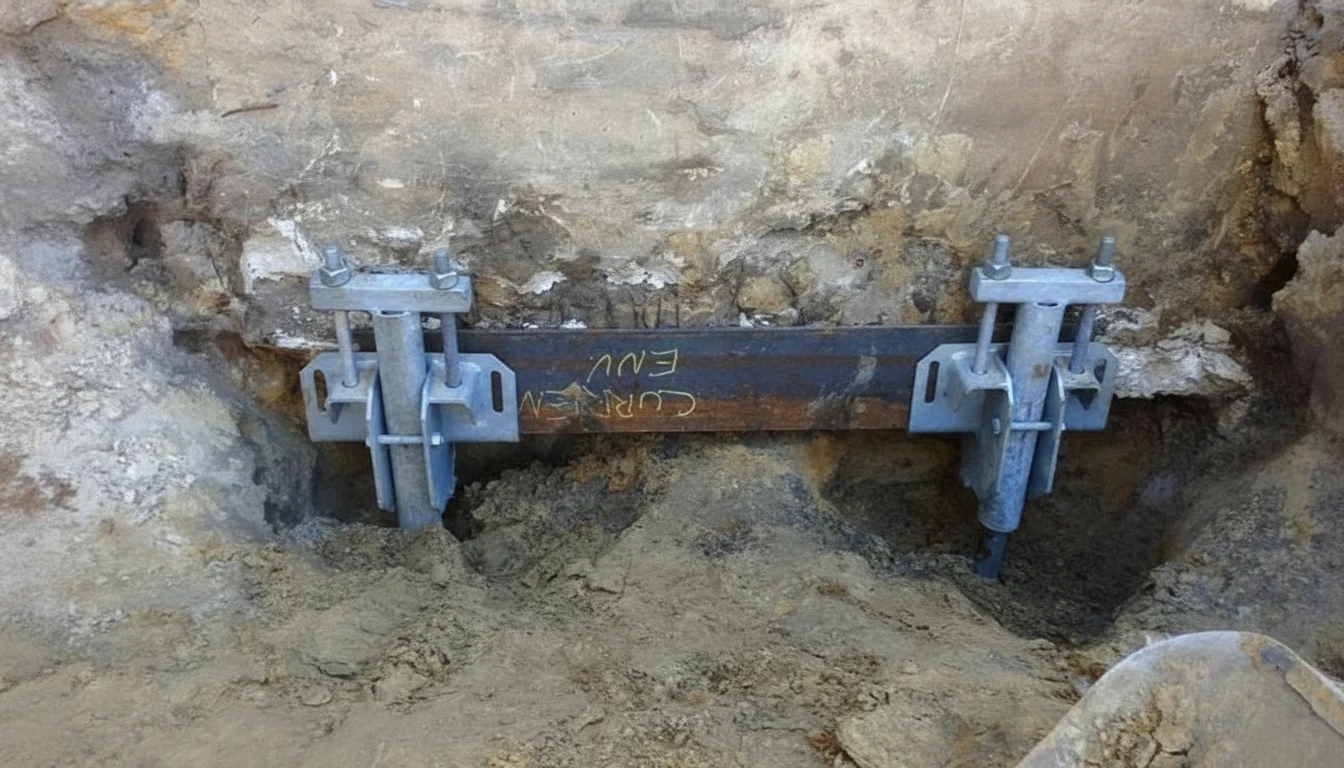
Foundation repair puts the load somewhere the weather cannot reach. Piers are driven or turned down through the active zone until they meet material that stays put, and brackets transfer the weight of the house onto them. From there the structure comes back toward level in stages, watched as it goes, so the drywall and the brick move with it instead of tearing. Foundation settlement repair is measured work, not a single lift, and how much recovery is possible depends on how long it has been cycling.
What piers do not do is stop the ground moving. They take the house out of the argument rather than settling it. That is why the drainage and the watering get talked about in the same visit. In Brookside that has meant piers along one side and a soaker line on the other. The inspection is free.
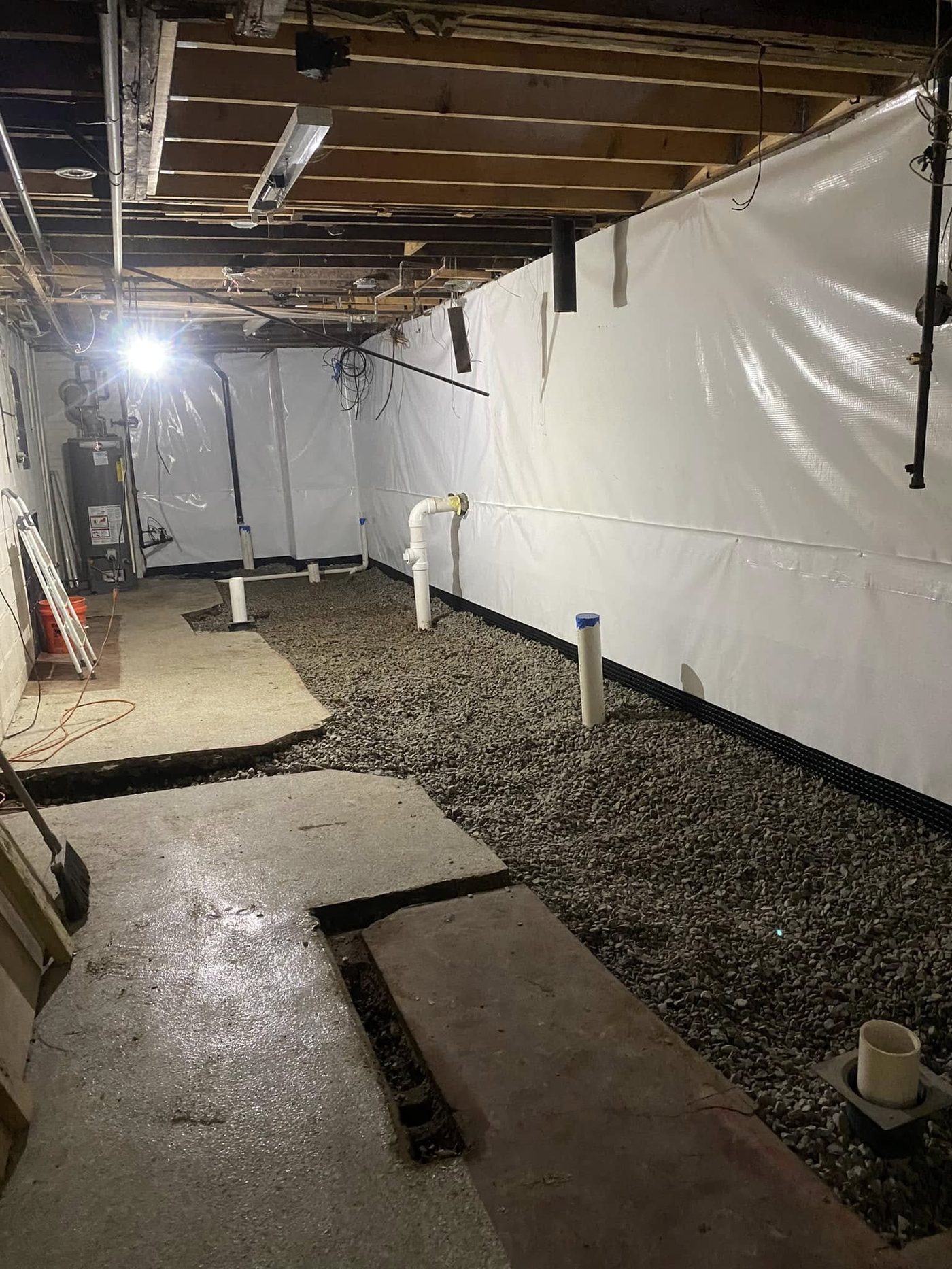
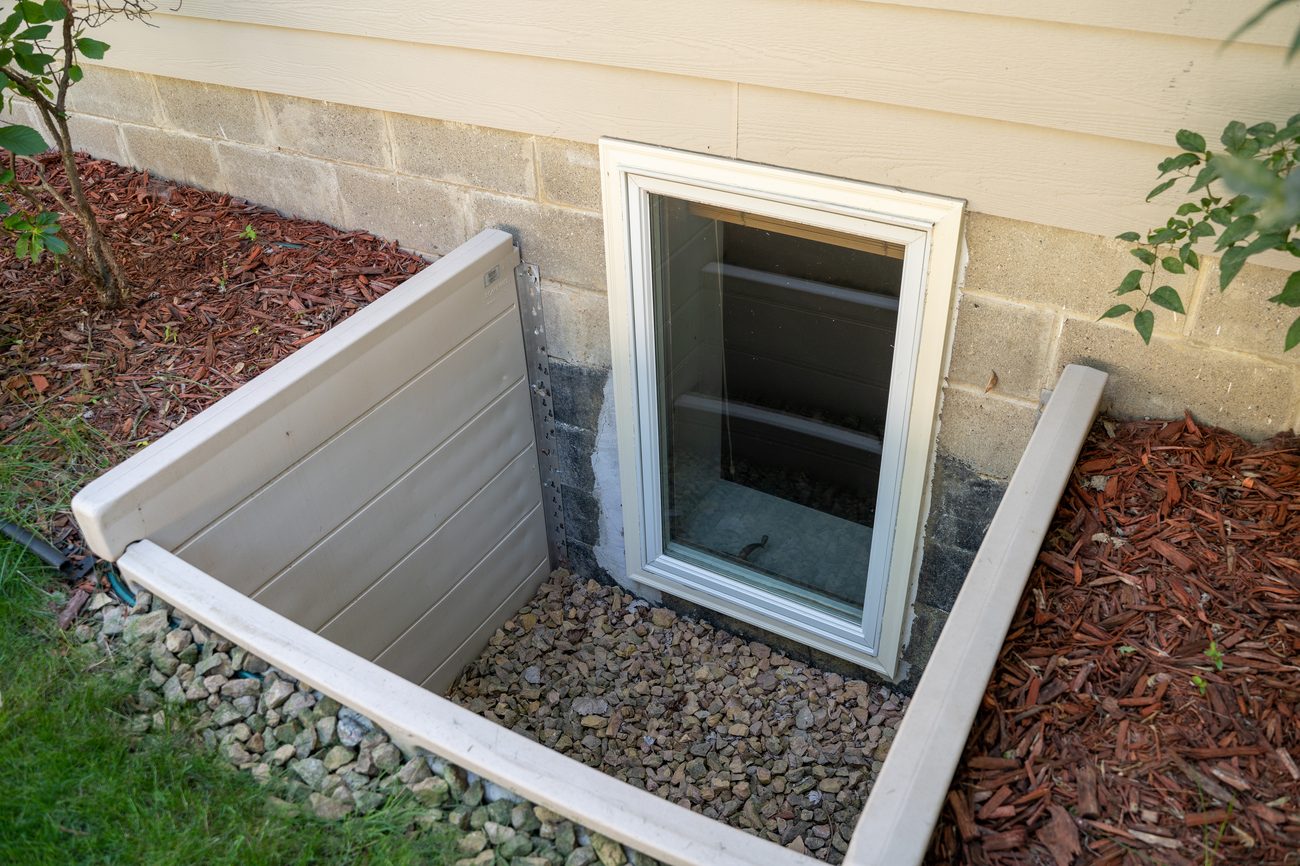
Stops water getting into the basement, and keeps the ground around the footing from swinging between soaked and bone dry.
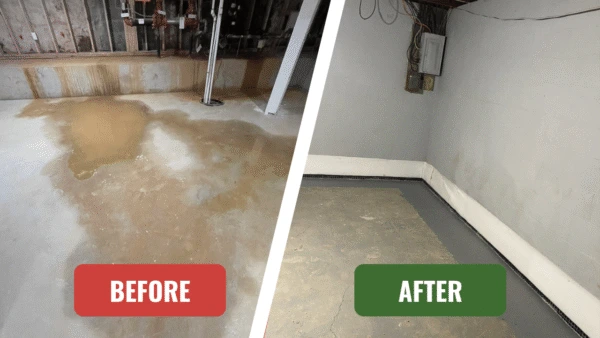
Learn moreNot every house in Tulsa has a basement, but the ones that do tend to have the same trouble: water arriving at the bottom of the wall after a heavy storm, or a floor that stays damp long after the rain has gone. In Maple Ridge it is the older ones we hear from most. Both are pressure, and pressure does not care how new the sealer on the wall is.
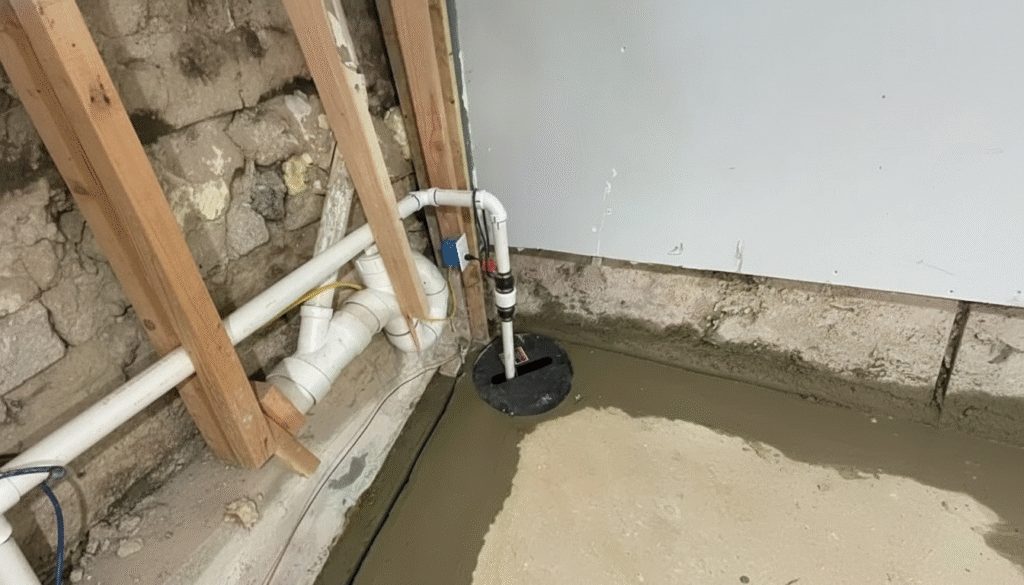
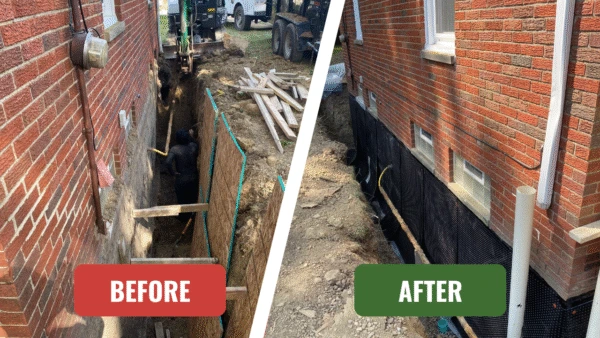
The work starts outside, because that is where most of it is decided. Grading gets corrected and downspouts are carried well away, so storm water stops dumping at one corner of the house. Below that, drain tile in washed stone picks up what is moving through the ground and takes it to a discharge point clear of the foundation. Inside, an interior drain and a pump handle what still gets past. On a wall that is genuinely passing water, a membrane goes on the outside face as well.
What it will not do is lift a footing that has already dropped, and it does not fix a gutter that overflows in the same spot every storm. In Riverview the gutters turned out to be most of it.
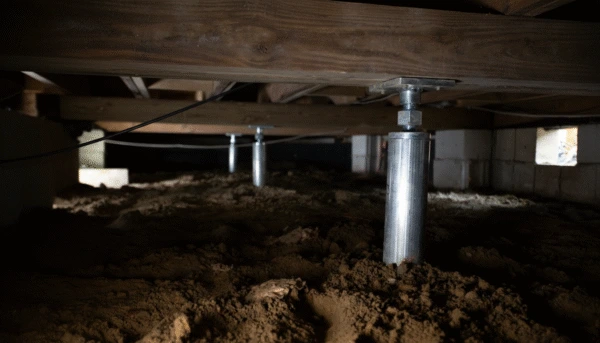
Rebuilds failed piers, sagging girders and rotted joists, so the floor above you stops giving way when you walk across it.
Learn moreA floor that gives is telling you the support below has stopped doing its job. Under an older house in Swan Lake that is usually original piers that have settled into ground which keeps changing volume, and a girder that has been damp long enough to soften at the bearing ends.
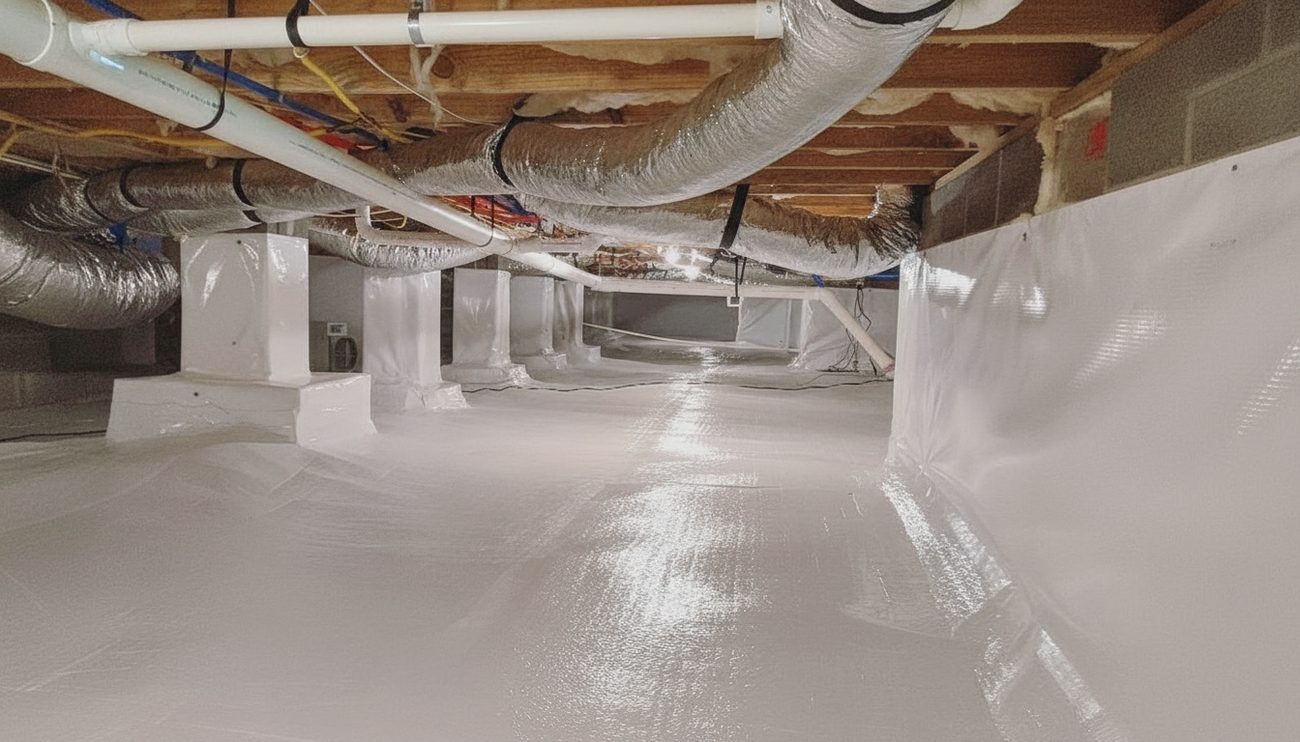
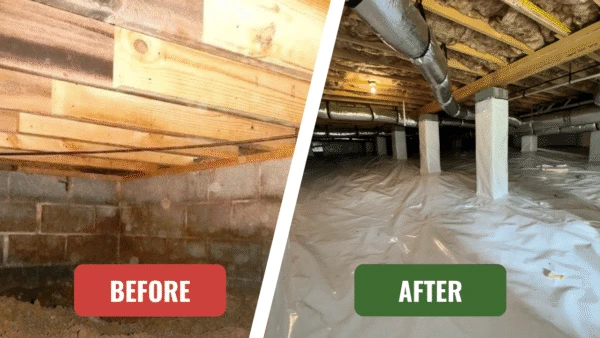
Crawl space repair works upward from the ground. Failed piers are rebuilt on footings sized for what is under them rather than dropped on the dirt, adjustable steel columns go in where a girder needs support it never had, and joists that have lost strength are sistered or replaced outright. Anything bearing on the ground gets a poured pad beneath it, because timber or steel set straight on the dirt finds its way down into it within a few seasons. The floor comes back gradually so the finishes above do not crack. Where a girder has been damp for years the ends fail before the span does, so the work usually concentrates at the bearings.
None of it holds if the space stays wet, so the moisture side is part of the same plan. In Florence Park the drainage came first. Having it looked at costs you nothing.
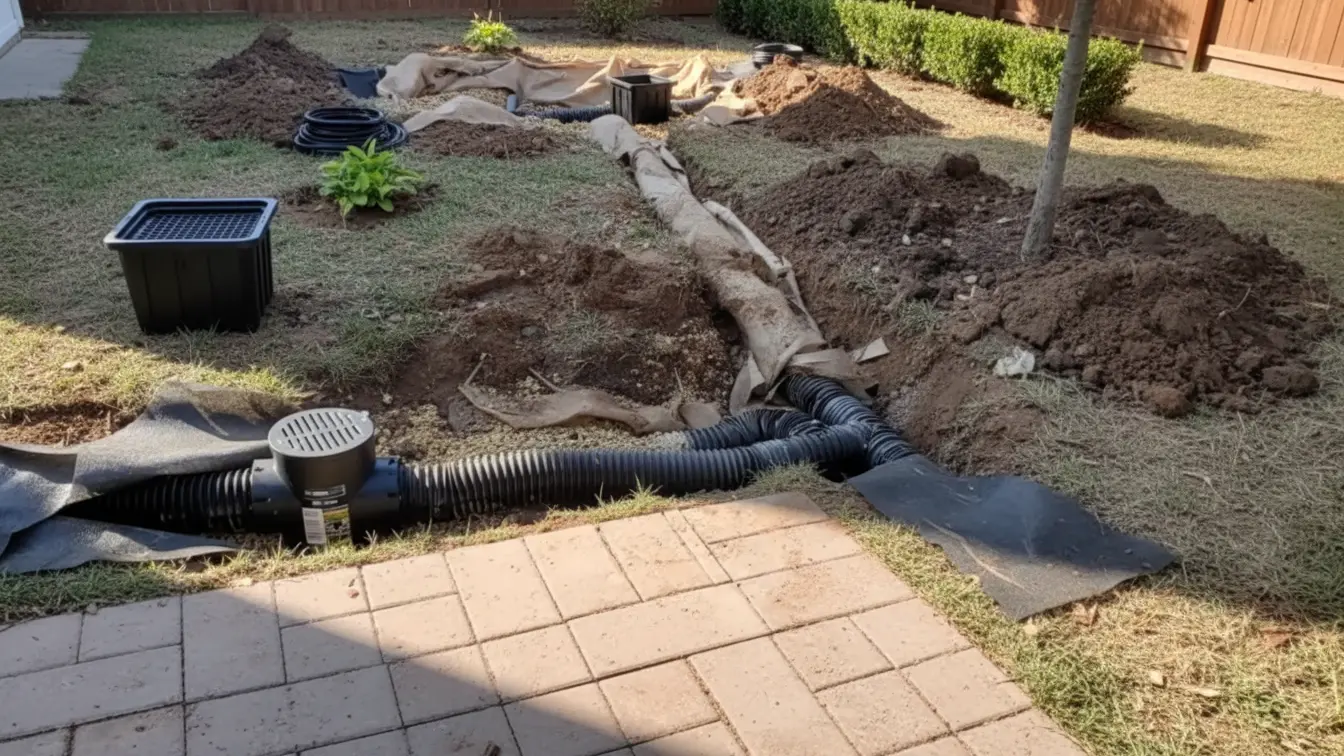
Catches water crossing the yard and routes it somewhere else, so it stops arriving at the foundation every time it storms.
Learn moreThe ground does not take water in quickly here, so when a storm arrives most of it travels across the surface rather than soaking down. On a lot in Renaissance that means everything off the roof and the drive heads for whichever corner is lowest, and that corner is often the house.
A french drain installation is a trench, a bed of washed stone and perforated pipe wrapped so fines cannot silt it up, laid on whatever fall the site allows. It collects water moving through the top of the ground and carries it to daylight or to a basin and pump where there is no outlet. Exterior yard drainage is the cheapest place to solve a water problem, because it is the furthest upstream you can reach it. Cleanouts go in at the turns, since a line nobody can flush gets dug up again.
A drain will not even out ground that is dry on one side of the house and soaked on the other. That takes watering as well. In Kendall-Whittier it took both. The visit to work that out costs nothing.
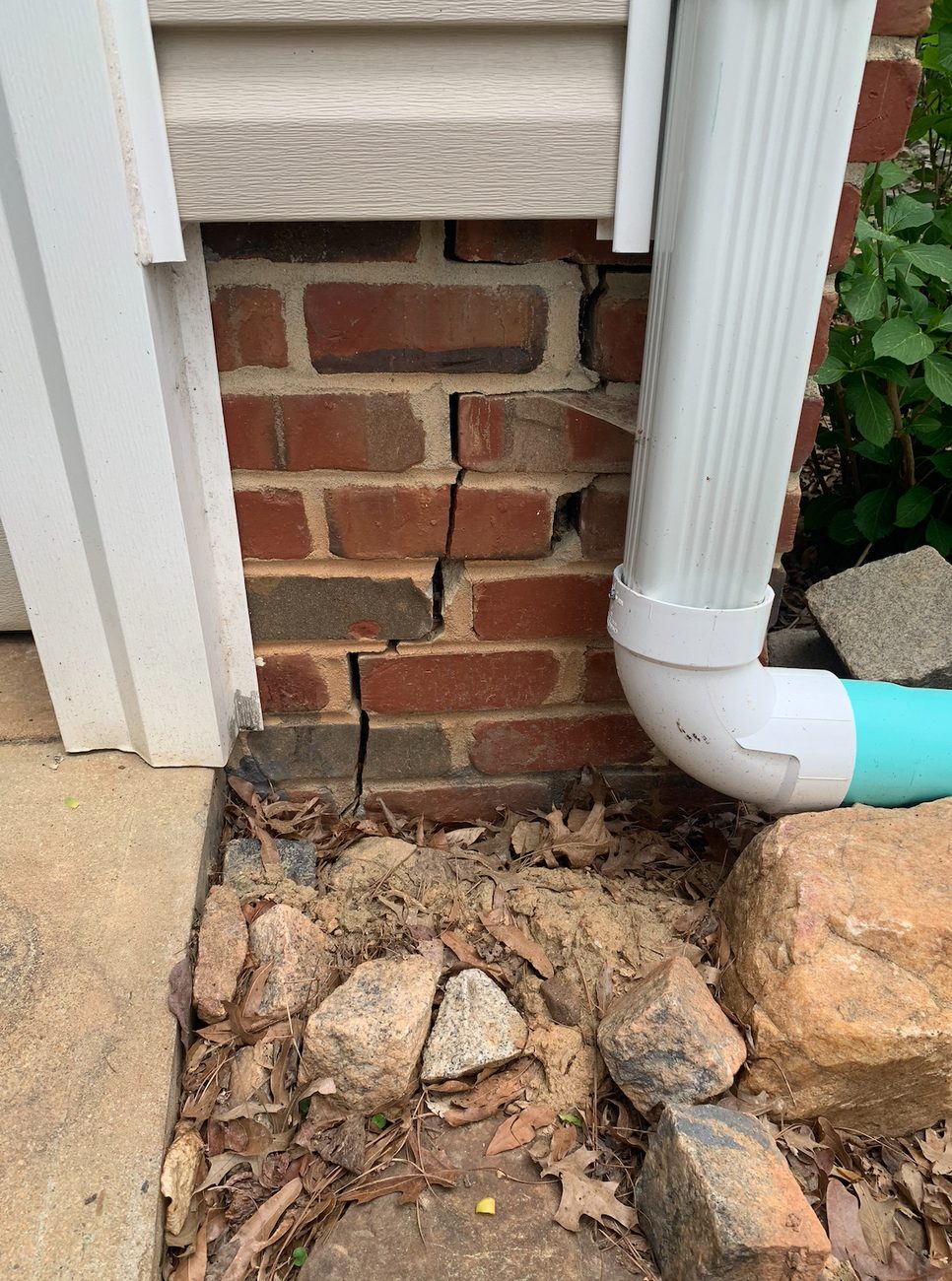
Seals cracks through the full depth of the wall rather than skimming the surface, and reinforces masonry so it stops opening again.
Learn moreMore people call us about a crack than about anything else, and a fair share of those cracks are not doing anything. A thin vertical line in a poured wall in Cherry Street is usually shrinkage from the concrete curing, and it can sit unchanged for twenty years.
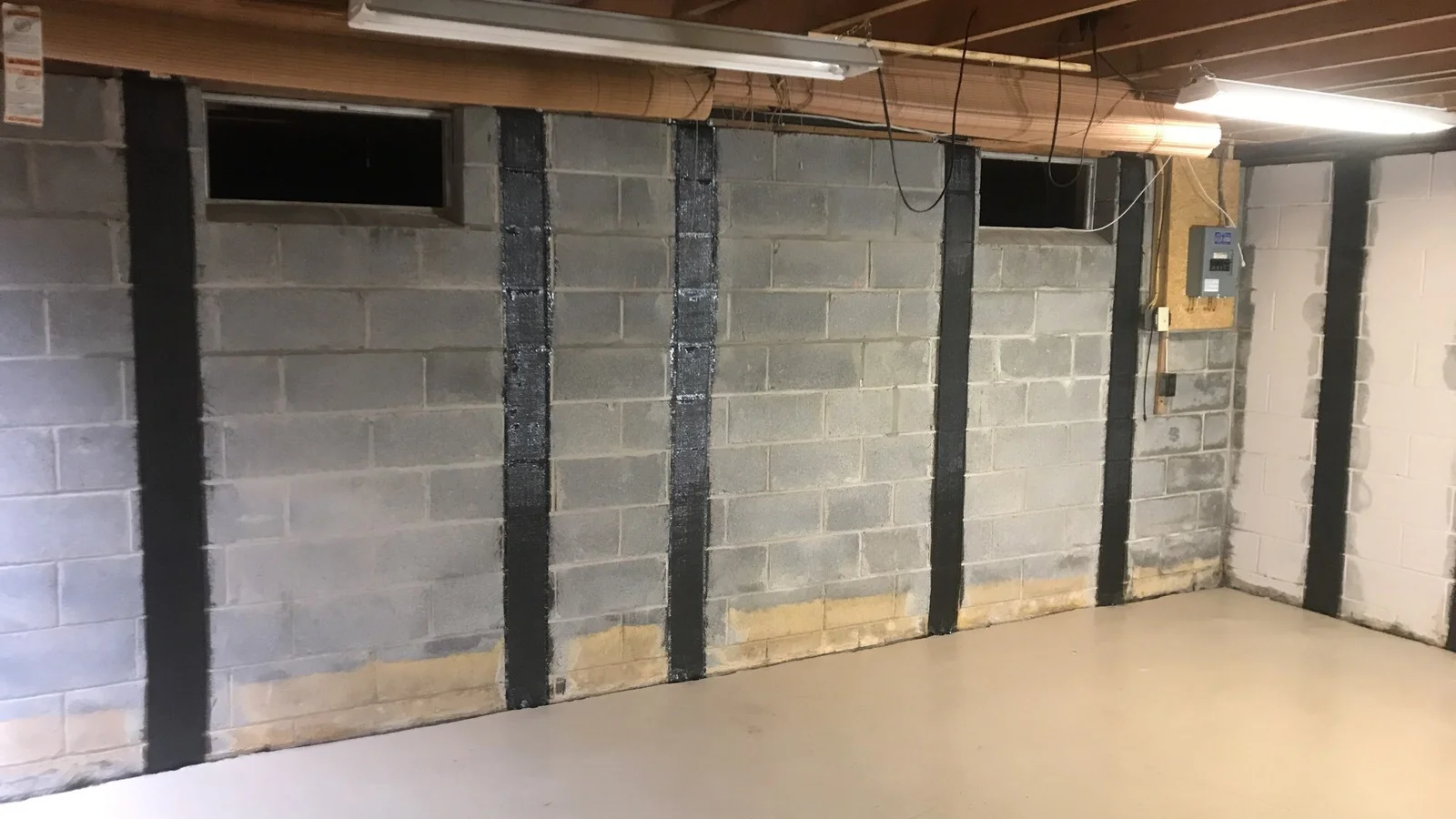
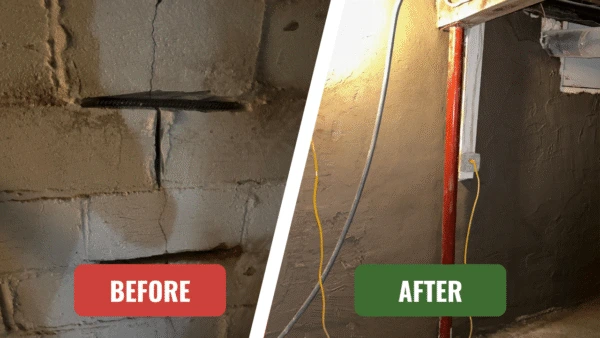
Foundation crack repair treats the ones that matter by injecting resin under pressure so the material fills the crack through its whole depth and bonds both faces together, rather than sitting in the first half inch the way a surface patch does. Block and brick work differently, since the crack follows the joints, so the repair is closing it and adding reinforcement across it so the wall stops flexing at that line. Which one applies is decided by looking, not from a photograph. On a crack that leaks, the injection is carried right through to the outside face so no void is left for water to sit in.
Injection cannot hold a wall that is still being pushed, or close a crack that keeps widening because the ground under it is still moving. In Patrick Henry we have told people to wait and watch instead.
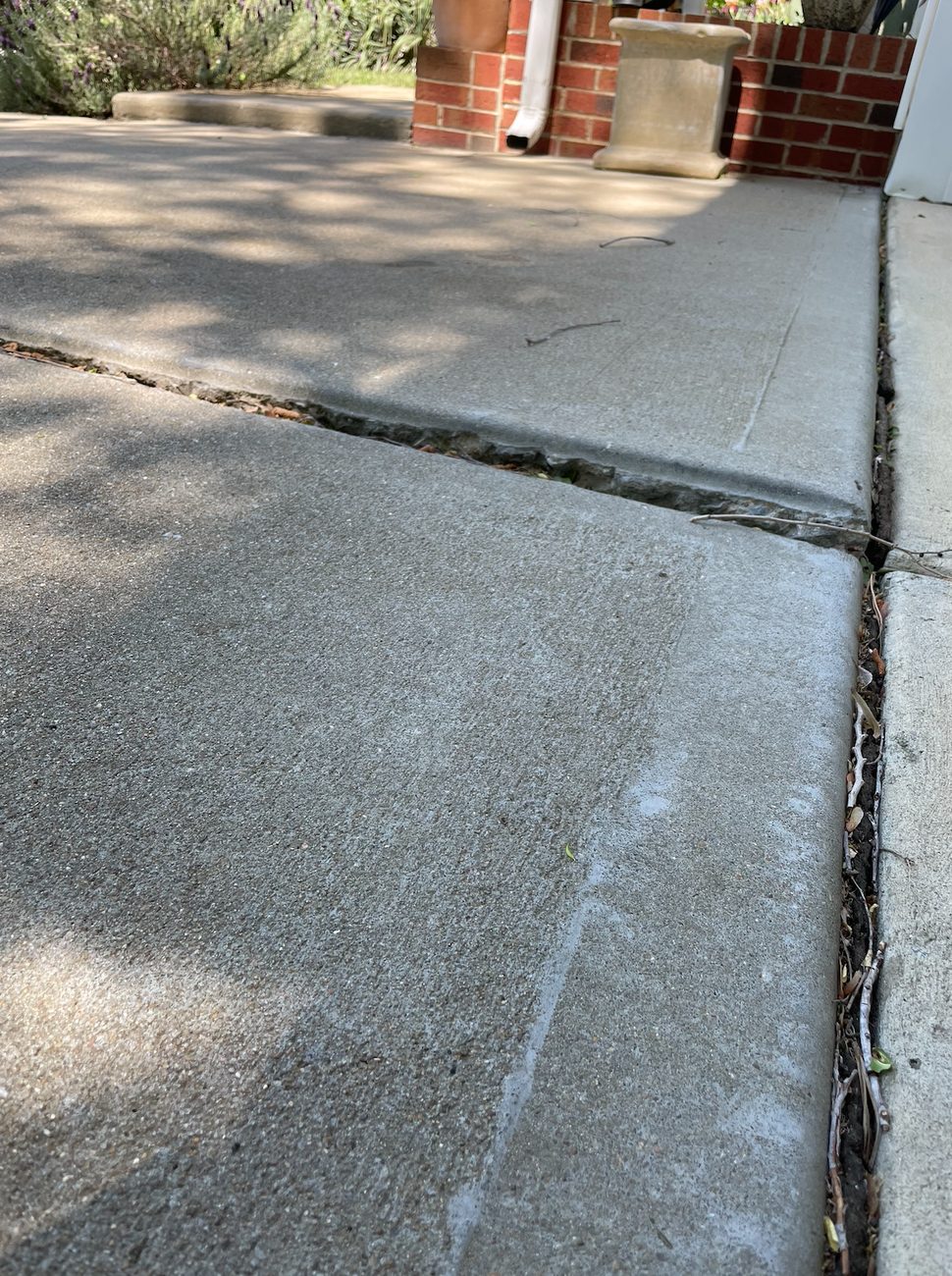
Raises sunken drives, walks and patios back to level by filling the void underneath, without tearing out the concrete you have.
Learn moreFlatwork moves here for the same reason footings do, only faster, because there is less weight holding it down. A drive in Ranch Acres that has tipped back toward the house is then delivering storm water to the foundation, which turns a cosmetic problem into a structural one.
Concrete leveling lifts it without replacement. Small holes are drilled through the slab and material is pumped underneath, filling the void first and then raising the concrete in controlled stages while it is watched with a level. Polyurethane foam is light and sets in minutes, so a drive can be used the same day, and its weight does not add to the load the ground is already carrying. Slab jacking costs a fraction of tear-out and keeps the concrete already in place. Material goes in as a series of small lifts rather than all at once, so the slab rises evenly instead of cracking across the middle.
It will not save a slab broken into pieces, and a slab that dropped once drops again if the ground under it keeps cycling. In Lortondale the drainage came first. We come out and look before anyone quotes.
Queen Foundation Repair handles the thing that goes wrong under most Tulsa houses: clay that shrinks away from the footing in a dry spell and swells back against it when the rain comes. We are a leading provider of foundation work across the city, covering foundation repair, basement waterproofing, crawl space repair and concrete leveling.
Most of what we get called to started small. A crack somebody has been watching for a couple of years, a door that stopped closing right one summer, a floor that gives in one spot. Left alone those get dearer, because the ground keeps working on them season after season.
So we look before we quote. From Midtown across to Maple Ridge, someone comes out, goes over the property inside and underneath, and tells you plainly what is happening and what putting it right involves. The price is in writing before work starts. If it is cosmetic, we will say so rather than sell you a repair you do not need.
Plenty of the cracks we get called about turn out to need nothing at all, and we would rather tell you that than take the job. You can see everything Queen Foundation Repair does across Oklahoma. Licensed and insured, the warranty moves with the house if you sell, and the estimate is free.
Get your free inspection
WHAT YOU GET
We pick up quickly and get out to the property fast, so you're not waiting weeks to learn what's wrong and what it costs.
No charge for us to come out, work out what's happening, and lay out what the fix involves. You know where you stand before deciding.
Licensed, with full liability and workers' comp cover, so the work meets code and your property is protected if anything goes wrong.
Every repair carries a written warranty that passes to the next owner, so it protects the value of the house if you sell.
A clear written price before anything starts. No vague ballpark, and nothing new appearing once a crew is already on the job.
From the older streets around Brookside to the slab houses out past Ranch Acres, we are under these homes every week.
COMMON QUESTIONS
The questions we get asked most in Tulsa, from Midtown out to Maple Ridge, and the honest answers to them. Prices are given as ranges, because on this ground the real number depends on how far things have moved.
Should I Worry About This Crack
When it changes. A crack that has looked the same for years is history rather than a problem. One that is wider than it was last summer, or that has started letting light or water through, is active. Take a photo with a ruler beside it and look again in six months. That single habit answers the question better than any opinion, including ours. It costs nothing and it turns a worry into a measurement.
Direction and width are the useful clues. Fine vertical lines in poured concrete are usually shrinkage from curing. Horizontal cracks, stair-step cracks through brick, and anything wide enough to slide a coin into are worth a proper look. So is a crack that runs out from a window or door corner into the wall, because that is the shape movement makes. When in doubt the direction tells you more than the width does, and a photograph now gives you something to compare against later.
Yes, and it catches people out. Concrete shrinks as it cures and fine cracks in the first year or two are expected on almost every new slab. What is not normal is a new foundation that is separating, dropping at one corner, or opening a crack you can see daylight through. Age tells you very little on its own; movement tells you everything. Builders will tell you the same thing, and around here they see it constantly.
Is My Slab the Problem
You mostly find out from the house rather than the slab, because you cannot see most of it. Doors that stopped closing, gaps opening where the brick meets the concrete, floors that are visibly out of level, and cracks that keep growing all point the same way. One of those alone is often nothing. Three at once is worth a call. A long level or even a marble on the floor will tell you more in five minutes than staring at the crack will.
Often yes. Stabilizing a slab so it stops moving further is a smaller job than lifting it back, and on plenty of houses stabilizing is the right answer. Lifting makes sense where the movement is recent and the finishes will come back with it. On old settlement that has stopped, lifting can crack more than it fixes.
It depends almost entirely on how many piers the house needs and how deep they have to go. A few piers under one corner runs in the low thousands. A full side of the house runs well beyond that. Nobody can price it over the phone, which is why somebody comes out and the number goes in writing first.
What It Costs
The honest range is wide because the jobs are different. Injecting one crack is a few hundred dollars. Piering a corner is low thousands. Underpinning a whole side runs into five figures. What drives it is how far the movement has gone, which is exactly why leaving it costs more than dealing with it.
A single soft spot fixed with a properly footed post is usually a few hundred to a couple of thousand. Replacing a run of rotted joists or a girder costs considerably more. The number depends on how much wood has gone soft, which is why it takes getting underneath to price.
If something is still moving, yes, because the bill grows with it and the house does not stop. If the movement finished years ago and nothing has changed since, often no. We turn work down on that basis more often than people expect, and we would rather do that than sell a repair that buys you nothing.
Why It Happens in Oklahoma
Because Oklahoma red clay swells and shrinks with the weather, and Oklahoma sits right where the humid east turns into the dry plains, so the rainfall swings harder here than almost anywhere. Autumn 2024 was the state's tenth driest October on record and then its wettest November. The clay shrinks away from your footing in the dry stretch and swells back against it when the rain returns, and a house that came through the drought can still be lifted by the rain that ended it.
In a long dry spell, yes, and the goal is evenness rather than volume. A soaker hose set back a foot or two from the slab, run for a short time regularly, keeps the clay from pulling away. What does damage is a heavy soak after weeks of nothing, because that swings the ground harder than the drought did.
Both too little and too much will. Too little and the clay shrinks away, leaving the footing spanning a gap. Too much in one place and it swells and lifts. The aim is not a dry yard or a wet one, it is a consistent one, which is why gutters and grading matter as much as anything we install.
Sagging Floors
When it has changed. A floor with a gentle dip since you moved in is usually old settlement that finished long ago. A soft spot that appeared or worsened this year is active, which means the support under it is still failing. Bounce is worth watching; a spot that clearly gives is worth a call.
It is not a reason to walk away on its own, but it is a reason to find out what is causing it before you sign. Get under there or have somebody do it. The difference between an old settled floor and one still moving is the difference between a cosmetic item and a five-figure repair, and a seller rarely knows which they have. Price it into the offer once you know which one it is, rather than guessing in either direction.
Usually not. Rot and gradual movement are excluded on a standard policy, and that covers most sagging floors here. A floor that failed because a supply line burst underneath is a different case and worth claiming. Read your own exclusions rather than assuming.
Insurance and Selling
Generally no. Earth movement is a standard exclusion, and in a state where the ground itself moves, that rules out most of what actually causes foundation trouble. Sudden accidental discharge is the covered path, so a supply line bursting under the slab has a real claim. Read the exclusions on your own policy rather than assuming either way.
Oklahoma requires a written Residential Property Condition Disclosure Statement covering known defects, including the foundation. A documented repair with a transferable warranty belongs on that form and looks like a solved problem rather than a red flag. Hiding a known issue is where sellers get into trouble.
Every repair carries a written warranty and it transfers to the next owner if you sell. That matters more here than somewhere with steady ground, because it keeps cycling after we leave and you want the paperwork to survive that.
WHERE WE WORK
We cover the whole Tulsa area, not just the addresses closest to Midtown. That takes in the older streets around Brookside and Maple Ridge, the slab houses out toward Ranch Acres, and the towns beyond the city line. If a house needs looking at, we come and look at it.
ZIP CODES WE COVER
Ready to Get Started?
No obligation, fast and easy.
We appreciate you reaching out.
One of our team members will be with you shortly.