
Keep your basement dry with a professionally installed sump pump system built to handle heavy water and power outages.
I'm Ready For A Free Quote
Thank You For Your Submission!
A team member will be reaching out to you shortly.








If any of these sound familiar, your basement is telling you something.
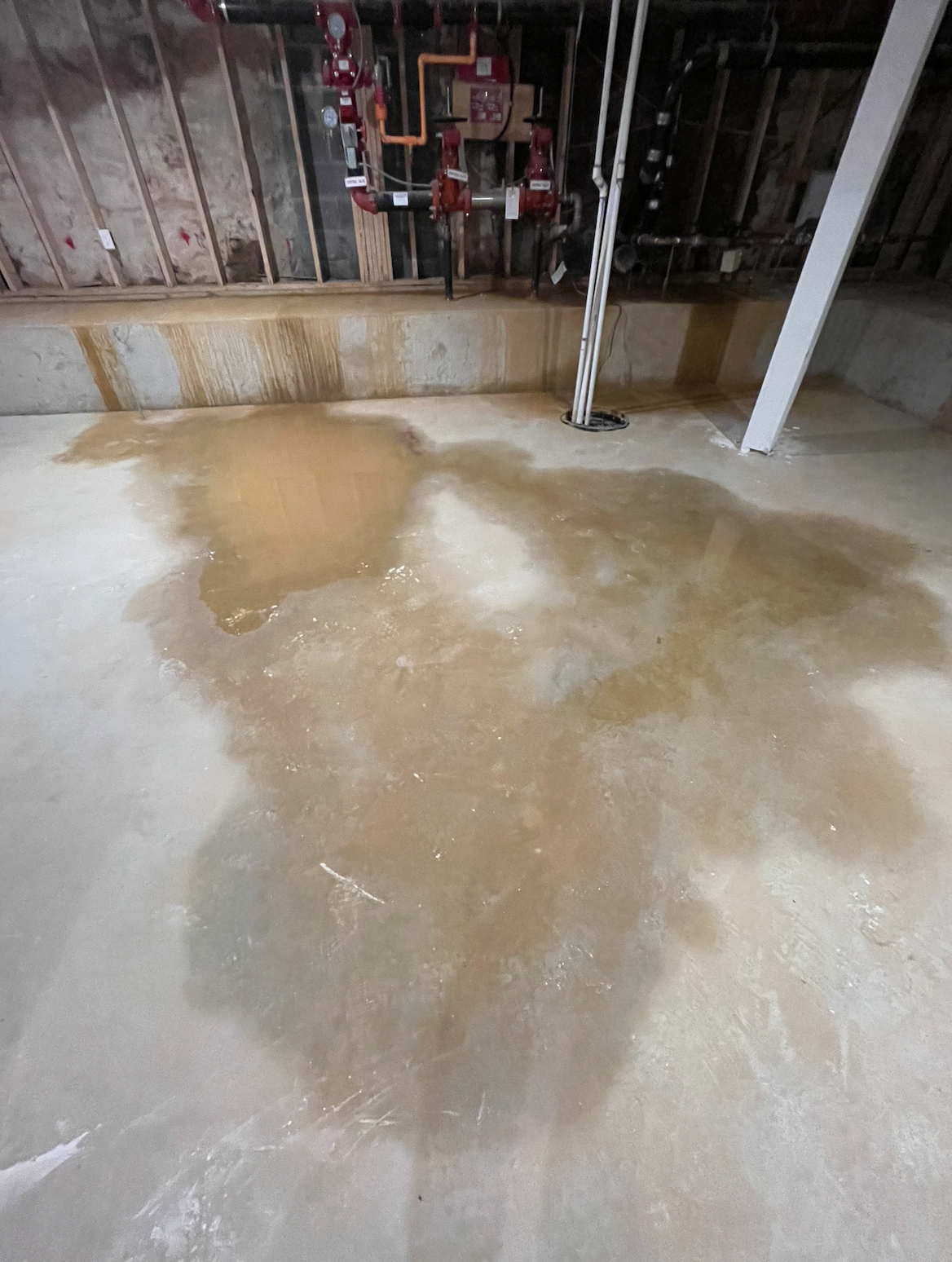
Water pushing up through cracks in the floor means groundwater pressure is building underneath your slab. This is not a leak you can patch — the water needs somewhere to go.
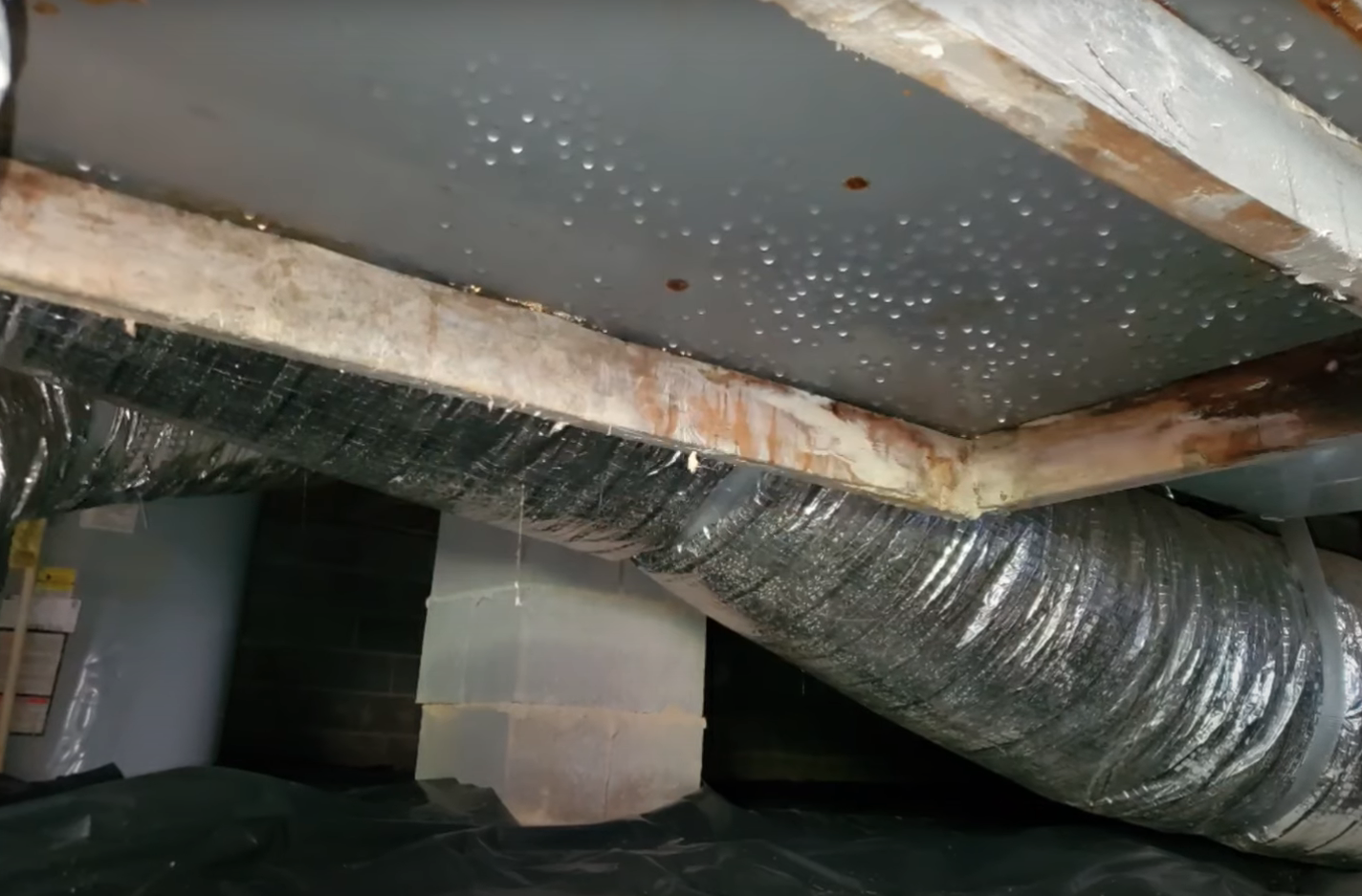
A damp, musty smell means moisture is sitting in your basement — even if you can’t see standing water. Mold can start growing within 24 to 48 hours of exposure to moisture.
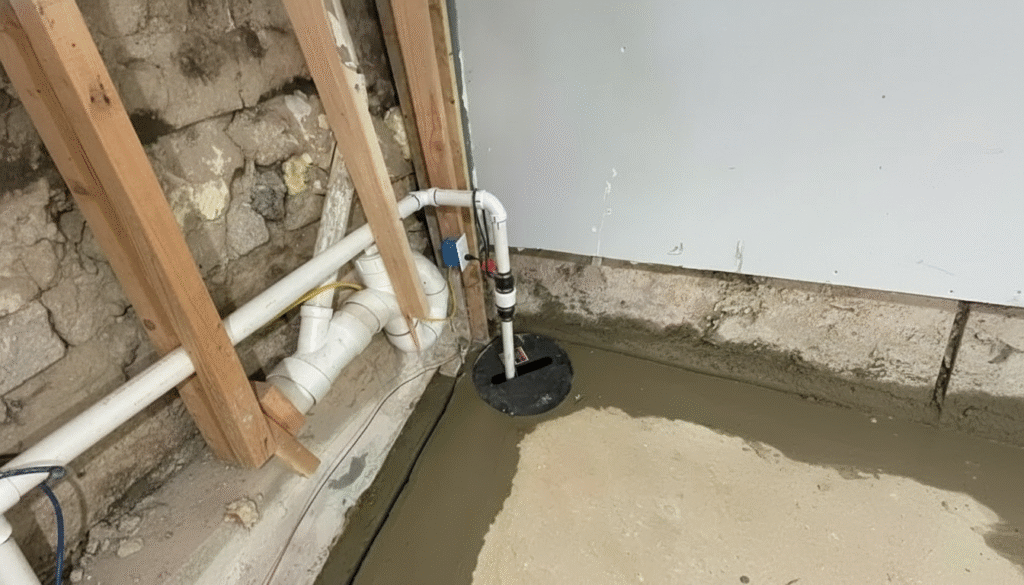
A pump that runs nonstop is fighting more water than it can handle — or its check valve has failed. A pump that won’t turn on is one storm away from a flooded basement.
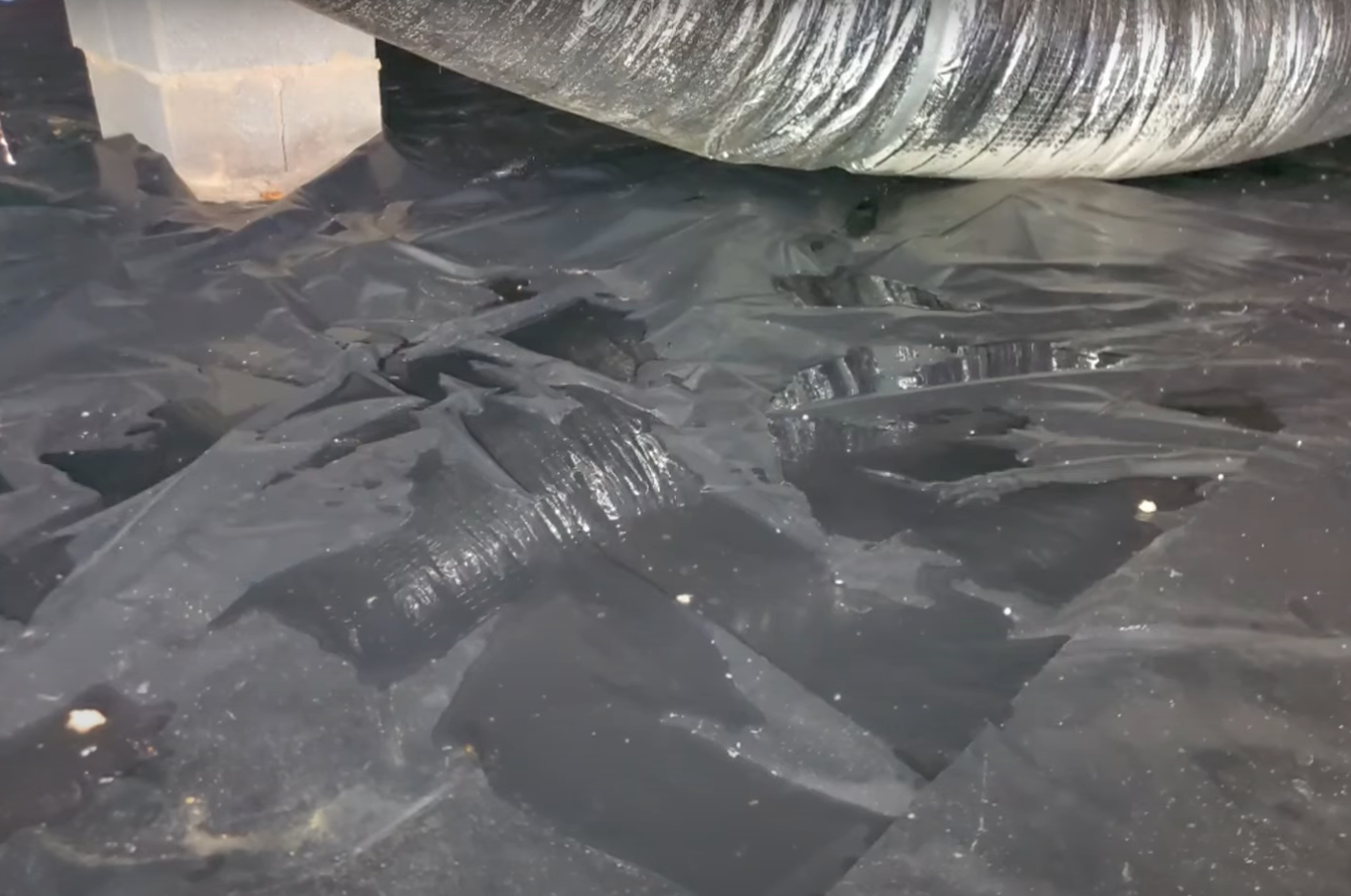
If water pools on your basement floor after a storm or spring thaw, there is no drainage system directing it out of the home. That water will keep coming back.
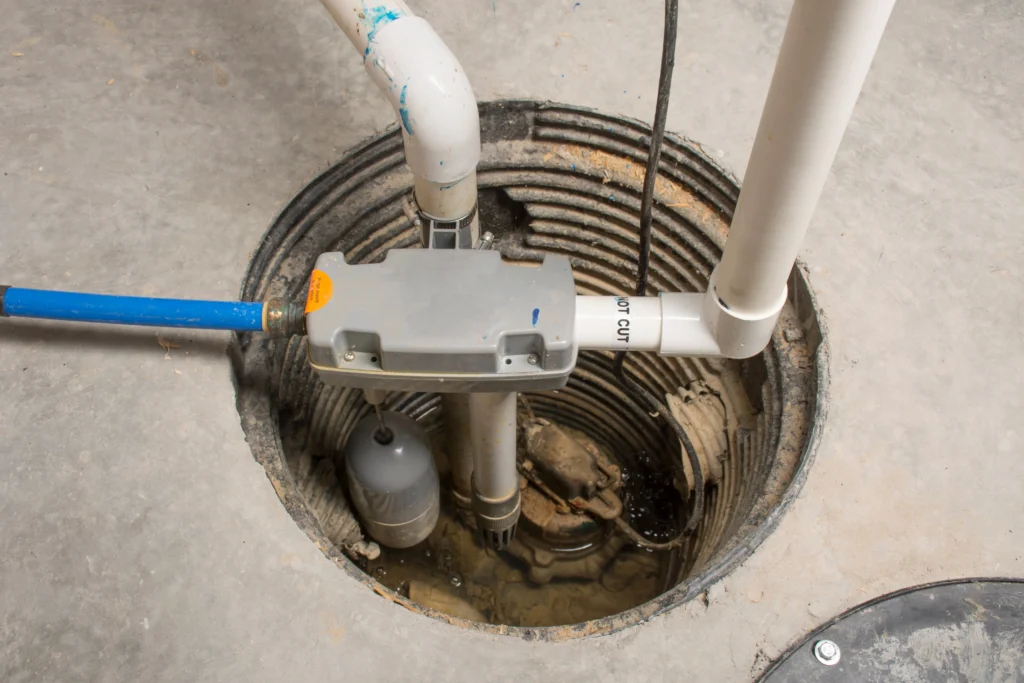
A sump pump is the last line of defense between your basement and the water pushing against your foundation. When it works, your basement stays dry. When it fails — or when you don’t have one at all — every rainstorm is a risk.
We install complete sump pump systems designed to handle real water volume, not just check a box. That means the right pump, the right pit, the right backup, and the right discharge — all sized and routed for your specific home.
Submersible pumps sit inside the sump pit and activate automatically when water rises to a set level. We use cast iron submersible pumps rated for continuous duty — not the lightweight models that burn out in two years. Every installation includes a check valve to prevent water from cycling back into the pit.
Power outages happen during the exact storms that produce the most water. A battery backup sump pump runs on a marine-grade deep-cycle battery and takes over the moment primary power goes out. This is not optional — it is the difference between a dry basement and a flooded one.
The pump is only as good as the pit it sits in and the path the water takes out. We install properly lined sump basins at the correct depth, and route discharge lines away from the foundation with freeze protection to prevent winter blockages.
Our Process
We inspect your basement, identify where the water is coming from, and determine what your home actually needs — no guesswork, no upselling.
We cut through the concrete floor, excavate to the correct depth, and install a lined sump basin designed to collect water efficiently from underneath and around the slab.

We install your primary submersible pump with a check valve, then add a battery backup system so your basement stays protected even when the power goes out.
We route the discharge line away from your foundation and install freeze protection so the system works year-round — including through winter.
We tell you what you need — and what you don’t. Not every wet basement requires a full drainage system. Sometimes a properly installed sump pump with a backup is the right fix. We assess your situation honestly and recommend the solution that matches the problem, not the one that runs up the bill.
Every system we install is built to work when it matters most. That means commercial-grade pumps, proper pit depth, check valves on every installation, battery backup systems, and discharge lines routed with freeze protection. We don’t cut corners on the parts you can’t see.
We walk you through the entire process before we start, keep you informed during the work, and show you exactly how your new system operates when we’re done. You’ll know how it works, what to listen for, and what simple maintenance keeps it running for years.
Get My Free Quote
A straightforward pump replacement in an existing pit takes a few hours. A new sump pit installation with a primary and backup pump typically takes one full day. If the system ties into an interior drainage channel, the job may take two to three days depending on the size of the basement.
Yes. Power outages happen during the same storms that push the most water against your foundation. A battery backup sump pump activates automatically when the power goes out and keeps your basement dry until power is restored. Without one, a single outage can undo everything the primary pump is supposed to protect.
A proper installation involves cutting through concrete, excavating to the correct depth, sizing the pump to your water volume, installing a check valve, routing a discharge line with freeze protection, and adding a backup system. If any of these steps are missed or done incorrectly, the system fails when you need it most. This is not a weekend project — it is a waterproofing system that needs to be done right.
Water that enters your basement does not stop on its own. Over time it leads to mold growth, damages stored belongings, rots wood framing, and weakens the concrete itself. A problem that starts as damp floors can escalate into foundation damage and significant loss in home value. The longer you wait, the more it costs to fix.
A quality submersible sump pump lasts seven to ten years or longer with basic maintenance. Cheaper pumps from hardware stores may only last two to three years under heavy use. We recommend checking the pit monthly, testing the backup system quarterly, and replacing the backup battery every three to five years.
Queen Foundation Repair installs sump pump systems for homeowners across our full service area. If your basement has water problems, we can help.