
Stop water before it damages your home. We install drainage systems that keep it out for good.
I'm Ready For A Free Quote
Thank You For Your Submission!
A team member will be reaching out to you shortly.








These are the most common warning signs of a drainage problem.
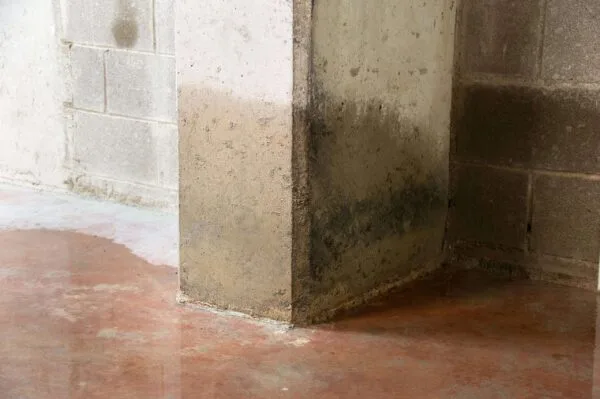
Water coming in at the wall-floor joint is a sign of hydrostatic pressure pushing against your foundation. It gets worse with every storm and won't stop on its own.
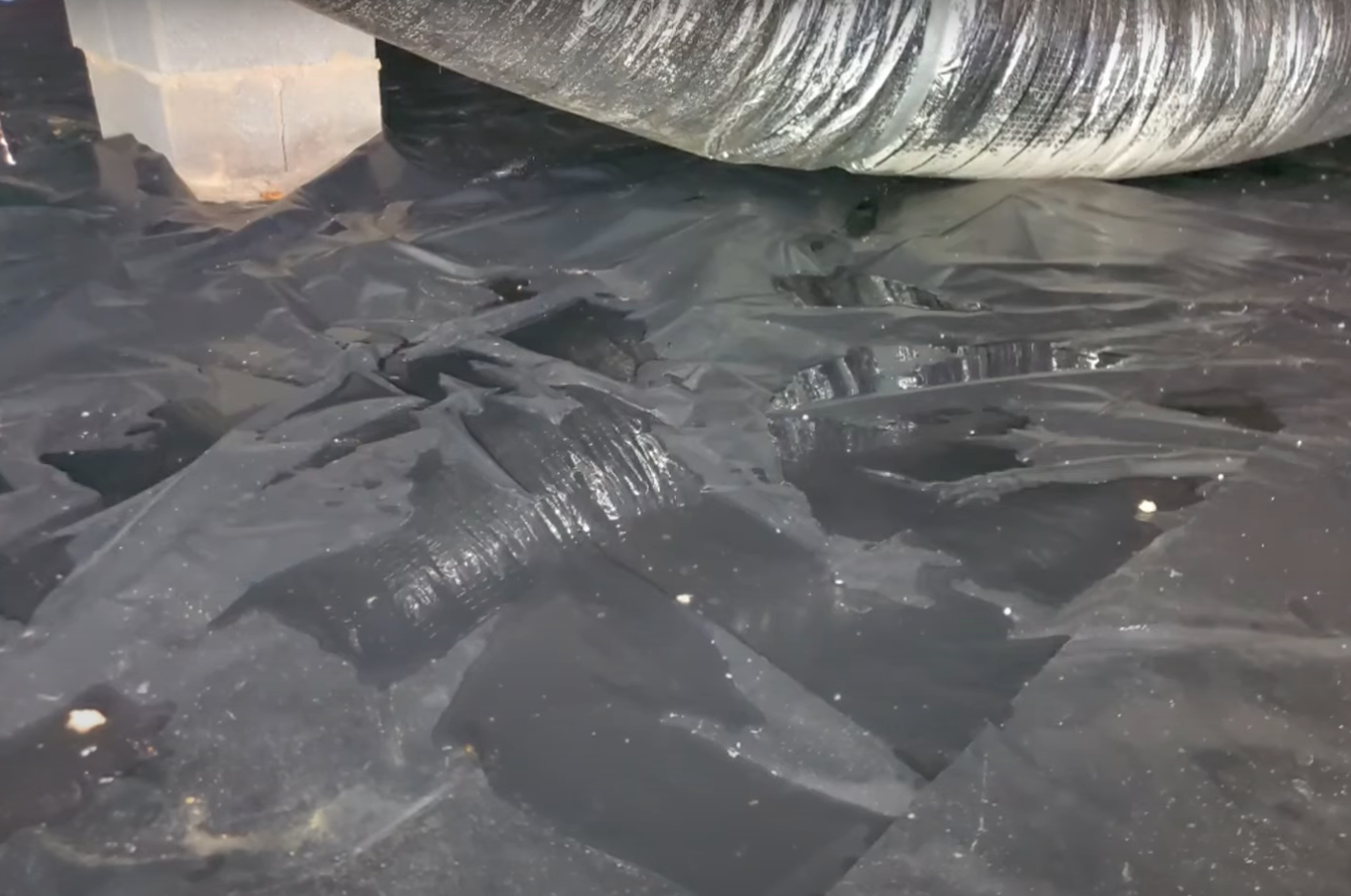
If your yard stays wet for days after a storm, the soil can't drain it. That water sits against your foundation and slowly works its way inside.
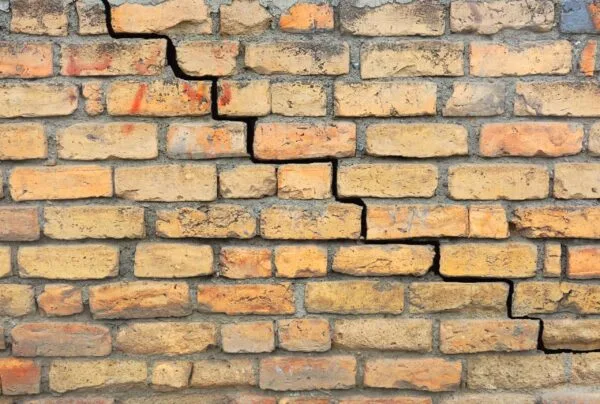
That white, crusty buildup is called efflorescence — minerals left behind after water passes through your foundation wall. Where you see it, water has been.
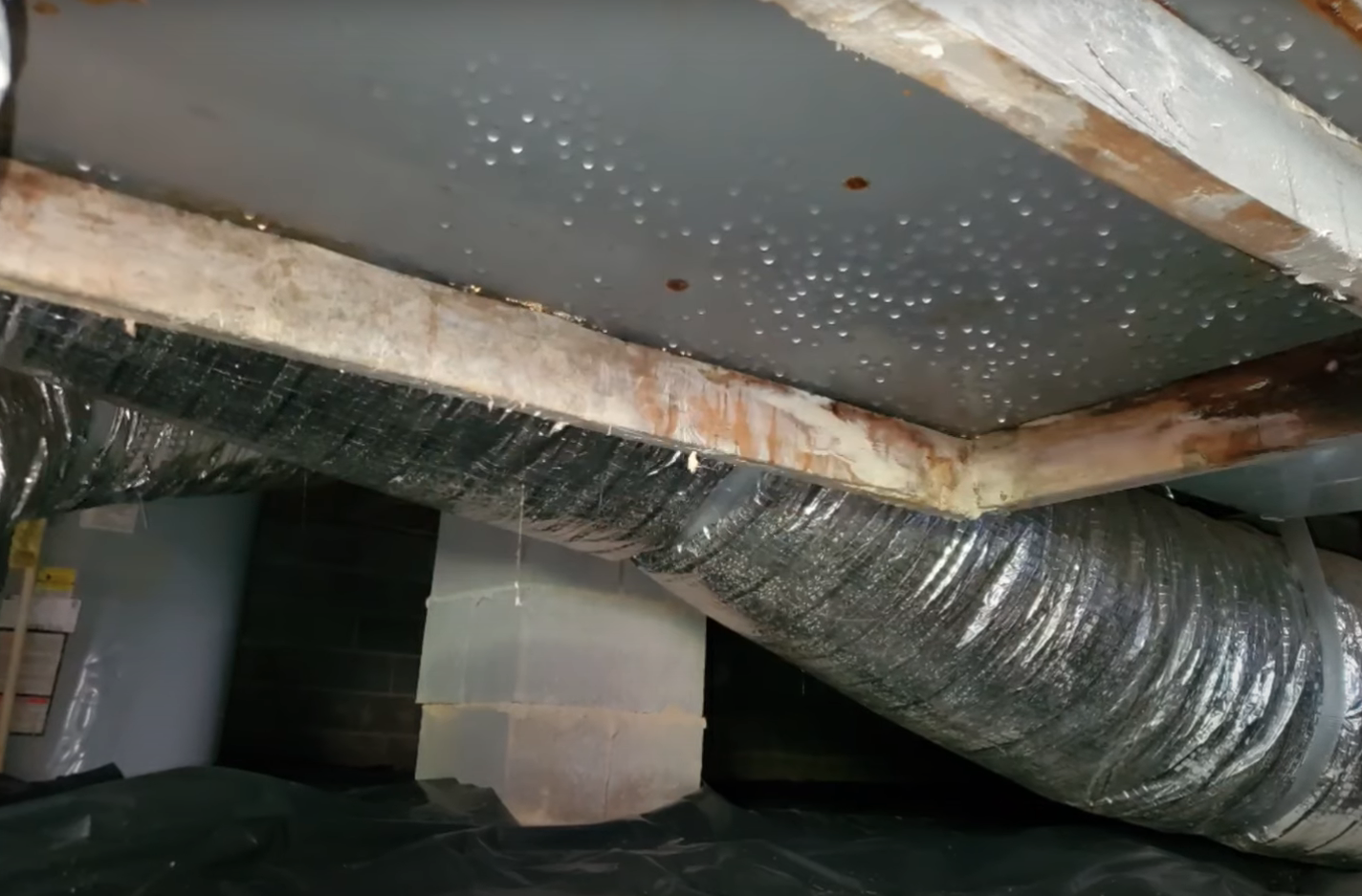
A musty smell means moisture is trapped where it shouldn't be. Left alone, it leads to mold growth and wood rot in your home's structure.
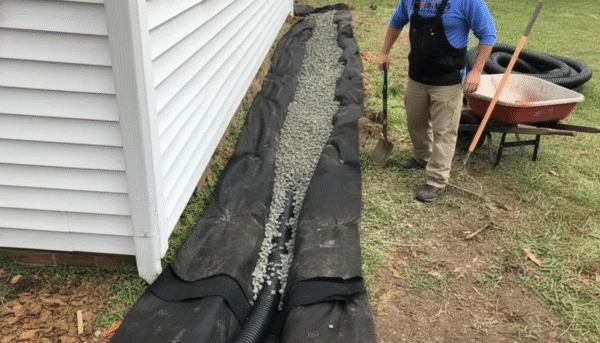
French drain installation gives water a clear path away from your home. Instead of pushing against your foundation or pooling under your floors, water gets captured and routed to a safe discharge point. It's a core part of basement waterproofing — and for many homes, it's the fix that keeps the basement dry.
We install three types of drainage systems depending on where the water is and how it's getting in.
We cut a channel along the inside edge of your basement floor and lay perforated pipe in a bed of washed gravel. Water that enters at the wall-floor joint gets captured and routed to a sump pump that pushes it out and away from the house.
We dig along the outside of your foundation down to the footing, then install drain pipe wrapped in filter fabric and bedded in gravel. This intercepts groundwater before it ever reaches your walls.
For yards that flood or stay soggy, we install a trench drain system that captures water and redirects it to a discharge point at a lower elevation away from your home.
Every system is built for your property. The pipe slope, gravel spec, and discharge point all matter — and we get them right.
Our Process
We inspect your property inside and out — checking grading, gutters, soil conditions, and every spot water is getting in. You'll know exactly what's happening before we recommend anything.
We design the system for your property — the right pipe placement, slope, gravel, and discharge point. You get a written proposal with the full scope before any work starts.

Our crew installs the perforated pipe, washed gravel, and filter fabric to spec. If a sump pump is part of the system, we size it to handle your home's water volume.
We run water through the full system and confirm it flows, drains, and discharges properly. Then we walk you through how everything works and go over your warranty.
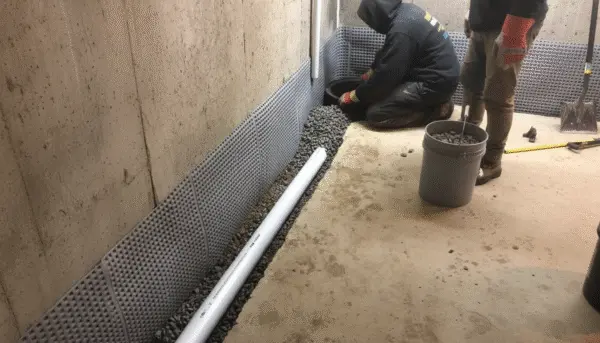
Most drainage problems come down to details. The slope of the pipe. The type of gravel. Whether filter fabric was used. Whether the discharge point is far enough from the house. We get those details right because we've seen what happens when they're wrong — systems that clog in a year, basements that flood again, and homeowners who paid twice to fix the same problem.
We don't sell one-size-fits-all systems. Every home is different. We assess your property, figure out where the water is coming from, and design a drain system that fits your situation. If a partial system handles the problem, that's what we recommend. We're not here to oversell you.
Every system we install comes with a written warranty. You'll know what's covered and for how long before work begins. If you sell your home, the warranty transfers to the next owner. That's how it should work.
Get My Free Quote
A french drain built with the right materials is a long-term fix. Washed gravel, filter fabric, and quality perforated pipe are what make it last. When contractors skip those materials, the system clogs and fails fast. We use the right materials on every install.
It depends on your property. If the drain can move water downhill by gravity, a pump isn't needed. But if the drain sits below grade — like inside a basement — a sump pump is usually part of the system. We'll tell you what your home needs during the free inspection.
A french drain is a buried pipe in gravel that handles underground water. A trench drain is a surface-level channel with a grate that catches water on driveways, patios, and walkways. Different tools for different problems. We install both.
They can — if they're installed wrong. The most common cause is missing filter fabric or unwashed gravel. Dirt and sediment get into the pipe and block the flow. A properly installed system with filter fabric and washed stone stays clear.
An interior french drain captures water at the wall-floor joint — the most common entry point in basements. It routes the water to a sump pump before it ever reaches your floor. For most wet basements, this is the fix. We'll confirm it's the right solution during a free inspection.
Queen Foundation Repair drainage installation crews serve homeowners across multiple states. Select your location below to learn more.