
Your foundation holds up everything above it. We fix it right and back it with a warranty.
I'm Ready For A Free Quote
Thank You For Your Submission!
A team member will be reaching out to you shortly.








These problems start small but get worse fast.
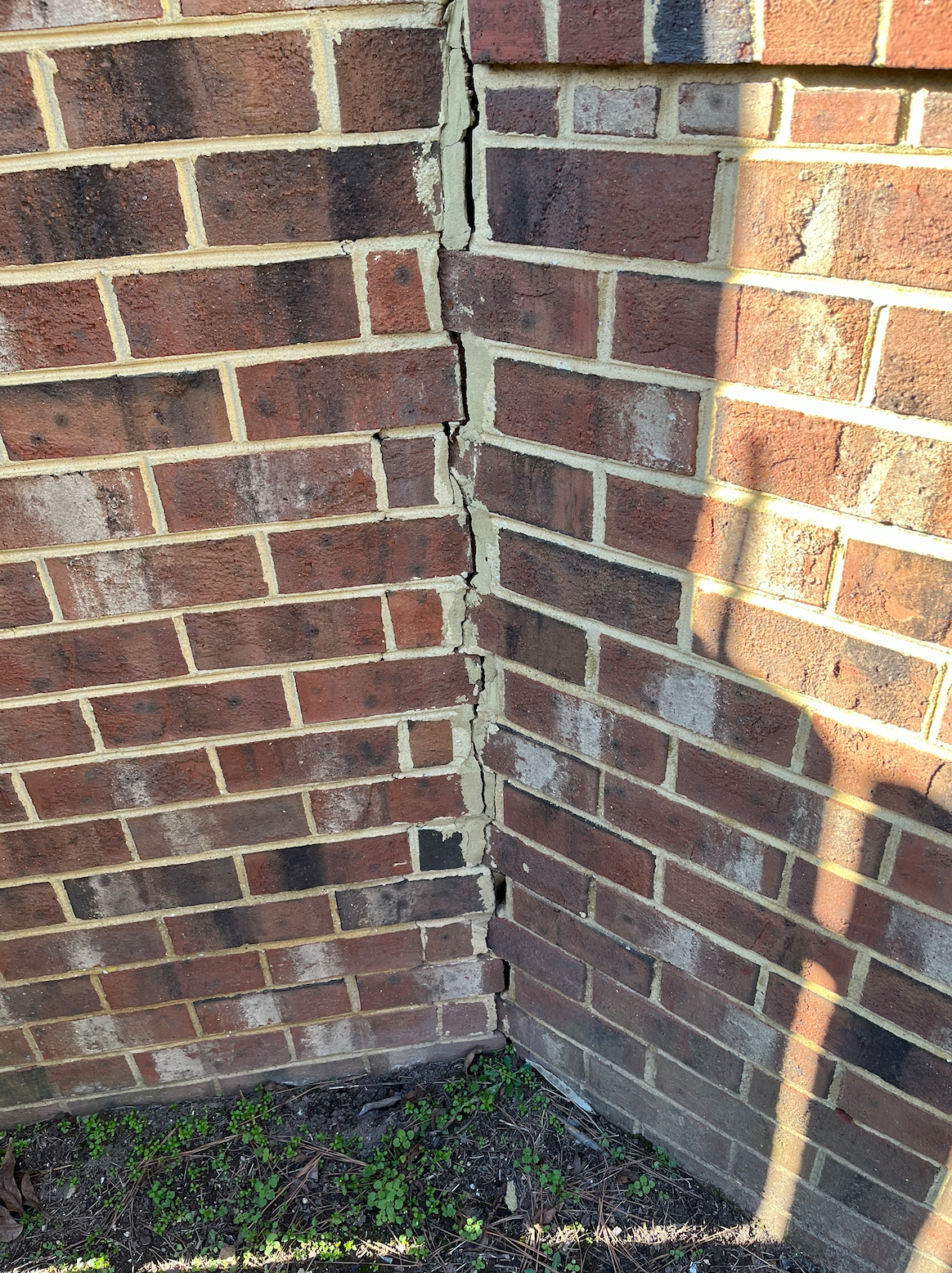
Diagonal cracks near door frames and windows mean your foundation is shifting. Stair-step cracks in brick or block walls point to settlement that won't stop on its own.
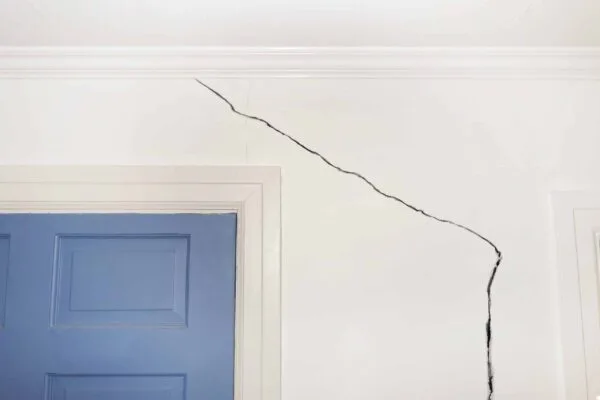
When your foundation moves, the frame of your house shifts with it. Doors that won't latch and windows that won't open are your home telling you something is wrong below.
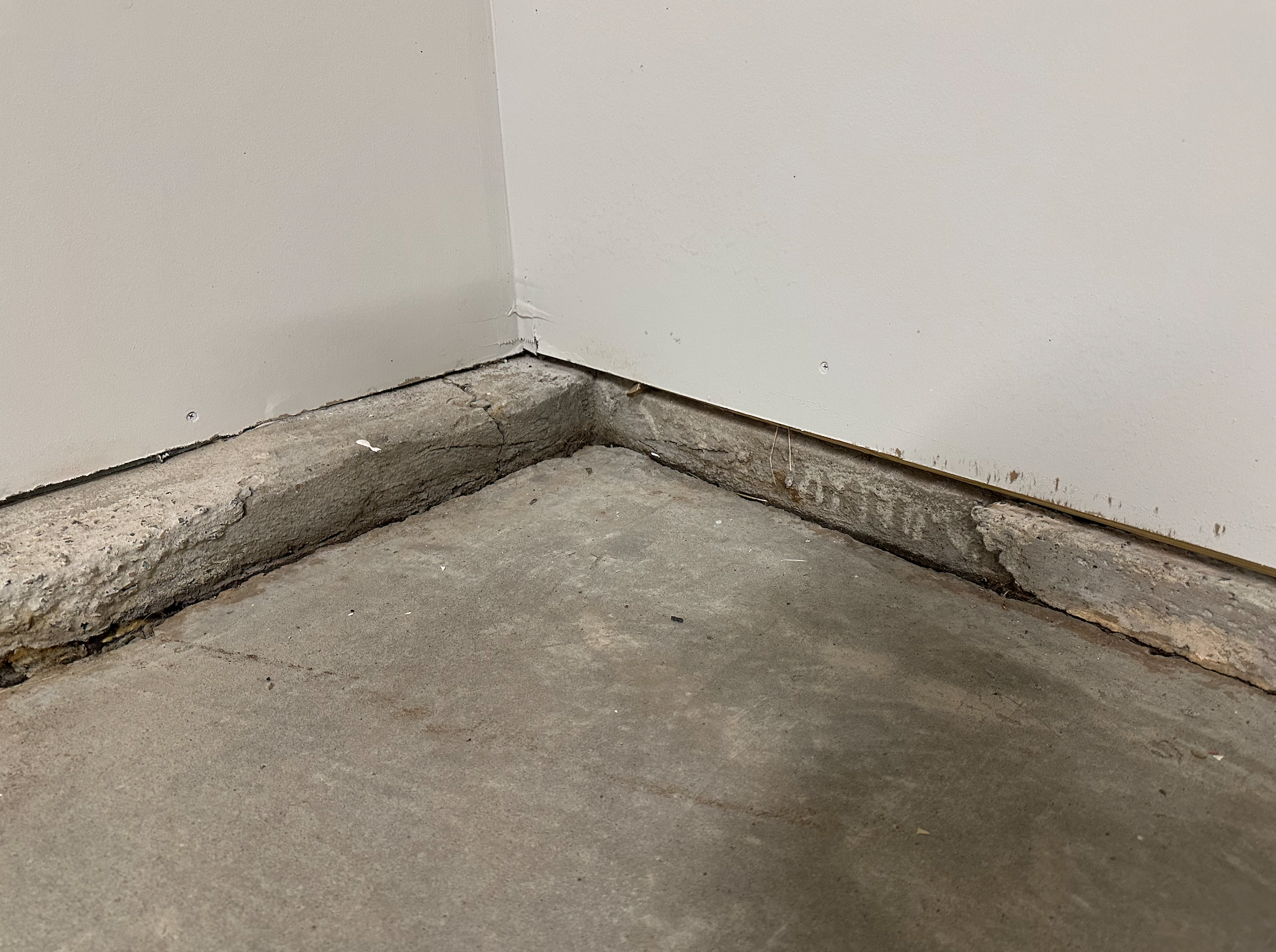
Put a ball on the floor. If it rolls, your foundation has settled unevenly. You may also feel a dip or bounce when you walk — especially over a crawl space.
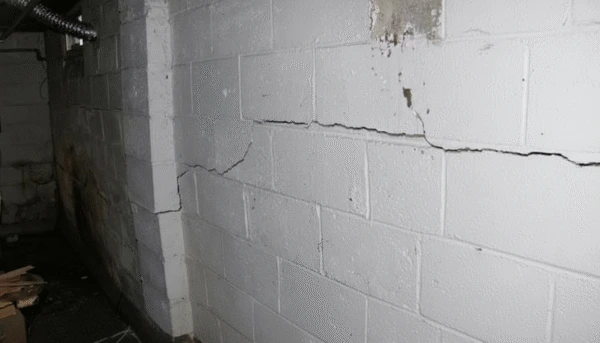
Soil pressure pushes basement walls inward over time. A horizontal crack across the wall is a sign of serious stress. Left alone, a bowing wall can eventually fail.
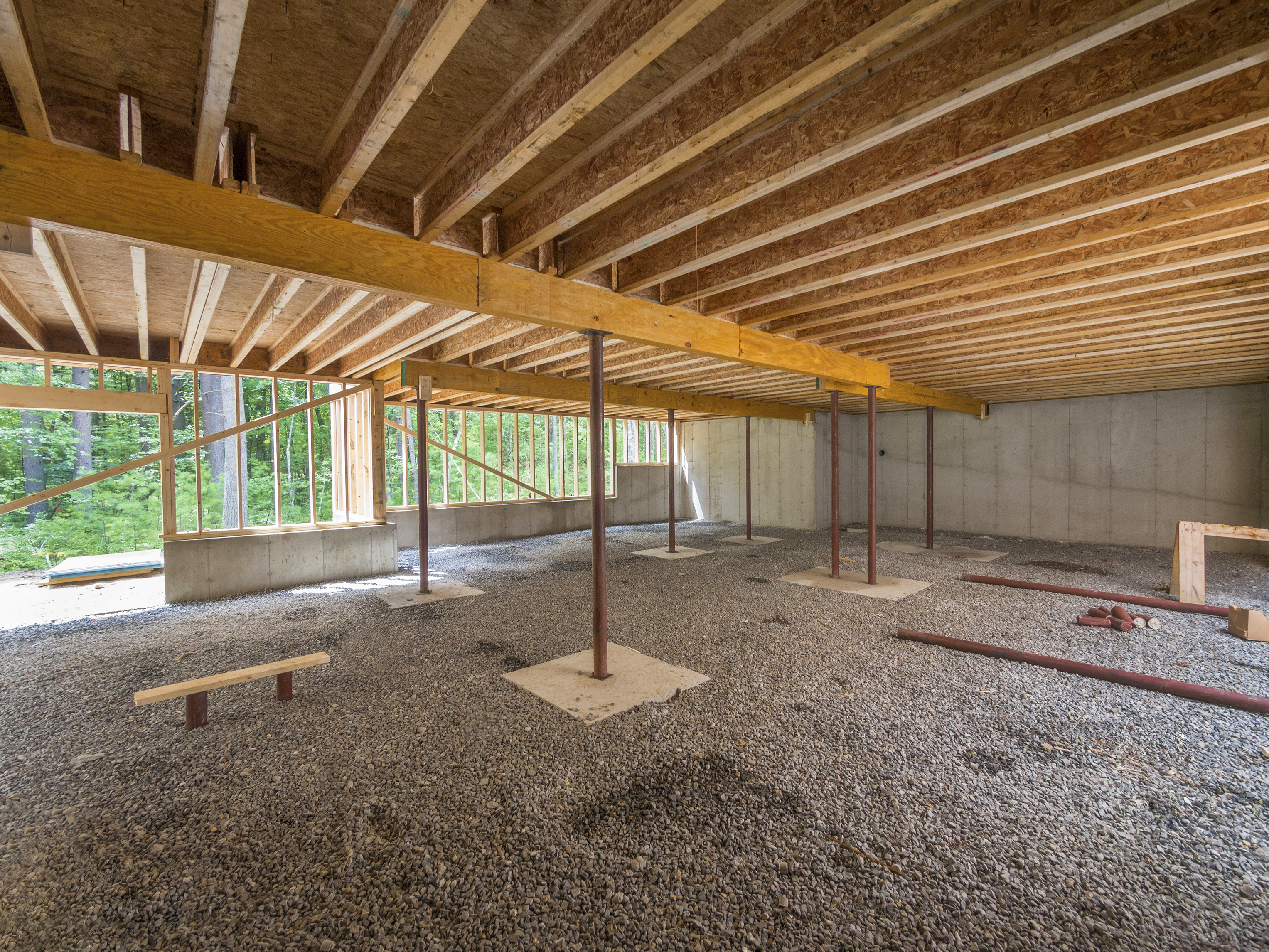
Foundation repair starts with finding out why your home is moving — then stopping it for good. Whether your foundation is settling, cracking, or bowing, we match the right fix to the problem. Every repair is backed by a warranty so you're not left guessing.
Steel piers are driven deep underground until they reach stable soil or bedrock. Your home's weight transfers onto those piers — and the settling stops. Push piers work best for heavier structures. Helical piers screw into the ground and work well for lighter homes, porches, and additions.
Bowing basement walls need to be stabilized before they get worse. Carbon fiber straps bond to the wall and stop inward movement. Wall anchors connect the inside wall to stable soil outside — and can straighten the wall over time.
Not every crack means your home is falling apart. But cracks do let water in — and that leads to bigger problems like basement waterproofing issues down the road. Epoxy injection seals the crack and restores strength. Polyurethane injection works best when water is actively leaking through.
Our Process
We walk the inside and outside of your home. We check every crack, measure floor levels, and inspect the basement or crawl space. You get a full picture of what's happening — and why.
No two homes are the same. We build a repair plan around your specific problems — the right method, the right number of piers or supports, and a clear written estimate with no surprises.

Our crew installs the repair system, protects your landscaping, and cleans up when the job is done. Most foundation repairs wrap up in just a few days.
We walk you through everything we did. You get before-and-after measurements, installation records, and warranty paperwork. If anything comes back, so do we.
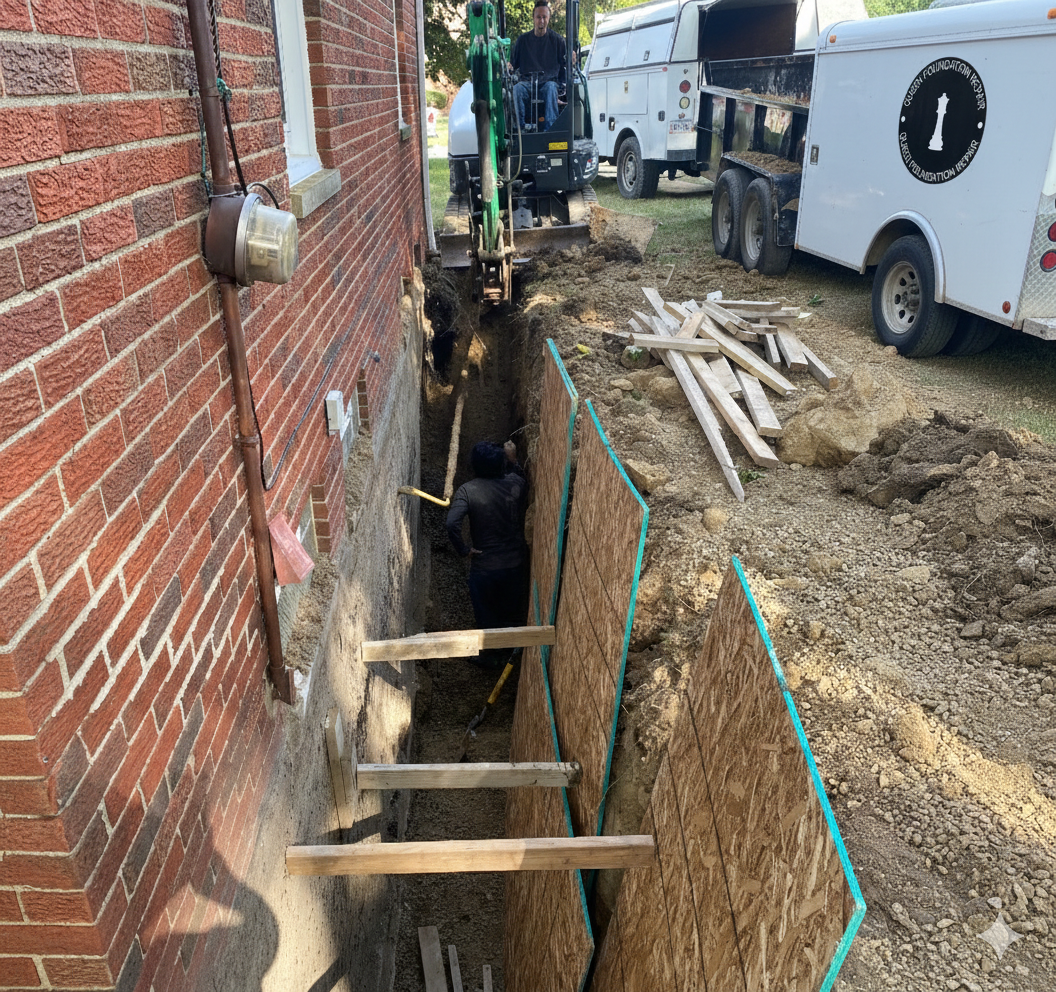
Foundation problems are stressful. You're worried about your home, your family, and what this is going to cost. That's why we start every job with a free inspection — no pressure, no obligation. We show you what we find, explain it in plain language, and give you time to decide.
We don't recommend work you don't need. If a crack is cosmetic, we'll tell you. If only one side of your home is settling, we're not going to push piers around the entire perimeter. You get an honest repair plan built around your home — not a sales pitch.
Every repair we do is backed by a warranty. We document the work with measurements, photos, and installation logs. When the job is done, you'll know exactly what was fixed, how it was fixed, and what's covered going forward.
Get My Free Quote
It depends on how many piers or supports your home needs, how deep they need to go, and how many areas are affected. A simple crack repair costs much less than a full stabilization job. The biggest cost drivers are pier count and depth to stable soil. We provide a detailed written estimate during your free inspection so you know the exact cost before any work begins.
Most repairs take a few days. A single crack injection can be done in one day. Pier installation for one side of a home usually takes two to three days. Larger jobs that combine multiple methods may take a week or more. We give you a clear timeline before we start.
In most cases, no. Standard policies do not cover damage from settling, shifting soil, or normal wear. Insurance may cover foundation damage from a sudden event — like a burst pipe that washes out soil under the slab. Check with your provider, but don't count on coverage for typical foundation settlement.
Yes. Most foundation repairs don't require you to leave. The work usually happens outside along the foundation walls or underneath in the crawl space. It's not quiet — but it's safe to be home during the process.
Foundation problems are progressive. They do not stop on their own. A small crack today becomes a wider crack next year. Settlement that needs a few piers now may need twice as many later — plus plumbing repairs, waterproofing, and drywall work on top of it. The longer you wait, the more it costs to fix.
Queen Foundation Repair provides foundation repair services across 41 cities nationwide.