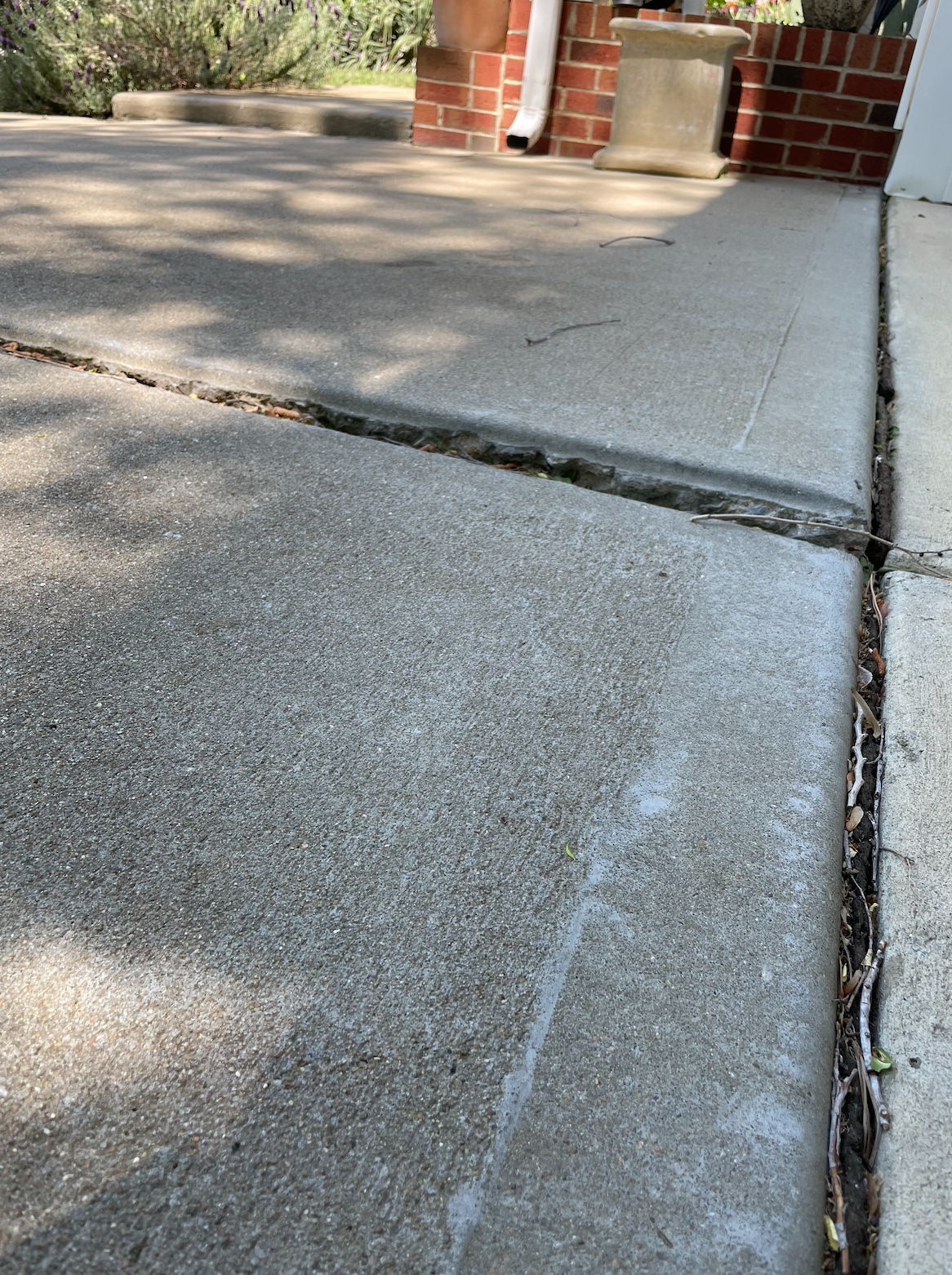
Cracks spreading after every storm? Floors feeling soft? We'll find what's causing it and fix it for good.
I'm Ready For A Free Quote
Thank You For Your Submission!
A team member will be reaching out to you shortly.







The red clay soil here swells when it rains and shrinks when it dries. That constant movement — combined with steep mountain lots that push water toward your home — is why so many homeowners deal with foundation shifting, crawl space moisture, and basement water problems. Here's how we fix each one.
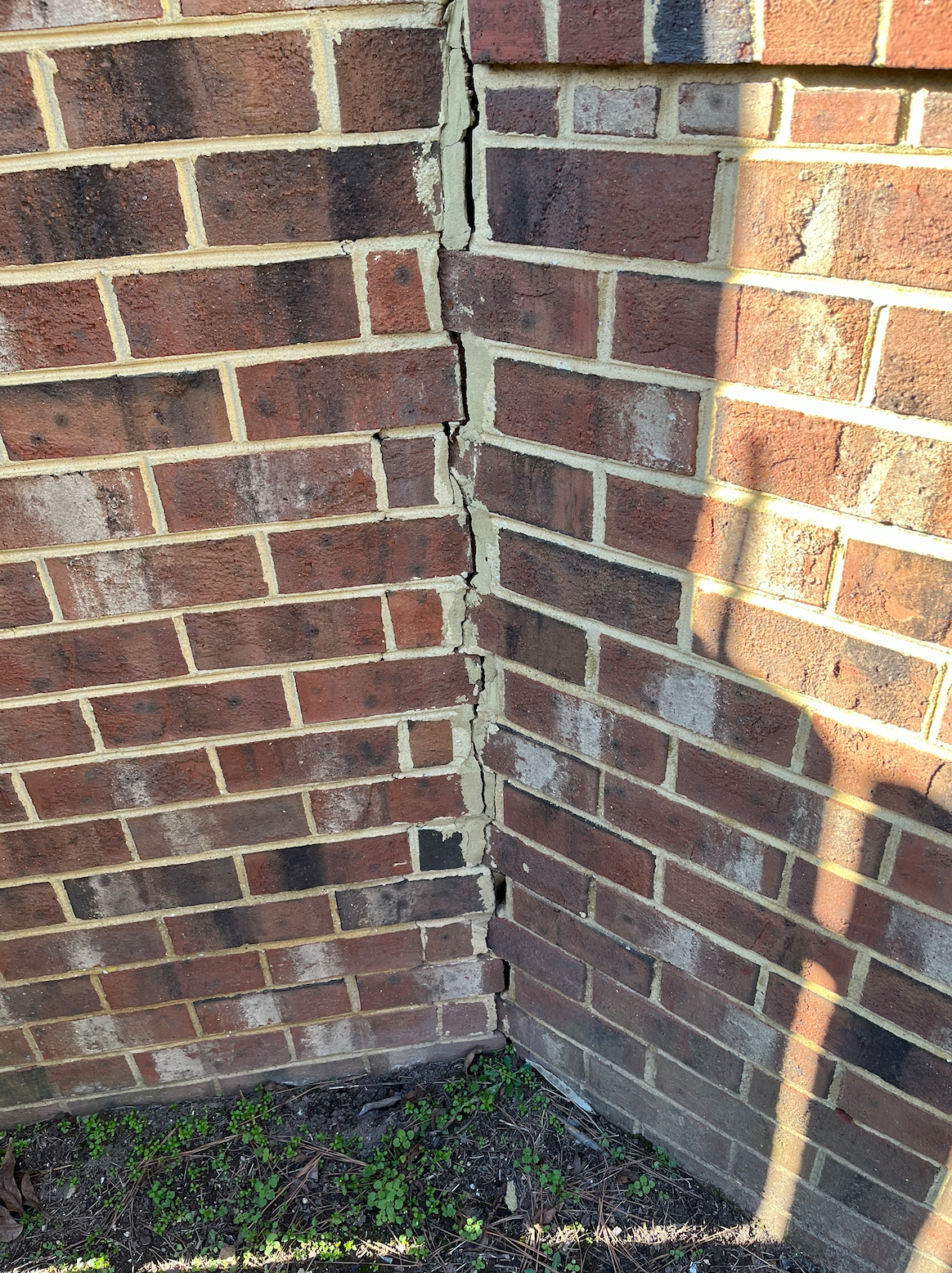
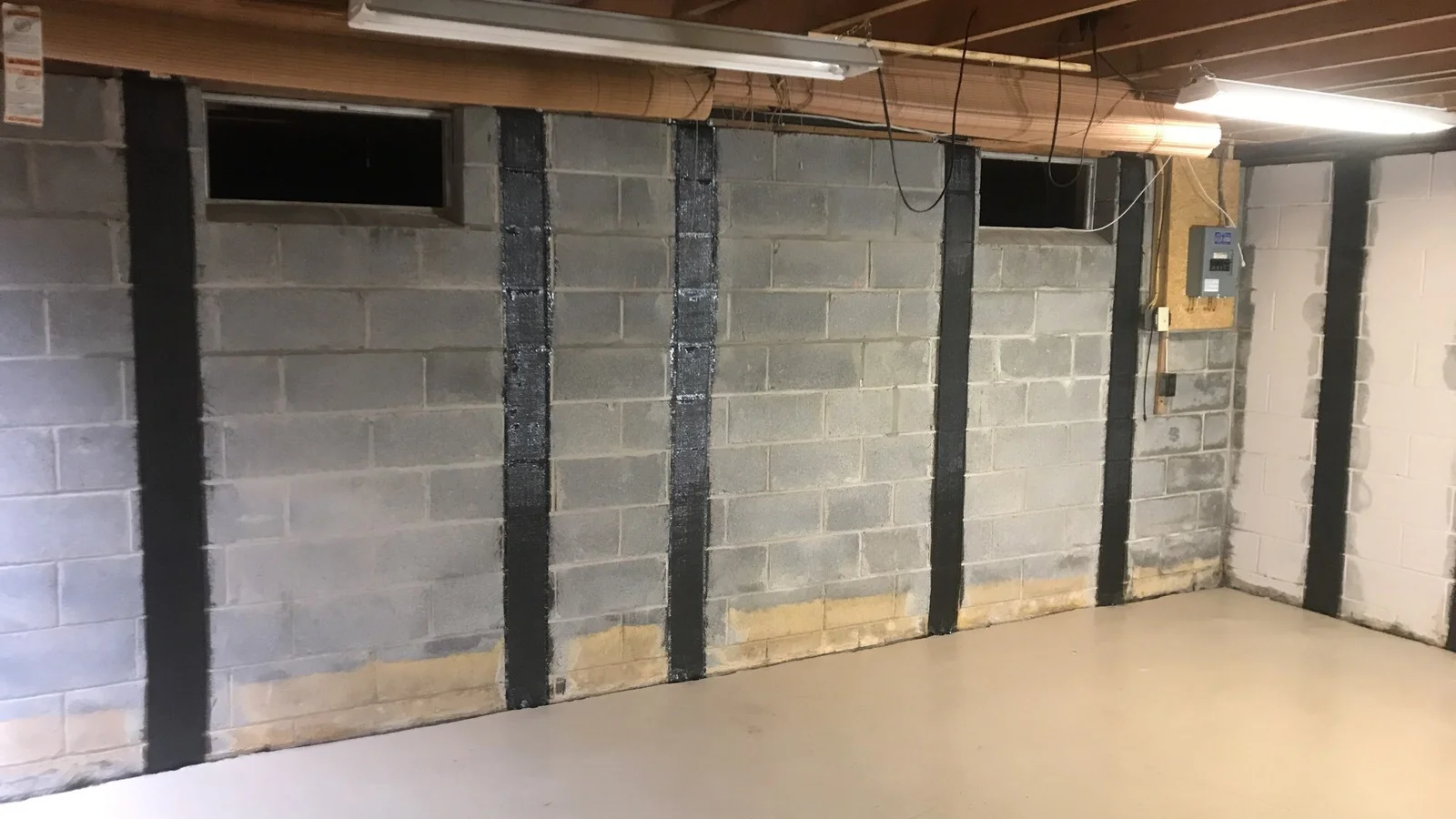
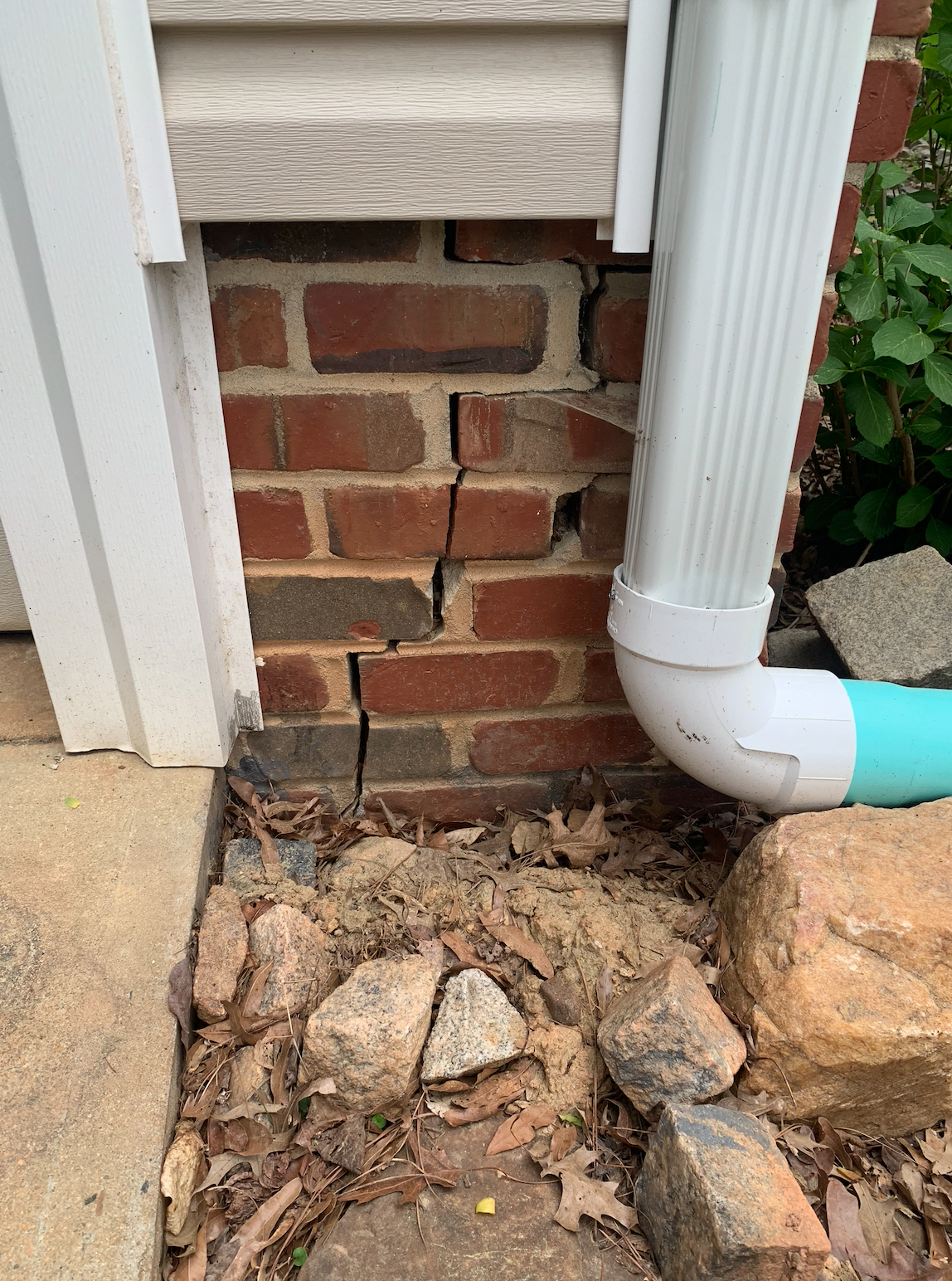
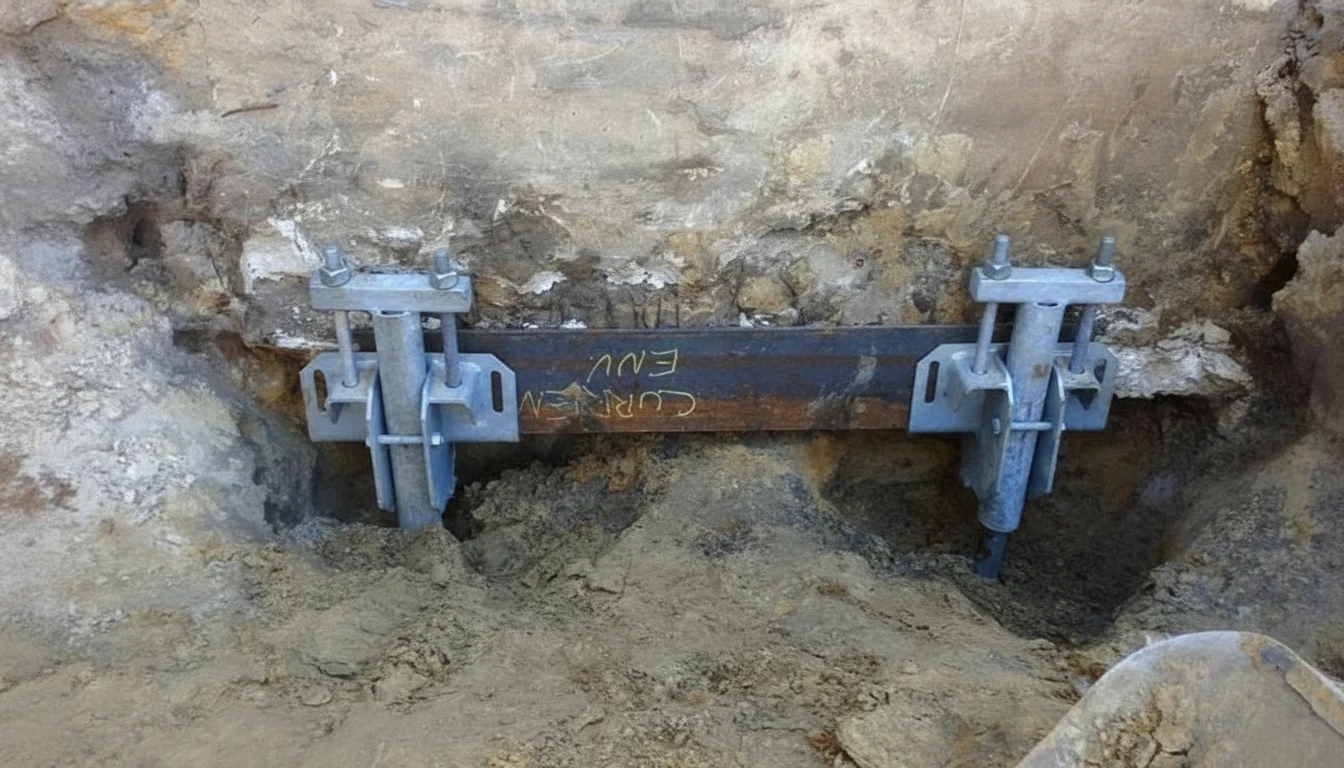
The clay soil and hillside terrain put constant pressure on your foundation. If your walls are cracking, your floors are sloping, or your doors won't latch anymore, the ground underneath is shifting. We stabilize your foundation and stop the movement so the damage doesn't keep spreading.
Learn More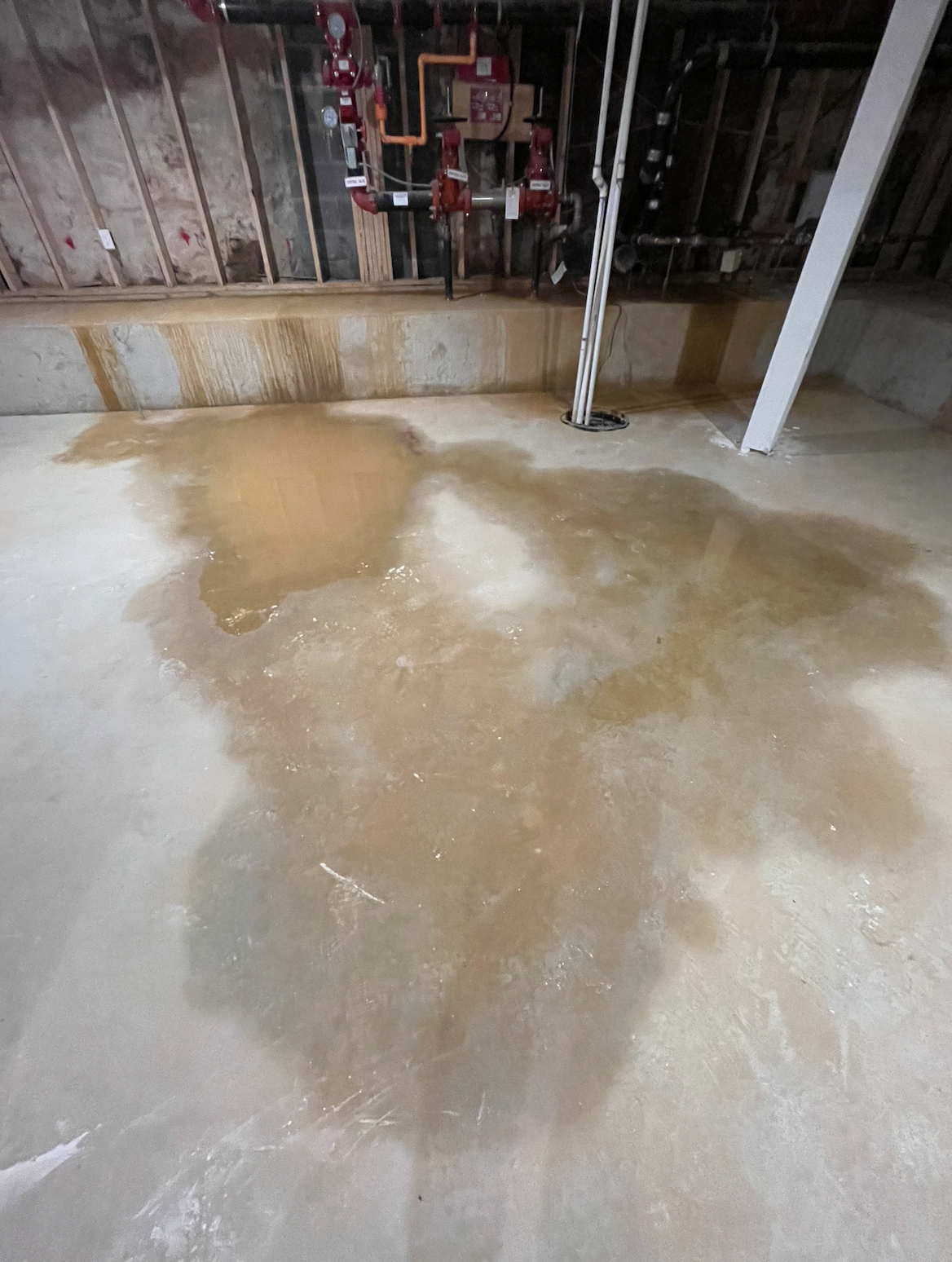
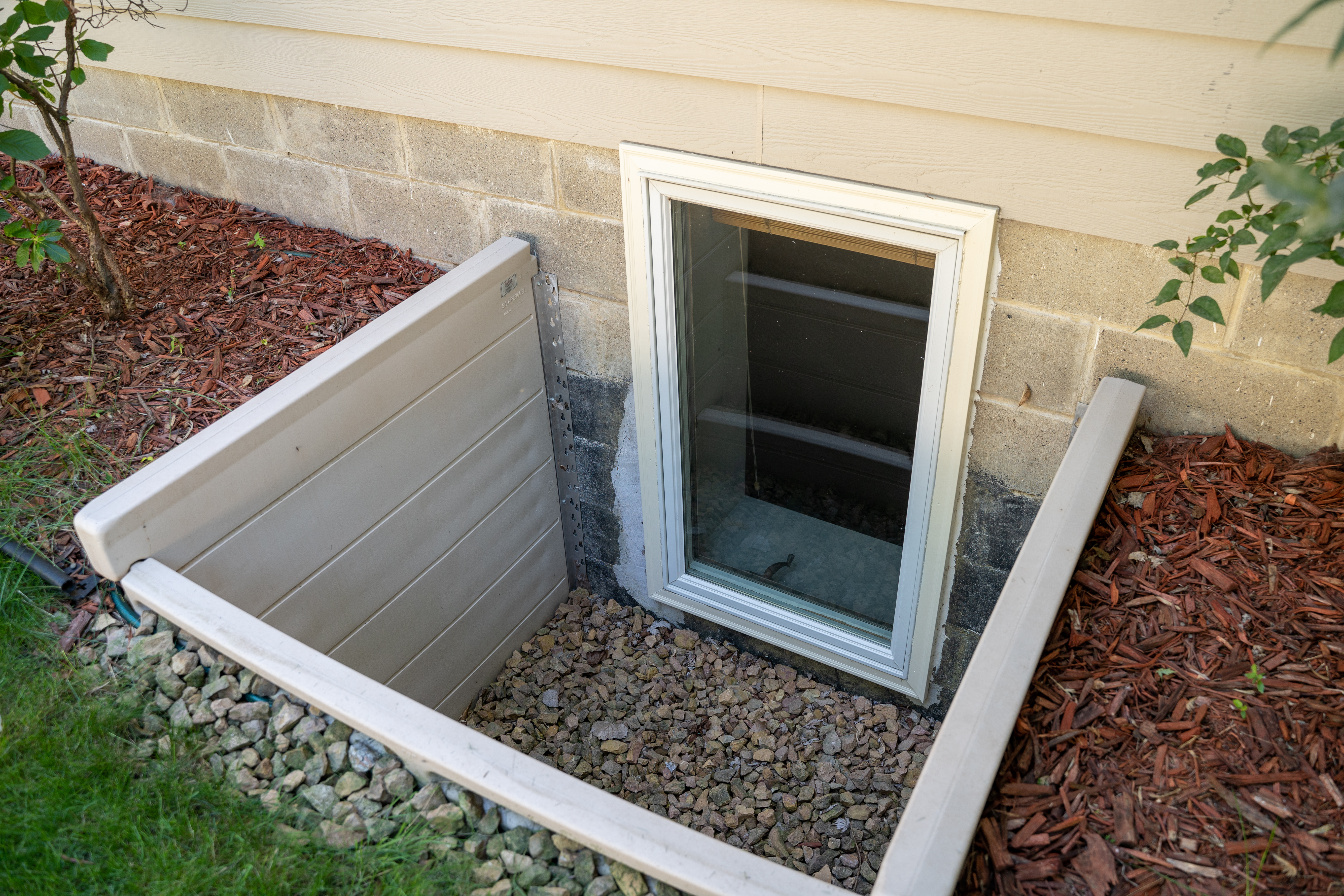
Mountain runoff and spring storms push water straight toward your basement — especially on sloped lots. If you're seeing water after heavy rain or noticing damp walls, we stop it at the source and keep your basement dry through the wettest months.
Learn More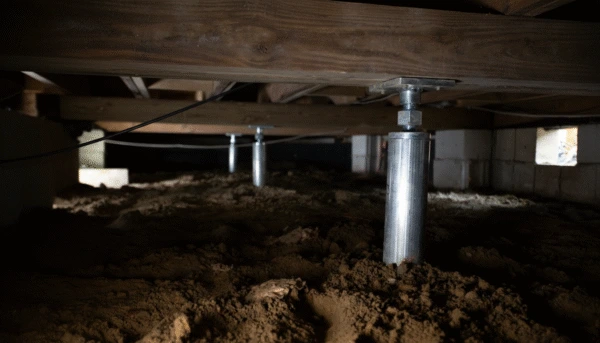
Soft or bouncy floors, musty air in your home, and visible sagging underneath usually mean your crawl space structure is failing. High humidity and moisture from the clay soil weaken floor joists and supports over time. We reinforce what's damaged and fix what let the moisture in.
Learn More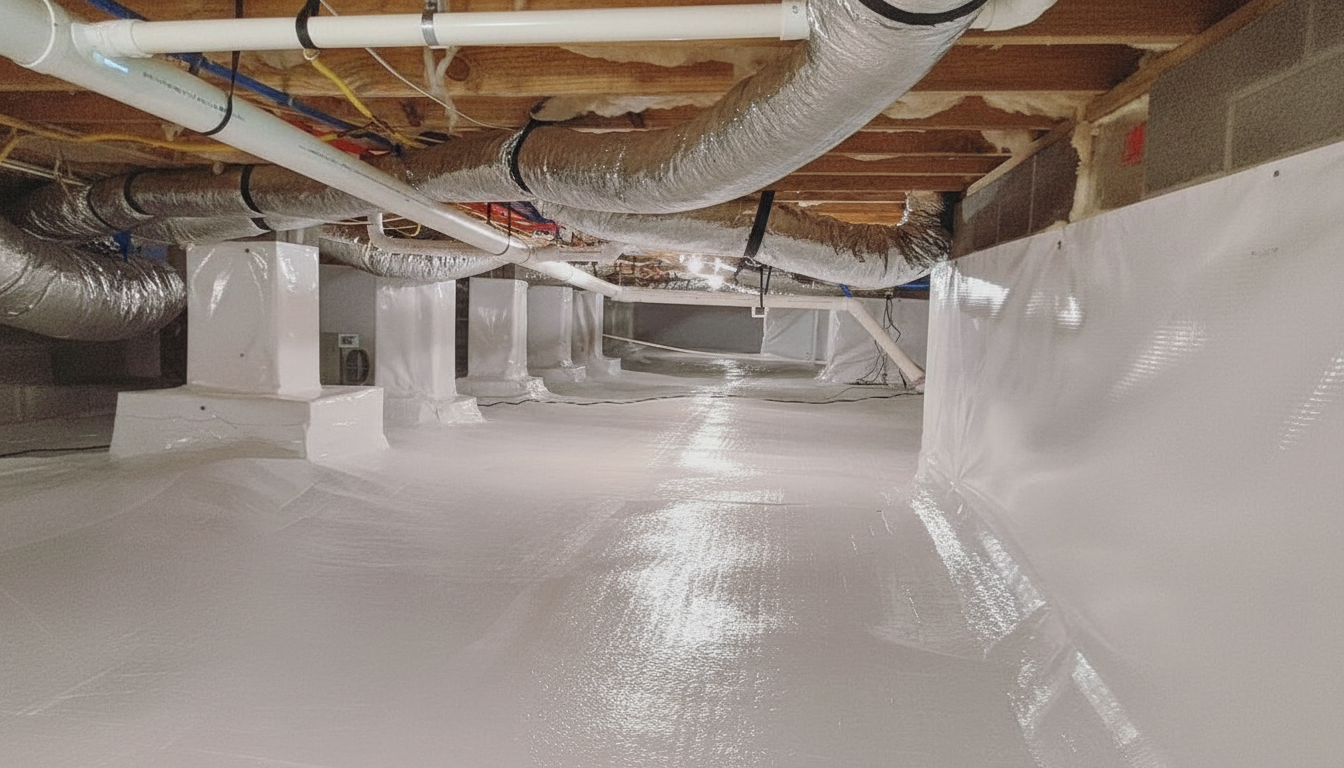
The humidity here stays high most of the year, and that moisture moves through the ground and into your crawl space constantly. Encapsulation seals it off with a vapor barrier, drainage, and dehumidification. Most homeowners notice the musty smell is gone and their energy bills drop within the first few months.
Learn More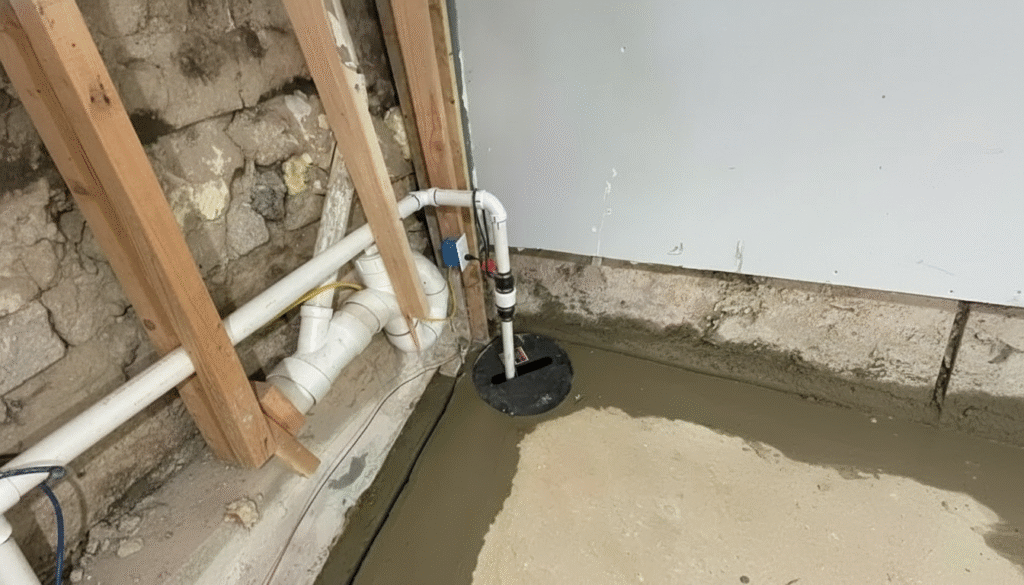
Homes at the bottom of slopes or near flood zones collect water fast during storms. A sump pump catches that water before it reaches your foundation or crawl space and moves it away from your home. We install systems built to handle the heaviest rain seasons.
Learn More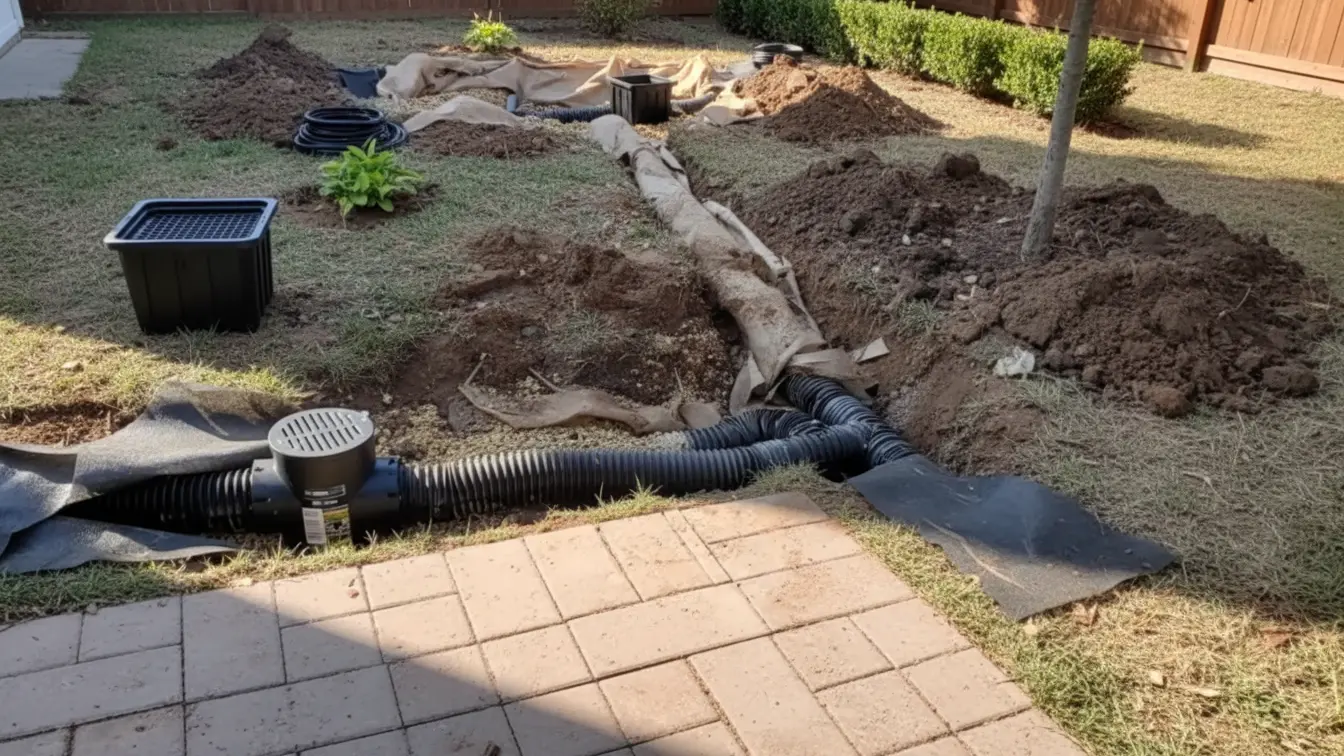
When water pools near your foundation after rain — common on hillside lots around here — it needs a path away from your home. A french drain catches it below the surface and redirects it before it puts pressure on your walls or seeps into your crawl space.
Learn MoreGetting started is simple. Here's what to expect when you work with us.
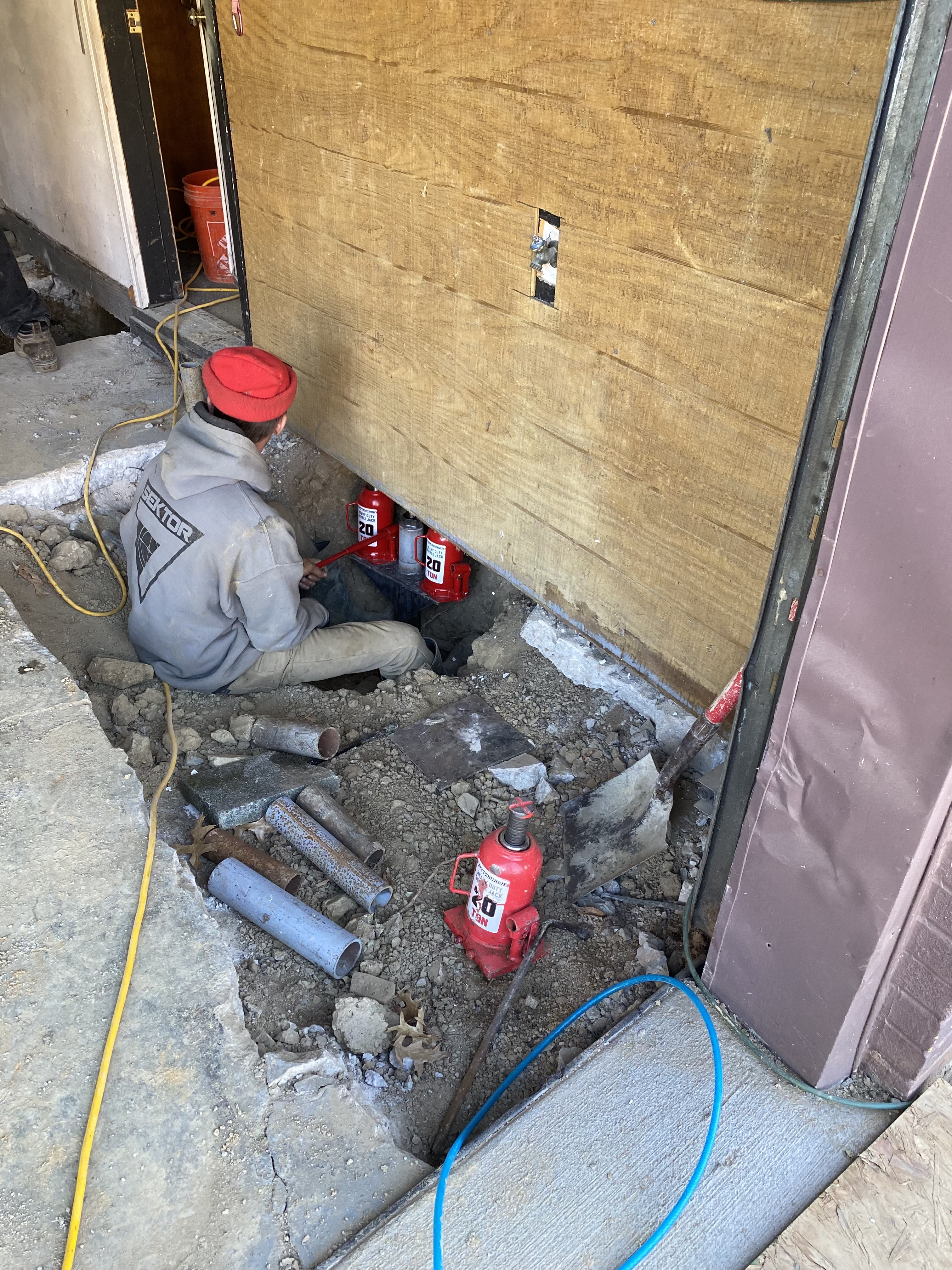
This isn't flat ground with stable soil. You've got red clay that never stops moving, mountain slopes that send water straight at your foundation, and some of the oldest housing stock in western North Carolina. The company you hire needs to understand what that combination does to your home.
This isn't flat ground with stable soil. You've got red clay that never stops moving, mountain slopes that send water straight at your foundation, and some of the oldest housing stock in western North Carolina. The company you hire needs to understand what that combination does to your home.
A lot of homeowners tell us they're afraid of being sold a bigger job than they need. We get it. If your foundation doesn't need repair, we'll tell you. If a crack just needs sealing and not full pier installation, that's what we'll recommend. Our inspection is free and genuinely no-obligation — we're here to show you what's happening, not pressure you into a decision.
The clay soil here swells with every rain and shrinks in dry spells. Hillside lots funnel water toward your foundation instead of away from it. Homes in Montford and West Asheville built in the early 1900s sit on shallow footings that weren't designed for this kind of soil movement. And after Hurricane Helene, many homes have hidden damage from flood-saturated ground that's still settling. We factor all of this into every inspection and every repair plan.
Foundation repair only matters if it holds. We warranty our work because we stand behind it. If something comes back, we come back. You shouldn't have to wonder whether a repair is going to last through the next storm season — and with us, you won't.
Get My Free Quote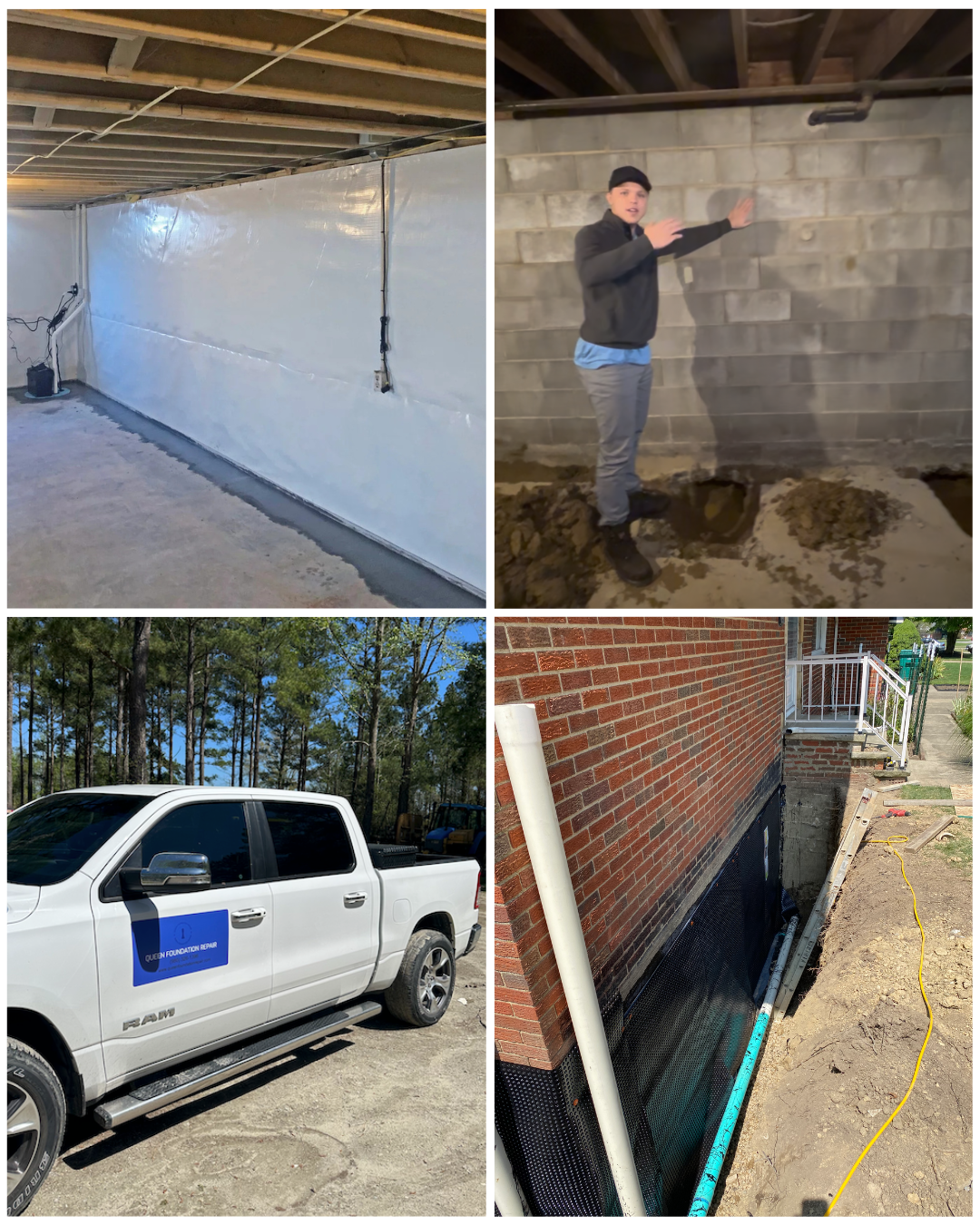
See the difference our work makes. Real projects, real results.
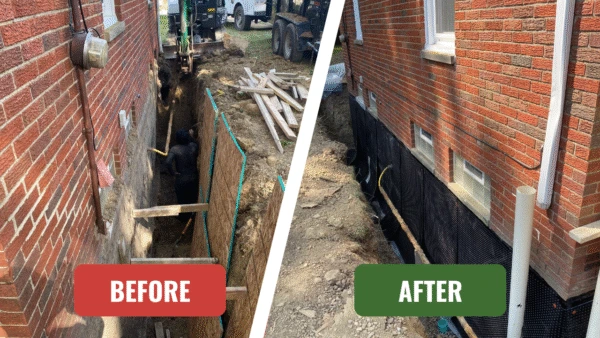
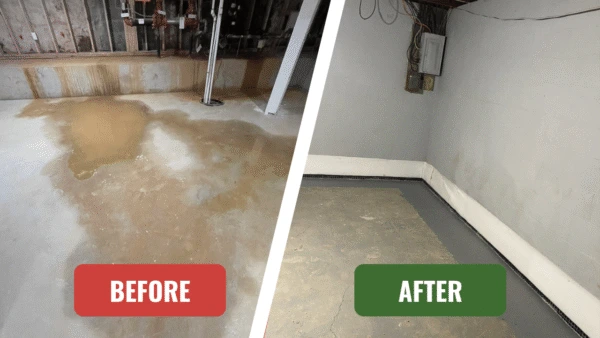
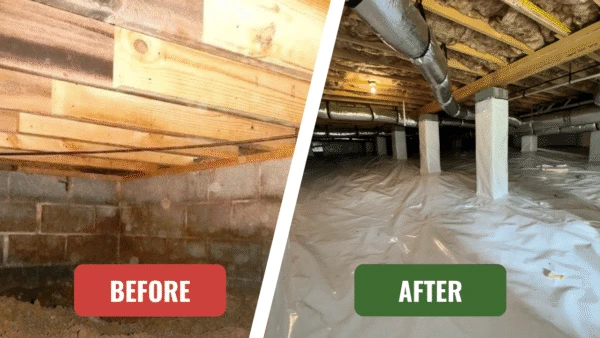
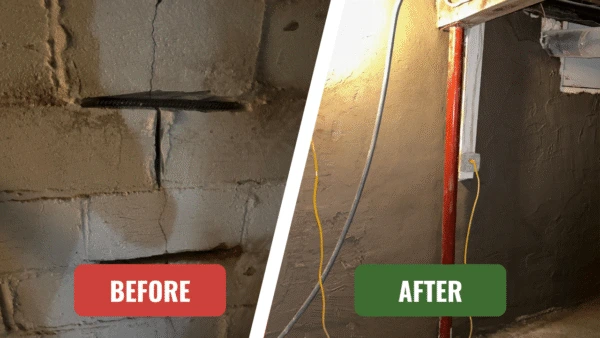
Here are the questions homeowners ask us most. If yours isn't here, call us — we're happy to help.
It comes down to what's under your home and around it. This area sits on red clay soil in the Blue Ridge Mountains. That clay swells every time it rains and shrinks when it dries out — and that constant push and pull moves your foundation. Add steep hillside lots that funnel water toward your home, freeze-thaw cycles in winter, and some of the highest humidity in the state, and your foundation takes pressure from every angle. Homes in older neighborhoods like Montford, West Asheville, and Grove Park were built before modern foundation standards, which makes them even more vulnerable.
Yes. After major flooding, water saturates the soil around and underneath your home. That changes how the ground supports your foundation. Some homeowners don't notice the effects for months — cracks that slowly widen, doors that start sticking, or floors that weren't uneven before. If your home was in or near a flood zone during Helene, it's worth getting a free inspection to check for damage before it gets worse.
Older homes here were often built on shallow footings or stacked stone foundations that weren't designed for the soil movement we see in this area. The repair approach depends on what's actually happening — sometimes it's pier installation to stabilize settlement, sometimes it's wall reinforcement, sometimes it's addressing drainage that was never properly set up. We inspect the whole picture and match the solution to what your home actually needs.
This area stays humid most of the year, and that moisture moves through the ground and into your crawl space through the dirt floor and vents. Even when it hasn't rained in weeks, the soil underneath your home holds moisture that evaporates upward. That trapped humidity leads to mold, wood rot, and musty air inside your house. Crawl space encapsulation seals it off with a vapor barrier and controls the moisture with a dehumidifier — most homeowners notice the difference in their air quality within a few weeks.
Before, if you can. The heaviest rain hits between March and June. Every storm cycle pushes more water against your foundation and into your crawl space, which makes existing problems worse. Repairing before the rain season means you're protected when the pressure is highest. That said, we work year-round — if you're already seeing signs of damage, don't wait for a calendar date. The sooner it's addressed, the less it costs to fix.
Yes. We serve homeowners throughout Buncombe County and the surrounding areas, including West Asheville, Montford, Grove Park, Kenilworth, Biltmore Village, North Asheville, Haw Creek, Arden, Fletcher, Fairview, Weaverville, and Black Mountain. If you're not sure whether we cover your area, give us a call and we'll let you know.