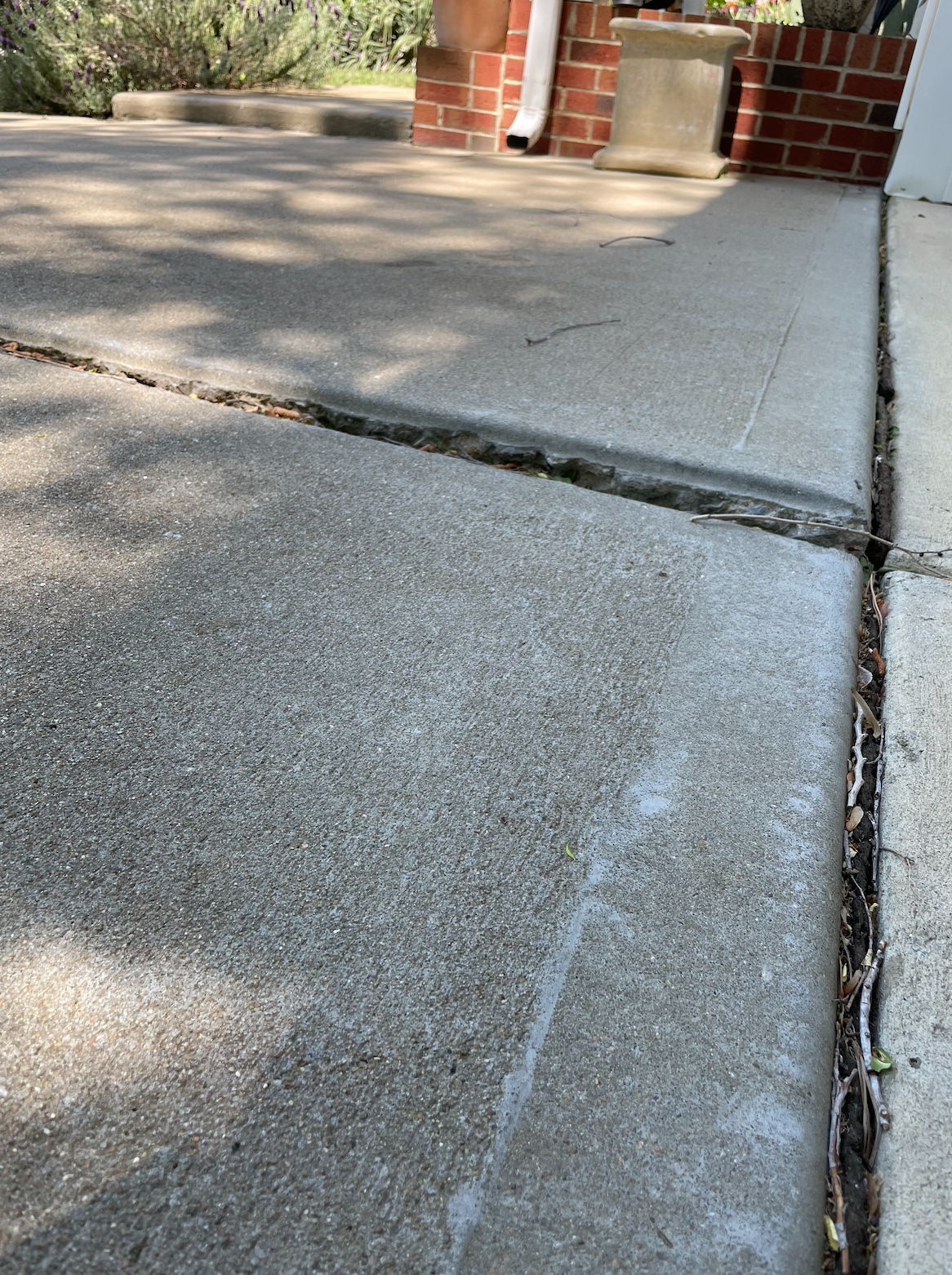
Cracks, settling, water damage — get a straight answer and a free inspection.
I'm Ready For A Free Quote
Thank You For Your Submission!
A team member will be reaching out to you shortly.







Red clay soil, heavy rain, and aging foundations. Here's what we fix.
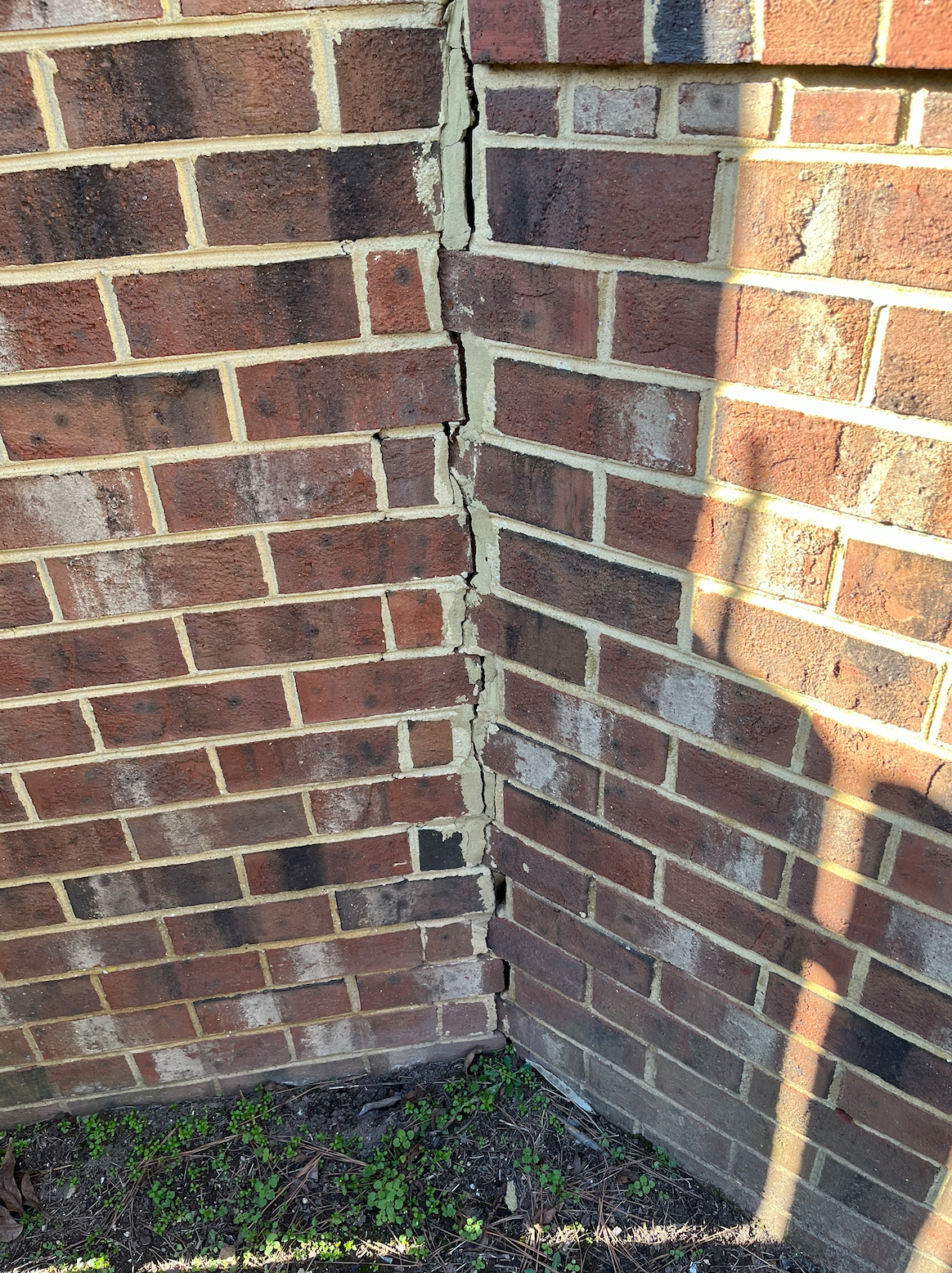
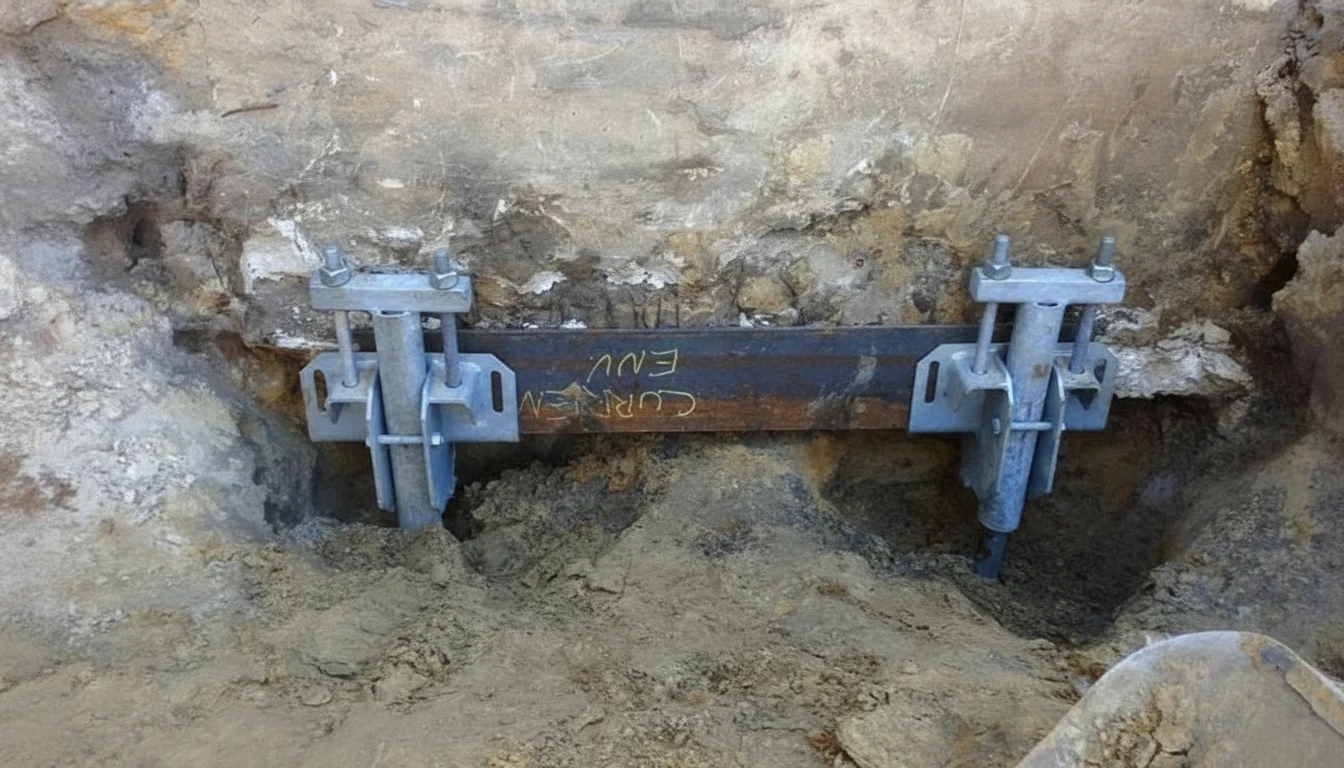
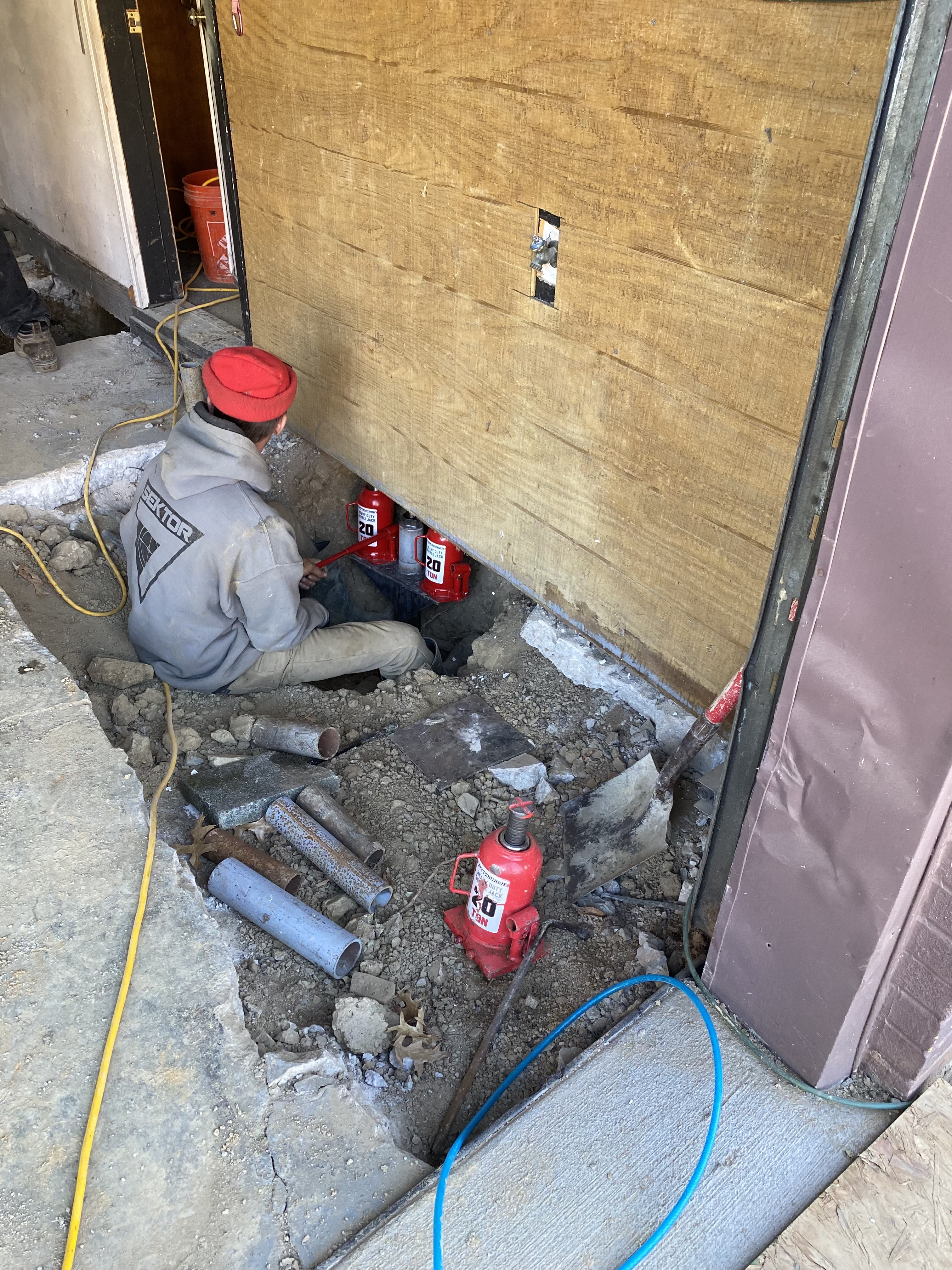
Floors sloping. Cracks running from door frames. Parts of the house dropping. The clay underneath swells and shrinks with moisture, and the foundation settles unevenly. Steel push piers and helical piers reach stable ground and stop the movement.
Learn More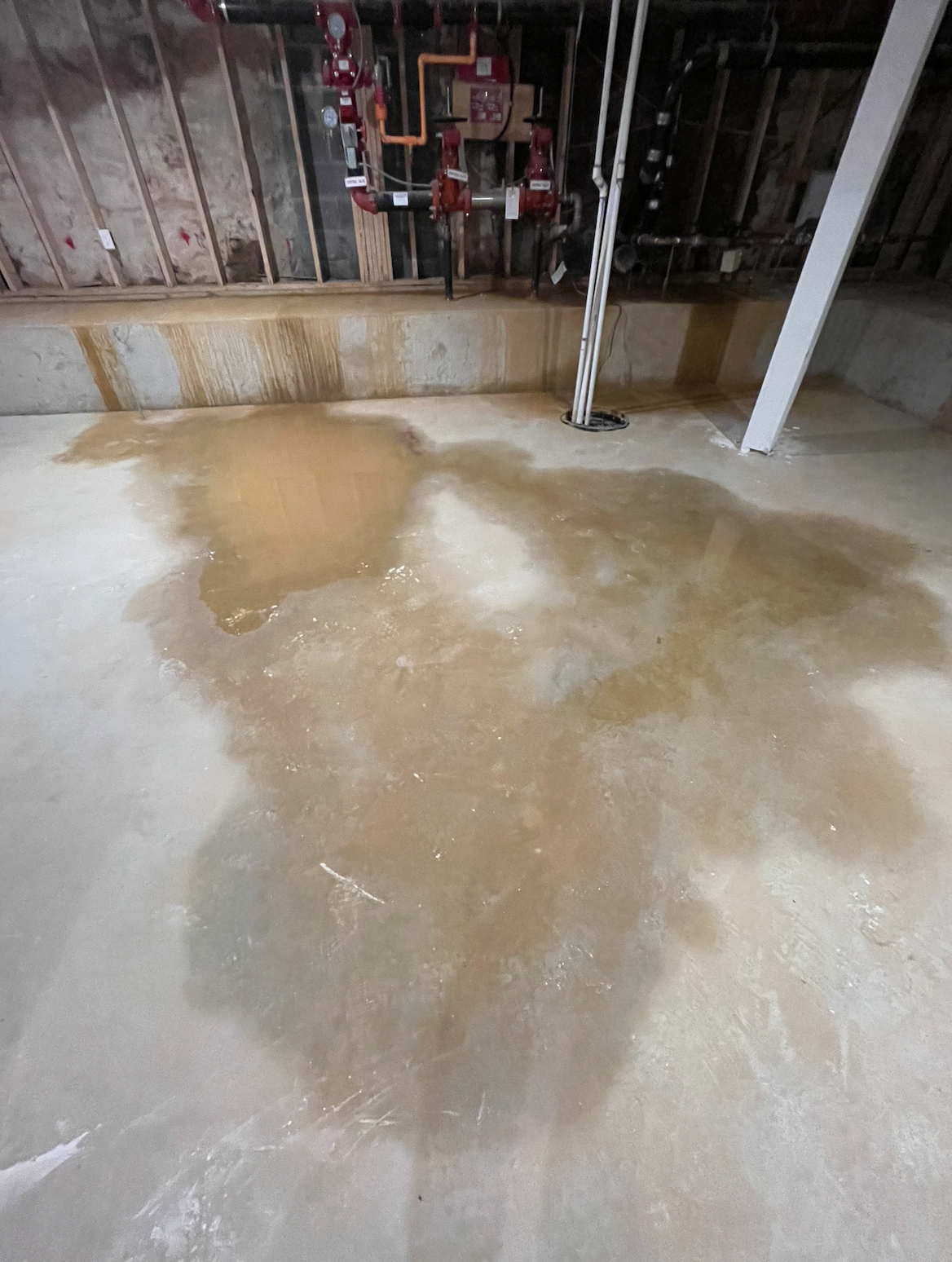
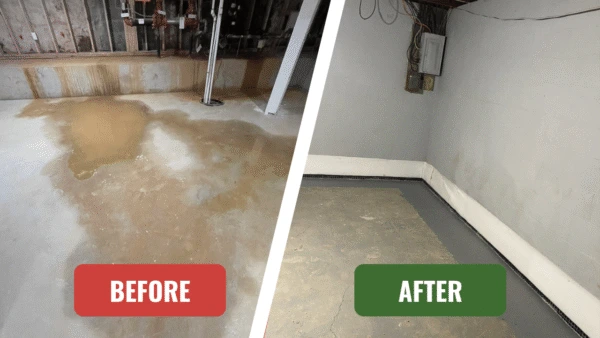
Water on the basement floor after rain means saturated clay is pushing moisture through your walls. Interior drainage systems catch it at the wall-floor joint and move it out before it spreads.
Learn More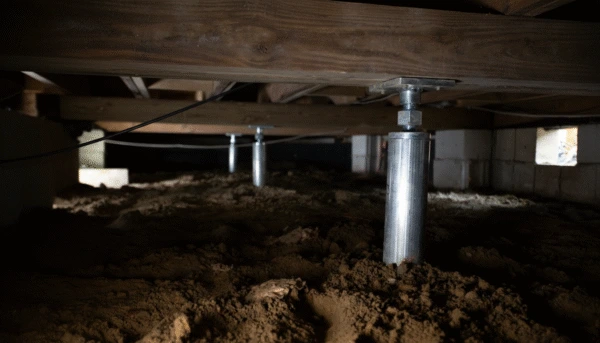
Soft spots in the floor. Bounce when you walk. The supports under your house are failing. Damaged joists, beams, and posts get replaced with steel jacks built for the load.
Learn More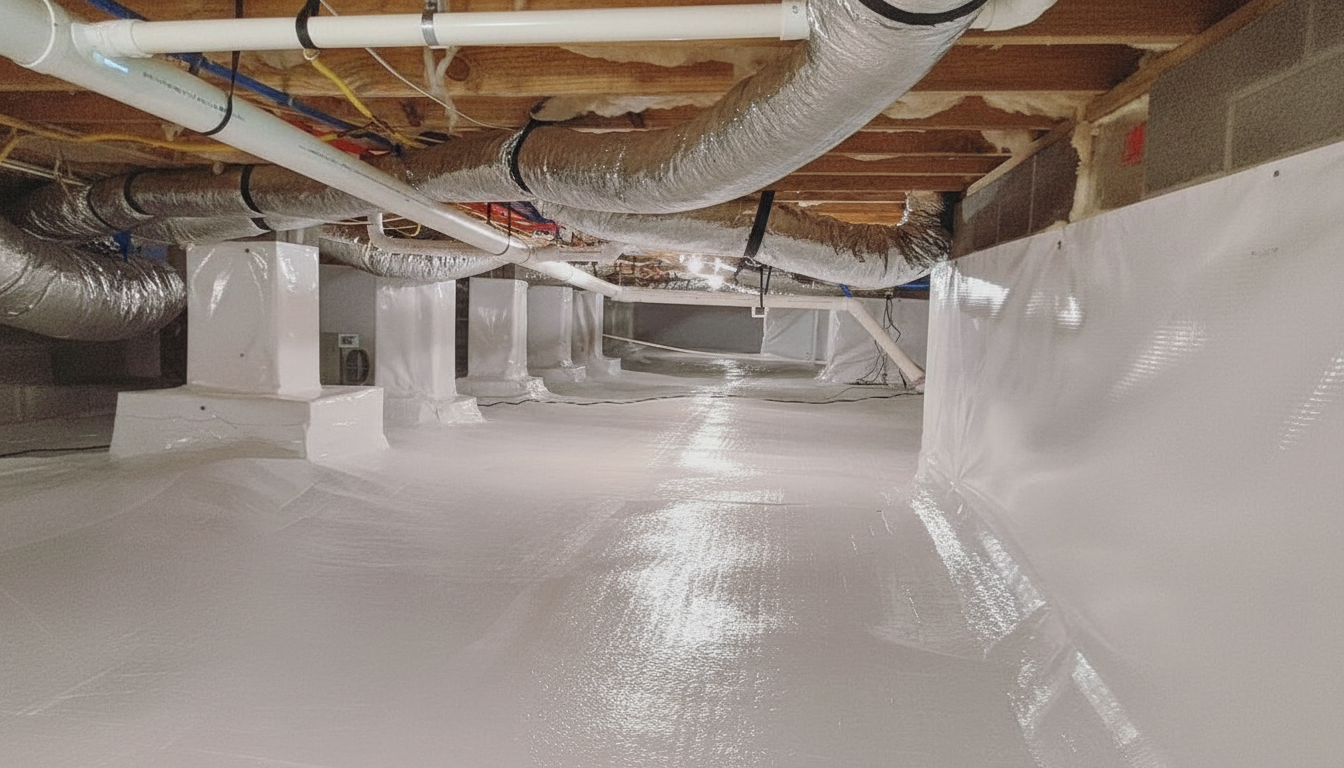
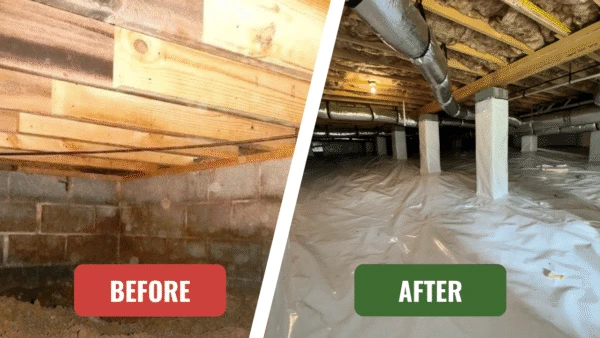
An open crawl space in this climate pulls in moisture nonstop. Mold grows. Wood rots. Musty air rises into the house. A sealed vapor barrier, closed vents, and a dehumidifier shut it down.
Learn More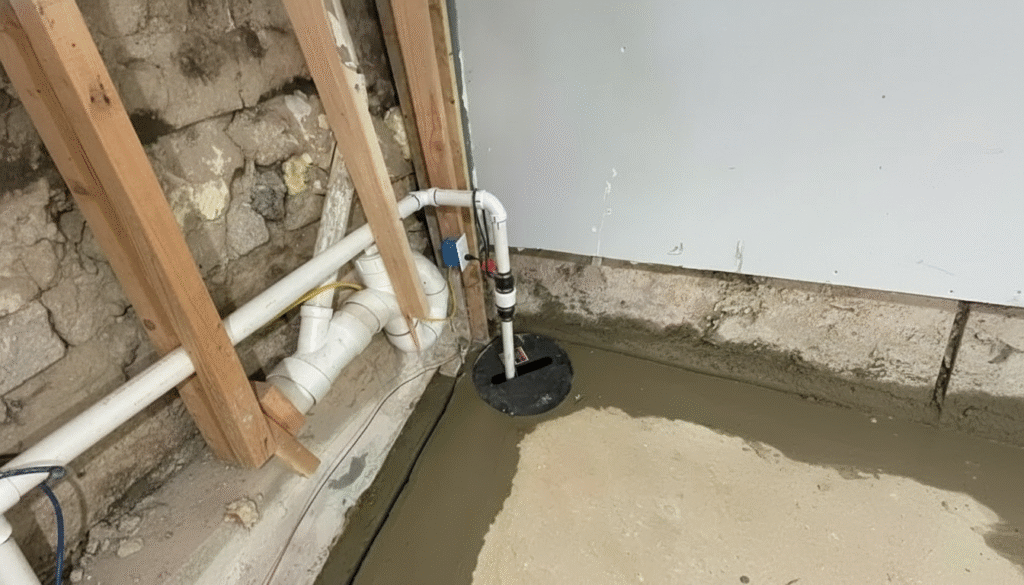
Groundwater rises during heavy storms. A submersible sump pump with battery backup keeps your basement or crawl space dry — even when the power goes out.
Learn More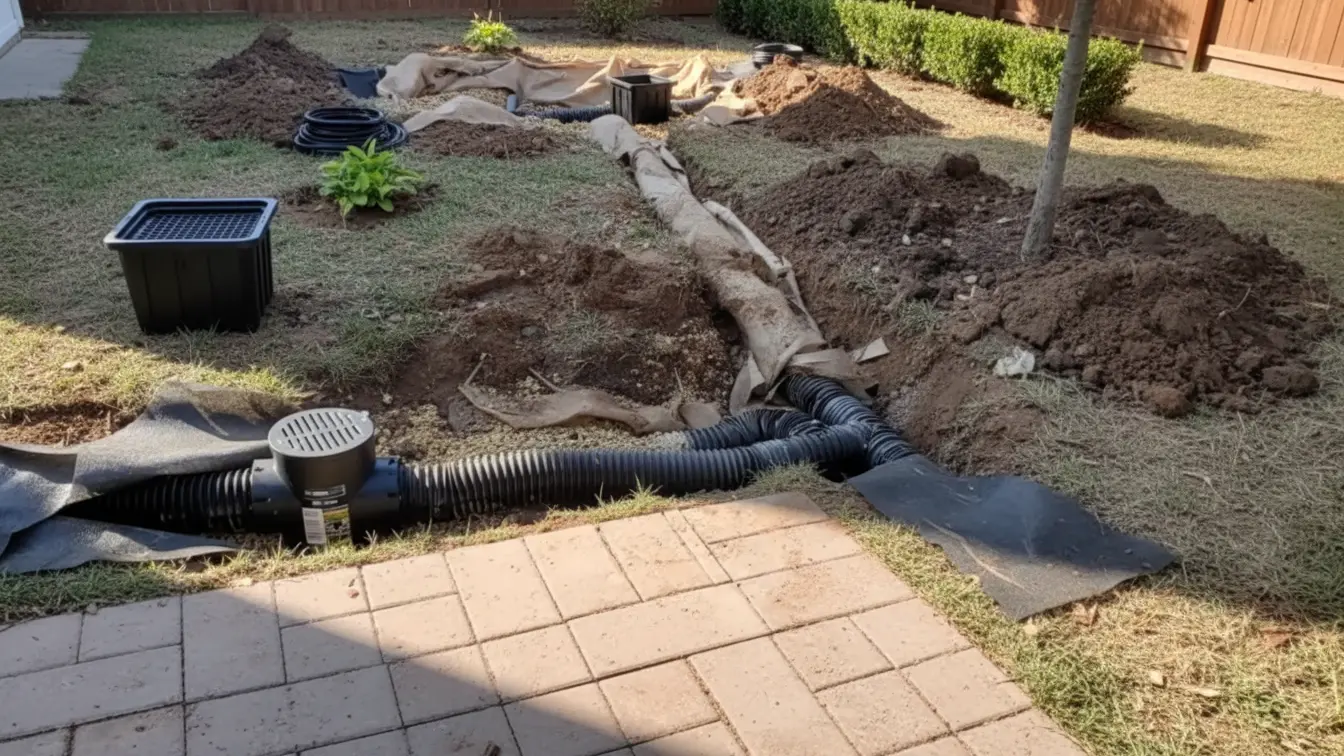
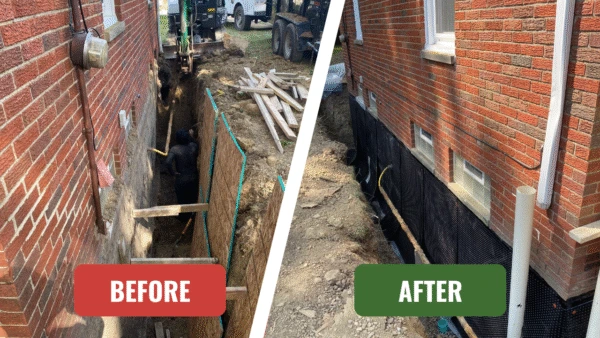
Water collecting at the base of your foundation needs somewhere to go. A french drain catches it along the perimeter and routes it to a sump pit before it reaches your floor.
Learn MoreGetting started is simple. Here's what to expect when you work with us.
Straight answers. Honest pricing. Repairs that hold.
Straight answers. Honest pricing. Repairs that hold.
Most homeowners calling about foundation problems are worried they'll get sold something they don't need. The inspection is free. If nothing needs repair, that's what you hear. If it does, you get a written scope and a single price — not a range, not a "starting at," not a number that changes after the work starts.
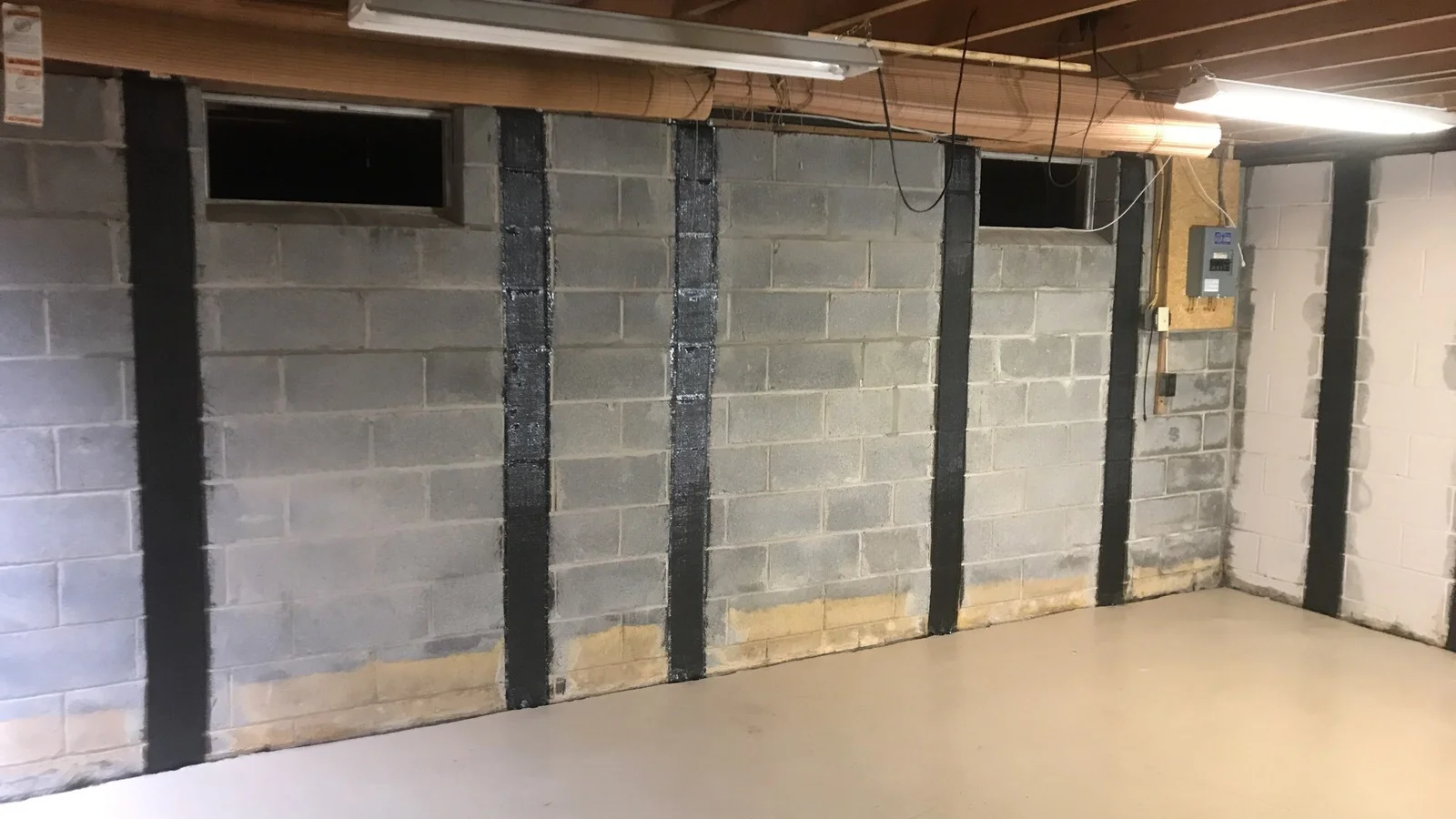
A settling slab doesn't get the same repair as a bowing basement wall. Push piers for sinking foundations. Wall anchors for walls under pressure. Encapsulation for crawl spaces holding moisture. The method is chosen based on what the inspection finds — not what's easiest to sell.
A crack that gets sealed now stays a crack. A crack that gets ignored becomes a wall that bows, a floor that drops, and a repair that costs five times more. Most of what we fix could have been caught earlier. The free inspection exists so you find out what you're dealing with before it gets ahead of you.
Get My Free Quote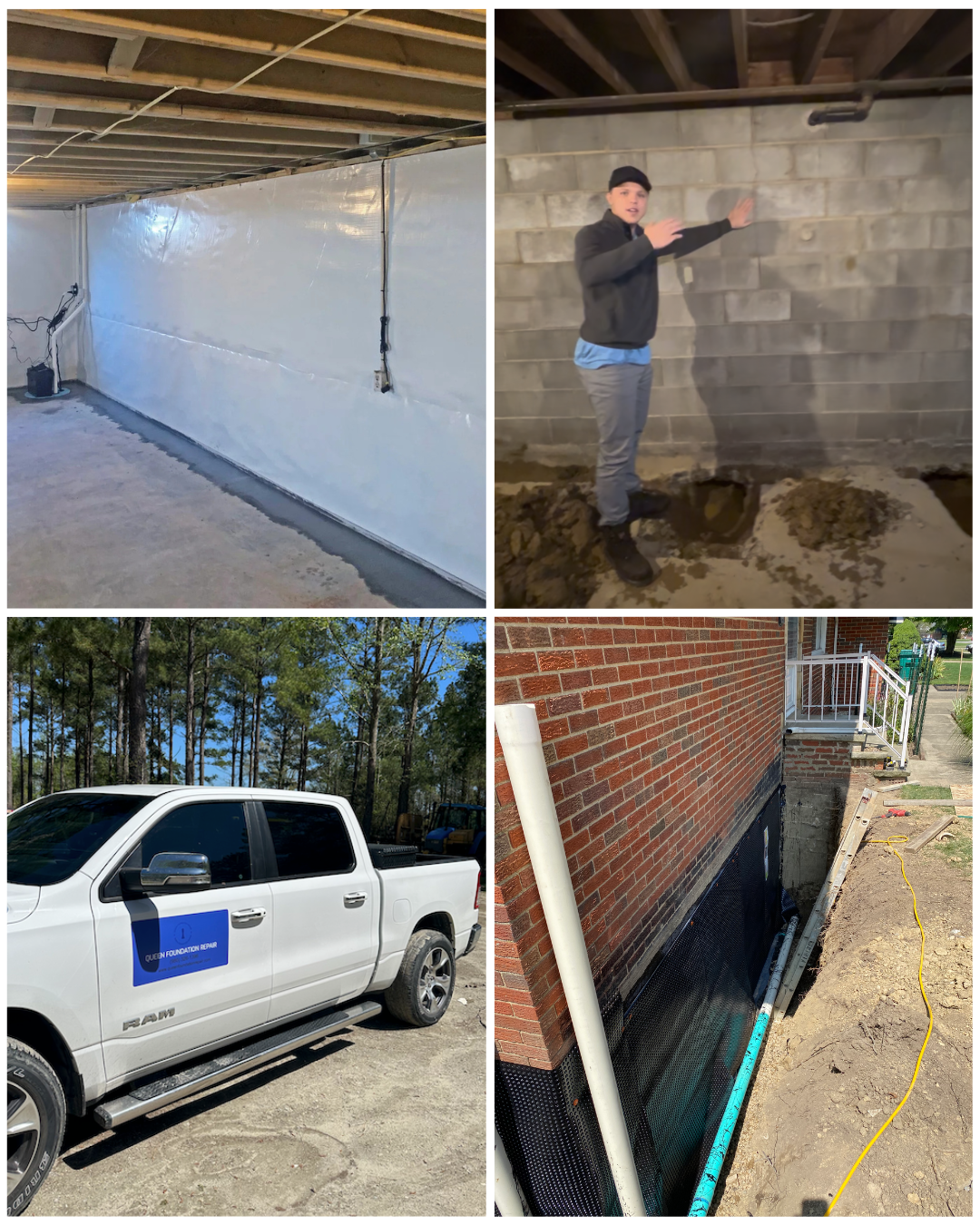
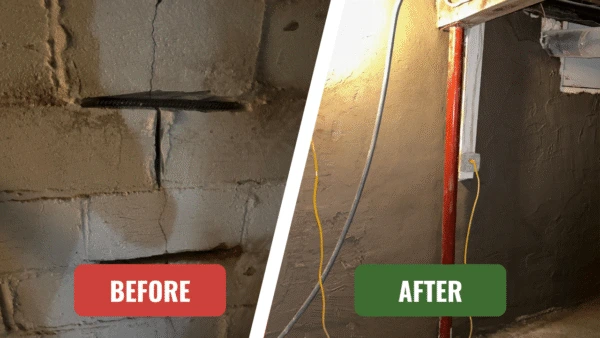
See the difference our work makes. Real projects, real results.
What homeowners here ask before they call.
The soil. Greensboro sits on Cecil clay — a red Piedmont soil that expands when wet and contracts when dry. With heavy annual rainfall and dry summers, the ground under your home is constantly shifting. Over time that movement creates voids beneath the foundation. The house settles unevenly into those gaps, and that's when cracks, sticking doors, and sloping floors show up.
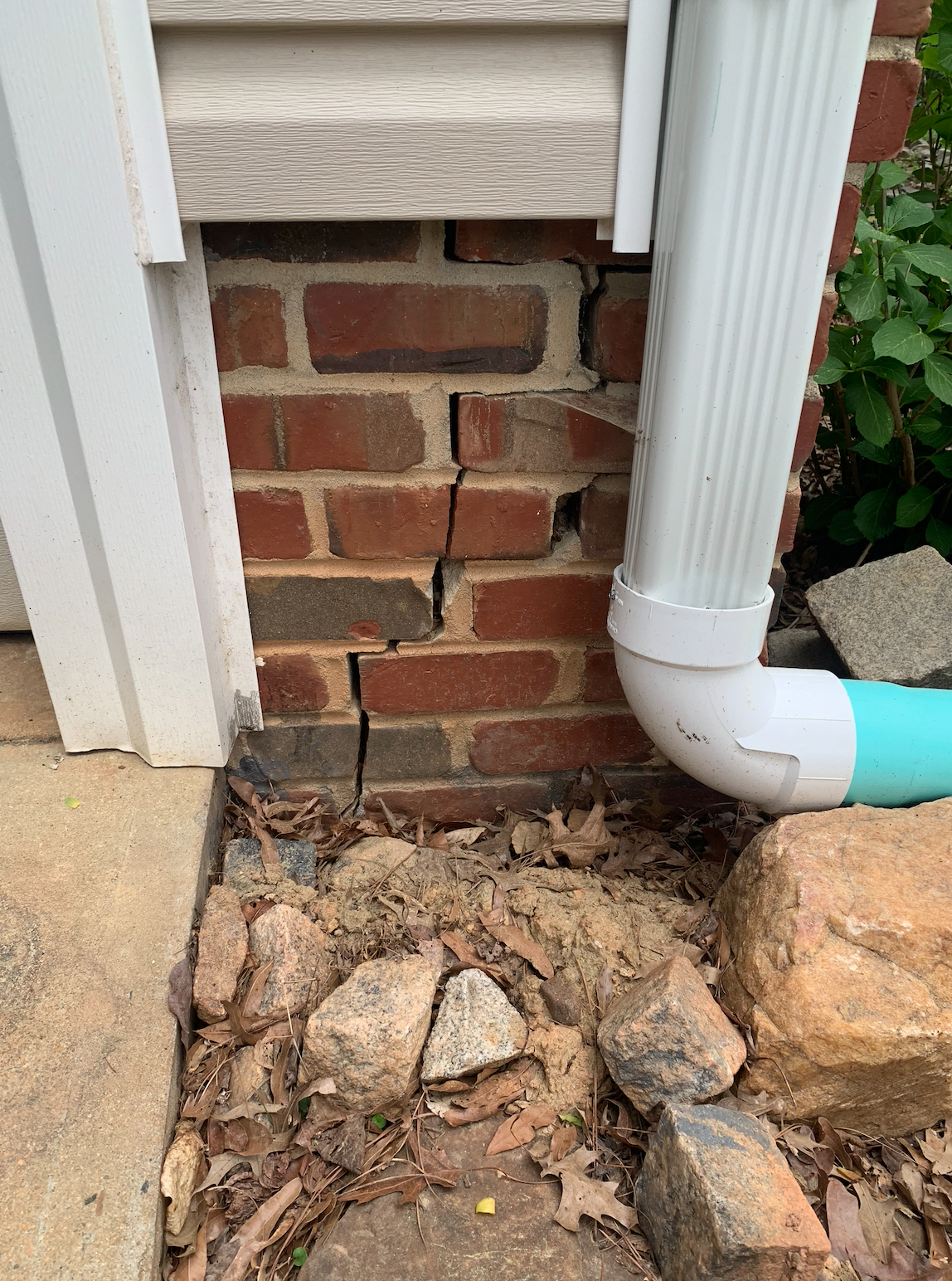
Hairline cracks that haven't moved in years are usually cosmetic. Diagonal cracks running from window or door corners toward the ceiling mean the foundation is shifting. If a crack is wider than a quarter inch, growing, or letting water through, it needs to be looked at. A free inspection tells you which kind you have.
Clay soil holds water instead of draining it. After rain, that saturated clay pushes moisture against foundation walls and up through floors. Older crawl spaces with dirt floors and open vents let humidity in directly. Add the creeks and low-lying areas across Guilford County, and water intrusion is one of the most common calls we get.
Usually not. Standard policies exclude damage from soil movement, settling, and poor drainage — the most common causes in this area. Coverage may apply to sudden events like a burst pipe or a tree strike. Worth checking your policy, but most homeowners pay out of pocket or through financing.
It gets worse. The soil keeps moving. Water keeps finding its way in. A repair that costs a few thousand now can turn into a full stabilization job at three to five times the price in a couple of years. The damage spreads to walls, floors, and framing. Waiting always costs more than acting.
Yes. We work across the Piedmont Triad and surrounding areas — High Point, Burlington, Winston-Salem, Kernersville, Jamestown, Oak Ridge, Summerfield, Asheboro, and throughout Guilford County. If your area isn't listed, we may still be able to help — call to find out.