We fix the wet basements, cracked walls, and sinking floors that hit Youngstown homes hardest.
I'm Ready For A Free Quote
Thank You For Your Submission!
A team member will be reaching out to you shortly.






Most homes around the Mahoning Valley sit on heavy clay soil that holds water and pushes on basement walls year after year. Here are the problems we see most often, and what we do to fix them for good.
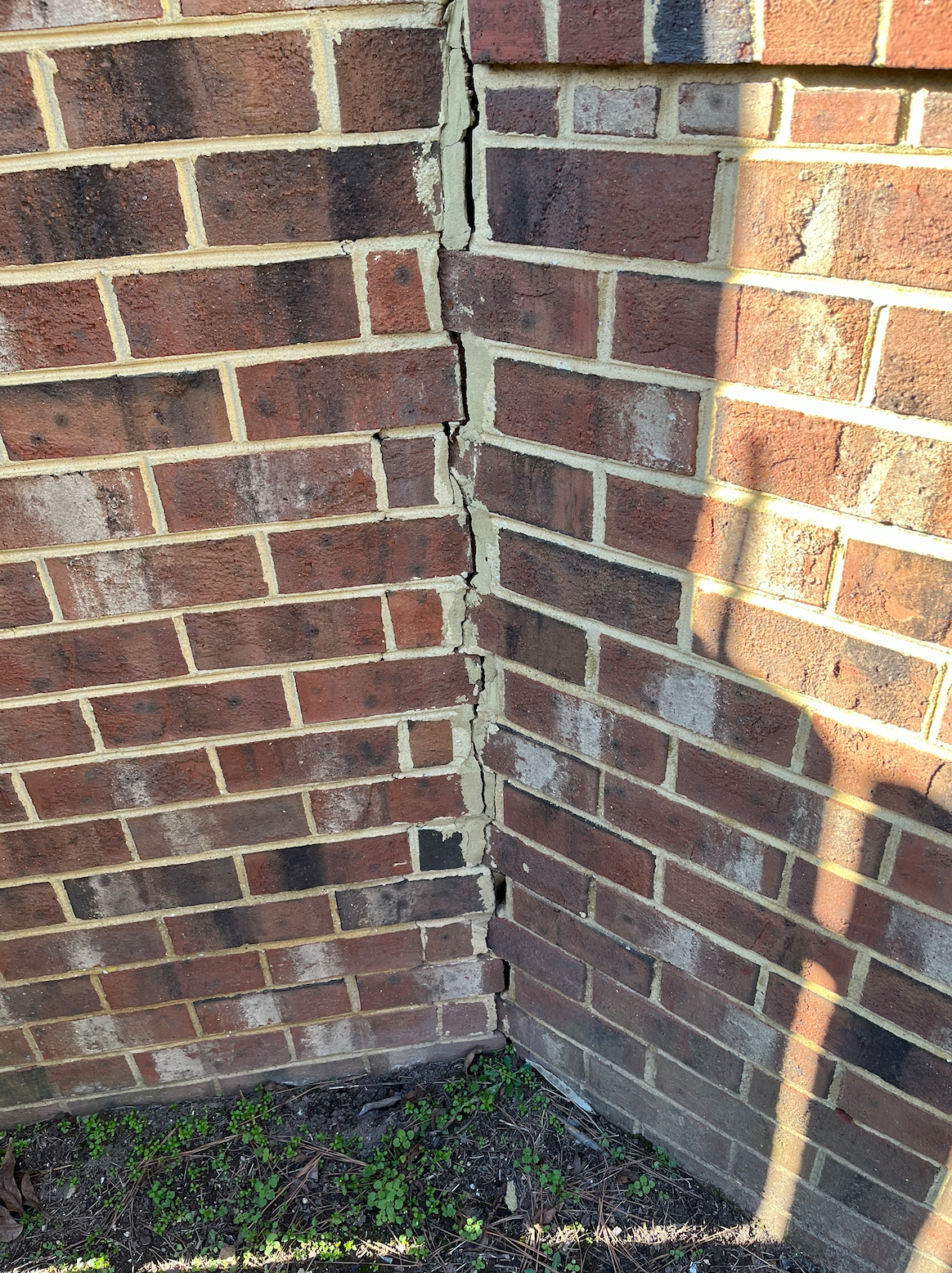
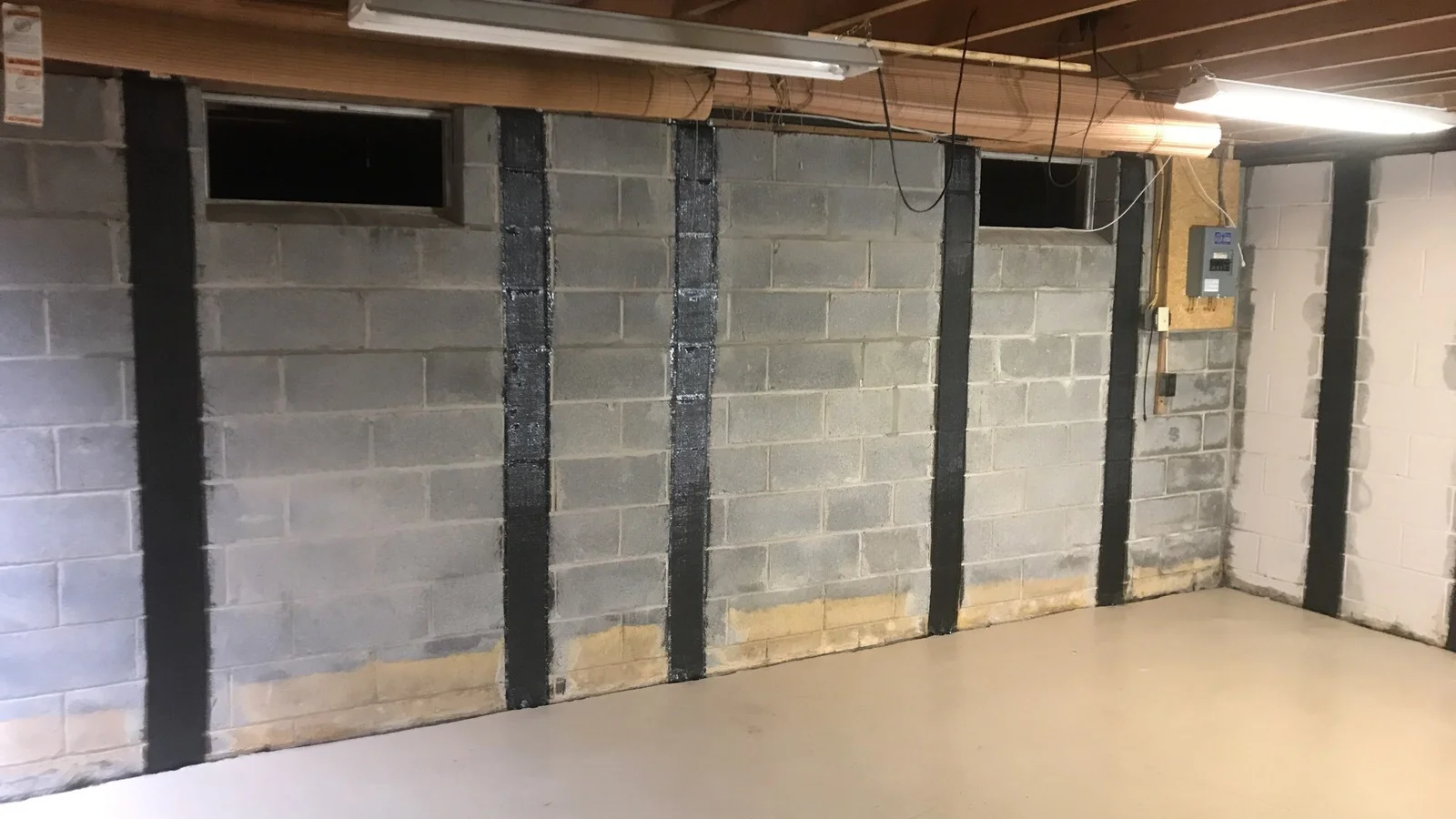
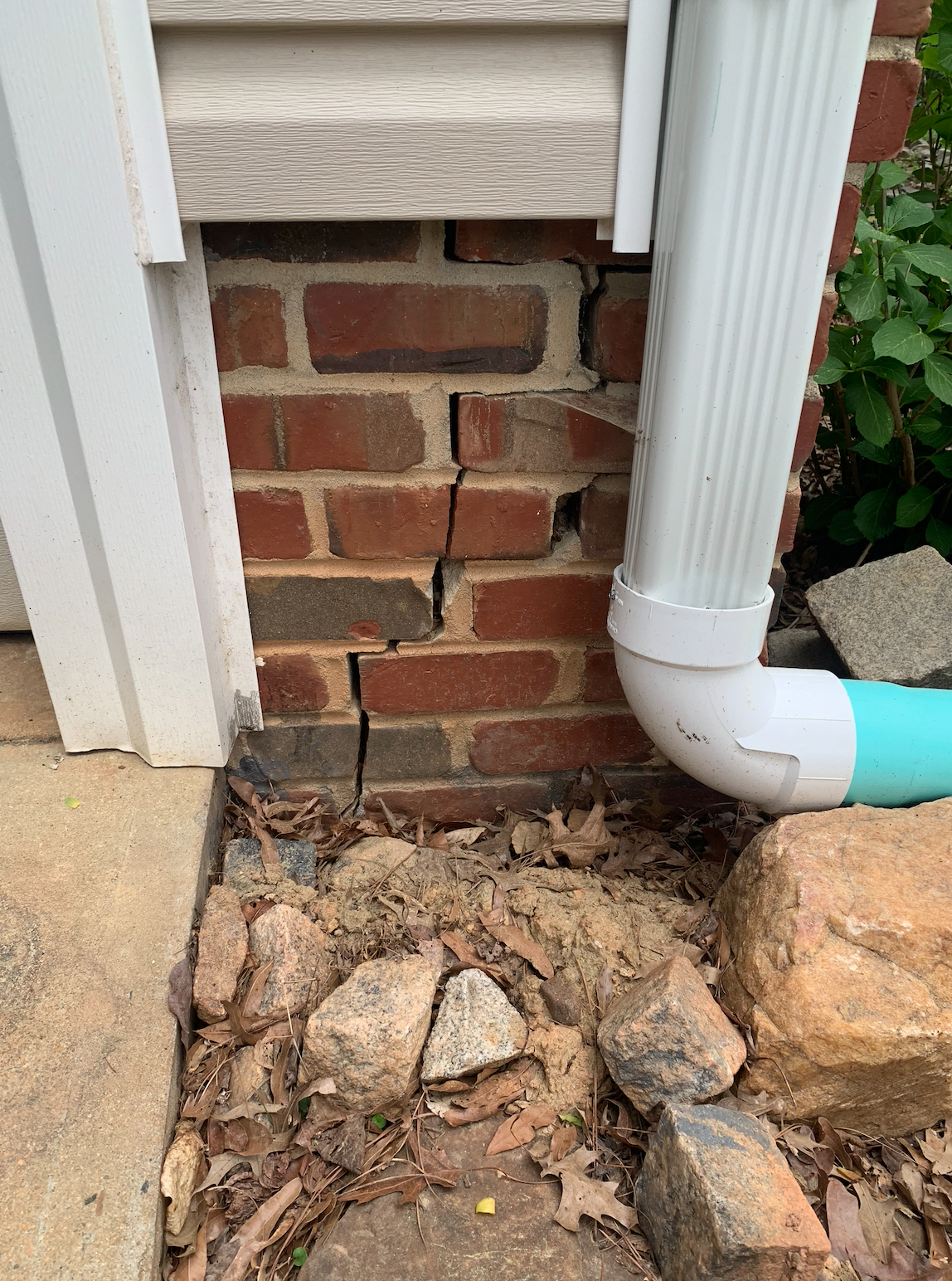
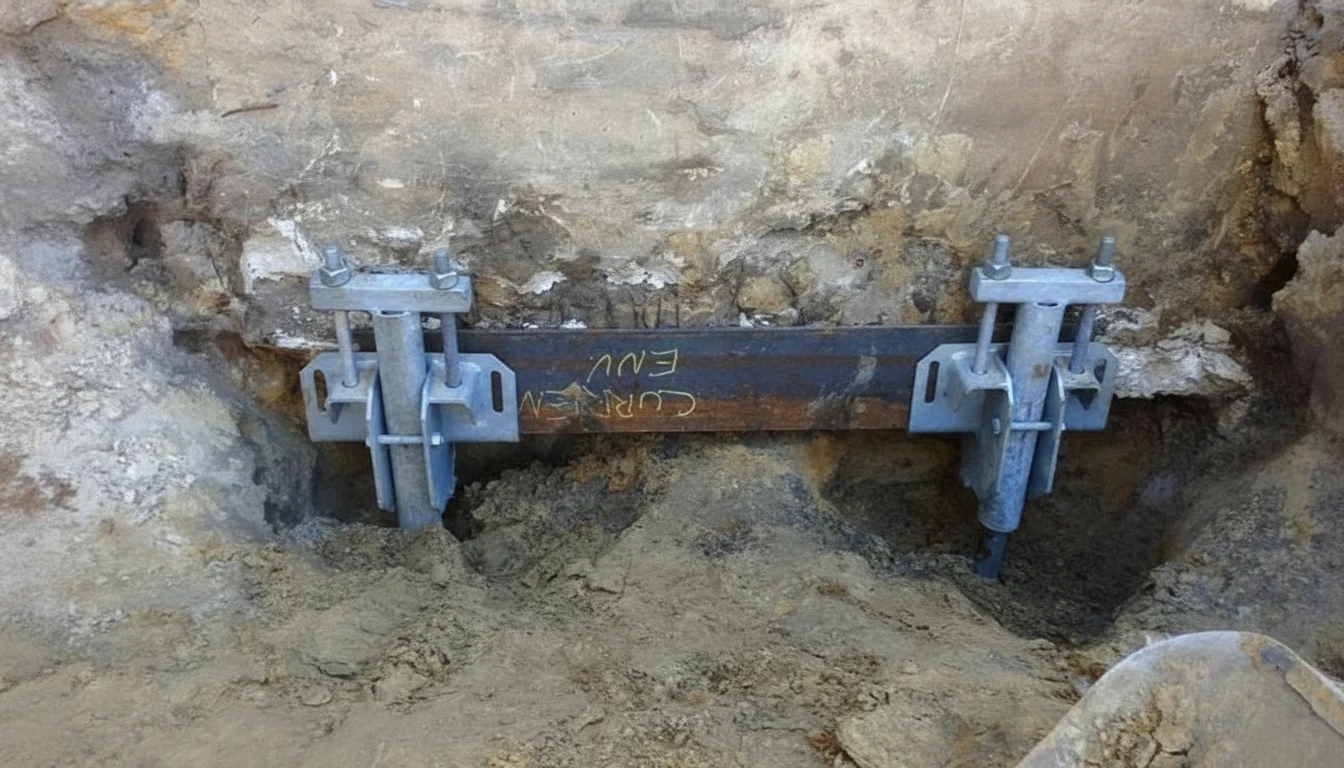
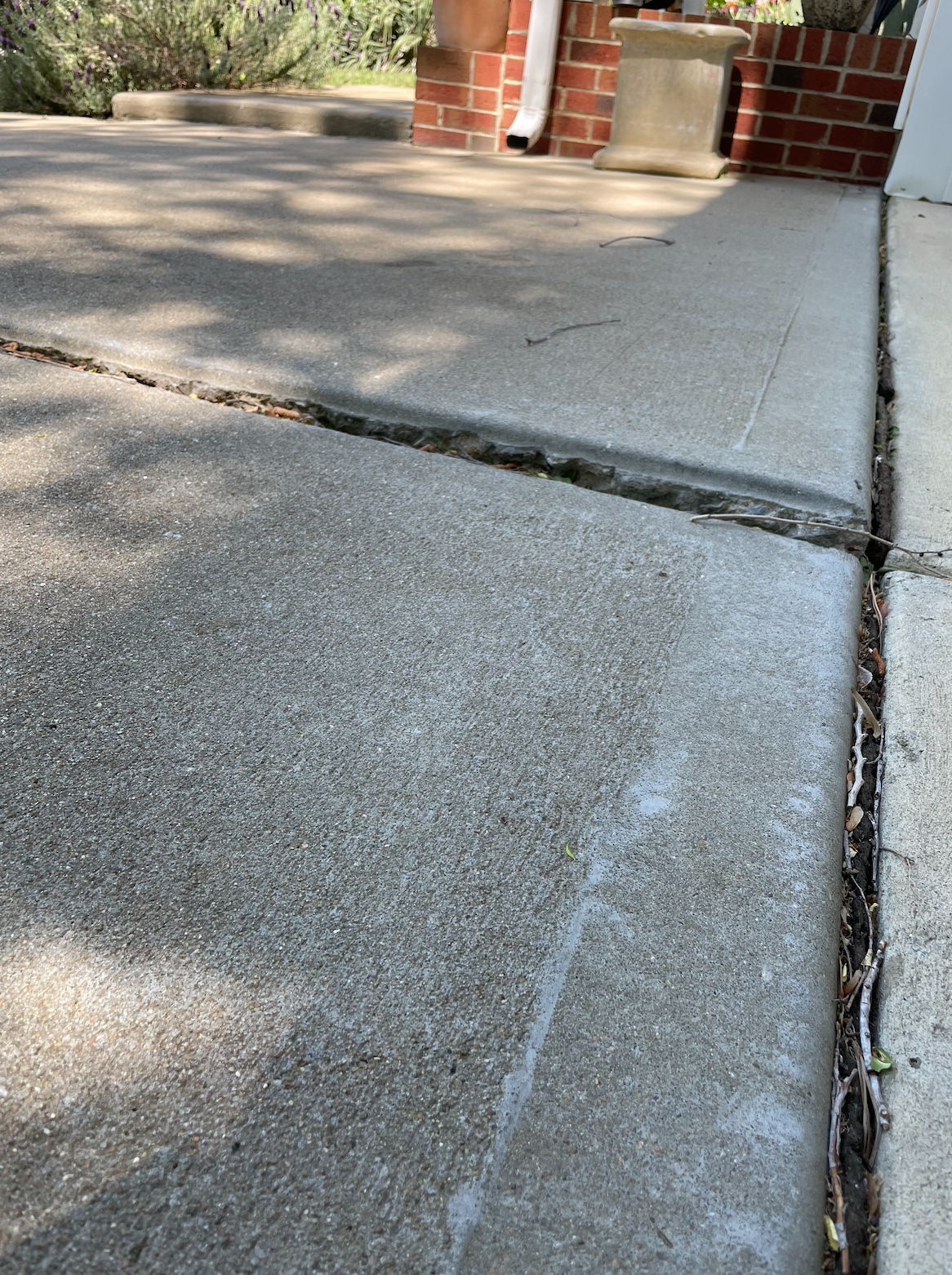
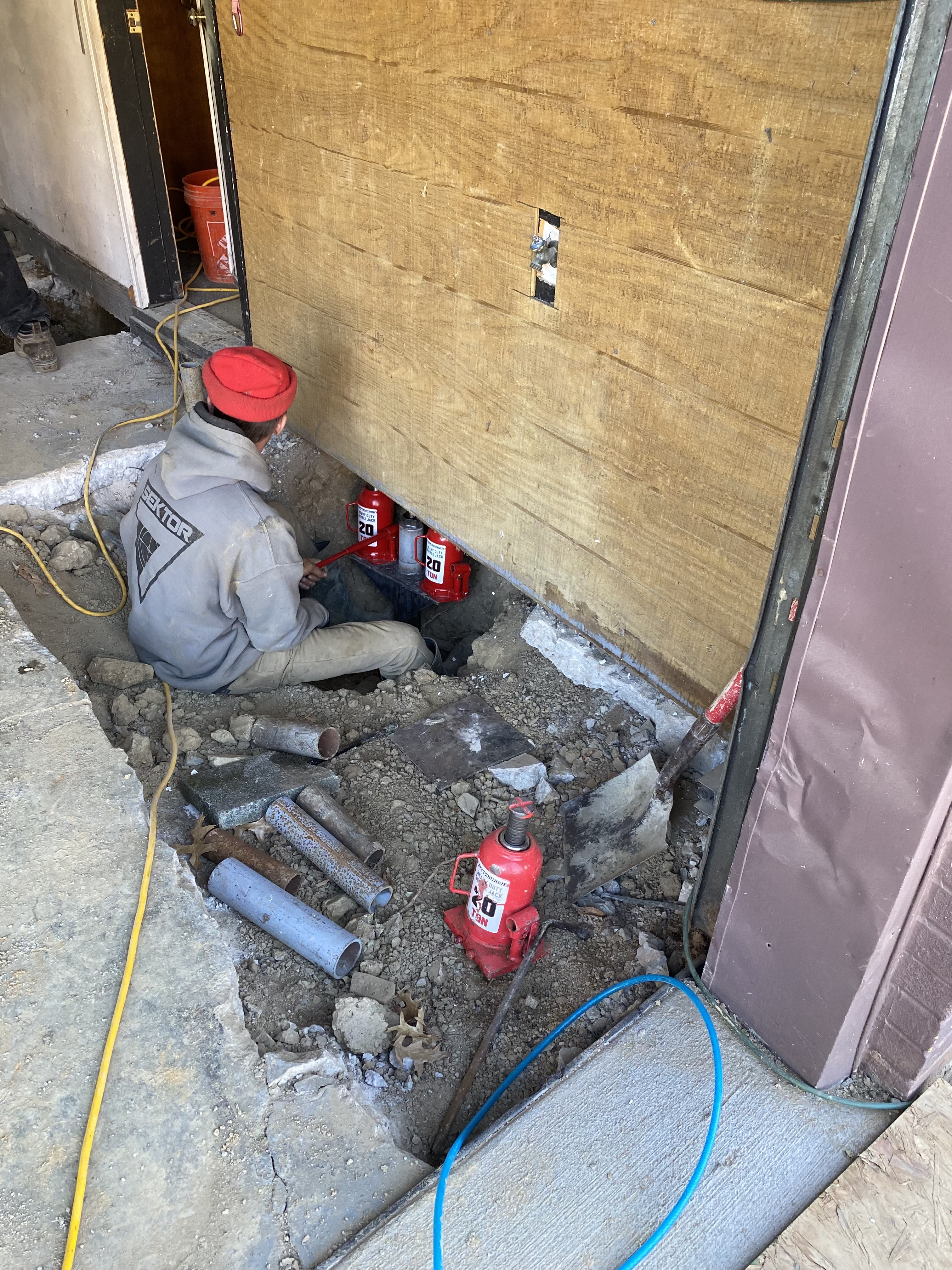
Doors that stick, floors that slope, cracks above your windows — these are signs your foundation is moving. We find out why and stop it.
Learn More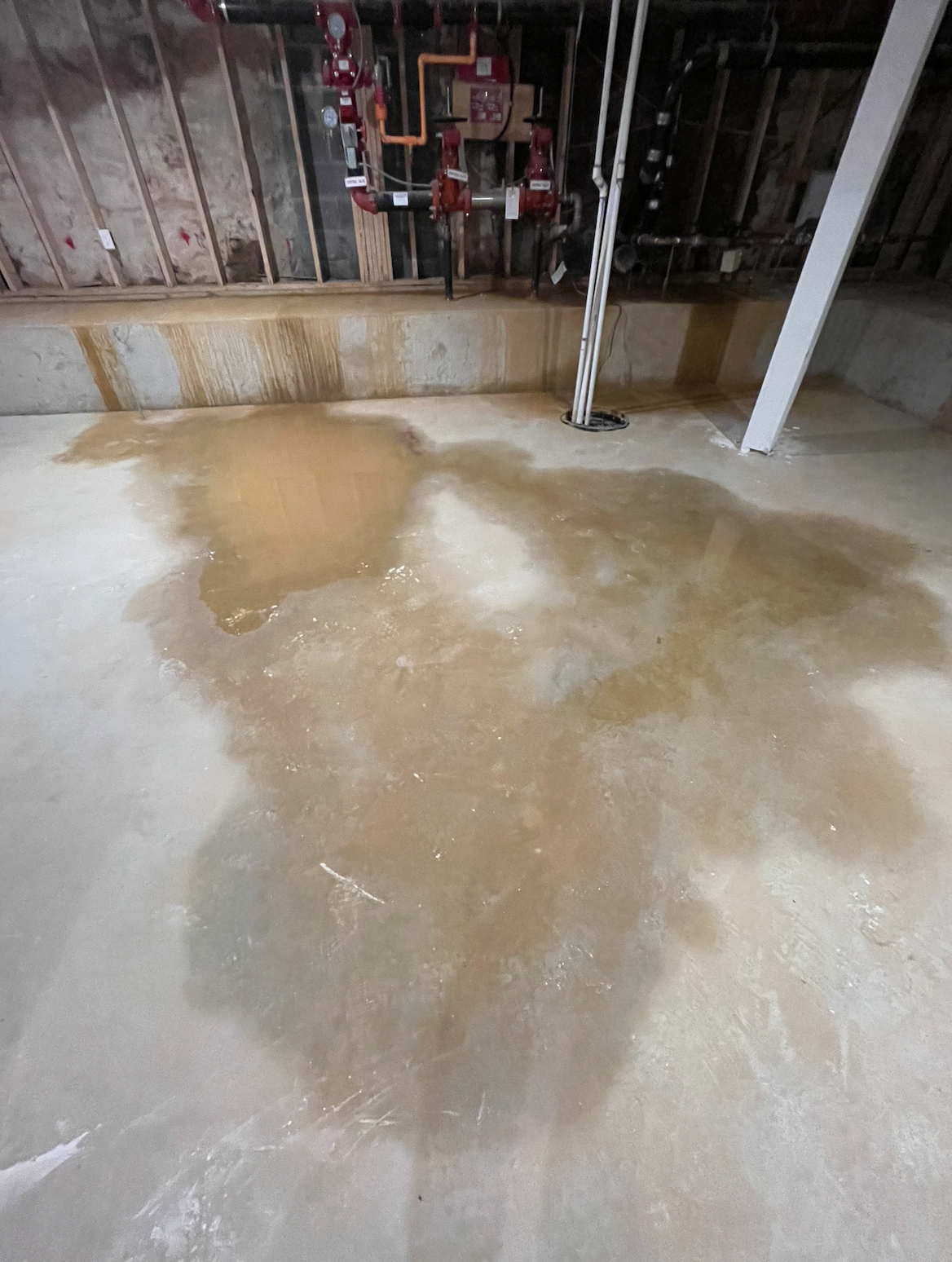
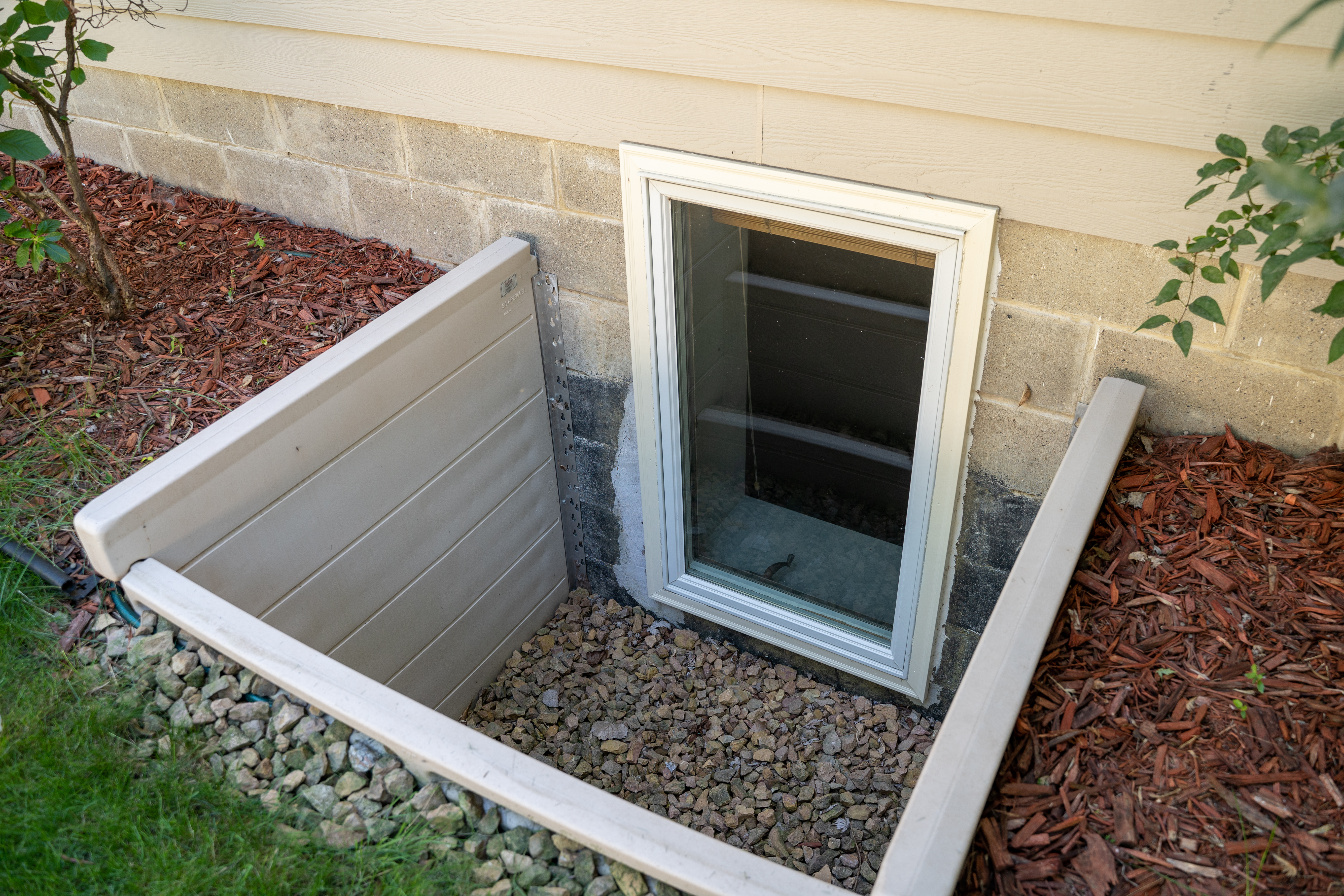
Water on the basement floor after a heavy rain or spring thaw is the most common problem in this area. We fix it from the inside so your basement stays dry through every season.
Learn More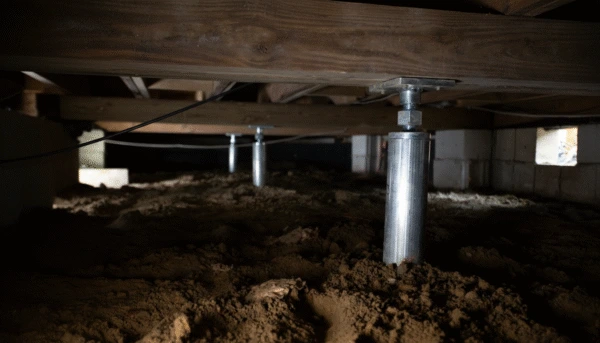
Sagging floors, musty air, and damp wood under your home all start in the crawl space. We rebuild what's broken and protect what's left.
Learn More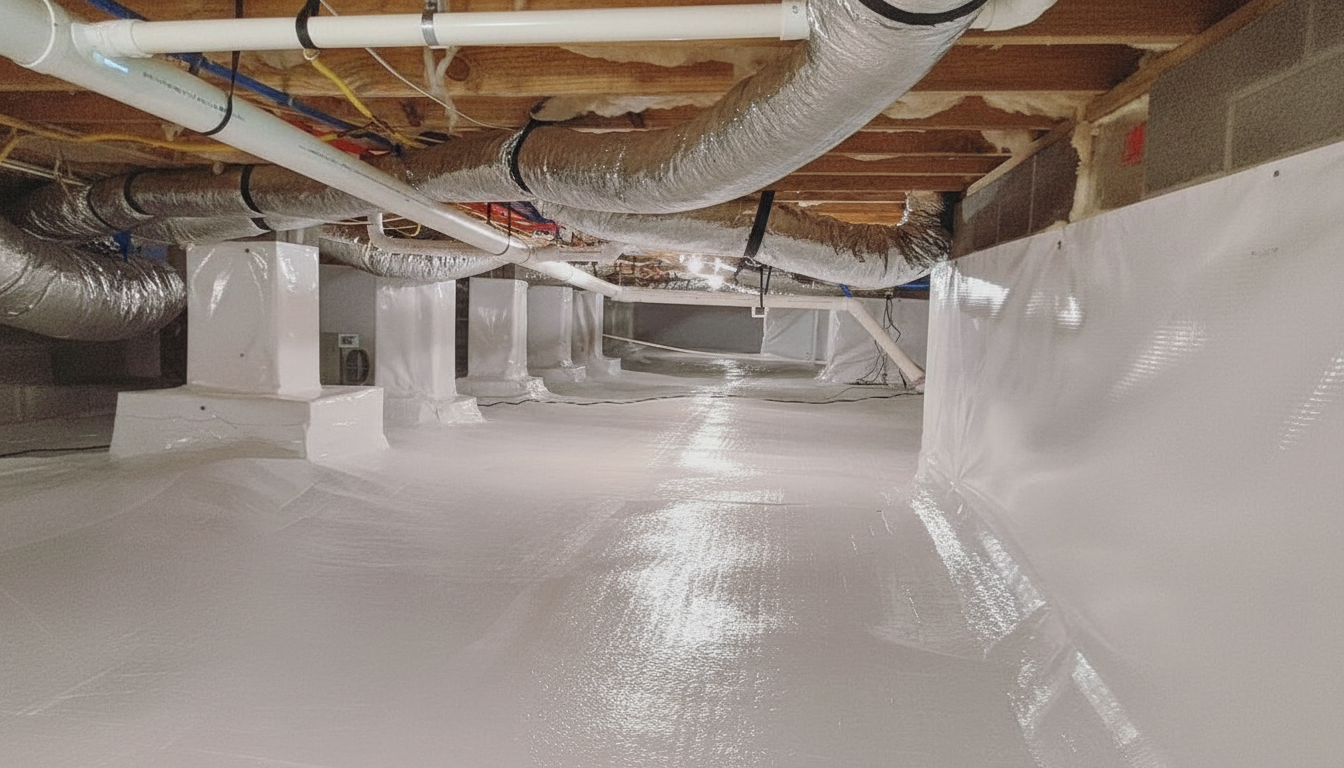
Wrapping your crawl space in a heavy vapor barrier keeps water, mold, and cold air out. It also makes the floors above feel warmer and dryer.
Learn More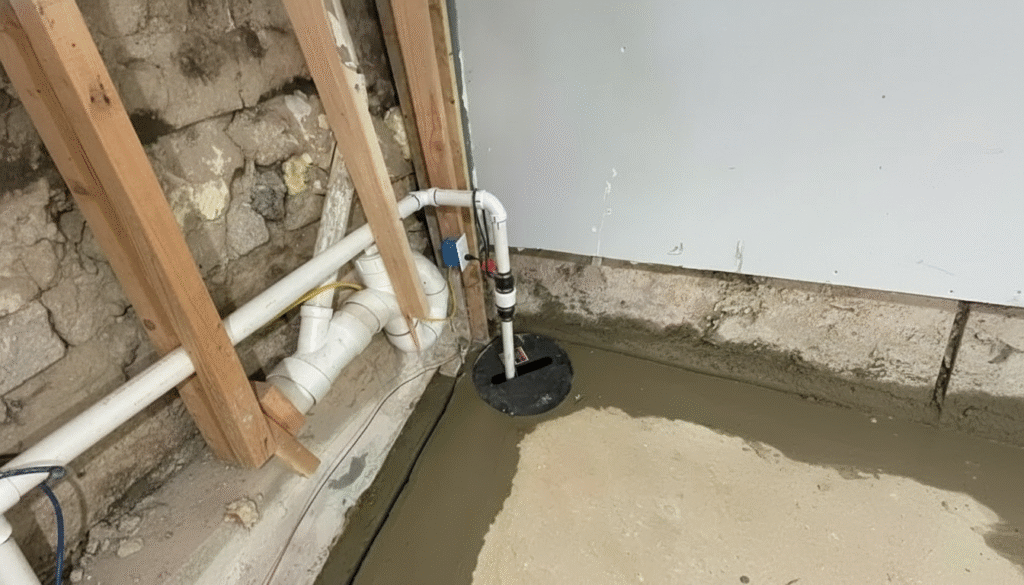
A good sump pump with battery backup is the difference between a dry basement and a flooded one when the power goes out during a storm.
Learn More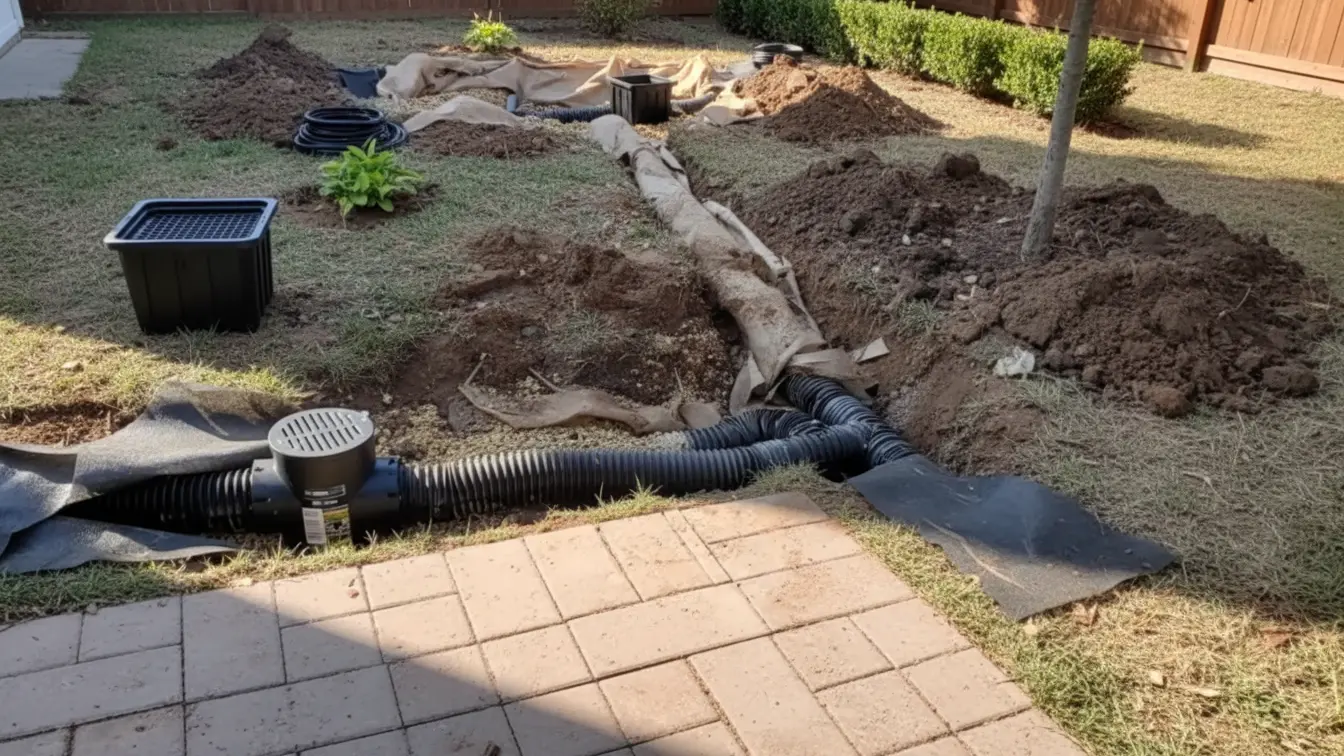
When water keeps pooling around your home or running toward the foundation, a French drain pulls it away before it can soak in.
Learn MoreGetting started is simple. Here's what to expect when you work with us.
Wet basements and cracked walls in this part of Ohio are not random. They have a cause, and once you understand it, you can fix it the right way the first time.
Wet basements and cracked walls in this part of Ohio are not random. They have a cause, and once you understand it, you can fix it the right way the first time.
The clay soil under most homes here holds water instead of draining it. When it rains hard or the snow melts in spring, that wet clay swells and pushes on your basement walls with thousands of pounds of force. Water finds every joint, crack, and pore in the block. That's why so many older homes in this area have the same wet wall, the same white chalky stain, and the same horizontal crack right across the middle. We've seen it hundreds of times — and we know how to stop it.
Sealing the inside of a wall with paint or patching a crack with hardware-store cement hides the problem for a year. Then it comes back, usually worse. Our job is to handle the water before it ever reaches your wall, and to brace the wall against the pressure it's already living with. That's how a fix lasts decades instead of months.
Some cracks are cosmetic. Some basements only need a better gutter run and a regraded yard. If that's what you have, we'll say so. We'd rather lose a job and earn a referral than sell you work you don't need. That's how we want to be known in this town.
Get My Free Quote
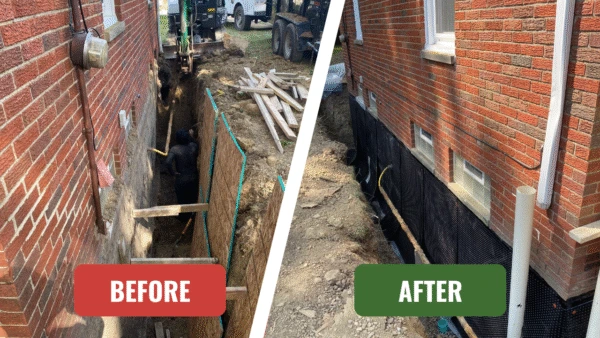
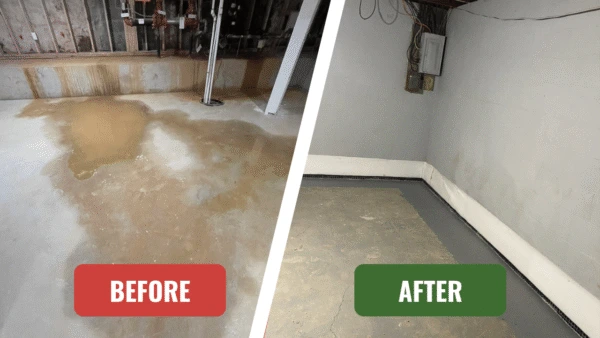
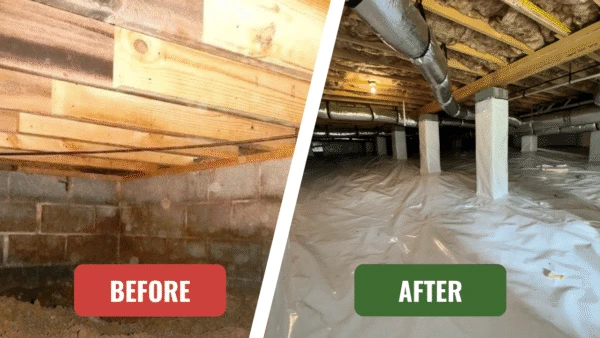
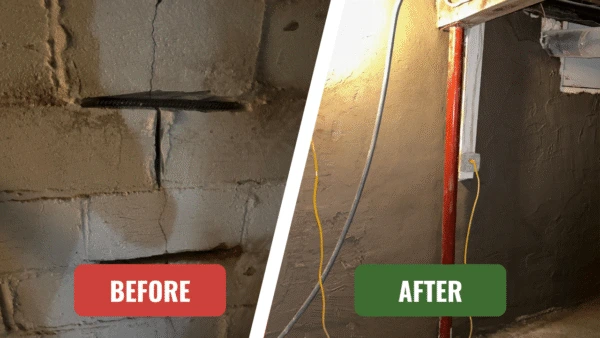
See the difference our work makes. Real projects, real results.
These are the questions we hear the most when we walk into a basement around here. Honest answers, no sales talk.
The soil around most homes in this area is heavy clay. Clay holds water instead of letting it drain. When the snow melts or a big rain hits, the wet clay swells and presses against your basement walls. The water has nowhere else to go, so it finds the joints, cracks, and pores in the block and ends up on your floor. The fix is not sealing the wall from the inside — it's giving the water a path to drain before it ever reaches the wall. That's what an interior drainage system and a sump pump do.
Yes, more often than not. A horizontal crack that runs across a basement wall usually means the soil outside is pushing inward — the wall is starting to fail under pressure. This is different from a small vertical crack, which is often just a wall settling and not a big deal. If you have a horizontal crack or a wall that looks like it's leaning or bowing inward, get it checked. It's not going to fix itself, and it gets more expensive the longer you wait.
Almost never. Standard homeowners insurance covers sudden, surprise damage — like a burst pipe. It does not cover slow damage from groundwater, soil pressure, or normal wear and tear. That means most foundation repair, basement waterproofing, and bowing wall jobs come out of pocket. The good news is that financing is usually available, and the cost of fixing it now is almost always less than the cost of waiting.
It depends on what's actually wrong, and we won't quote a price without seeing the problem. A small crack repair is a much smaller job than a full perimeter drainage system or a wall stabilization. What we can promise is a clear written quote with the real scope — no surprises halfway through, no extra charges that show up at the end. Most homeowners who ask us for help are surprised the cost is lower than they feared.
Some signs mean you should act soon: water on the floor after every rain, a horizontal crack across a basement wall, walls that bow or lean inward, doors and windows that suddenly stick, or floors that slope. Other signs are not as urgent — small vertical hairline cracks, a damp smell that goes away, or a single old crack that hasn't moved. The best way to know is to have someone who actually knows what they're looking at come take a look. That part is free, and we'll tell you straight if it can wait.
Yes. We work all across the Mahoning Valley and surrounding areas — including Boardman, Austintown, Canfield, Poland, Liberty Township, Hubbard, Struthers, Campbell, and the smaller communities around them. If you're not sure whether we cover your area, just ask.