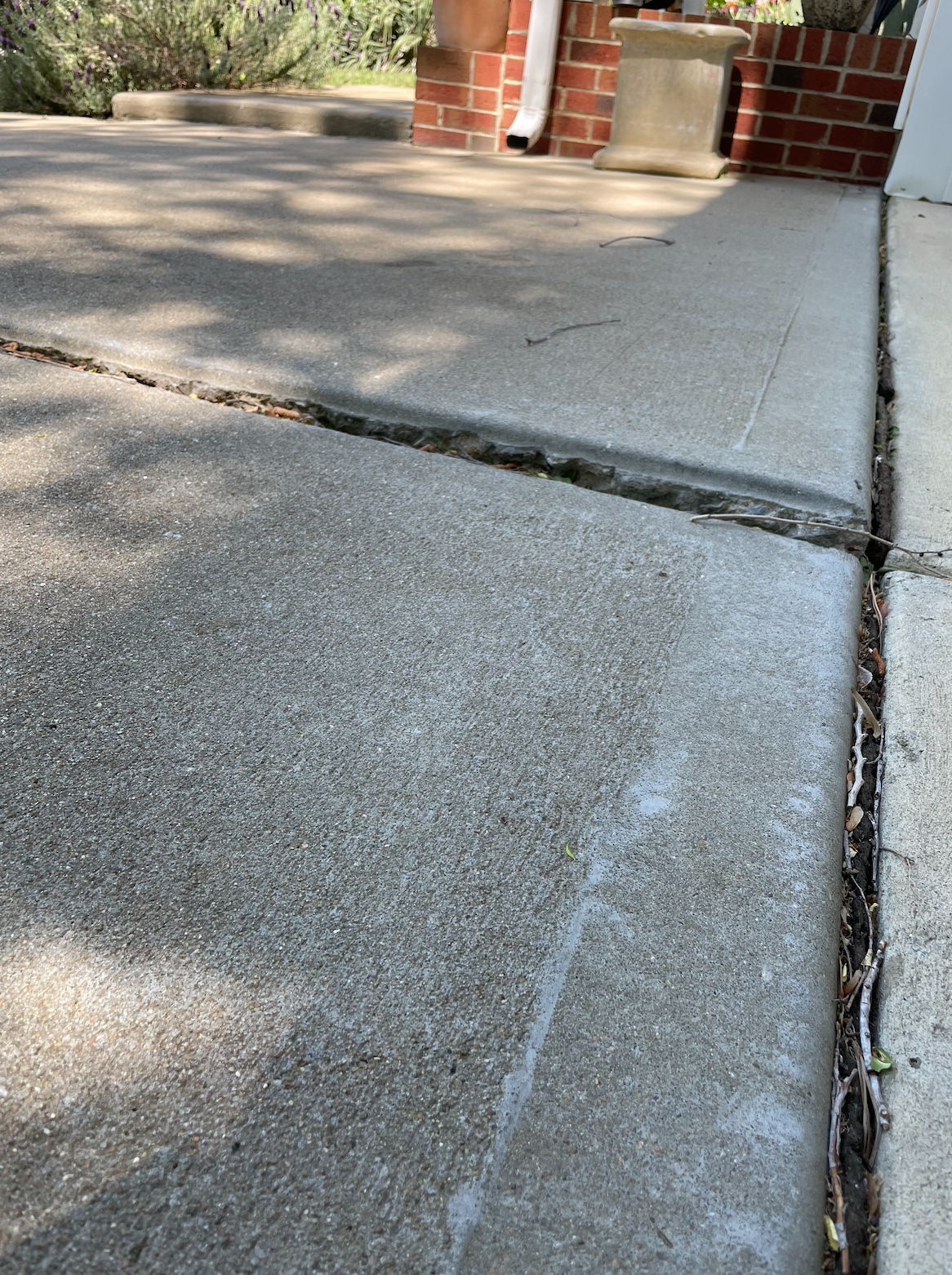
Water on the basement floor, walls pushing inward, or cracks getting wider every season?
I'm Ready For A Free Quote
Thank You For Your Submission!
A team member will be reaching out to you shortly.








If your basement leaks after every storm, your walls are cracking, or your floors slope toward one side of the house — the clay soil underneath is the reason. It swells when it rains, shrinks when it dries, and never stops moving. Homes here were built on it decades ago, and the damage shows up a little more every year.
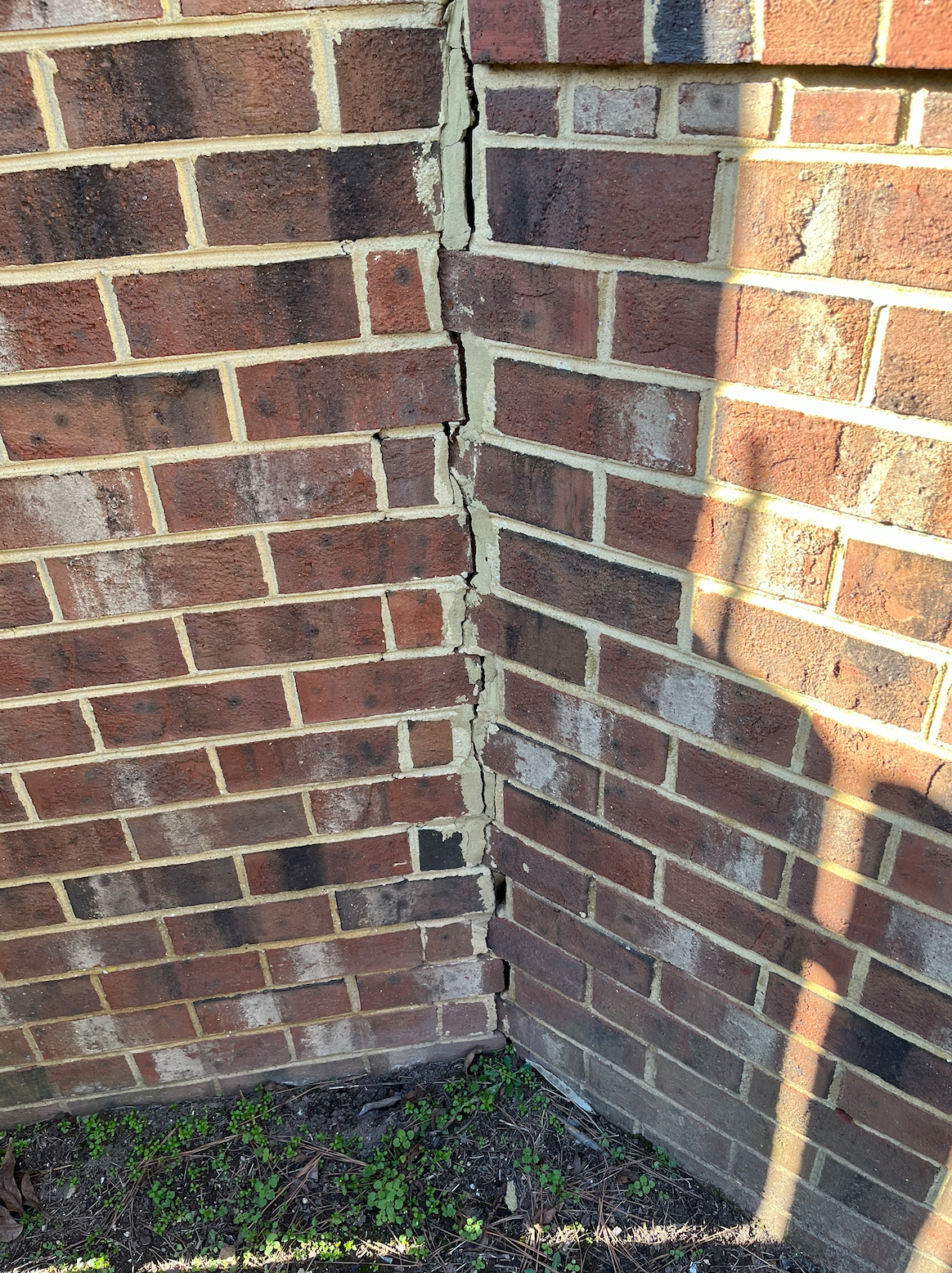
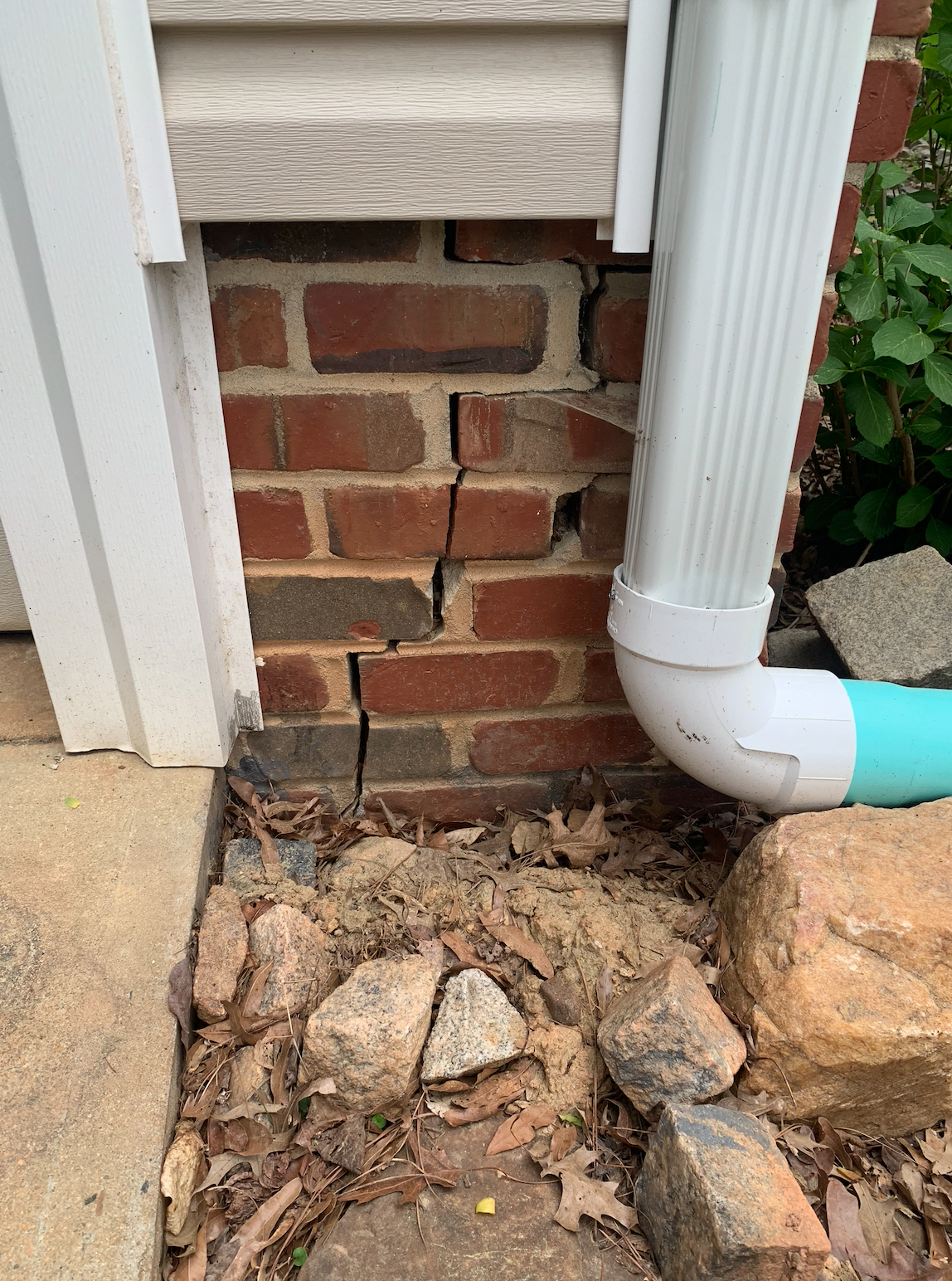
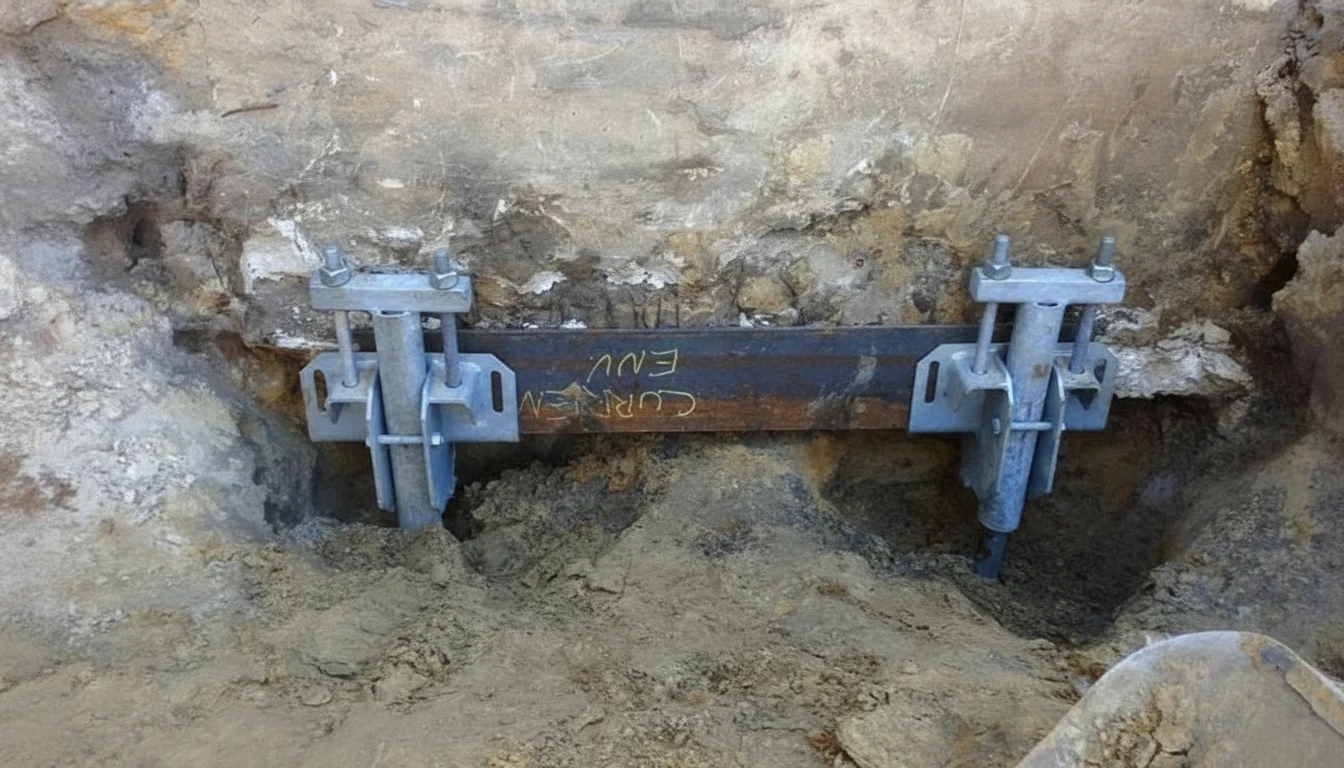
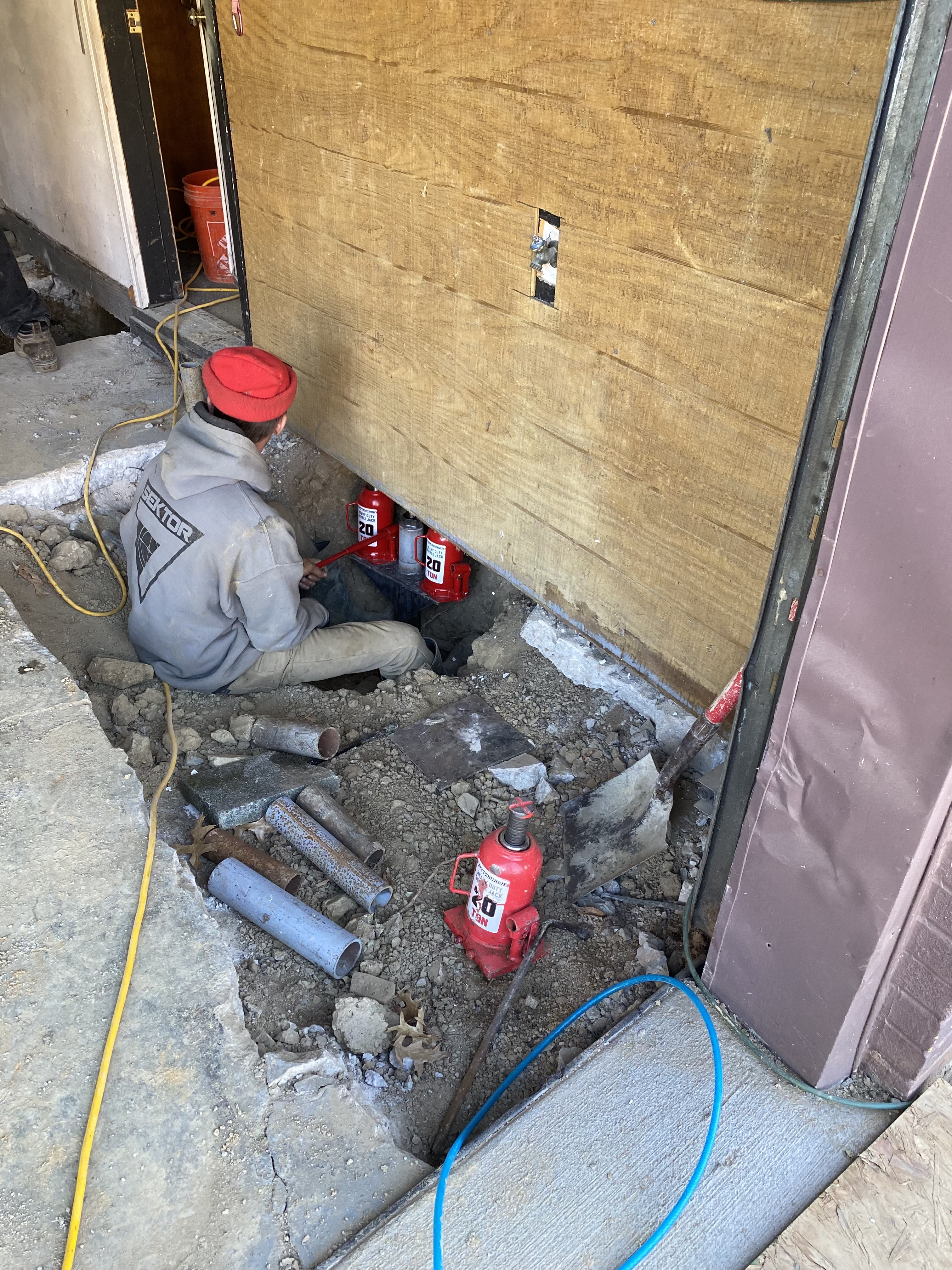
Your doors stick. Your floors slope. There are stair-step cracks running through the brick outside. The clay underneath your home expands and contracts with every season, and on hillside lots it pushes harder on one side than the other. That is why the settling gets worse instead of better. We stabilize it so the movement stops.
Learn More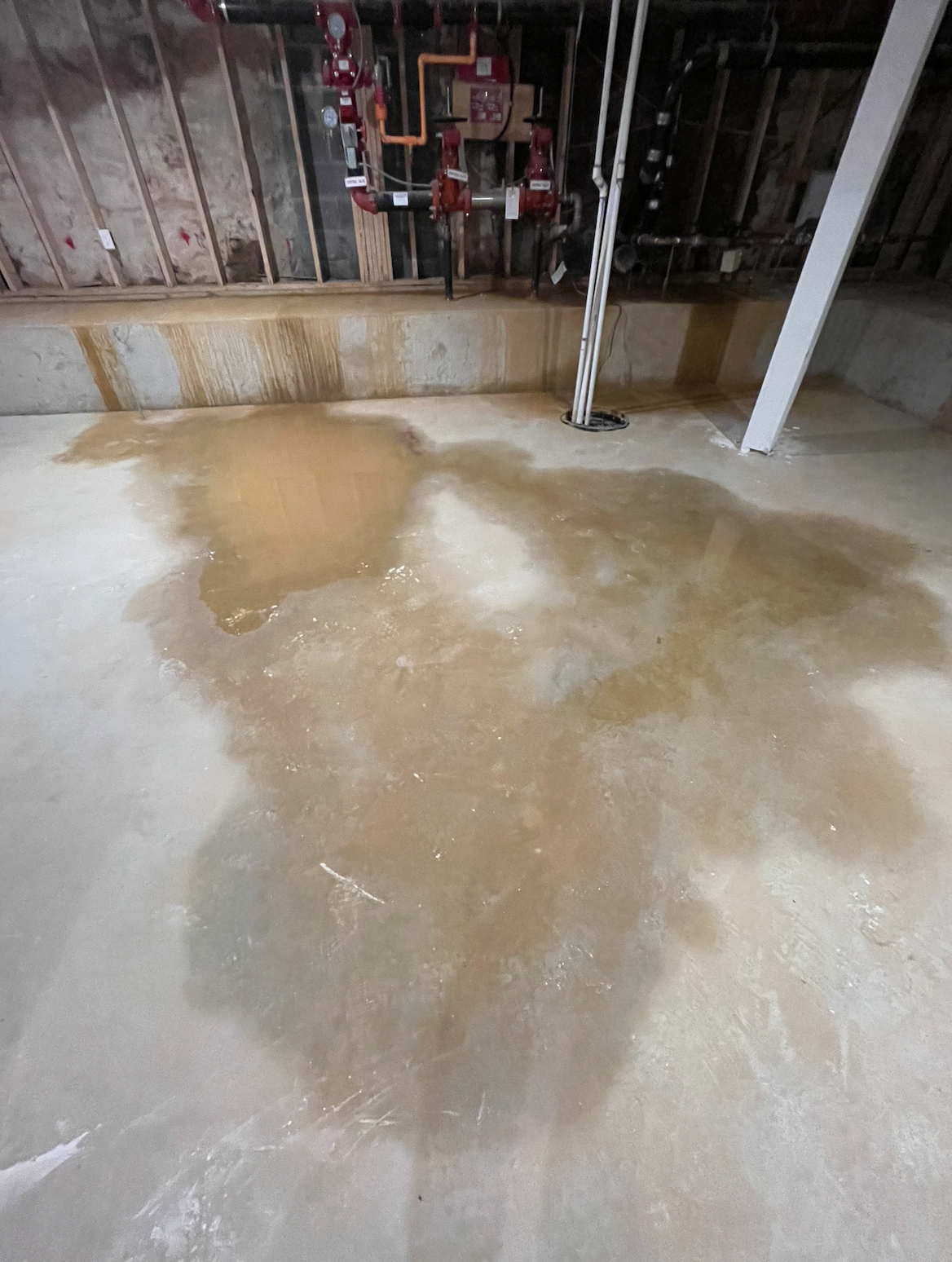
You found water on the basement floor after the last storm. It came in where the wall meets the floor, through cracked mortar joints, or along gaps in old sandstone that have been opening wider every winter. These walls were never built to keep water out. We find every entry point and route the water to a pump before it reaches your floor.
Learn More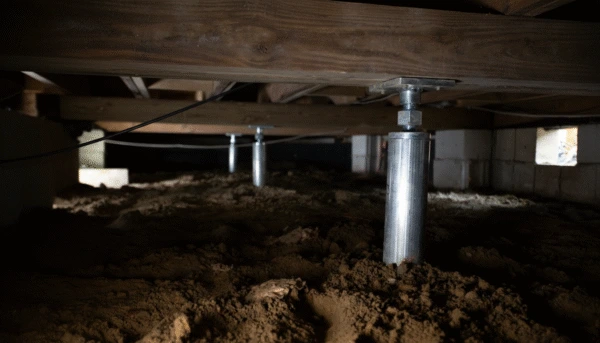
Your floors bounce when you walk across them. The beams underneath are soft and the supports are leaning. Moisture from bare ground has been weakening the wood for years. We replace what has failed, re-level your floors, and reinforce the structure so the bounce stops.
Learn More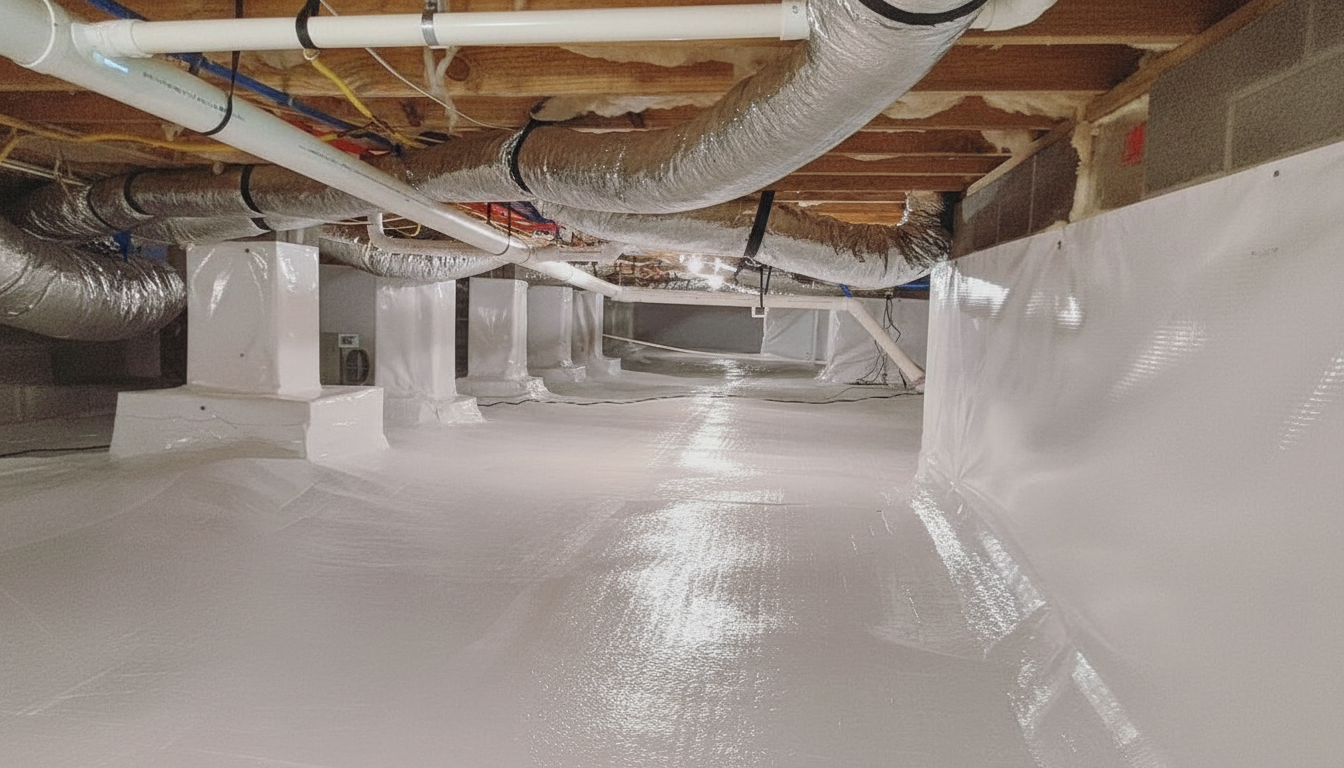
That musty smell in your house starts underneath it. Open vents and bare dirt pull moisture into the crawl space all year long. That moisture feeds mold and rots your floor joists from below. We seal the entire space with a vapor barrier and dehumidifier so the moisture stops at the source.
Learn More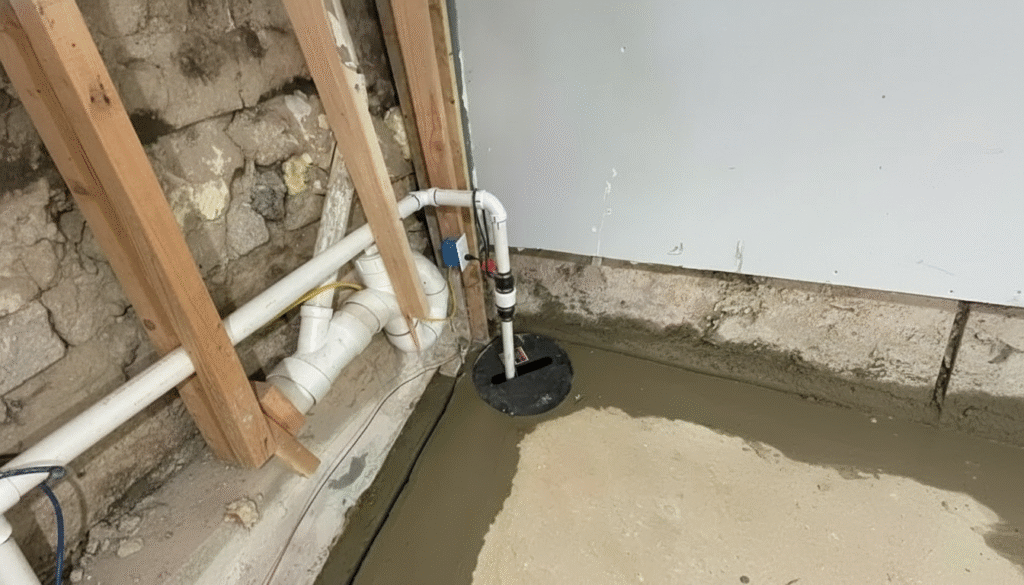
Your pump runs constantly during storms. Or it does not have a backup and you lose power during the worst ones. Either way, it is one failure away from a flooded basement. We install systems with battery backup so the water keeps moving out even when the lights go off.
Learn More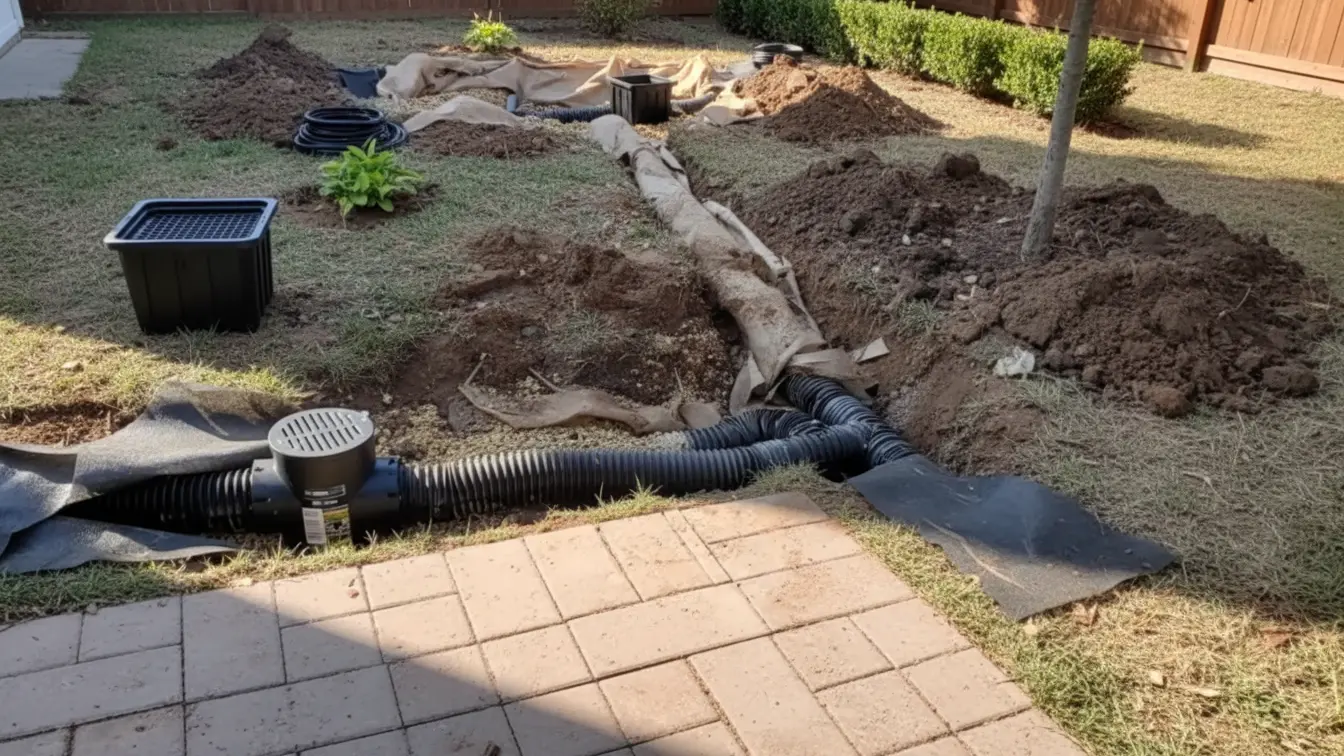
Water is sitting against your foundation walls and building pressure. In row home neighborhoods with three feet between houses and no room to dig outside, an interior French drain is the fix. It catches water along the inside perimeter and moves it to the sump pump before it hits your floor.
Learn MoreGetting started is simple. Here's what to expect when you work with us.
You already know something is wrong. You need someone who will tell you the truth about what it is, what it takes to fix it, and what you can skip.
You already know something is wrong. You need someone who will tell you the truth about what it is, what it takes to fix it, and what you can skip.
Bad gutters and flat grading cause half the wet basements we see. If that is all your home needs, we tell you before recommending anything else. A lot of companies skip that conversation because there is no money in it.
Sandstone foundations in Lawrenceville that have been crumbling for a hundred years. Block walls bowing inward in Beechview from clay pressure. Row homes in Bloomfield with no room to dig outside. Hillside lots on Mount Washington where the soil slides after every heavy rain. Each one fails differently. We have fixed all of them.
Every structural repair comes with a transferable warranty. If you sell your home, the coverage goes with it. A foundation that has been repaired and documented is a selling point — not something that kills the deal during inspection.
Get My Free Quote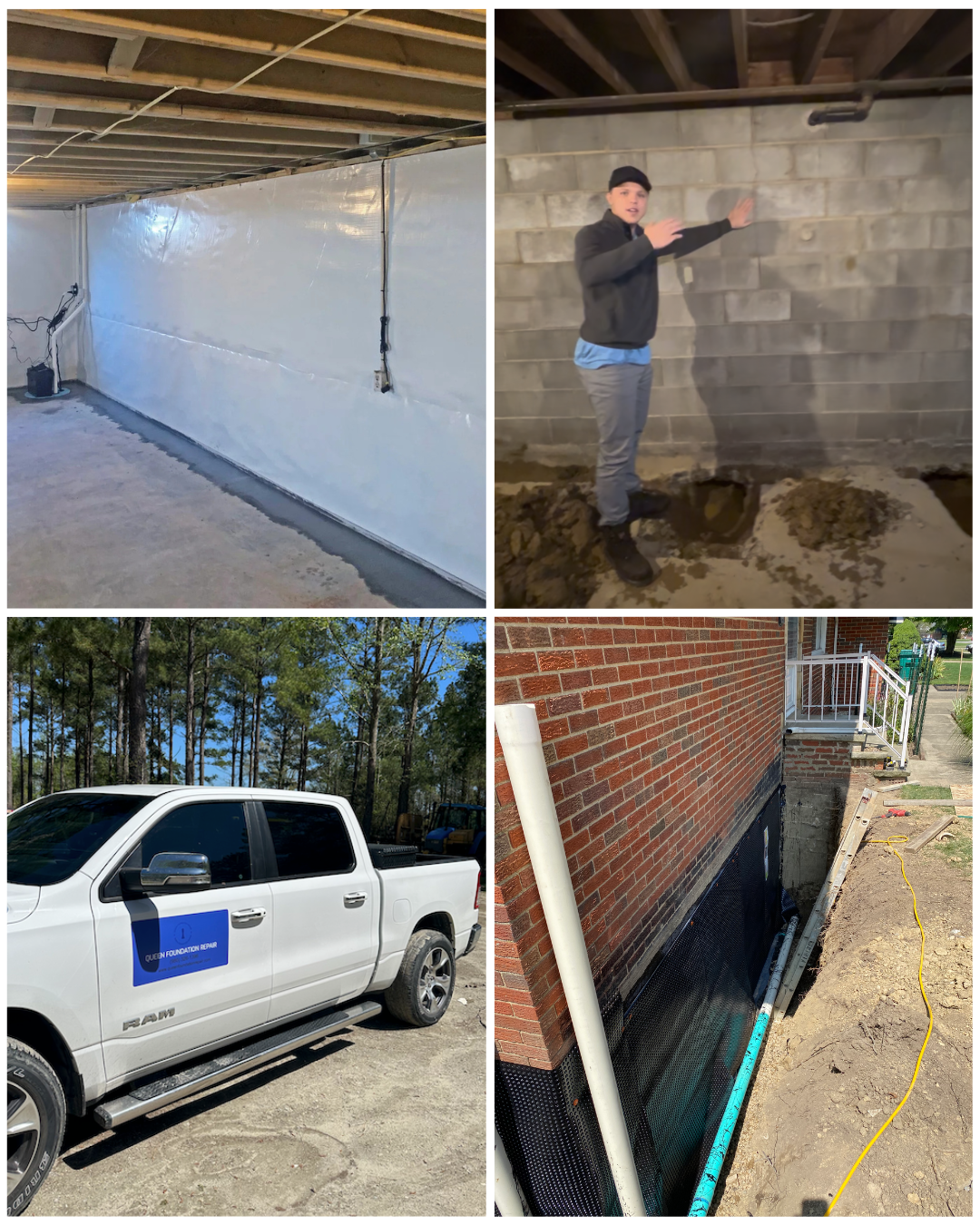
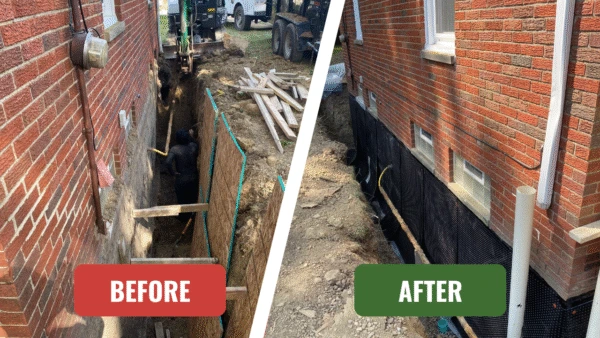
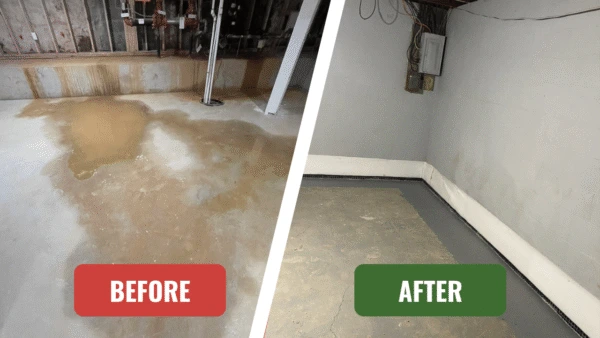
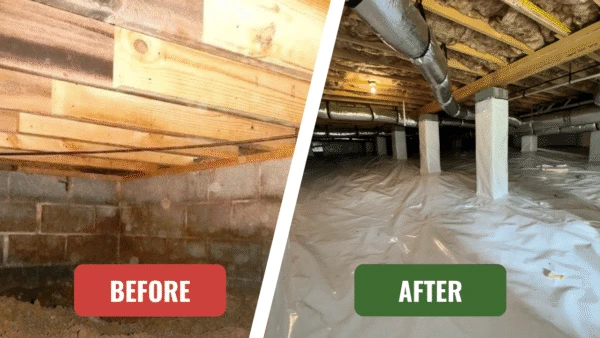
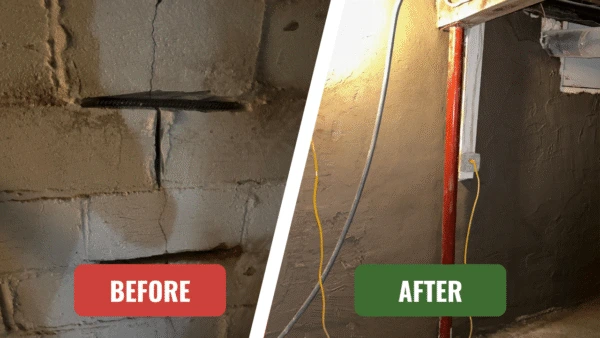
See the difference our work makes. Real projects, real results.
These are the questions we hear most before someone schedules an inspection.
It depends on what needs to be done, how much access we have, and how far the damage has gone. Sealing a single crack is a different job than bracing a bowing wall or waterproofing an entire basement perimeter. We give you a written quote during your free inspection so you know the exact number before any work starts. Financing available.
Water gets in where the wall meets the floor, through cracked mortar, and along old stone joints. The clay soil outside swells with rain and pushes water against your walls. The combined sewer system can also back up during storms — as little as a tenth of an inch of rain can overwhelm it and send water through your floor drain. A free inspection shows you exactly where the water is getting in and what stops it.
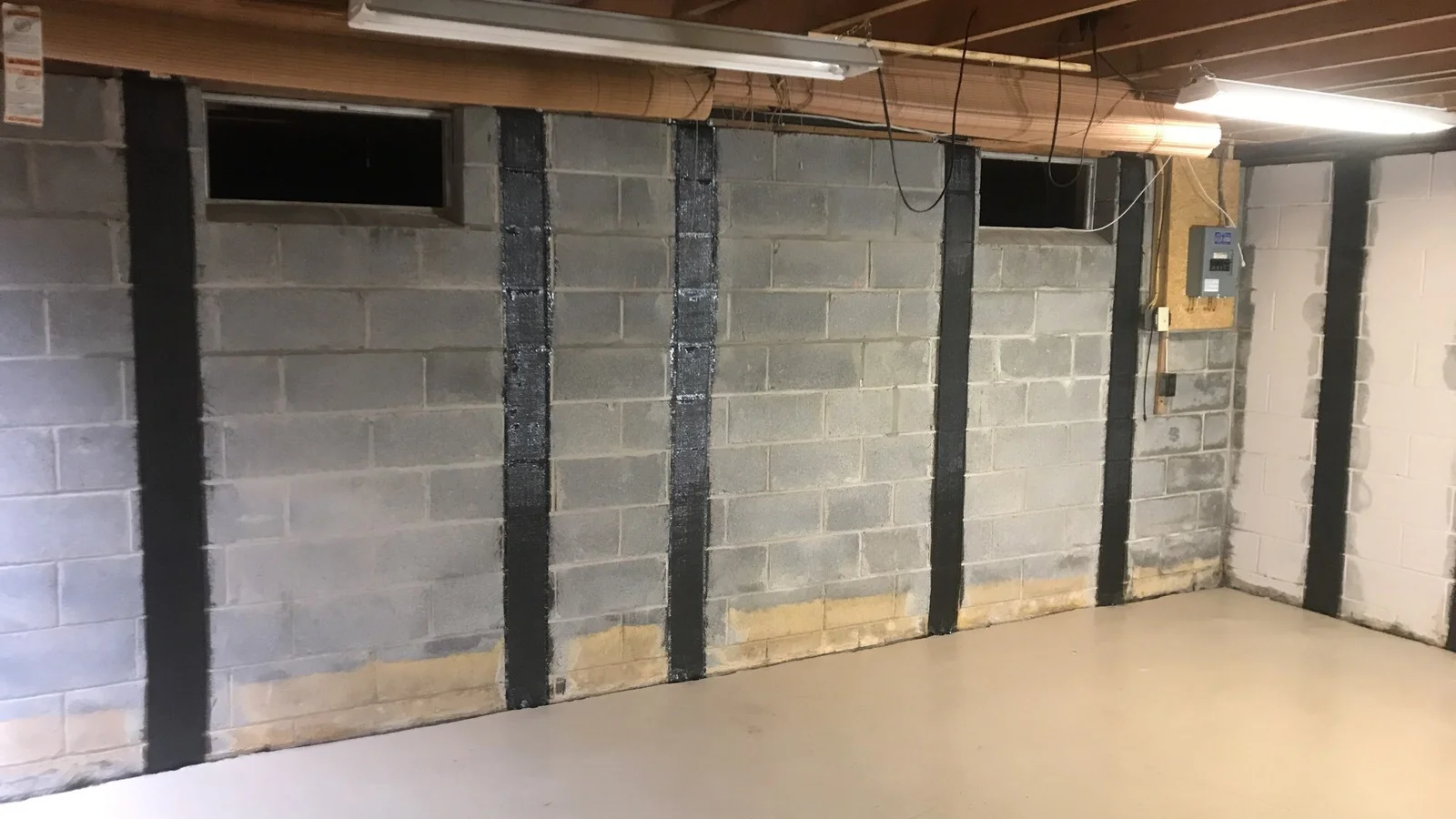
Clay soil expands when it gets wet and pushes against your basement wall. On hillside lots, the uphill side takes the full weight. Over time that pressure bows the wall inward. Freeze-thaw makes it worse every winter — water in the soil freezes, expands, and pushes again. If you see a horizontal crack running across the middle of the wall, that is the pressure line. We stop the movement and brace the wall so it holds.
Most jobs finish in one to five days. A crack repair takes a few hours. A sump pump install takes a day. French drains run two to four days. Pier work runs two to three days depending on how many are needed. You do not need to move out.
Exterior waterproofing means digging down to the footing and sealing the wall from the outside. It stops water at the source but requires full excavation — and on row home lots with no space between houses, it is often not possible. Interior waterproofing catches water along the inside perimeter with a French drain and routes it to a sump pump before it hits your floor. Both work. Which one fits depends on your home, your lot, and where the water is coming in. We walk you through both options during your free inspection.
Yes. We work across Allegheny County — Mount Washington, Squirrel Hill, Lawrenceville, Bloomfield, Shadyside, South Side, Homewood, Beechview, Morningside, Hazelwood, Stanton Heights, and surrounding communities like Cranberry Township, Bethel Park, Mt. Lebanon, McKeesport, Monroeville, Penn Hills, and Upper St. Clair.