Cracks, water, and bowing walls don't fix themselves — a free estimate shows you exactly where you stand.
I'm Ready For A Free Quote
Thank You For Your Submission!
A team member will be reaching out to you shortly.








Wet basements, cracked walls, and shifting foundations all start below the surface. Here's how we fix them.
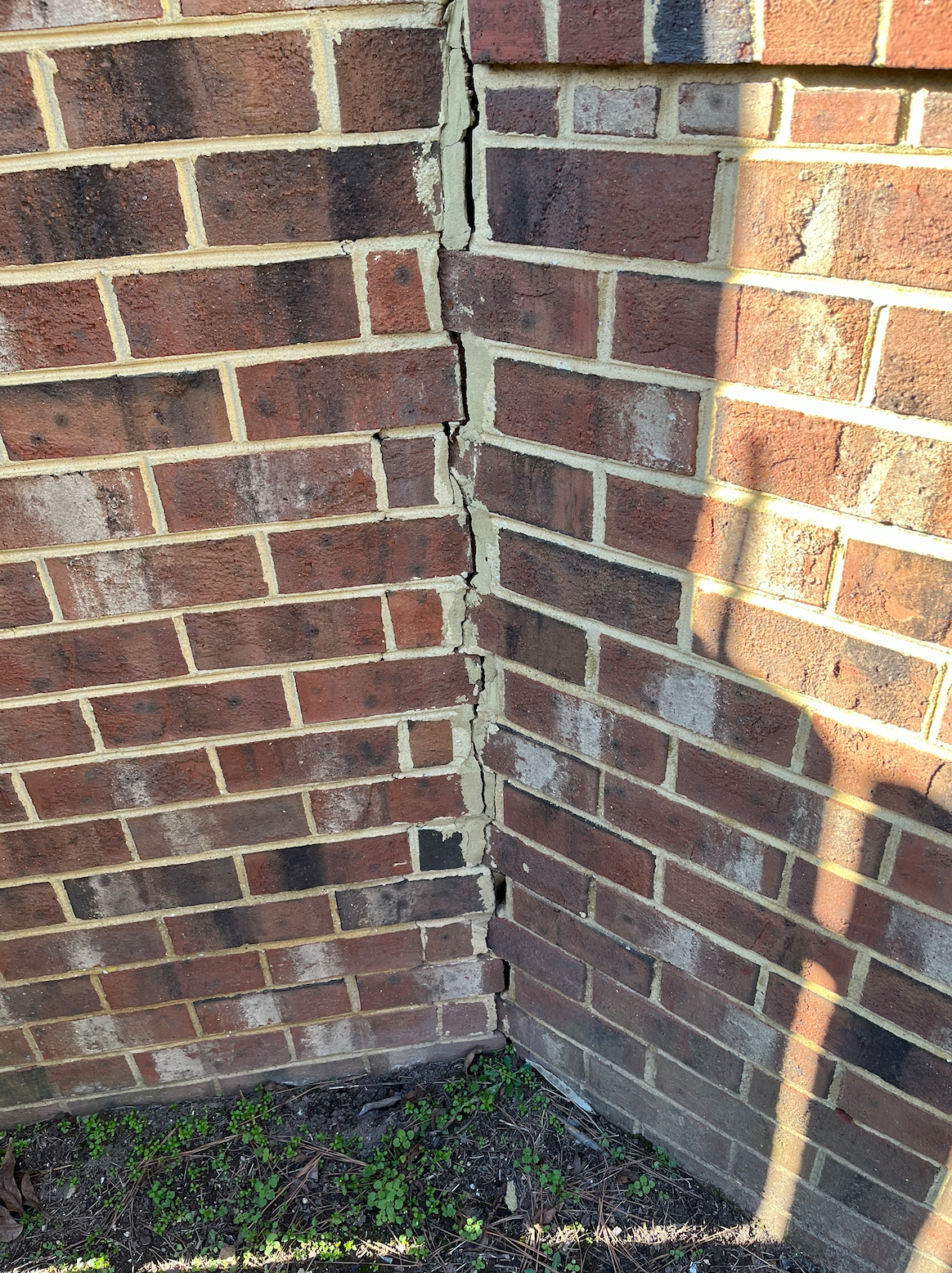
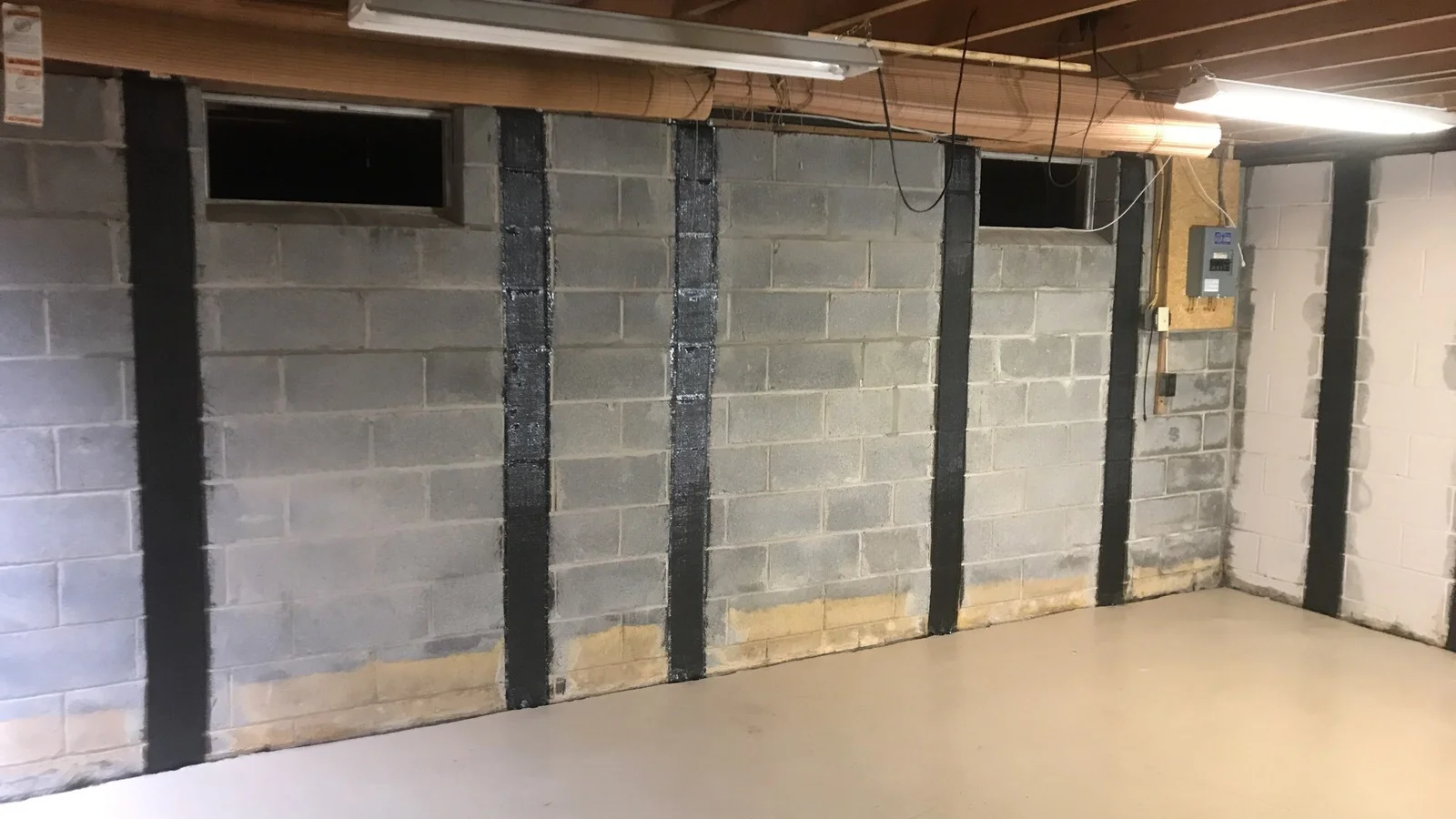
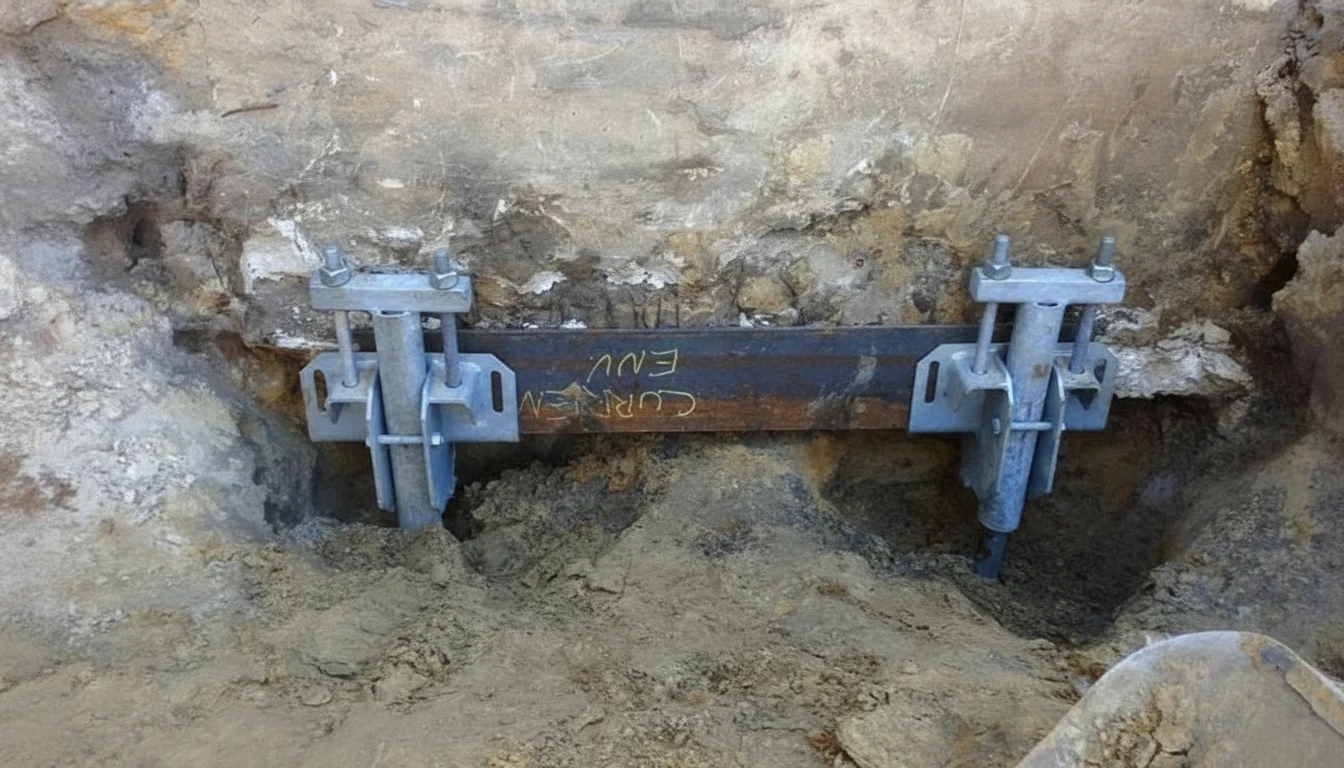
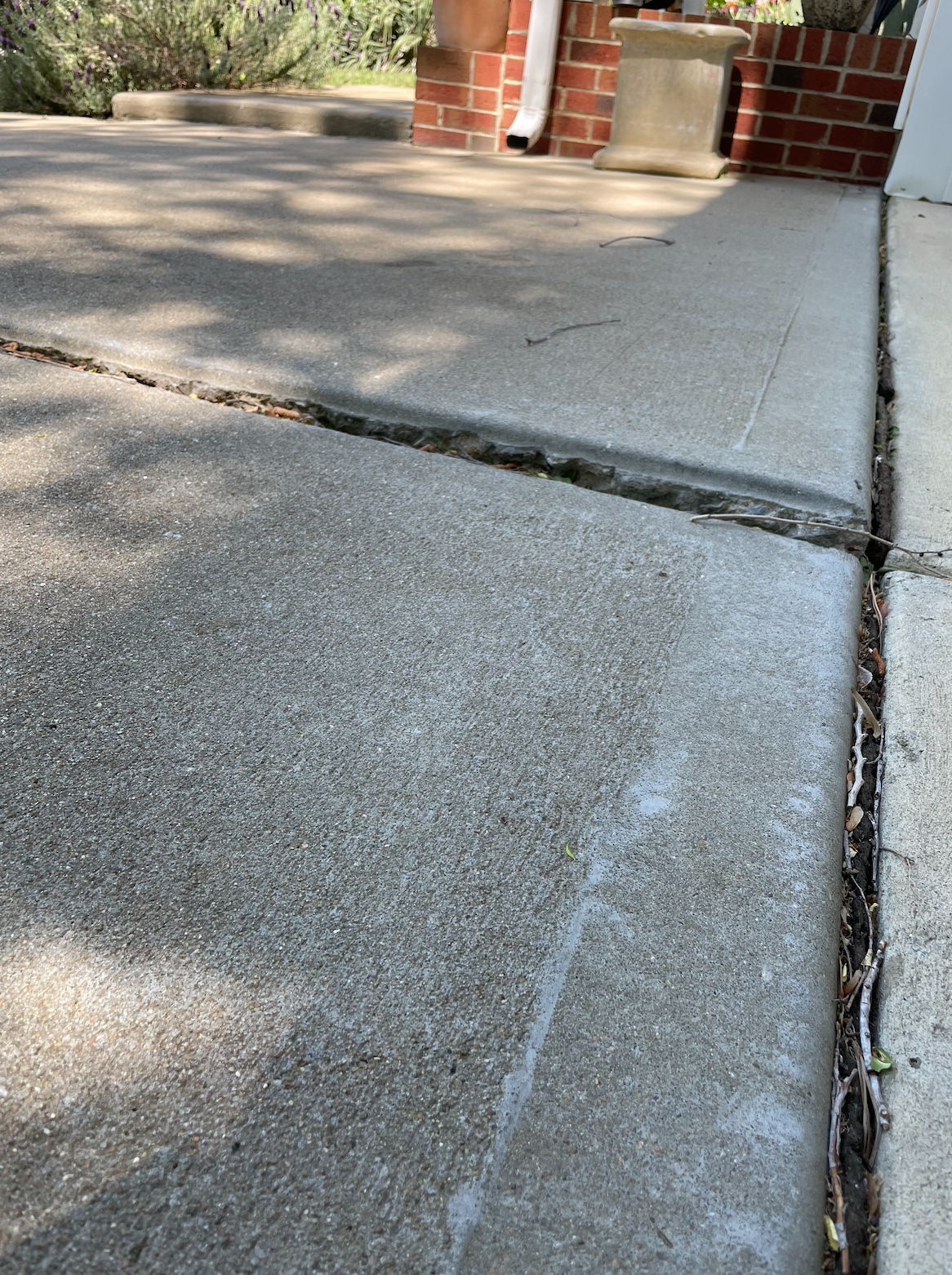
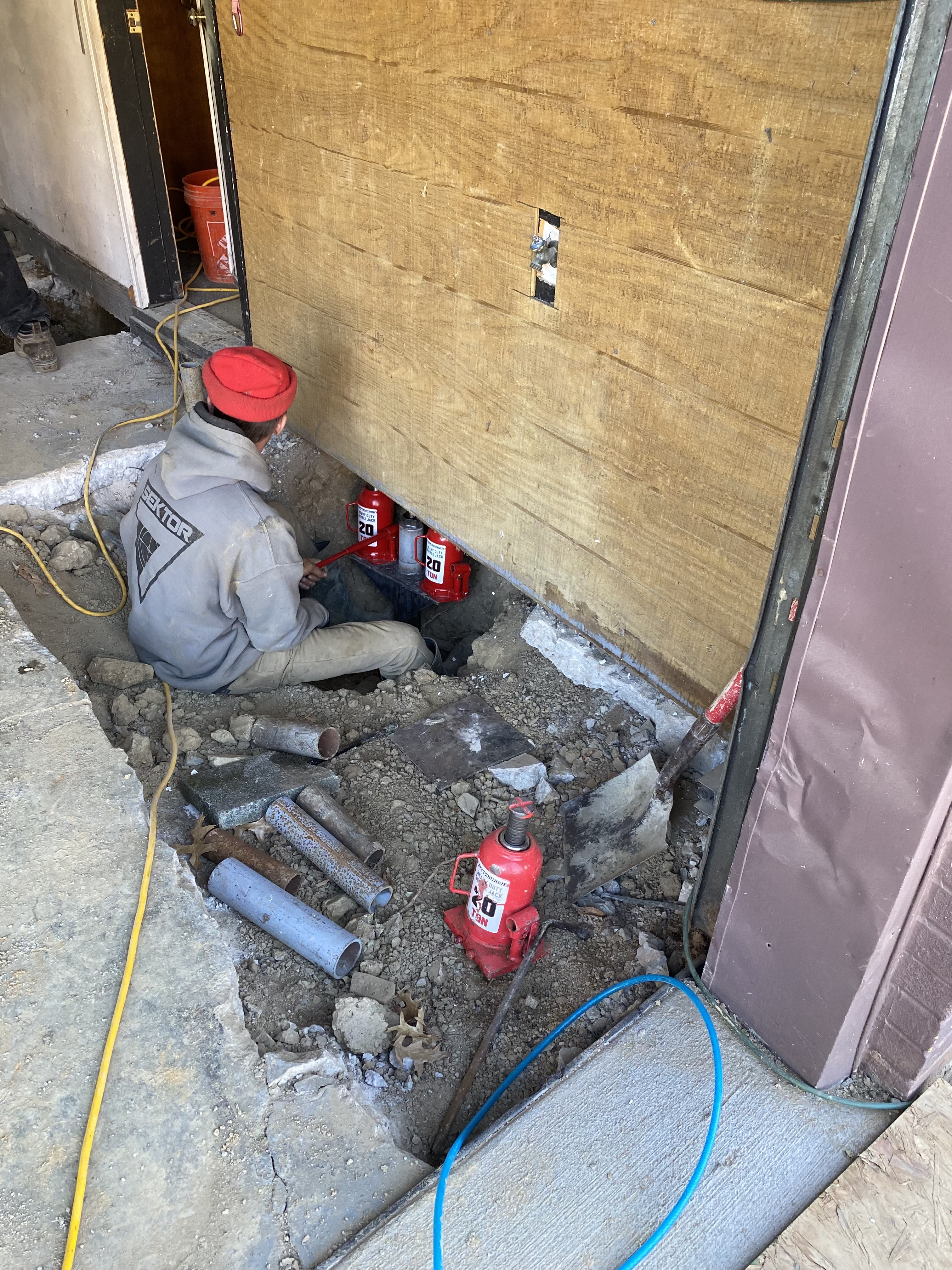
Settling, shifting, and sinking foundations get worse with every freeze-thaw cycle. Pier systems and structural reinforcement stop the movement and stabilize your home for good.
Learn More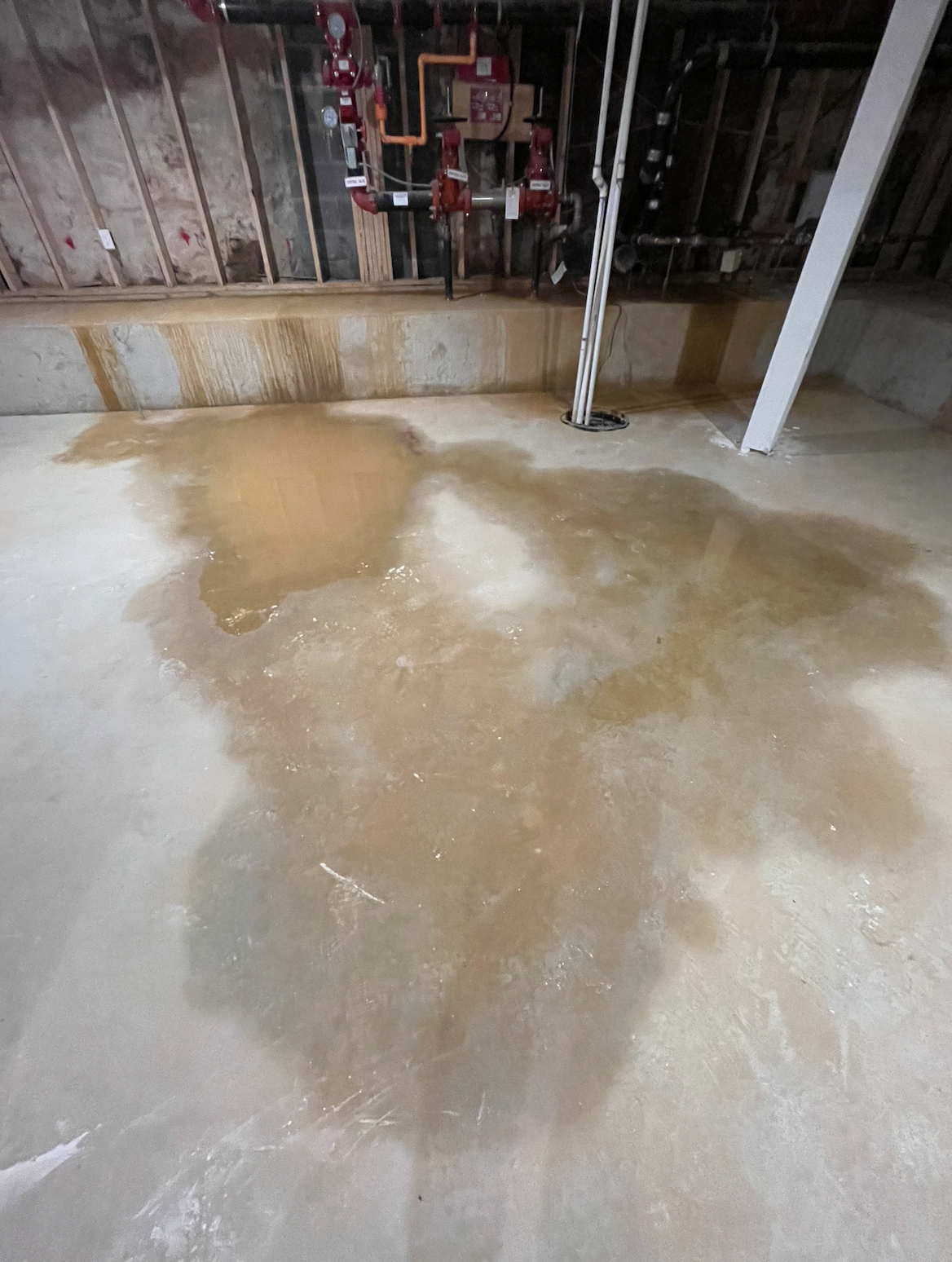
Water on the floor after every rain is not normal — it's a drainage problem. Interior and exterior waterproofing systems redirect water away from your basement permanently.
Learn More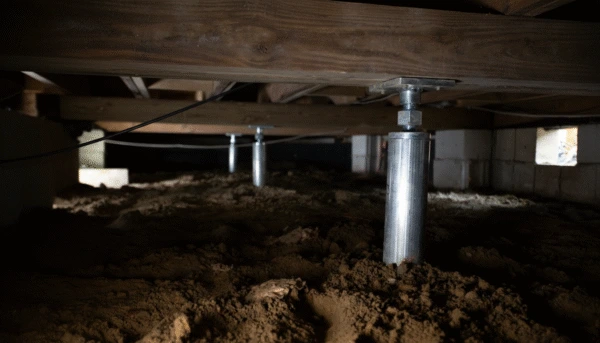
Sagging floors, musty air, and moisture underneath your home point to crawl space damage. Structural supports and moisture control restore stability and air quality.
Learn More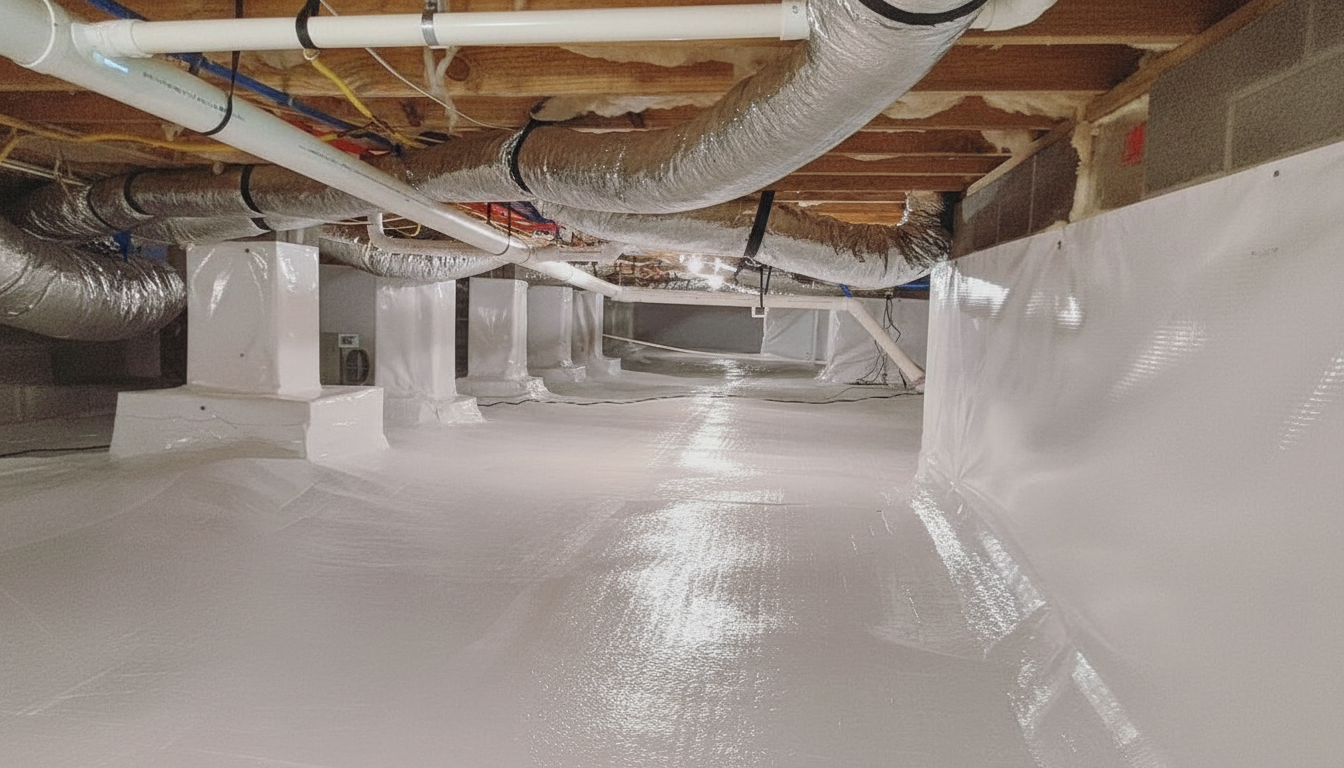
An open crawl space lets moisture, mold, and pests move in. A sealed vapor barrier and dehumidifier system locks them out and protects the structure above.
Learn More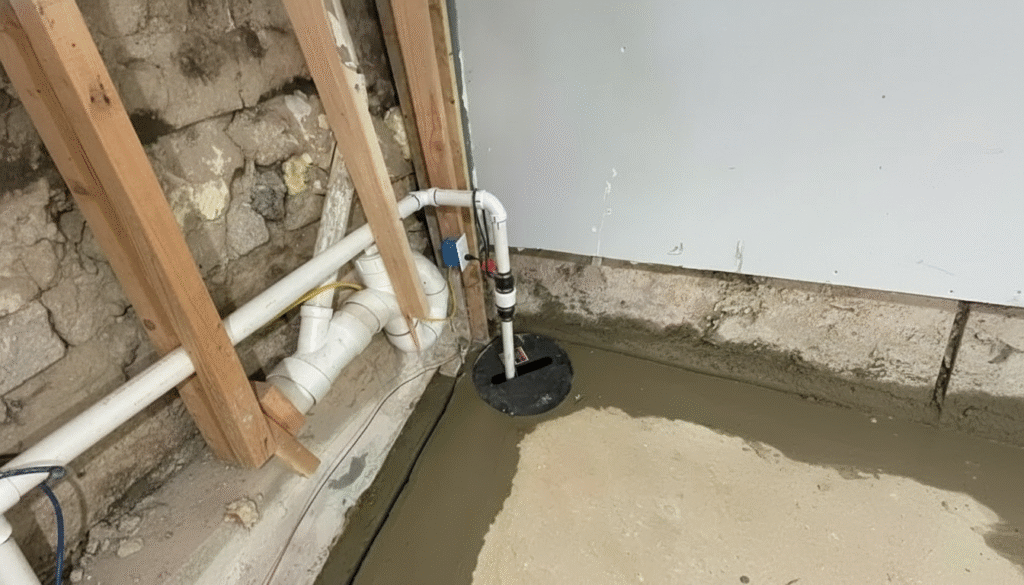
A working sump pump is the last line of defense against basement flooding. Primary pumps paired with battery backups keep the water out — even when the power goes out.
Learn More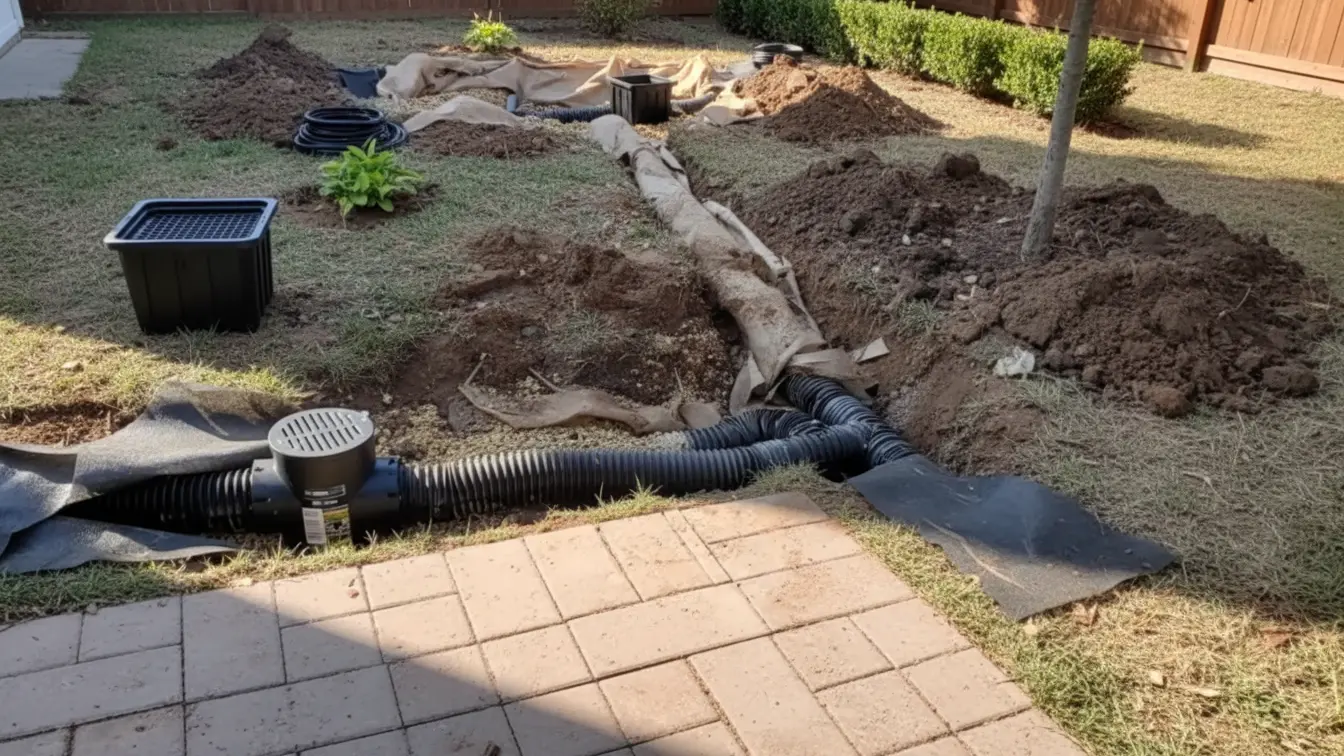
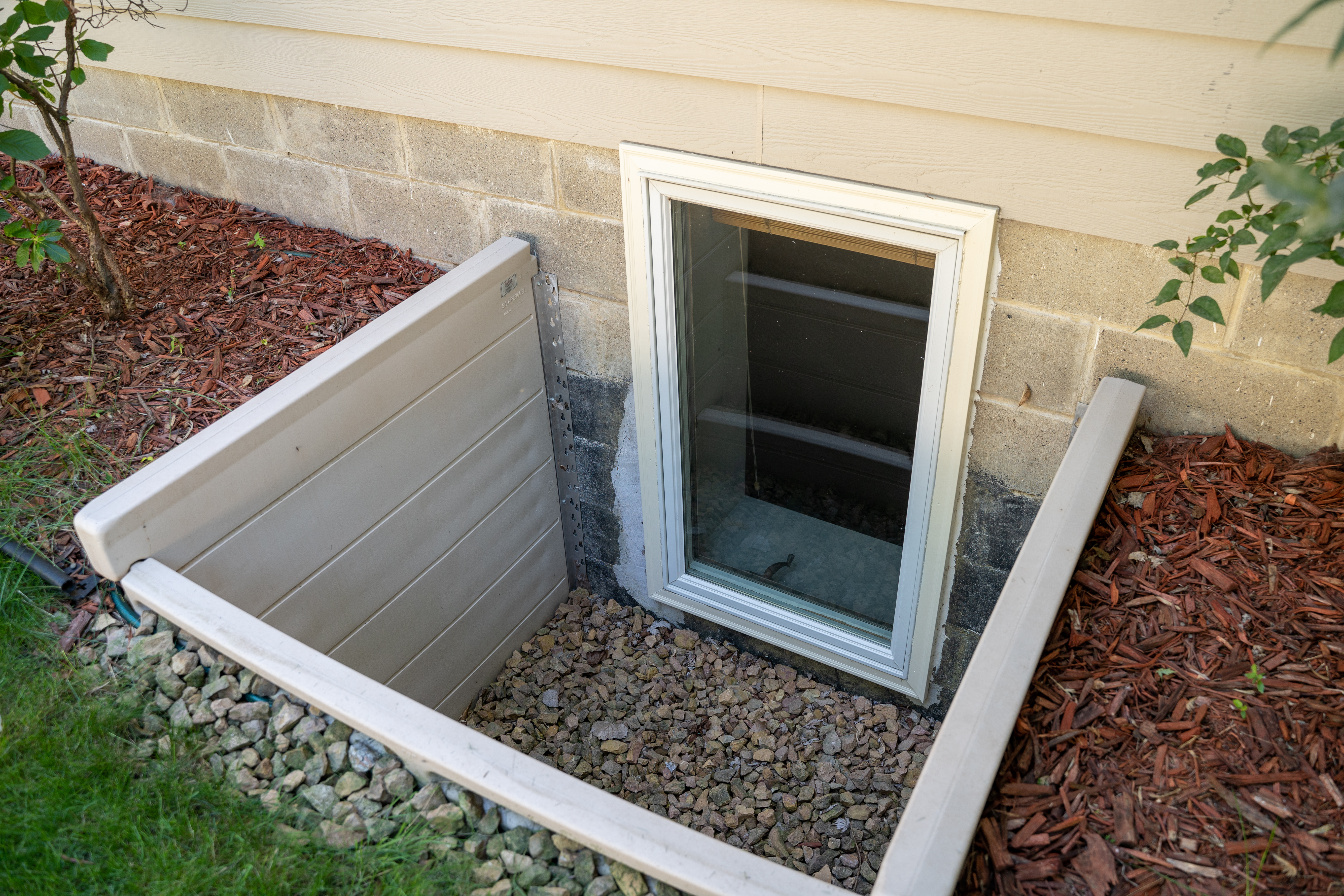
Water follows the path of least resistance. A French drain system gives it a path that leads away from your foundation instead of through your basement walls.
Learn MoreGetting started is simple. Here's what to expect when you work with us.
Most foundation problems here start the same way — clay soil, old drainage, and water that has nowhere to go. The difference is how they get fixed.
Most foundation problems here start the same way — clay soil, old drainage, and water that has nowhere to go. The difference is how they get fixed.
The inspection should tell you what's actually wrong — not what costs the most to fix. A good diagnosis separates structural cracks from cosmetic ones, identifies what needs repair now, and tells you what can wait. If something doesn't need work, you deserve to hear that.
Milwaukee's glacial clay soil swells when it's wet and contracts when it dries. Every freeze-thaw cycle pushes harder against your basement walls. A crack that costs a few hundred dollars to seal today can become a bowing wall that costs ten times that in two or three years. Early action saves money — every time.
Three quotes. Written estimates. A clear explanation of the repair, the timeline, and the cost. No pressure to decide on the spot. No hidden fees at the end. Financing options that make the repair fit your budget instead of blowing it up.
Get My Free Quote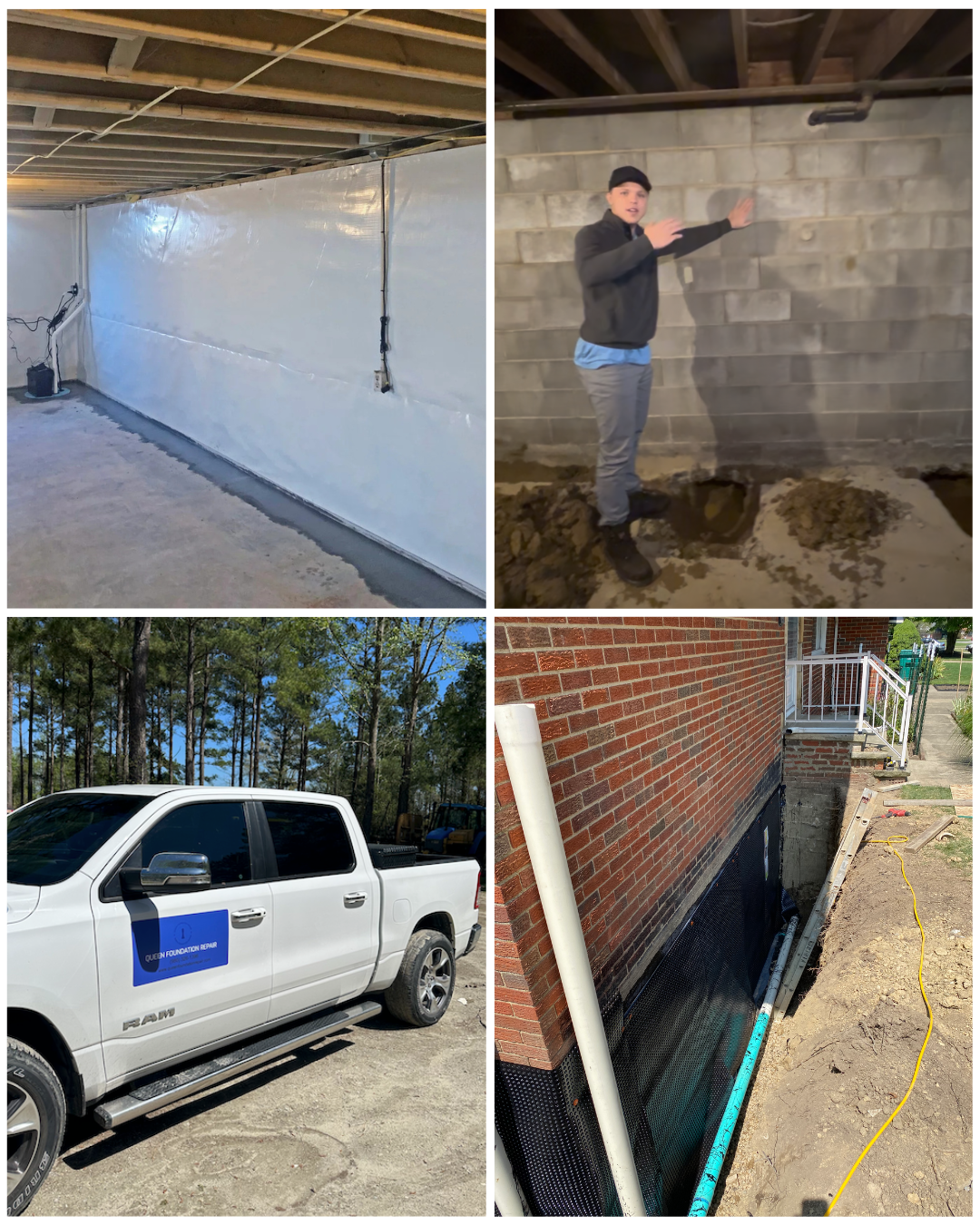
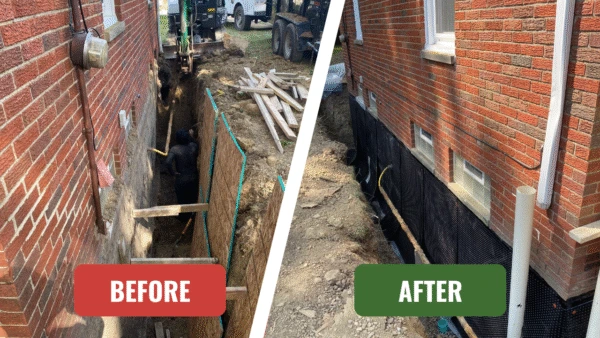
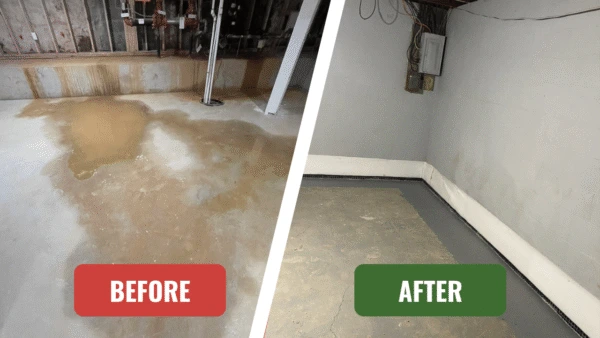
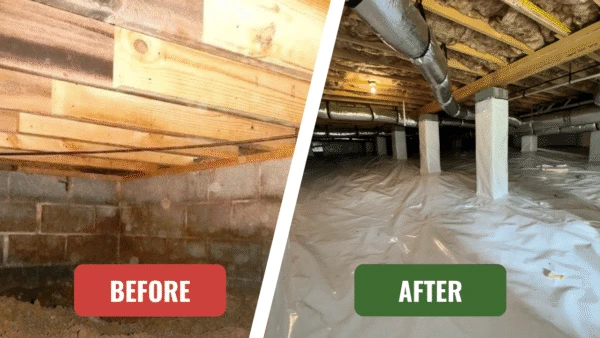
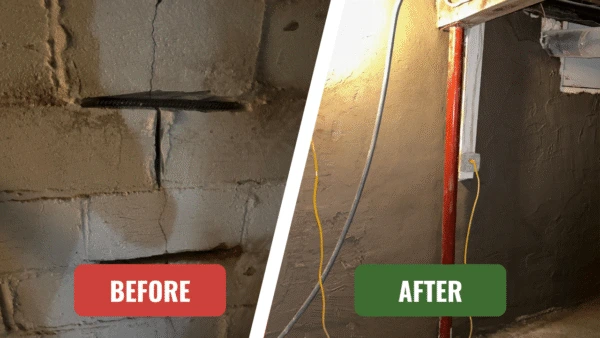
See the difference our work makes. Real projects, real results.
Straight answers to what Milwaukee homeowners ask most — before they schedule an inspection.
It depends on the type and scope of the repair. Crack injections typically run $300–$800 per crack. Interior waterproofing ranges from $2,000–$12,000 depending on how many walls are affected. Wall anchors or carbon fiber reinforcement run $3,000–$8,000. Pier systems for settling homes range from $15,000–$30,000. Every home is different — a free inspection gives you an exact number.
Almost never. Standard homeowner policies typically exclude foundation repair and water seepage. Exceptions are rare — usually limited to sudden events like a burst pipe, not gradual cracking or water intrusion. Flood damage requires a separate flood insurance policy. Check your policy, but plan on paying out of pocket. Financing options can help bridge the gap.
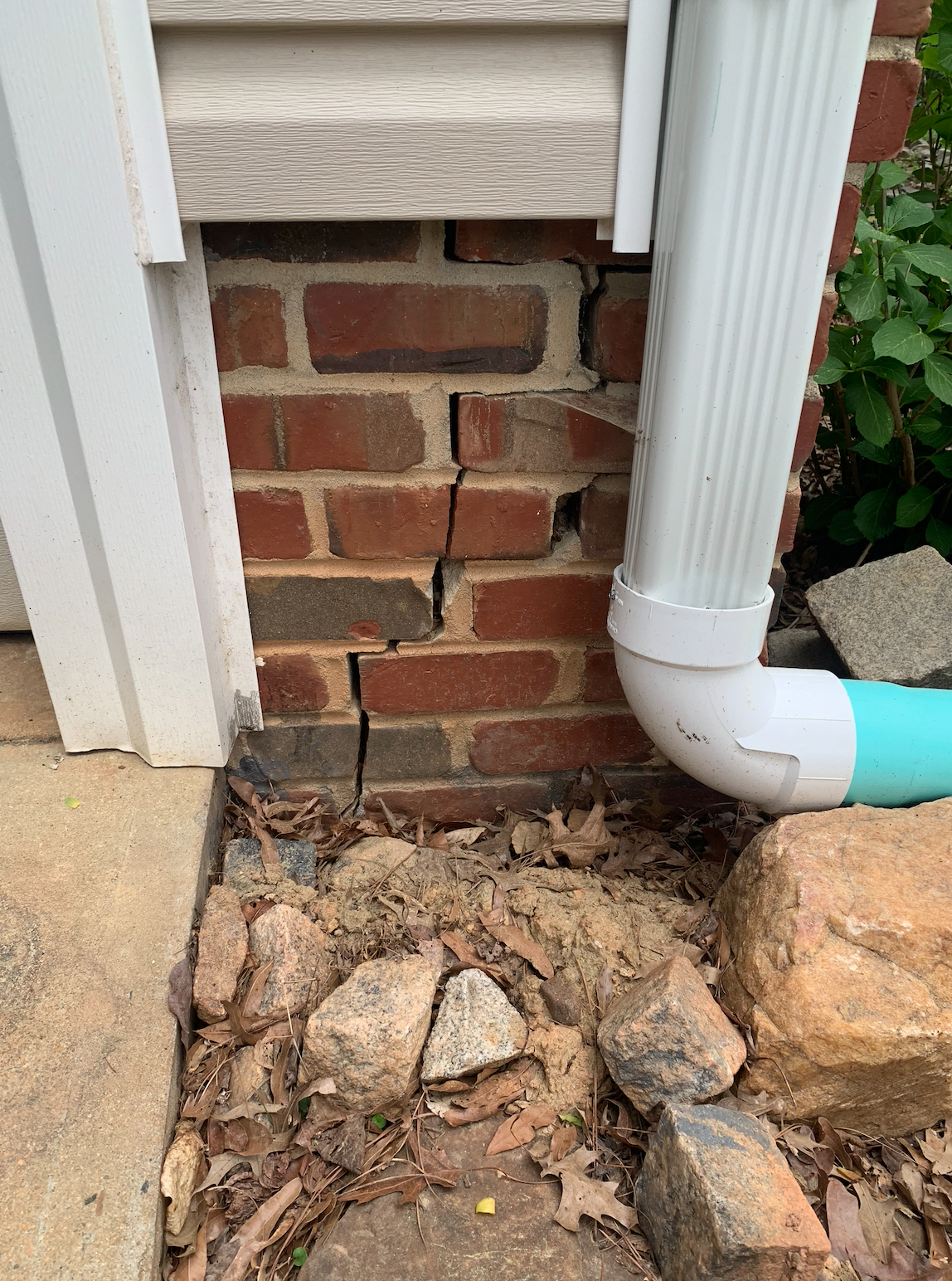
Yes. Horizontal cracks are caused by lateral soil pressure pushing against the wall from the outside. Milwaukee's glacial clay swells when saturated and pushes inward — especially during spring thaw. A horizontal crack means the wall is under structural stress and may be bowing inward. This type of crack gets worse over time and should be inspected as soon as possible.
Three factors working together. First, the soil — Milwaukee sits on glacial clay deposits that hold water instead of draining it, creating hydrostatic pressure against basement walls. Second, the climate — 34 inches of rain, 45 inches of snow, and a freeze-thaw cycle that goes 48 inches deep. Third, the housing stock — the median home here was built in 1952, and many still have original clay tile drain systems that clogged or collapsed decades ago.
Most interior waterproofing jobs take one to four days depending on the scope. A single-wall drain tile and sump pump installation typically takes one to two days. Full perimeter systems take two to four days. You stay in your home during the work. Exterior waterproofing — which involves excavation around the foundation — takes three to five days and depends on weather.
Yes. We serve Wauwatosa, West Allis, Shorewood, Brookfield, Greenfield, Oak Creek, Waukesha, Menomonee Falls, Hales Corners, and the rest of Milwaukee County and southeastern Wisconsin. If your area isn't listed, call us — we may still be able to help.