Protecting homes across Onslow County from moisture damage and foundation problems.
I'm Ready For A Free Quote
Thank You For Your Submission!
A team member will be reaching out to you shortly.
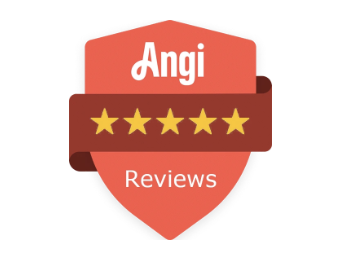





Jacksonville homes deal with heavy moisture, shifting soil, and crawl spaces that take a beating from the coastal climate. Here is how we help.
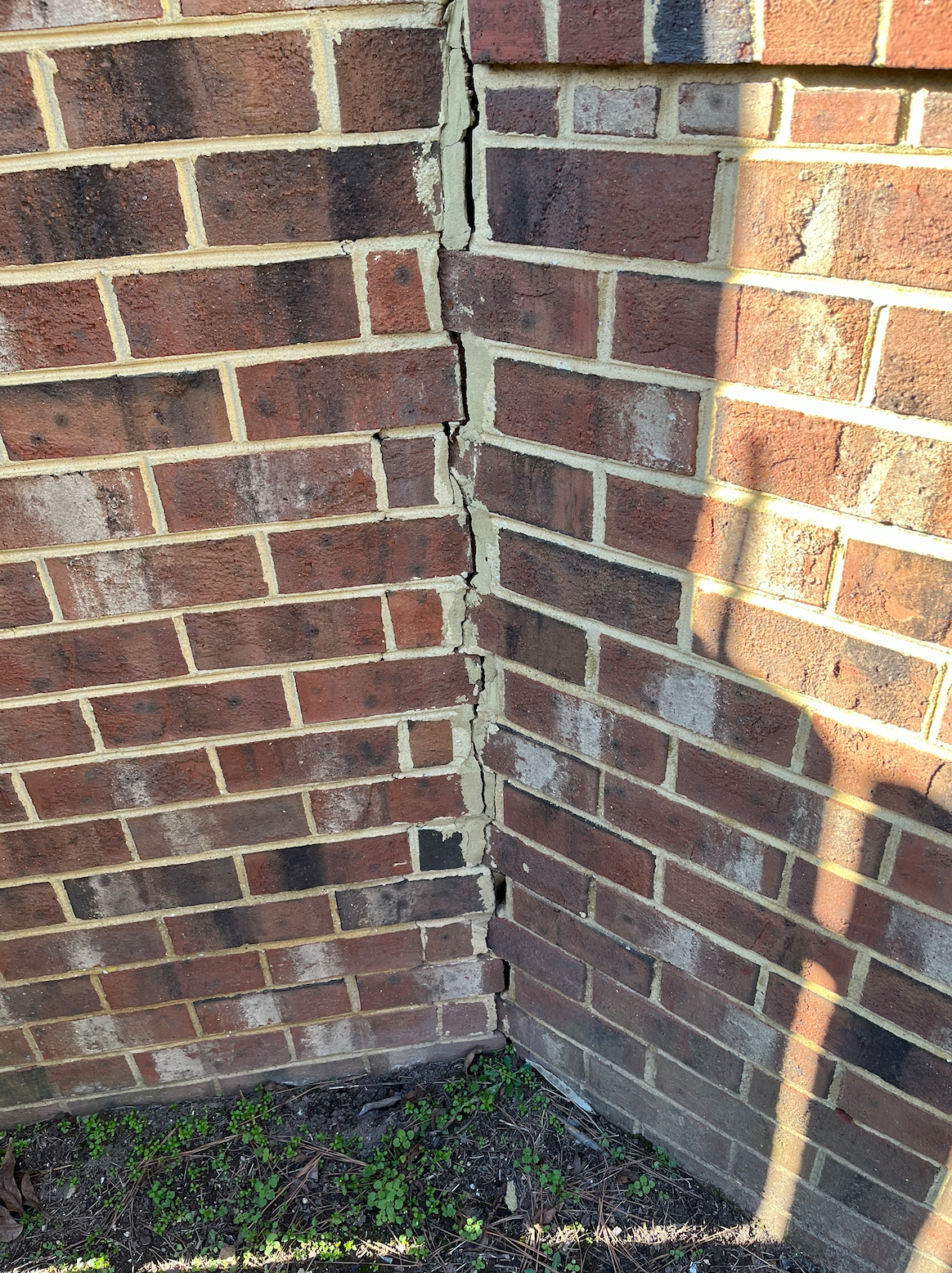
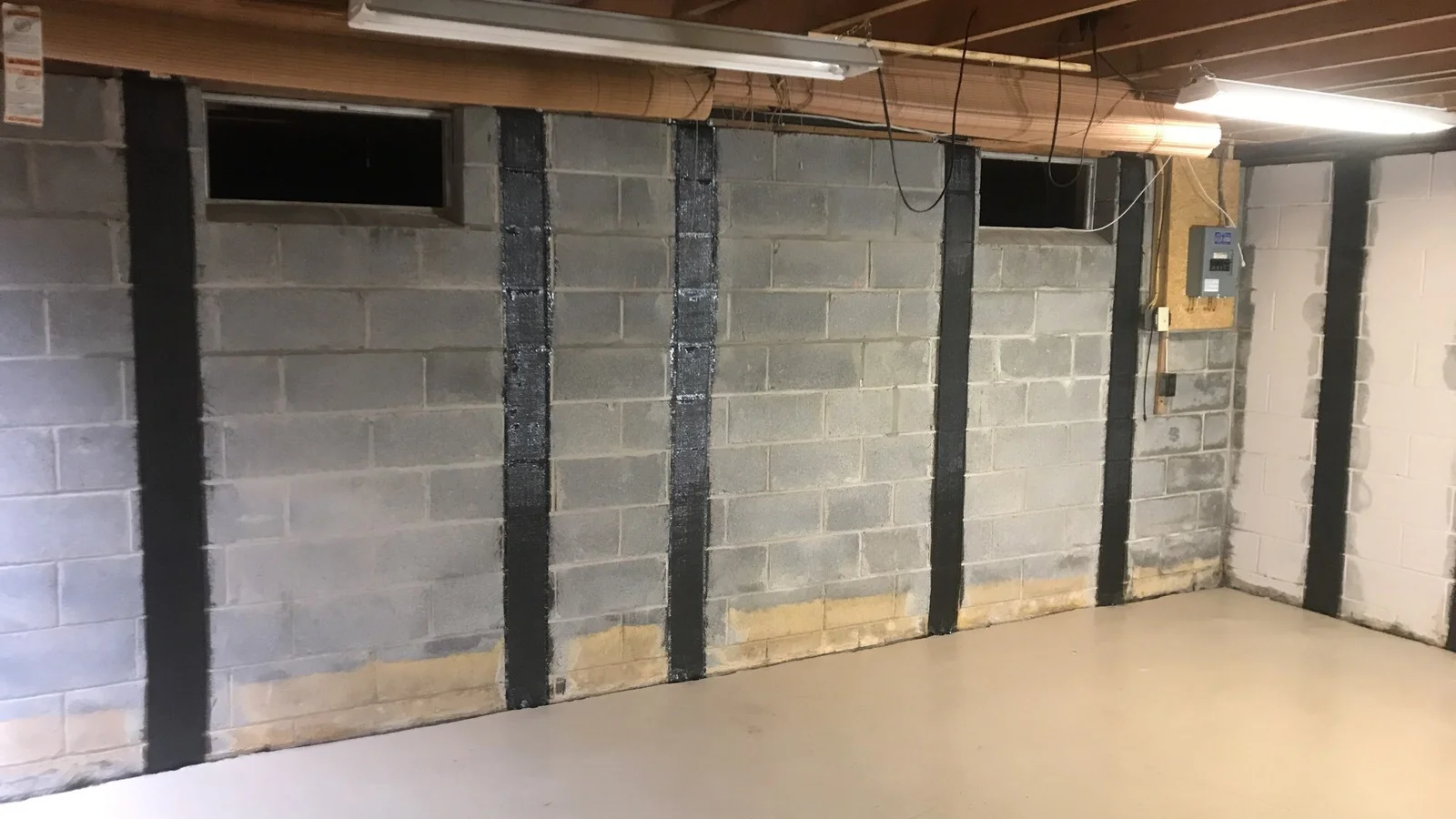
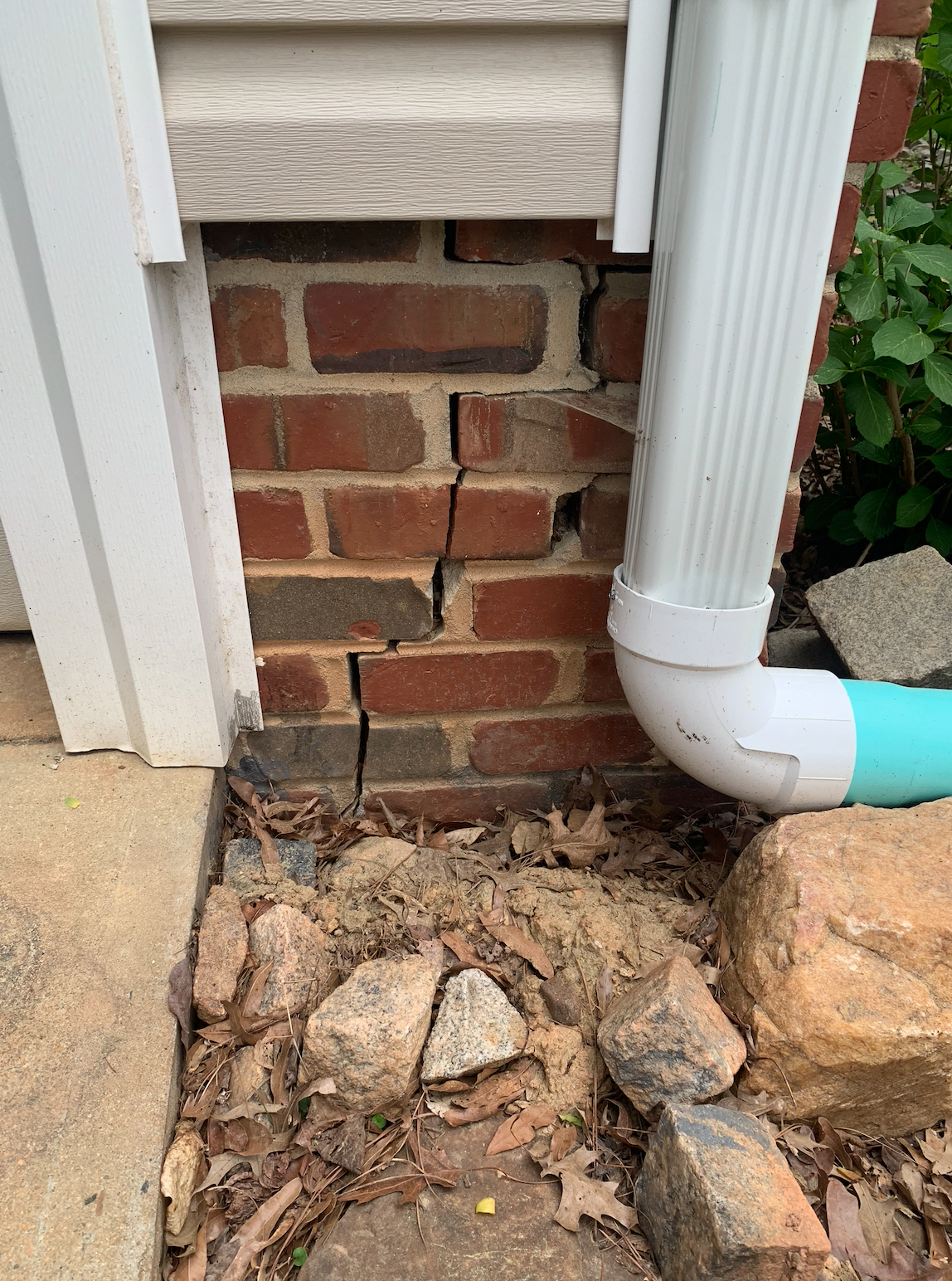
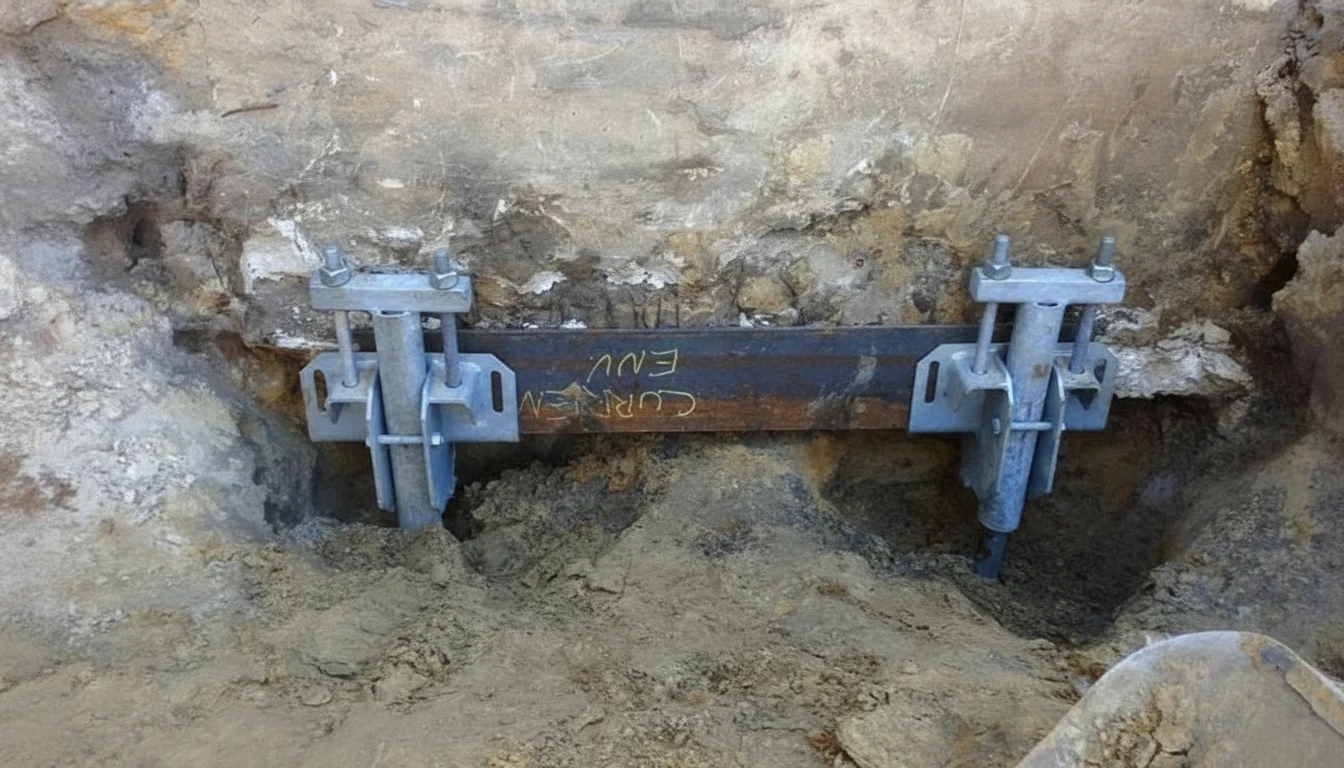
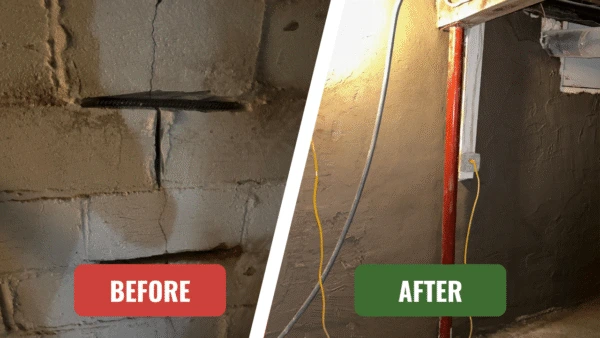
When the soil under your home shifts, your foundation moves with it. That shows up as cracked walls, sticking doors, and floors that slope to one side. We stabilize your foundation and stop the damage from spreading.
Learn More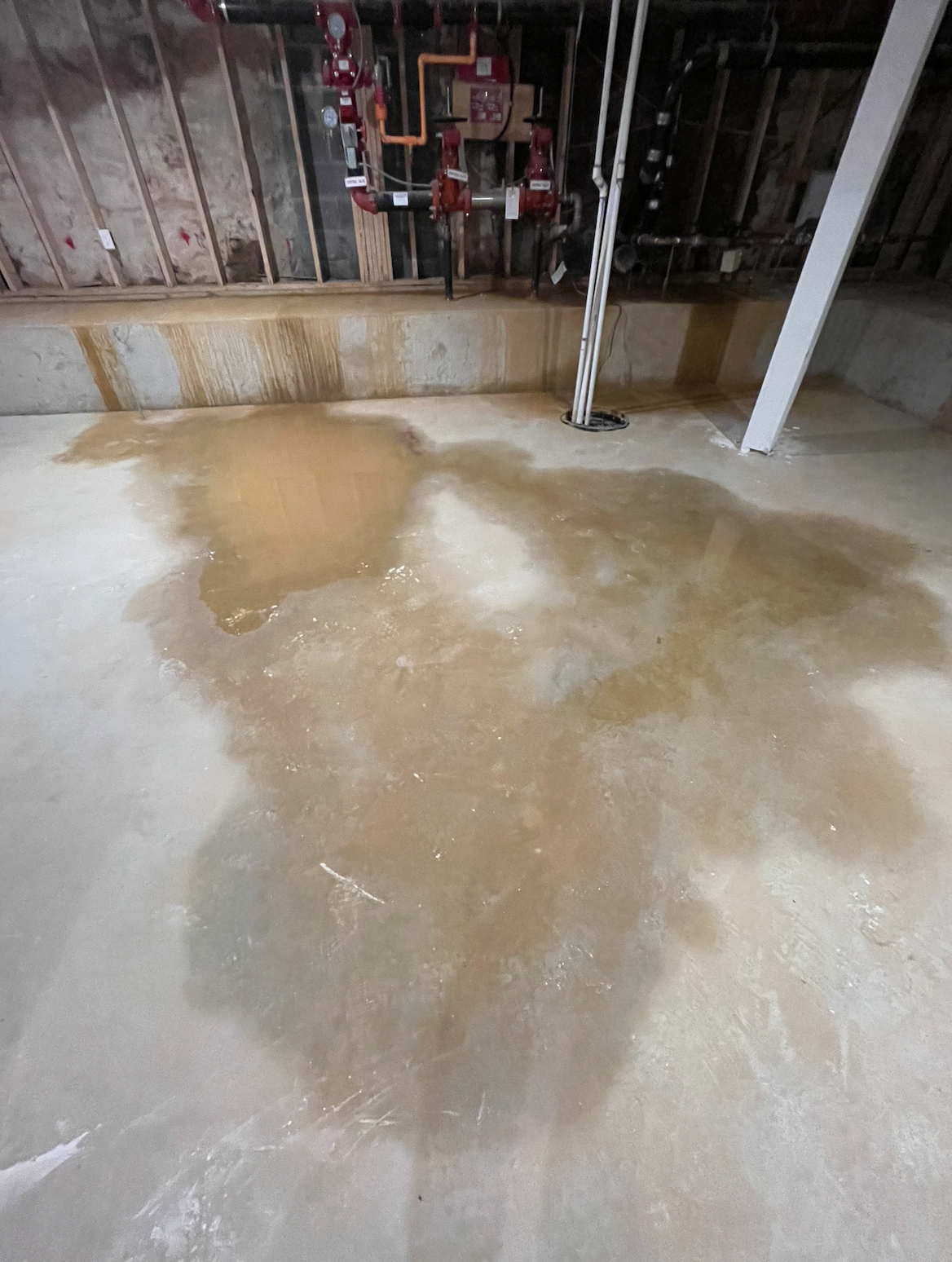
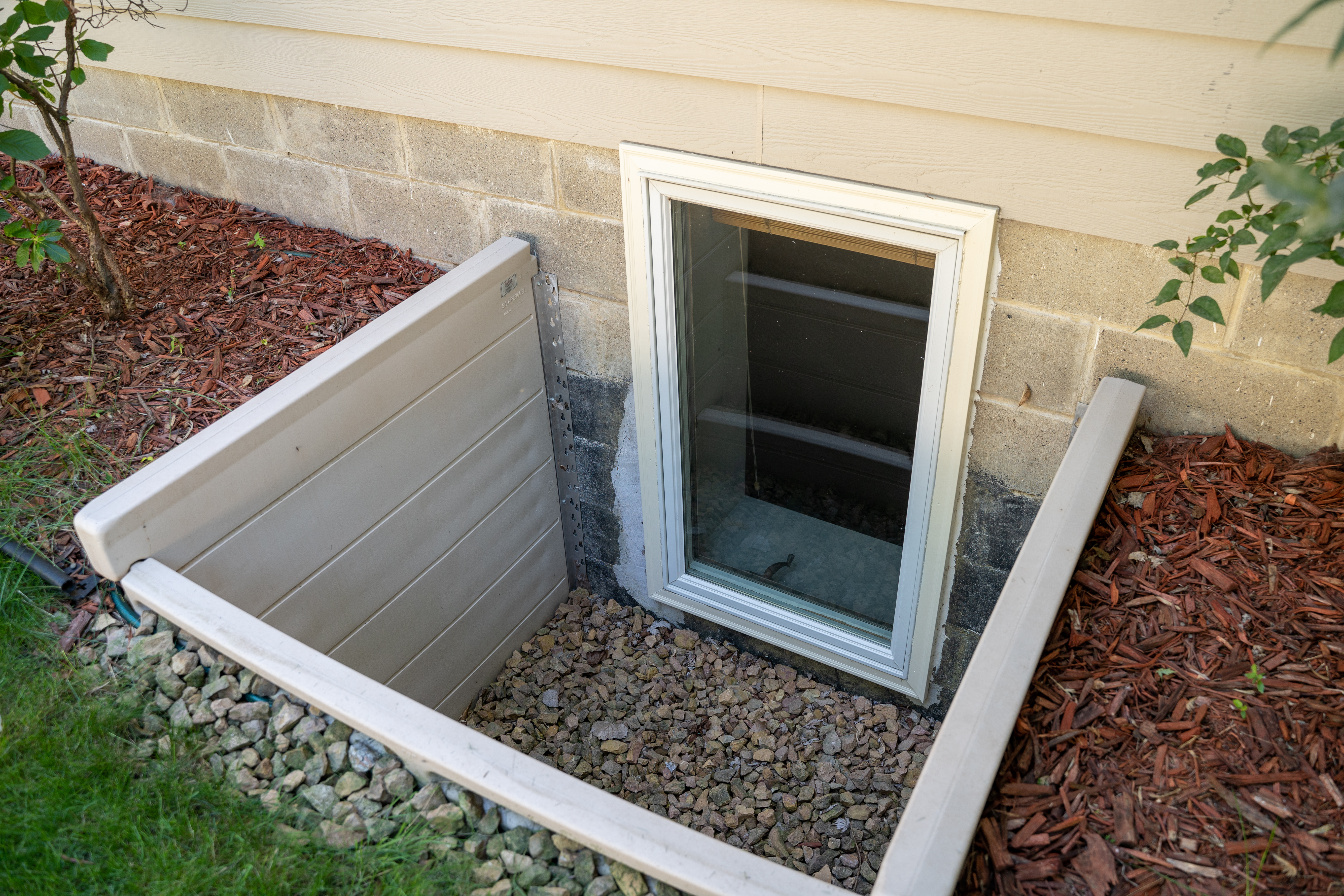
Water finds its way into the lowest point of your home. If moisture is pooling against your foundation walls or seeping through cracks, waterproofing keeps it out and protects the structure underneath.
Learn More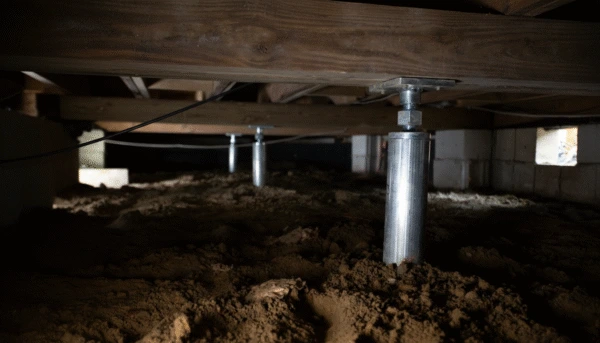
Moisture-damaged crawl spaces lead to rotting joists, sagging floors, and mold growth. We replace damaged wood, add structural supports, and restore the crawl space so your floors feel solid again.
Learn More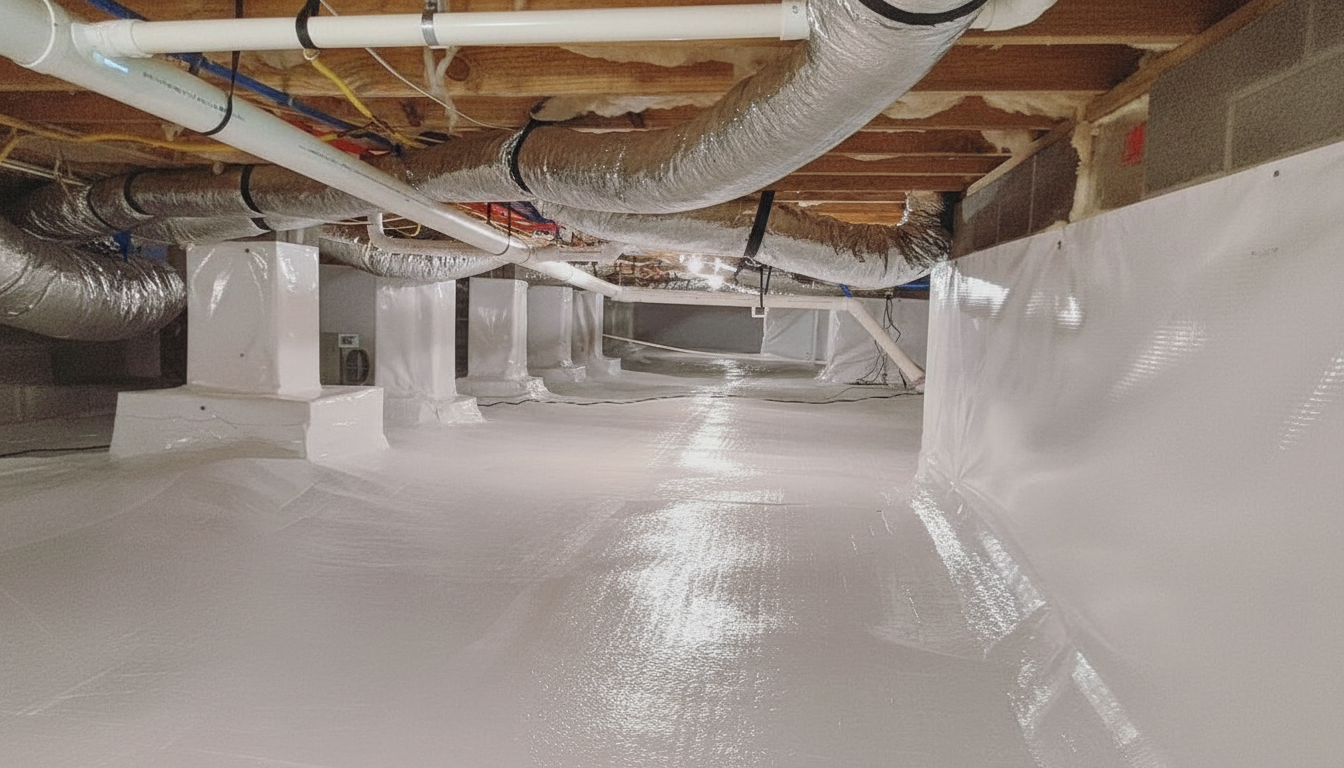
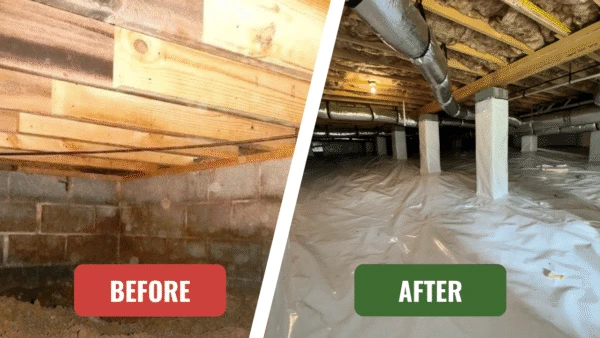
An open crawl space in Jacksonville pulls in humid air all year long. Encapsulation seals the space with a heavy-duty vapor barrier, closes the vents, and adds a dehumidifier to keep moisture levels under control for good.
Learn More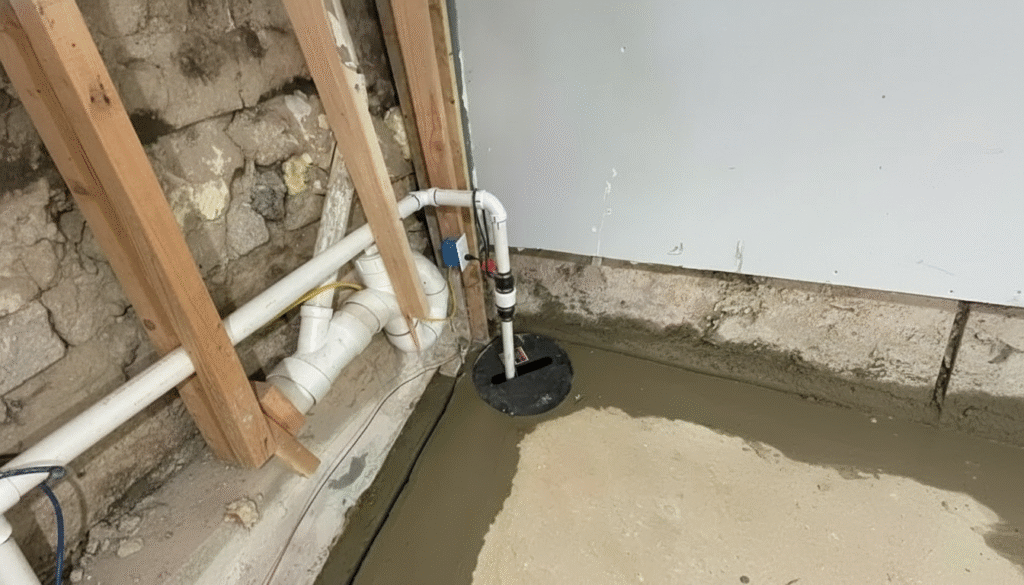
Standing water in the crawl space after a heavy rain is common here. A sump pump collects that water and moves it away from your home before it causes damage to the wood and foundation.
Learn More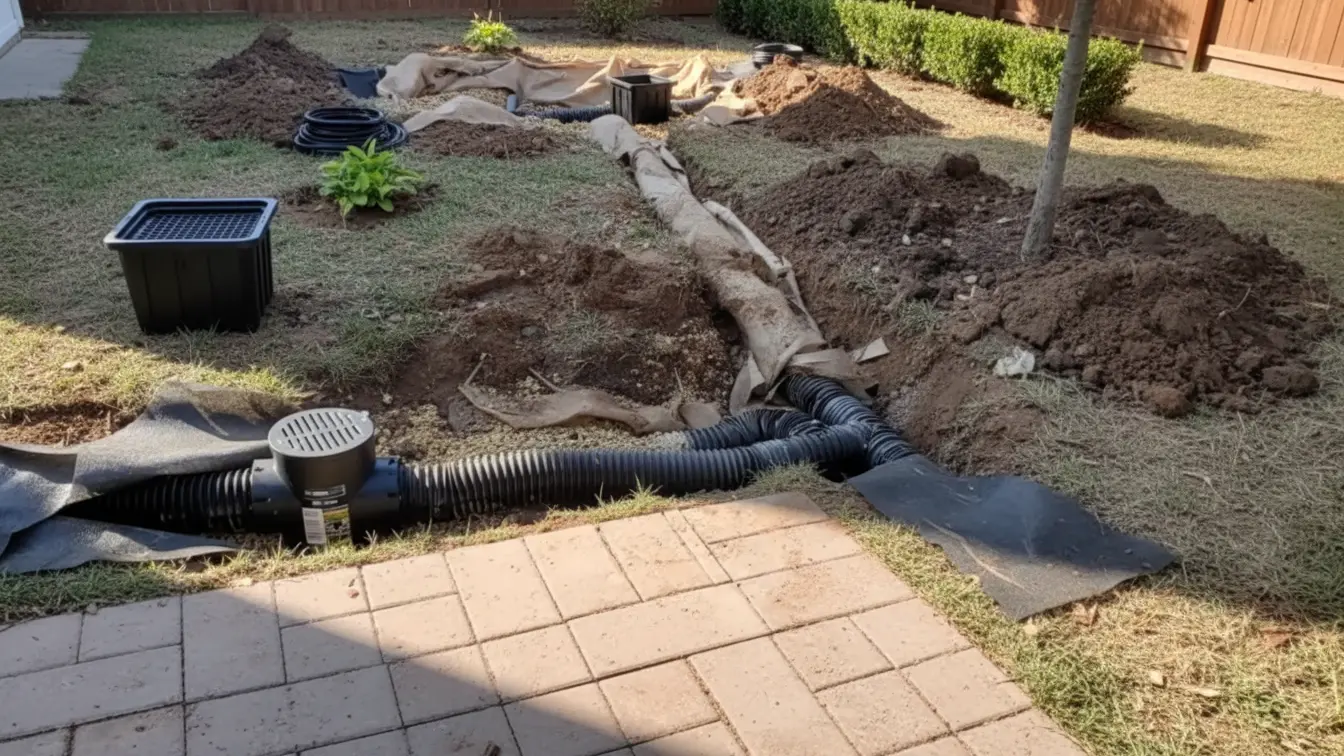
When water has no path to follow, it sits under your home. A French drain gives it a clear route to the sump pump so your crawl space stays dry even during the wettest months.
Learn MoreGetting started is simple. Here's what to expect when you work with us.
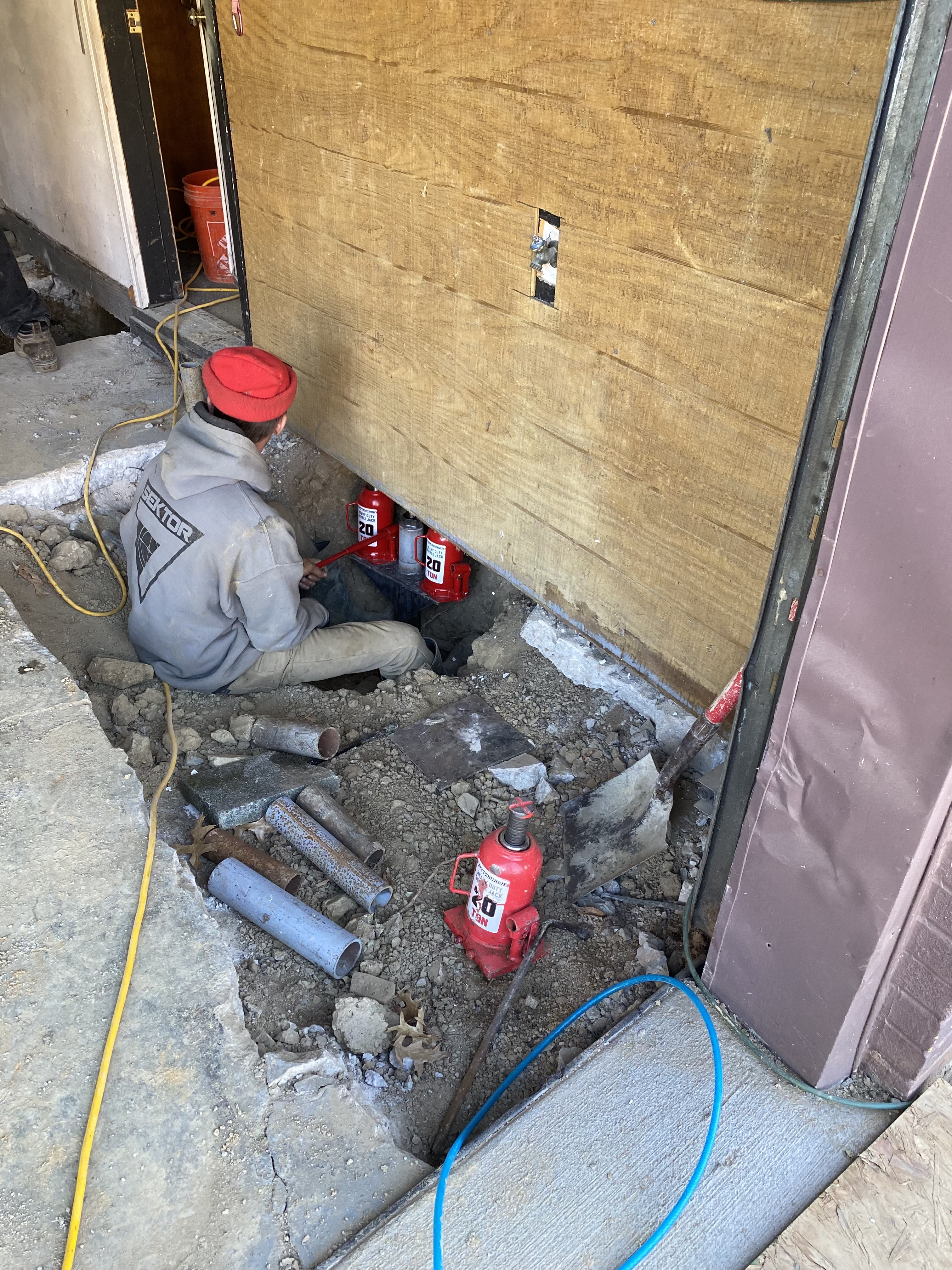
Homes in this part of North Carolina face problems that most foundation companies in other states never deal with. We know what causes them and how to fix them for good.
Homes in this part of North Carolina face problems that most foundation companies in other states never deal with. We know what causes them and how to fix them for good.
Jacksonville sits on the coastal plain where humidity holds above 75 percent most of the year and annual rainfall tops 50 inches. That combination pushes moisture through open crawl space vents, soaks into the wood framing, and rots the joists and beams holding up your floors. Homes built during the housing boom that followed Camp Lejeune's growth were not always built with that kind of moisture in mind. We see the damage this causes every week — and we know exactly how to stop it. Encapsulation, structural repair, drainage — whatever the crawl space needs, we match the fix to the actual problem.
A large part of the homes in Jacksonville change hands every few years as military families receive PCS orders. When a buyer's inspector flags crawl space moisture, mold, or foundation cracks, the deal stalls or falls apart. We have worked with homeowners who need repairs done quickly so they can close on time and move on to their next duty station. If you are selling, we can get an inspection on the books fast and deliver a written proposal the same visit. If you are buying, we can help you understand what the inspection report actually means.
Not every crawl space needs a full repair. Sometimes the moisture levels are manageable and the wood is still in good shape. If that is the case, we will tell you. We would rather earn your trust by being honest than sell you something you do not need. When work is needed, you will know exactly what we are doing, what materials we are using, and what the warranty covers — all in writing before we start.
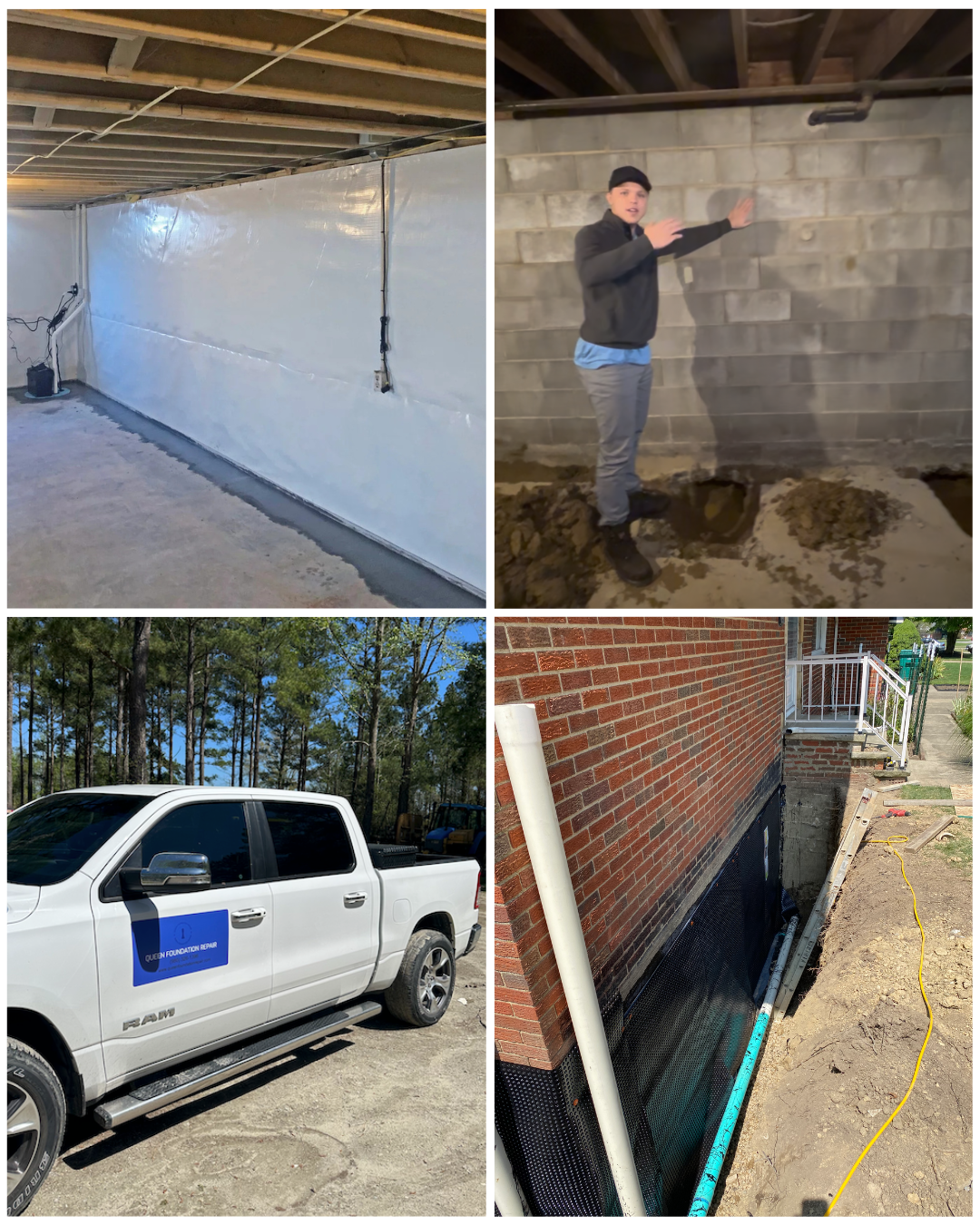
See the difference our work makes. Real projects, real results.
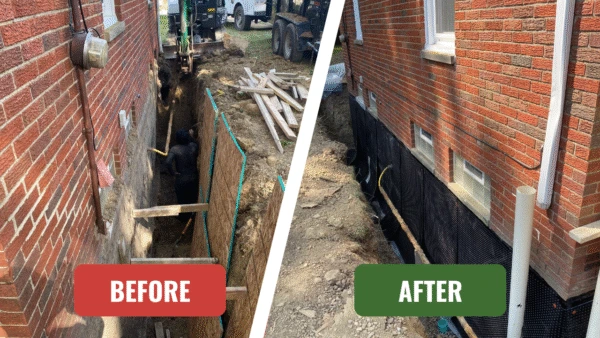
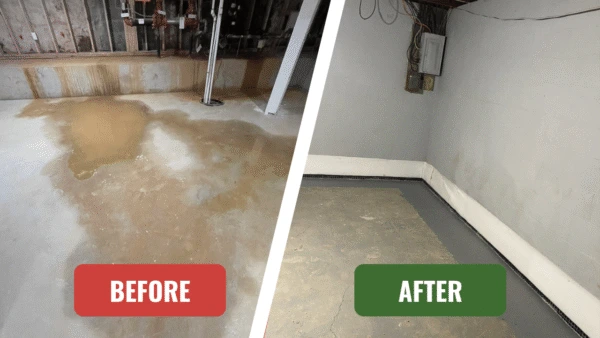
If you are seeing signs of foundation or crawl space problems, you probably have questions. Here are the ones we hear most often from homeowners in the area.
Jacksonville's location on the coastal plain means the soil is a mix of clay and sand with a high water table underneath. The area gets over 50 inches of rain per year, humidity stays above 75 percent most of the year, and many homes were built with vented crawl spaces that let all of that moisture flow right under the house. Over time, that moisture soaks into the wood framing, causes rot, and weakens the structure holding up your floors. Homes built quickly during the military housing booms of the 1970s through 1990s are especially vulnerable because many of them were built without vapor barriers or proper drainage.
The most common signs homeowners in this area notice are floors that feel bouncy or soft when you walk on them, doors or windows that stick or will not close properly, cracks in the drywall especially near the corners of windows and doors, a musty or damp smell in the house, visible mold along baseboards or walls, and standing water under the house after it rains. If you are seeing any of these, it is worth getting an inspection to find out what is going on underneath.
In most cases, no. Standard homeowner's insurance treats foundation and crawl space issues as a maintenance problem, not a covered event. The exception is when damage was caused by a sudden covered incident like a burst pipe. Flood damage may be covered under a separate flood insurance policy, but standard policies do not include flooding. It is worth checking your specific policy, but most homeowners in this area end up paying for repairs out of pocket or through financing.
A straightforward encapsulation on an average-sized home usually takes one to two days. If the crawl space also needs structural repair — like replacing rotted joists or adding support posts — the job may take two to four days depending on the extent of the damage. We will give you a clear timeline during the proposal so you know what to expect before any work starts.
This is something we help with regularly. When a buyer's inspection flags moisture damage, mold, or structural problems in the crawl space, it can stall or kill the sale. The best move is to get your own inspection done as soon as possible so you understand the scope of the problem. We can schedule a free inspection quickly, give you a written proposal the same visit, and get the work done on a timeline that keeps your closing on track. Fixing the issue before the buyer walks away is almost always less expensive than the price reduction they will ask for.
Yes. We work throughout Onslow County and the surrounding communities including Sneads Ferry, Richlands, Swansboro, Hubert, Holly Ridge, Piney Green, Half Moon, and the areas along the US-17 corridor toward New Bern. If you are not sure whether we cover your area, just reach out and we will let you know.