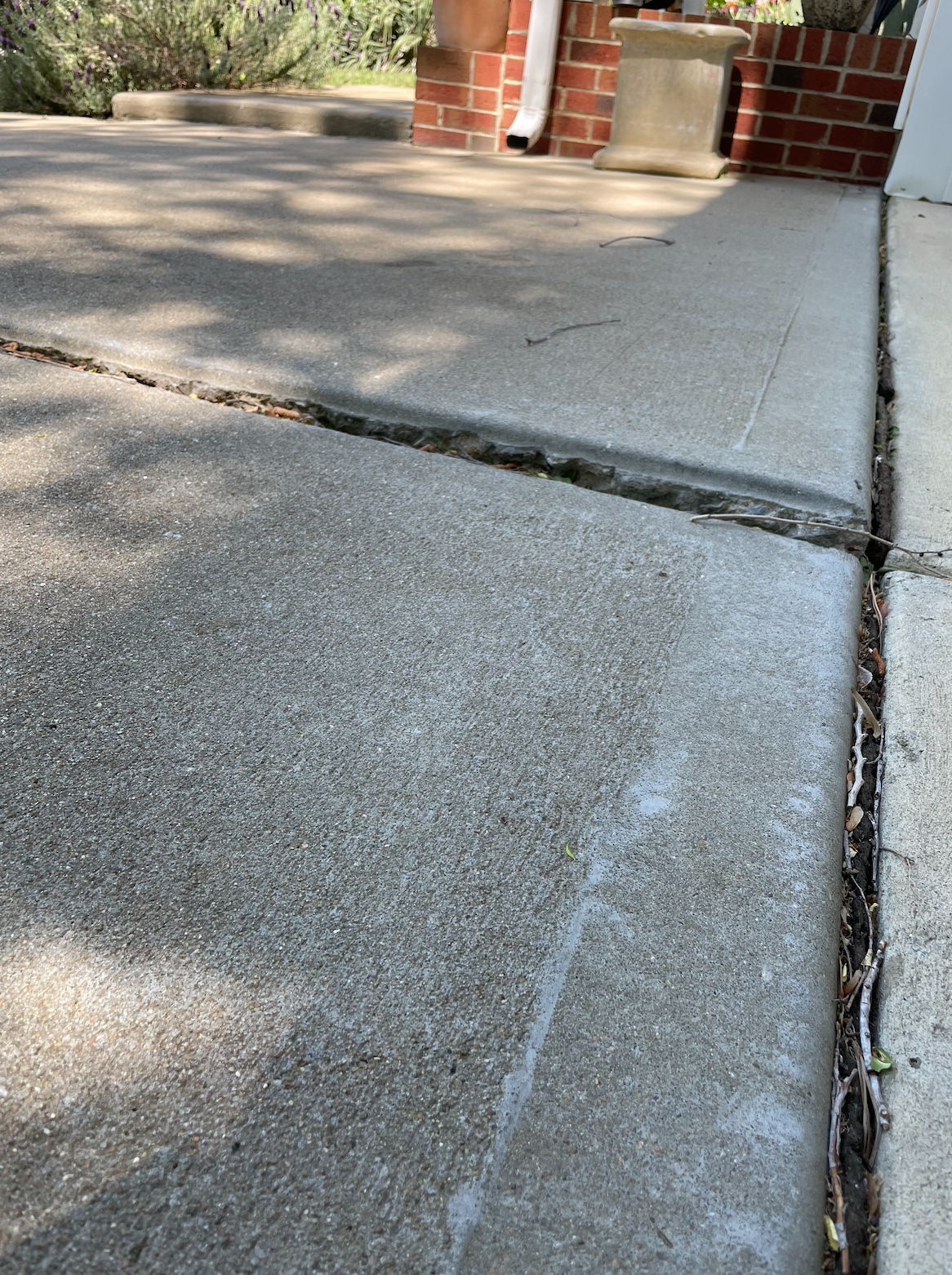
Cracks, settling, and moisture problems get worse with time — not better. Get answers before the damage spreads.
I'm Ready For A Free Quote
Thank You For Your Submission!
A team member will be reaching out to you shortly.








Cracked walls, wet crawl spaces, uneven floors — these are signs of a bigger problem underneath your home. Here is how we fix them.
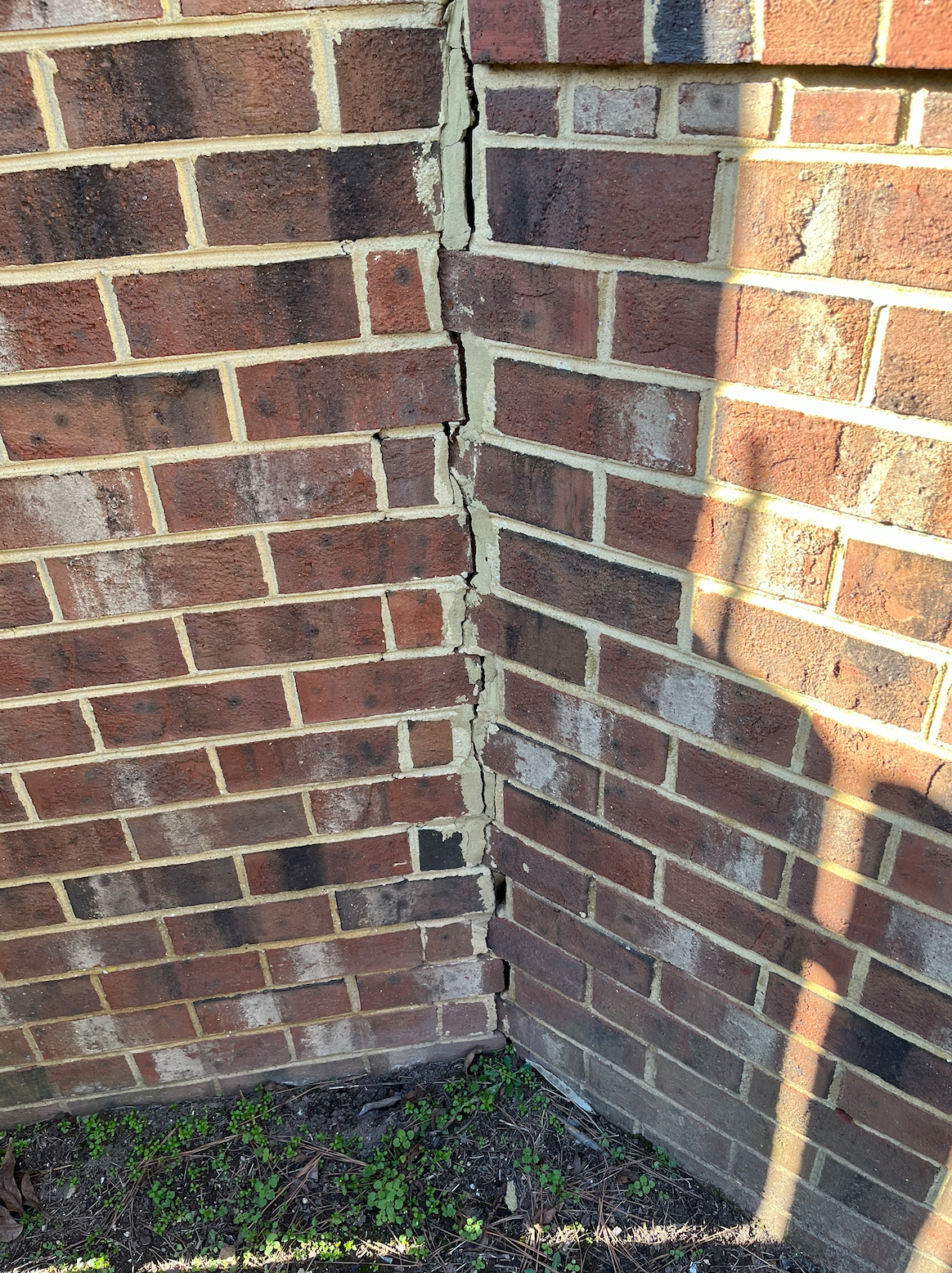
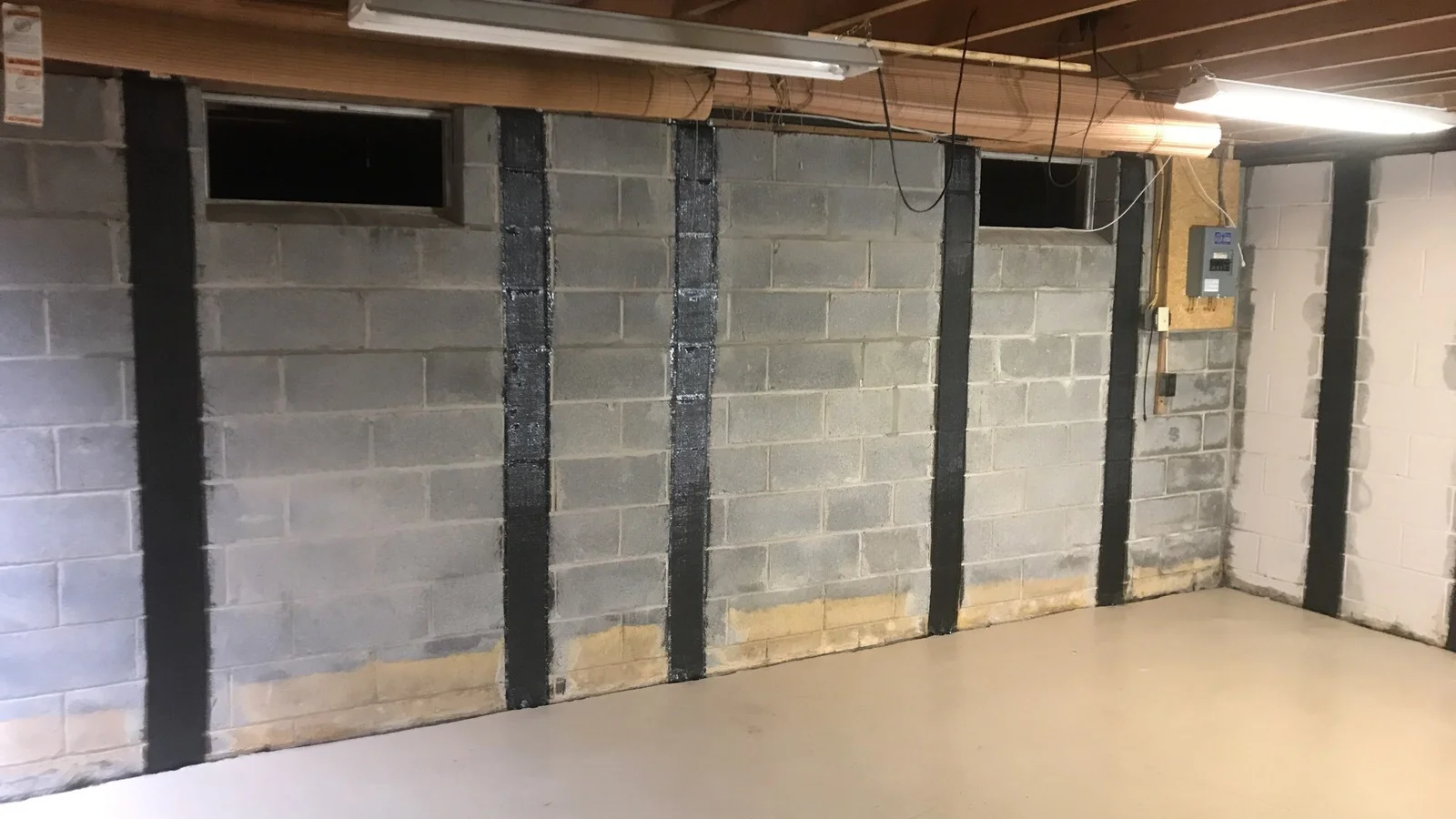
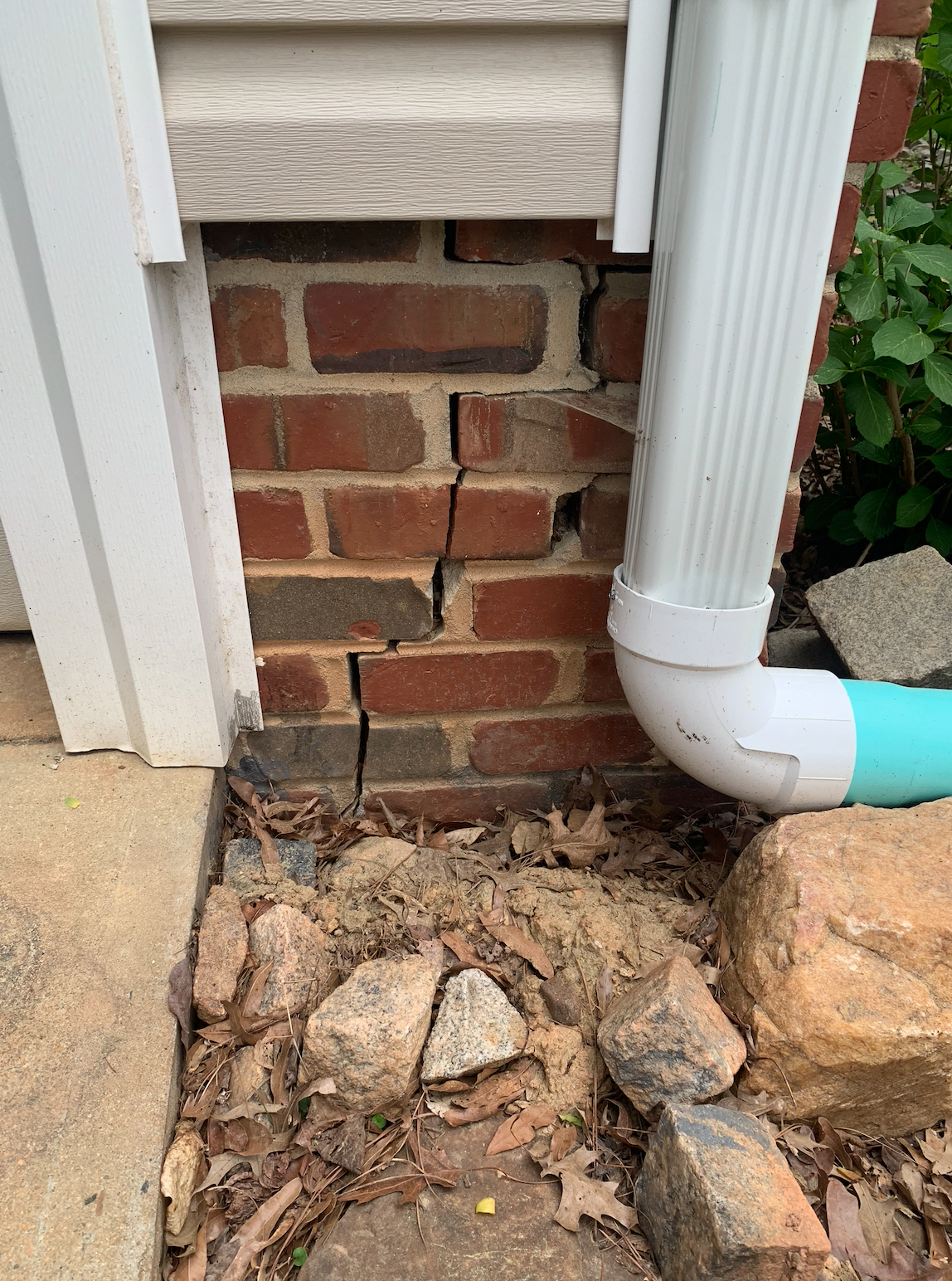
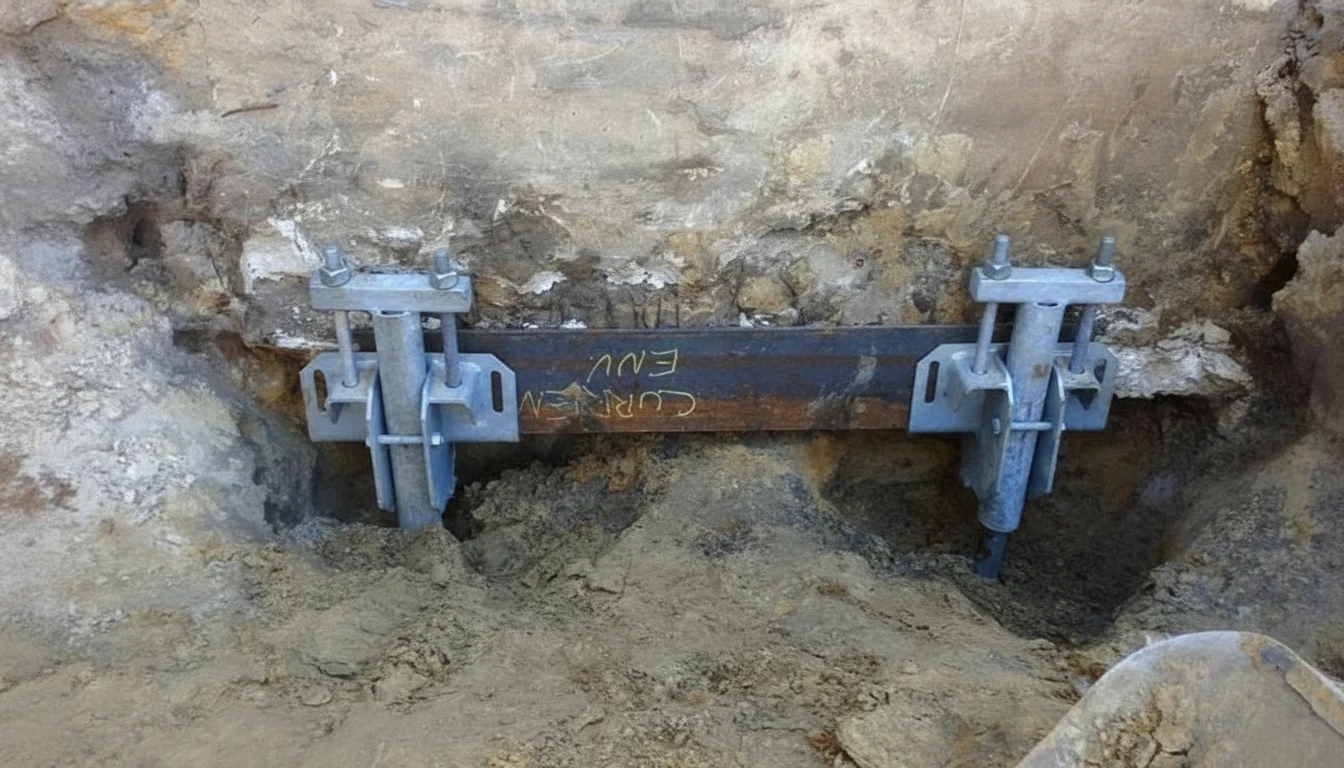
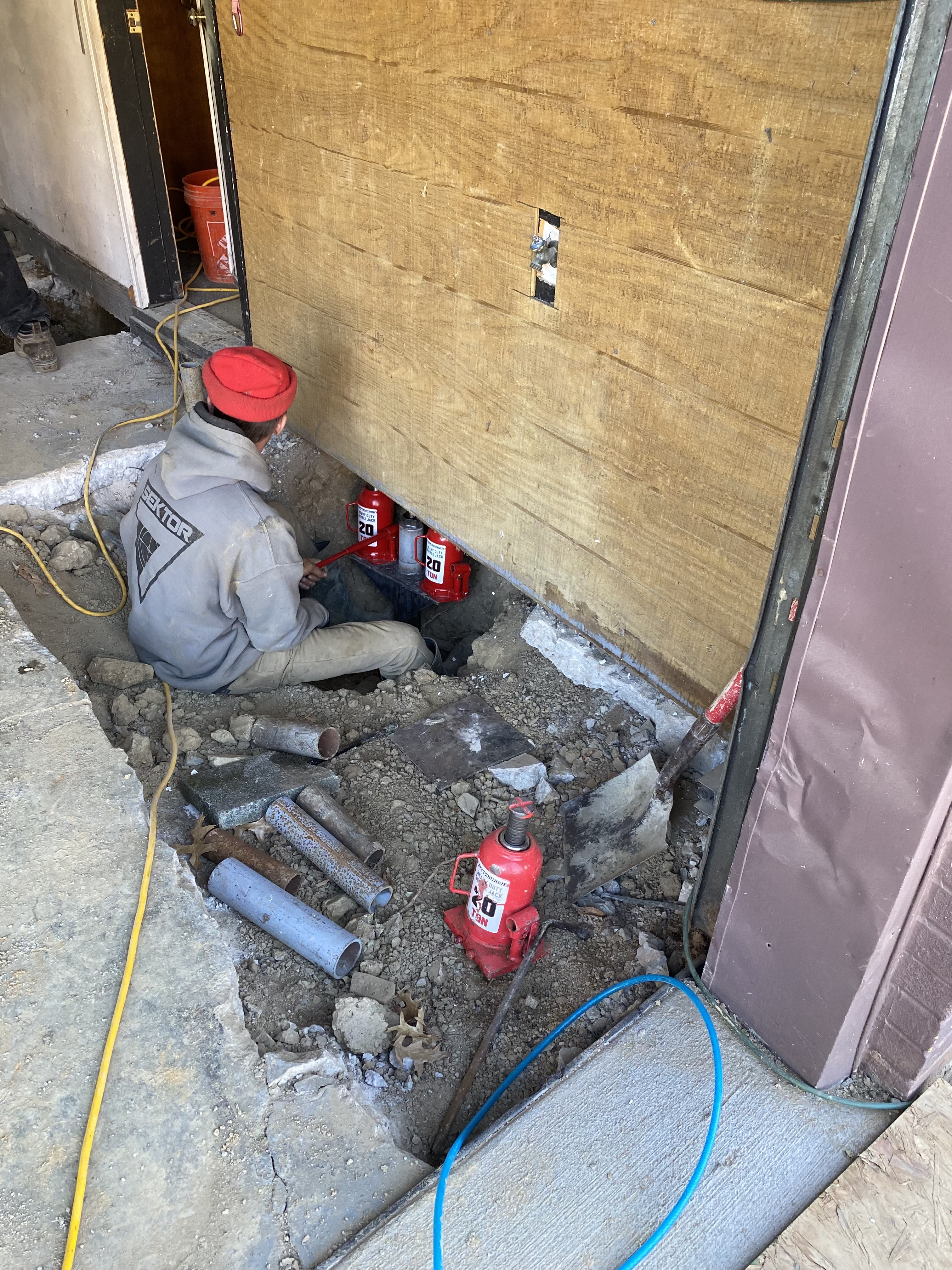
Settling and shifting foundations cause cracks, sticking doors, and uneven floors. Pier systems and structural reinforcements stabilize the foundation and stop further movement at the source.
Learn More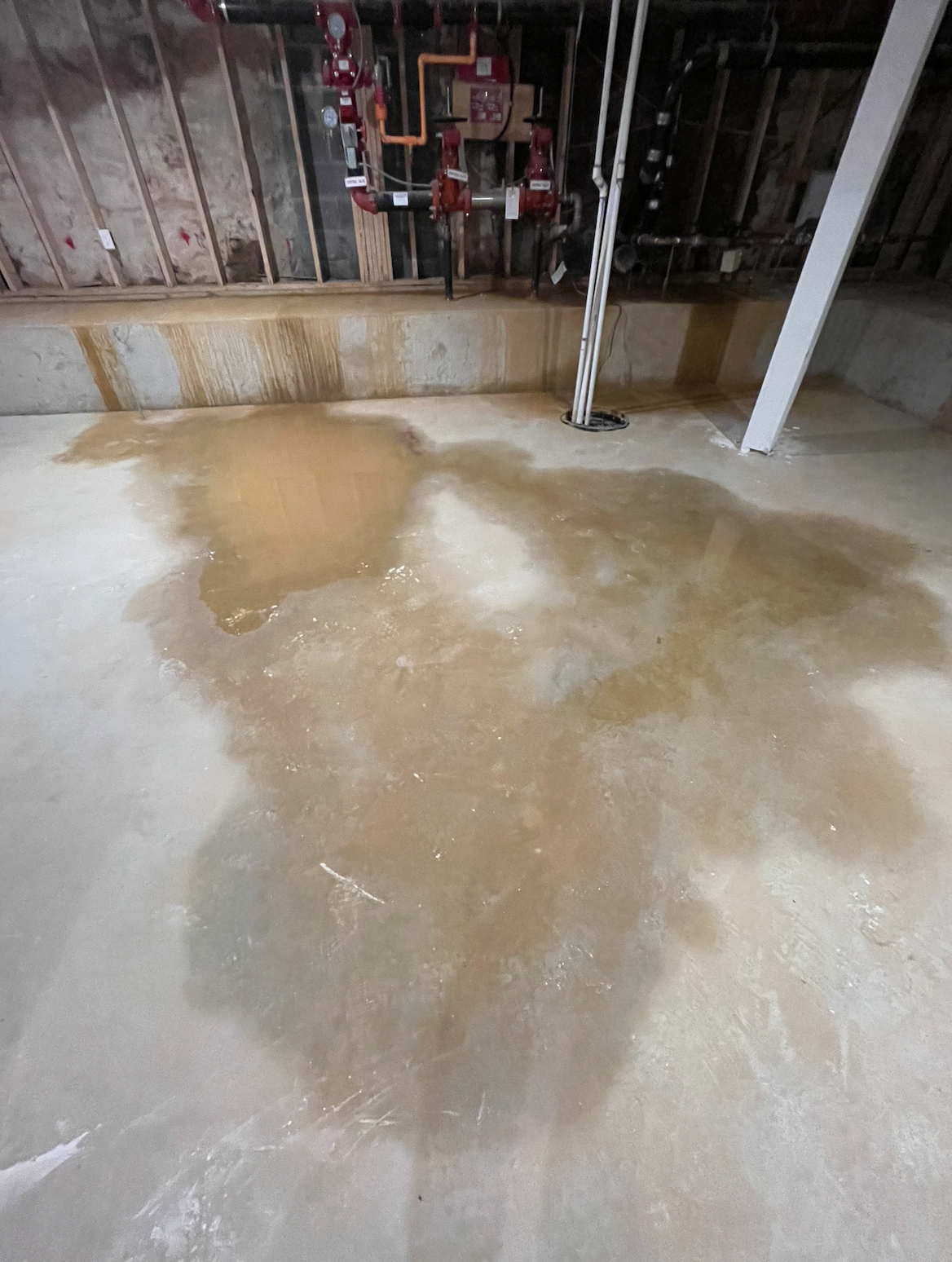
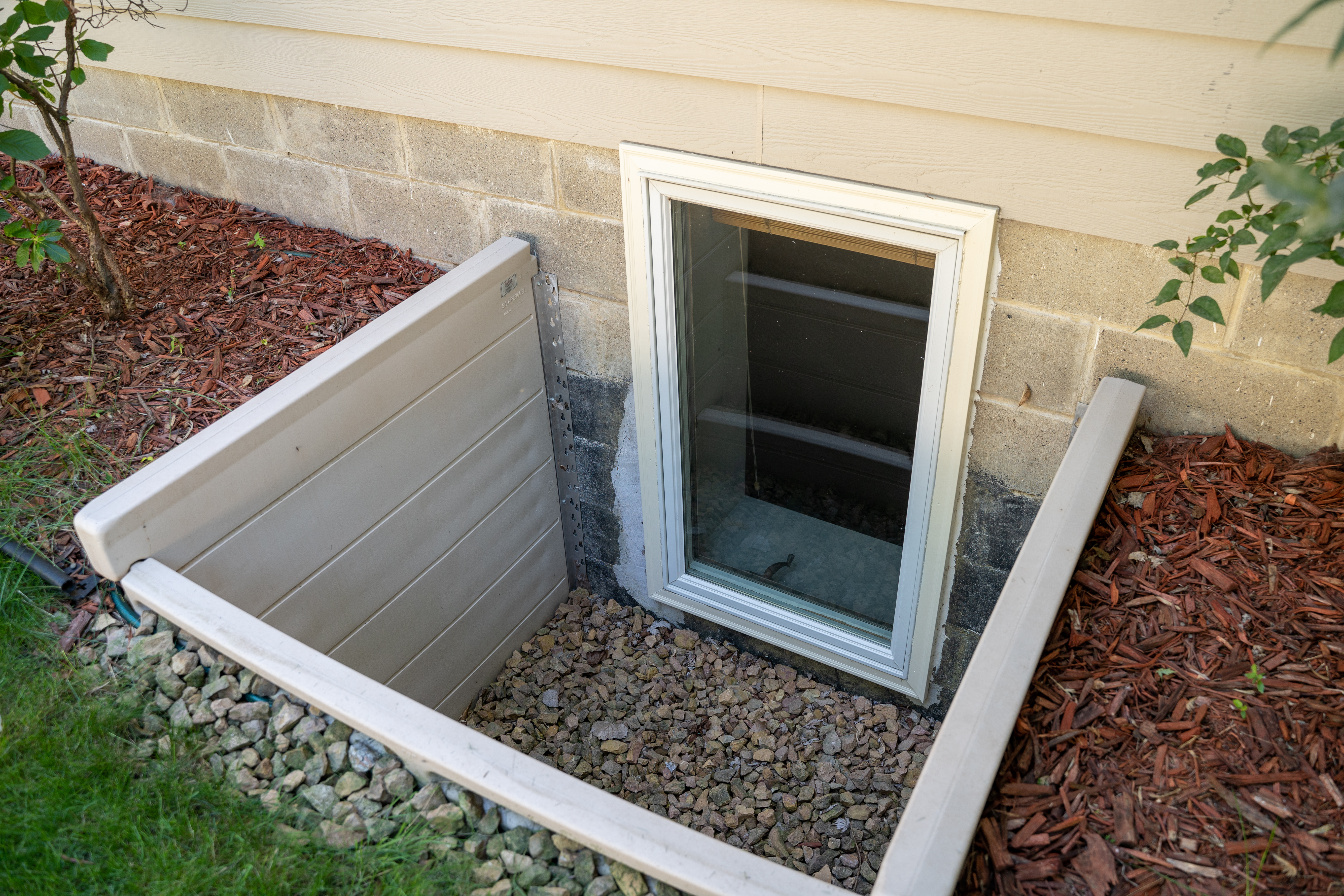
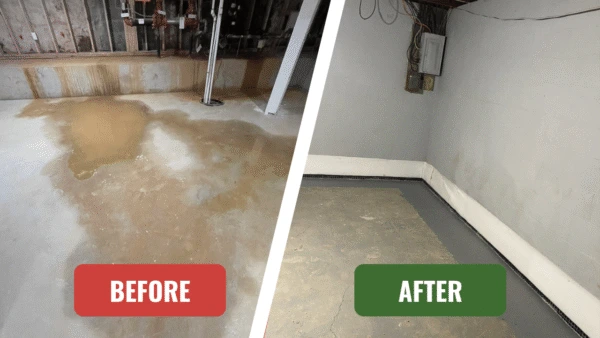
Water in a basement leads to mold, damaged walls, and long-term structural problems. Interior drainage, exterior membranes, and proper water management keep basements dry.
Learn More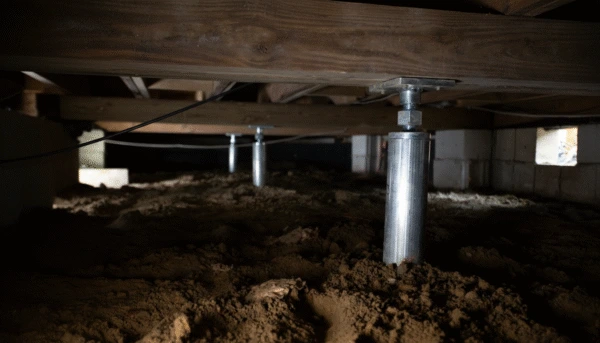
Sagging floors, soft spots, and deteriorating supports mean the crawl space structure is failing. Beam and joist reinforcement restores structural integrity and stops the damage from reaching your living space.
Learn More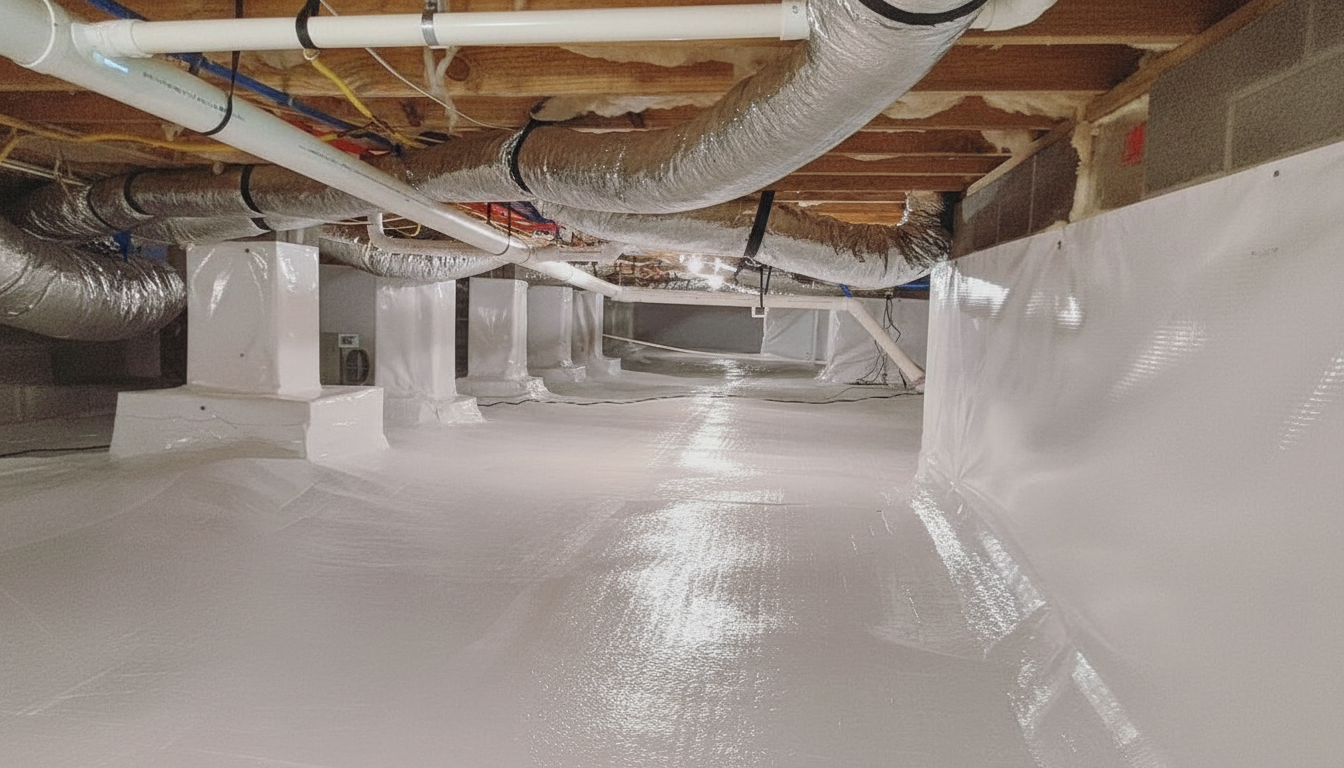
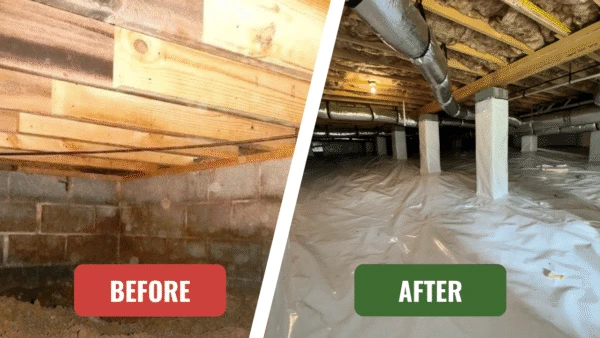
Moisture, mold, and musty air under the house affect everything above it. A sealed vapor barrier, dehumidifier, and proper drainage turn a damp crawl space into a dry, controlled environment.
Learn More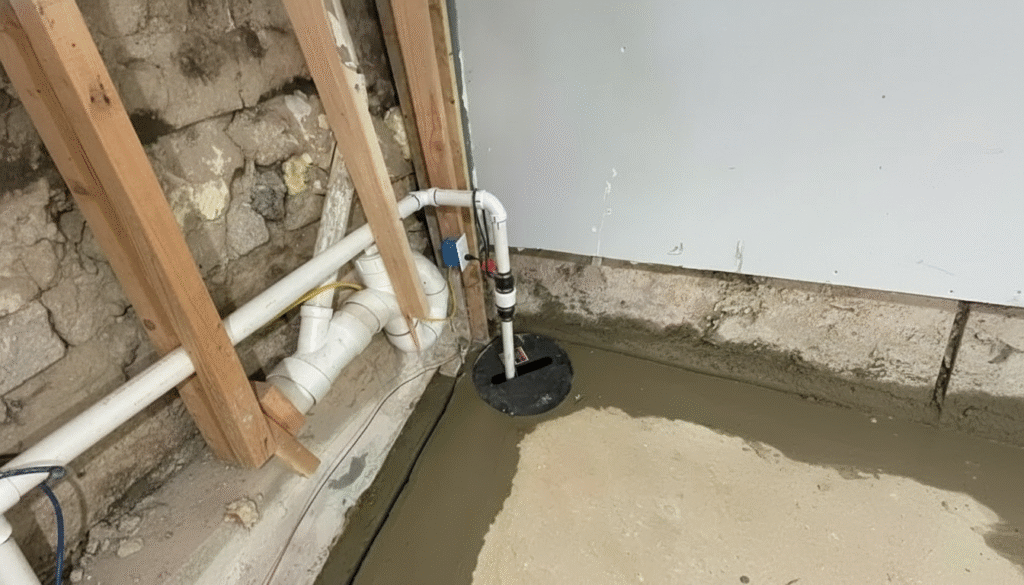
Standing water in a crawl space or basement needs somewhere to go. A sump pump system collects and removes water before it causes structural damage or mold growth.
Learn More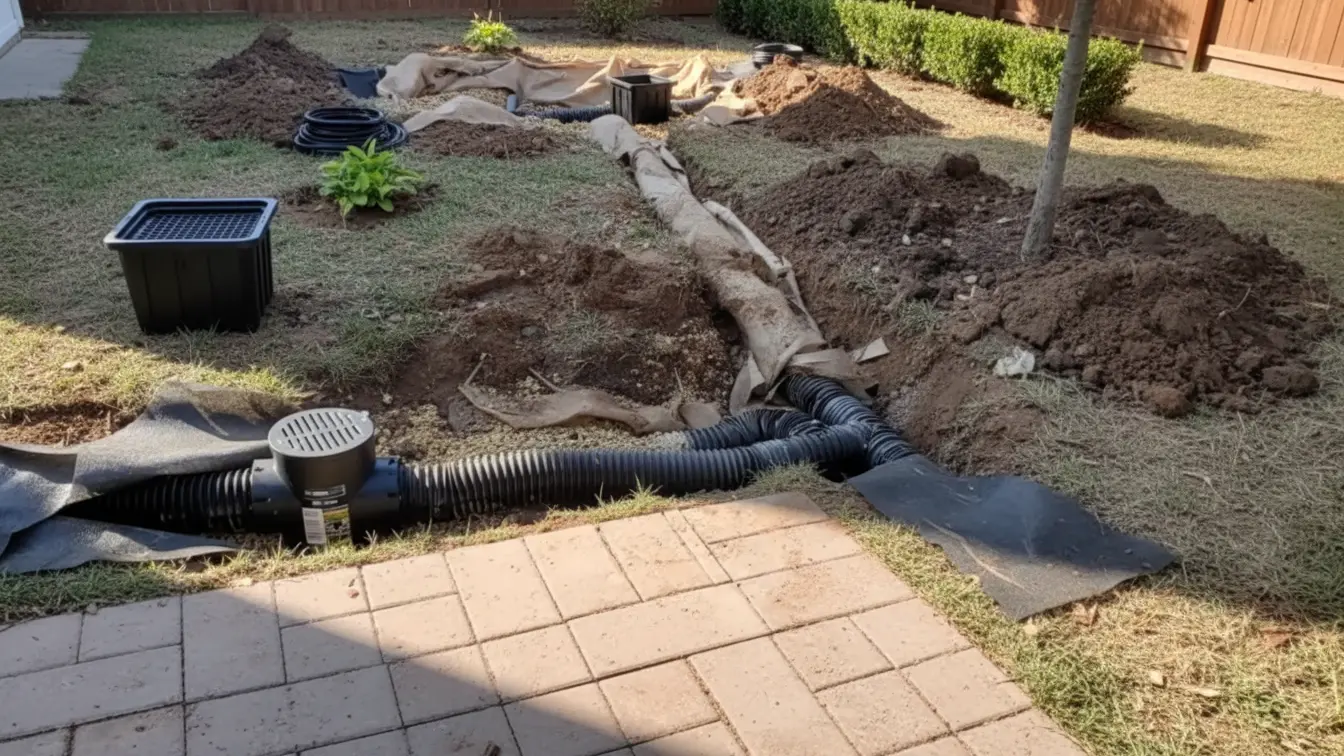
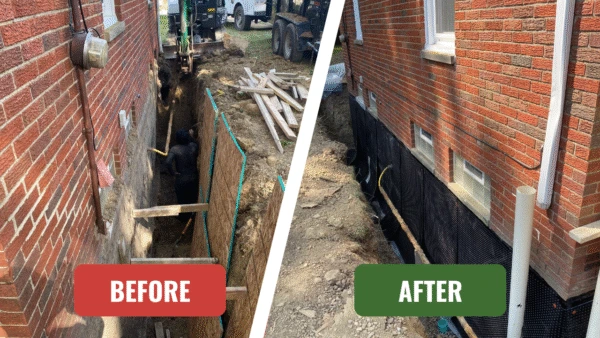
Water pooling around or under a foundation puts constant pressure on walls and footings. French drains intercept that water and redirect it away from the structure.
Learn MoreGetting started is simple. Here's what to expect when you work with us.
Foundation problems are stressful enough without wondering whether you picked the right contractor. Here is what to expect when you work with us.
Foundation problems are stressful enough without wondering whether you picked the right contractor. Here is what to expect when you work with us.
If your foundation does not need repair, we will tell you. Not every crack requires structural work. You get a straight diagnosis based on what we actually find — not a quota. That is how you build trust in a market where homeowners are already skeptical.
You see the full cost, scope of work, and warranty details in writing before any work starts. No hidden fees, no change orders mid-job. You know exactly what you are paying for and why.
Patching a crack without fixing what caused it means the crack comes back. Every repair plan is based on a full inspection of the structure, the soil conditions, and the water dynamics around your home — so the solution holds.
Get My Free Quote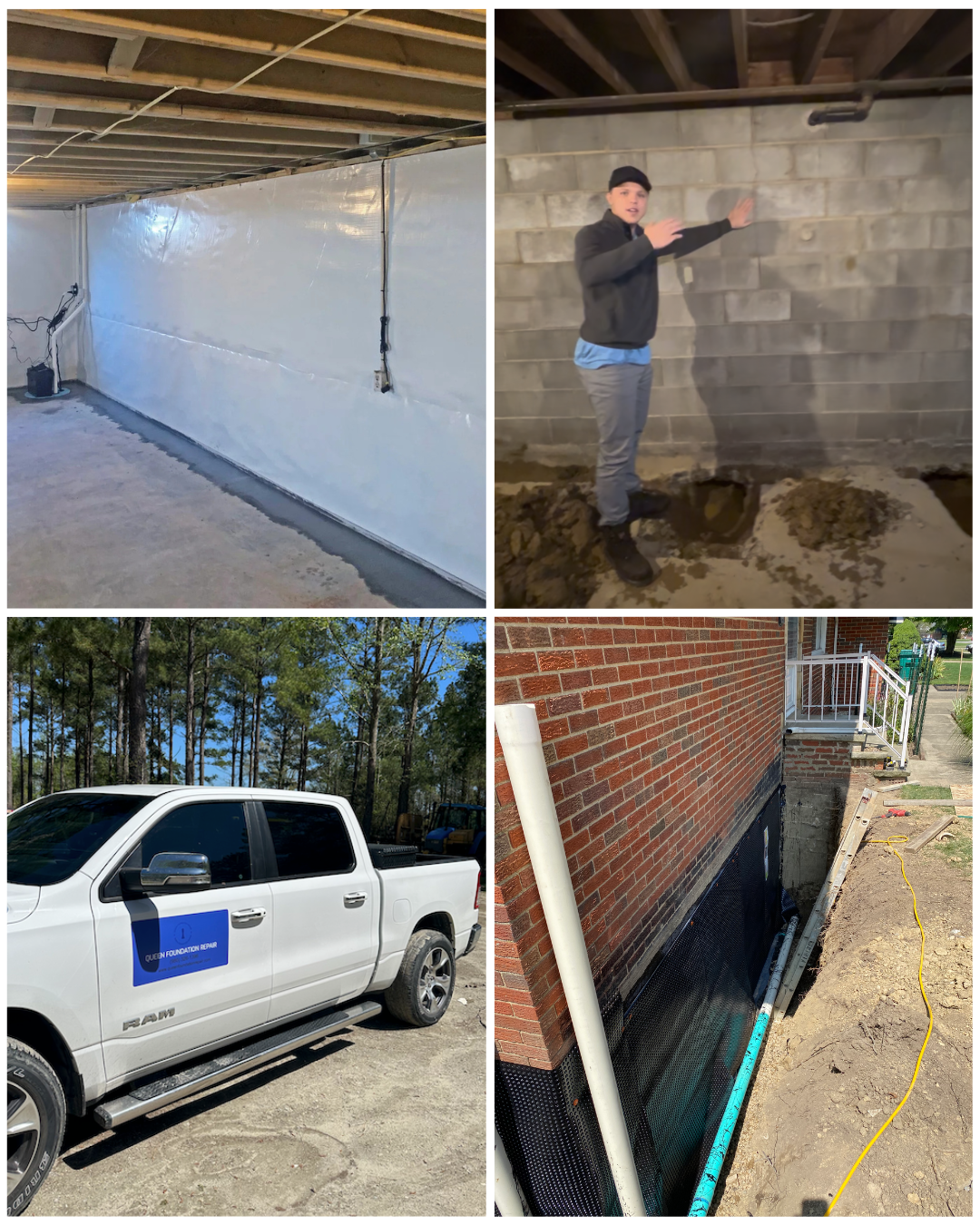
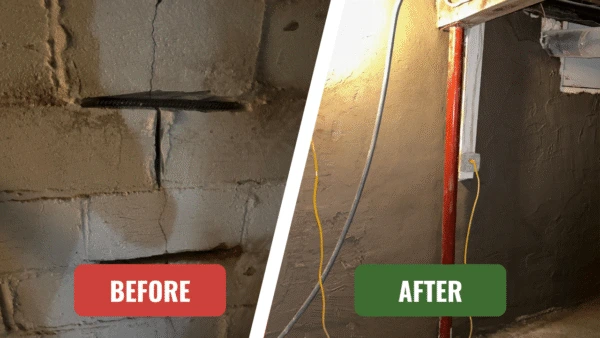
See the difference our work makes. Real projects, real results.
Homeowners ask these questions most. If yours is not here, call and ask — there is no cost and no obligation.
It depends on the width, direction, and location. Hairline cracks in drywall from normal settling are common and usually cosmetic. Diagonal cracks running from the corners of windows or doors, stair-step cracks in exterior brick, or any crack wider than a quarter inch often indicate foundation movement. The only way to know for sure is to have someone look at the full picture — the crack, the soil, the drainage, and the structure underneath.
The clay soil in Catawba County expands when it gets wet and shrinks when it dries. That cycle repeats hundreds of times over the life of a house and puts constant pressure on foundations. Most homes here sit on crawl spaces, which are directly exposed to that moisture. Combine that with 49 inches of annual rainfall and humid summers, and you have conditions that wear down foundations and crawl spaces faster than in most markets.
Foundation and crawl space problems are progressive. The soil does not stop moving, and moisture does not dry itself out. A crack that could be sealed today may require pier installation in a year. A damp crawl space becomes rotted floor joists and mold. Waiting does not save money — it increases the scope of the repair. The earlier you catch it, the simpler and less expensive the fix.
A good company inspects the full structure — outside, inside, and underneath — before recommending anything. They tell you what does not need repair, not just what does. They give you a written proposal with specific details, not a verbal ballpark. And they encourage you to get other quotes. If someone pressures you to sign the same day, skips the crawl space, or cannot explain the problem in plain language, move on.
Yes. An exposed dirt floor is the single biggest source of moisture in a crawl space. Ground moisture evaporates directly into the space, raising humidity levels and creating conditions for mold, wood rot, and pest activity. A sealed vapor barrier over the floor — combined with a dehumidifier and proper drainage — stops that cycle. Most crawl space issues in this area start with an unsealed dirt floor.
Yes. We serve homeowners across Catawba County and the surrounding area, including Newton, Conover, Claremont, Long View, Maiden, Brookford, and Viewmont. If your area is not listed, we may still be able to help — call to find out.