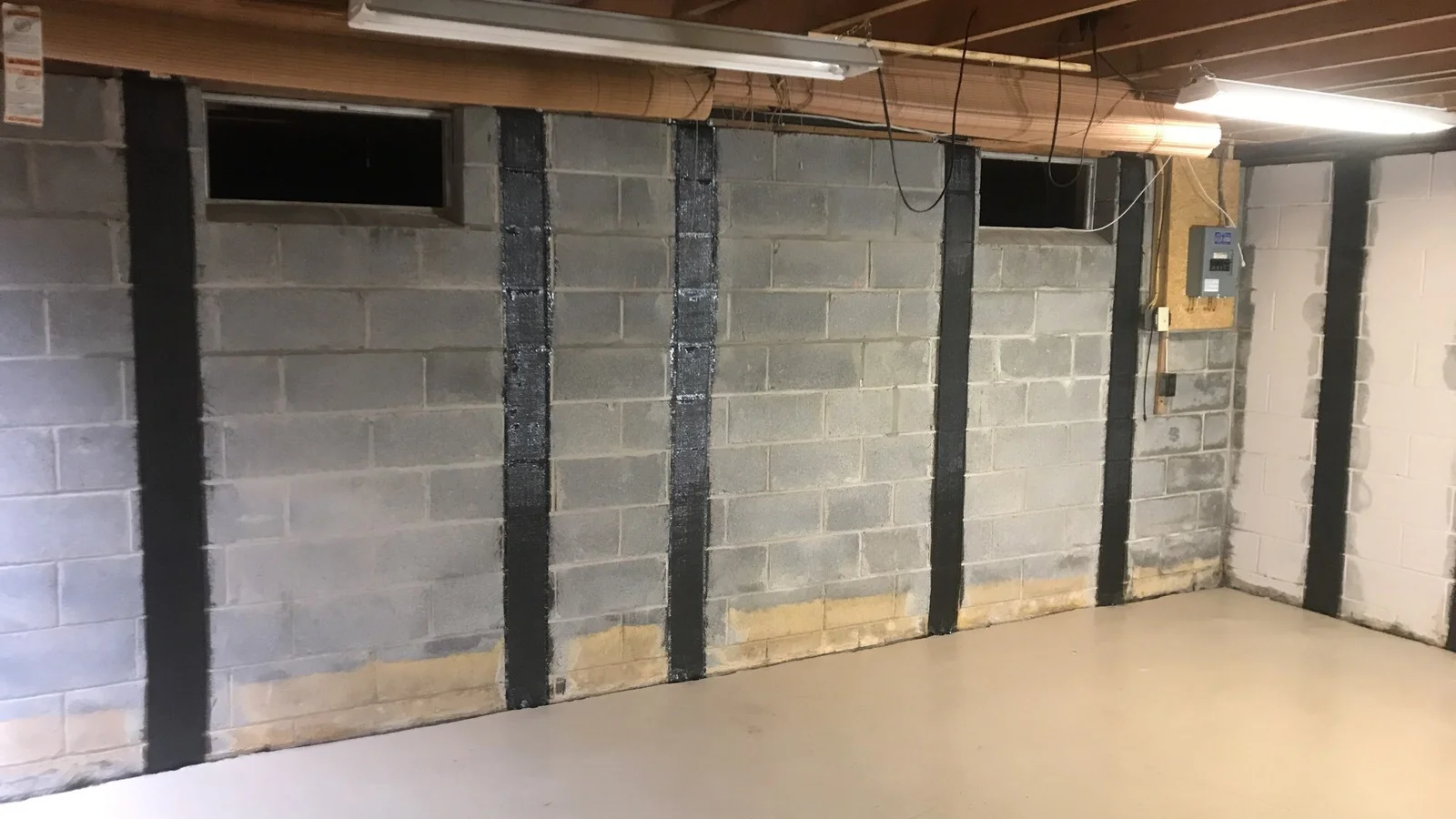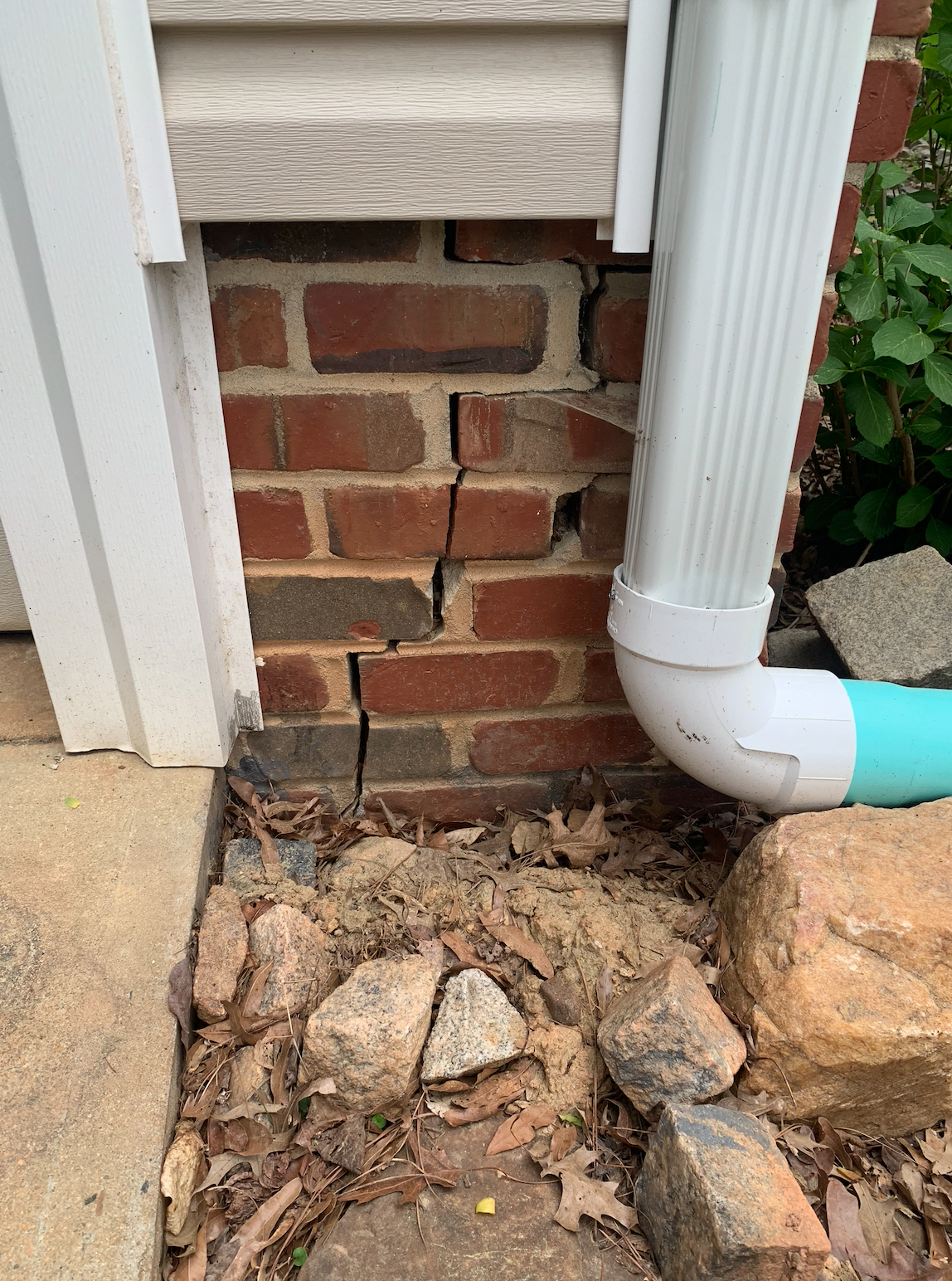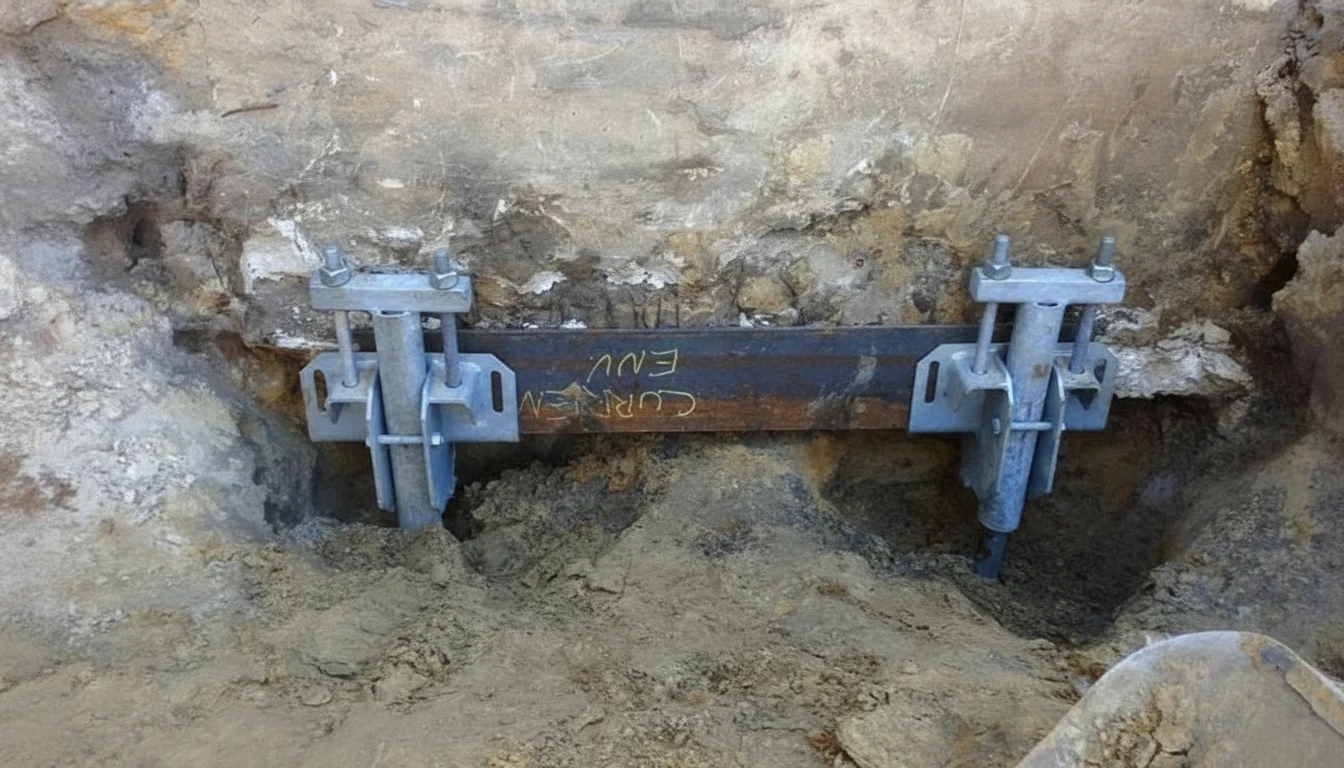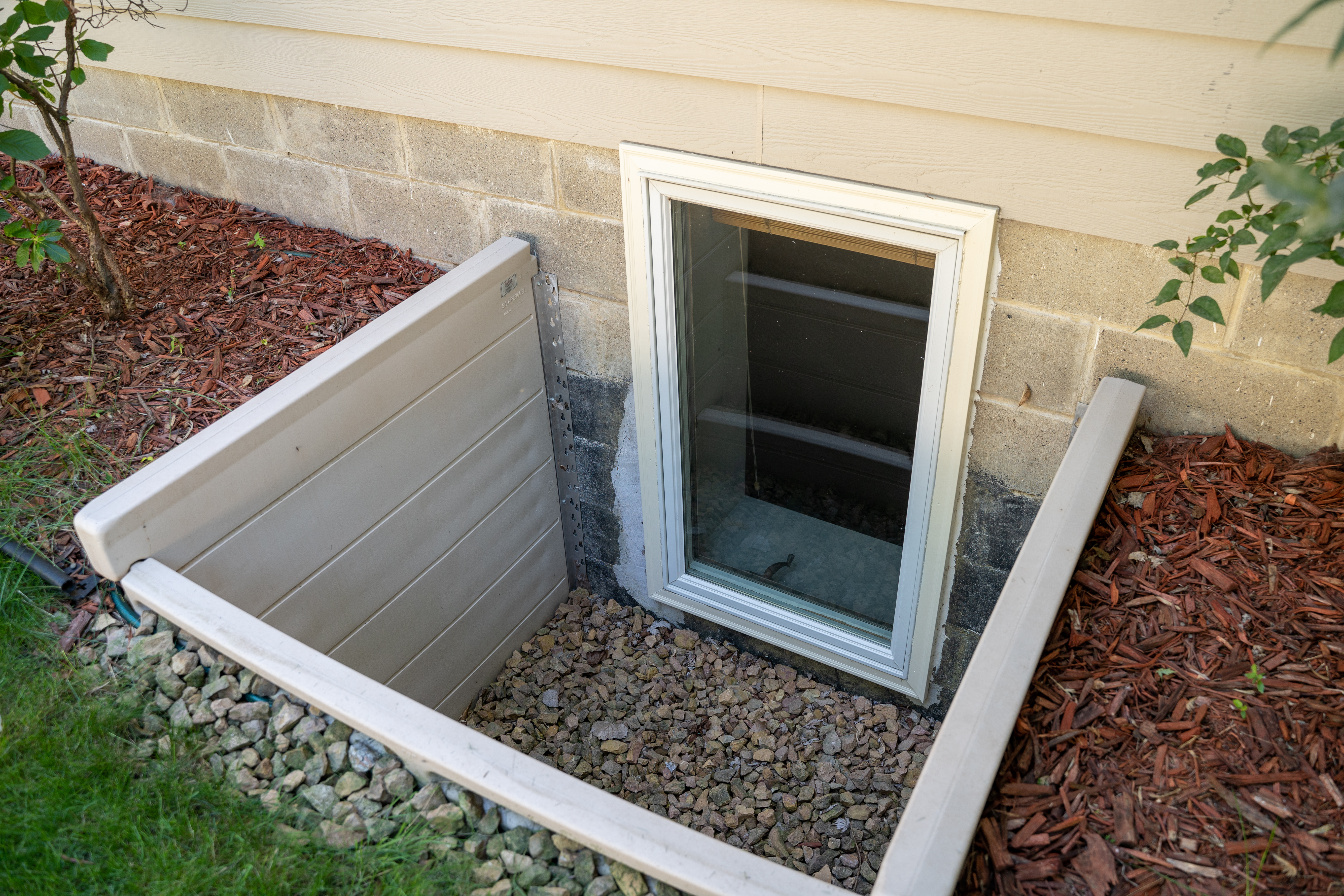
Slab and pier-and-beam solutions for homes on North Texas clay soil.
I'm Ready For A Free Quote
Thank You For Your Submission!
A team member will be reaching out to you shortly.








From settled slabs to sagging crawl spaces, every service targets the root cause — not just what you see on the surface.
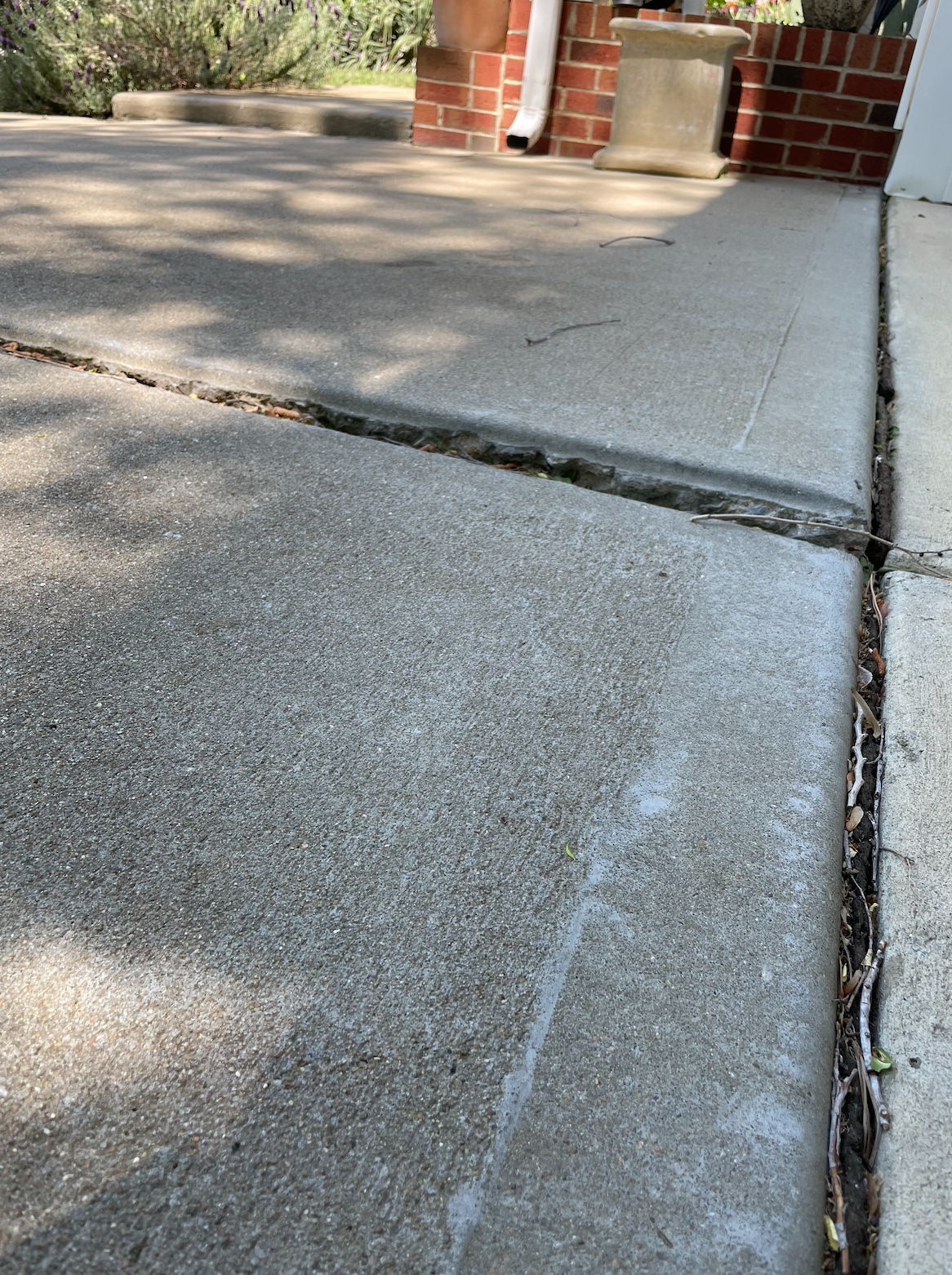
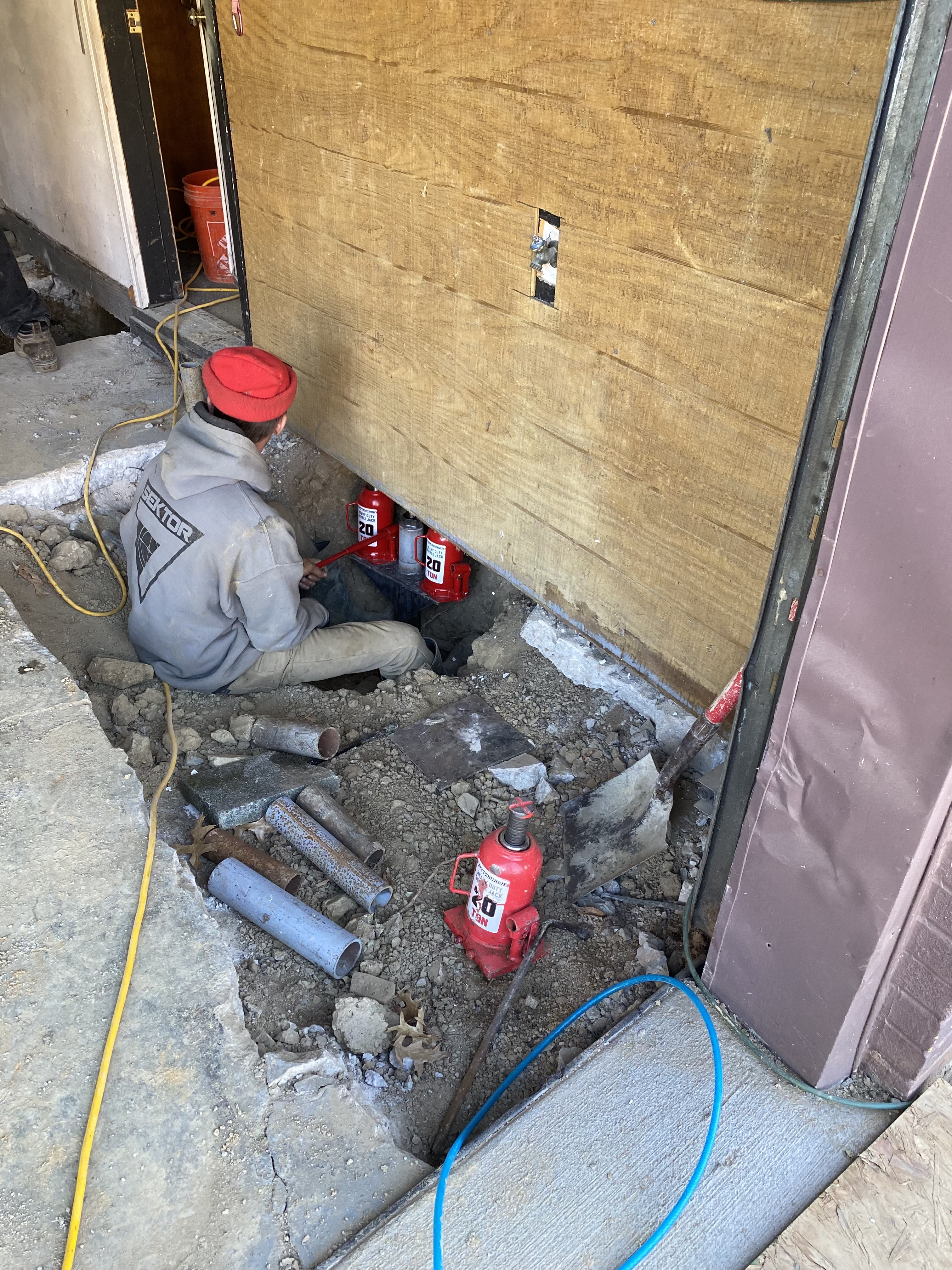
Clay soil pushes slabs up when wet and lets them drop when dry. That movement cracks walls, jams doors, and tilts floors. Steel piers anchor your foundation to stable ground beneath the clay so it stops shifting.
Learn More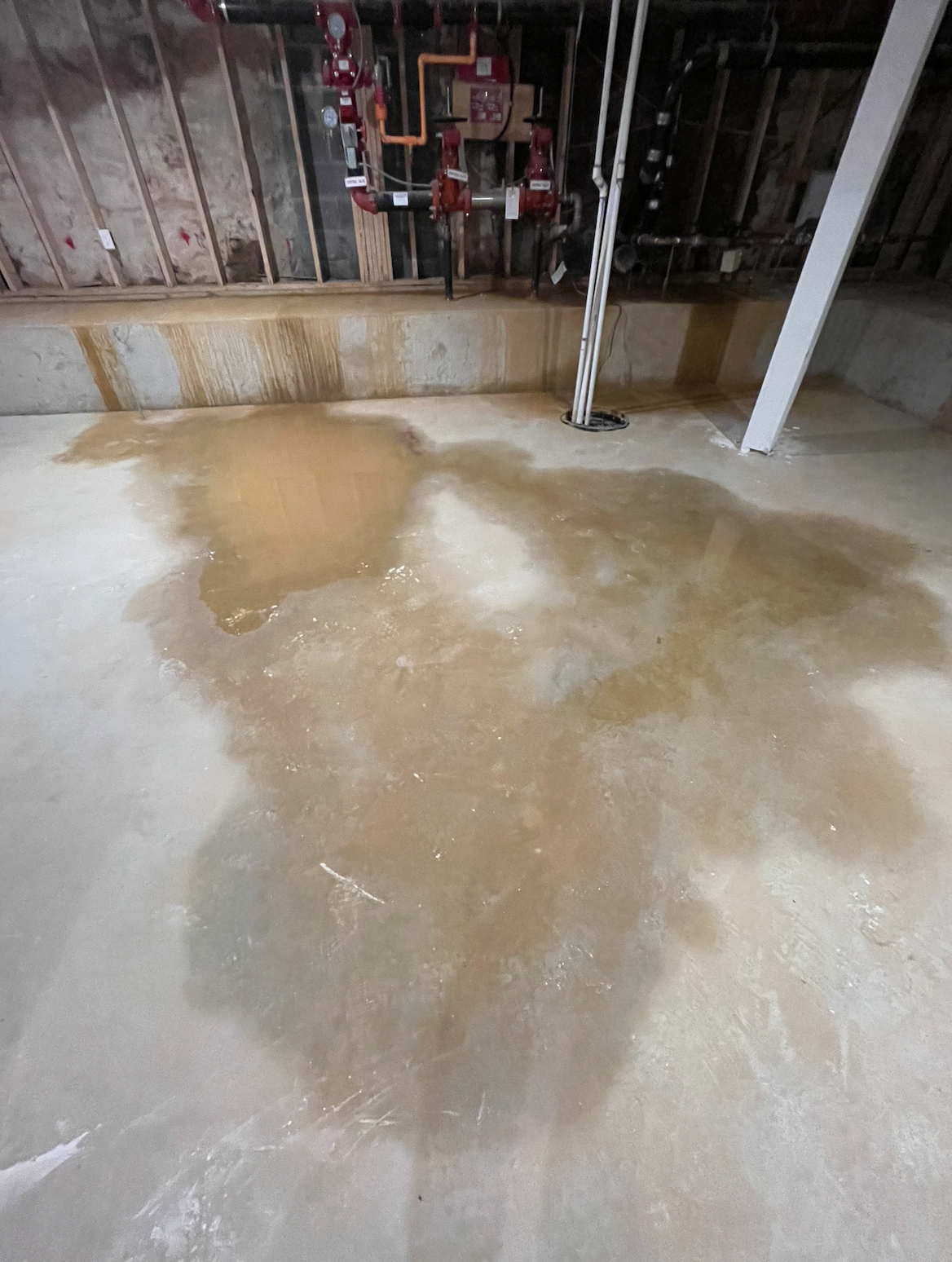
Water finds every gap. Hydrostatic pressure from saturated clay forces moisture through walls and floor joints. Interior drainage systems and vapor barriers redirect that water before it damages finishes or framing.
Learn More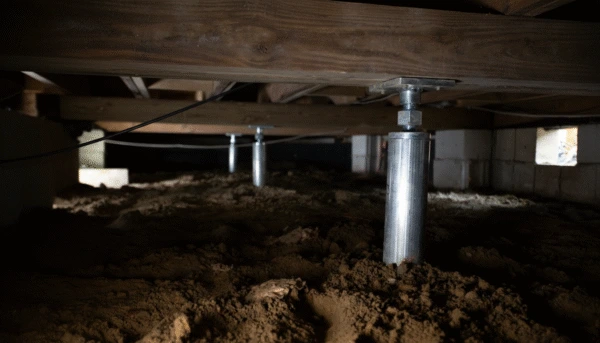
Older pier-and-beam homes develop sagging floors when wood beams deteriorate or support piers shift. Structural repairs replace failed components and re-level the floor system from underneath.
Learn More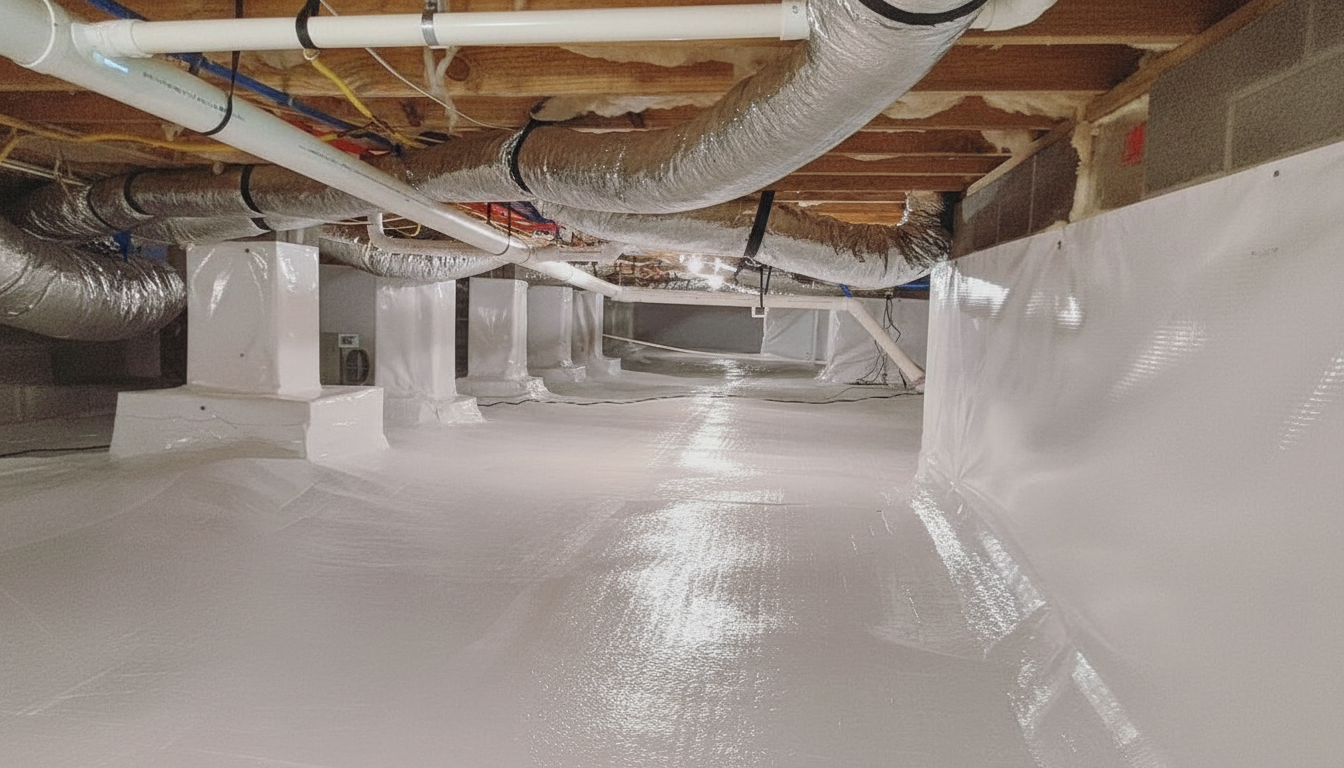
Exposed dirt crawl spaces pull humidity straight into your floor system. A sealed vapor barrier and dehumidification setup cuts moisture off at the source and protects wood framing from rot and mold.
Learn More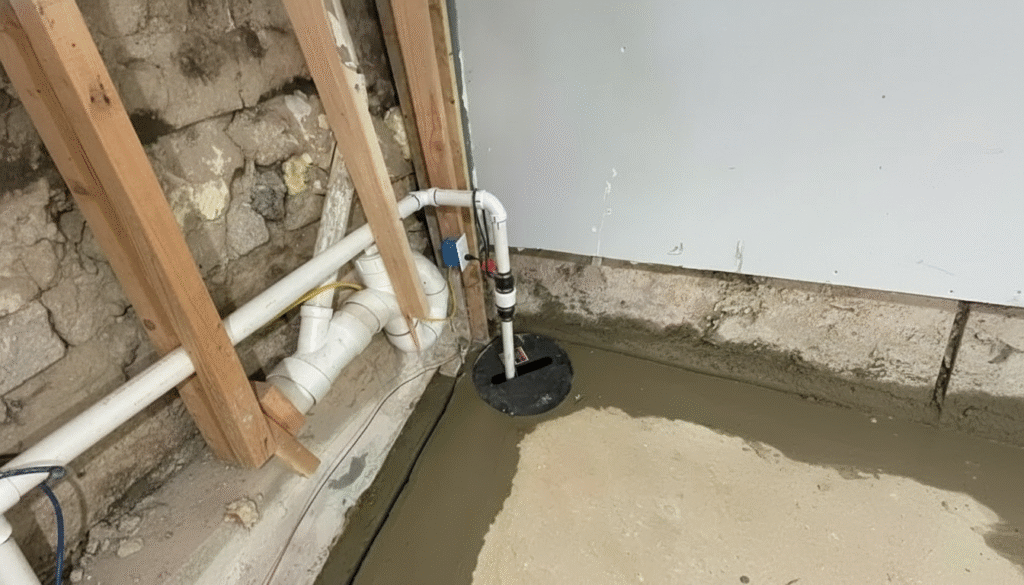
Low-lying areas collect water under homes after heavy rain. A sump pump system removes standing water from crawl spaces and basements before it saturates soil or damages structural wood.
Learn More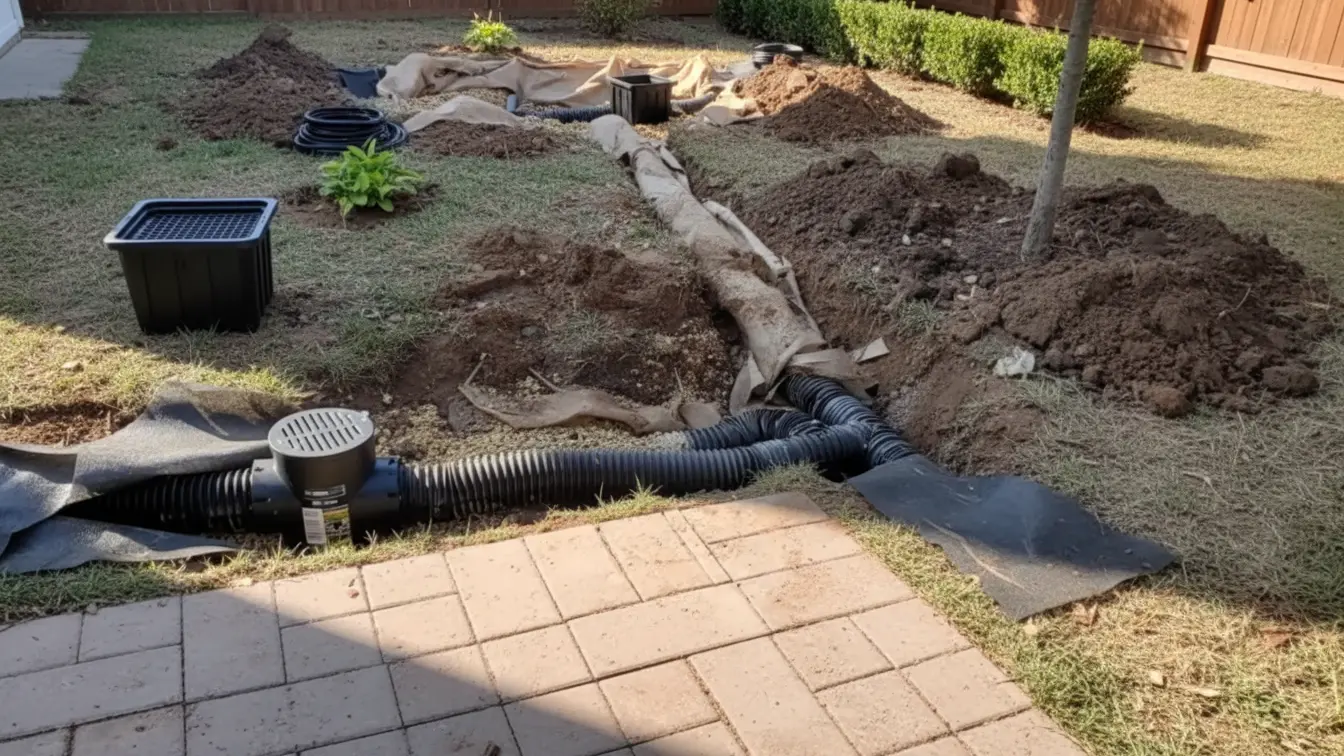
Poor grading and undersized gutters let water pool against your foundation. A French drain intercepts that water underground and redirects it away from the structure before it triggers soil movement.
Learn MoreGetting started is simple. Here's what to expect when you work with us.
Getting your foundation repaired shouldn't feel like a gamble. Here's how we make it straightforward.
Getting your foundation repaired shouldn't feel like a gamble. Here's how we make it straightforward.
Not every crack means you need piers. Hairline cracks under a quarter inch that haven't changed in years are often cosmetic. If your foundation doesn't need repair, we'll tell you. A good inspection should give you clarity, not a sales pitch. We measure floor elevations across the slab, identify what's actually moving and why, and explain exactly what we find — whether that leads to a repair plan or a recommendation to monitor and wait.
Fort Worth sits on Blackland Prairie clay that swells when it rains and shrinks during drought. That cycle pushes foundations up, lets them settle back down, and repeats season after season. Slab homes crack and shift. Pier-and-beam homes in older neighborhoods like Fairmount and Ryan Place develop sagging floors and moisture problems underneath. We match the repair method to the foundation type, the soil conditions, and the severity of the movement — because the right fix depends on what's actually happening below your home.
You'll know the full scope before any work starts — method, pier count, timeline, cost, and warranty terms, all in writing. If the job exceeds what you budgeted for, financing options with affordable monthly payments are available. The goal is to give you enough information to make a confident decision, whether that's hiring us or comparing quotes.
Get My Free Quote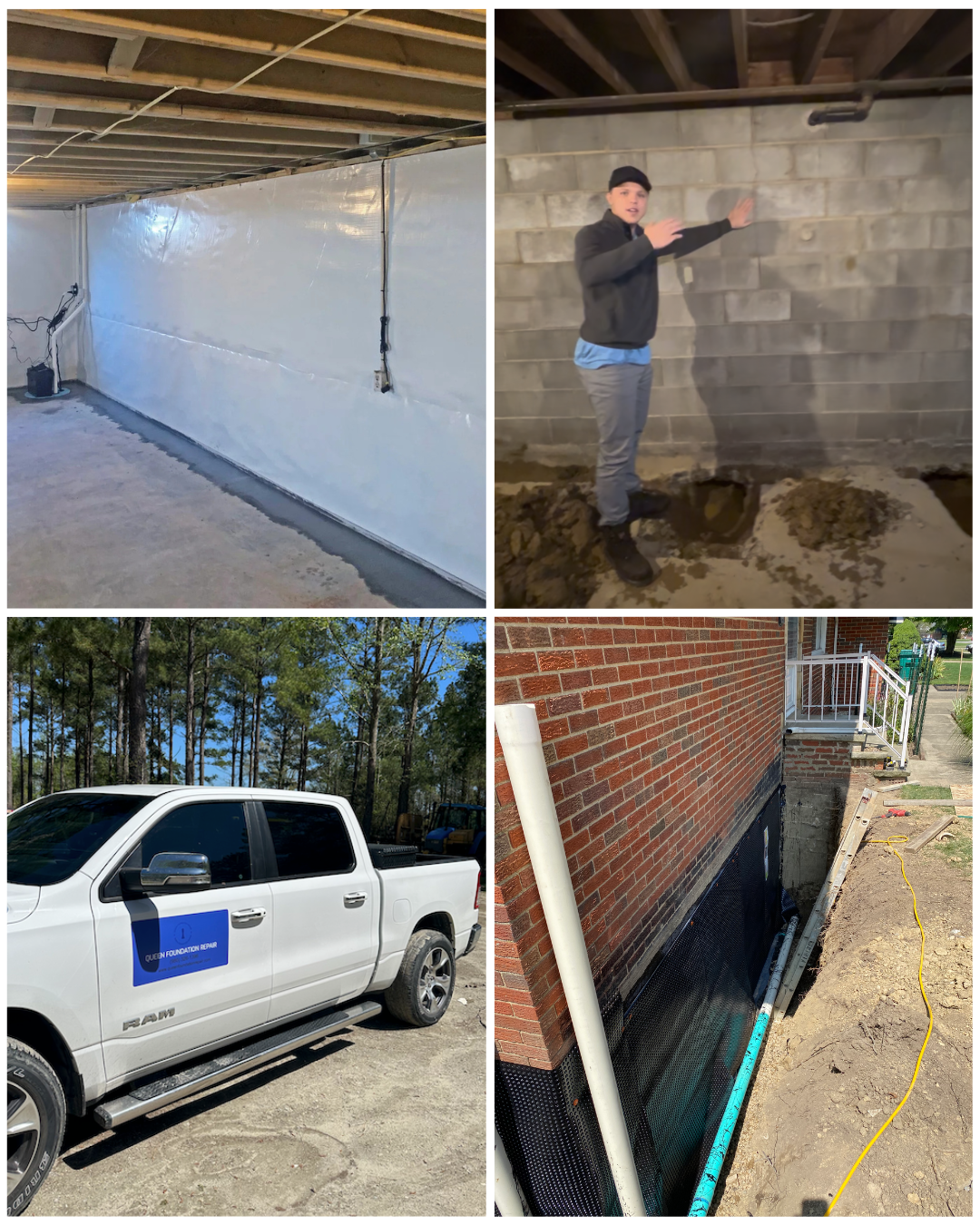
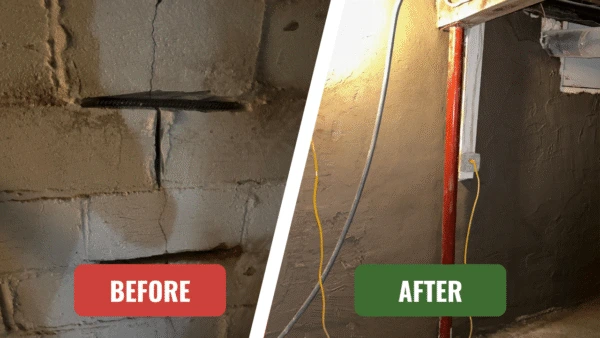
See the difference our work makes. Real projects, real results.
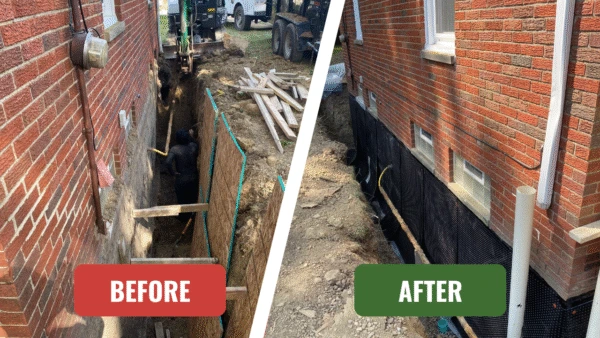
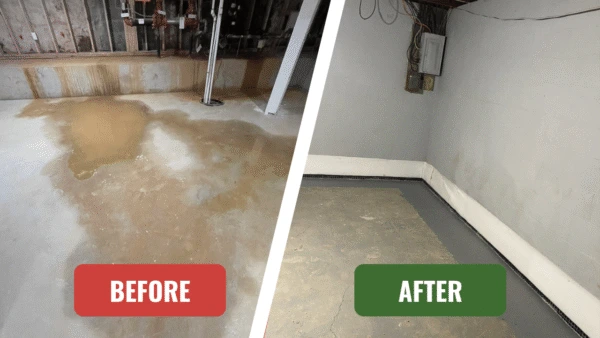
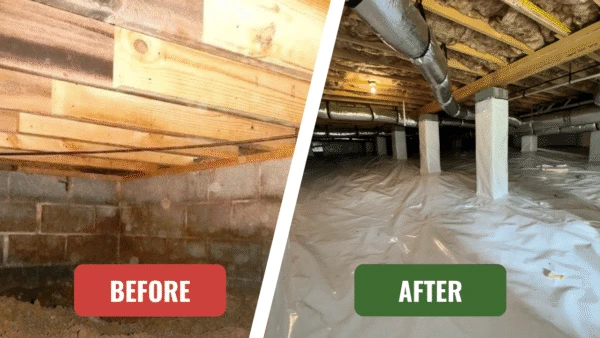
Straight answers to what Fort Worth homeowners ask most before scheduling an inspection.
Expansive clay soil — locally called black gumbo — is the primary cause. This heavy clay swells when it absorbs rain and shrinks during drought, creating a constant push-and-pull cycle under your foundation. Plumbing leaks beneath slab foundations are a major secondary cause. A leaking water or sewer line saturates the clay unevenly and causes localized heaving. Poor drainage, mature tree roots drawing moisture from the soil, and aging pier-and-beam structures all contribute.
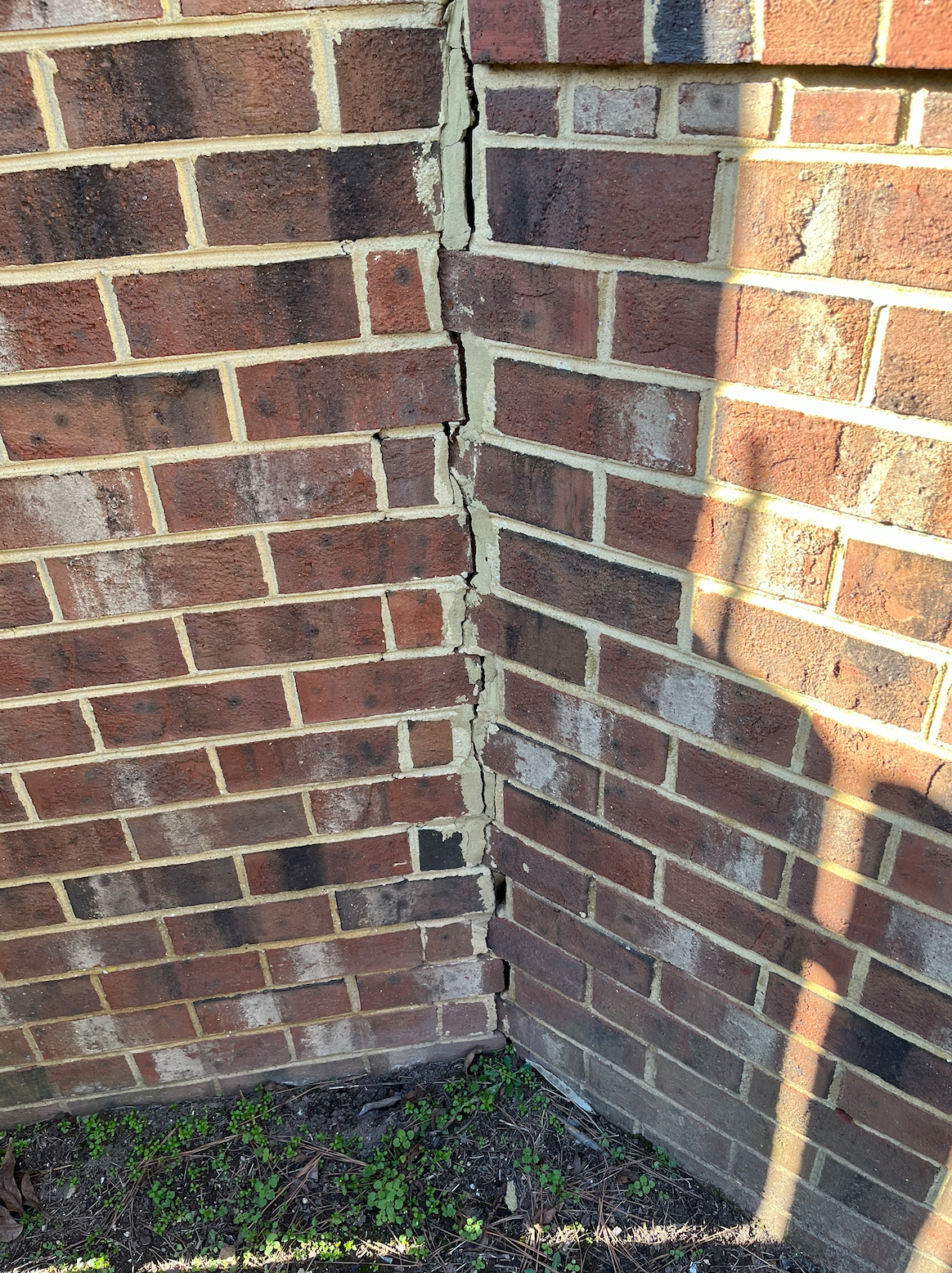
Look for diagonal cracks from the corners of doors or windows, stair-step cracks in exterior brick, doors or windows that stick or won't latch, gaps between walls and ceilings, and floors that slope or feel uneven. Any one of these can signal foundation movement. A professional inspection with floor elevation measurements tells you how much movement has occurred and whether it requires structural repair or just monitoring.
In most cases, no. Standard Texas homeowners insurance does not cover foundation damage caused by soil movement, settling, or poor drainage — which accounts for the vast majority of foundation problems here. Insurance typically only covers damage from sudden covered events like a burst pipe or fire. Texas does offer an optional endorsement (HO-143TX) that extends coverage for plumbing-related foundation damage. Check your policy for that specific endorsement.
Foundation problems get worse with every wet-dry cycle the soil goes through. A repair that costs a few thousand dollars today can double or triple within a couple of years as settlement spreads and more support points are needed. Plumbing lines under the slab can crack from the movement, adding thousands more. Over time, unrepaired foundation issues can reduce a home's value significantly — and eventually create safety concerns when walls begin separating or floors slope beyond a safe threshold.
Yes. Pier-and-beam foundations fail differently than slabs. Instead of wall cracks and sticking doors, you'll notice bouncy or sagging floors, moisture and musty smells from underneath the house, and visible deterioration when you look into the crawl space. Repair involves replacing rotted wood beams, adding or repositioning support piers, and addressing moisture with drainage or encapsulation. Many older homes in Fort Worth's historic neighborhoods still sit on these structures and need this type of work.
Yes. We serve homeowners across Tarrant County and the surrounding areas, including Arlington, Burleson, Weatherford, Haltom City, North Richland Hills, Hurst, Bedford, Mansfield, Benbrook, and Keller.