Cracks, settling, and storm damage get worse with time — get answers before they spread.
I'm Ready For A Free Quote
Thank You For Your Submission!
A team member will be reaching out to you shortly.








Slab settlement, stucco cracks, water intrusion, sinking concrete — if your home is showing signs, these are the services that fix what is causing them.
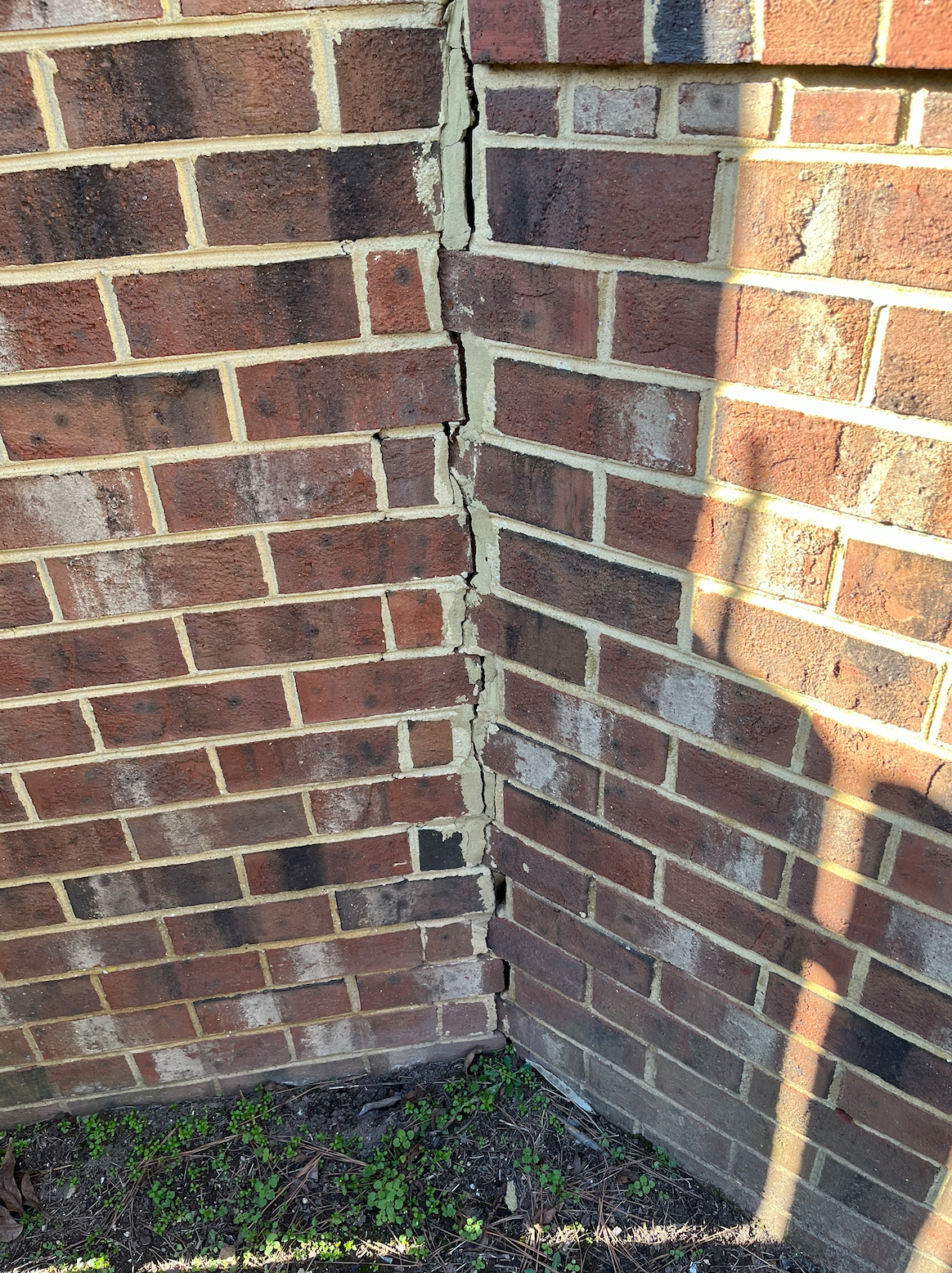
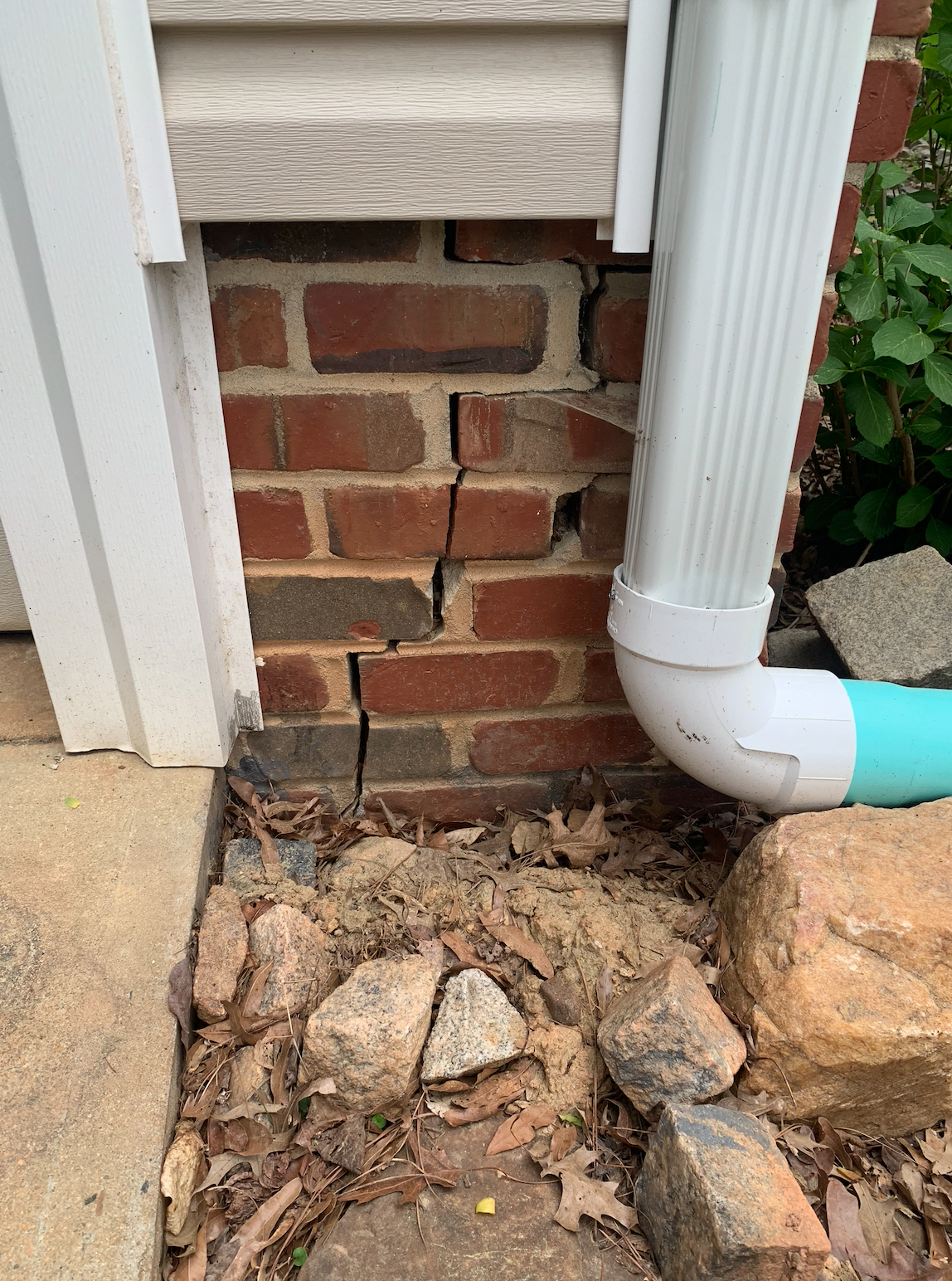
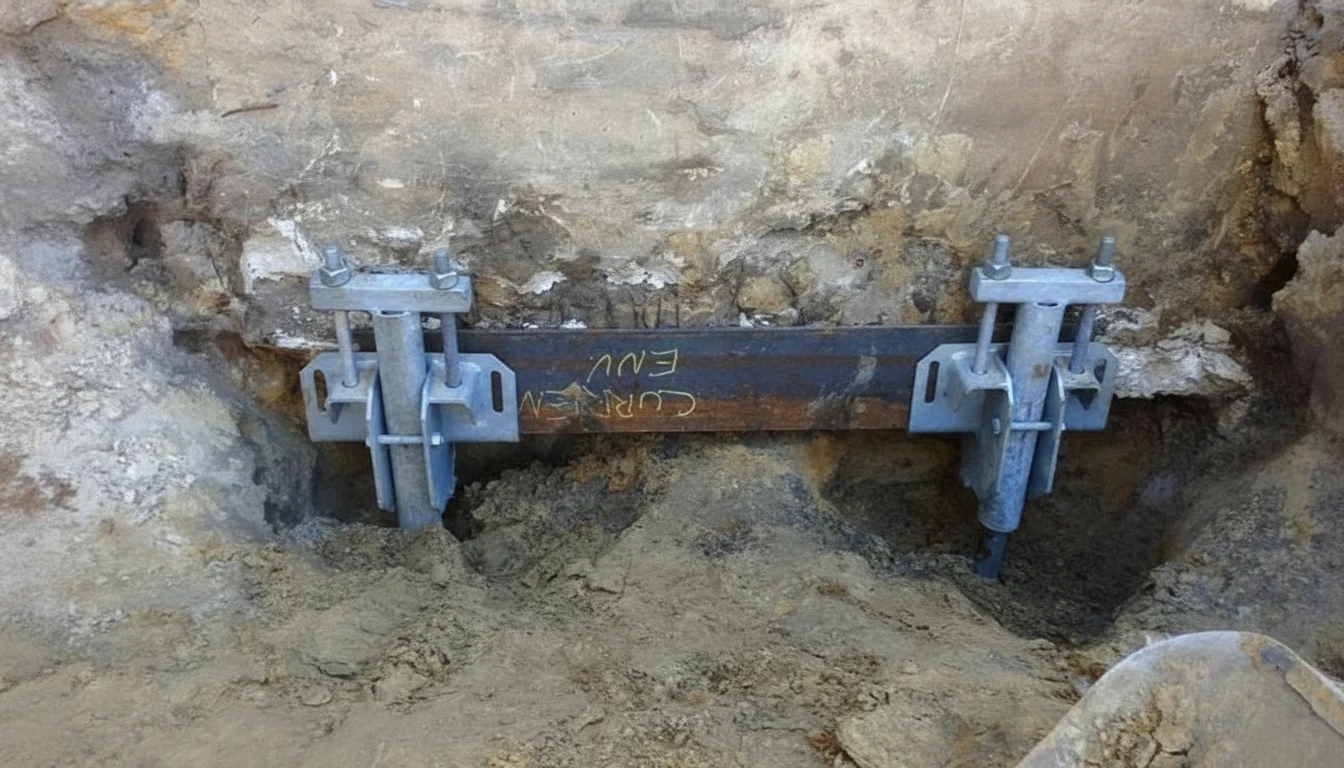
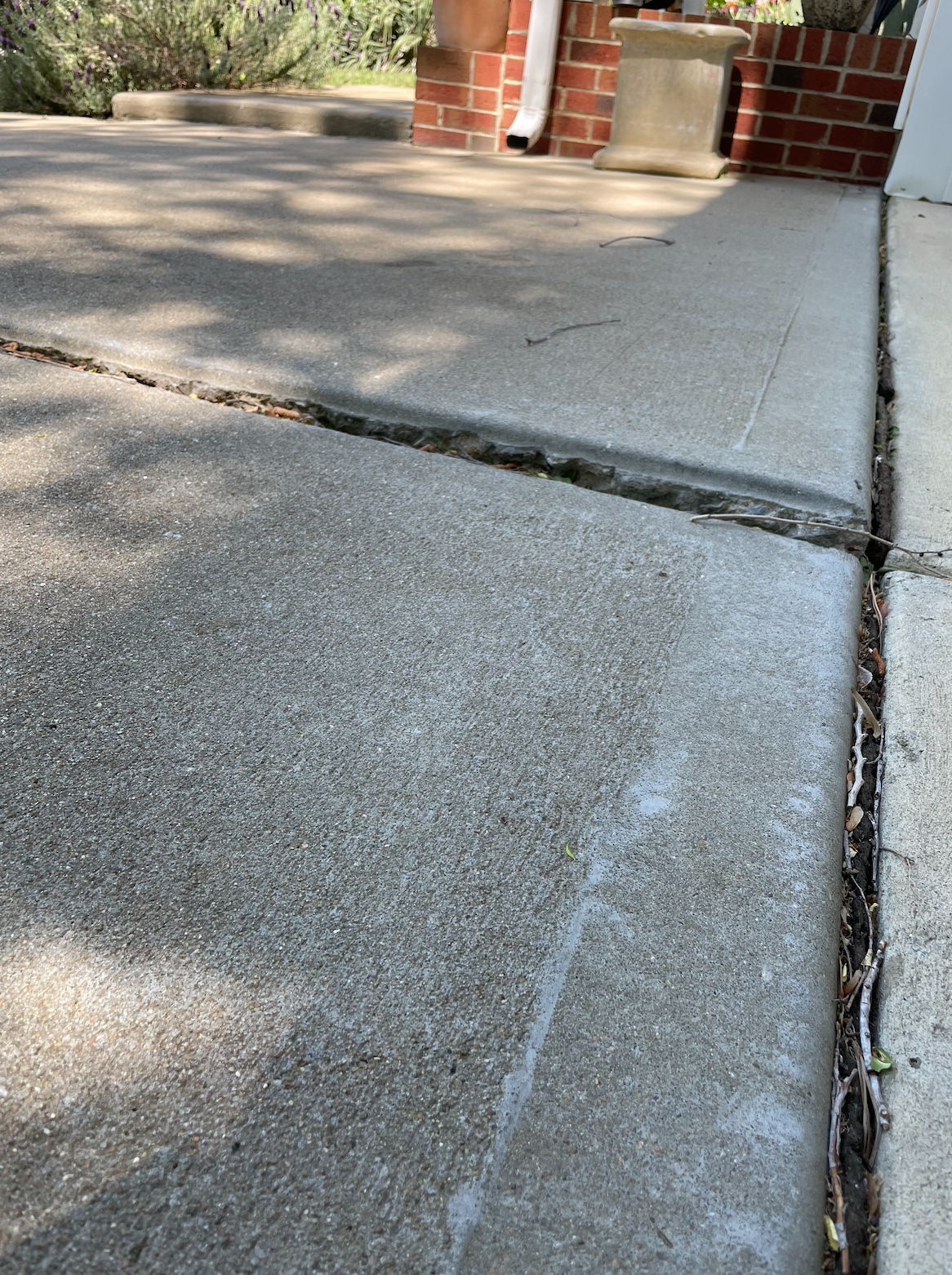
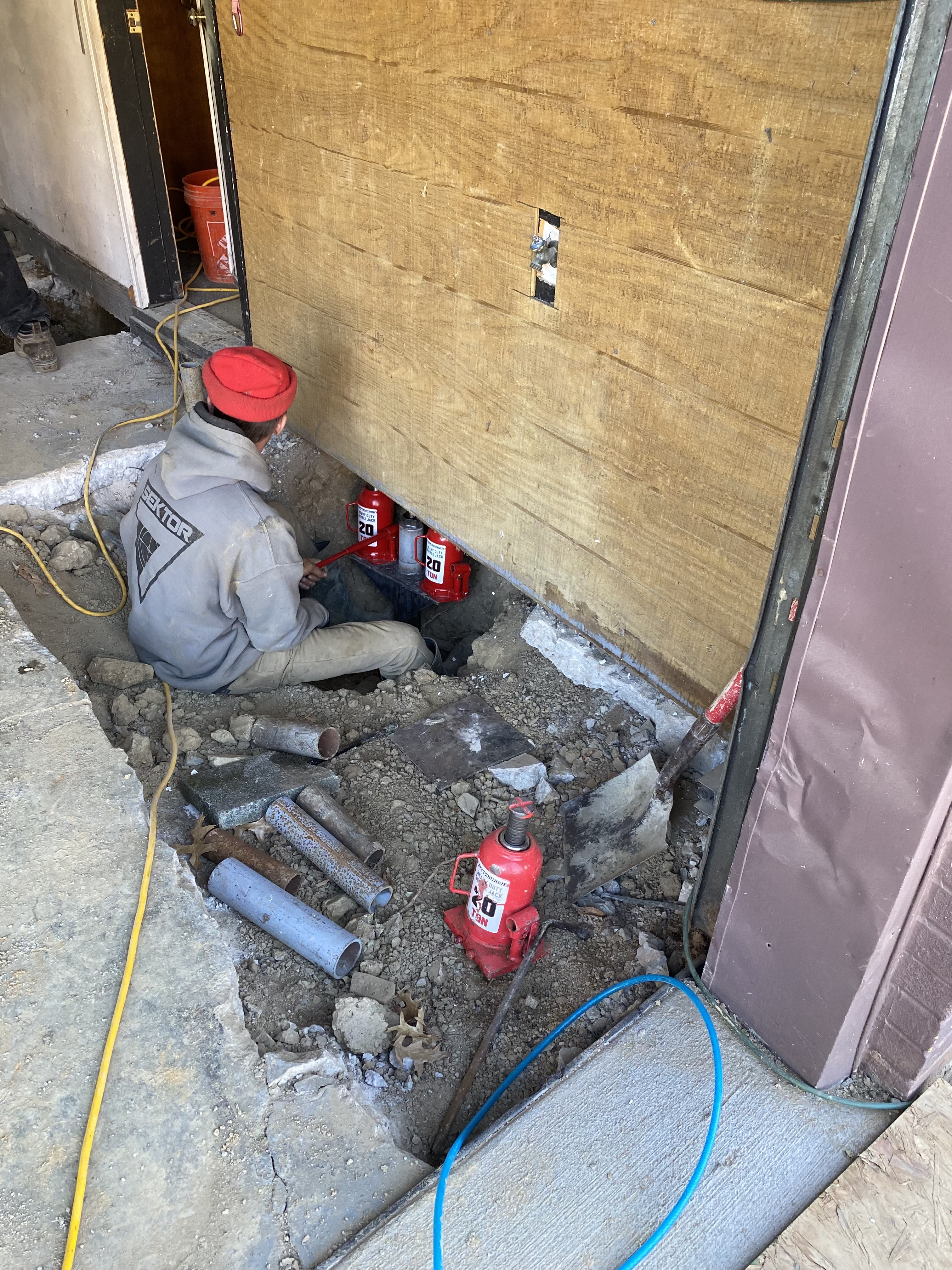
Sandy soil washes out from under your slab. Voids form. The slab drops and cracks follow — in the floor, the walls, and around every door frame. Foundation repair stabilizes the structure and stops the settling before the damage spreads further into your home.
Learn More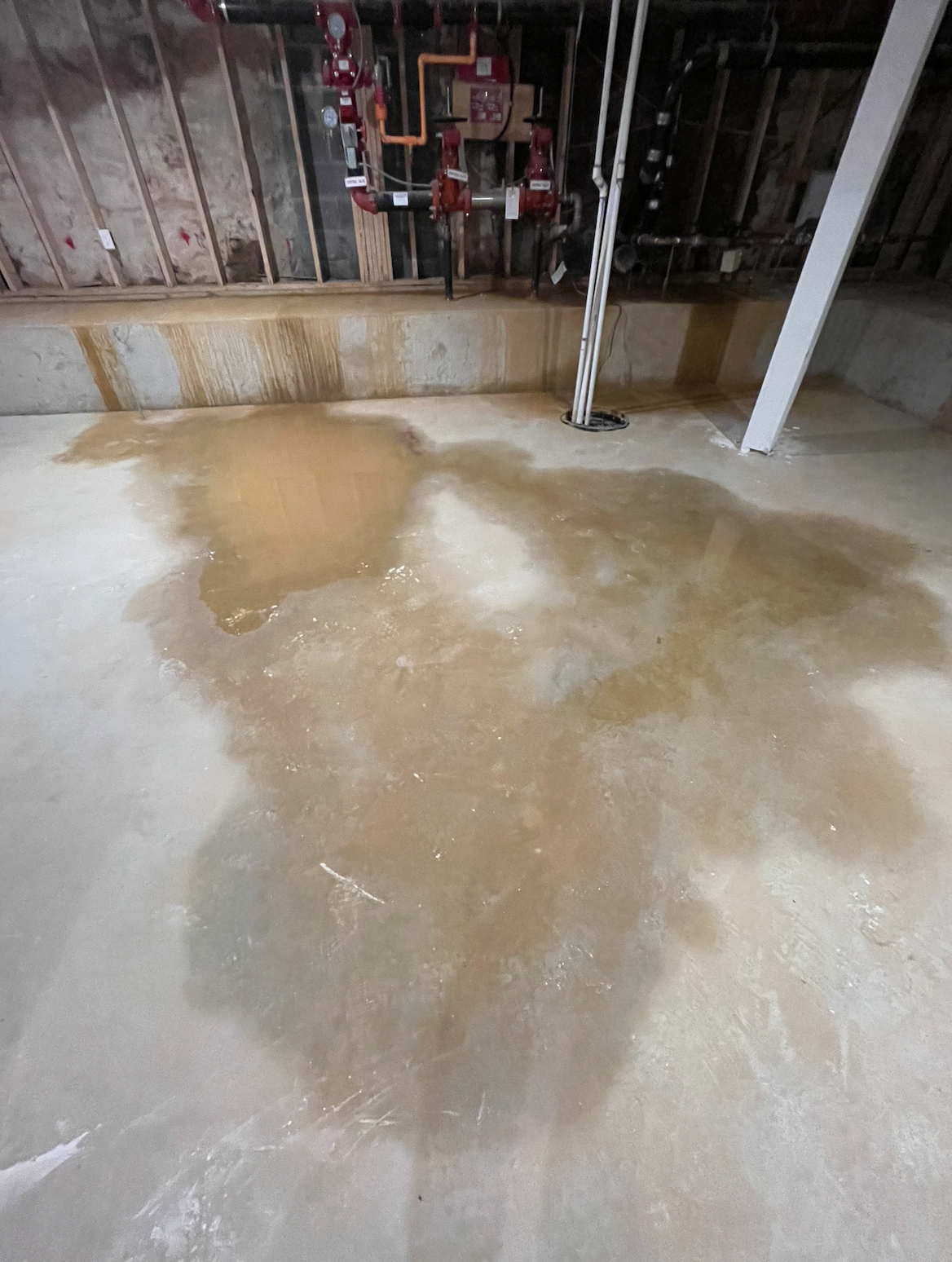
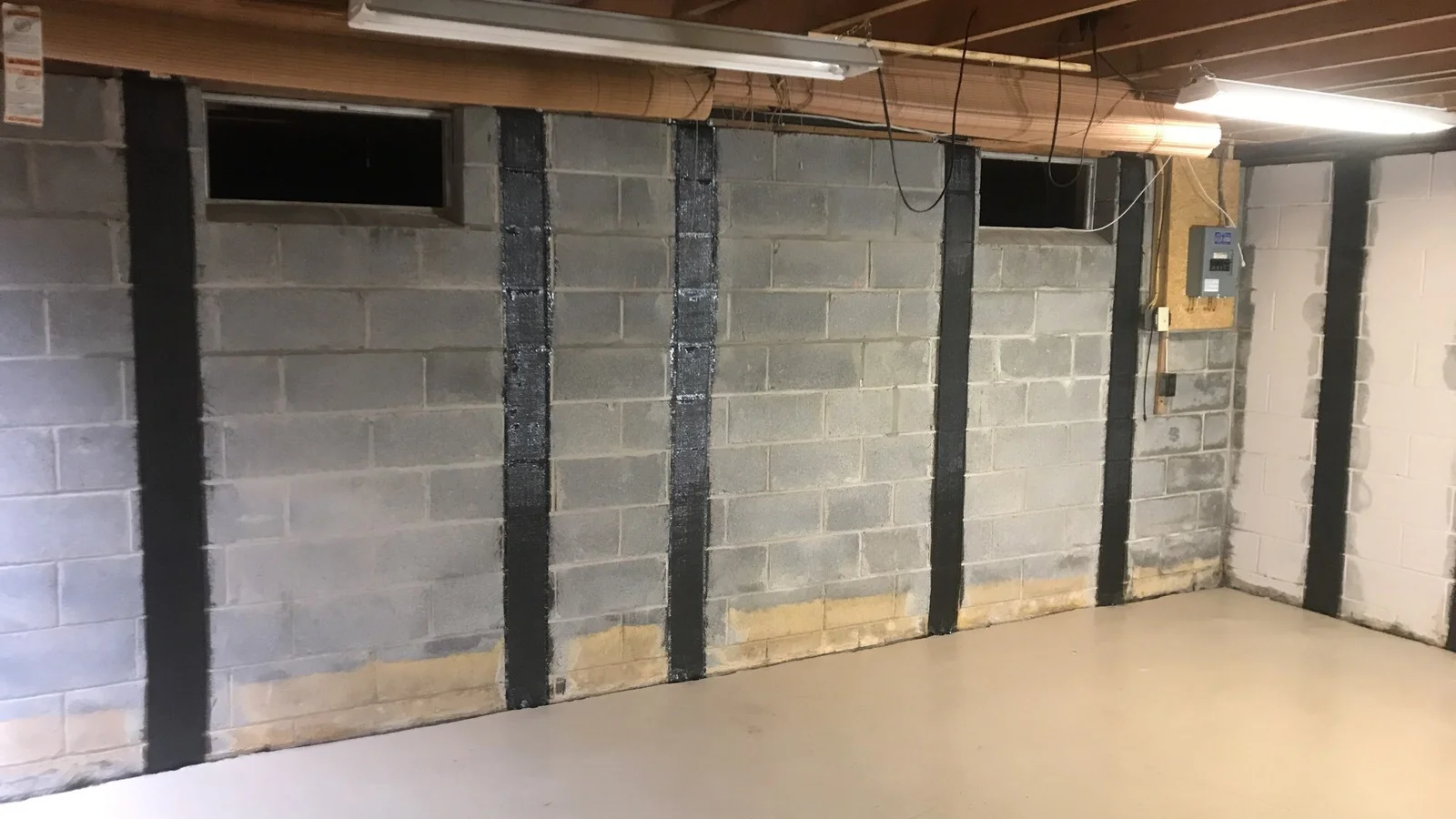
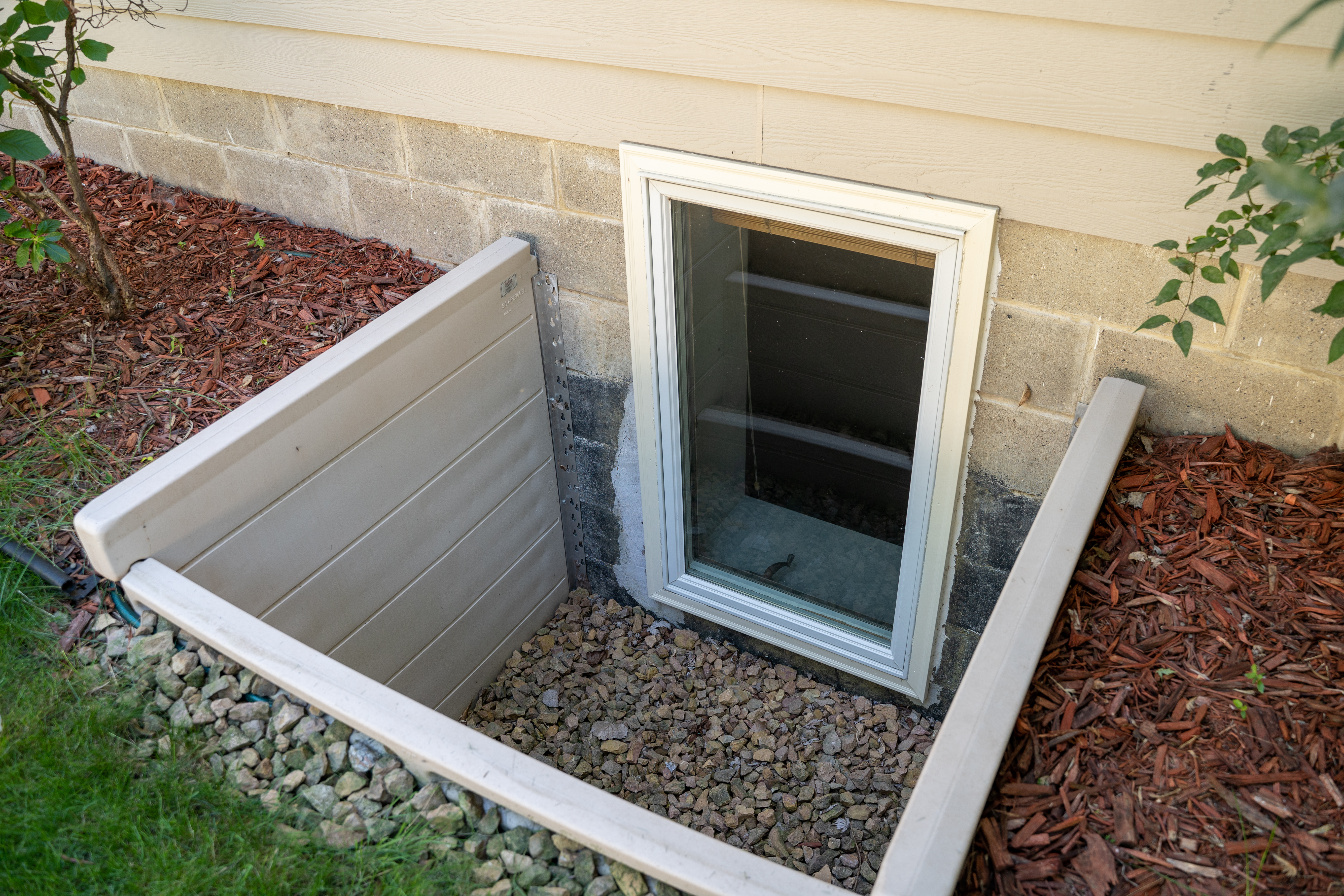
Water finds every gap in a below-grade wall. Seepage leads to mold, damaged finishes, and weakened block. Interior drainage and exterior membrane systems stop the water at the source and route it out before it reaches your living space.
Learn More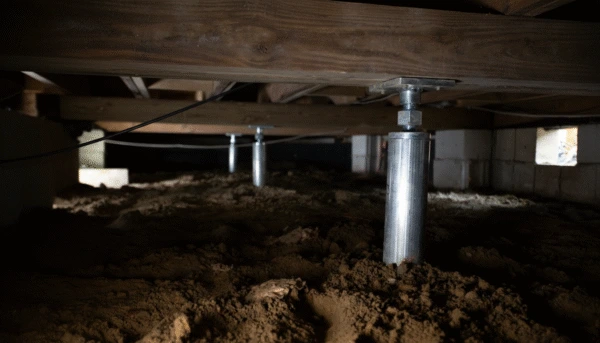
Sagging floors, soft spots underfoot, and standing water beneath the house all point to structural problems in the crawl space. Jacks, beams, and drainage corrections restore support and stop moisture from rotting out the framing above.
Learn More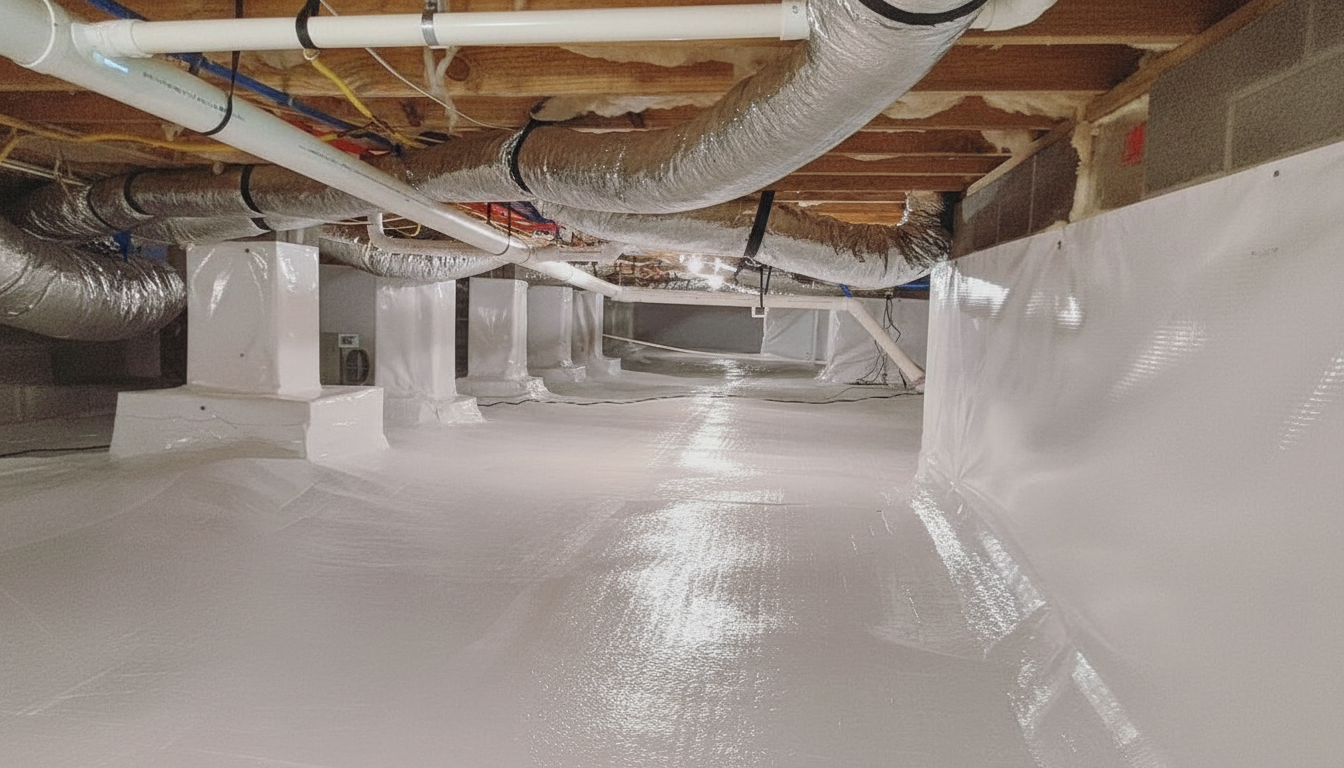
Fort Myers humidity runs 70 to 90 percent most of the year. Without a sealed vapor barrier and dehumidification, that moisture destroys floor joists, feeds mold, and pushes damp air into every room above. Encapsulation shuts it down.
Learn More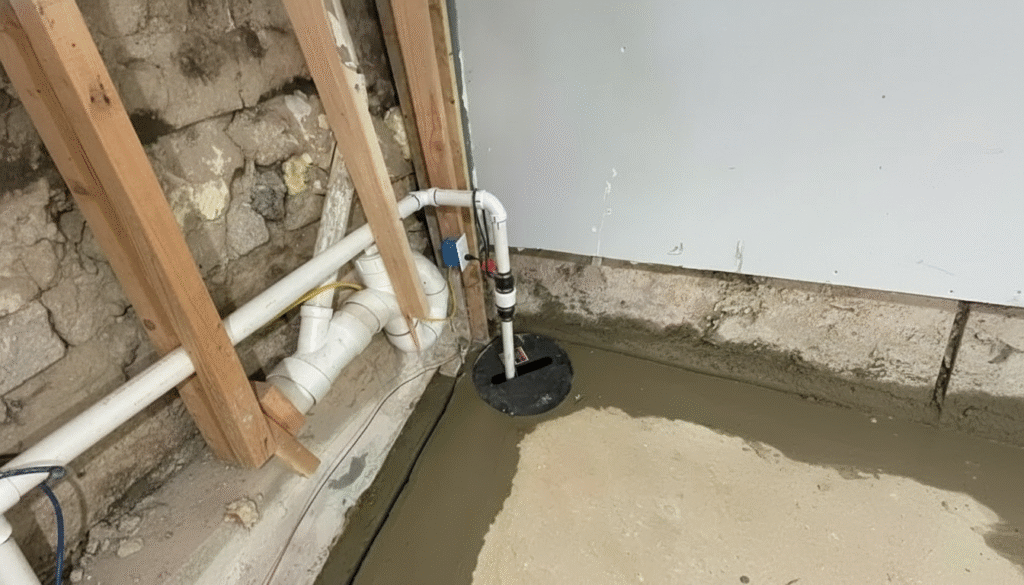
When groundwater rises during wet season or storms push water under the house, a sump pump moves it out before it pools. Properly sized and battery-backed, it runs when you need it most — during the heaviest rain.
Learn More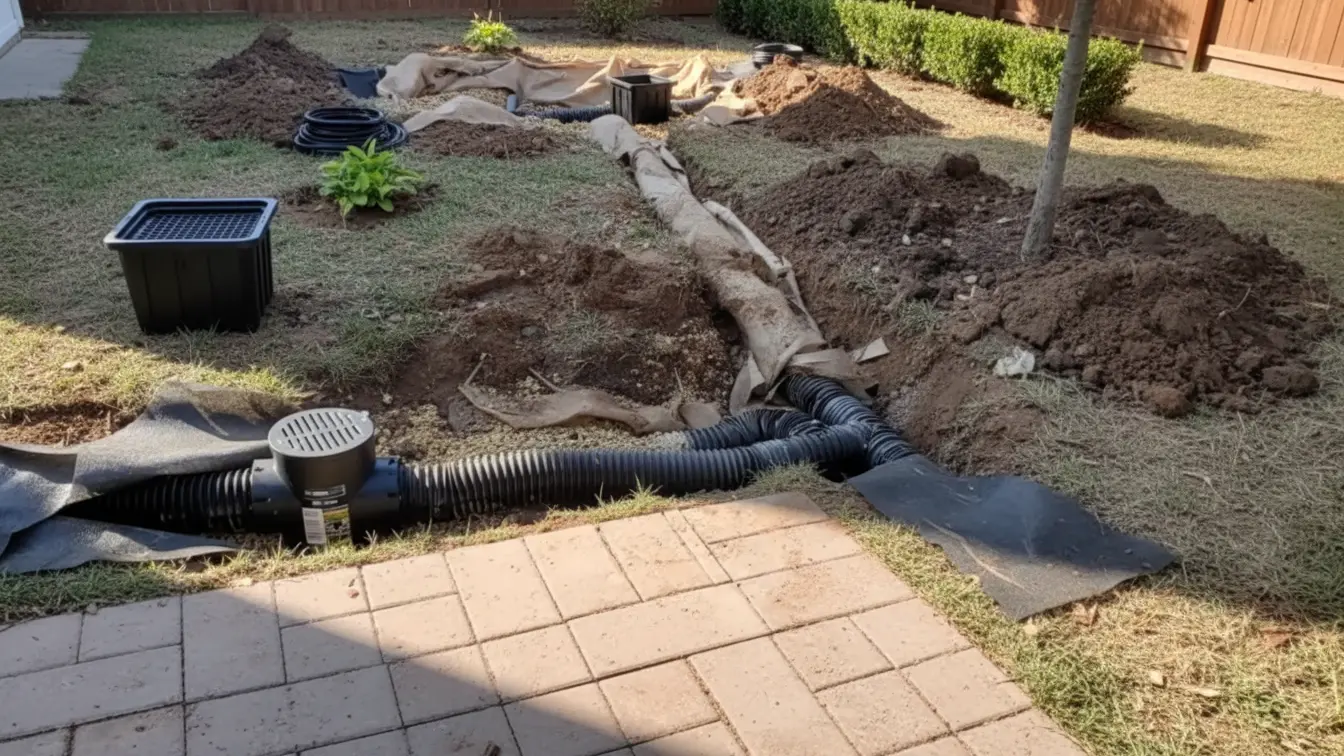
Water pooling near the foundation erodes the soil that supports it. A French drain intercepts that water underground and redirects it away from the slab edge, reducing hydrostatic pressure and protecting the soil beneath your home.
Learn MoreGetting started is simple. Here's what to expect when you work with us.
Foundation problems are stressful enough without guessing who to trust. Here is what to expect when you work with us.
Foundation problems are stressful enough without guessing who to trust. Here is what to expect when you work with us.
Not every crack means your foundation is failing. Some are cosmetic. Some are from normal concrete curing. If that is what the inspection reveals, you will hear it directly. No upsell, no invented urgency. The goal is to tell you what is actually happening — and only recommend work that is necessary.
Sandy soil that erodes fast. A water table that sits close to the surface. Fifty-plus inches of rain compressed into four months. And hurricanes that saturate the ground and shift what is underneath your slab. The repair methods used here are selected for these conditions — not borrowed from a playbook written for a different climate.
You get a written proposal before any work begins. It includes what will be done, how long it will take, and what it will cost. The price you see is the price you pay. If something changes during the job, you hear about it before any additional work happens — not after.
Get My Free Quote
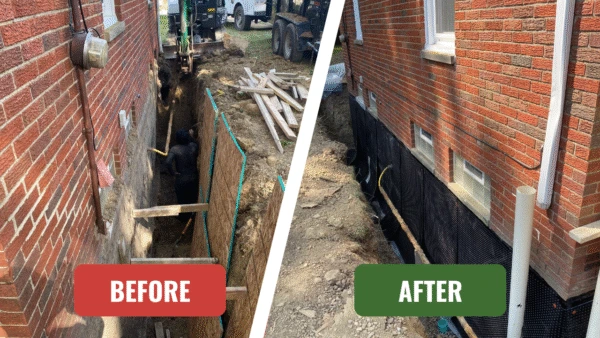
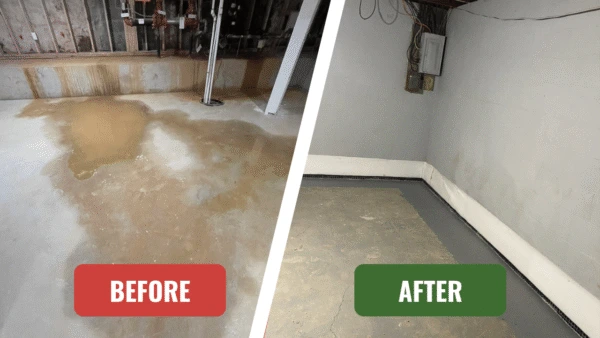
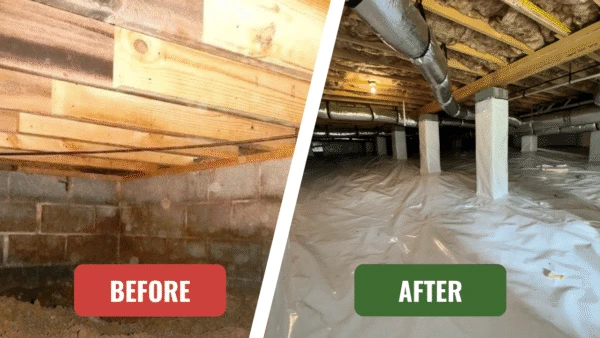
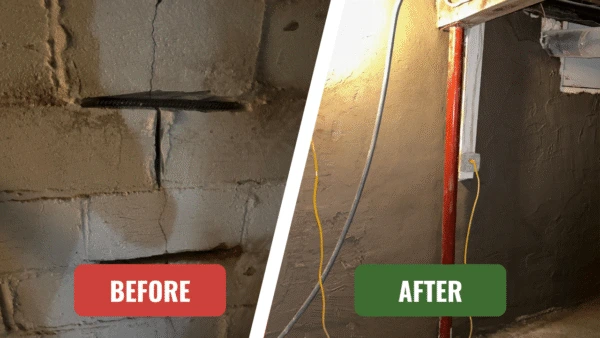
See the difference our work makes. Real projects, real results.
Answers to the questions Fort Myers homeowners ask most before scheduling an inspection.
It depends on the type and severity of the problem. Crack repairs typically run $300 to $800. Concrete leveling with foam injection ranges from $1,000 to $3,500 per area. Push pier installation runs $1,500 to $3,000 per pier, and most homes need six to twelve. A full stabilization project with piers and leveling can range from $8,000 to $25,000 or more. The only way to get an accurate number is a professional inspection — which is free, with no obligation.
It is possible. Storm surge and prolonged flooding saturated the soil under thousands of Fort Myers homes. That saturation erodes the sand and shell beneath the slab, creating voids. Many homeowners are still discovering settlement — sticking doors, new cracks, sloping floors — three or more years after the storm. If your symptoms started or worsened after Ian, Helene, or Milton, an inspection can determine whether the foundation shifted.
Diagonal cracks above doors or windows. Stucco cracking on exterior walls. Doors or windows that stick or will not close properly. Gaps between the baseboard and the floor. Tile cracking across the slab. Floors that slope or feel uneven. Any of these can indicate the slab has settled. One symptom may be minor. Multiple symptoms together usually mean something is moving.
In most cases, no. Standard homeowners insurance does not cover damage from normal settlement, soil movement, or poor drainage. However, if the damage was caused by a specific covered event — such as a plumbing leak that eroded soil under the slab, or documented hurricane-related flooding with a flood insurance policy — a claim may be worth filing. A professional inspection with documented findings can support that process.
Concrete leveling with foam injection is typically completed in a few hours. Push pier or helical pier installation usually takes two to five days depending on the number of piers and site access. More complex projects involving soil stabilization and structural repair can take one to two weeks. Timeline depends on scope, and you will know the estimated schedule before any work begins.
Yes. In addition to Fort Myers, we serve Cape Coral, Lehigh Acres, North Fort Myers, Fort Myers Beach, Estero, Bonita Springs, San Carlos Park, Gateway, McGregor, Cypress Lake, Buckingham, and Iona. We also cover Sarasota, Port Charlotte, and other communities across Southwest Florida. If your area is not listed, call to find out — we may still be able to help.