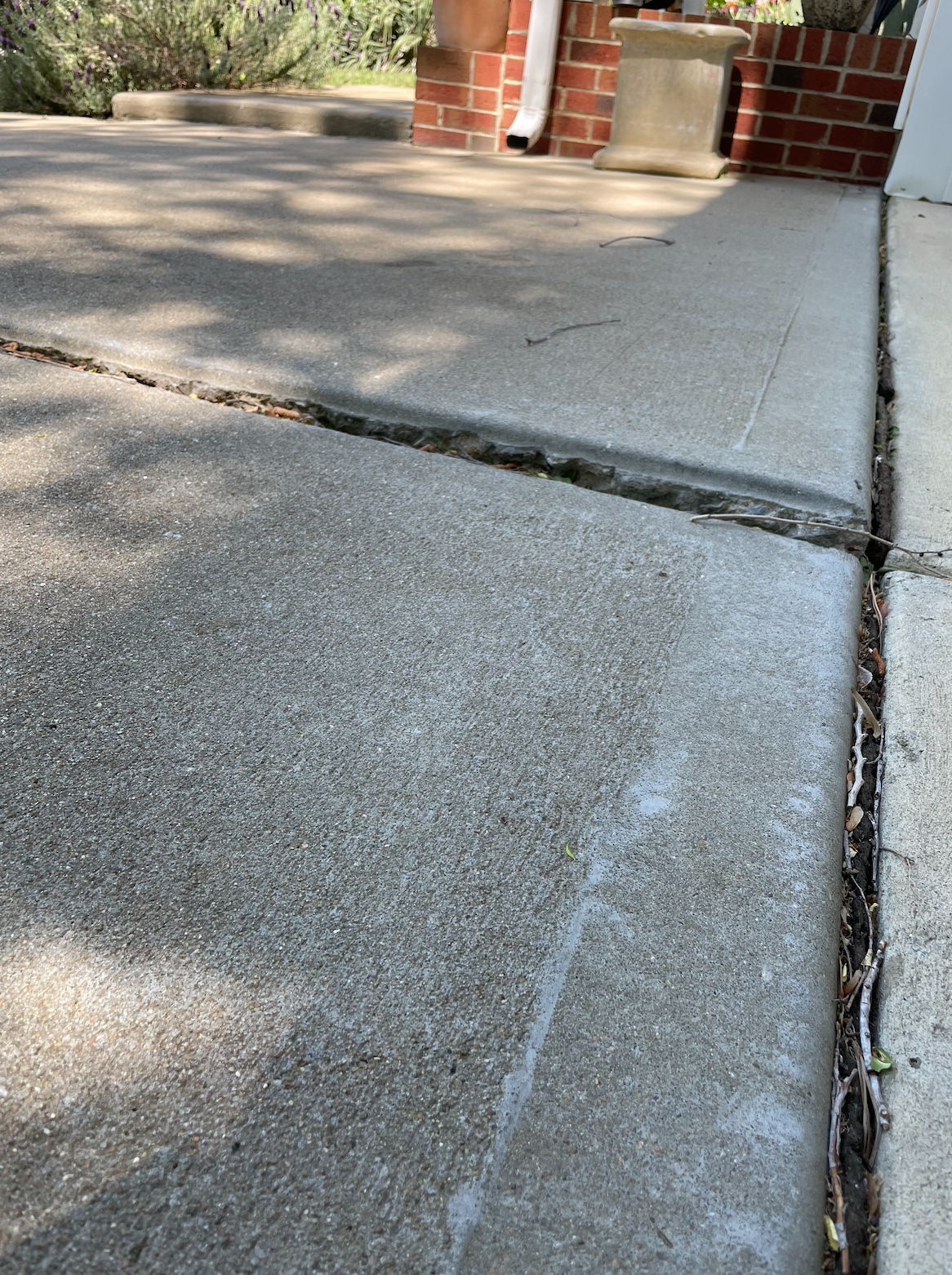
Cracks, water, bowing walls — find out what's wrong and what it costs to fix.
I'm Ready For A Free Quote
Thank You For Your Submission!
A team member will be reaching out to you shortly.








Wet basements, cracked walls, bowing foundations — most of it traces back to clay soil pushing against structures that were built before modern waterproofing existed. Here's how we fix it.
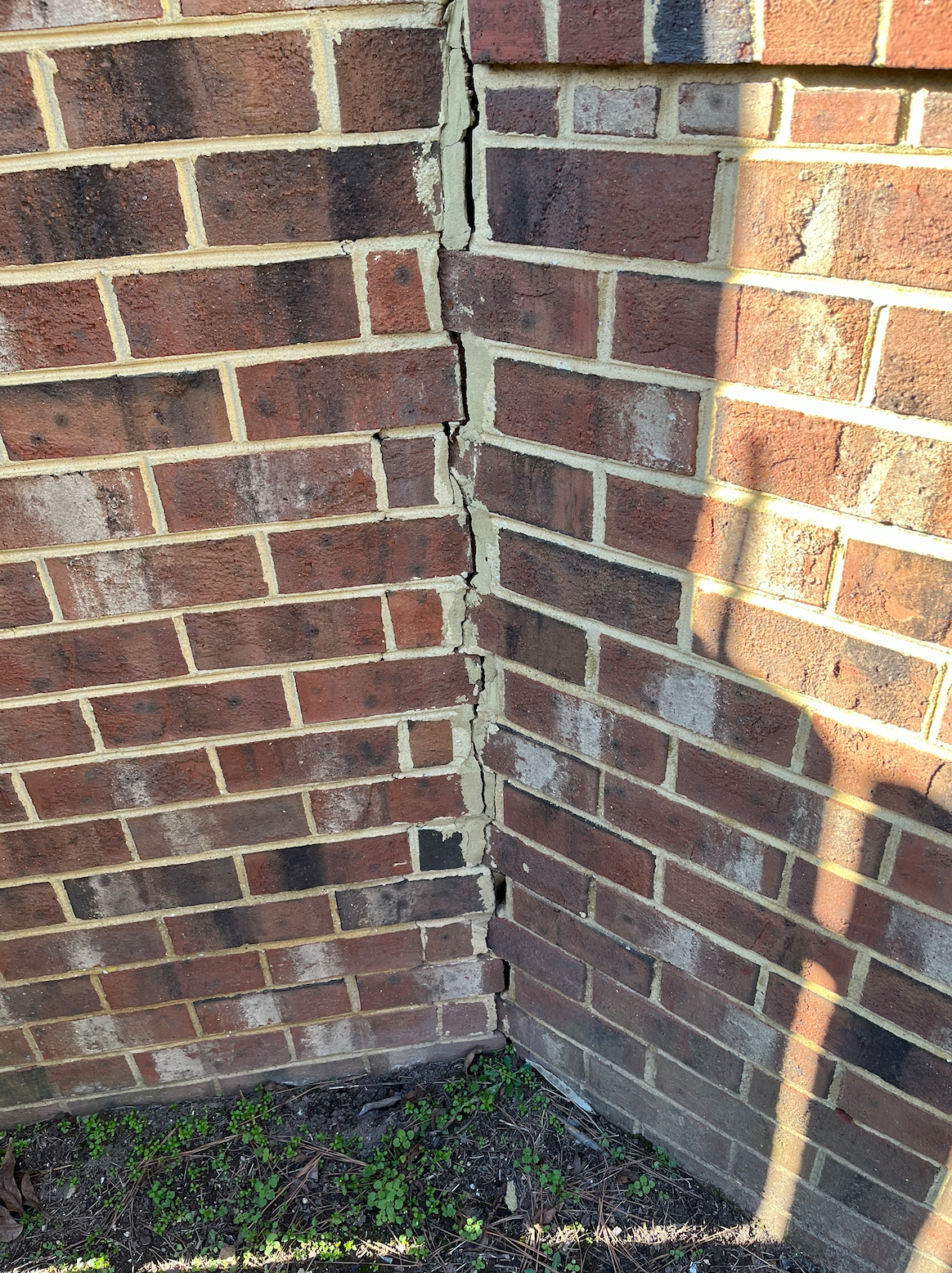
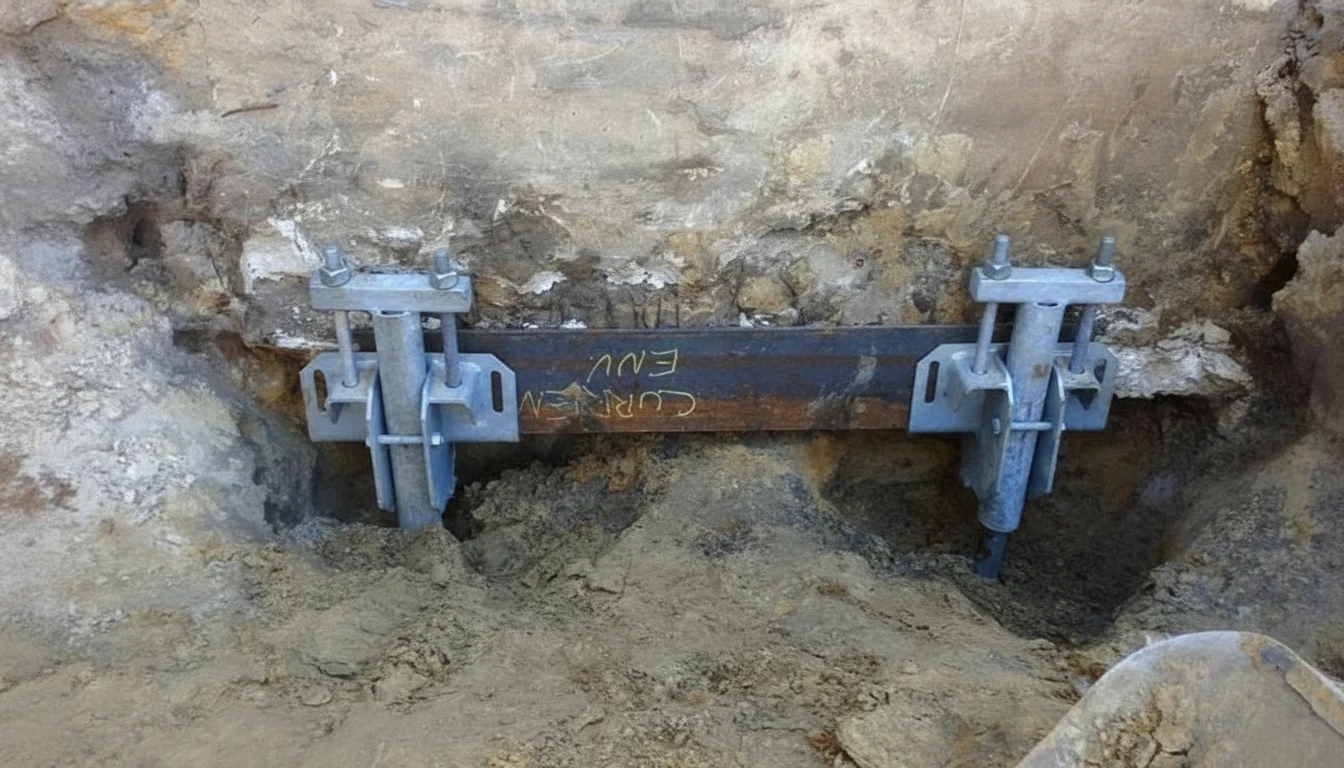
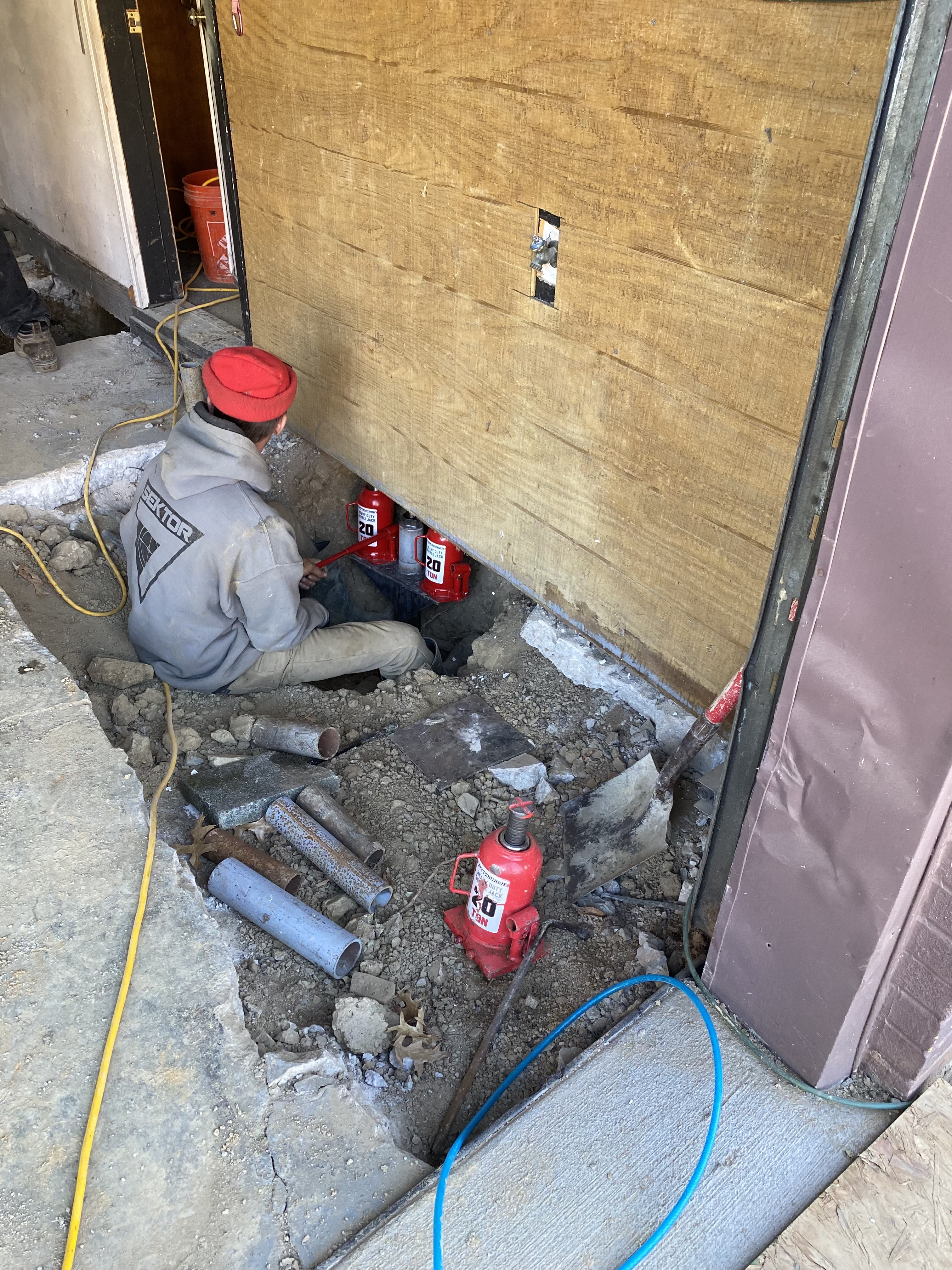
Floors sloping. Cracks spreading from window corners. Doors jamming. Your foundation has shifted. We drive pier systems down through the clay to stable ground and stop the movement permanently.
Learn More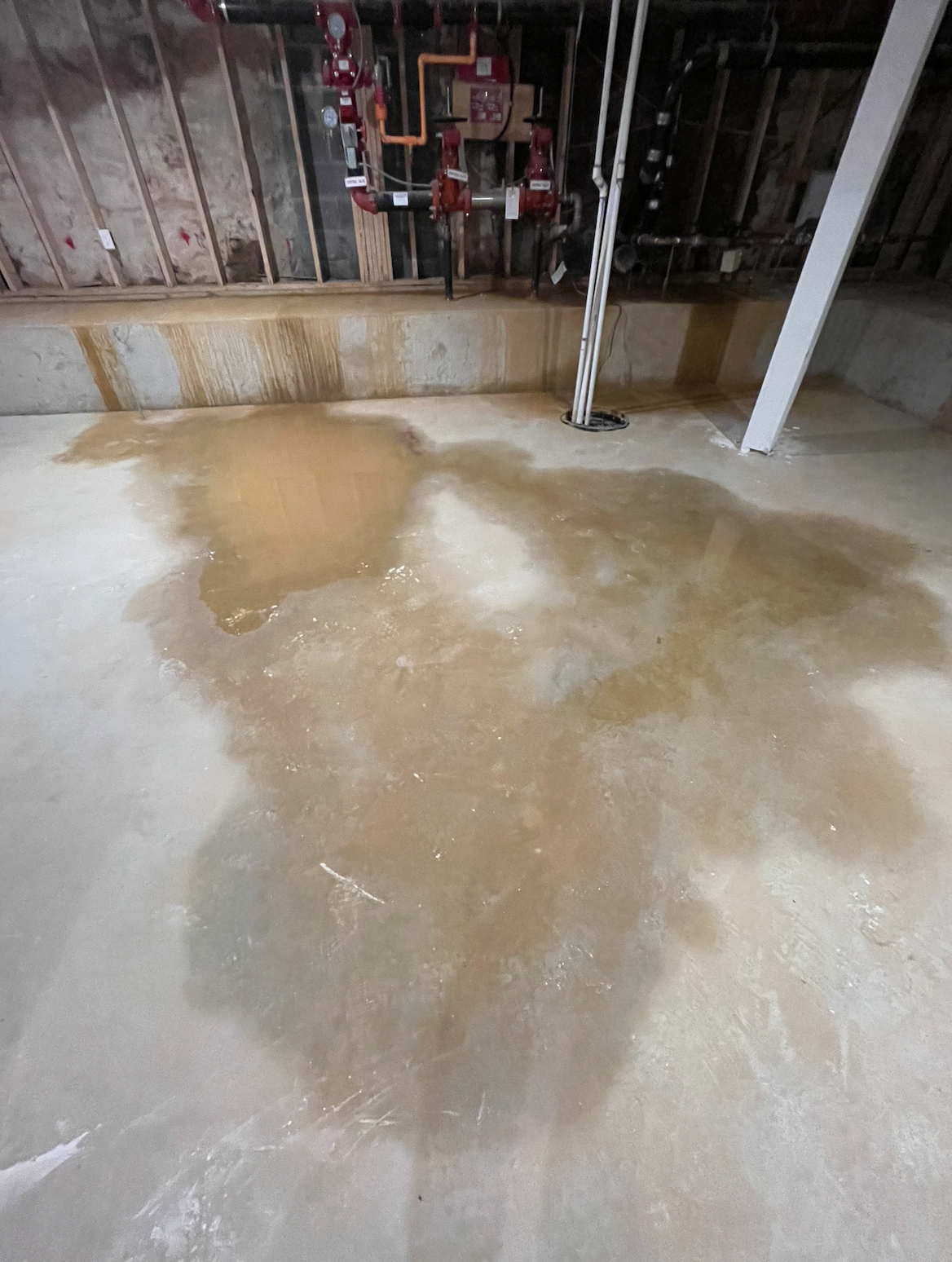
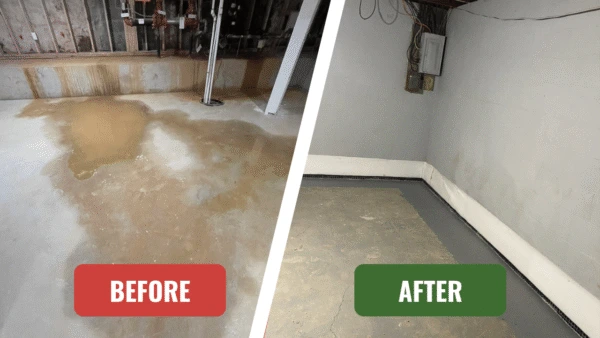
Water on your basement floor after rain means soil pressure is forcing it through your walls. Paint won't stop it. We install interior drainage that catches water before it pools and routes it to a sump pump that moves it out.
Learn More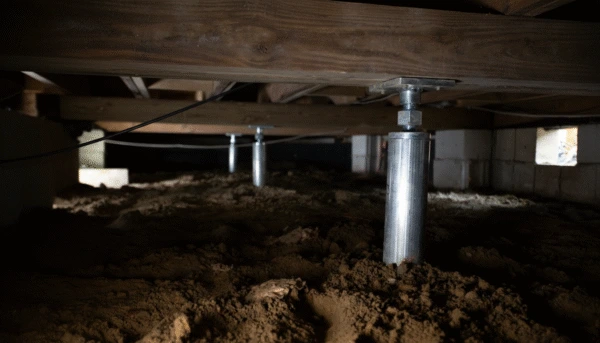
Bouncy floors, soft spots, musty air coming up through the house. Something underneath has failed. We replace damaged supports, repair rotted joists, and fix the structural problems making your floors uneven.
Learn More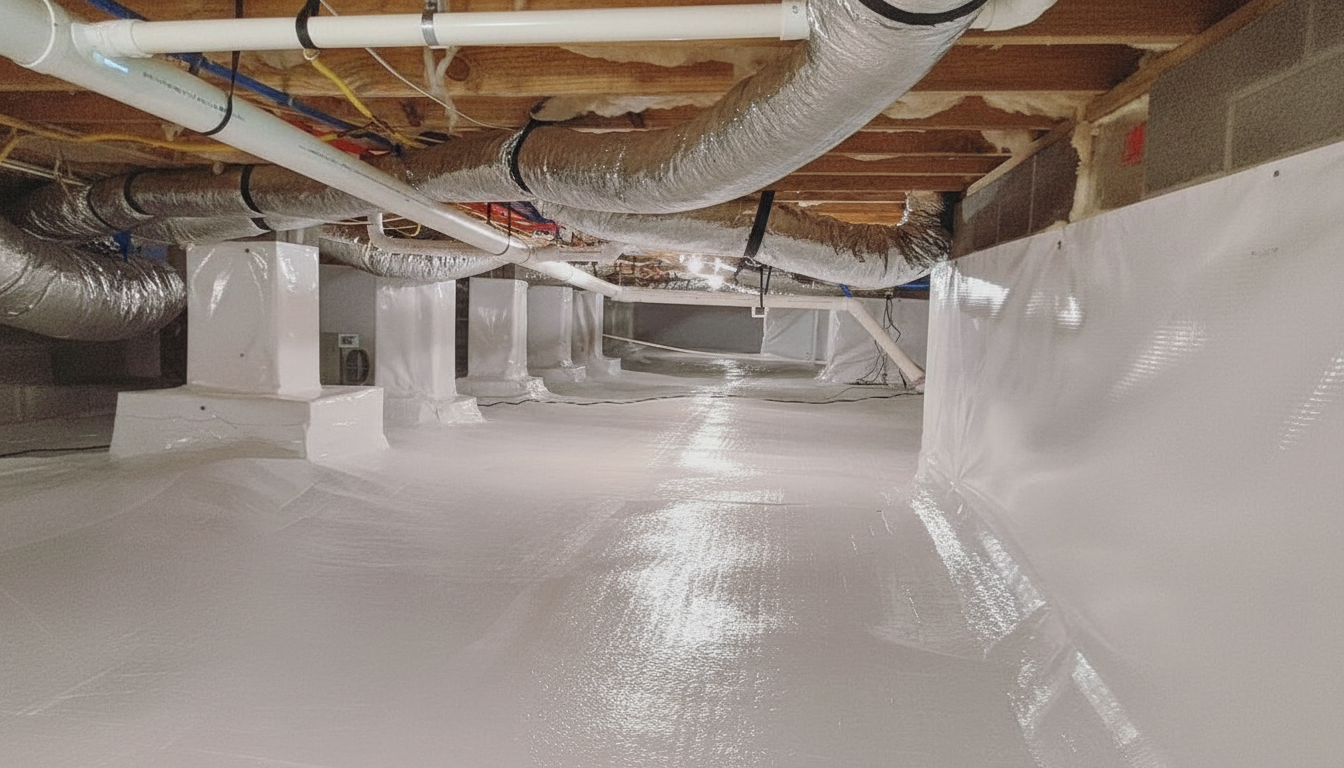
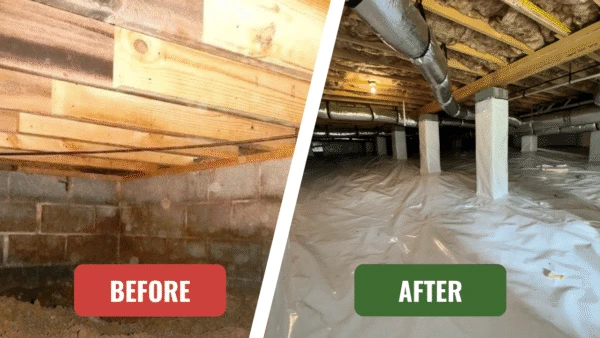
Moisture in a crawl space doesn't stay there. It rises into your living area, brings mold with it, and drives up energy costs. We seal the space with a vapor barrier and install dehumidification to keep it dry.
Learn More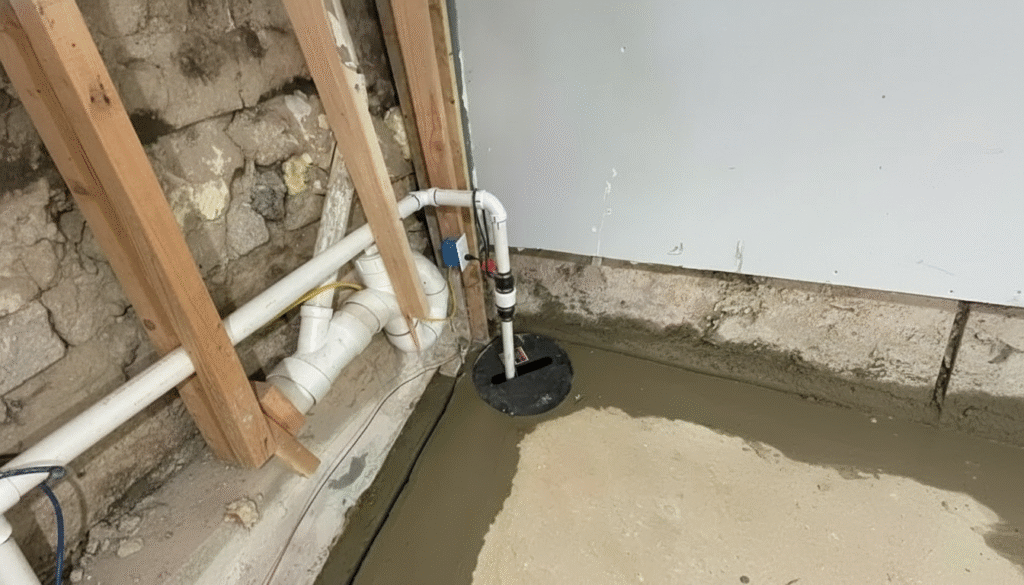
High water table and clay soil that holds water against your foundation — a sump pump is not optional. We install primary pumps with battery backup so your basement stays dry during power outages and heavy storms.
Learn More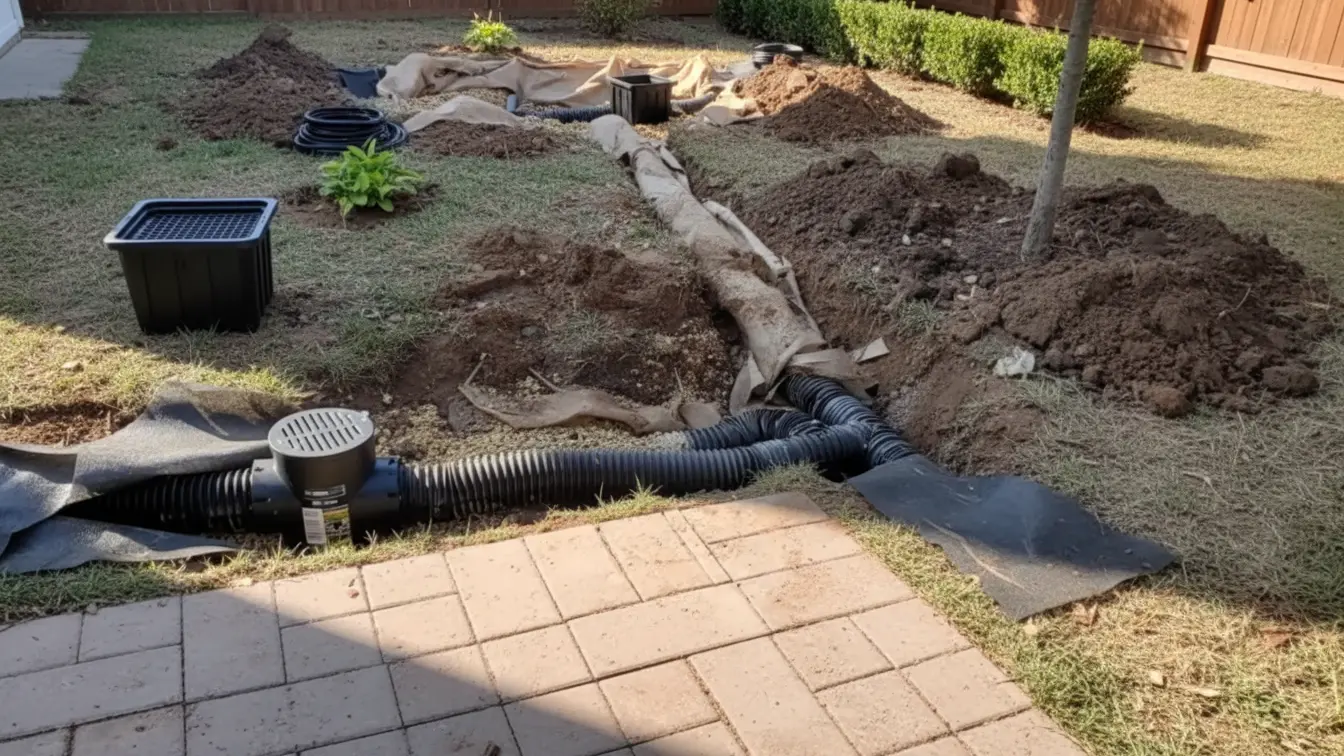
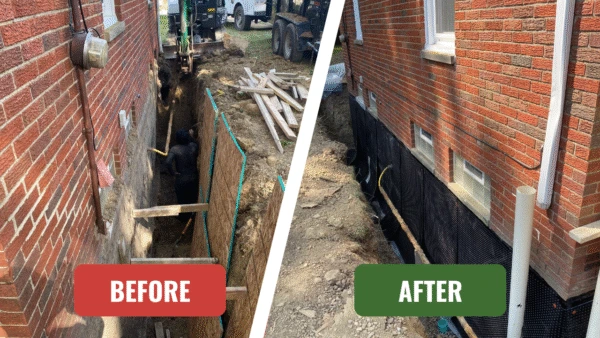
Water follows the easiest path. If that path leads to your basement, a French drain redirects it. We install drain lines around your foundation that collect groundwater and channel it to your sump pump before it reaches your floor.
Learn MoreGetting started is simple. Here's what to expect when you work with us.
Most homes in this area were built in the 1940s through 1960s. Concrete block basements. No exterior waterproofing. Sitting on glacial clay that swells when wet and shrinks when dry. That pressure doesn't stop. But the damage it causes can.
Most homes in this area were built in the 1940s through 1960s. Concrete block basements. No exterior waterproofing. Sitting on glacial clay that swells when wet and shrinks when dry. That pressure doesn't stop. But the damage it causes can.
Not every crack is a crisis. A hairline crack in a 70-year-old foundation may be cosmetic. A wet spot after one heavy rain may not need a full drainage system. We tell you what needs fixing, what can wait, and what's fine the way it is. If your foundation doesn't need work, we'll say that.
The clay under these homes holds water, expands against walls with massive force, then shrinks and pulls away — leaving gaps for the next rain. Every repair we do accounts for that cycle. A fix that ignores the soil is a fix that fails.
A crack that leaks a little this spring will leak more next spring. A wall bowed one inch keeps moving. Every winter adds another round of freeze-thaw. Homeowners who catch it early pay a fraction of what the same repair costs three years later.
Get My Free Quote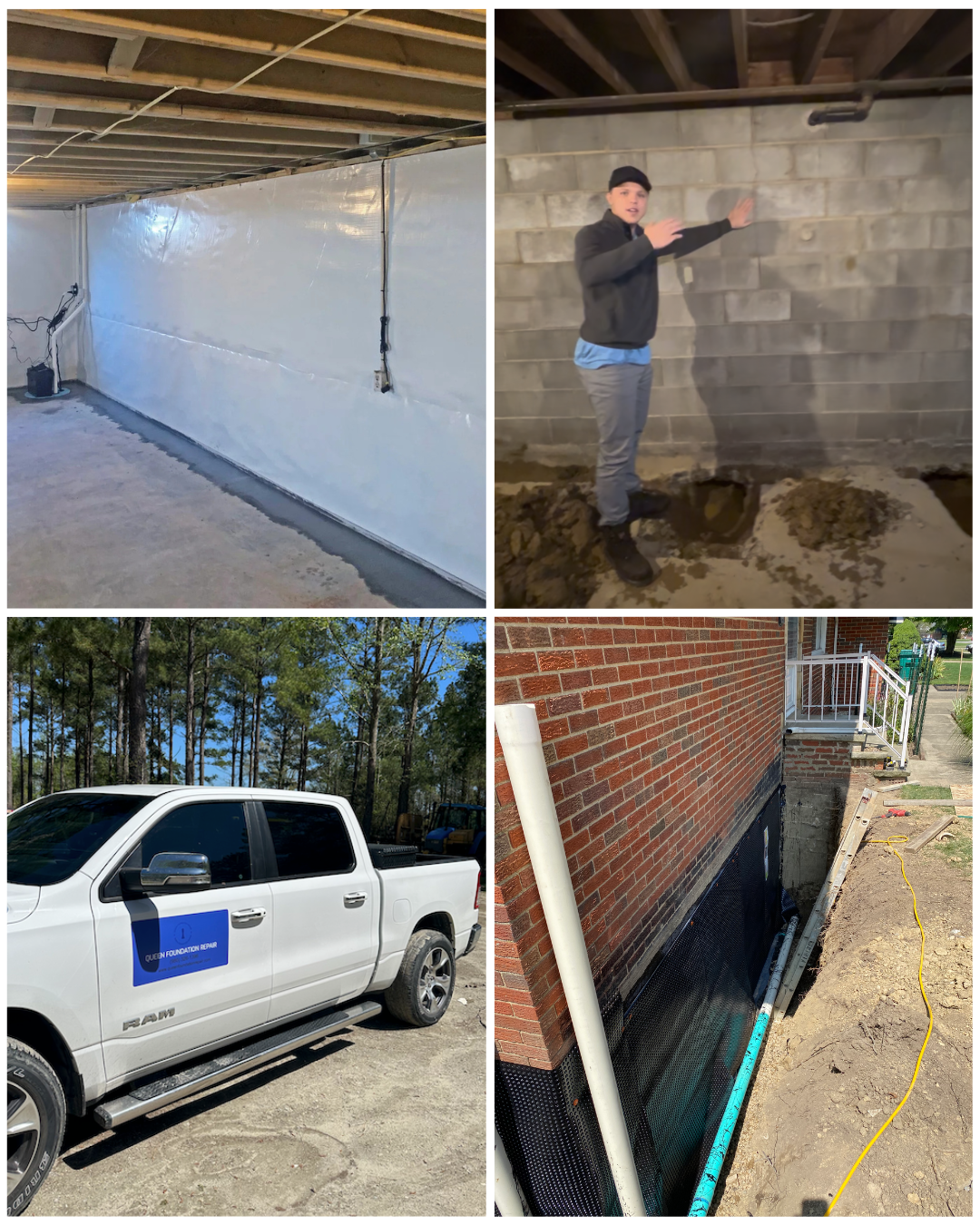
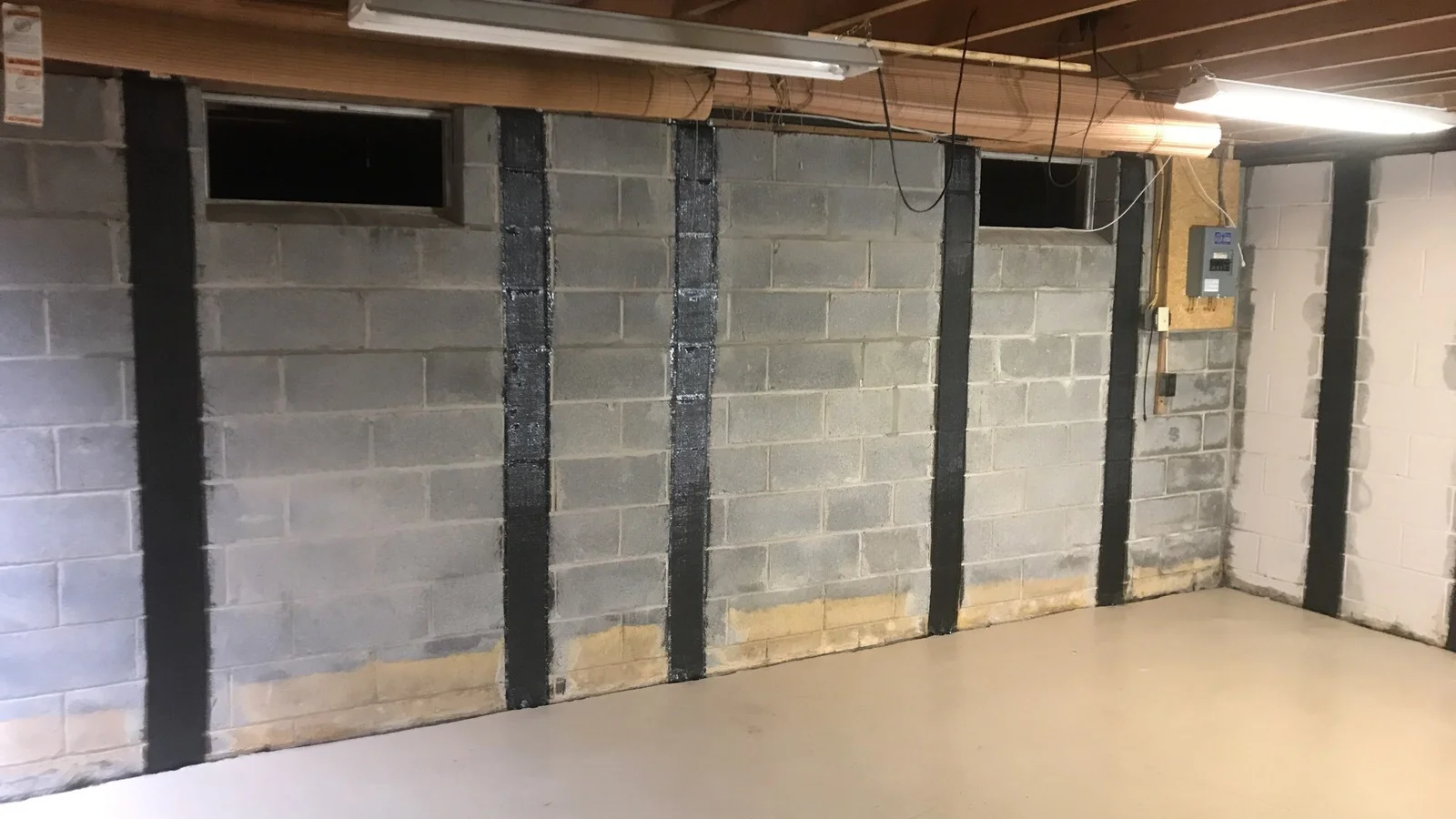
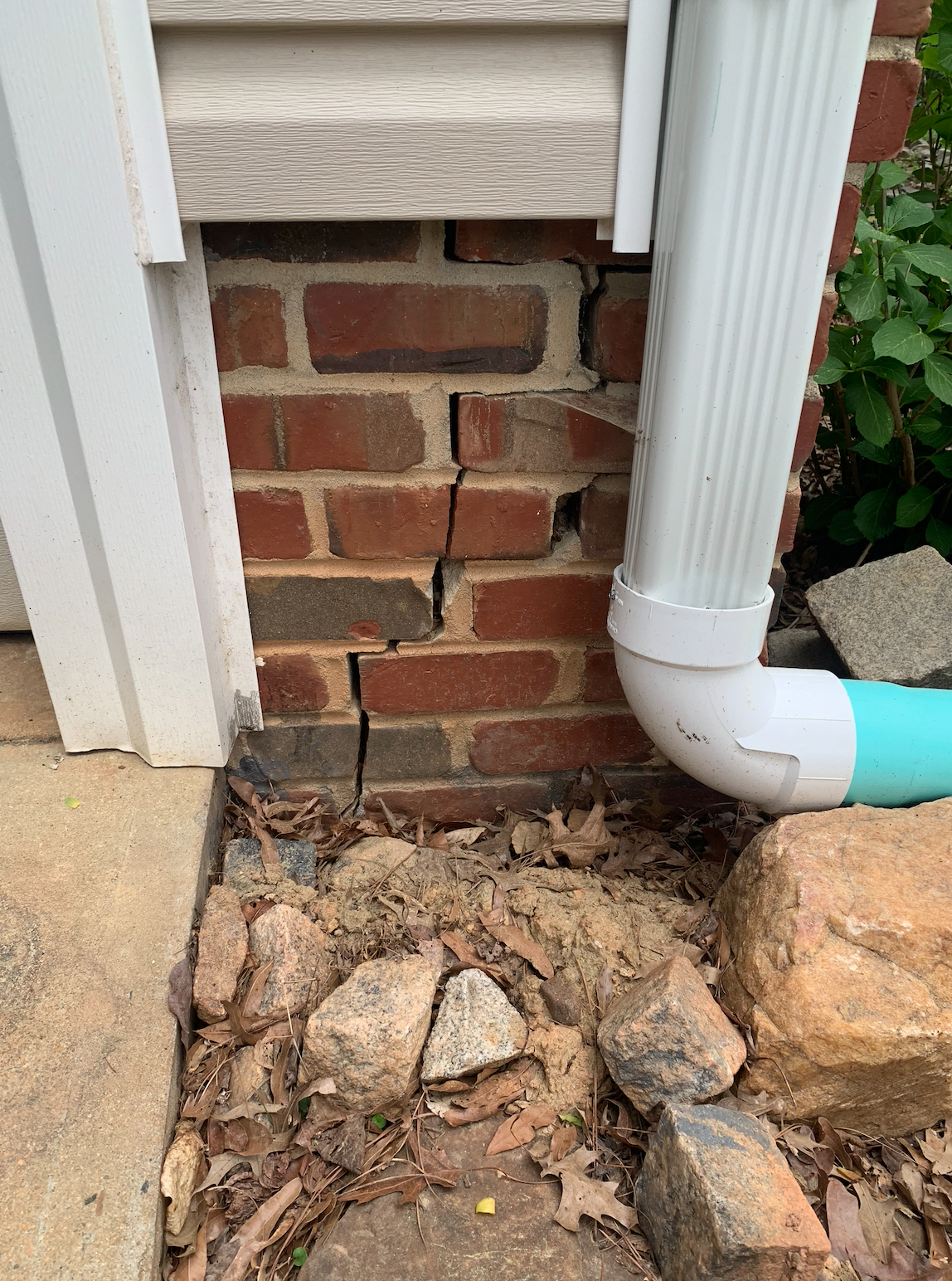
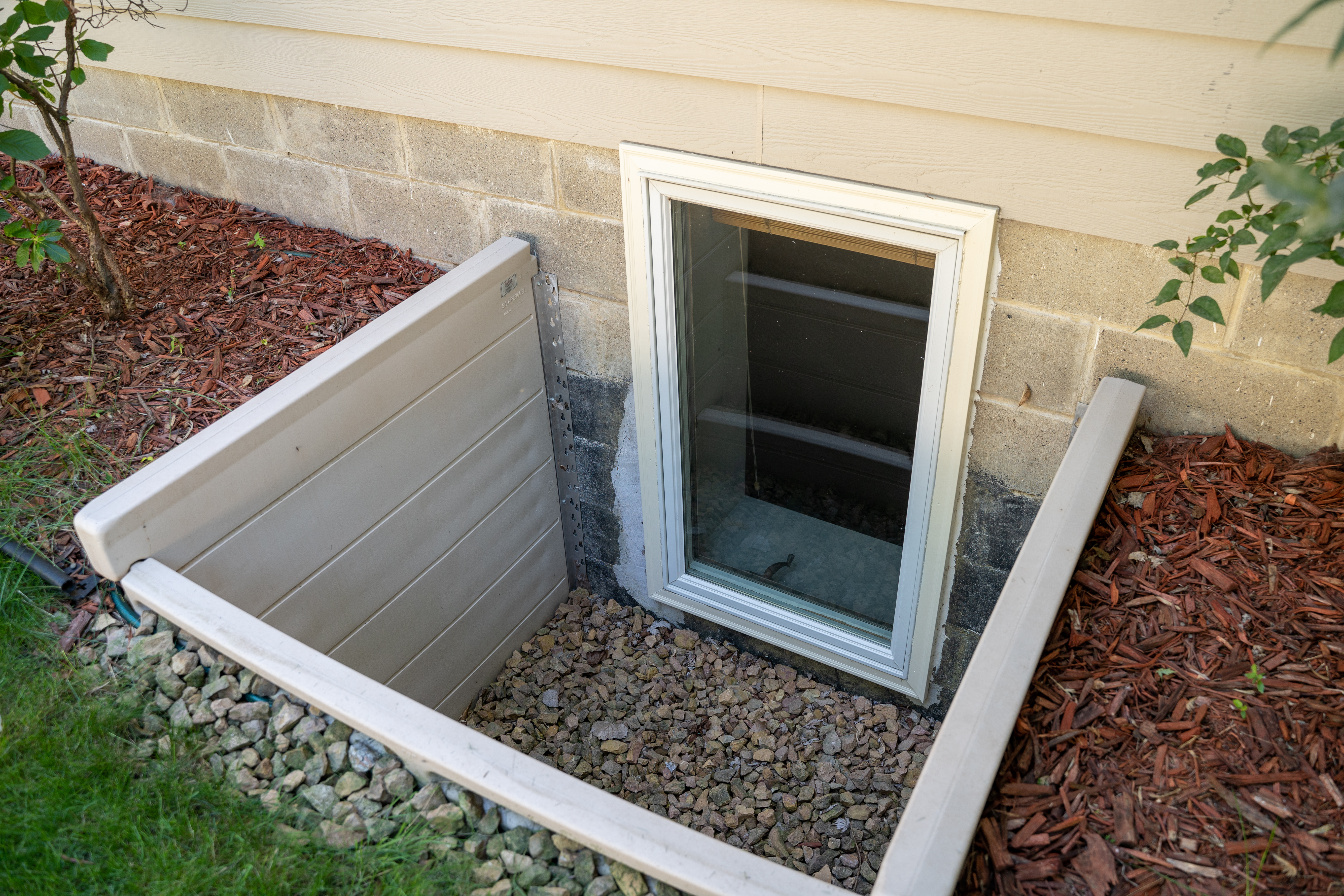
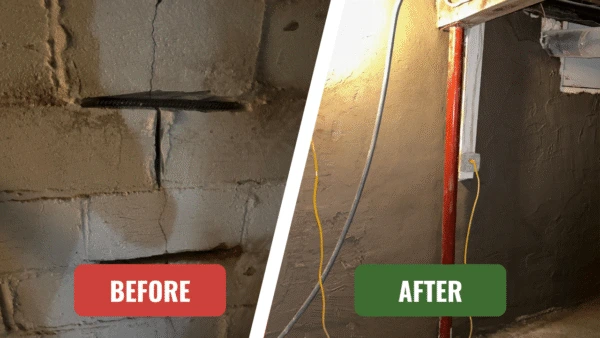
See the difference our work makes. Real projects, real results.
Straight answers to the questions we hear most.
The soil is glacial clay. It holds water instead of draining it, and it pushes that water against your foundation. The area gets around 40 inches of rain a year plus spring snowmelt. Most homes were built with block foundations that weaken at the mortar joints over decades. The rivers and high water table add more pressure from below. Put it together and basement water problems are one of the most common issues homeowners deal with.
Thin vertical cracks in poured concrete are usually from curing — not structural. Horizontal cracks in block walls are different. That means soil pressure is pushing the wall inward. Stair-step cracks along mortar, diagonal cracks from window corners, or cracks wider at one end than the other all point to movement. If doors are sticking or floors are sloping, the foundation has shifted. A free inspection will tell you exactly where things stand.
Usually not. Homeowners insurance typically excludes damage from settling, soil pressure, and water seepage — which is what causes most foundation problems here. It may cover sudden events like a burst pipe. Check your policy, but plan on this being out of pocket. Financing is available.
It gets worse. A crack that lets in some water this year will widen with next winter's freeze-thaw and let in more. A wall that started bowing keeps moving under soil pressure. Costs go up. Home value goes down. Left long enough, it becomes a safety issue. These problems are always cheaper to fix earlier.
Depends on the job. A crack injection takes a few hours. A drainage system with sump pump runs one to three days. Wall anchors or pier work typically two to four days. Most repairs happen inside the basement — no yard excavation. You stay in your home the whole time.
Yes. We work throughout Montgomery County and surrounding areas including Kettering, Centerville, Beavercreek, Huber Heights, Oakwood, Riverside, Trotwood, Englewood, Vandalia, Miamisburg, and Springboro. If your area isn't listed, we may still be able to help — call to find out.