Water in your basement or cracks spreading across your walls — we fix what’s causing it.
I'm Ready For A Free Quote
Thank You For Your Submission!
A team member will be reaching out to you shortly.








Most problems we see in Cleveland start with water pushing against old basement walls. Whether it’s a wet floor after rain, a crack that keeps growing, or a crawl space that smells like mold — there’s a fix. Here’s what we do.
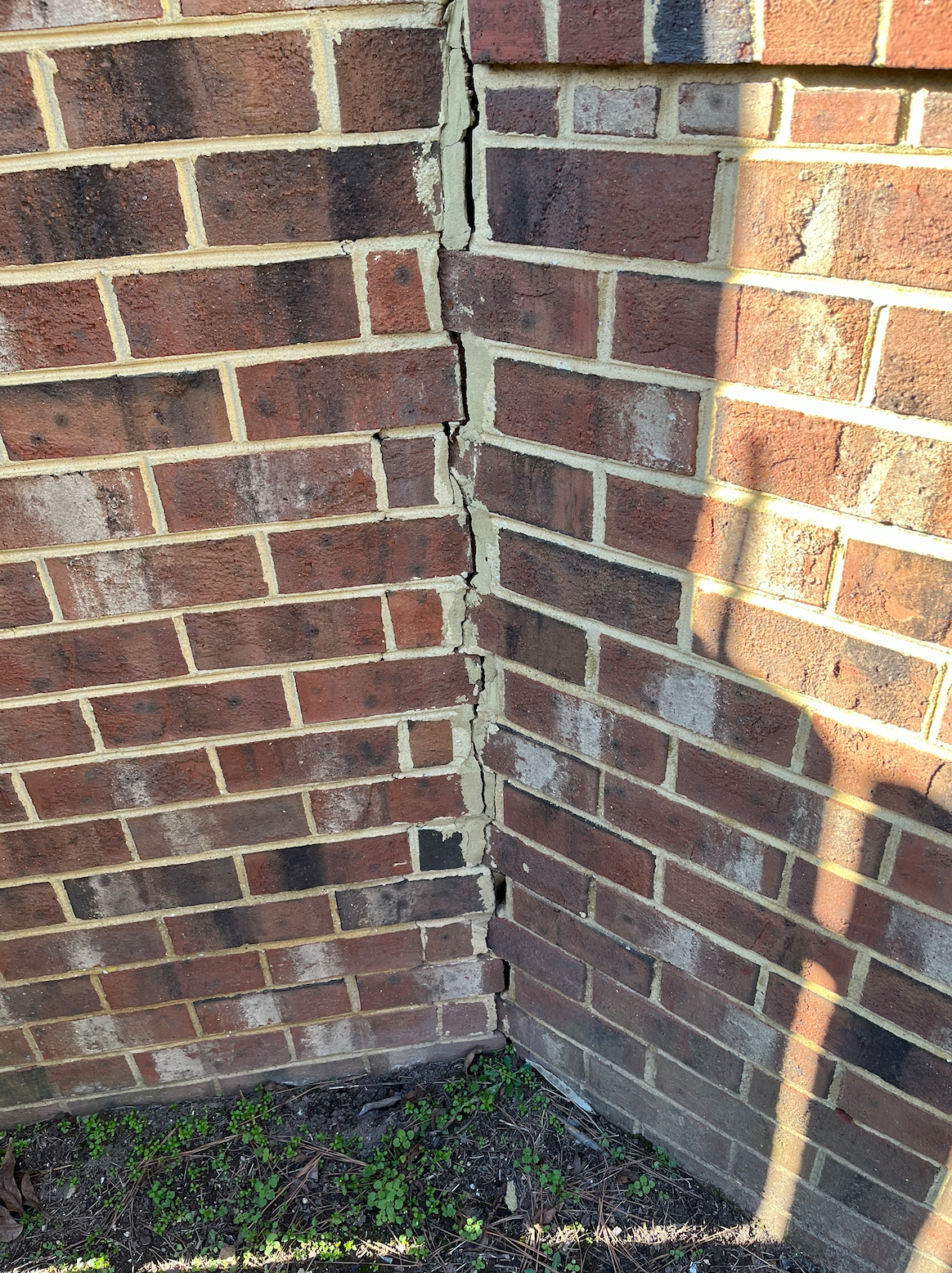
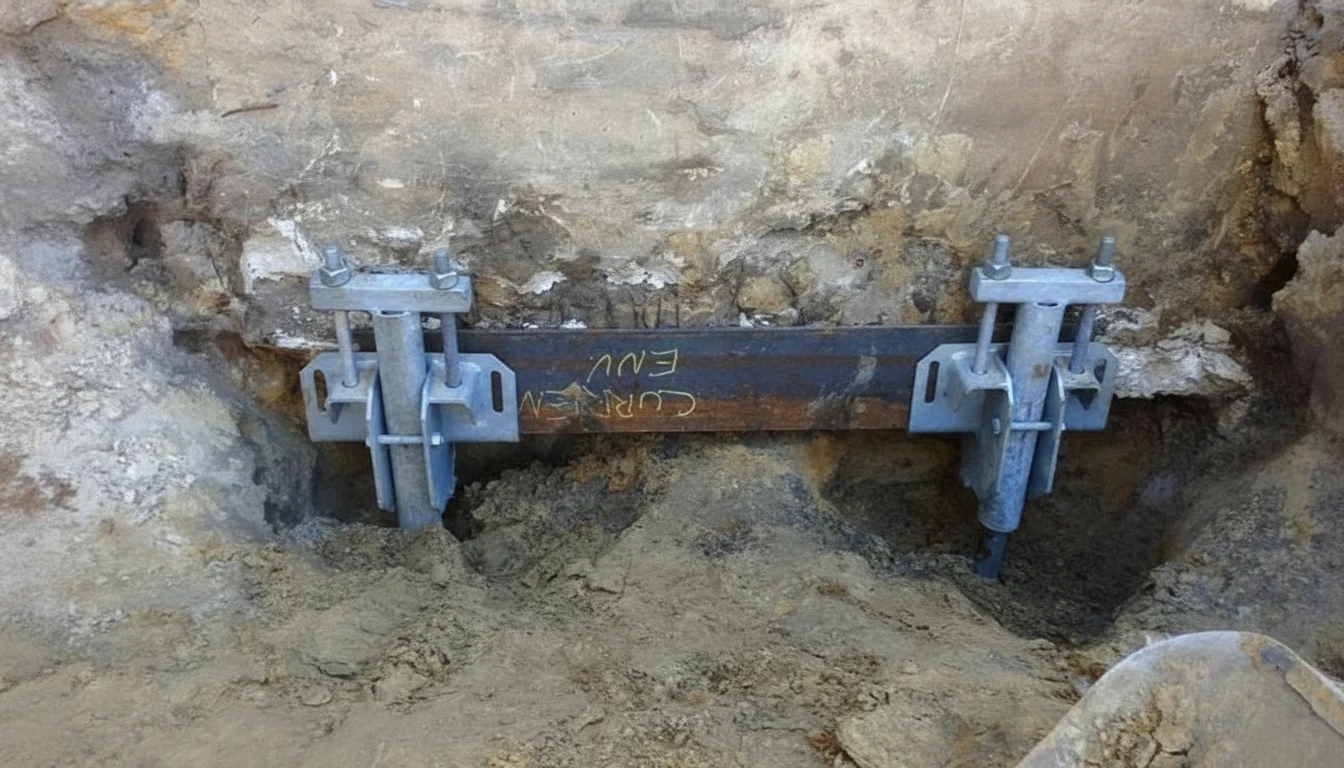
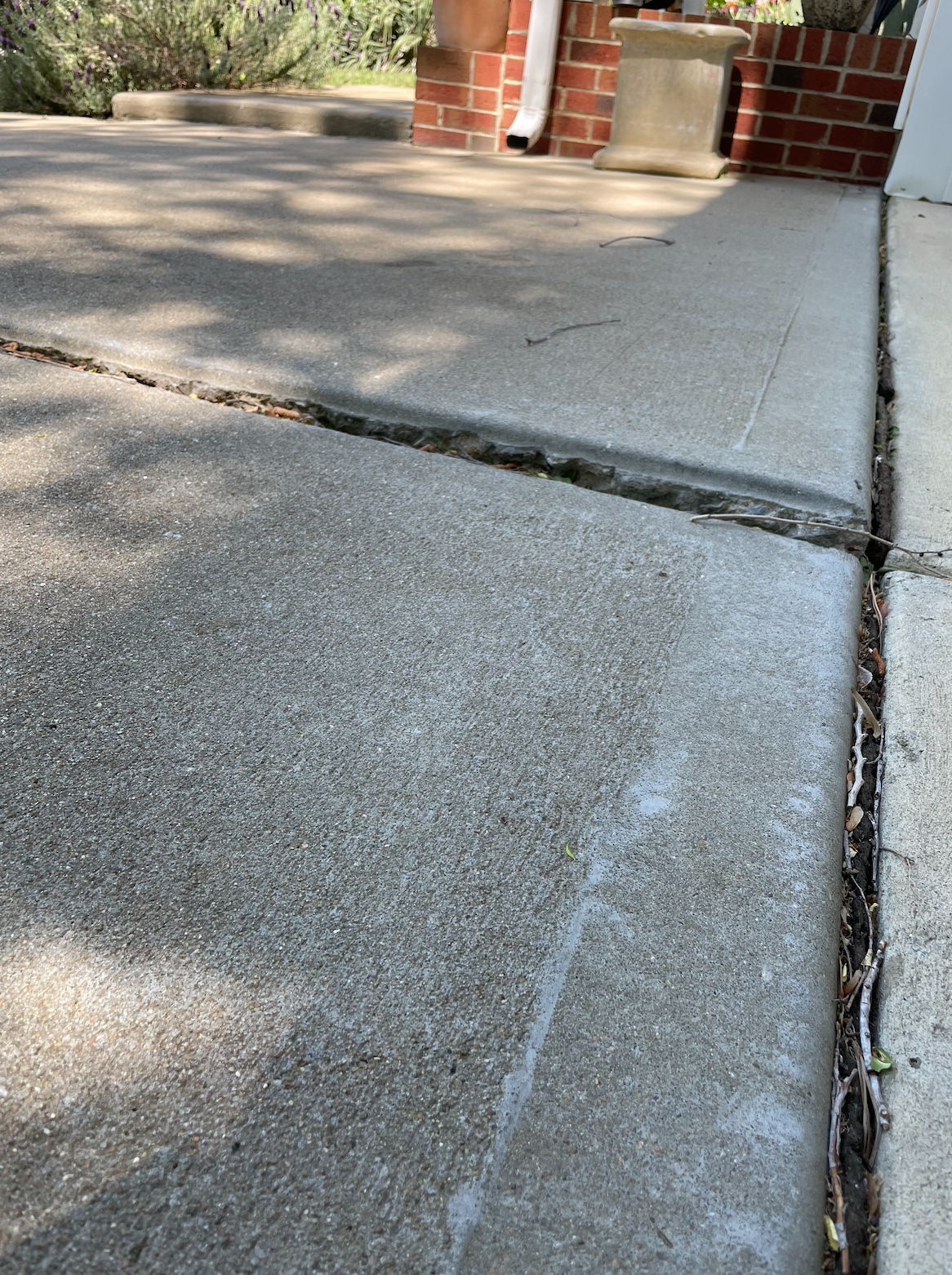
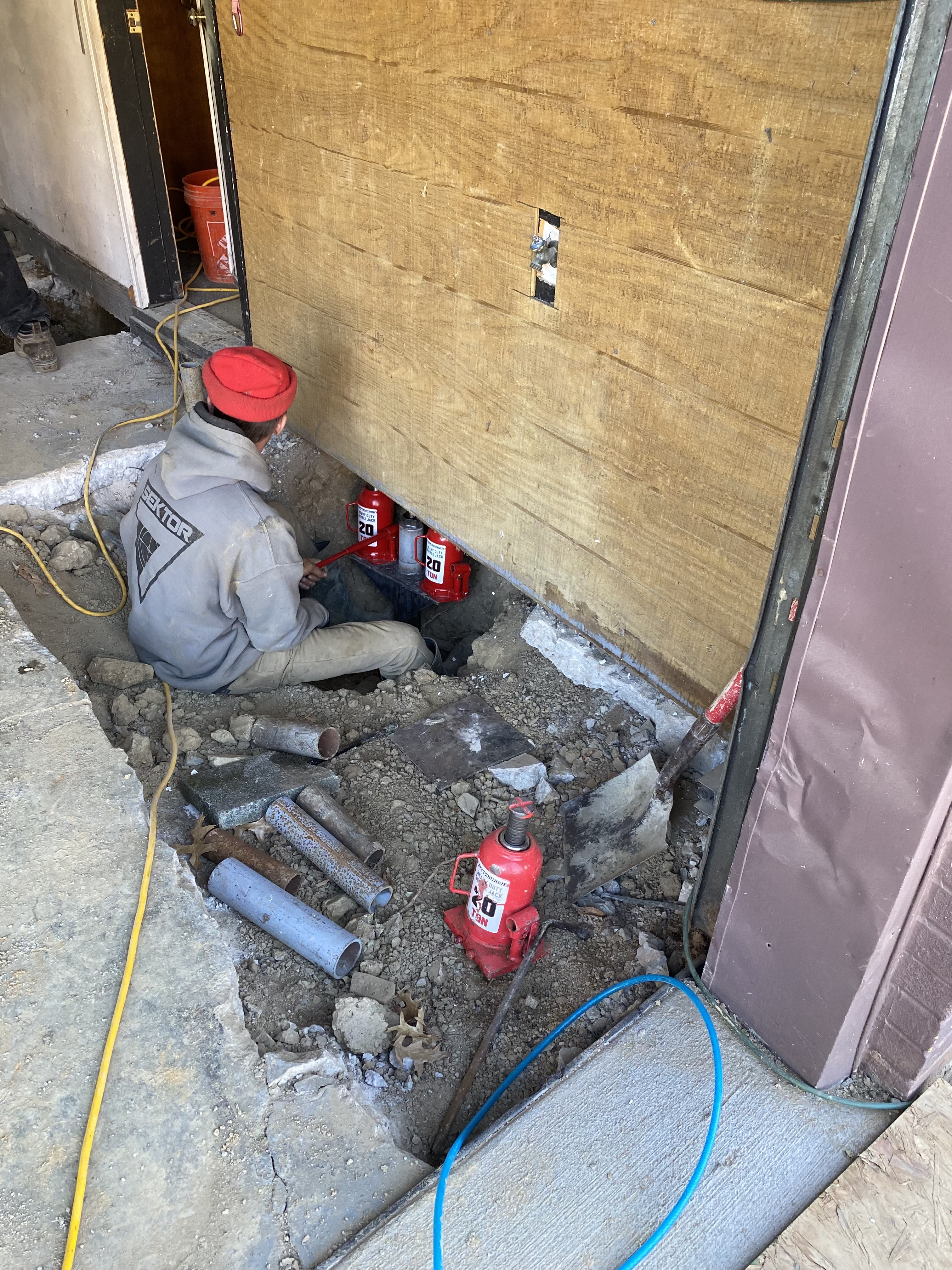
Floors sloping toward one corner. Cracks running diagonal from your windows. Doors that used to close fine and now stick. These are signs your foundation has shifted. We stabilize it with pier systems driven down to stable ground so the movement stops for good.
Learn More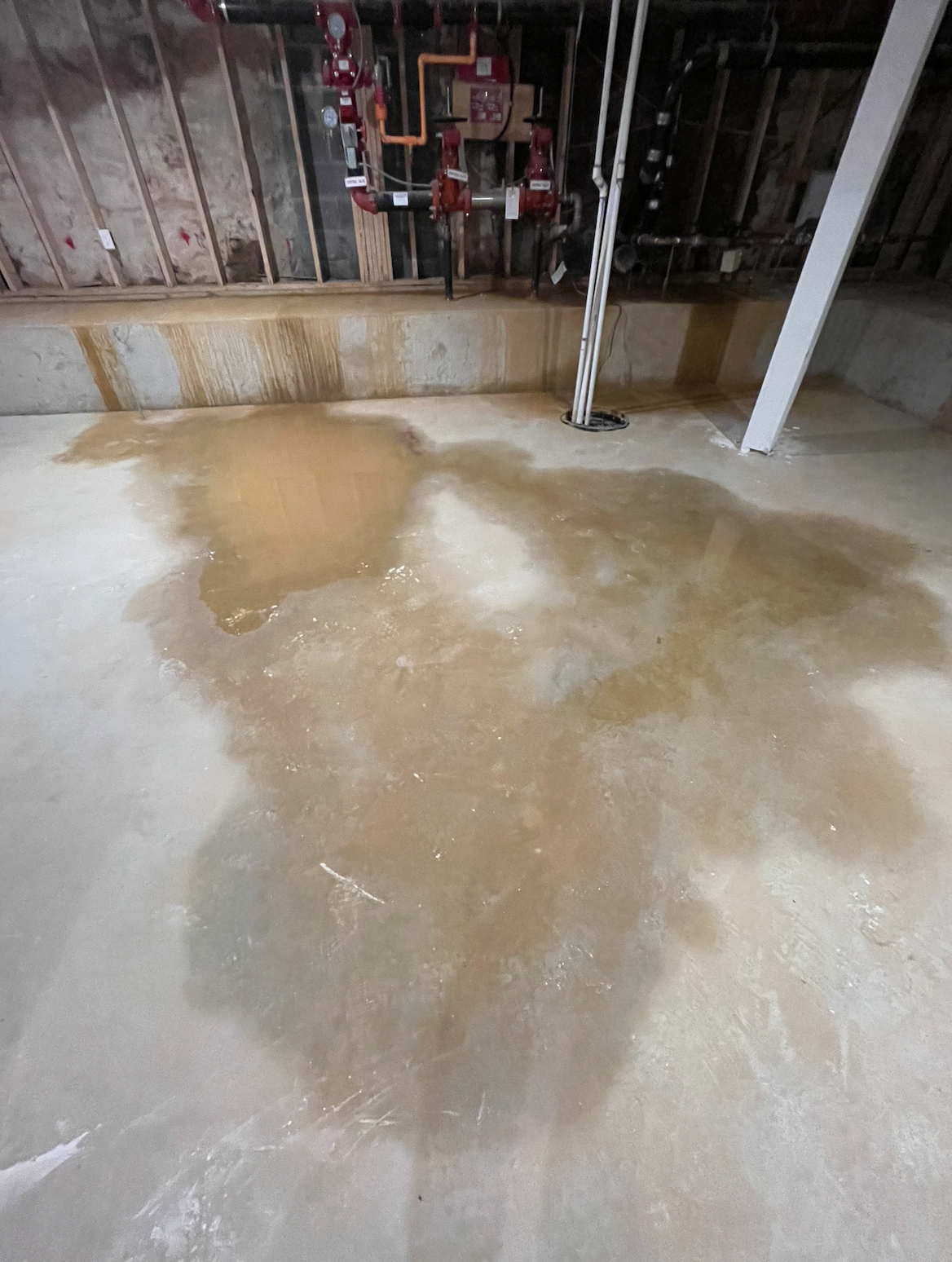
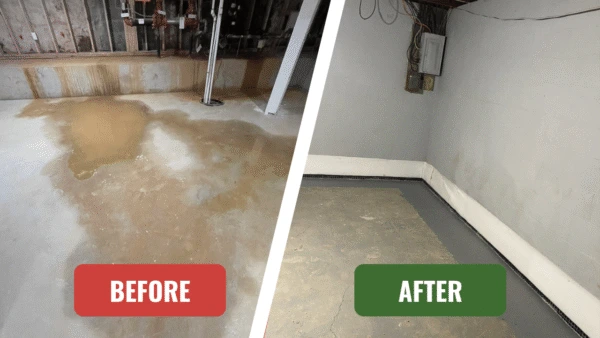
If your basement gets wet every time it rains, the water is being pushed through your walls and floor by soil pressure. Painting the walls won’t stop it. We install interior drainage systems that capture the water before it reaches your floor and route it to a sump pump that moves it out.
Learn More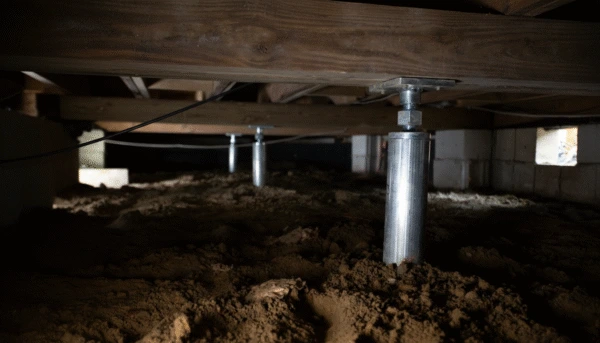
Sagging floors above, musty air rising through the house, soft or bouncy spots when you walk. Your crawl space is telling you something is wrong underneath. We repair damaged supports, replace failing joists, and fix the structural problems that are making your floors uneven.
Learn More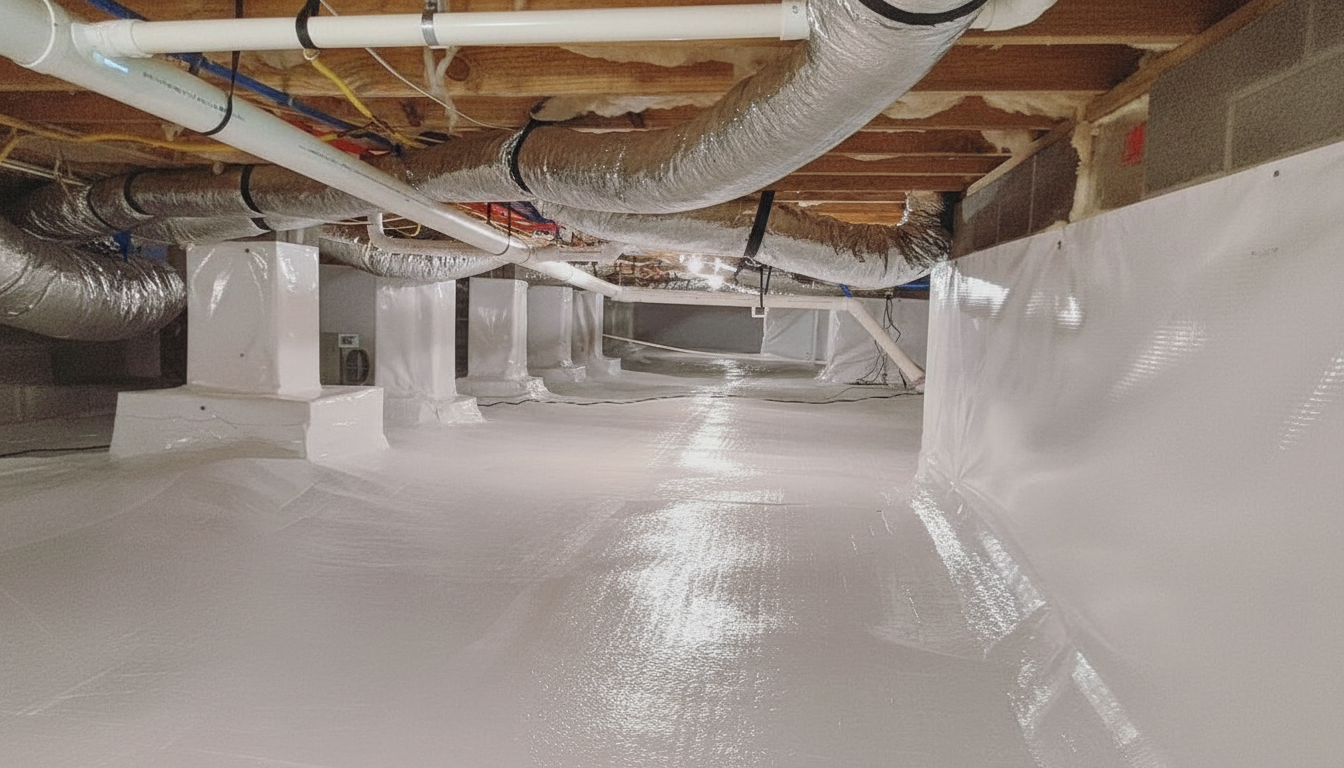
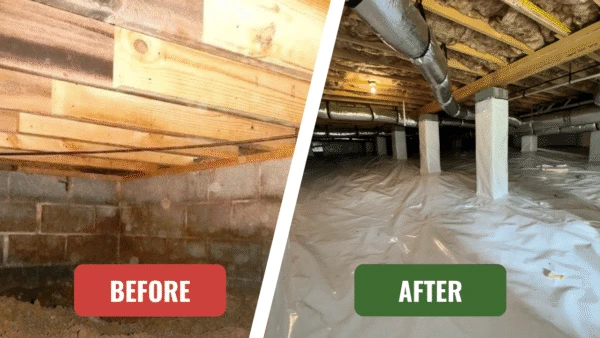
Moisture in your crawl space doesn’t stay in your crawl space. It rises into your living area, brings mold spores with it, and drives up your energy bills. We seal the entire space with a heavy-duty vapor barrier and install dehumidification to keep it dry permanently.
Learn More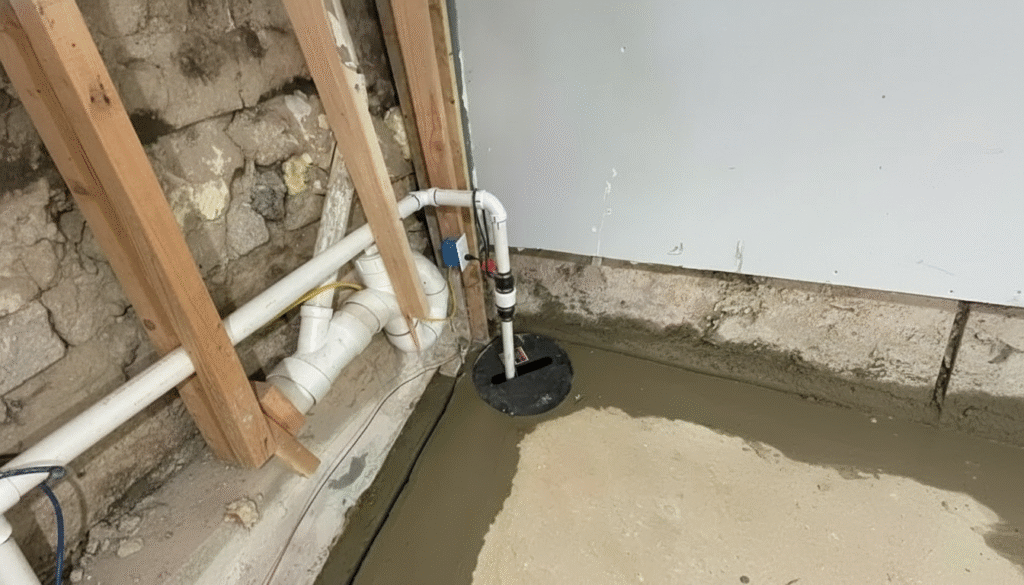
Cleveland’s combined sewer system can push contaminated water back into your basement during heavy rain. A properly installed sump pump is the last line of defense. We install primary pumps with battery backup systems so you’re protected even during power outages.
Learn More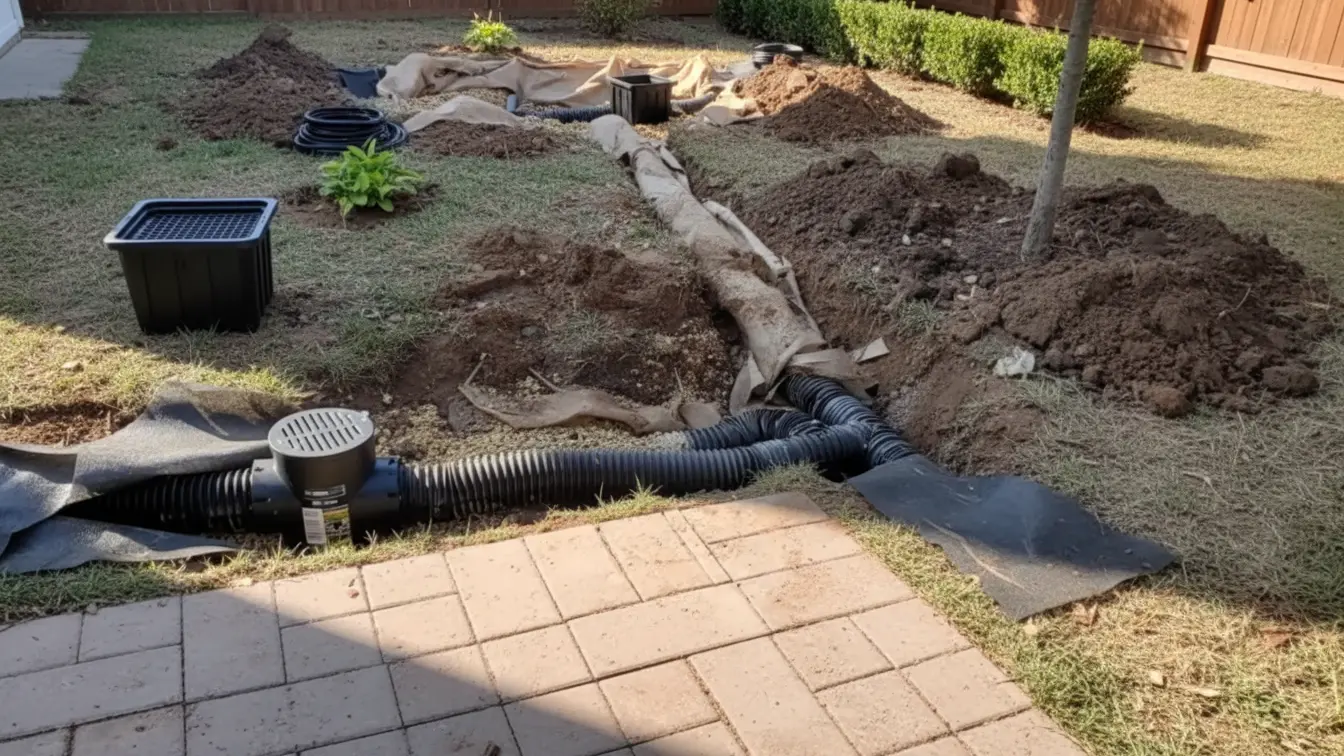
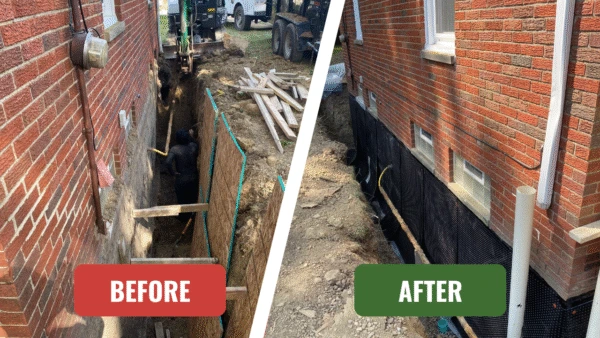
Water always finds the lowest point. If that’s your basement, a French drain redirects it before it gets there. We install interior and exterior drain lines that collect groundwater from around your foundation and channel it away from your home.
Learn MoreGetting started is simple. Here's what to expect when you work with us.
Most of the homes in this city were built before 1970. They’re sitting on heavy clay soil that swells when it rains and shrinks when it dries. Every year, freeze-thaw cycles push and pull against your foundation walls. That’s not going to stop. But the damage can.
Most of the homes in this city were built before 1970. They’re sitting on heavy clay soil that swells when it rains and shrinks when it dries. Every year, freeze-thaw cycles push and pull against your foundation walls. That’s not going to stop. But the damage can.
A hairline crack in a 70-year-old foundation is normal. Not every crack means your house is falling apart. When we inspect your home, we tell you what needs fixing now, what can wait, and what doesn’t need fixing at all. If your foundation is fine, we’ll say so. You’ll never get a scare pitch from us.
The glacial clay underneath Cleveland homes is the main reason basements leak and walls bow. It holds water like a sponge, expands with massive force against your walls, then shrinks and pulls away — leaving gaps for the next rain to fill. We design every repair around this soil. The fix has to work against what the ground is doing, not just patch over what you see inside.
Foundation problems don’t hold still. A crack that leaks a little after rain this year will leak more next year. A wall that’s bowed one inch will bow further. Homeowners who catch it early pay a fraction of what it costs to fix the same problem three years later. Every winter that passes adds another round of freeze-thaw damage. The best time to fix it is before the next one.
Get My Free Quote
See the difference our work makes. Real projects, real results.
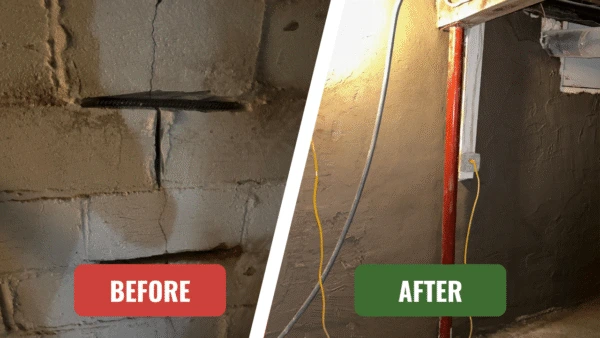
If you’re noticing cracks, water, or shifting in your home, you probably have questions. Here are the ones we hear most.
It comes down to three things working together. The soil here is heavy glacial clay that doesn’t drain — it holds water and pushes it against your foundation. The city gets around 38 inches of rain a year plus snowmelt. And most homes were built with concrete block walls that weaken at the mortar joints over decades. Add in Cleveland’s combined sewer system, which can back up during heavy storms and push water through your floor drain, and you’ve got a city where basement water issues are extremely common.
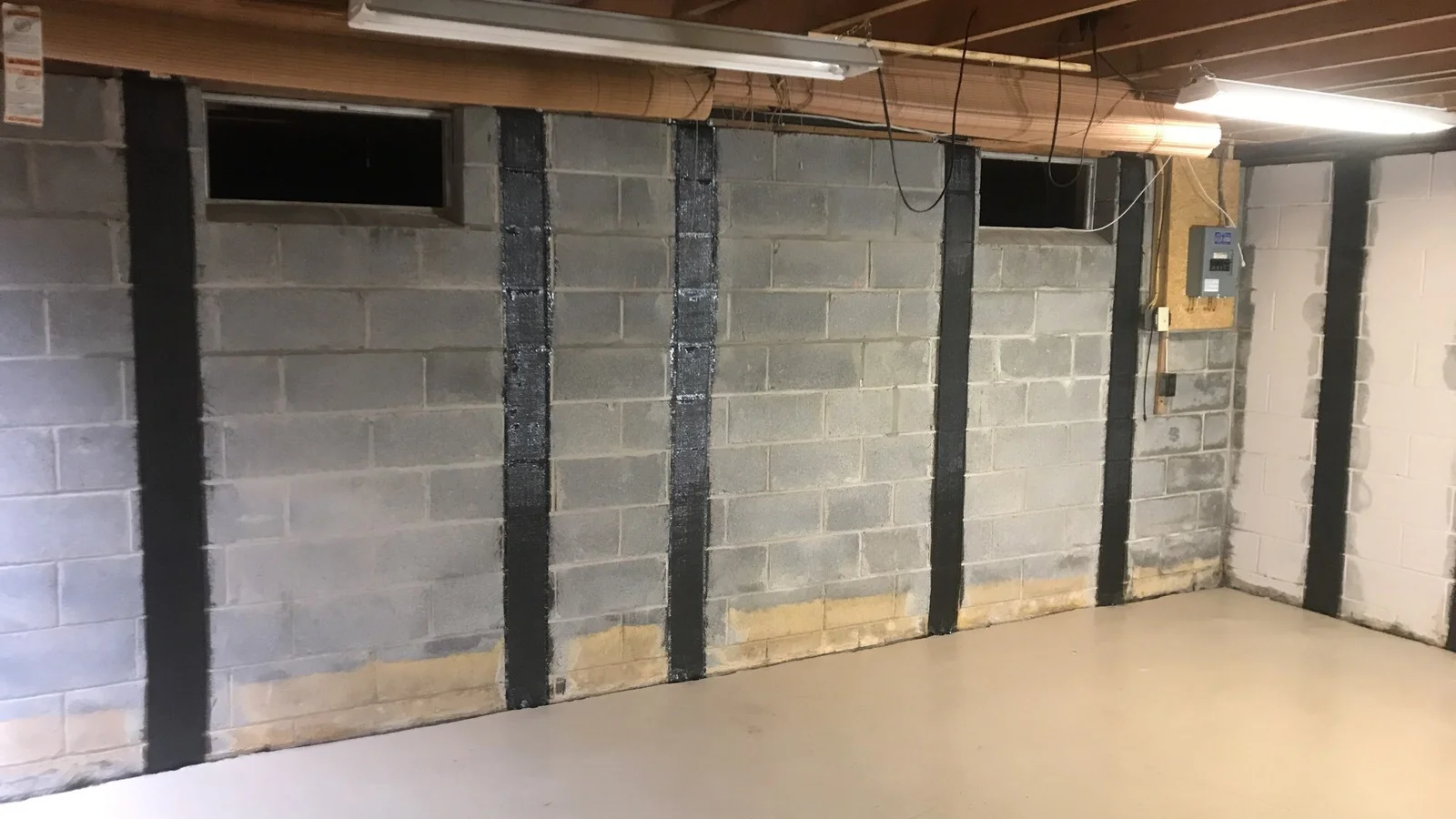
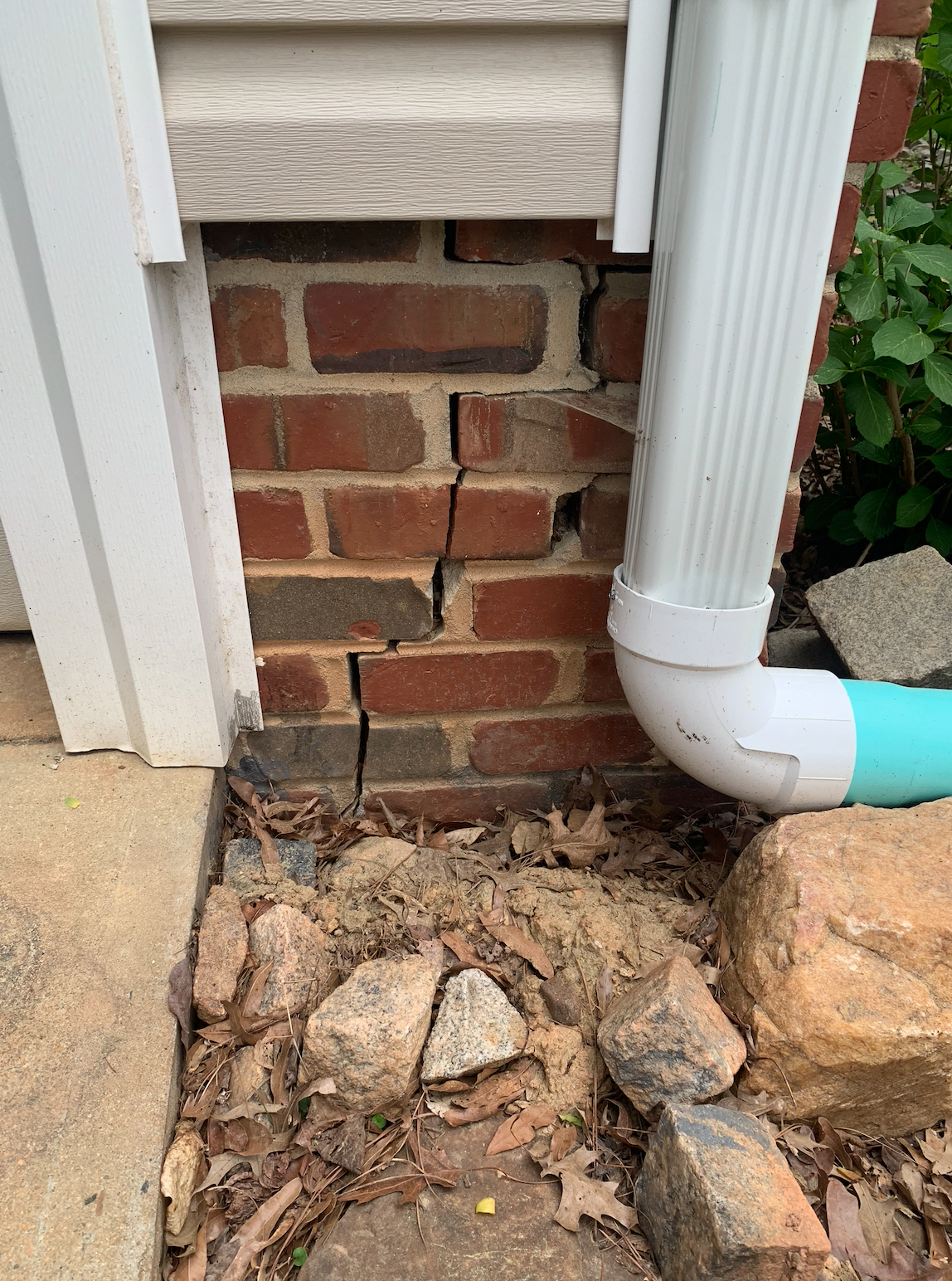
A thin vertical crack in poured concrete is usually from the concrete curing when the house was built. It may let some water in, but it’s not structural. What you want to watch for is horizontal cracks in block walls — that means soil pressure is pushing the wall inward. Stair-step cracks along mortar joints, diagonal cracks from window corners, and any crack that’s wider at one end than the other all point to movement. If your doors are sticking or your floors are sloping, that’s another sign the foundation has shifted. When in doubt, get it inspected — the inspection is free and we’ll tell you straight whether it needs attention.
In most cases, no. Homeowners insurance typically does not cover foundation damage caused by settling, soil pressure, water seepage, or normal wear over time — which accounts for the vast majority of foundation problems in Cleveland. Insurance may cover damage from sudden events like a burst pipe or a tree falling on your home. If you’re unsure, check your specific policy, but plan on this being an out-of-pocket repair. That’s why we offer flexible financing options.
It gets worse. Foundation and water problems are progressive — they don’t fix themselves and they don’t stay the same. A crack that lets in a little water today will widen with the next freeze-thaw cycle and let in more. A wall that’s started to bow will keep moving under soil pressure. Homeowners who fix things early pay significantly less than those who wait. Beyond cost, unresolved foundation issues can reduce your home’s market value and eventually become safety concerns if walls or floors shift too far.
It depends on what’s needed. A single crack repair can be done in a few hours. An interior drainage system with a sump pump usually takes two to five days. Structural work like piers or wall anchors typically takes two to four days. Most jobs are done from inside the basement with no need to dig up your yard. You can stay in your home during the work.
Yes. We serve all of Cuyahoga County and the surrounding communities, including Lakewood, Parma, Cleveland Heights, Shaker Heights, Old Brooklyn, Tremont, Ohio City, West Park, Garfield Heights, Maple Heights, Brooklyn, and East Cleveland. If you’re not sure whether we cover your area, just ask when you schedule your inspection.