Cracks, leaks, and bowing walls get worse every winter. Get answers before they escalate.
I'm Ready For A Free Quote
Thank You For Your Submission!
A team member will be reaching out to you shortly.








Water intrusion, cracking, and settlement are common in homes built on clay soil and aging masonry. These are the services that fix them.
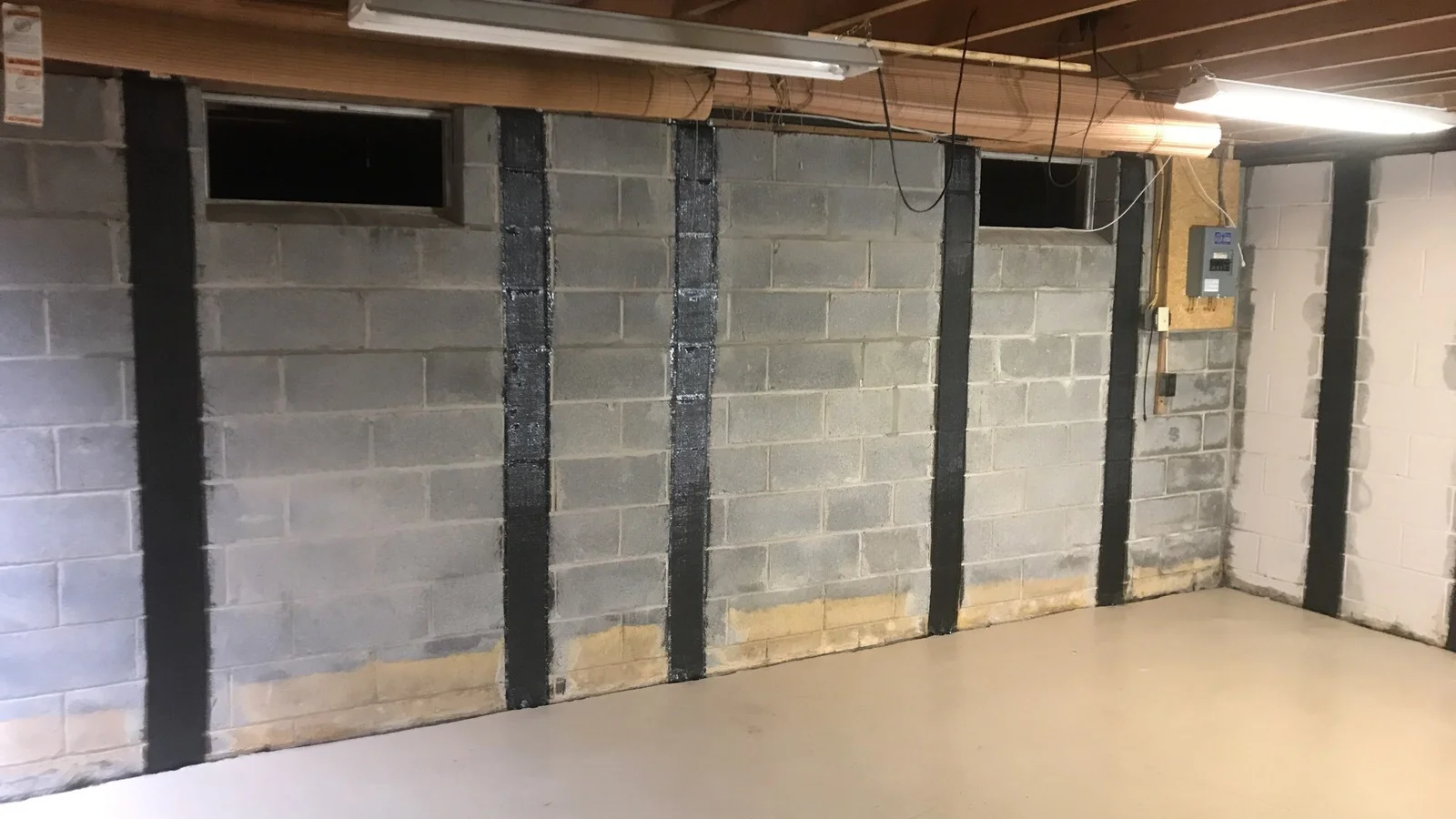
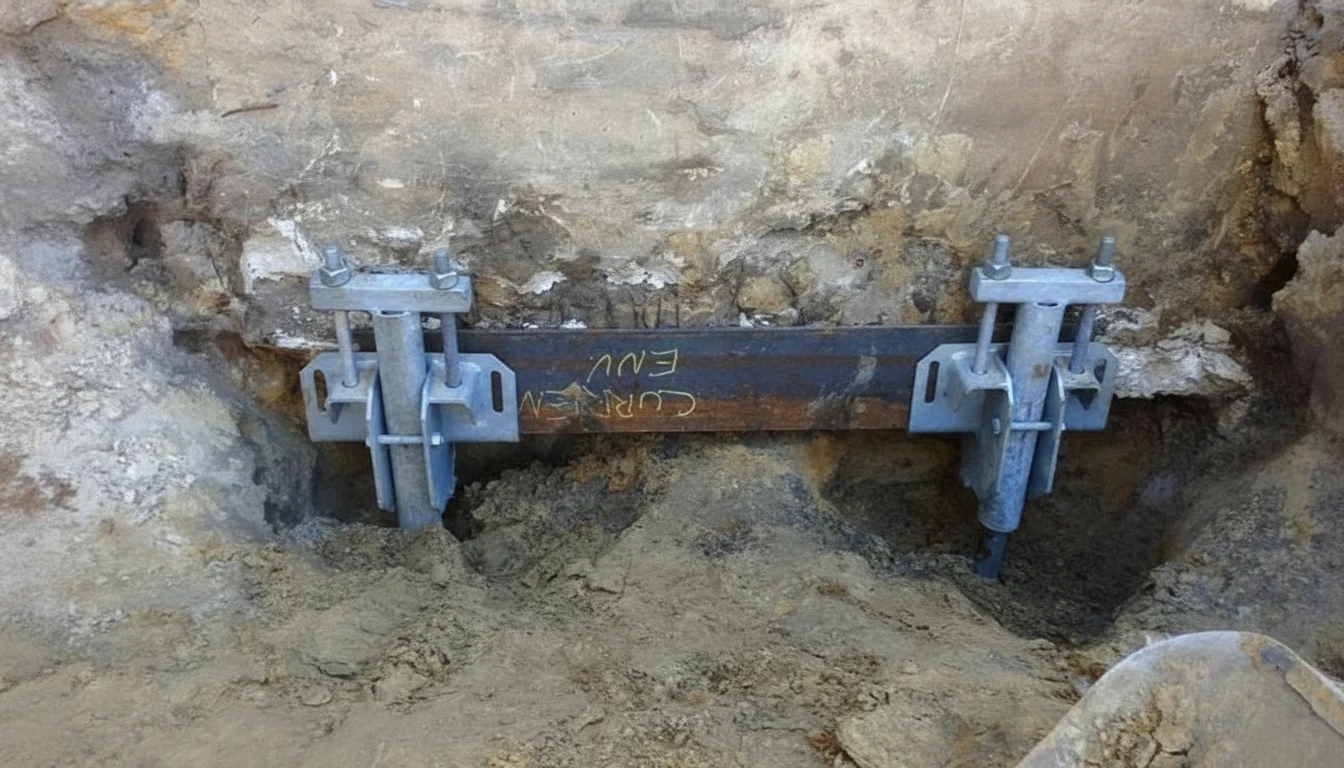
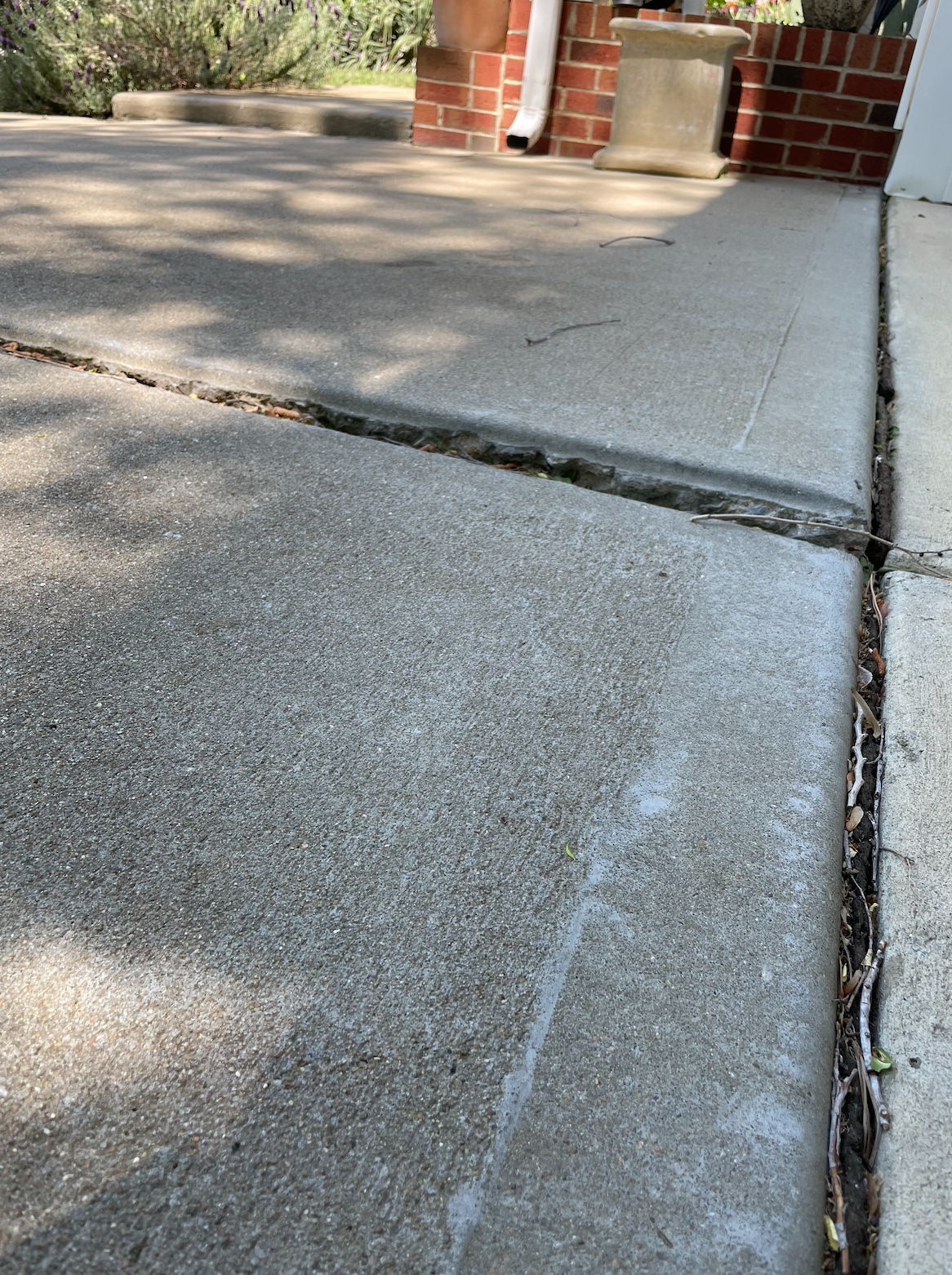
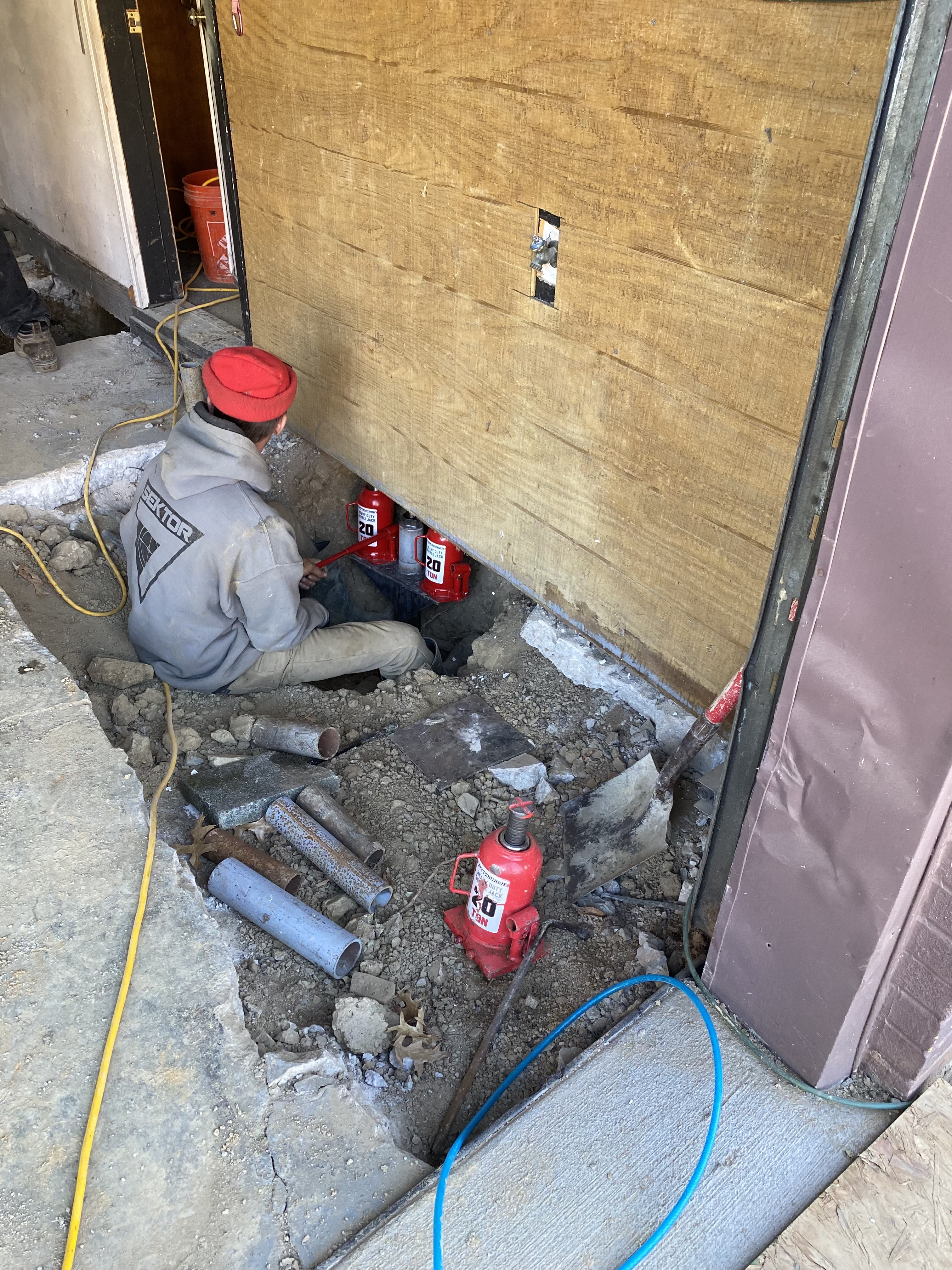
Settling foundations shift floors, crack walls, and jam doors. Pier systems and structural supports stabilize the foundation and bring it back to level — stopping damage before it spreads.
Learn More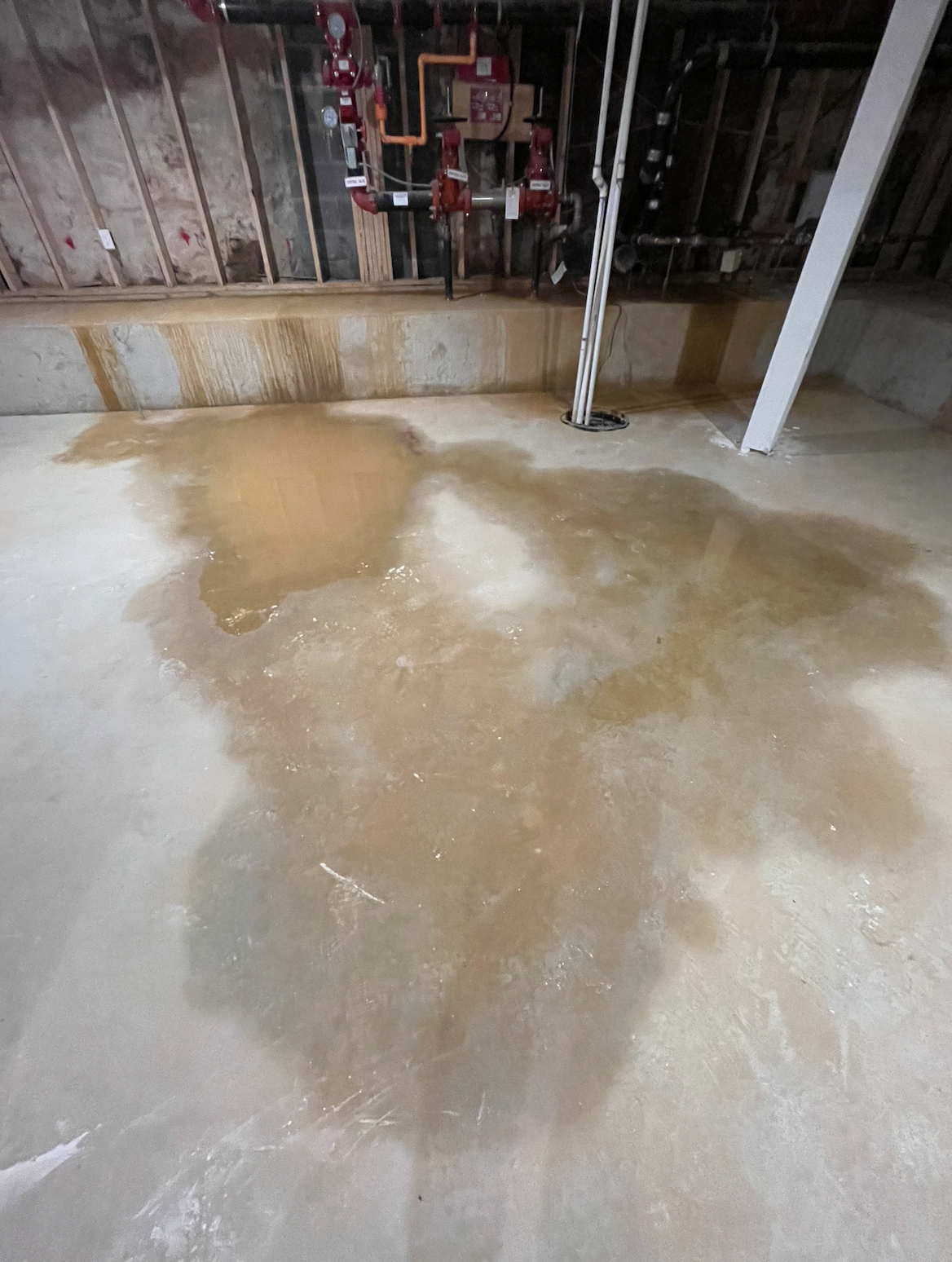
Water pushing through basement walls and floors is the most common issue we see in Boston. Interior drainage and waterproof barriers redirect water and keep the basement dry.
Learn More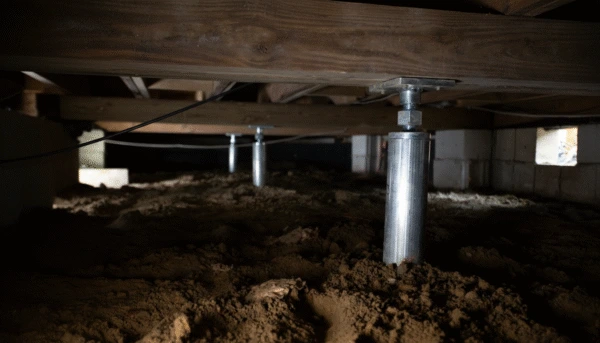
Sagging floors, wood rot, and standing water under the house mean the crawl space is failing. Structural supports and drainage corrections restore stability and stop moisture from climbing into the living space.
Learn More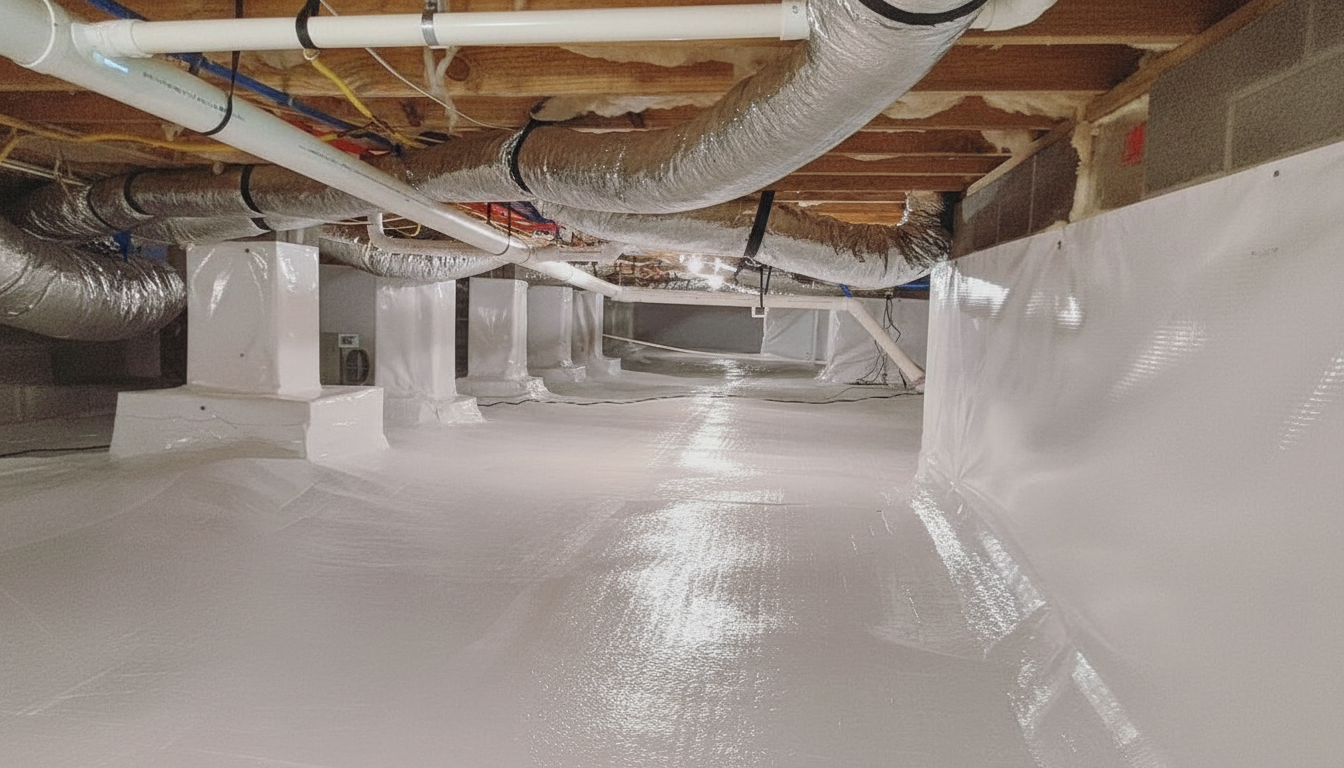
A sealed vapor barrier locks out ground moisture, controls humidity, and eliminates the musty air that rises into the home. Encapsulation turns a problem space into a controlled one.
Learn More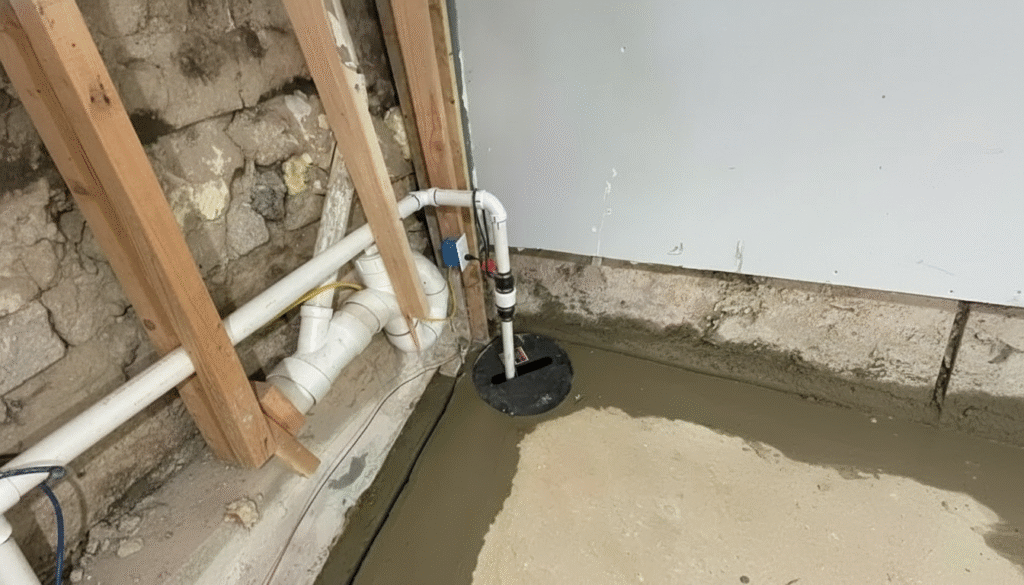
A properly sized sump pump with battery backup removes water before it pools — even during power outages from nor'easters. If water reaches your basement floor, this is the last line of defense.
Learn More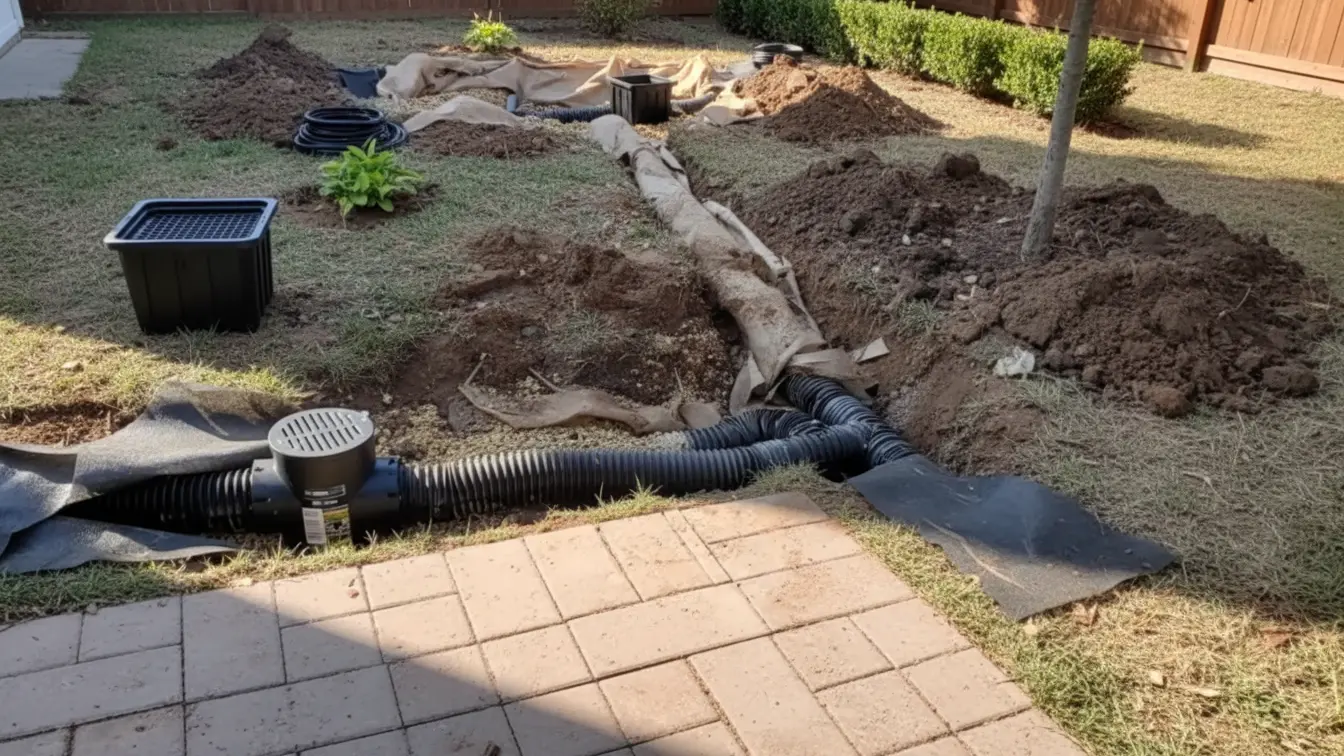
French drains intercept water at the footing and route it to a sump pit before it reaches the floor. For homes sitting above a high water table, this is the system that makes waterproofing work.
Learn MoreGetting started is simple. Here's what to expect when you work with us.
Foundation problems here aren't random. They have specific causes — and fixing them starts with understanding why they're happening.
Foundation problems here aren't random. They have specific causes — and fixing them starts with understanding why they're happening.
Boston sits on Blue Clay — a soft glacial marine clay that holds water, shifts under load, and pushes against basement walls with constant pressure. Large sections of the city were built on filled land that was never compacted to modern standards. That's why basements leak, walls bow, and foundations settle in ways other cities don't deal with. We know these conditions, and we know which methods hold up in this soil.
Not every crack needs a major repair. Some problems start with fixing the grading and extending the downspouts. We tell you what's actually wrong, what it takes to fix it, and what can wait. You get a written proposal with real pricing and zero pressure to sign on the spot.
Boston gets 20 to 100 freeze-thaw cycles between November and March. Each one pushes water into foundation cracks, freezes, expands, and widens the damage. A crack that costs a few hundred to seal this year becomes a structural problem that costs thousands after another winter. The best time to fix it is before the next freeze.
Get My Free Quote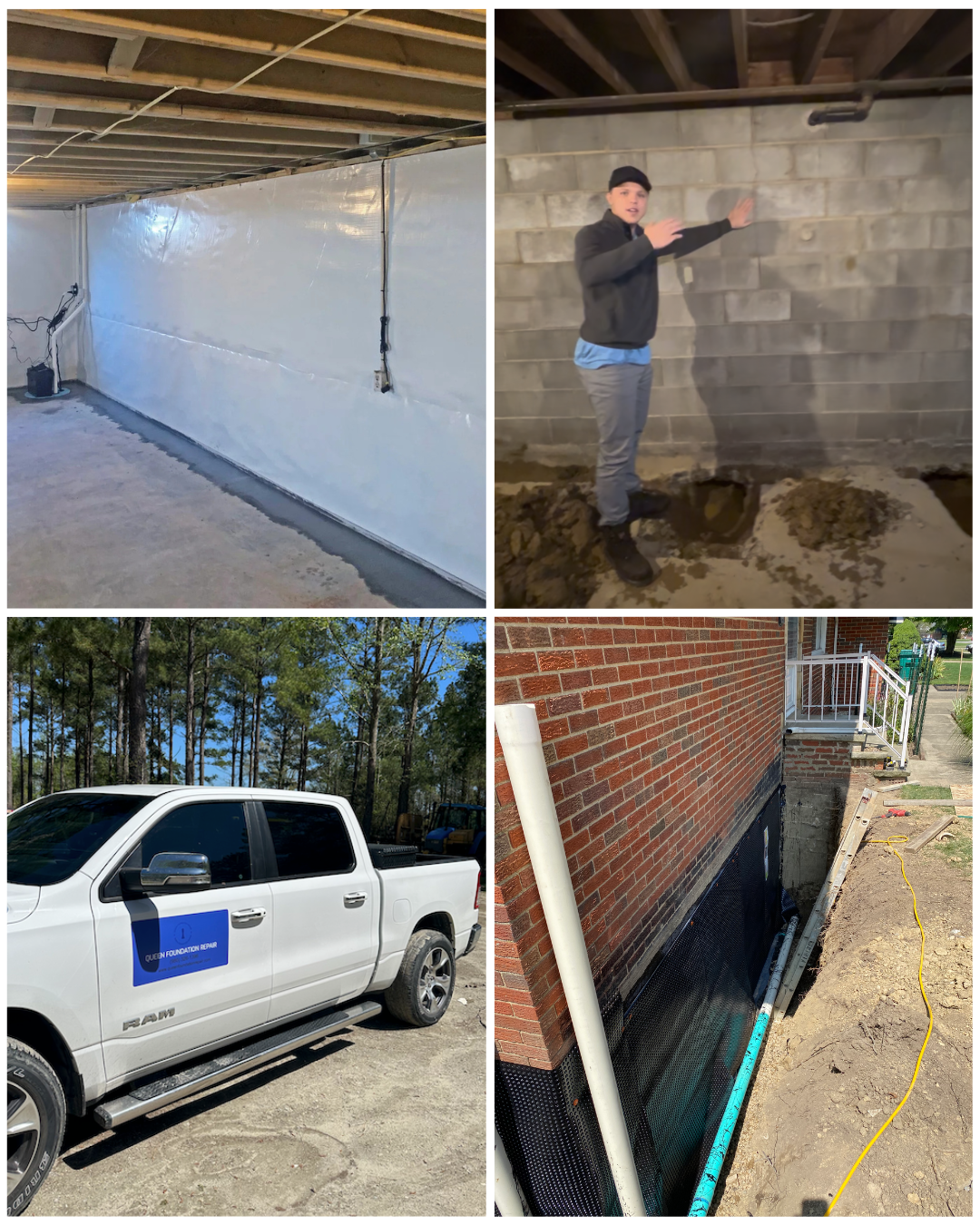
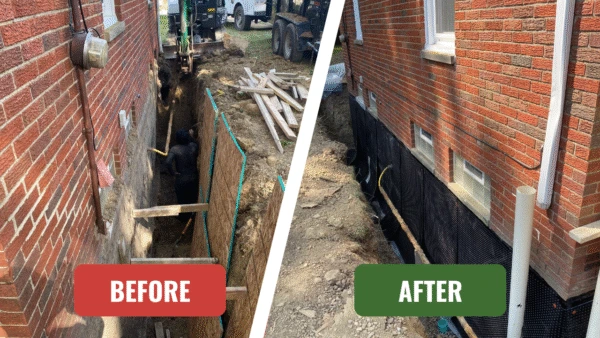
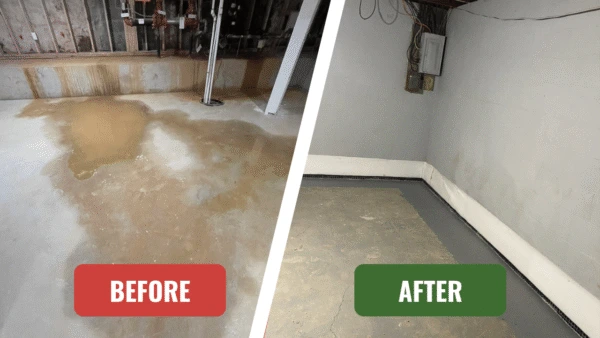
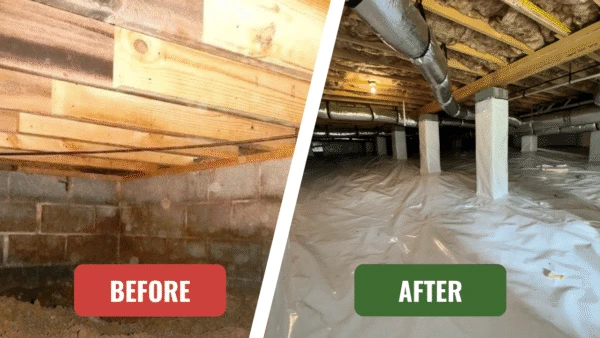
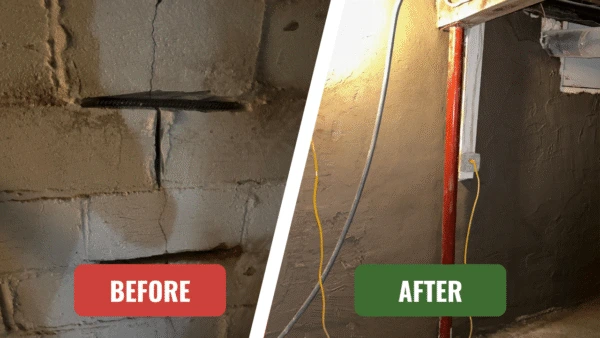
See the difference our work makes. Real projects, real results.
Straight answers to the questions Boston homeowners ask most.
It depends on the problem. Crack repairs typically run $500 to $2,000. Interior waterproofing with a French drain and sump pump ranges from $3,000 to $8,000. Structural work involving piers or wall anchors can run $5,000 to $25,000 depending on scope. The biggest factor is how far the damage has progressed — early repairs always cost less.
Usually not. Standard policies exclude settling, earth movement, and hydrostatic pressure — which covers most foundation problems. A sudden event like a burst pipe may be partially covered, but the cracking and water intrusion most homeowners deal with is considered maintenance. Financing is available to help manage the cost.
That gap is the cove joint — where the poured floor meets the foundation wall. It's not sealed. When soil outside gets saturated, hydrostatic pressure pushes water through it. An interior French drain installed along the footing catches this water and routes it to a sump pump before it reaches the floor.
Common, yes. Normal, no. Most homes here were built before 1970 with foundations that weren't designed with modern waterproofing. But a properly managed basement should be dry. If yours isn't, water is getting in — and there's a fix for it. Ignoring it leads to mold, wood rot, and structural damage over time.
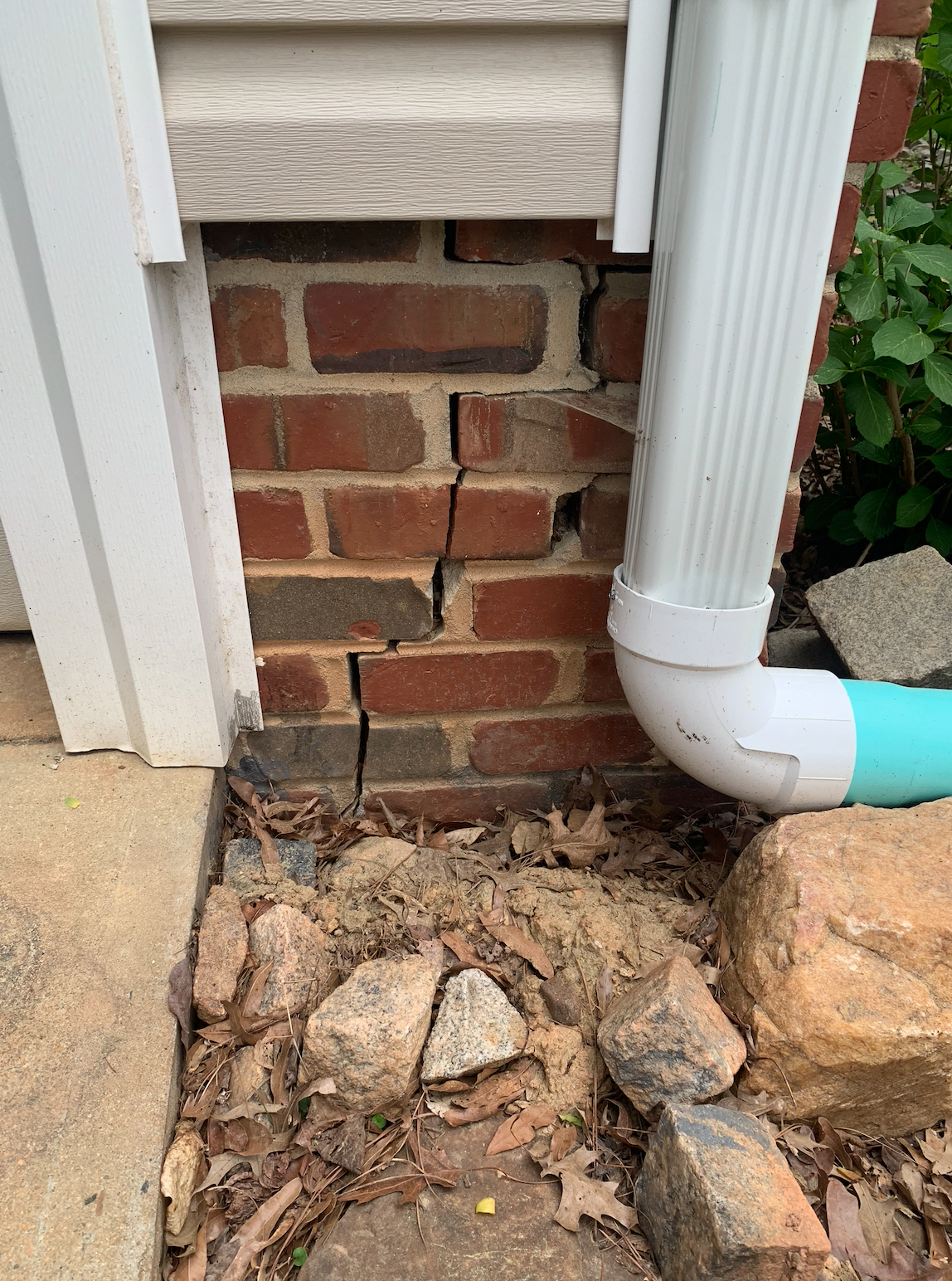
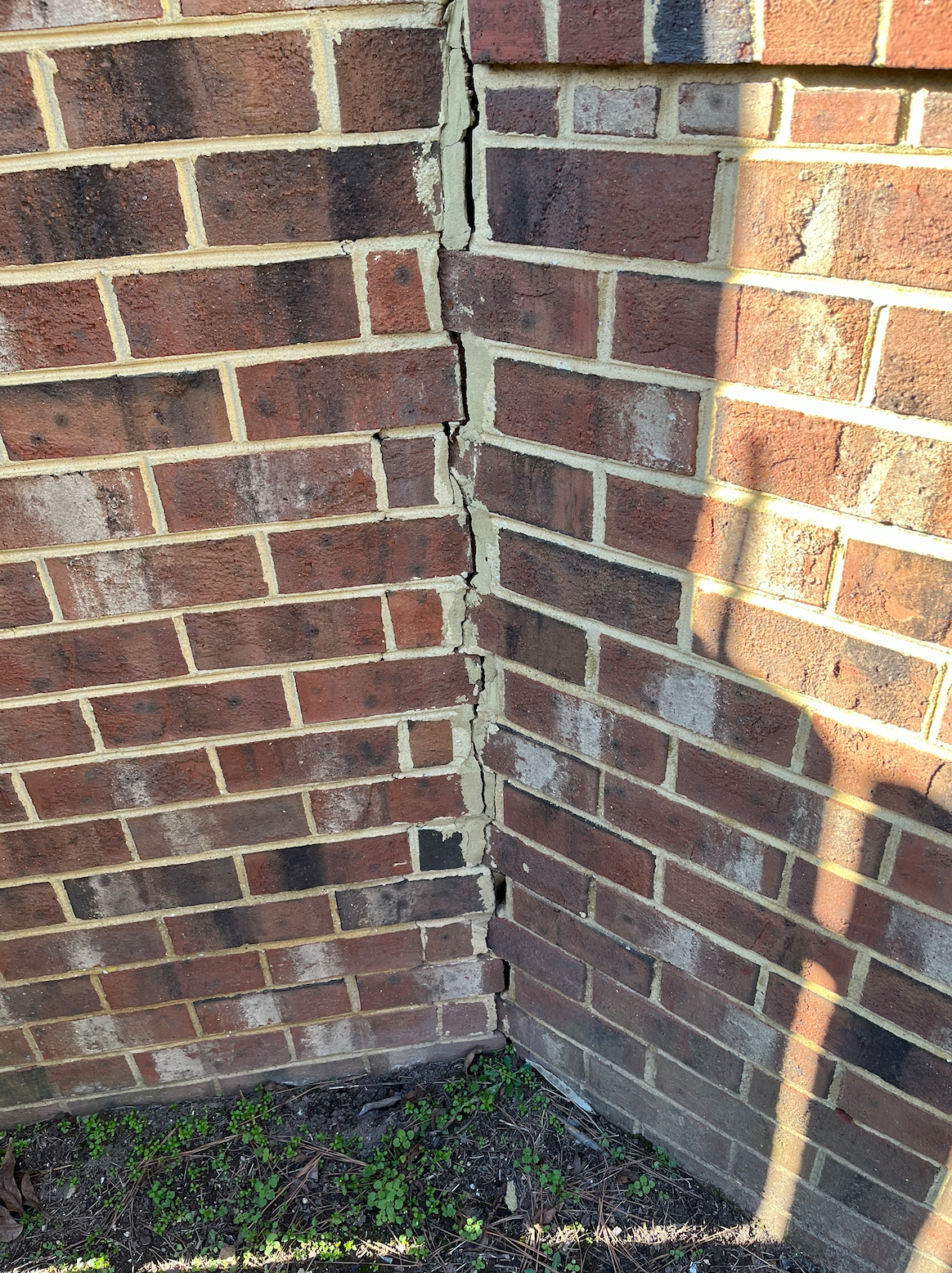
Hairline vertical cracks in poured concrete are often normal shrinkage. Horizontal cracks, stair-step cracks in block walls, and anything wider than a quarter inch indicate structural pressure and need evaluation. In this climate, even small cracks widen every winter — so they're worth watching closely.
Yes. We serve Brookline, Cambridge, Somerville, Quincy, Dorchester, South Boston, Jamaica Plain, East Boston, Charlestown, Medford, Malden, Watertown, Newton, Waltham, Milton, Arlington, and other communities across Greater Boston. We also serve Worcester and surrounding areas. If your area isn't listed, we may still be able to help — call to find out.