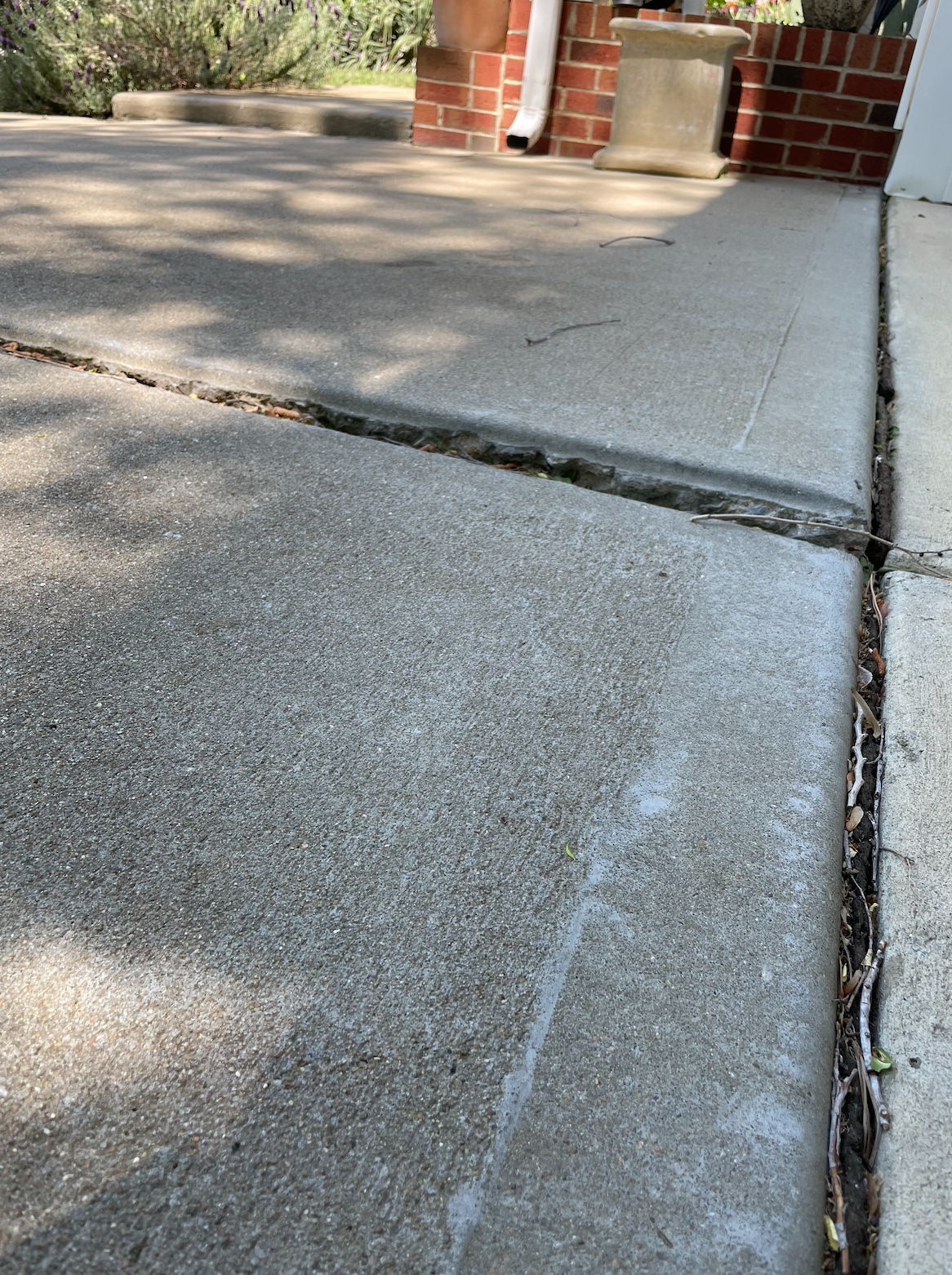
Cracks, water intrusion, and bowing walls get worse every freeze-thaw cycle — get answers before winter makes it worse.
I'm Ready For A Free Quote
Thank You For Your Submission!
A team member will be reaching out to you shortly.








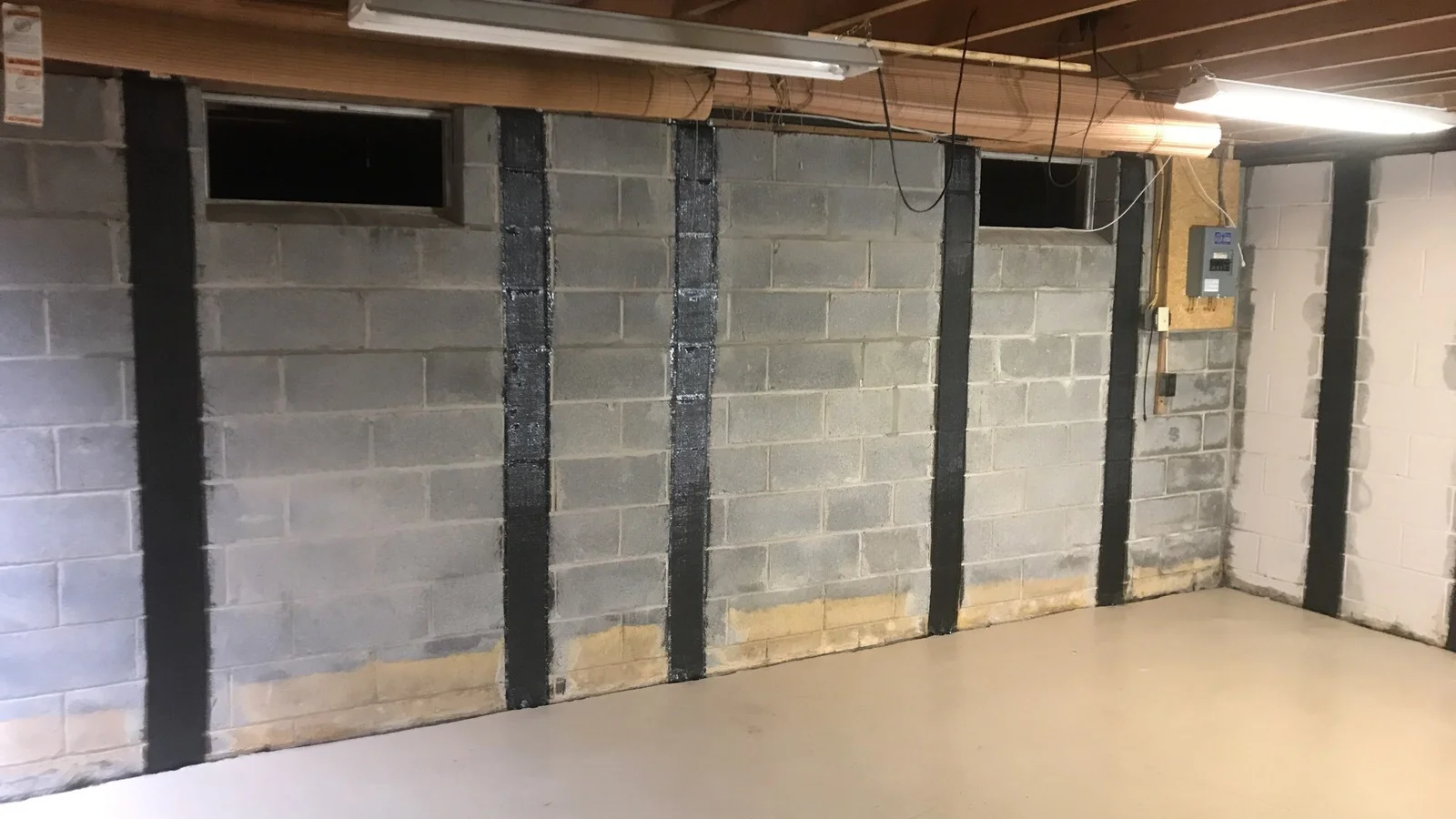
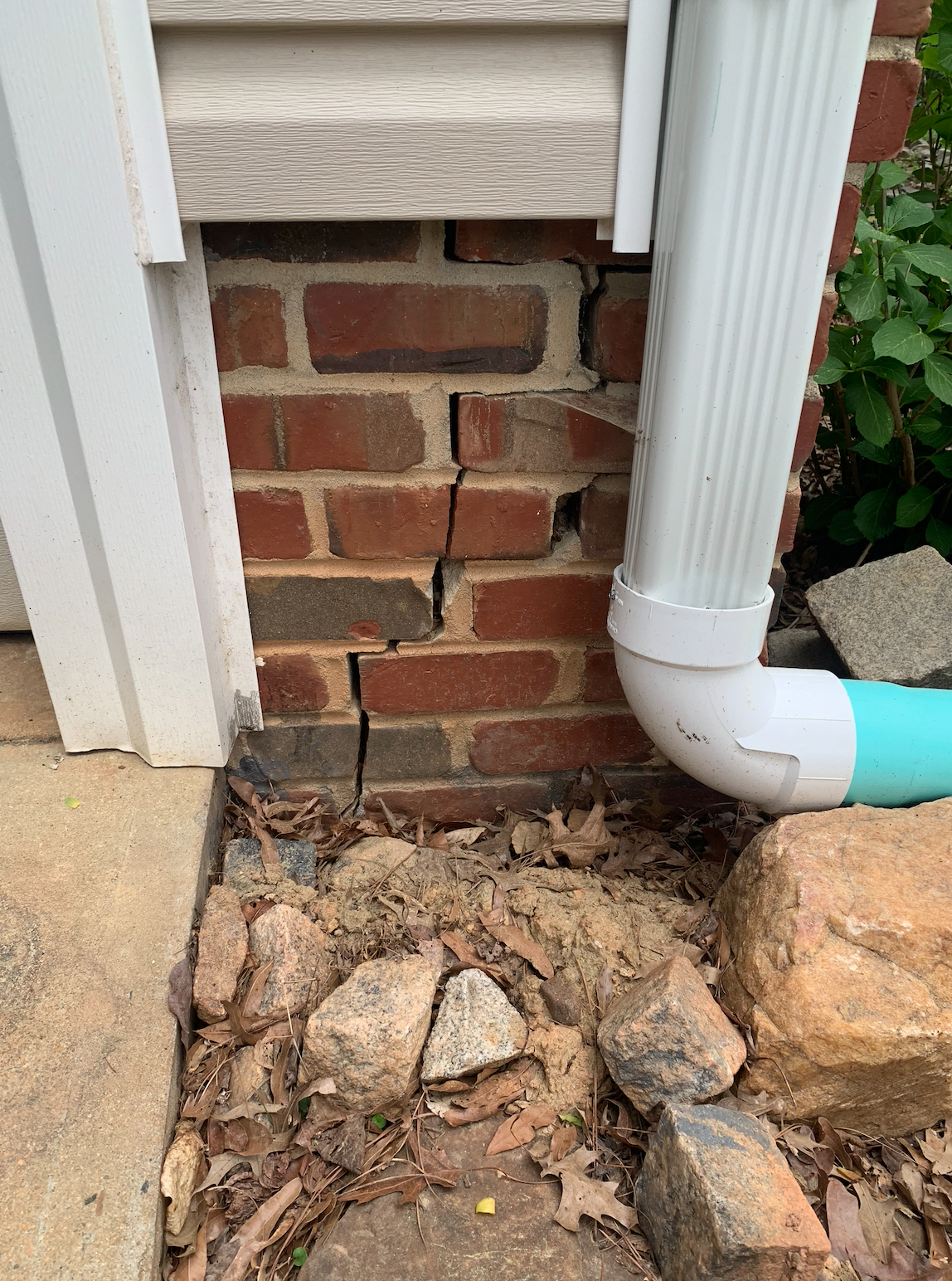
Wet basements, cracked walls, and settling foundations are not quirks of owning an older home. They are structural problems with permanent solutions. Here is what we fix and how we fix it.
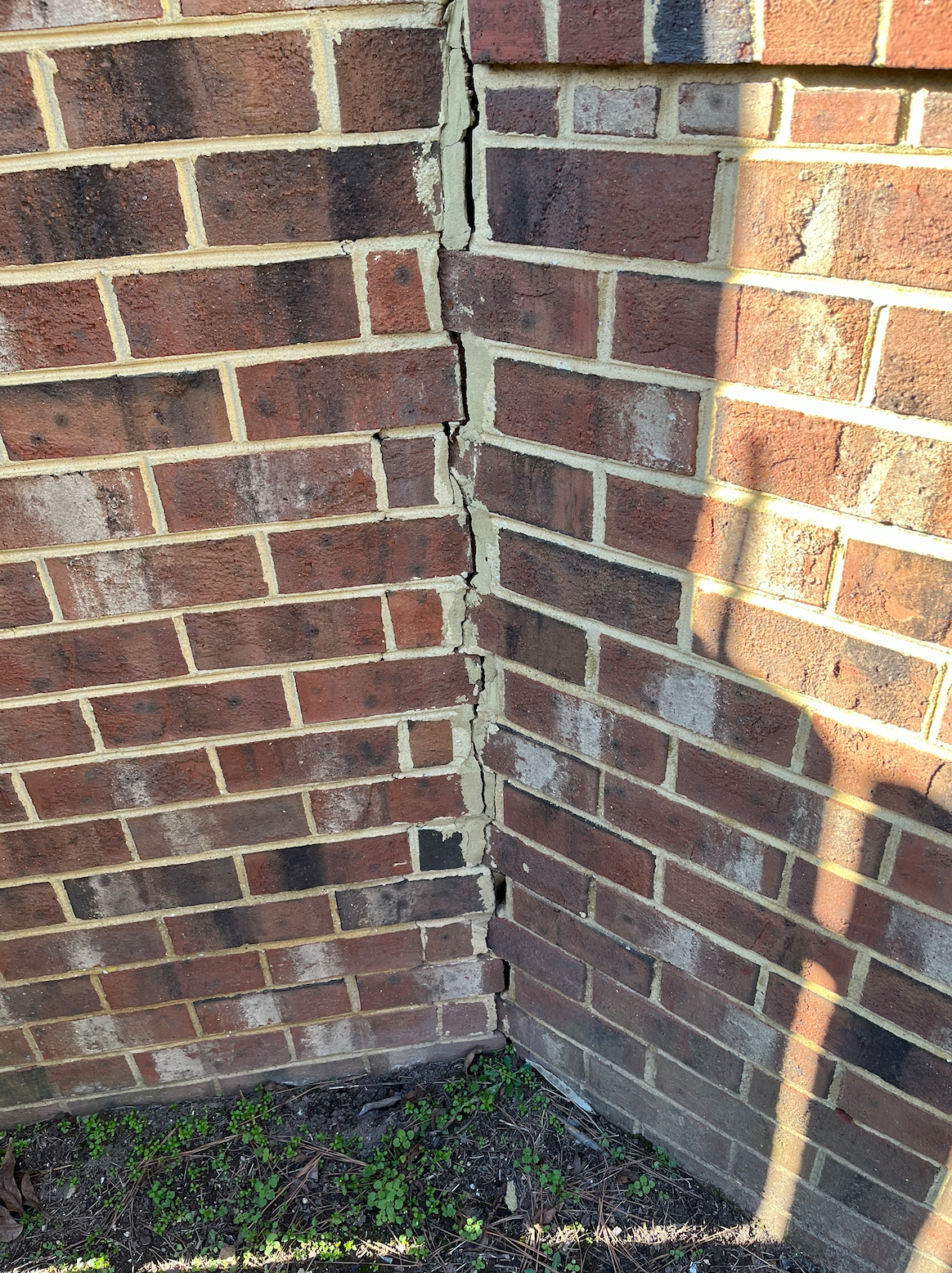
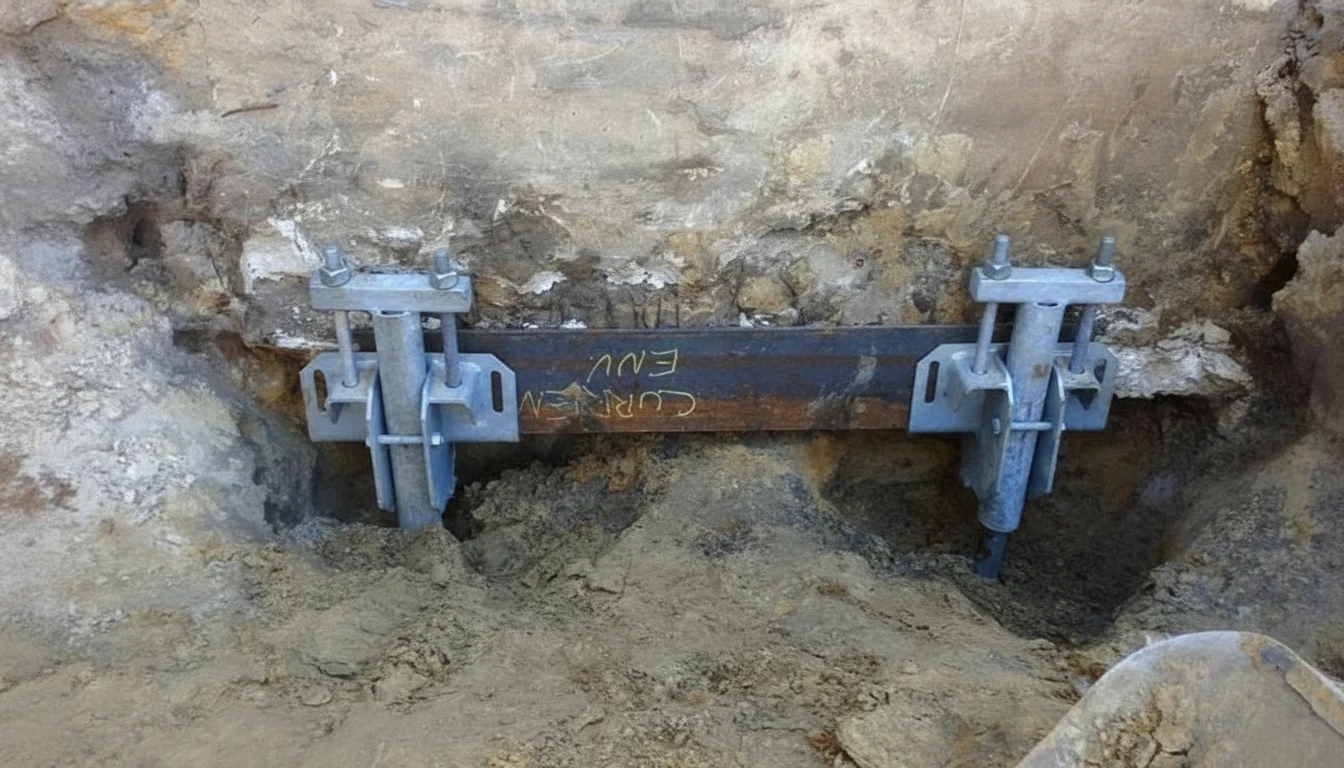
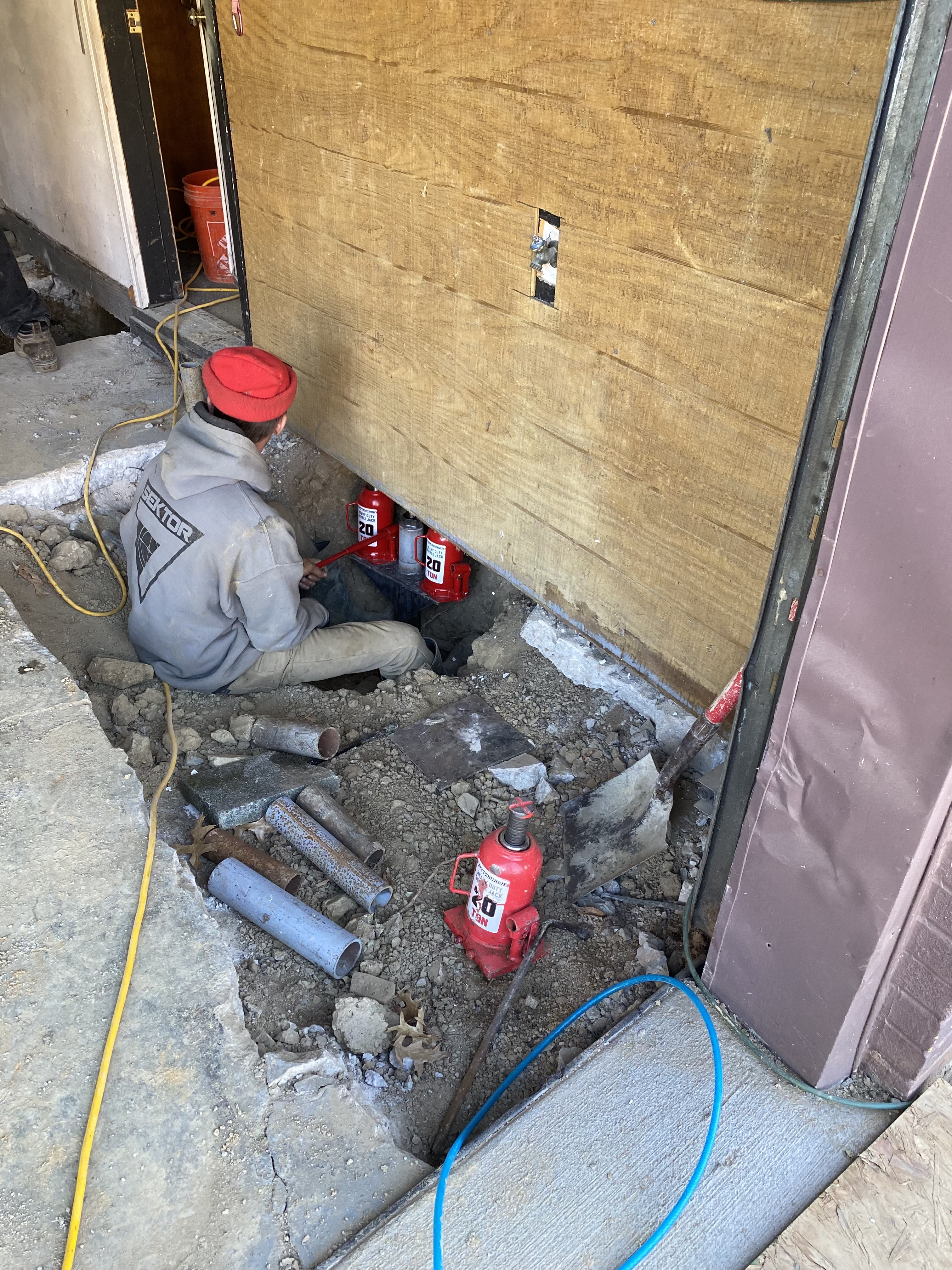
Clay soil in the Capital District swells when wet and shrinks when dry. That constant push-pull shifts foundations, cracks walls, and slopes floors. Piers and structural supports stop the movement and stabilize the home at load-bearing depth.
Learn More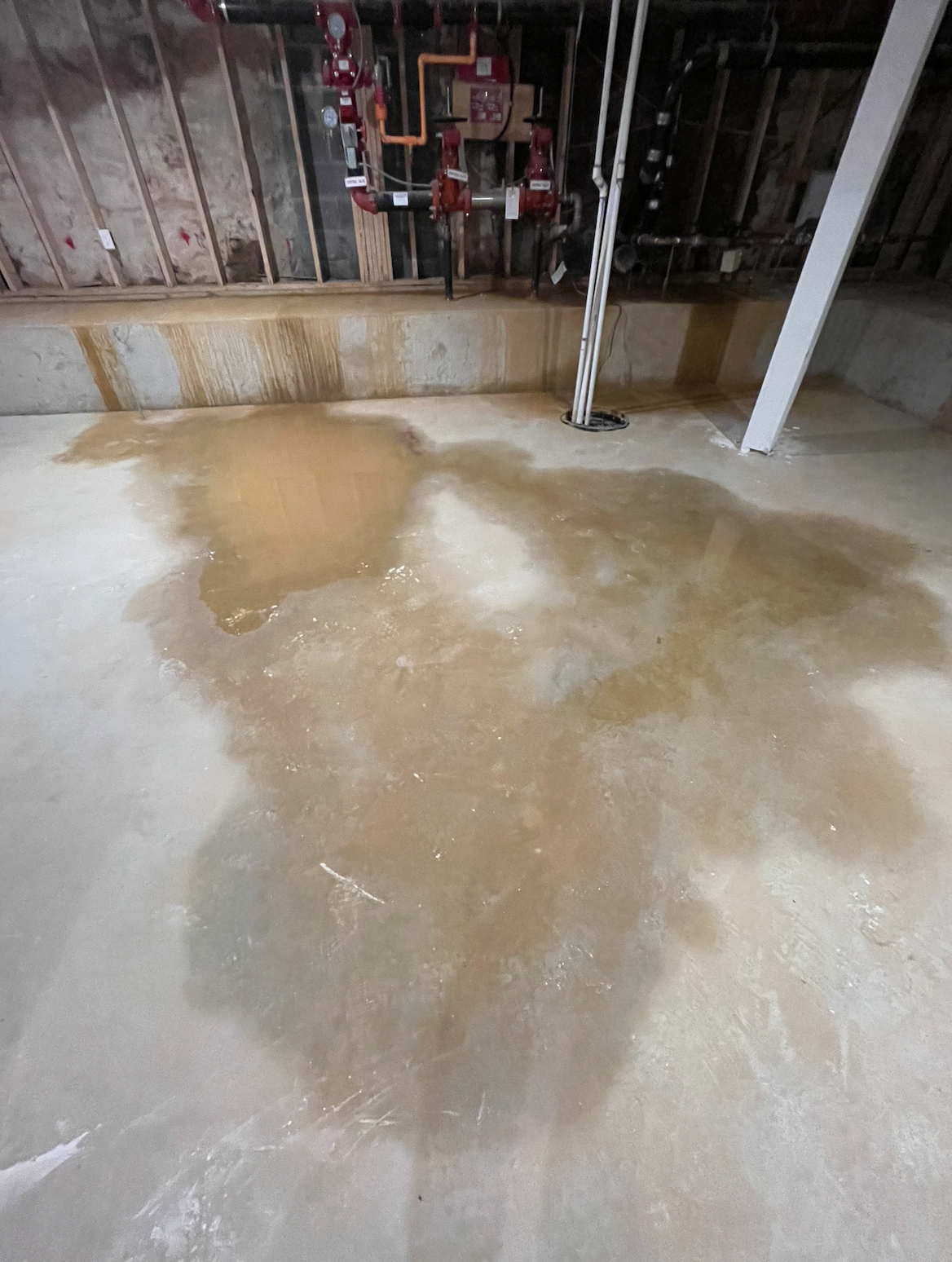
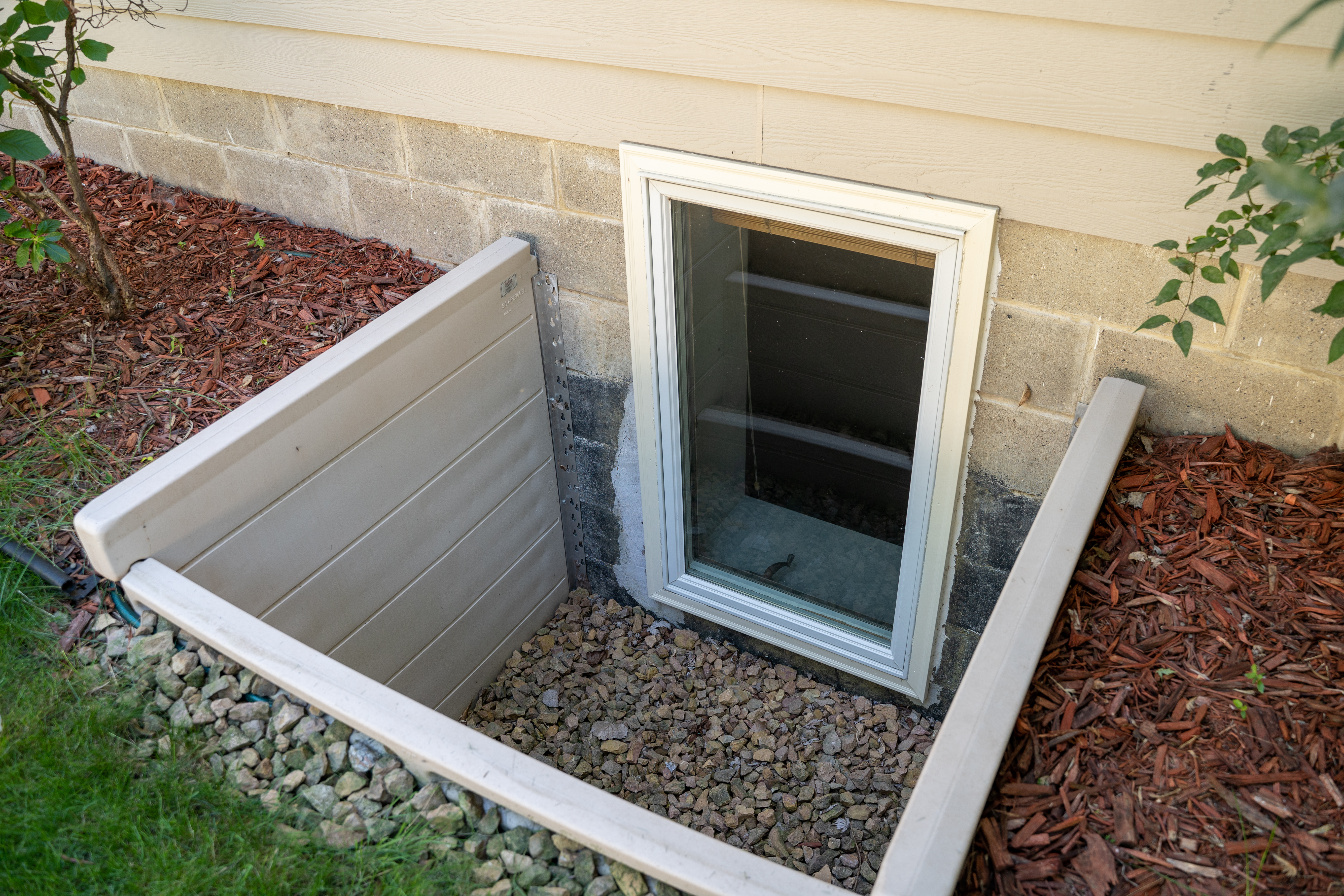
Water finds the floor-wall joint, mortar joints, and every crack the freeze-thaw cycle has opened. Interior drainage systems and proper sealing intercept that water before it reaches your floor — and keep it out for good.
Learn More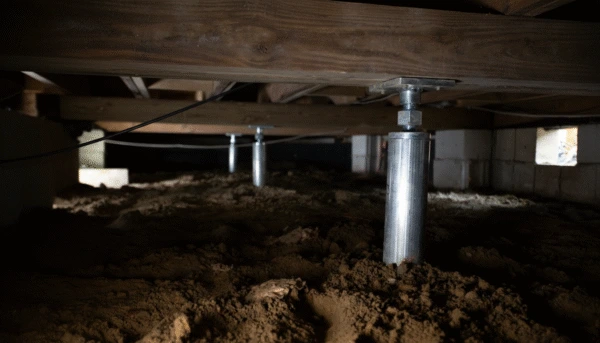
Sagging floors, soft joists, and standing moisture under your home mean the crawl space is failing. Structural supports and drainage corrections restore what is rotting and prevent further damage.
Learn More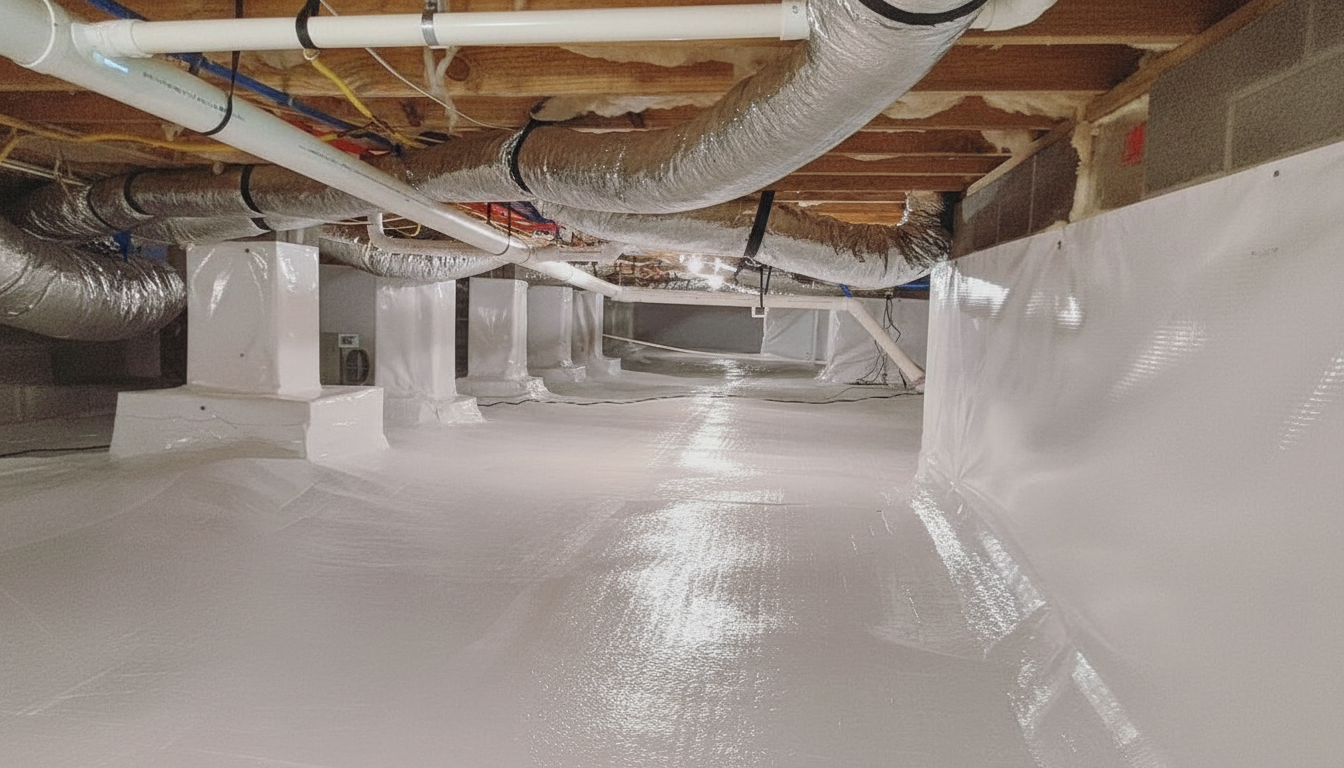
An open crawl space pulls humidity straight from the ground. That moisture feeds mold, rots wood, and degrades the air inside your home. A sealed vapor barrier with dehumidification stops the cycle.
Learn More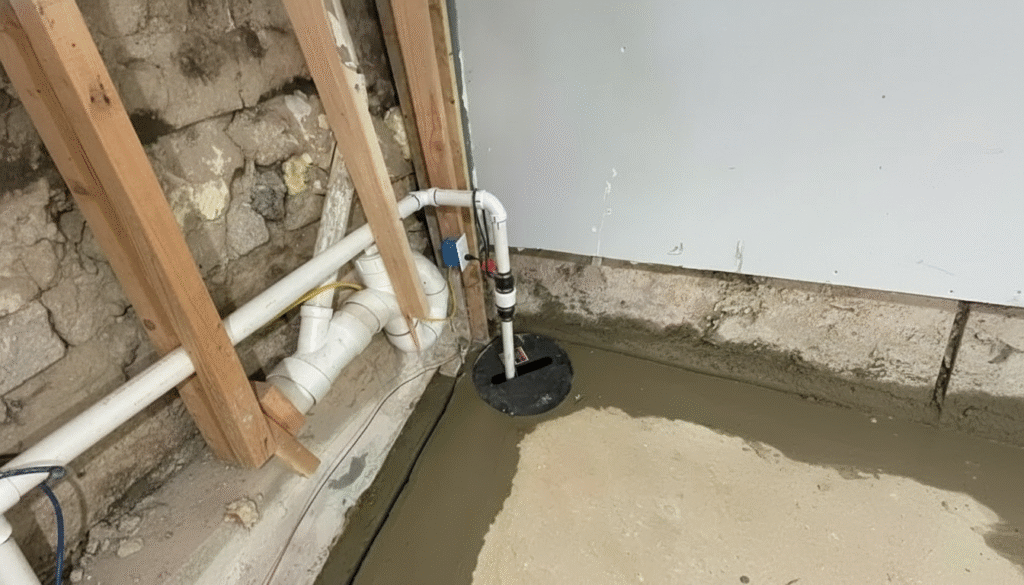
When spring snowmelt and heavy rain push water through your basement floor, a sump pump is the last line of defense. It collects water at the lowest point and moves it away from the foundation before flooding starts.
Learn More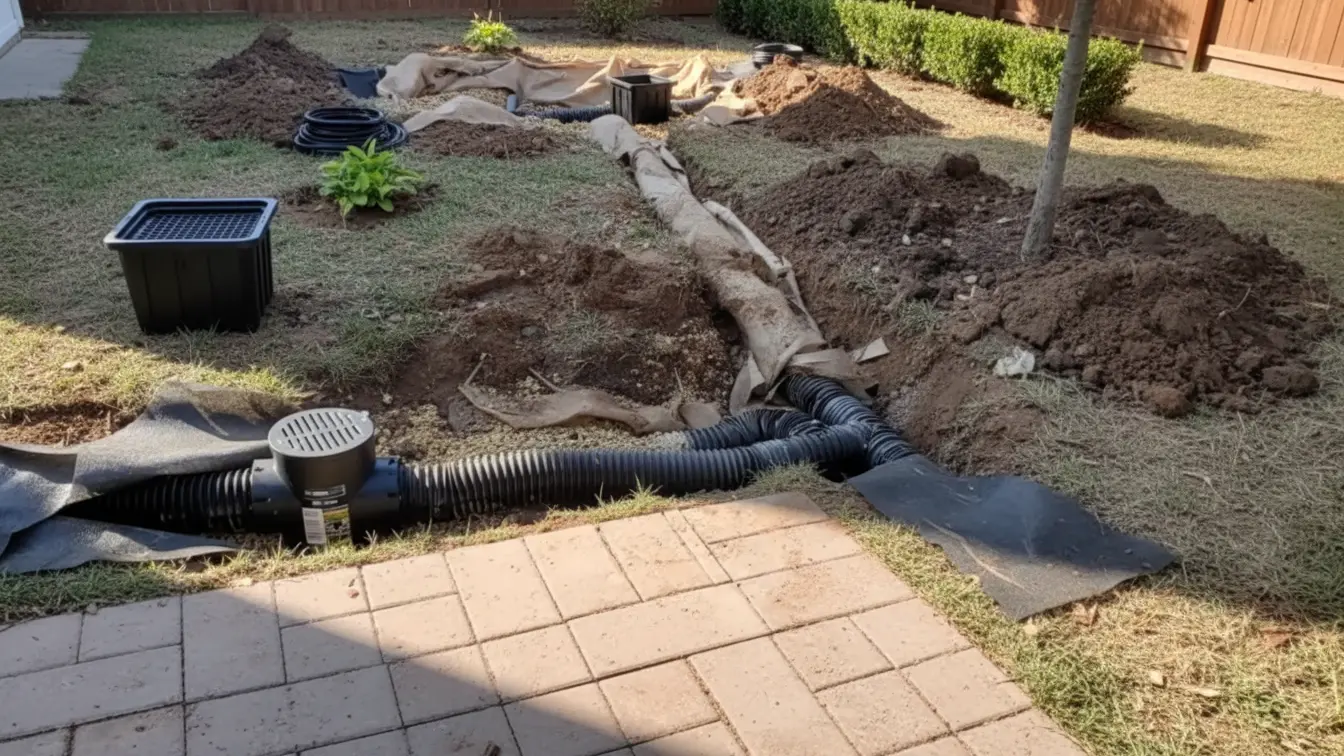
Clay soil holds water against your foundation instead of draining it away. A French drain intercepts that water underground and redirects it before it reaches your walls or basement floor.
Learn MoreGetting started is simple. Here's what to expect when you work with us.
Every foundation company in the Capital District offers a free inspection. The difference is what happens during and after it.
Every foundation company in the Capital District offers a free inspection. The difference is what happens during and after it.
If something does not need repair, we say so. A hairline crack that has not moved in two years does not need a $5,000 fix. That honesty is the reason people trust the recommendation when the problem is real.
Glacial clay soil that swells and contracts. Frost depths past four feet. Block and stone foundations from the 1940s with no original waterproofing. These are not generic problems — they require solutions matched to how homes in this area actually fail.
You get a written proposal before any work starts. It lists exactly what is being done, why, and what it costs. If something changes during the job, you hear about it before we proceed — not after.
Get My Free Quote
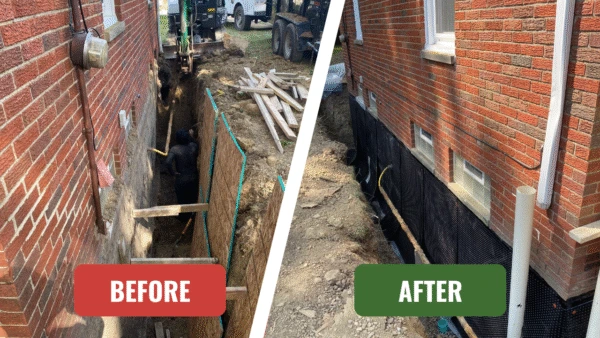
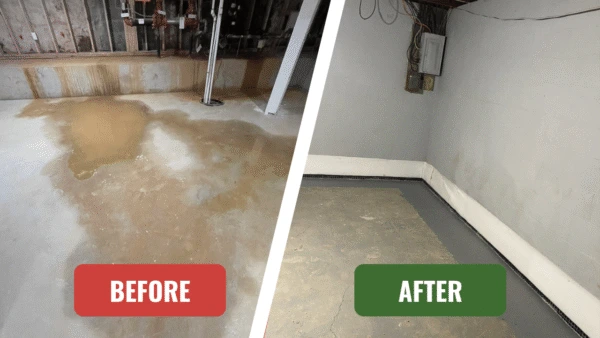
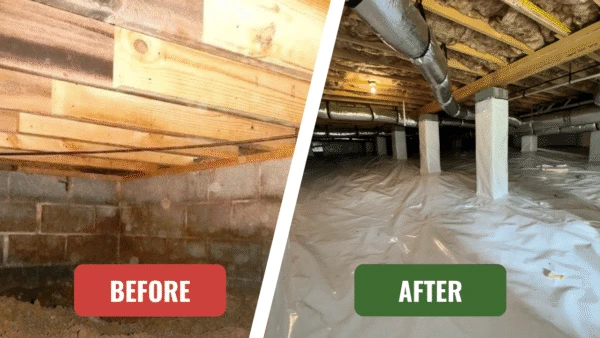
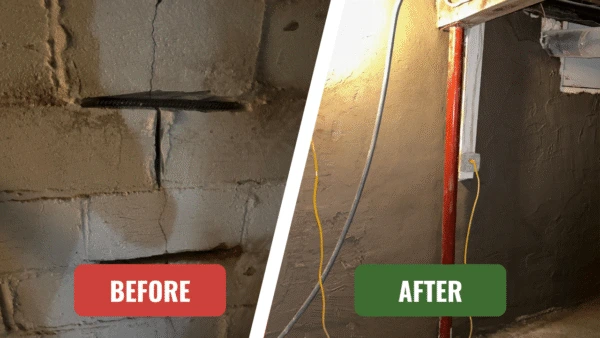
See the difference our work makes. Real projects, real results.
These are the questions Capital District homeowners ask most. If yours is not listed, call and ask directly.
It depends on the type and extent of the damage. A single crack injection can cost a few hundred dollars. Structural work involving piers, wall stabilization, or full-perimeter waterproofing typically ranges from several thousand to five figures. The only way to get an accurate number is a free on-site inspection — every home is different.
In most cases, no. Insurance companies treat foundation settling, cracking, and water intrusion from groundwater as maintenance issues rather than sudden damage. There are rare exceptions for covered events like burst pipes, but standard policies almost never apply. Plan to pay out of pocket or through financing.
Look for cracks that are diagonal, stair-stepping through mortar joints, or wider than a quarter inch. Doors and windows that stick. Floors that slope. Basement walls that bow inward. White mineral deposits on the wall mean water is pushing through. One symptom alone might not mean much — but two or three together usually point to a real problem. A free inspection gives you a clear answer.
Yes. Most foundation and waterproofing repairs are completed while you live in the house. The work is contained to the affected area — basement, crawl space, or exterior perimeter — and daily routines are rarely disrupted.
It gets worse. Every freeze-thaw cycle widens cracks and increases soil pressure on basement walls. Water intrusion leads to mold and wood rot. A bowing wall does not straighten itself — it moves further. What starts as a minor repair can become a major structural project within a few winters. The cost goes up and the damage spreads.
Yes. We work across the Capital District and surrounding communities including Schenectady, Troy, Colonie, Guilderland, Latham, Delmar, Clifton Park, Saratoga Springs, Loudonville, and Bethlehem. If your area is not listed, we may still be able to help — call to find out.