Cracks, leaks, and bowing walls get worse — not better. Get answers before the damage spreads.
I'm Ready For A Free Quote
Thank You For Your Submission!
A team member will be reaching out to you shortly.








The clay soil under most homes here expands when wet and contracts when dry. That cycle cracks walls, pushes water in, and shifts foundations. These are the services that stop it.
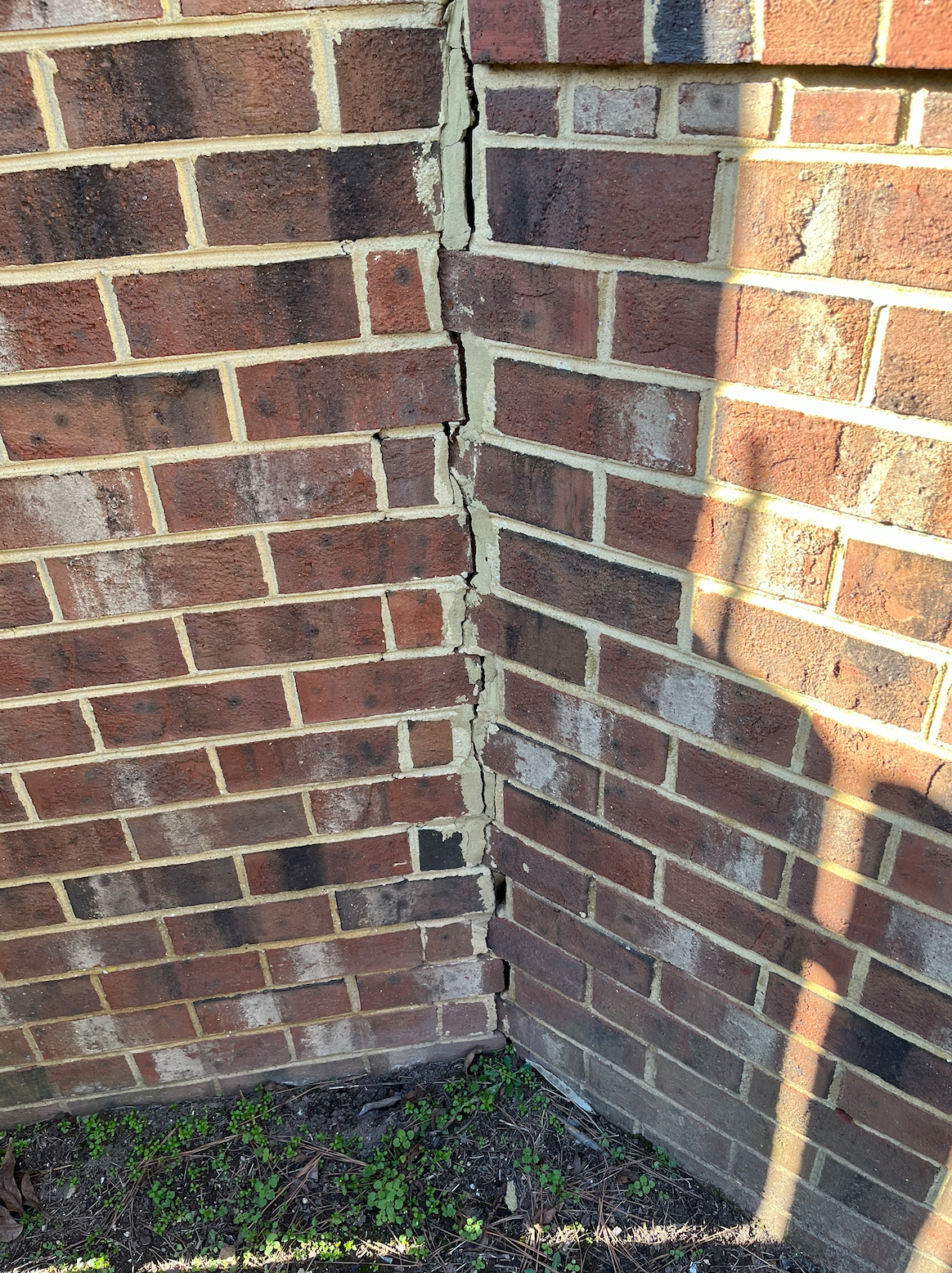
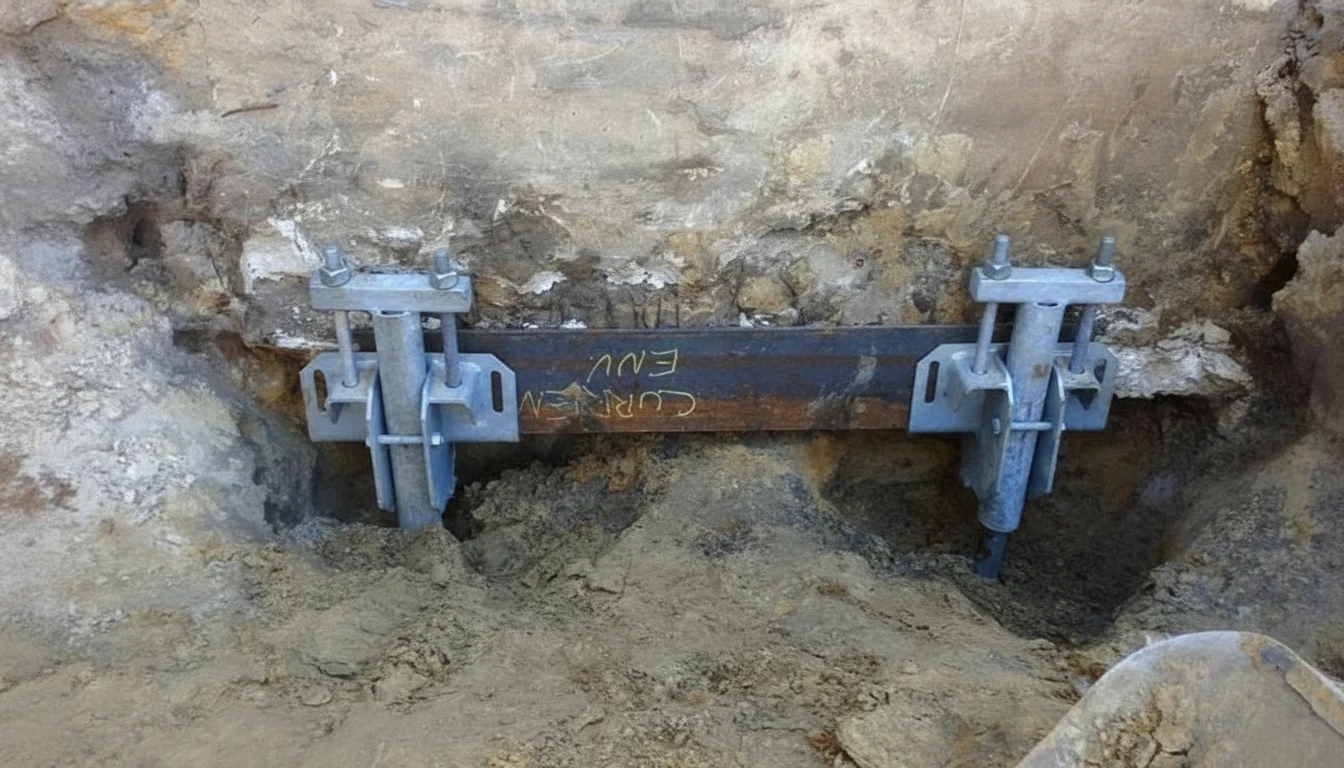
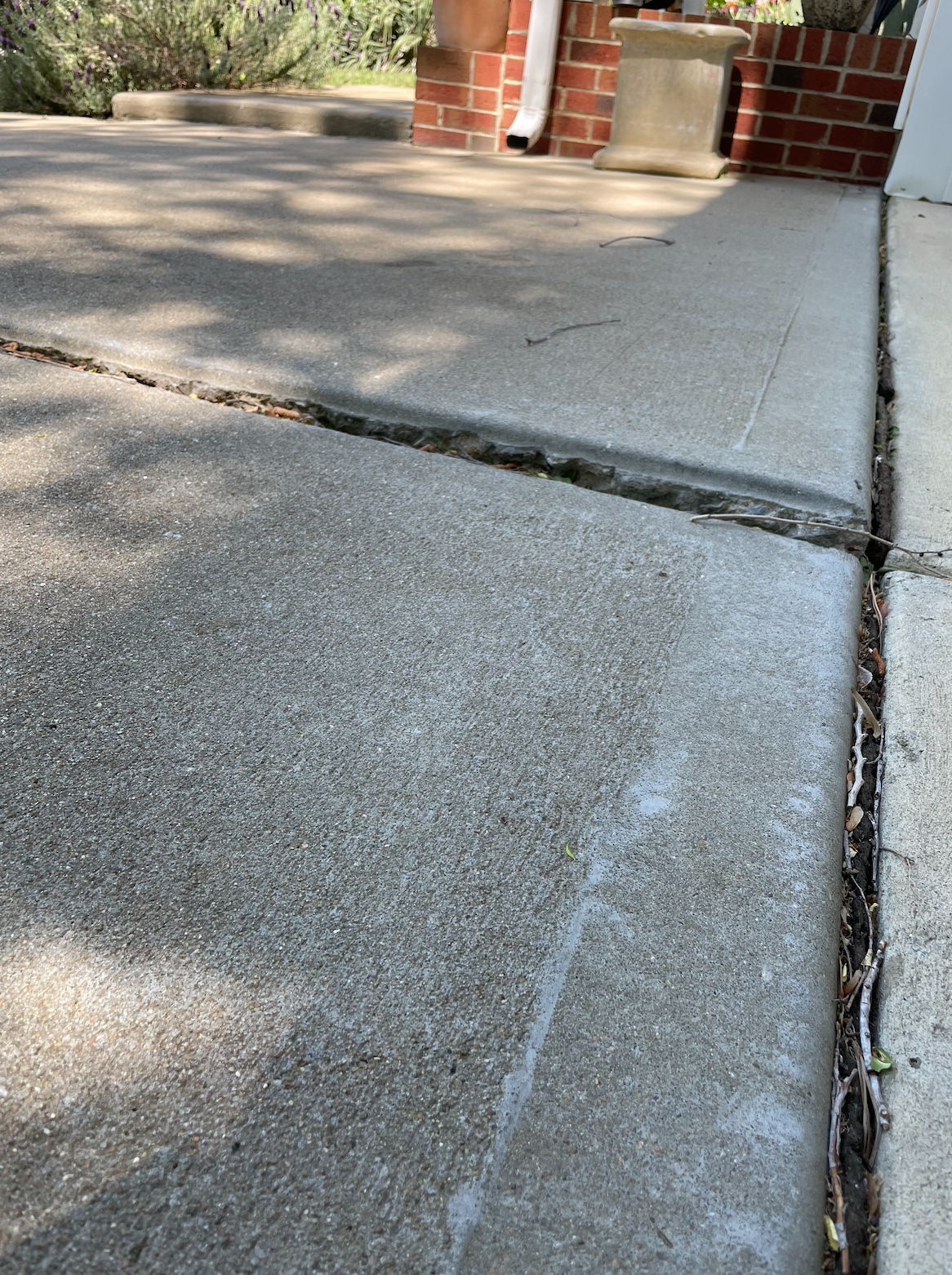
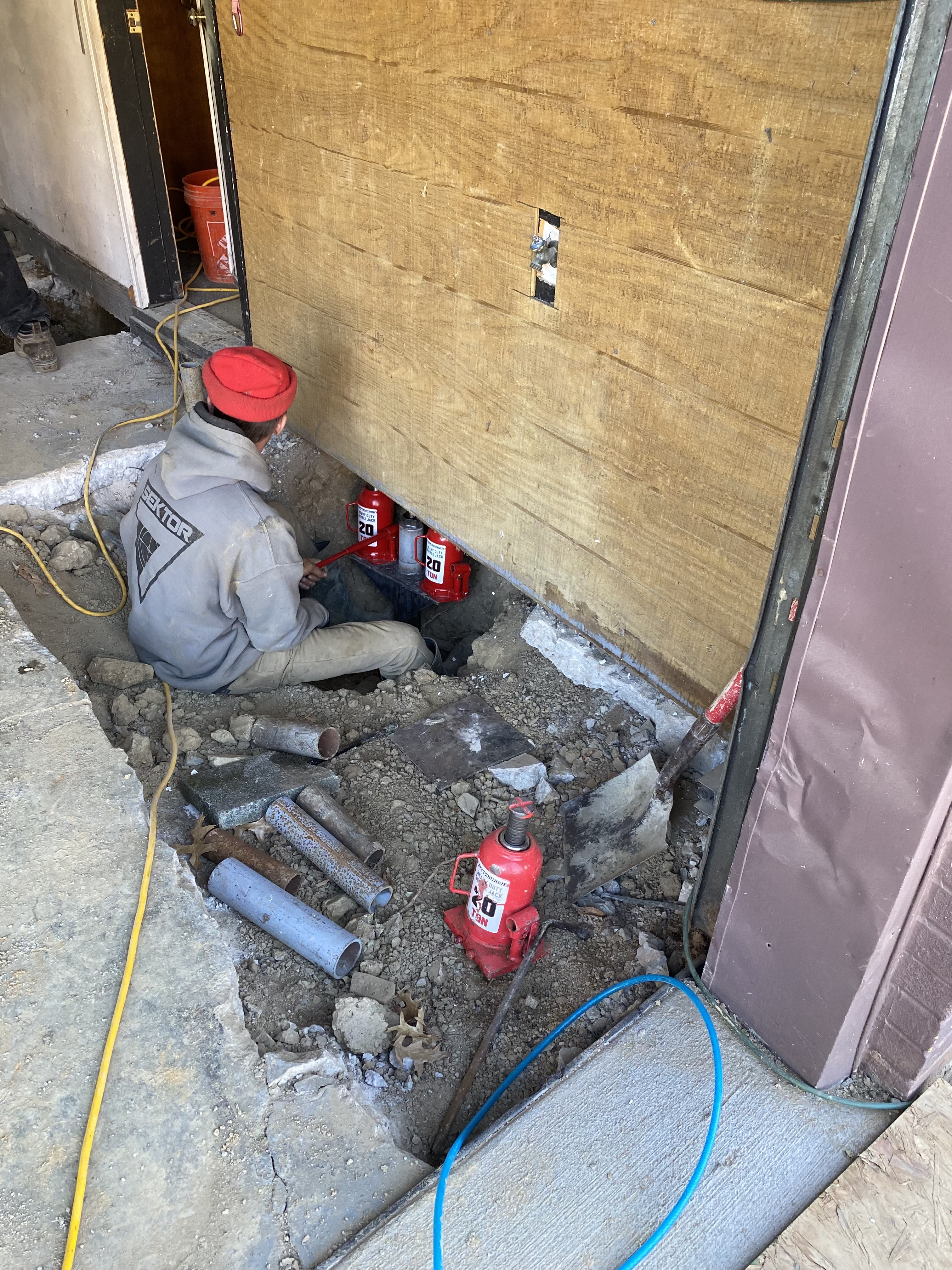
Settling foundations show up as cracked walls, stuck doors, and uneven floors. We stabilize the structure with pier systems that reach past unstable soil to solid ground — stopping the movement for good.
Learn More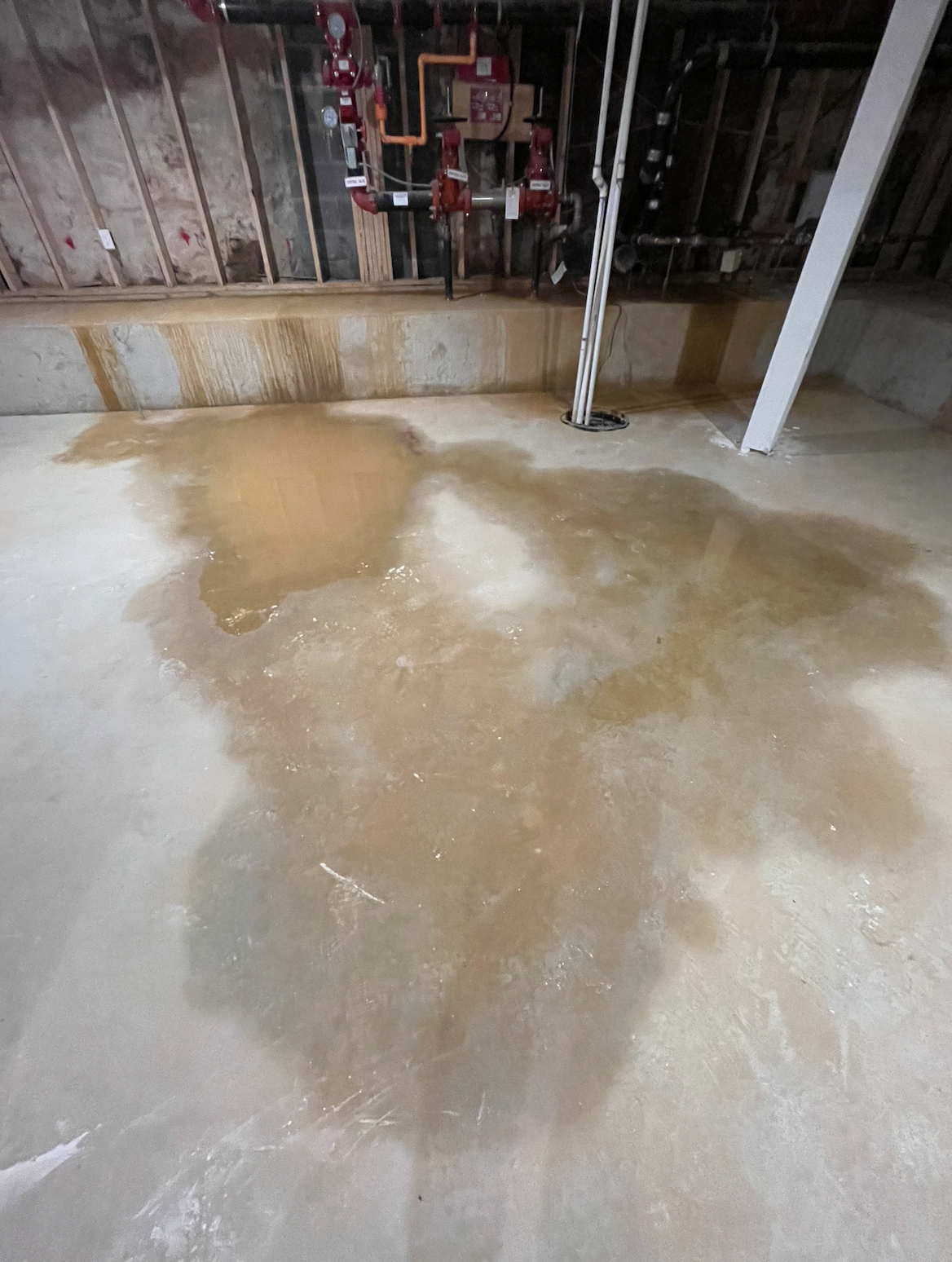
Water pushing through basement walls after rain is the most common call we get. We install interior drainage that captures water at the wall-floor joint and routes it out before it ever reaches your floor.
Learn More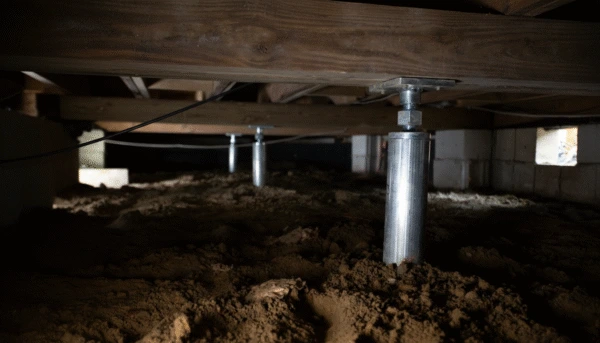
A failing crawl space causes sagging floors, moisture damage, and air quality problems throughout the house. We repair structural supports and damaged joists to restore stability from underneath.
Learn More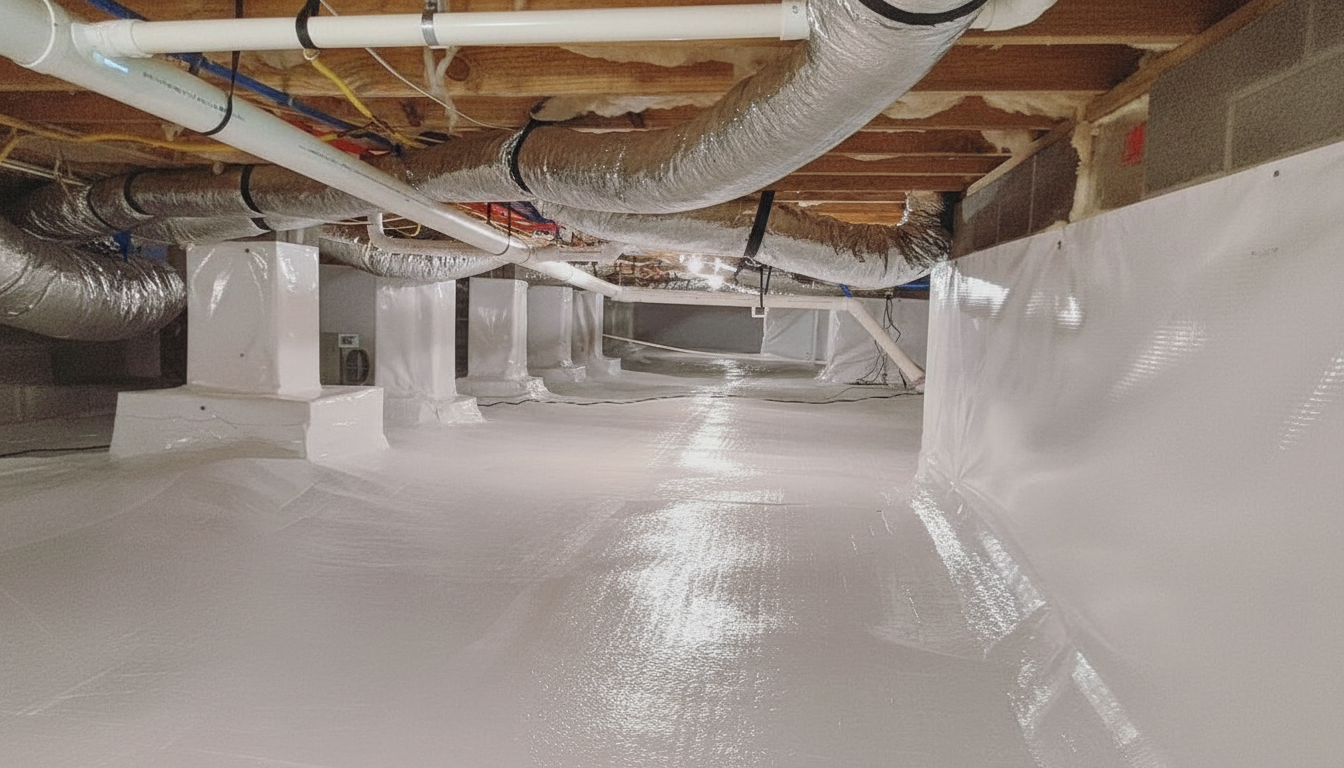
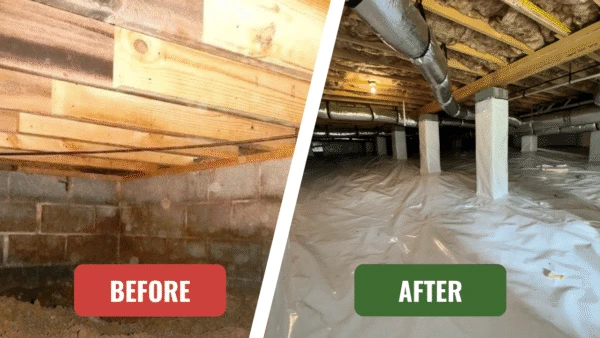
An open crawl space pulls moisture, mold, and pests straight into your home. We seal it with a heavy-duty vapor barrier and dehumidifier — cutting off the source.
Learn More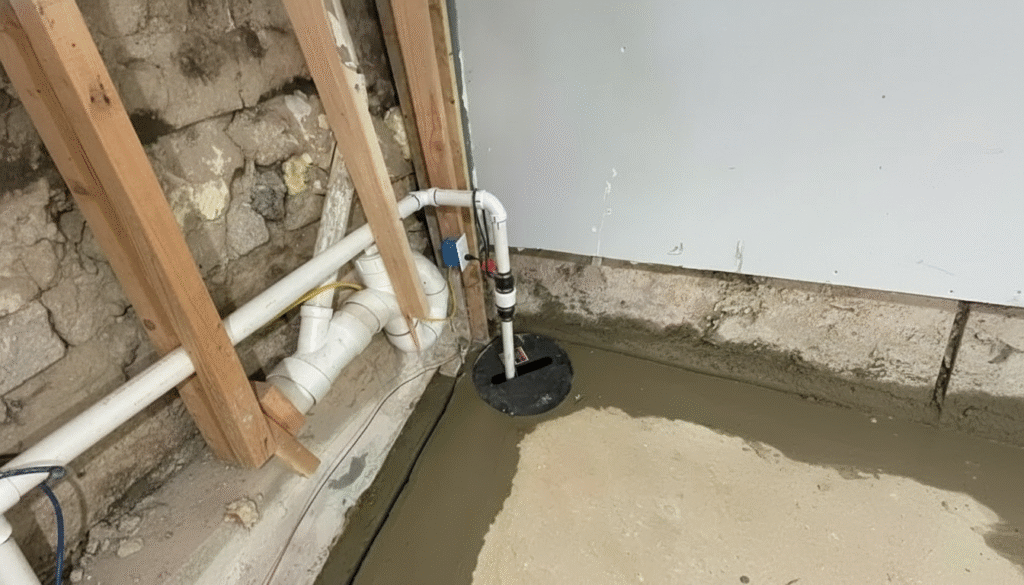
A sump pump is your last line of defense against a flooded basement. We install reliable systems with battery backup so water gets pumped out even when the power goes down during a storm.
Learn More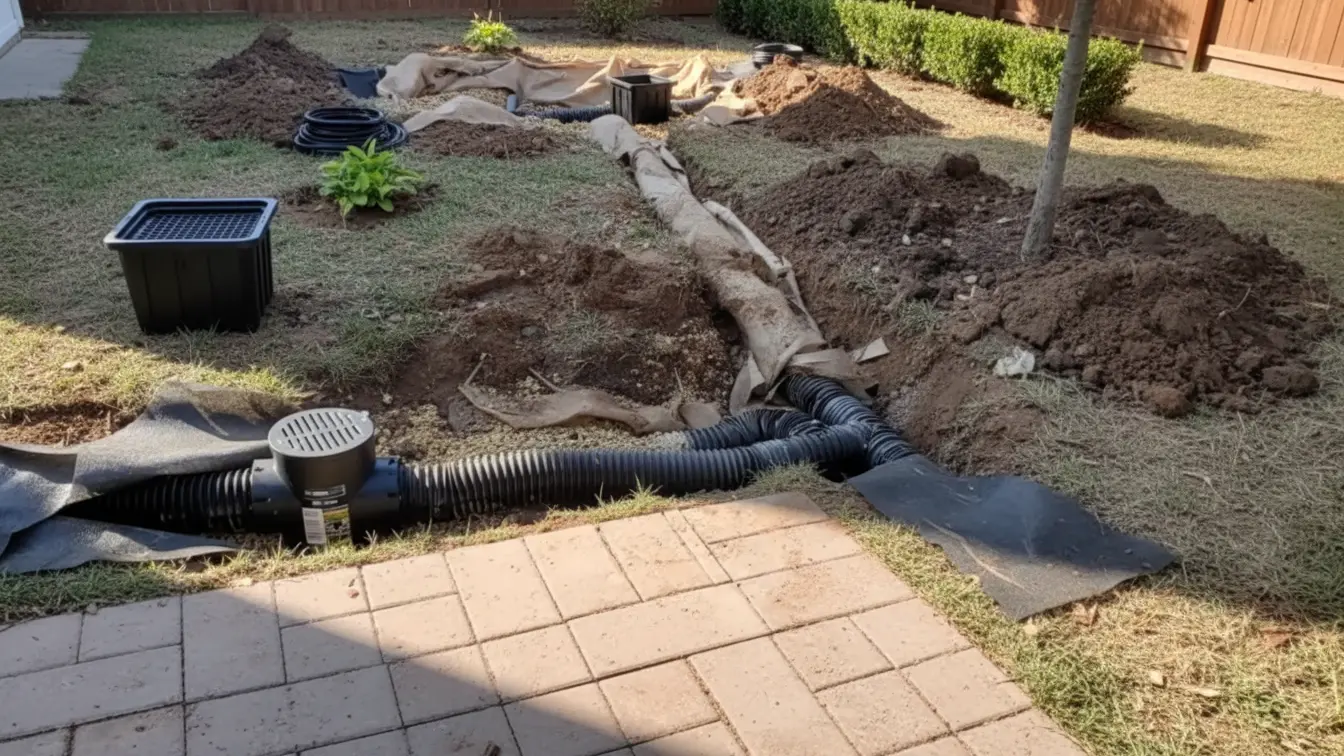
French drains collect water along your foundation walls and move it to the sump pit before it hits your basement floor. This is the core of most waterproofing systems we install.
Learn MoreGetting started is simple. Here's what to expect when you work with us.
Most foundation companies in this market say the same things. Here is what we actually do differently.
Most foundation companies in this market say the same things. Here is what we actually do differently.
Not every crack is structural. Not every damp spot means your basement needs a full drainage system. During the inspection, if something doesn't need repair, we say so. That honesty is the fastest way to earn trust — and it is the reason homeowners refer us to their neighbors. We would rather lose a sale than sell you something you don't need.
Sealing a crack without addressing the pressure behind it just means another crack opens somewhere else. The clay soil here swells with every rain and contracts between storms. That cycle is what cracks your walls and pushes water in. We address the source — whether that is relieving hydrostatic pressure with drainage, reinforcing a wall that is bowing from soil expansion, or stabilizing a footing that has settled. The goal is a repair you never have to think about again.
Every repair comes with a written warranty that spells out what is covered. Not a handshake. Not a vague promise. A specific document. If the problem comes back, we come back. That is the standard — and anything less should raise a red flag.
Get My Free Quote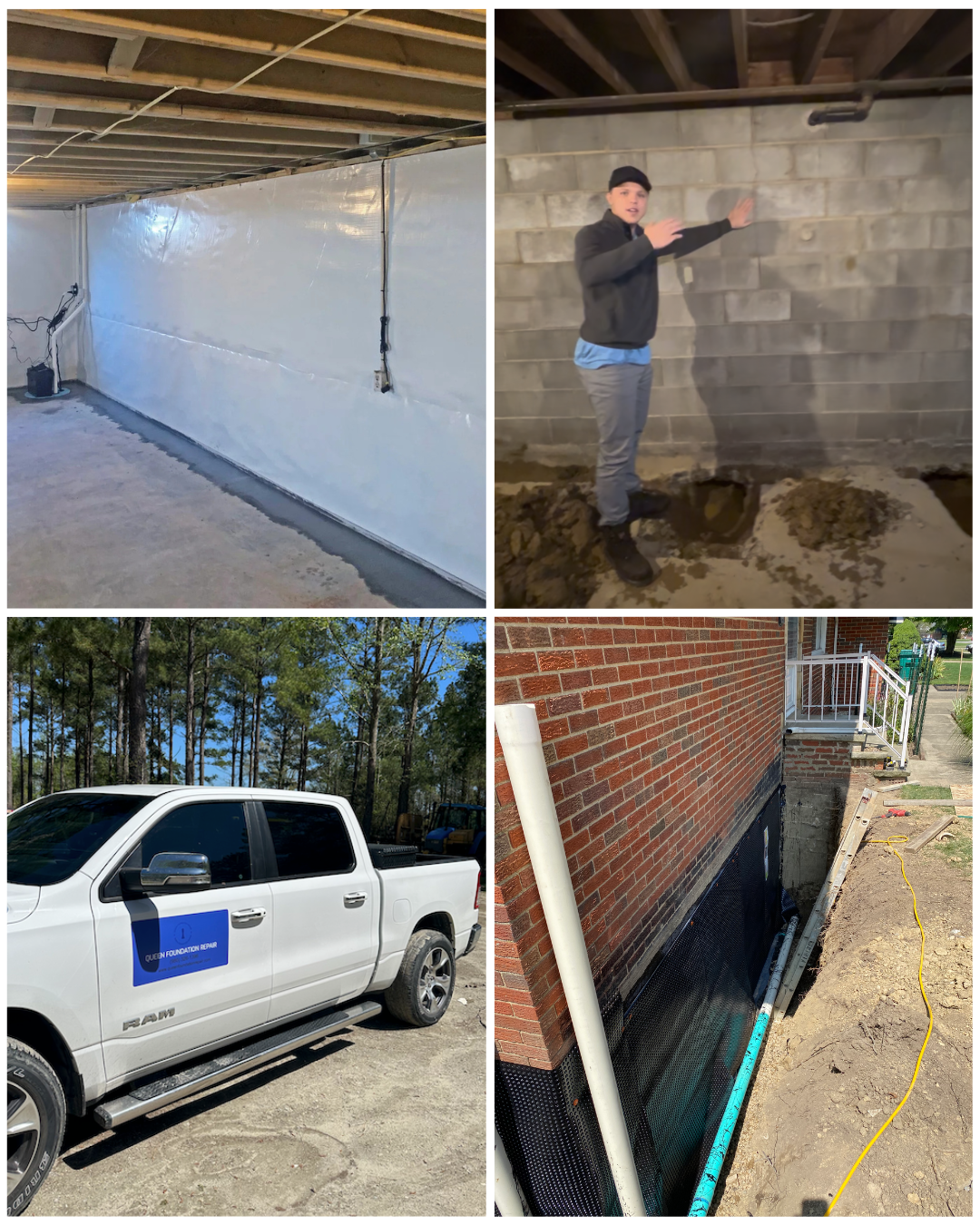
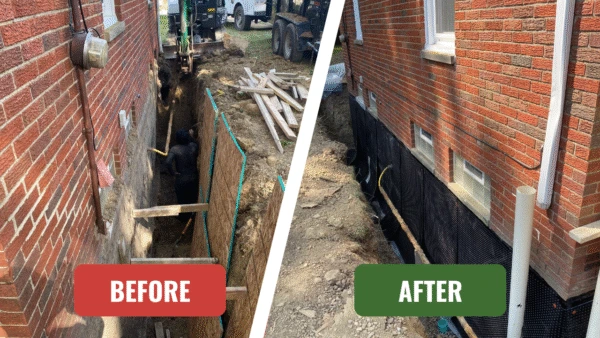
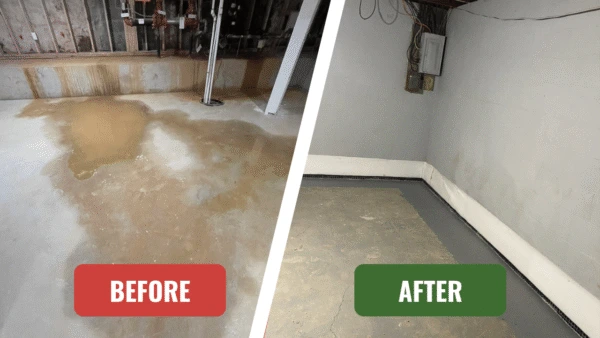
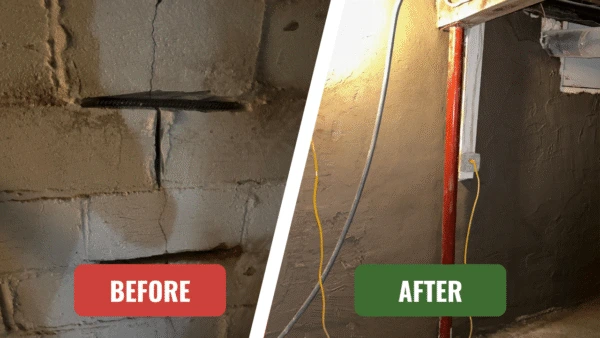
See the difference our work makes. Real projects, real results.
If your question is not listed here, call and ask. We would rather answer it now than have you guess.
The soil under most homes in this area is glacial clay. It absorbs water and expands, then dries out and shrinks. That constant movement pushes against basement walls, opens cracks, and forces water through gaps that didn't exist when the house was built. Add freeze-thaw cycles every winter and over a third of the housing stock built before 1940, and you have foundations that are under pressure from every direction.
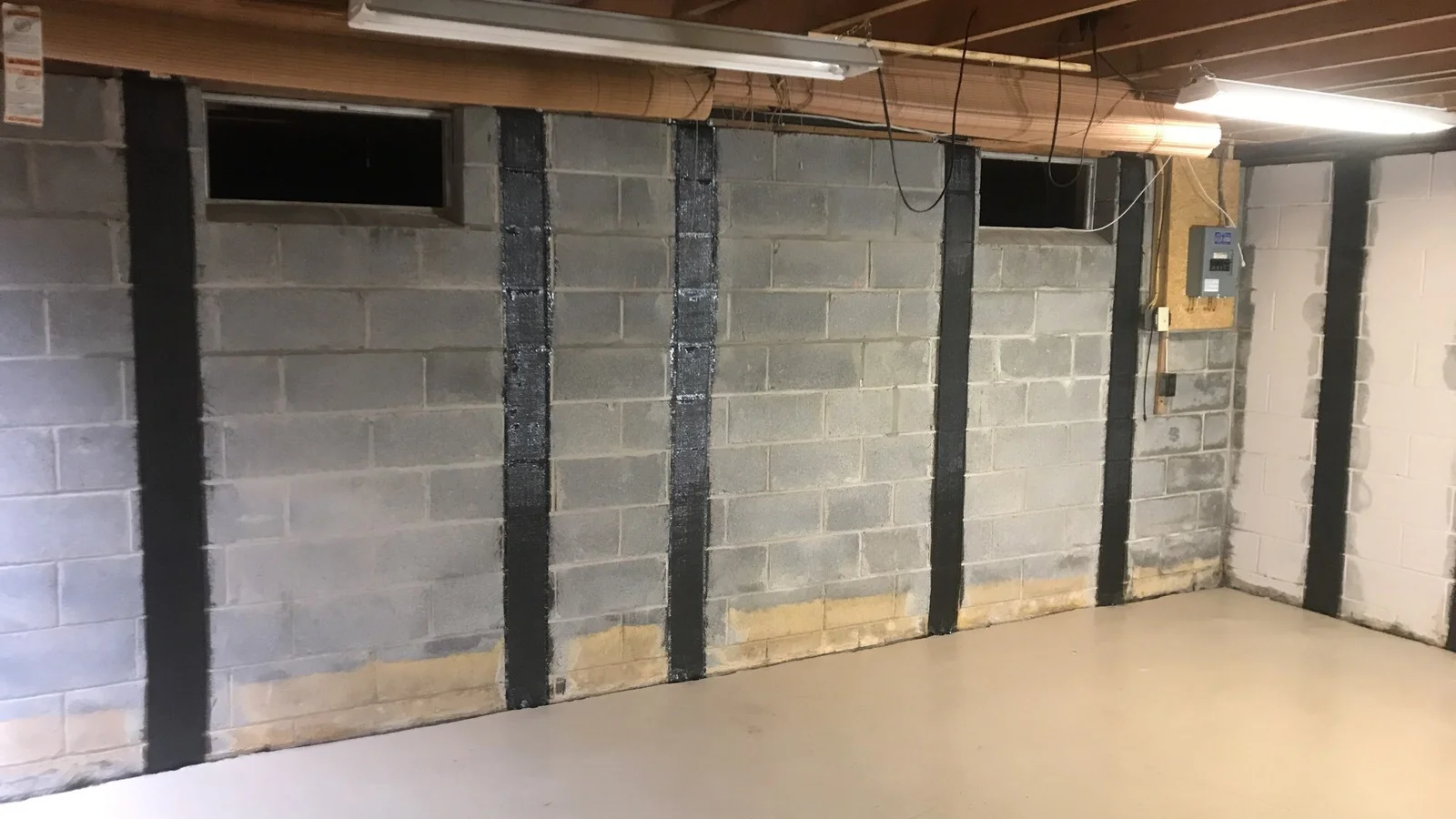
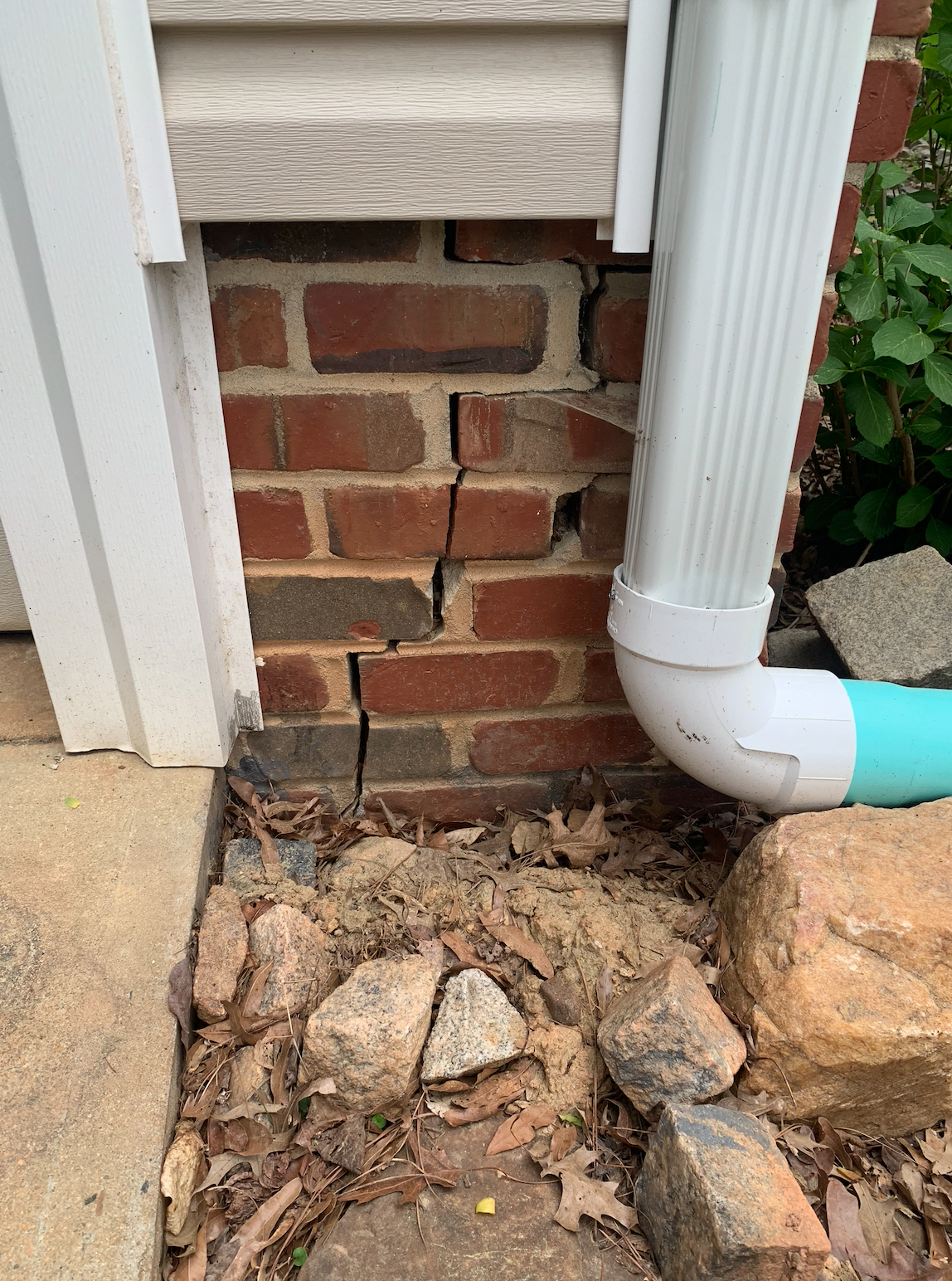
Vertical hairline cracks are common and often cosmetic. Horizontal cracks, stair-step cracks along mortar joints, and walls that are visibly leaning are different — those are signs of soil pressure pushing the wall inward. If doors are sticking, floors feel uneven, or water comes in after rain, something is moving. A free inspection tells you exactly what you are dealing with.
Foundation problems do not stabilize on their own. A crack that leaks today gets wider next winter. A wall that has bowed half an inch keeps moving. The longer you wait, the more involved the repair becomes. Early-stage fixes are simpler and less expensive. Waiting turns a manageable repair into a major project.
Usually not. Standard policies in Ohio cover sudden damage like a burst pipe — not settling, soil pressure, or water seeping through walls over time. Flood insurance is a separate policy and may cover some storm damage, but not the waterproofing system itself. Check with your carrier, but most homeowners pay out of pocket. Financing is available to help.
It depends on the scope. A crack injection can be done in a few hours. A full interior waterproofing system with a French drain and sump pump usually takes two to three days. Wall anchors or pier installation typically takes one to two days. You will know the timeline before any work starts.
Yes. We work throughout Summit County and the surrounding area — including Cuyahoga Falls, Barberton, Tallmadge, Stow, Fairlawn, Green, Hudson, Norton, Kent, and Wadsworth. If your area is not listed, we may still be able to help — call to find out.