
Cleveland homes get water problems from clay soil and rain. The soil swells when it gets wet. Interior waterproofing seals cracks, puts in drains, and stops leaks. Common fixes include drain pipes, sump pumps, vapor barriers, and wall coatings. Fast action stops mold, foundation damage, and big repair bills. We help basements in The Flats, Kamm’s Corners, and all of Cuyahoga County. Visit page about other waterproofing services
What Interior Basement Waterproofing Does in Cleveland OH
In Cleveland OH, interior basement waterproofing stops water from getting into your basement through foundation walls and floor cracks.
This page covers:
- Drainage systems that move groundwater away before it floods your basement
- Ways to seal cracks that stop leaks along walls and floors
- Sump pump setup that removes water on its own during heavy rain
- Vapor barriers that block moisture and stop mold on concrete
What to expect:
- Most inspections happen within 48 hours in Cleveland areas
- We find where water comes from, suggest fixes, and give you a written plan
Why this matters:
- Professional waterproofing protects your home and keeps living spaces dry all year
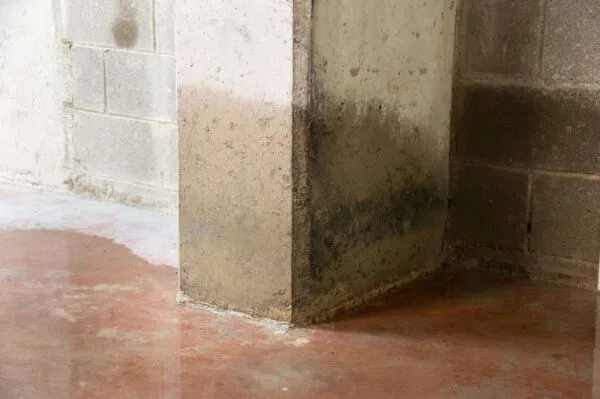
Water Stains on Basement Walls Show Active Leaks That Need Sealing
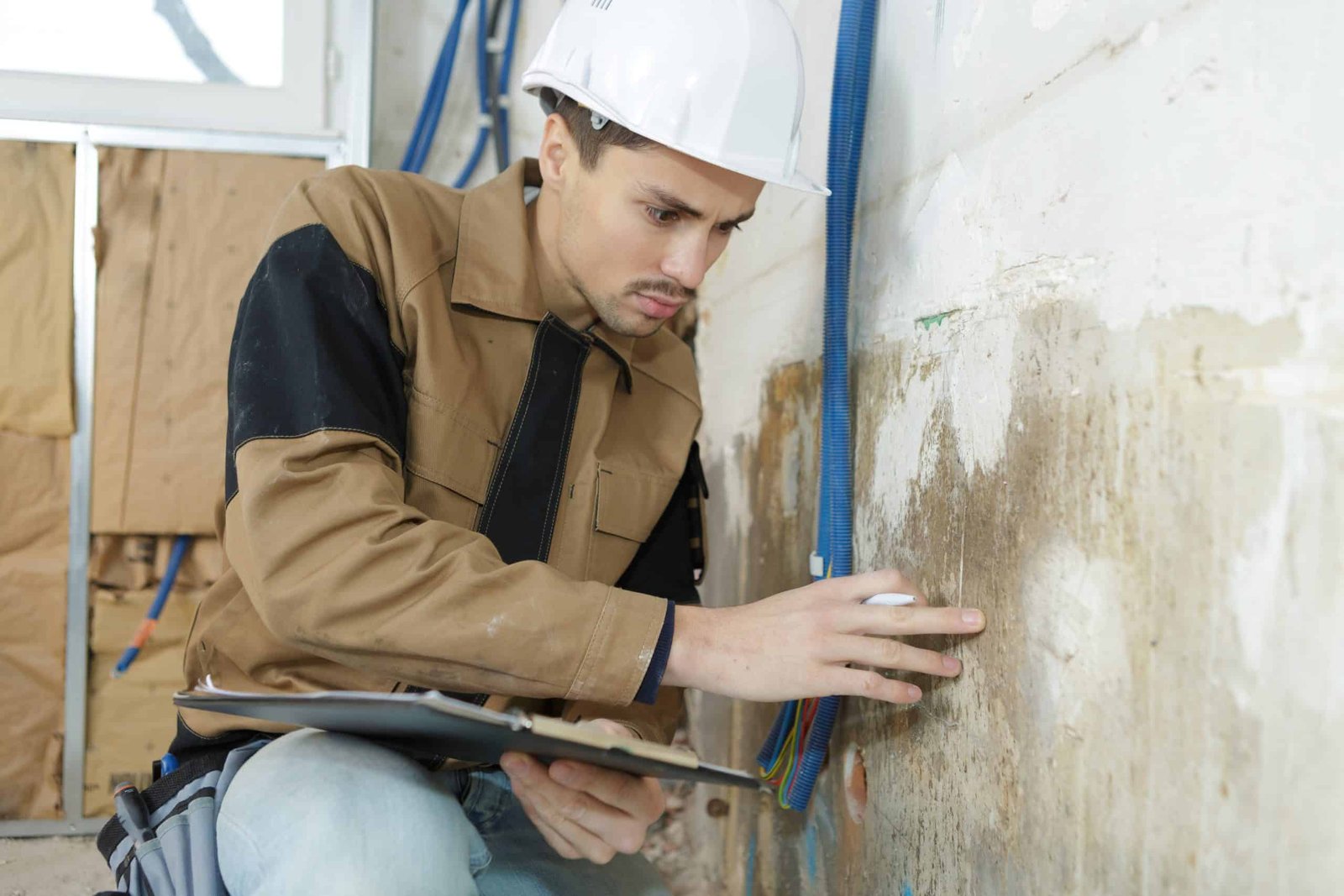
Water stains look like dark spots, white powder, or peeling paint on concrete walls. These marks show where moisture pushes through your foundation.
Three common warning signs tell you water is getting into your basement:
- White chalky powder forms where groundwater pushes through concrete
- Musty smell means mold is growing from moisture or hidden water
- Wet floor corners or puddles after rainstorms or snowmelt
Cleveland basements in South Collinwood and Industrial Valley show these signs from high water tables. Finding leaks early lets you seal them before water damages floors, drywall, or things you store.
Clay soil around Cleveland gets bigger when wet. This pushes groundwater through basement wall cracks and floor gaps. Finding leak sources early stops mold spread and foundation damage.
Interior Drain Pipes Catch Water Before It Floods Your Basement Floor
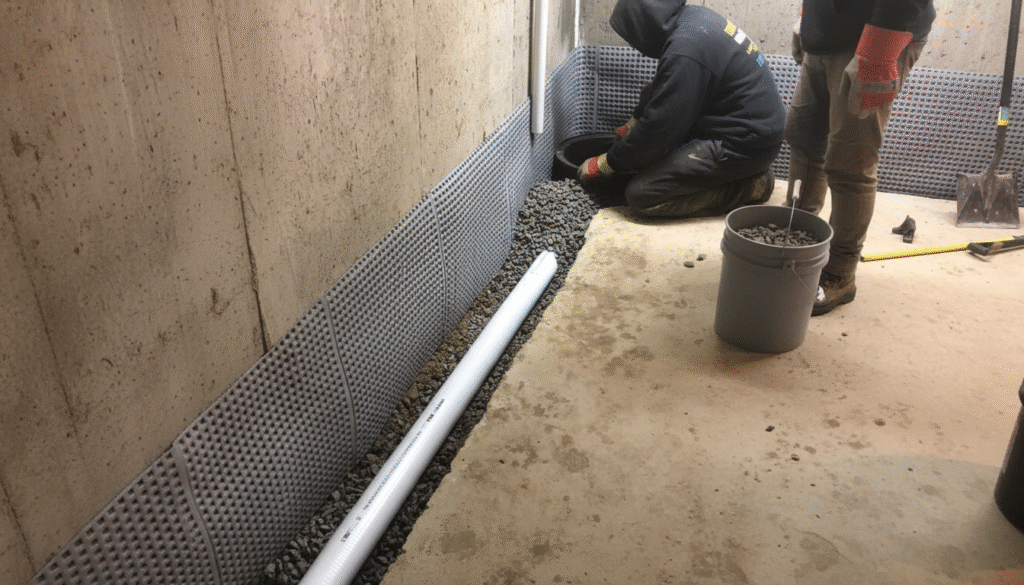
We install interior drain pipes this way:
- We remove concrete along basement walls to reach the footer
- Put in drain pipe with holes wrapped in filter fabric below floor level
- Connect drain pipe to sump basin at the lowest basement spot
- Fill the trench with gravel for drainage and pour new concrete floor
- Put in a sump pump that turns on by itself when the basin fills with water
- Put sealant on wall cracks and add vapor barrier if needed
- Test the system during heavy rain to make sure water goes away from living space
Interior systems go in faster than digging outside. They work all year no matter the weather. This helps Cleveland homeowners comparing ways to fix flooding in Cudell or Waterloo Arts District basements.
Older Cleveland homes often don’t have proper footer drains. Interior systems give you a good fix without major digging.
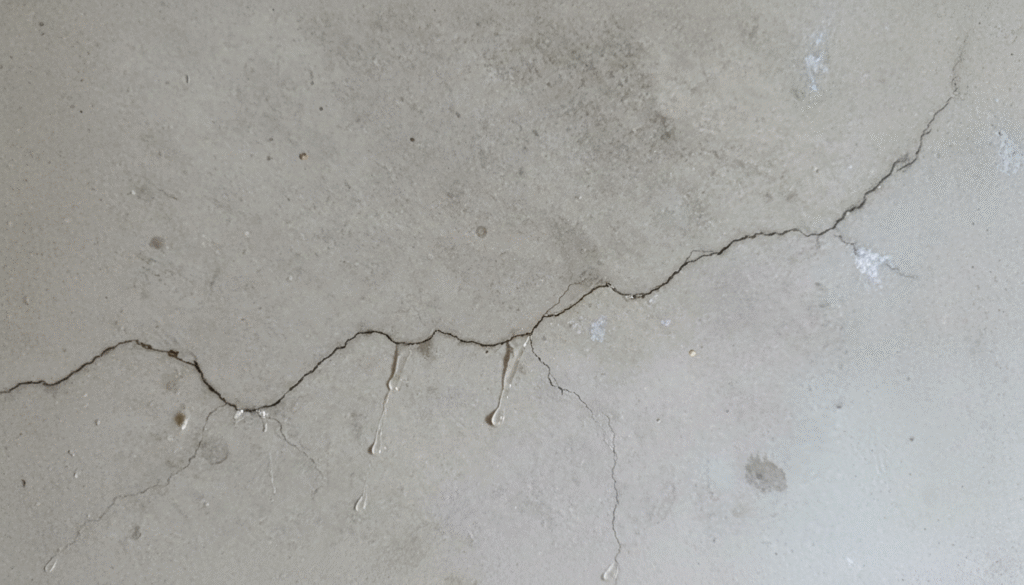
Small Basement Cracks Get Bigger and Let Water Keep Coming In
Hairline cracks that leak during rain get bigger as water pressure grows and concrete breaks down. What starts small becomes a big problem.
Three ways small leaks cause serious damage:
- Mold starts growing within 24-48 hours when water touches things like drywall or carpet
- Constant moisture makes concrete weaker and rusts the steel bars inside foundation walls
- Water damage spreads to floor joists, subfloors, and furnace equipment in your basement
Cleveland homes in Hough and West Park with visible cracks need sealing right away to stop bigger problems. Ignoring leaks causes foundation settling, sagging floors, and costly repairs throughout your house.
Spring thaw in Cleveland creates big water pressure spikes. These turn small cracks into active leaks overnight. Sealing cracks now stops foundation movement and protects expensive basement finishes or equipment.
Professional Waterproofing Work Happens While You Stay in Your Cleveland Home
Interior waterproofing lets you stay home because work stays in the basement only. You don’t need to leave during the work.
Three reasons families stay home during our work:
- We jackhammer concrete around the edges and put in drains without affecting upstairs
- Dust barriers and plastic sheets keep debris from reaching the main floor
- Work finishes in 1–3 days for most Cleveland basements, keeping noise short
Homeowners in North Collinwood or Clark–Fulton keep their normal schedules during the work. We schedule around when you’re available and let you use your basement the same day.
Staying home saves hotel costs and reduces stress for families with children or people who work from home. Most Cleveland contractors work indoors all year, offering flexible scheduling that works for tight city lots in areas like Irishtown Bend.

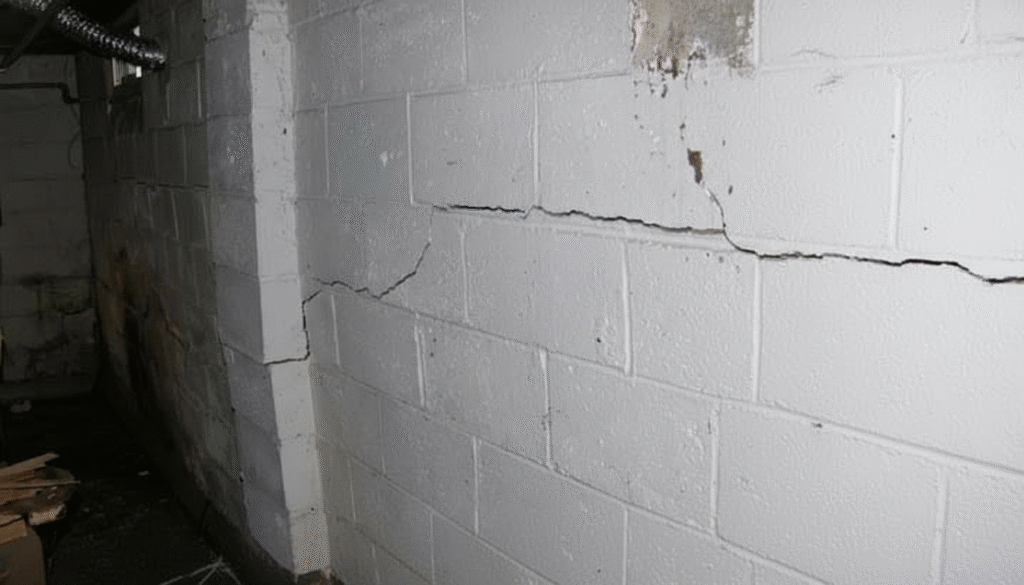
Ignoring Basement Water Leads to Foundation Movement and Floor Collapse Risk
Water that doesn’t get fixed wears away soil under footers. This makes walls settle and crack more. Waiting to fix it creates expensive problems.
Three major problems from waiting to waterproof:
- Foundation walls bow inward from constant soil pressure, needing expensive fixes with steel braces
- Floor joists rot from moisture, creating sagging floors and safety problems upstairs
- Toxic black mold spreads through heating and cooling systems, causing breathing problems and needing professional cleanup
Cleveland homes in Buckeye–Shaker and Brooklyn Centre with ongoing leaks face growing repair costs. Basement flooding lowers home value and requires you to tell buyers during a sale.
Getting waterproofing now prevents major foundation repairs that can cost thousands more than putting in interior drains. Ohio law requires sellers to tell buyers about known water problems, making untreated basements hard to sell.
Basement Inspections in Cleveland Take 45–90 Minutes and Include Moisture Testing
Our inspection process includes these steps:
- Look at all interior walls for cracks, stains, or white powder buildup
- Use a moisture meter to measure water in concrete and find hidden leaks
- Check floor joints and sump basin (if you have one) for drainage problems
- Look at ground slope around foundation and where gutters drain
- Take photos of damage areas and mark where water gets in throughout basement
- Explain repair options including drain pipes, crack sealing, or vapor barriers
- Give you a written estimate with details, timeline, and what materials we’ll use
A thorough inspection finds all water sources so repairs fix problems for good instead of just treating symptoms. This matters for Cleveland homeowners in Goodrich–Kirtland Park or Union–Miles Park ready to schedule waterproofing estimates.
Many Cleveland homes have basement moisture from both foundation cracks and outside grade problems. These need multiple fixes that we identify during inspection.
What Our Customers Say
Trustindex verifies that the original source of the review is Google. Excellent work from Queen Foundation Repair! From beginning to end, the crew operated with efficiency and professionalism. Carlos and his team completed the foundation repair project in less than four days, and even our neighbors have complimented the immediate transformation. I highly recommend them for foundation work, foundation repair, and water restoration.Trustindex verifies that the original source of the review is Google. I had a persistent rat problem in my crawlspace. After years of dealing with exterminators, I turned to QFR, and they solved the issue. Not only did they address the rats, but they also fixed some hidden plumbing leaks. Their crew worked quickly and efficiently, performing exceptional water damage, water restoration, and crawl space encapsulation services.Trustindex verifies that the original source of the review is Google. Hi, I had some cracks in my foundation after purchasing my new home and was concerned about them. Queen Foundation Repair made everything a very easy and stress-free process. They came out and repaired these cracks within a day, and the crew, including Dario and Sharon, was very knowledgeable. Thanks very much!Trustindex verifies that the original source of the review is Google. I cannot say enough about these guys—they were a pleasure to work with. Sharon, who was extremely knowledgeable, handled the scheduling, and Carlos and Dario did the assessment and repair of the foundation issues we were having. They answered every question we had, showed up exactly when they said they would, and back all of their work with a lifetime guarantee. Your search for a foundation repair company is over!Trustindex verifies that the original source of the review is Google. I’m very pleased with the results. I can clearly see the excellent work Jason's crew did on our crawl space. His team was friendly and left the property clean. This is the first time I’ve posted a review because I think people should know about them. Call them when you need crawl space repairs in Albany NY!Trustindex verifies that the original source of the review is Google. The customer care provided by Queen Foundation repair was exceptional. From the first contact to the final walkthrough, they were attentive, informative, and very responsive to my questions and concerns. They took the time to explain the encapsulation process and how it would benefit my home. Their crew was respectful and ensured that the work was completed to a high standard. It’s clear that they value their customers and take pride in their work. Our crawl space is now dry, clean, and well-insulated. Highly recommended!Trustindex verifies that the original source of the review is Google. I'm absolutely delighted with the exceptional assessment service provided by Queen Foundation Repair! When I noticed sloping floors in our bungalow, I knew I needed expert help. Scheduling an assessment was a breeze via email, and John arrived promptly as scheduled. His warm and personable demeanor put me at ease, and his expertise shone through as he quickly identified the root cause of our issue. I was thoroughly impressed by his professionalism and knowledge. Queen Foundation Repair truly exceeded my expectations, and I highly recommend their services to anyone concerned about their home's foundation!Trustindex verifies that the original source of the review is Google. I reached out to this company about an issue they couldn’t handle, but they were very responsive. They did a thorough inspection and gave recommendations related to their specialty. They even provided a reference number for another company that could help with our issue. They’re great for foundation repair work, and I’d definitely recommend them.Trustindex verifies that the original source of the review is Google. Germao and his crew installed helical piers and expertly stabilized our foundation. The crew was professional and responsive to our needs. I'm happy with their foundation repair service.
Ready to Work With A Foundation Company Who Puts Your Home First?
Does basement waterproofing work in older Cleveland homes built before 1940?
Yes, interior systems work in any age foundation without digging outside or disturbing old brick or tight city lots. We put in drain pipes and sump pumps inside basements no matter when your home was built. Older Cleveland homes often don’t have original footer drains, making interior waterproofing a good permanent fix.
How soon can contractors start waterproofing work after scheduling in Cleveland OH?
Most companies begin within 1 week of inspection. Emergency leak sealing is often available within 24–48 hours for active flooding. We schedule based on when you’re available and weather doesn’t affect indoor work timelines.
Will interior waterproofing stop all water from entering my Cleveland basement?
Properly installed drain pipes and sump pumps get rid of standing water. Vapor barriers control moisture in the air and stop mold growth on concrete. Interior systems handle groundwater coming through walls and floor joints, keeping your basement dry all year.
Do I need permits for interior basement waterproofing in Cleveland OH?
Most interior drainage and crack sealing needs no permits. We confirm what’s required during inspection based on your specific project. Cleveland building department rules vary by work type and neighborhood.
Can waterproofing fix basement leaks during winter months in Cleveland?
Interior work continues all year indoors. We put in systems no matter what the temperature is outside or what ground conditions are like. Cold weather doesn’t stop us from sealing cracks or putting in drain pipes in your basement.
How does clay soil in Cleveland affect basement waterproofing success?
Clay soil that expands increases water pressure against walls. Interior drainage relieves pressure and stops ongoing water from getting in. Clay soil makes interior systems work well for Cleveland homes dealing with seasonal water problems.
