
In Asheville NC, mountain runoff and Blue Ridge rainfall put pressure on home foundations all year long. This page explains how waterproofing systems stop leaks, prevent damage, and protect basements in Asheville homes. Our local crews check foundations, install drainage systems, and usually finish waterproofing in 1–3 days. Professional waterproofing protects your Asheville foundation from water damage and prevents expensive repairs later. Learn more about waterproofing services in Asheville
What is foundation waterproofing in Asheville NC?
Foundation waterproofing creates a barrier that stops groundwater from getting into your basement or crawl space. In Asheville, this usually includes applying waterproof coating on the outside, installing French drains, and sealing the inside. These systems work together to handle mountain moisture.
- Stops water from coming through foundation walls and floor cracks
- Protects against Blue Ridge mountain runoff and seasonal rain
- Uses both outside drainage and inside moisture barriers

Basement Moisture Problems Show You Need Foundation Waterproofing
Damp basement walls, musty smells, or water puddles after mountain storms mean moisture is getting through your foundation. Asheville homeowners in neighborhoods like Montford or West Asheville often see these signs after heavy rain. Finding problems early prevents small leaks from turning into major foundation damage or mold growth.
Wet soil around Asheville swells when soaked by Blue Ridge rainfall. This creates pressure that pushes moisture through foundation walls and floor cracks. Mountain slopes and different soil types mean water builds up differently on each property. But the result is always the same—pressure against your foundation looking for ways to get in.
You might see white powder on walls, feel dampness on concrete, or smell mustiness even without visible water. These warnings mean groundwater is pushing on your foundation and finding weak spots. Water stains near the floor show where pressure is strongest. The white chalky stuff appears when water carries minerals through concrete and dries on the surface. If items stored in your basement feel damp or metal starts to rust, moisture is there even when walls look dry.
Ignoring Foundation Leaks Causes Bigger Problems
Small cracks or occasional leaks in your Asheville foundation will get worse without waterproofing. A small damp spot can turn into foundation failure or flooding that costs a lot to fix. Learning how damage grows helps you waterproof on time before repair costs pile up from foundation settling or wall bowing.
Winter freeze-thaw cycles in Asheville make water expand inside foundation cracks. Water seeps into small openings, freezes when it gets cold, and expands hard enough to make cracks bigger. This slow damage affects older homes in Biltmore Village and Kenilworth where foundations have gone through decades of freezing and thawing.
Constant moisture also weakens how concrete and steel hold together. Walls can bow inward as wet soil pushes on them. Floor joists and beams soak up moisture and rot. Mold grows behind stored items and inside wall spaces where you cannot see it.
Foundation settling happens when water washes away soil under footings. Cracks show up in walls above ground. Doors stick in frames. Gaps open between walls and ceilings. Each problem means foundation movement that costs more to fix the longer water keeps getting in.
Professional Waterproofing Works Without Making You Move Out
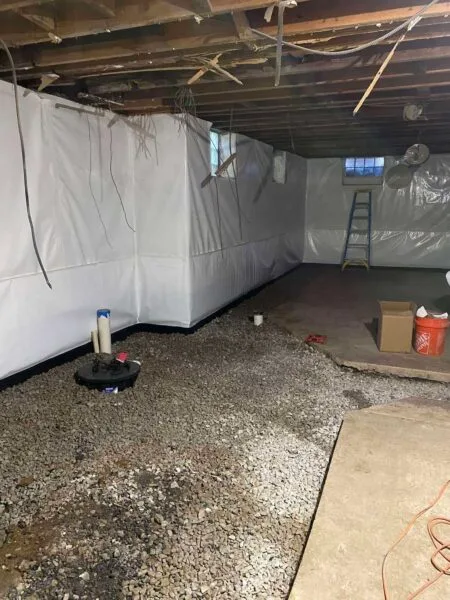
You can stay home during most foundation waterproofing work in Asheville. Inside waterproofing systems install while you stay in your house and keep your normal schedule. Outside work may limit basement access for 1–2 days but you do not need to move out. This removes a common reason homeowners delay getting the protection they need.
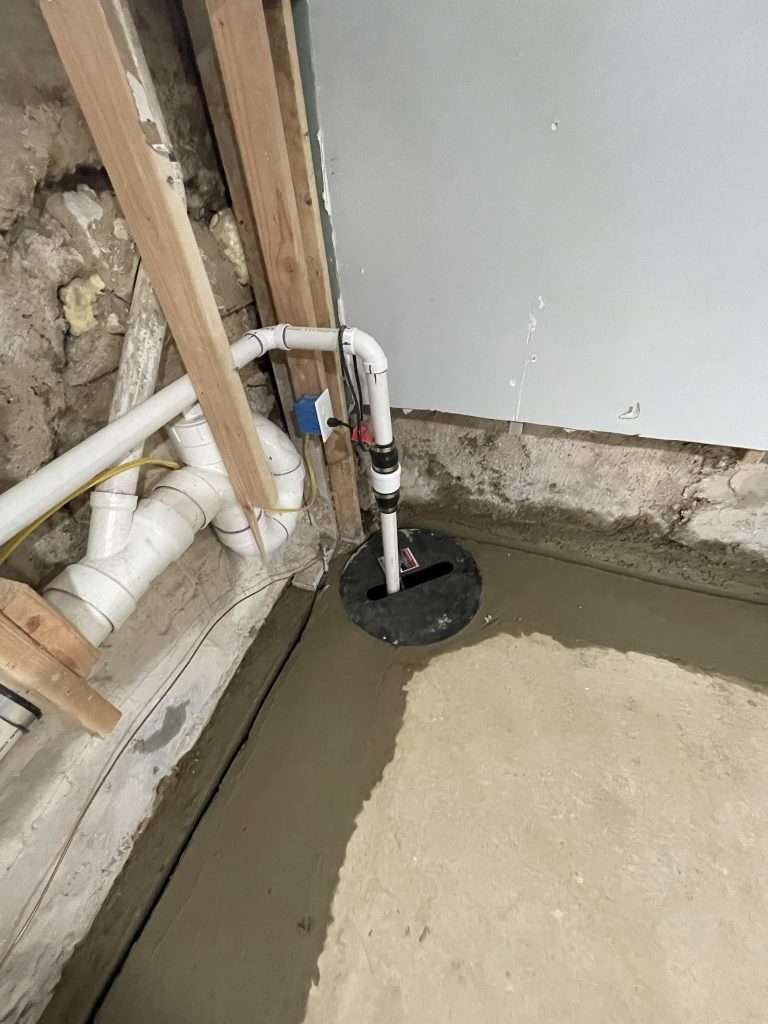
Our crews work on one section at a time so you can still use other basement areas. We cover your belongings with plastic and keep dust from concrete work contained. Inside drainage systems involve cutting a channel around the basement edge, installing drain pipe, and pouring new concrete. We can do this room by room if you need to keep using your basement.
Outside excavation needs more space but only affects the outside of your home. Asheville’s tight neighborhoods like Montford make outside digging harder to stage. We plan equipment access through side yards or alleys. We protect your plants and put soil grades back the right way after installing waterproof coating.
Most inside projects finish in 1–2 days. Outside waterproofing takes 2–3 days based on foundation size and soil conditions. You can use upper floors the whole time. You can use the basement again as soon as concrete dries, usually within 24 hours after we pour it.
Foundation Waterproofing Systems Stop Water in Multiple Ways
Foundation waterproofing uses several layers to block groundwater from reaching your basement. Outside coatings cover foundation walls and prevent moisture from soaking through. Drainage boards send water downward to drains around the edge. Inside sump systems collect and pump out any water that gets past outside protection. Understanding these multiple layers helps you feel confident about long-term protection.
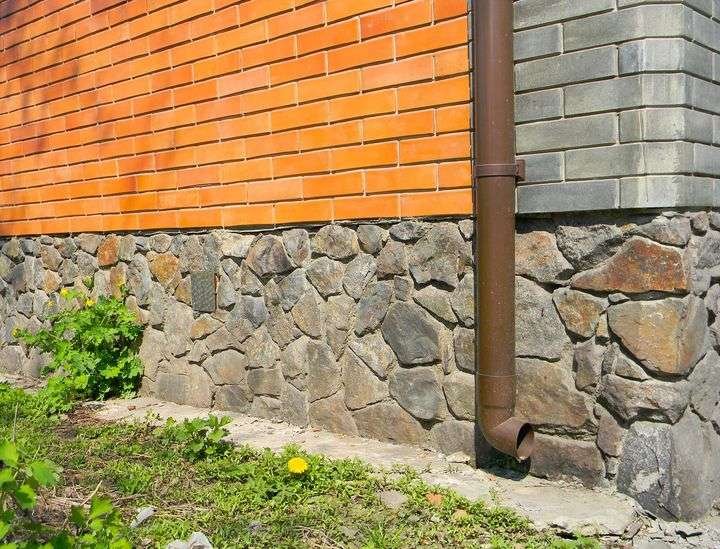
Mountain runoff in Asheville needs outside French drains that catch groundwater before it reaches foundation walls. We dig along the foundation edge and install holey pipe in gravel beds. Water flows into the pipe and drains away from your home instead of building pressure against walls. Drainage boards placed over waterproof coating add a second defense by creating an air gap and a path for water to flow down.
Inside systems handle water that enters through floor-wall joints or floor cracks. We install drain pipe around the basement edge that connects to a sump basin. When water reaches the drain, it flows to the sump pit. An automatic pump turns on and pushes water outside through buried pipe. Battery backup systems protect against pump failure during power outages that happen often in mountain storms.
Wall sealers stop moisture vapor from passing through porous concrete. Floor crack injection fills openings where water pressure forces water up. Dehumidifiers control humidity after waterproofing stops active leaks. Each part addresses specific entry points based on your foundation type and where moisture comes from.

Foundation Inspections Find Waterproofing Needs Before Big Leaks
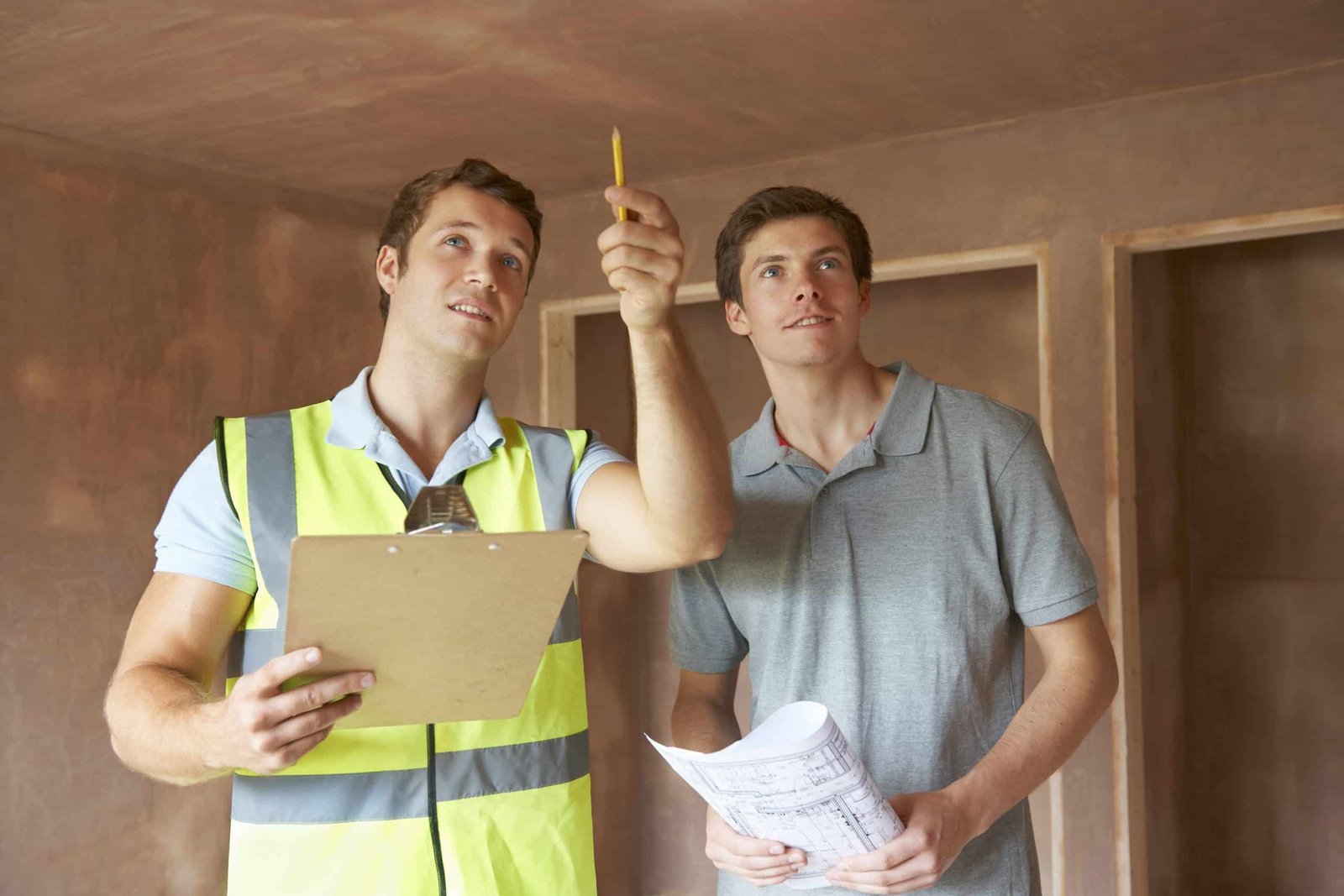
Professional inspection finds weak points and figures out what size system you need before seasonal rains cause active flooding or foundation movement. Asheville homeowners buying older properties or noticing early warning signs like white powder or minor dampness benefit from checks that show problems you cannot see from inside your basement.
Older homes in Asheville neighborhoods like Grove Park and Chestnut Hill often have outdated foundation drainage. Original construction may lack outside waterproofing or use materials that broke down over time. Inspectors check for missing or clogged drains around the edge, old tar coatings that failed, and floor-wall joints that let water in. We measure foundation walls for bowing and map crack patterns that show settling or water pressure.
Moisture meters detect dampness inside concrete even when surfaces feel dry. Humidity readings identify basements at risk for mold growth. Outside grade inspection shows where soil slopes toward your foundation instead of away. Downspout locations reveal if roof water concentrates near walls. Plants against foundations trap moisture and hide growing problems.
Our inspection report documents current conditions with photos and measurements. We explain which issues need immediate waterproofing and which to watch. You get a work plan that matches your foundation’s specific needs instead of generic solutions. This prevents doing more than needed and makes sure drainage can handle Asheville’s heaviest rainfall.
Waterproofed Foundations Increase Asheville Home Value and Usefulness
Dry basements add usable square footage and give documented moisture protection that appeals to buyers in Asheville’s competitive market. Homeowners thinking about selling or wanting to maximize basement use for storage, living space, or home office gain immediate benefits and long-term value from professional waterproofing.
Asheville’s elevation changes mean many homes have walk-out basements with high value potential once waterproofing removes moisture concerns. You can finish basement space into bedrooms, offices, or recreation areas without mold risk. Storage areas protect belongings instead of damaging them. Heating and cooling equipment and water heaters operate in dry conditions that help them last longer.
Home inspections for buyers flag moisture issues and often trigger repair talks or sale delays. A waterproofed foundation with transferable warranty removes this obstacle. Buyers pay more for homes with documented moisture control because they avoid immediate repair costs and feel confident about the structure.
Finished basement square footage adds substantial value in Asheville where lot sizes limit above-ground expansion. A 600-square-foot basement converted to living space can return most of your waterproofing investment when you sell. Even unfinished dry basements appeal to buyers who want flexible space without moisture problems.
Energy costs drop when you remove basement humidity. Your heating and cooling system works less to control moisture and temperature. Dry foundations insulate better than damp concrete. You breathe cleaner air throughout your home when mold and mustiness are removed at the source.
What Our Customers Say
Trustindex verifies that the original source of the review is Google. Excellent work from Queen Foundation Repair! From beginning to end, the crew operated with efficiency and professionalism. Carlos and his team completed the foundation repair project in less than four days, and even our neighbors have complimented the immediate transformation. I highly recommend them for foundation work, foundation repair, and water restoration.Trustindex verifies that the original source of the review is Google. I had a persistent rat problem in my crawlspace. After years of dealing with exterminators, I turned to QFR, and they solved the issue. Not only did they address the rats, but they also fixed some hidden plumbing leaks. Their crew worked quickly and efficiently, performing exceptional water damage, water restoration, and crawl space encapsulation services.Trustindex verifies that the original source of the review is Google. Hi, I had some cracks in my foundation after purchasing my new home and was concerned about them. Queen Foundation Repair made everything a very easy and stress-free process. They came out and repaired these cracks within a day, and the crew, including Dario and Sharon, was very knowledgeable. Thanks very much!Trustindex verifies that the original source of the review is Google. I cannot say enough about these guys—they were a pleasure to work with. Sharon, who was extremely knowledgeable, handled the scheduling, and Carlos and Dario did the assessment and repair of the foundation issues we were having. They answered every question we had, showed up exactly when they said they would, and back all of their work with a lifetime guarantee. Your search for a foundation repair company is over!Trustindex verifies that the original source of the review is Google. I’m very pleased with the results. I can clearly see the excellent work Jason's crew did on our crawl space. His team was friendly and left the property clean. This is the first time I’ve posted a review because I think people should know about them. Call them when you need crawl space repairs in Albany NY!Trustindex verifies that the original source of the review is Google. The customer care provided by Queen Foundation repair was exceptional. From the first contact to the final walkthrough, they were attentive, informative, and very responsive to my questions and concerns. They took the time to explain the encapsulation process and how it would benefit my home. Their crew was respectful and ensured that the work was completed to a high standard. It’s clear that they value their customers and take pride in their work. Our crawl space is now dry, clean, and well-insulated. Highly recommended!Trustindex verifies that the original source of the review is Google. I'm absolutely delighted with the exceptional assessment service provided by Queen Foundation Repair! When I noticed sloping floors in our bungalow, I knew I needed expert help. Scheduling an assessment was a breeze via email, and John arrived promptly as scheduled. His warm and personable demeanor put me at ease, and his expertise shone through as he quickly identified the root cause of our issue. I was thoroughly impressed by his professionalism and knowledge. Queen Foundation Repair truly exceeded my expectations, and I highly recommend their services to anyone concerned about their home's foundation!Trustindex verifies that the original source of the review is Google. I reached out to this company about an issue they couldn’t handle, but they were very responsive. They did a thorough inspection and gave recommendations related to their specialty. They even provided a reference number for another company that could help with our issue. They’re great for foundation repair work, and I’d definitely recommend them.Trustindex verifies that the original source of the review is Google. Germao and his crew installed helical piers and expertly stabilized our foundation. The crew was professional and responsive to our needs. I'm happy with their foundation repair service.
Ready to Work With A Foundation Company Who Puts Your Home First?
Frequently Asked Questions
How long does foundation waterproofing take in Asheville NC?
Most systems install in 1–3 days based on whether you need inside drainage, outside coatings, or both. Inside drain systems usually finish in 1–2 days including concrete work. Outside excavation and coating application takes 2–3 days. Mountain terrain and drainage complexity may add time if we hit rock or need to extend French drains past the foundation edge.
Can foundation waterproofing stop active leaks in Asheville basements?
es—outside coatings and inside drainage systems stop current leaks and prevent future problems from mountain runoff. We find where water enters, install barriers at those points, and add drainage to handle groundwater before it reaches your foundation. Active leaks stop once the system is complete and concrete dries.
Should I waterproof my foundation before Asheville's rainy season?
Spring installation in March or April protects against summer thunderstorms and fall rains when Blue Ridge moisture peaks. This timing lets concrete dry during good weather and makes sure your system handles heavy rainfall when it arrives. Fall installation also works but leaves less time before winter freezing and thawing begins.
Do Asheville foundations need waterproofing if there's no visible water?
High humidity, musty smells, or white powder show moisture problems that need professional inspection even without standing water. Water vapor passes through porous concrete and creates conditions for mold growth and material breakdown. These signs mean groundwater pressure is affecting your foundation and will get worse during heavy rain periods.
Will foundation waterproofing prevent mold in Asheville basements?
Yes—stopping moisture sources through waterproofing removes conditions mold needs to grow in humid mountain climates. Mold needs water, organic material, and temperatures above 40 degrees. Waterproofing cuts off the water supply. Adding dehumidifiers after waterproofing keeps humidity levels low to prevent mold spores from growing on any remaining organic surfaces.
How does mountain runoff affect foundation waterproofing needs in Asheville?
Interior systems typically don’t require permits since work stays inside your home. Exterior digging and drainage changes may need city approval. This depends on project scope and property location. A brief guide from the EPA on moisture control
