
Homeowners face problems from shifting soil, bad drainage, and sinking foundations. Exterior repairs stop damage before it spreads inside your home. We check foundation walls, cracks, and movement at properties across local neighborhoods and surrounding areas. Fast scheduling keeps problems from getting worse. Visit page about other structural repairs
What are the most common exterior repairs in Cleveland Ohio?
Exterior repairs fix damage to walls and sinking before problems spread indoors. The most common exterior repair services include:
- Foundation underpinning with piers – steel or helical systems lift and stabilize sunken sections back to level
- Wall stabilization – anchors or carbon fiber straps stop bowing and inward movement
- Waterproofing and drainage – grading fixes and perimeter drains move water away from exterior walls
These exterior construction solutions protect the structure and prevent water from entering interior spaces.
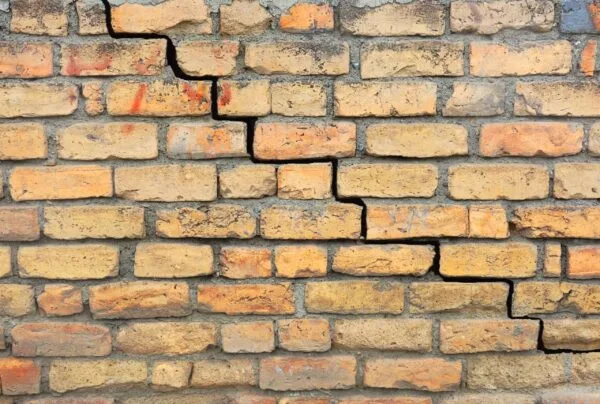
Wall Cracks Spread Without Early Action
Homeowners often see horizontal or stair-step cracks in exterior walls. Early repair stops cracks from growing and prevents water from entering lower levels. Addressing damage quickly reduces the risk of interior repairs later.
Older homes built on clay soils in Ohio experience increased pressure during wet seasons. Expanding soil pushes against walls, creating cracks that worsen over time.
Horizontal cracks indicate pressure from soil or water buildup. Stair-step patterns follow mortar lines in masonry. Both allow moisture to pass through the building envelope and weaken structural systems.
We seal cracks using epoxy or polyurethane to restore wall strength. These exterior building repair methods bond to concrete or brick and stop further damage.
Bowing Walls in Ohio Need Anchoring Before Failure
Property owners may notice inward bowing or horizontal movement along basement walls. Structural anchoring systems stop movement and protect the building from collapse.
Poor drainage allows outdoor water to saturate soil around foundations. As pressure builds, walls begin to curve inward. This structural damage worsens during heavy rain.
Bowing appears as visible curves or leaning sections. Stress cracks often form at weak points. Without repair, walls may fail completely.
We install wall anchors that extend into stable soil or use carbon fiber reinforcement for minor movement. Both exterior structural repairs prevent additional displacement and protect the structure.
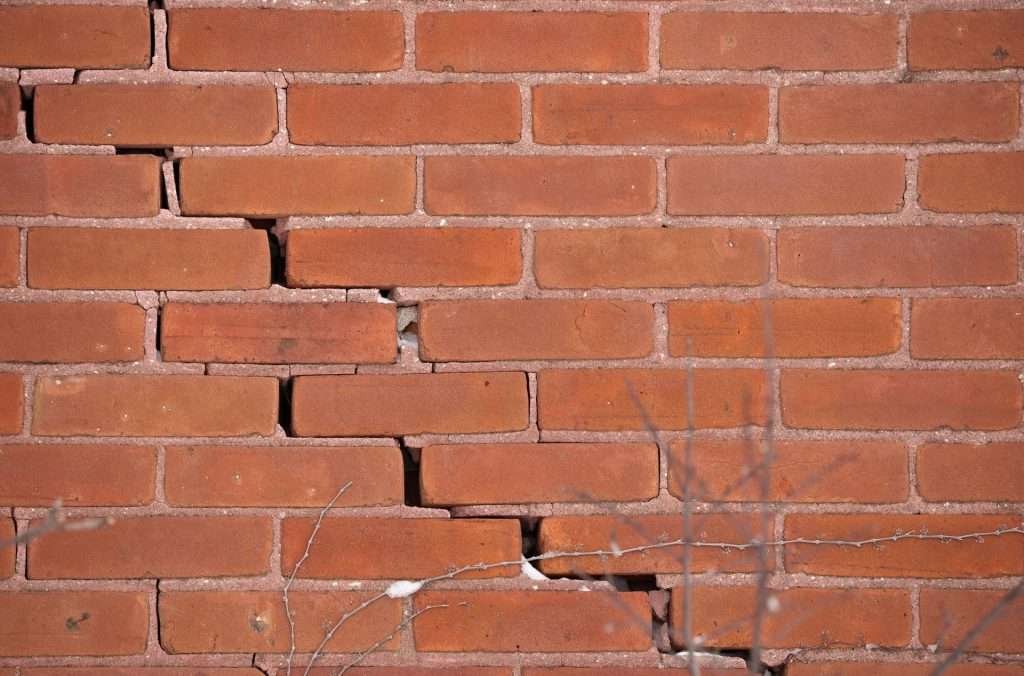
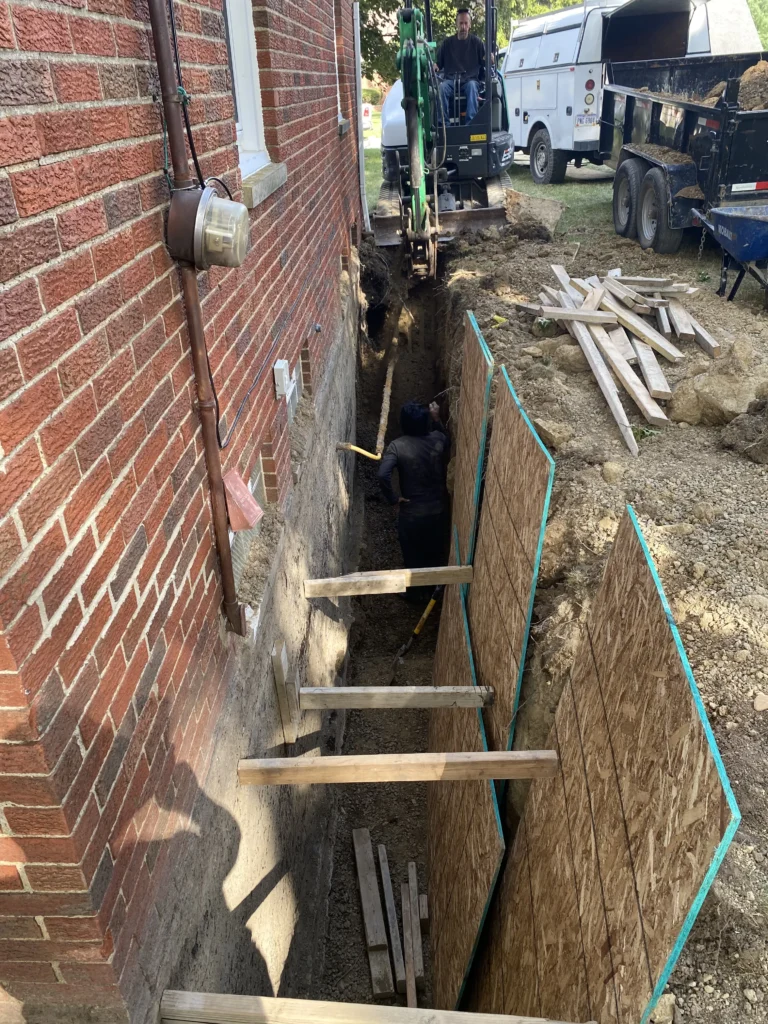
Settling Requires Pier Installation to Stop Damage
Signs of settling include sloping floors, sticking doors, and visible drops in the structure. Pier systems stabilize foundations and lift sunken areas back to level, preventing further building repairs.
Soft soils compress under load, causing gradual settlement. Without support, the structure continues to shift.
Uneven floors, drywall cracks, and gaps between walls and ceilings indicate ongoing movement. Structural repair restores stability by transferring weight to load-bearing soil.
Steel piers reach deep support layers, while helical piers anchor into stable soil below moisture-affected zones. Both exterior repairs stop settlement and protect long-term performance.
Living at Home During Exterior Repairs Causes Little Disruption
Many homeowners worry about access or safety during repairs. Most exterior structural repairs happen outside and require no interior demolition. Daily routines continue with minimal interruption.
Crews work from the exterior, completing pier installation, wall anchoring, or crack repair without entering living areas. Projects follow normal daytime construction hours.
Noise comes from outdoor equipment, but interior spaces remain accessible. Landscaping is protected and restored after work is complete.
Families remain in the home throughout the process. Most projects finish within one to three days without overnight disruption.

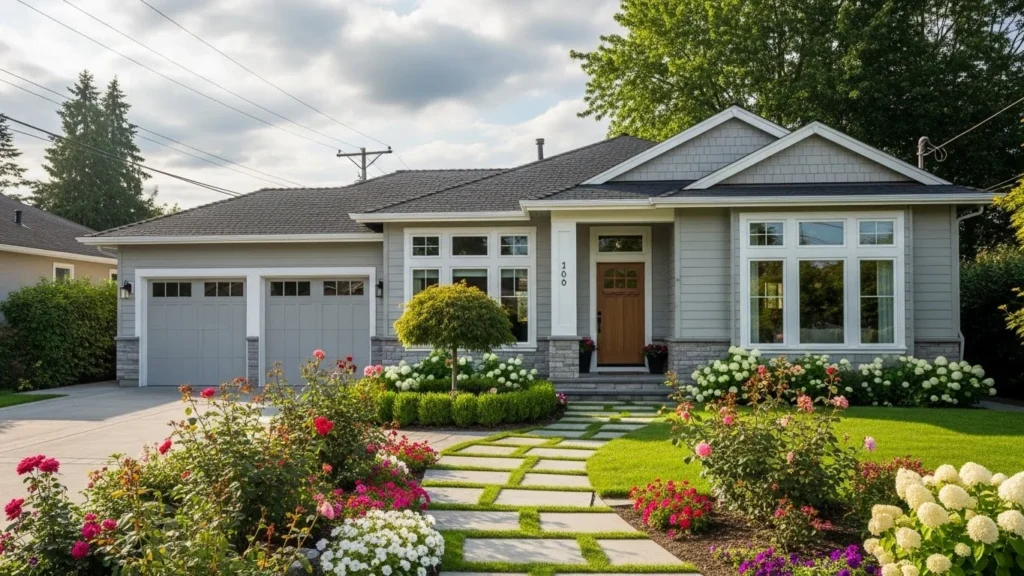
Exterior Repairs Add Value and Protect Buildings
Property owners often compare repair costs against long-term value. Completed exterior structural repairs help satisfy inspections and protect equity during resale.
Disclosure laws require reporting known damage. Inspections commonly identify wall cracks, bowing, or settlement. Unresolved issues can delay or cancel transactions.
Finished work includes documentation and warranties. Professional construction and restoration reassure buyers and inspectors.
Buildings maintain value when exterior systems remain sound. Structural stability supports both residential and commercial buildings over time.
Proper Grading and Drainage Prevent Future Damage
After exterior repairs, preventing repeat damage is essential. Correct grading and drainage move water away from walls and protect the building envelope.
Seasonal rain and snowmelt can overwhelm properties without proper water control. Saturated soil increases pressure on walls and foundations.
Soil should slope away from the structure to direct runoff. Downspouts carry roof water away from the foundation line.
French drains intercept groundwater before it reaches walls. Combined drainage and grading protect exterior repairs, parking structure foundations, and other outdoor structural elements. Roofing and waterproofing systems support long-term maintenance.

What Our Customers Say
Trustindex verifies that the original source of the review is Google. Excellent work from Queen Foundation Repair! From beginning to end, the crew operated with efficiency and professionalism. Carlos and his team completed the foundation repair project in less than four days, and even our neighbors have complimented the immediate transformation. I highly recommend them for foundation work, foundation repair, and water restoration.Trustindex verifies that the original source of the review is Google. I had a persistent rat problem in my crawlspace. After years of dealing with exterminators, I turned to QFR, and they solved the issue. Not only did they address the rats, but they also fixed some hidden plumbing leaks. Their crew worked quickly and efficiently, performing exceptional water damage, water restoration, and crawl space encapsulation services.Trustindex verifies that the original source of the review is Google. Hi, I had some cracks in my foundation after purchasing my new home and was concerned about them. Queen Foundation Repair made everything a very easy and stress-free process. They came out and repaired these cracks within a day, and the crew, including Dario and Sharon, was very knowledgeable. Thanks very much!Trustindex verifies that the original source of the review is Google. I cannot say enough about these guys—they were a pleasure to work with. Sharon, who was extremely knowledgeable, handled the scheduling, and Carlos and Dario did the assessment and repair of the foundation issues we were having. They answered every question we had, showed up exactly when they said they would, and back all of their work with a lifetime guarantee. Your search for a foundation repair company is over!Trustindex verifies that the original source of the review is Google. I’m very pleased with the results. I can clearly see the excellent work Jason's crew did on our crawl space. His team was friendly and left the property clean. This is the first time I’ve posted a review because I think people should know about them. Call them when you need crawl space repairs in Albany NY!Trustindex verifies that the original source of the review is Google. The customer care provided by Queen Foundation repair was exceptional. From the first contact to the final walkthrough, they were attentive, informative, and very responsive to my questions and concerns. They took the time to explain the encapsulation process and how it would benefit my home. Their crew was respectful and ensured that the work was completed to a high standard. It’s clear that they value their customers and take pride in their work. Our crawl space is now dry, clean, and well-insulated. Highly recommended!Trustindex verifies that the original source of the review is Google. I'm absolutely delighted with the exceptional assessment service provided by Queen Foundation Repair! When I noticed sloping floors in our bungalow, I knew I needed expert help. Scheduling an assessment was a breeze via email, and John arrived promptly as scheduled. His warm and personable demeanor put me at ease, and his expertise shone through as he quickly identified the root cause of our issue. I was thoroughly impressed by his professionalism and knowledge. Queen Foundation Repair truly exceeded my expectations, and I highly recommend their services to anyone concerned about their home's foundation!Trustindex verifies that the original source of the review is Google. I reached out to this company about an issue they couldn’t handle, but they were very responsive. They did a thorough inspection and gave recommendations related to their specialty. They even provided a reference number for another company that could help with our issue. They’re great for foundation repair work, and I’d definitely recommend them.Trustindex verifies that the original source of the review is Google. Germao and his crew installed helical piers and expertly stabilized our foundation. The crew was professional and responsive to our needs. I'm happy with their foundation repair service.
Ready to Work With A Foundation Company Who Puts Your Home First?
Can you live in a house during exterior repairs?
Yes. Most exterior structural repairs stay outside and do not require interior access. Pier installation, wall stabilization, and crack repair allow homeowners to remain inside safely.
How long do exterior repairs take?
Most projects take one to three days. Timeline depends on wall length, number of cracks, or pier placement. Simple repairs finish faster than full structural upgrades.
What exterior signs show structural damage?
Horizontal cracks, stair-step cracking, bowing walls, or visible settlement indicate damage. Gaps between soil and the structure or pooling water outside also signal problems. A professional inspection by contractors is recommended. How to prevent wood rot
When should you schedule an inspection?
An inspection should be scheduled when new cracks, movement, or drainage issues appear. Routine inspections help prevent major damage and support maintenance planning.
Do exterior repairs stop water intrusion?
Repairing cracks and stabilizing walls closes major entry points. Exterior construction reduces water penetration, though additional waterproofing may be needed depending on conditions.
How serious is a small exterior wall crack?
Small cracks grow over time due to soil pressure and freeze-thaw cycles. Early repair prevents larger structural damage and reduces the need for extensive commercial-grade restoration later.
