
Cleveland homeowners across the area deal with basement water caused by heavy rain, snowmelt, and dense clay soil common throughout Cuyahoga County. This soil holds moisture against the foundation and forces water through cracks, floor joints, and porous concrete. Over time, this creates a wet basement, ongoing issues, and potential structural damage if left untreated.
Waterproofing solutions are designed to keep basements dry year-round. Our waterproofing service includes interior drainage systems, sump pumps, crawl space moisture control, and exterior waterproofing systems that manage water at the source. Most inspections are scheduled quickly, and many systems are installed within a few days depending on the basement system needed. Visit page about other basement services
What does basement waterproofing include for Ohio homes?
Basement waterproofing includes multiple solutions that control water before it enters the home. These basement systems are designed to handle Ohio weather, freeze-thaw cycles, and groundwater pressure that affect Cleveland homes. Common options include interior drainage channels, sump pumps, crawl space encapsulation, and exterior waterproofing services that protect the foundation from ongoing water intrusion.
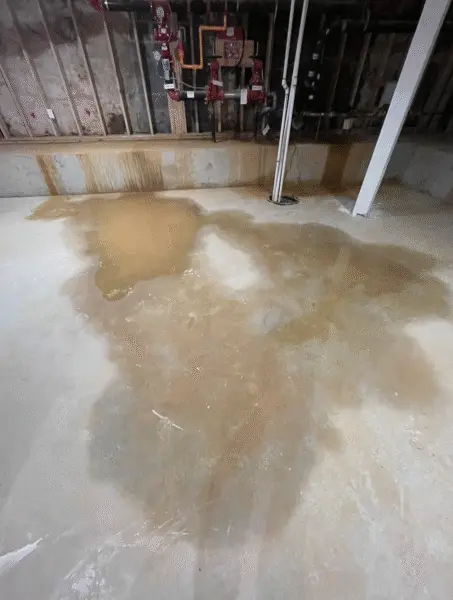
Basement Water Problems Show Up as Wall Stains, Musty Smells, and Floor Puddles
Basement water problems often begin with visible signs like wall stains, white mineral residue, and musty odors. These signs indicate moisture moving through cracks or porous concrete even when standing water is not present.
Floor puddles commonly appear during spring thaw or after heavy rain when groundwater rises beneath the slab. Prolonged moisture exposure can lead to foundation damage, air quality problems, and additional repair needs. Catching these signs early helps keep basements dry and limits future issues.
Interior Drainage Systems and Sump Pump Repair Stop Basement Flooding
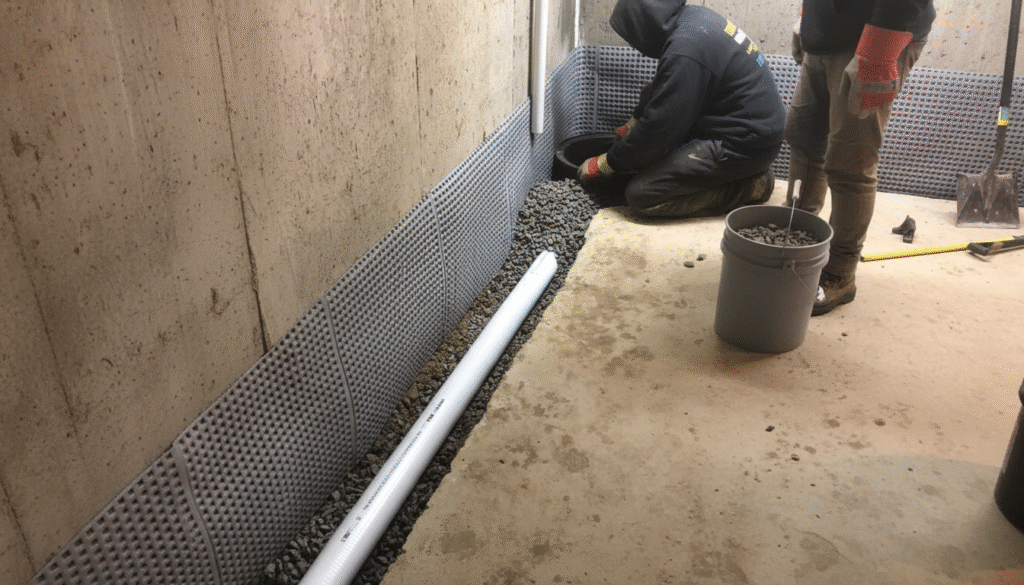
Interior drainage systems collect groundwater along the foundation perimeter and direct it into a sump pump basin. Sump pumps automatically remove water before it reaches the basement floor, reducing the risk of flooding.
Homes with recurring moisture problems often rely on sump pump systems to manage rising groundwater. Interior drainage works year-round and remains effective during winter months when exterior work may not be possible. These systems are commonly installed in both finished and unfinished basements.
Exterior Waterproofing Reduces Pressure on the Foundation
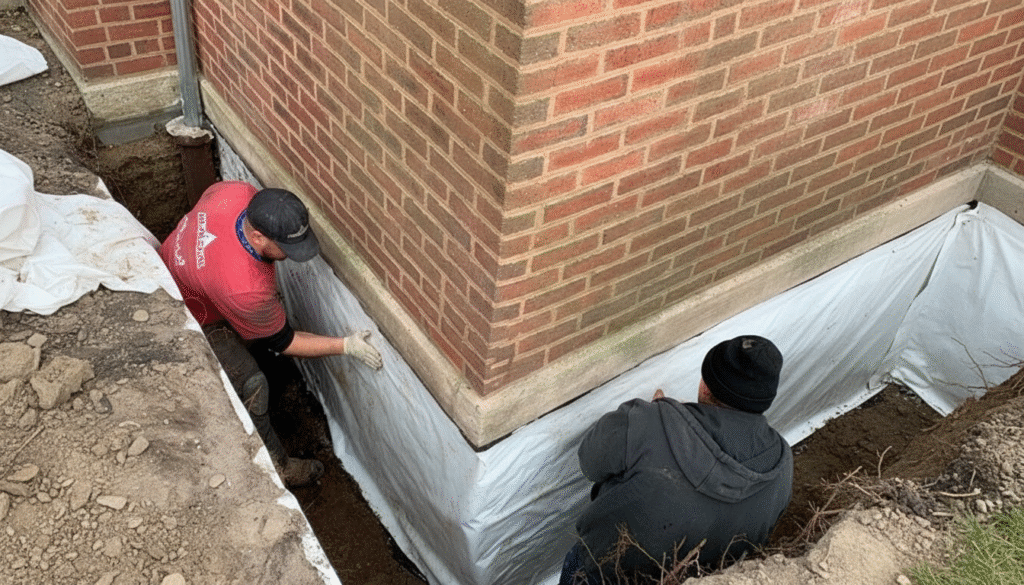
Exterior waterproofing removes water pressure that builds up against the foundation walls. This process involves excavating around the foundation and applying waterproof membranes that block groundwater. Exterior drainage systems move water away from the home to reduce long-term stress on the foundation.
Homes experiencing persistent moisture, foundation movement, or wet basement conditions often require exterior waterproofing, especially when combined with foundation repair. Proper exterior systems help protect the structure and prevent recurring basement issues.
Sump Pump Systems Protect Basements During Heavy Rain and Snowmelt
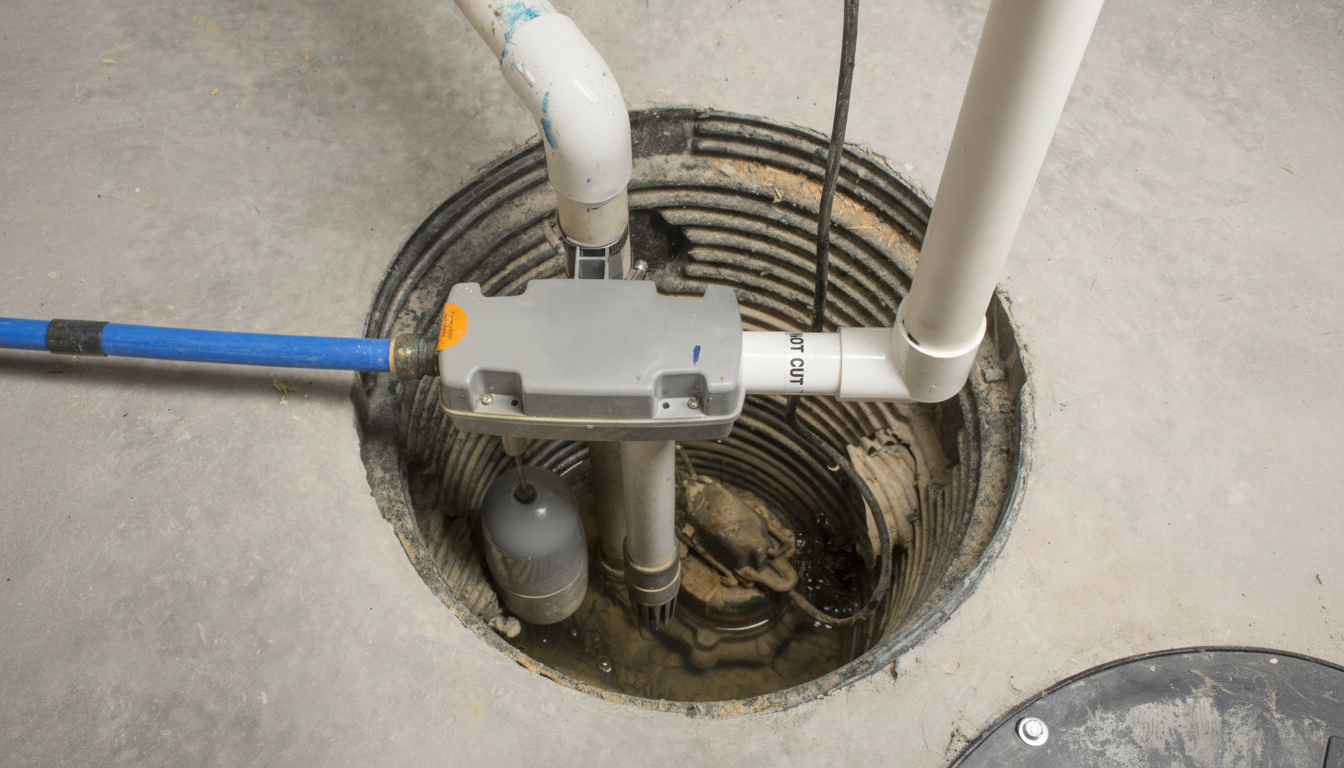
Sump pump systems play a critical role in keeping basements dry during heavy rain and rapid snowmelt. Water flows into the sump basin through drainage lines, and the pump activates automatically when water levels rise.
Homes in low-lying areas or near Lake Erie often rely on sump pumps as a primary defense against flooding. Backup battery systems provide protection during power outages, ensuring continued operation during severe storms.
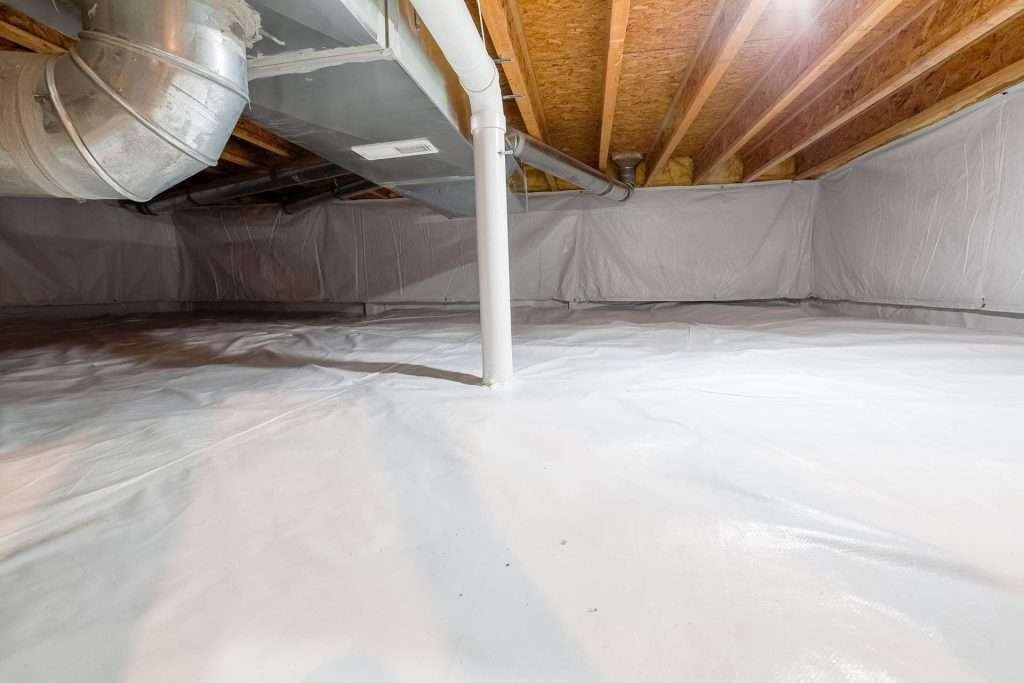
Crawl Space Encapsulation and Moisture Control for Floors Above
Crawl space encapsulation seals exposed soil with durable vapor barriers that block ground moisture. Dehumidifiers regulate humidity levels to protect framing and prevent moisture from rising into living areas.
This system helps prevent mold growth, wood rot, and warped flooring above the crawl space. Crawl space moisture control also improves energy efficiency by reducing air leakage through the foundation and keeping the home more comfortable year-round.
Professional Inspections Find Hidden Leaks and Offer Free Guidance
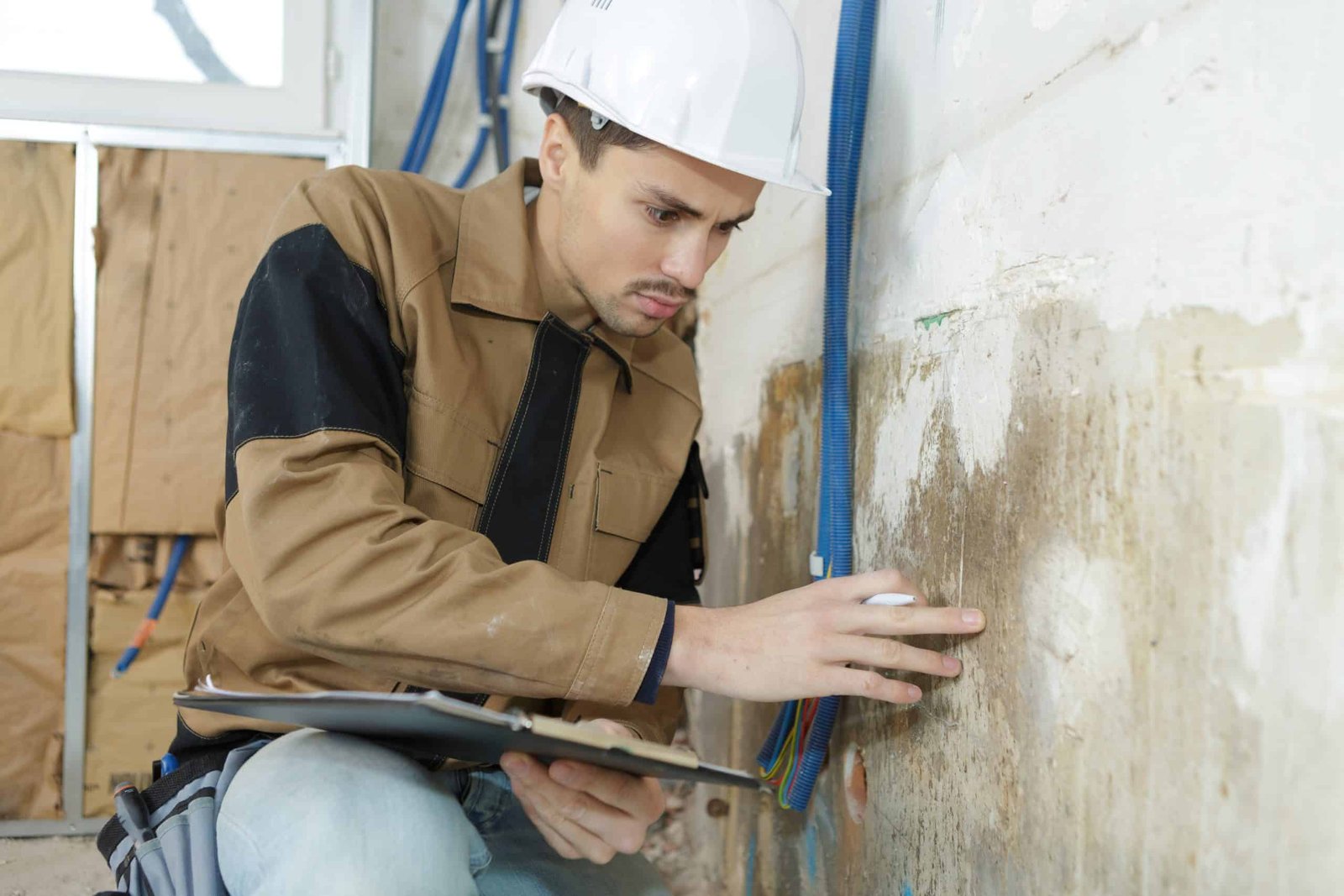
Professional inspections use specialized tools to locate hidden leaks behind walls, inside masonry, and beneath floors. Moisture meters and cameras help identify problem areas that are not visible to homeowners.
Inspections are recommended before buying a home, before finishing a basement, or when recurring moisture issues appear. Seasonal inspections after snowmelt often reveal cracks and water paths caused by winter freeze-thaw cycles.
What Our Customers Say
Trustindex verifies that the original source of the review is Google. Excellent work from Queen Foundation Repair! From beginning to end, the crew operated with efficiency and professionalism. Carlos and his team completed the foundation repair project in less than four days, and even our neighbors have complimented the immediate transformation. I highly recommend them for foundation work, foundation repair, and water restoration.Trustindex verifies that the original source of the review is Google. I had a persistent rat problem in my crawlspace. After years of dealing with exterminators, I turned to QFR, and they solved the issue. Not only did they address the rats, but they also fixed some hidden plumbing leaks. Their crew worked quickly and efficiently, performing exceptional water damage, water restoration, and crawl space encapsulation services.Trustindex verifies that the original source of the review is Google. Hi, I had some cracks in my foundation after purchasing my new home and was concerned about them. Queen Foundation Repair made everything a very easy and stress-free process. They came out and repaired these cracks within a day, and the crew, including Dario and Sharon, was very knowledgeable. Thanks very much!Trustindex verifies that the original source of the review is Google. I cannot say enough about these guys—they were a pleasure to work with. Sharon, who was extremely knowledgeable, handled the scheduling, and Carlos and Dario did the assessment and repair of the foundation issues we were having. They answered every question we had, showed up exactly when they said they would, and back all of their work with a lifetime guarantee. Your search for a foundation repair company is over!Trustindex verifies that the original source of the review is Google. I’m very pleased with the results. I can clearly see the excellent work Jason's crew did on our crawl space. His team was friendly and left the property clean. This is the first time I’ve posted a review because I think people should know about them. Call them when you need crawl space repairs in Albany NY!Trustindex verifies that the original source of the review is Google. The customer care provided by Queen Foundation repair was exceptional. From the first contact to the final walkthrough, they were attentive, informative, and very responsive to my questions and concerns. They took the time to explain the encapsulation process and how it would benefit my home. Their crew was respectful and ensured that the work was completed to a high standard. It’s clear that they value their customers and take pride in their work. Our crawl space is now dry, clean, and well-insulated. Highly recommended!Trustindex verifies that the original source of the review is Google. I'm absolutely delighted with the exceptional assessment service provided by Queen Foundation Repair! When I noticed sloping floors in our bungalow, I knew I needed expert help. Scheduling an assessment was a breeze via email, and John arrived promptly as scheduled. His warm and personable demeanor put me at ease, and his expertise shone through as he quickly identified the root cause of our issue. I was thoroughly impressed by his professionalism and knowledge. Queen Foundation Repair truly exceeded my expectations, and I highly recommend their services to anyone concerned about their home's foundation!Trustindex verifies that the original source of the review is Google. I reached out to this company about an issue they couldn’t handle, but they were very responsive. They did a thorough inspection and gave recommendations related to their specialty. They even provided a reference number for another company that could help with our issue. They’re great for foundation repair work, and I’d definitely recommend them.Trustindex verifies that the original source of the review is Google. Germao and his crew installed helical piers and expertly stabilized our foundation. The crew was professional and responsive to our needs. I'm happy with their foundation repair service.
Ready to Work With A Foundation Company Who Puts Your Home First?
Can you stay home during basement waterproofing in Cleveland?
Most interior drainage and sump pump installations allow homeowners to stay in their homes. Exterior waterproofing may require limited access near excavation areas, but displacement is rarely necessary.
How long does basement waterproofing take in Cleveland homes?
Interior basement systems typically take one to three days. Exterior waterproofing projects usually take three to five days depending on foundation size, access, and soil conditions.
Will waterproofing fix cracks in my Cleveland basement walls?
Small cracks can be sealed with epoxy or foam injection. Structural cracks or leaning walls may require foundation repair before waterproofing is completed.
What causes basement flooding after heavy rain in Cleveland?
Poor grading, clogged gutters, failing sump pumps, foundation cracks, and overwhelmed drainage systems allow water to enter basements during heavy storms.
Does waterproofing stop mold growth in Cleveland basements?
Waterproofing removes the moisture that allows mold to grow. Existing mold should be addressed by a professional before installing vapor barriers or moisture control systems.
When should Cleveland homeowners schedule basement inspections?
Inspections should be scheduled after noticing stains, musty odors, wet basement conditions, or visible cracks. Spring thaw is an ideal time to inspect for hidden water issues.
