
Interior structural repairs fix sagging floors, cracked beams, settling supports, and weak posts inside your Asheville home. These problems often start with crawl space moisture, wood rot from mountain humidity, or poor spacing between support posts in older Montford homes. A professional inspection finds problems before damage gets worse. Licensed contractors stabilize floors, strengthen beams, and fix structural issues without replacing your whole foundation. Visit our page about other structural repairs
What does interior structural repair include in Asheville, NC?
In Asheville, interior structural repair fixes problems with the supports inside your home. You don’t need to dig up the foundation. Licensed contractors check for sagging floors, damaged beams, and failing support posts caused by crawl space moisture or settling. Repairs restore stability and stop further damage.
Common interior structural repairs include:
- Floor joist reinforcement – adding support to weak joists or installing steel beams under sagging floors
- Crawl space pier installation – adding steel posts to support settling beams and stop floor bounce
- Beam replacement – removing rotted wood beams and installing treated lumber or steel supports
Most Asheville homes need interior repairs when floors feel soft, doors stick, or cracks appear in drywall above doorways.
Foundation Problems Show Up Inside Your Home First
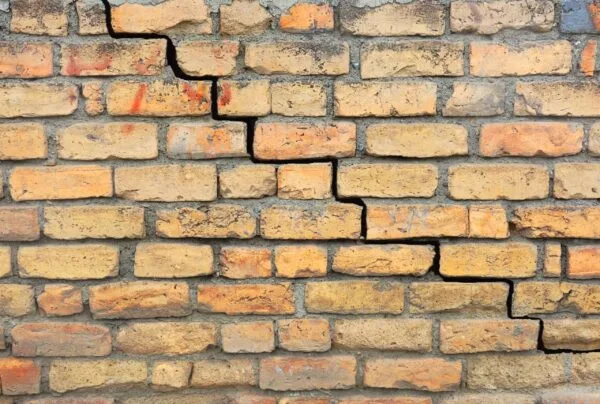
You notice foundation problems through warning signs inside before outside damage appears. Sloping floors, gaps between walls and baseboards, and sticking doors tell you the structure under your West Asheville home shifted. Finding problems early through these inside signs stops outside foundation failure and costs less to fix.
Mountain humidity and crawl space wetness speed up wood beam rot in homes without vapor barriers. Shaded Kenilworth neighborhoods see faster damage because moisture stays trapped longer. When you catch floor sag or wall cracks early, contractors fix support systems before the foundation itself fails. Waiting turns a beam replacement into a full foundation project.
Inside problems appear months before outside cracks. This happens because your floors and walls sit right on top of settling supports. A structural inspection shows how much damage exists and tells you which repairs will stabilize your home now.
Crawl Space Support Systems Stop Floor Sagging
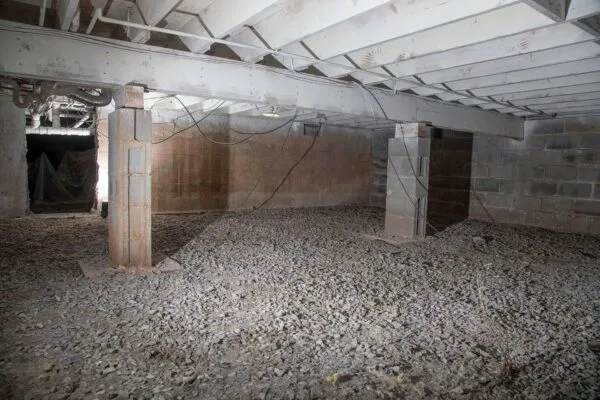
Bouncy floors, visible floor dips, and cracked tile over weak joists mean your crawl space supports failed. Older Asheville homes often don’t have enough support posts under main beams. Steel piers lift and stabilize floors for good without replacing whole beam systems.
Clay-rich soil under Asheville crawl spaces settles unevenly when it gets wet. This puts too much weight on original support posts over time. Contractors install steel piers at measured spaces to spread weight evenly across your floor system. Each pier adjusts to lift sagging areas back to level. Then it locks in place to stop future movement.
The work happens through your crawl space access. Contractors dig small footings, place each pier, and use hydraulic jacks to lift floors to the right height. Most homes need 4-8 piers. The number depends on floor span and beam condition. You see results right away when doors close smoothly and floor bounce disappears.
Beam Replacement Fixes Rot Damage
Rotted wood beams fail when moisture soaks crawl space lumber over years. You find the damage during inspections or see visible mold on crawl space beams under your home. Engineered beams resist moisture damage and provide stronger support than original lumber.
Asheville’s 37-44 inches of yearly rainfall soaks crawl spaces in homes without proper drainage or encapsulation. Water seeps through vents and ground moisture rises into wood beams. Contractors remove damaged sections and install treated lumber or steel I-beams that stand up to humidity.
Beam replacement needs temporary jacks to hold up your floor while old lumber comes out. Steel beams span longer distances with fewer support posts. They carry more weight than wood. Treated lumber works in drier crawl spaces where encapsulation controls moisture. The new beam system gets rid of soft spots and stops future rot in the same location.
Load-Bearing Wall Repairs Stop Collapse Risk
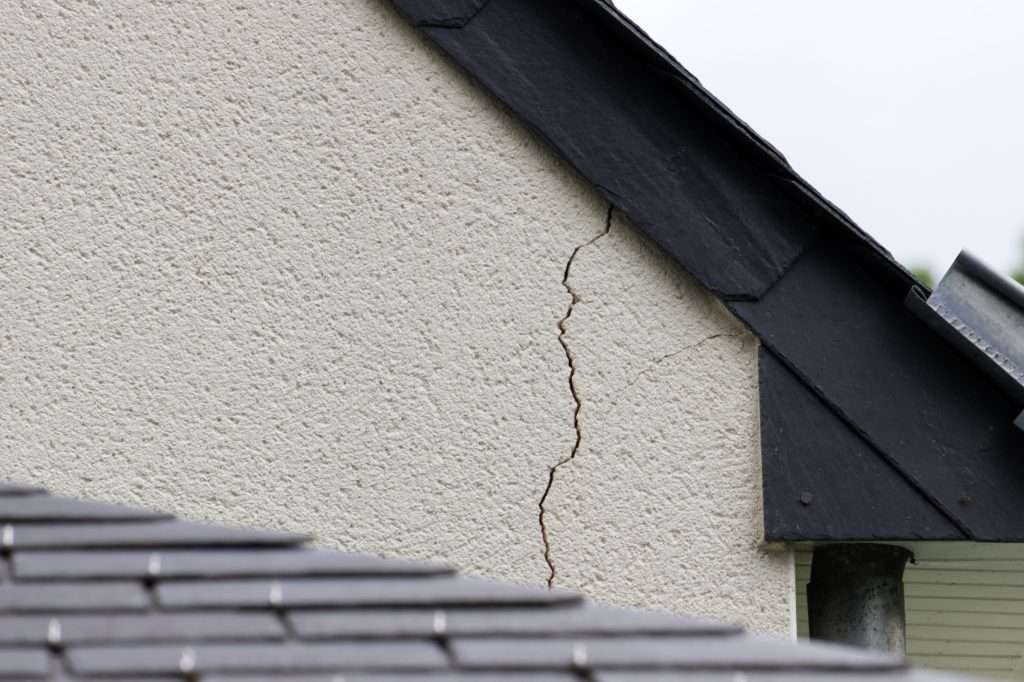
Cracked drywall above doorways, separated interior walls, and visible wall lean mean load-bearing wall damage in your Montford historic home. These walls carry roof and floor weight down to the foundation. Structural engineers find and strengthen damaged load paths before walls shift more.
Asheville’s freeze-thaw cycles cause foundation movement that stresses interior load-bearing walls each winter. Soil expands when frozen and shrinks during thaws. This seasonal shifting cracks the connection between walls and support beams below. Engineers use steel brackets, strong posts, and beam supports to fix the load path.
Repairs stabilize walls without removing drywall in most cases. Contractors work from crawl spaces and attics to add support where beams meet walls. You see cracks stop spreading and doors hang straight again. Ignoring wall separation leads to ceiling sag and structural failure.


Professional Inspection Finds Hidden Damage
Buyers getting pre-purchase inspections and sellers preparing homes for sale in the competitive Asheville market need accurate structural checks. Structural engineers use laser levels and moisture meters to document problems you can’t see during a casual walkthrough. You get detailed reports showing exact settlement amounts and moisture levels.
Many Biltmore-area homes built before 1980 don’t have modern crawl space ventilation. This hides structural problems until floors fail. Engineers crawl under your home to check every beam, joist, and support post. Moisture meters detect rot before wood shows visible damage. Laser levels measure floor slopes to 1/16 inch accuracy.
The inspection report lists each problem with repair priority and cost estimates. You learn which issues need quick attention and which can wait. Buyers use reports to negotiate repairs before closing. Sellers fix critical items to avoid failed inspections. A thorough inspection stops surprise failures after you move in.
Repair Timeline Protects Your Daily Routine
Families needing structural work worry about moving out or construction mess in occupied homes. Most interior repairs finish in 2-5 days with access through crawl space openings. Your living areas stay functional throughout the project.
Asheville contractors schedule crawl space work during dry summer months when soil moisture levels drop and access improves. Wet spring conditions make crawl spaces hard to navigate and delay pier installations. Summer work also reduces humidity that slows treatment applications.
Day one involves site setup and crawl space prep. Days two through four cover pier installation, beam replacement, or support work. Final day includes cleanup and floor level check. You hear equipment noise but contractors work under your home without entering living spaces. Most families stay home during repairs with minimal disruption to daily schedules.

What Our Customers Say
Trustindex verifies that the original source of the review is Google. Excellent work from Queen Foundation Repair! From beginning to end, the crew operated with efficiency and professionalism. Carlos and his team completed the foundation repair project in less than four days, and even our neighbors have complimented the immediate transformation. I highly recommend them for foundation work, foundation repair, and water restoration.Trustindex verifies that the original source of the review is Google. I had a persistent rat problem in my crawlspace. After years of dealing with exterminators, I turned to QFR, and they solved the issue. Not only did they address the rats, but they also fixed some hidden plumbing leaks. Their crew worked quickly and efficiently, performing exceptional water damage, water restoration, and crawl space encapsulation services.Trustindex verifies that the original source of the review is Google. Hi, I had some cracks in my foundation after purchasing my new home and was concerned about them. Queen Foundation Repair made everything a very easy and stress-free process. They came out and repaired these cracks within a day, and the crew, including Dario and Sharon, was very knowledgeable. Thanks very much!Trustindex verifies that the original source of the review is Google. I cannot say enough about these guys—they were a pleasure to work with. Sharon, who was extremely knowledgeable, handled the scheduling, and Carlos and Dario did the assessment and repair of the foundation issues we were having. They answered every question we had, showed up exactly when they said they would, and back all of their work with a lifetime guarantee. Your search for a foundation repair company is over!Trustindex verifies that the original source of the review is Google. I’m very pleased with the results. I can clearly see the excellent work Jason's crew did on our crawl space. His team was friendly and left the property clean. This is the first time I’ve posted a review because I think people should know about them. Call them when you need crawl space repairs in Albany NY!Trustindex verifies that the original source of the review is Google. The customer care provided by Queen Foundation repair was exceptional. From the first contact to the final walkthrough, they were attentive, informative, and very responsive to my questions and concerns. They took the time to explain the encapsulation process and how it would benefit my home. Their crew was respectful and ensured that the work was completed to a high standard. It’s clear that they value their customers and take pride in their work. Our crawl space is now dry, clean, and well-insulated. Highly recommended!Trustindex verifies that the original source of the review is Google. I'm absolutely delighted with the exceptional assessment service provided by Queen Foundation Repair! When I noticed sloping floors in our bungalow, I knew I needed expert help. Scheduling an assessment was a breeze via email, and John arrived promptly as scheduled. His warm and personable demeanor put me at ease, and his expertise shone through as he quickly identified the root cause of our issue. I was thoroughly impressed by his professionalism and knowledge. Queen Foundation Repair truly exceeded my expectations, and I highly recommend their services to anyone concerned about their home's foundation!Trustindex verifies that the original source of the review is Google. I reached out to this company about an issue they couldn’t handle, but they were very responsive. They did a thorough inspection and gave recommendations related to their specialty. They even provided a reference number for another company that could help with our issue. They’re great for foundation repair work, and I’d definitely recommend them.Trustindex verifies that the original source of the review is Google. Germao and his crew installed helical piers and expertly stabilized our foundation. The crew was professional and responsive to our needs. I'm happy with their foundation repair service.
Ready to Work With A Foundation Company Who Puts Your Home First?
How long does interior structural repair take in Asheville?
Most crawl space pier installations and beam work finish in 2-4 days. Time depends on access and damage extent.
Can you stay in your house during interior structural repairs?
Yes. Contractors work through crawl space access points and basements. Main living areas stay undisturbed throughout the project.
What causes floors to sag in Asheville homes?
Crawl space moisture rots wood beams. Clay-rich soil settling overloads support posts. Poor pier spacing in older construction allows floors to drop.
Do I need interior structural repair if I just see small cracks?
Small cracks signal early foundation movement. An inspection determines if interior supports weakened before outside damage develops.
Will interior structural repair fix sticking doors?
Yes. Restoring level floors and stable beams gets rid of door frame distortion caused by structural settling.
When should I schedule a structural inspection in Asheville?
Inspect right away when floors feel soft, walls separate from ceilings, or you notice new cracks appearing over doorways. Why foundation cracks shouldn’t be ignored according to the Washington Post
