Foundation settlement happens when soil under your home moves. This causes your home to sink, crack, and become damaged. Asheville’s different soil types and mountain slopes make settlement worse in older areas like Montford and West Asheville. We fix homes using piers and better drainage. We check the damage and fix your foundation before it gets worse. Learn more about our foundation settlement services in asheville
How is foundation settlement repaired in Asheville NC?
Foundation settlement repair stops your sinking home. We install support systems under your foundation. We check how bad the damage is. Then we use proven methods to lift and secure your home.
- Steel piers – These go deep into solid ground to hold up your foundation forever
- Helical piers – These screw into the ground for lighter homes and easier setup
- Slab jacking – This lifts sunken concrete by pumping material under the surface
In Asheville, mountain water runoff and different soil types mean you need waterproofing with pier work. This stops future settling.
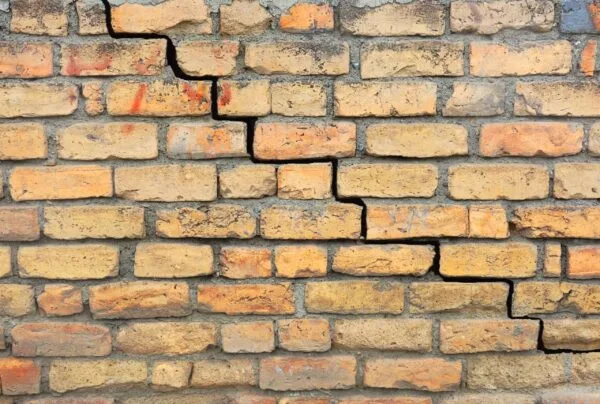
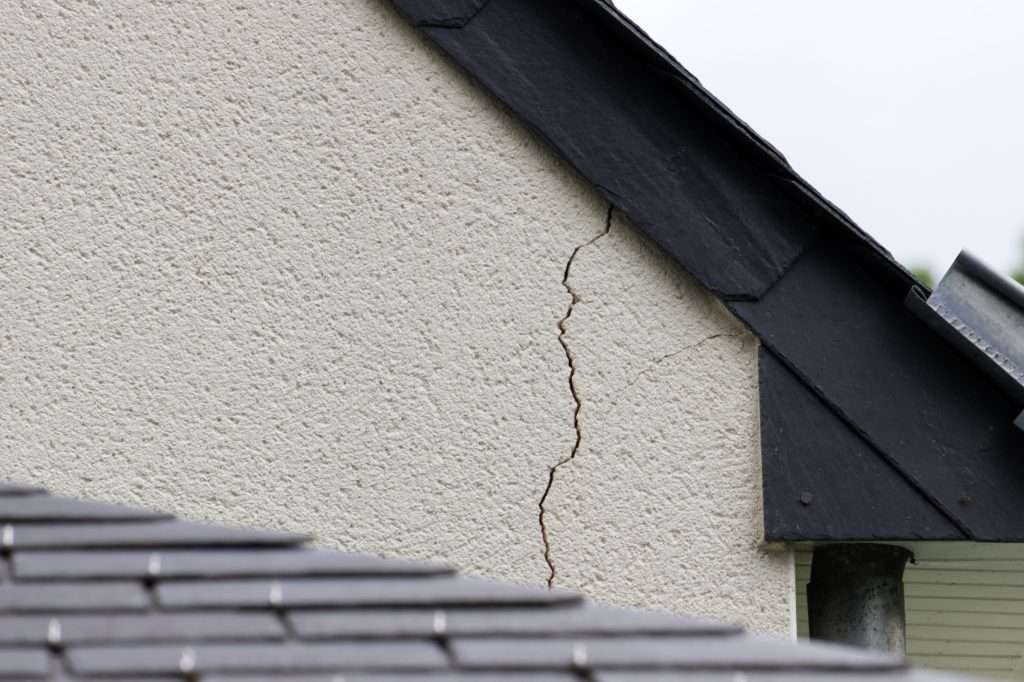
Foundation Cracks Signal Settlement Before Major Damage Occurs
Homeowners in Kenilworth and Biltmore Forest see stair-step cracks in brick. They notice growing gaps around door frames. These signs show up when soil under your foundation moves. Finding settlement early stops expensive fixes later. You can repair your foundation while the damage is still small.
Asheville’s freeze-thaw cycles make small cracks worse. Water gets into cracks during fall and winter rain. When the temperature drops below freezing, that water expands. This makes cracks bigger.
We measure how wide cracks are during inspections. We check if settlement is still happening. Active settlement needs pier work right away to stop more movement.
Living in Your Home During Foundation Repair Is Usually Safe
Most families cannot move out during pier work. Pier jobs take several days. The good news is most repairs happen outside your home. We only need to come inside for some inspection points. You can keep your normal schedule while we work.
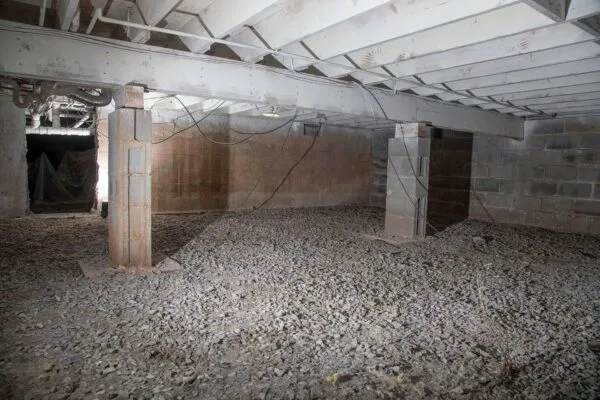
Asheville’s hillside homes may need crawl space work during pier installation. This helps manage mountain water drainage. We plan work times that cause less trouble for your household. We dig and drive piers outside, away from where you live.
We need to come inside only at the start and end. This is for measurements and final checks. We protect your plants and yard. We fix your yard grading after we finish repairs.
Steel Piers Stop Settlement in Homes Built on Unstable Soil
Homes in Montford and West Asheville with ongoing settling need real fixes. Homes with sloping floors need real fixes. Steel piers move your foundation weight to bedrock. This stops downward movement forever. This stops future cracks. This method fixes the real problem instead of just covering it up.
Mountain land needs special equipment and soil tests. We need to find out how deep stable ground is. We drive piers through loose soil until they reach solid ground. Each pier holds up the weight spread across your foundation.
The work lifts settled parts back to a level spot. Special jacks raise the foundation while piers lock in place. Your home gets support that will not move when soil changes with seasons.
Foundation Inspections Identify Settlement Severity Within One Hour
Buyers, sellers, and homeowners need proof of foundation condition before big choices. Licensed inspectors measure crack widths. They check floor height changes. They look at settlement patterns. They tell you what repairs you need. You get a full report. It shows exactly where damage is. It shows how bad it is.
Asheville inspectors check for water damage from French Broad River floods. They check for settlement in low areas. We use laser levels to find floor slopes as small as ½ inch across a room. We use crack monitors. These track if damage is still happening or has stopped.
The inspection shows which areas need pier work right away. It shows which areas just need cosmetic fixes. This helps you plan your budget. This helps you decide what work to do first based on safety risks.


Ignoring Foundation Problems Leads to Structural Collapse Risks
Homeowners watch existing cracks without acting. They wonder if damage needs quick attention. Settlement gets worse every year. Small cracks turn into failures that need emergency fixes. Small cracks turn into problems that need full foundation replacement. Waiting turns an easy repair into a big emergency.
Blue Ridge mountain homes face faster damage. This comes from runoff wearing away soil under footers. Water washes soil away from under your foundation during heavy rains. Each storm takes away more support. Each storm makes settlement happen faster.
Foundation walls bend inward from soil pressure. Floor beams sag when support posts lose contact with settled parts. Waiting turns a simple repair into a crisis. You might need to move out temporarily.
Post-Repair Waterproofing Prevents Future Settlement
Homeowners who finish pier work need drainage fixes to protect their investment. French drains, gutters, and outside waterproofing move water away from your foundation. This removes soil pressure from expanding. Piers stop current settling. Waterproofing stops new problems from starting.
Asheville’s different soil types react to water in different ways. Some drain fast. Clay-heavy areas hold water longer. Waterproofing systems must handle about 37 to 44 inches of rain each year. We put in drainage that moves water at least 10 feet away from your foundation edges.
Crawl space vapor barriers work with outside drainage. This controls moisture on all sides. This complete plan protects your foundation repair for many years. Without waterproofing, water-related soil movement can cause settling in areas we did not fix.

What Our Customers Say
Trustindex verifies that the original source of the review is Google. Excellent work from Queen Foundation Repair! From beginning to end, the crew operated with efficiency and professionalism. Carlos and his team completed the foundation repair project in less than four days, and even our neighbors have complimented the immediate transformation. I highly recommend them for foundation work, foundation repair, and water restoration.Trustindex verifies that the original source of the review is Google. I had a persistent rat problem in my crawlspace. After years of dealing with exterminators, I turned to QFR, and they solved the issue. Not only did they address the rats, but they also fixed some hidden plumbing leaks. Their crew worked quickly and efficiently, performing exceptional water damage, water restoration, and crawl space encapsulation services.Trustindex verifies that the original source of the review is Google. Hi, I had some cracks in my foundation after purchasing my new home and was concerned about them. Queen Foundation Repair made everything a very easy and stress-free process. They came out and repaired these cracks within a day, and the crew, including Dario and Sharon, was very knowledgeable. Thanks very much!Trustindex verifies that the original source of the review is Google. I cannot say enough about these guys—they were a pleasure to work with. Sharon, who was extremely knowledgeable, handled the scheduling, and Carlos and Dario did the assessment and repair of the foundation issues we were having. They answered every question we had, showed up exactly when they said they would, and back all of their work with a lifetime guarantee. Your search for a foundation repair company is over!Trustindex verifies that the original source of the review is Google. I’m very pleased with the results. I can clearly see the excellent work Jason's crew did on our crawl space. His team was friendly and left the property clean. This is the first time I’ve posted a review because I think people should know about them. Call them when you need crawl space repairs in Albany NY!Trustindex verifies that the original source of the review is Google. The customer care provided by Queen Foundation repair was exceptional. From the first contact to the final walkthrough, they were attentive, informative, and very responsive to my questions and concerns. They took the time to explain the encapsulation process and how it would benefit my home. Their crew was respectful and ensured that the work was completed to a high standard. It’s clear that they value their customers and take pride in their work. Our crawl space is now dry, clean, and well-insulated. Highly recommended!Trustindex verifies that the original source of the review is Google. I'm absolutely delighted with the exceptional assessment service provided by Queen Foundation Repair! When I noticed sloping floors in our bungalow, I knew I needed expert help. Scheduling an assessment was a breeze via email, and John arrived promptly as scheduled. His warm and personable demeanor put me at ease, and his expertise shone through as he quickly identified the root cause of our issue. I was thoroughly impressed by his professionalism and knowledge. Queen Foundation Repair truly exceeded my expectations, and I highly recommend their services to anyone concerned about their home's foundation!Trustindex verifies that the original source of the review is Google. I reached out to this company about an issue they couldn’t handle, but they were very responsive. They did a thorough inspection and gave recommendations related to their specialty. They even provided a reference number for another company that could help with our issue. They’re great for foundation repair work, and I’d definitely recommend them.Trustindex verifies that the original source of the review is Google. Germao and his crew installed helical piers and expertly stabilized our foundation. The crew was professional and responsive to our needs. I'm happy with their foundation repair service.
Ready to Work With A Foundation Company Who Puts Your Home First?
How do I know if my Asheville home needs foundation settlement repair?
Visible cracks wider than ¼ inch mean you need help. Doors that stick mean you need help. Sloping floors mean you need help. Gaps between walls and ceiling mean you need help. These signs show settlement that needs a professional inspection. We measure these signs. We decide if your foundation needs piers or just watching.
How long does foundation settlement repair take in Asheville?
Most pier work finishes in 2–5 days. This depends on your home size. This depends on how easy it is to reach work areas. Inspections and permits add 1–2 weeks to the time before work starts.
Will foundation repair fix existing cracks in my home?
Piers stop more movement. They do not fix damage that already happened. We repair cracks and level floors after we stop new settling.
Can settlement happen again after foundation repair in Asheville?
Good pier work stops future settling in fixed areas. New settling may happen in areas we did not fix. This happens without drainage fixes to manage water around your foundation.
Do I need a permit for foundation settlement repair in Asheville?
Yes. Structural repairs need permits from Buncombe County. We handle permit paperwork and inspections as part of our repair work.
What neighborhoods in Asheville have the most foundation settlement problems?
Montford, West Asheville, and hillside homes in North Asheville have more settlement. This happens because of different soil conditions and slope wearing away. Older homes in these areas get foundation problems more often. EPA home buyers manual
