
In Roanoke, bowing basement walls threaten homes built on clay soil. When foundation walls lean inward, you need repair methods that stop the movement and protect your home. Carbon fiber straps, wall anchors, and steel I-beams stabilize walls before they fail. Licensed foundation contractors inspect basement walls and choose the right system for your situation. Professional reinforcement protects your home’s structure and resale value.
How do you fix a bowing basement wall in Roanoke?
Fix a bowing basement wall by installing carbon fiber straps or steel I-beams on the interior face, or by excavating and anchoring the wall to stable soil outside. Tighten anchors gradually over weeks to pull the wall back into place. Restore grading and drainage around your foundation to prevent future movement.
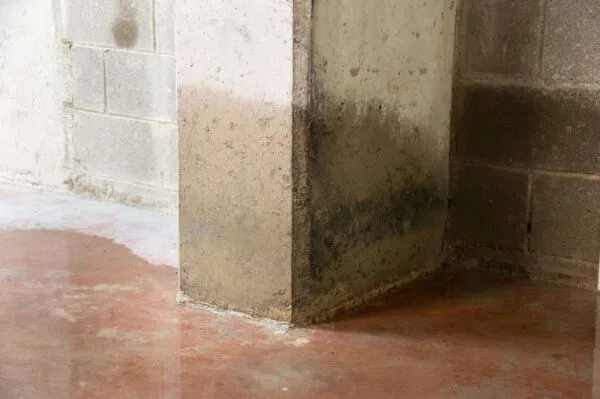
Inward-Leaning Basement Walls Signal Serious Structural Damage
When you see horizontal cracks or walls leaning inward in your Roanoke basement, you face serious structural damage. Early detection prevents collapse and costly full-wall replacement. Clay soil in Old Southwest expands when wet, pushing walls inward during spring rains. The pressure builds over months until cracks appear near the middle of the wall. Walls that bow more than two inches threaten your home’s stability and lower resale value.
Carbon Fiber and Steel Anchors Stop Wall Movement Permanently
Roanoke homeowners choose repair systems based on how far the wall has bowed. Carbon fiber works for walls bowed less than two inches and reinforces the concrete without excavation. Anchors handle extreme movement by connecting your basement wall to stable soil several feet away from your foundation. Homes near Mill Mountain often need anchors due to steep lot drainage and saturated soil that pushes harder against foundation walls.
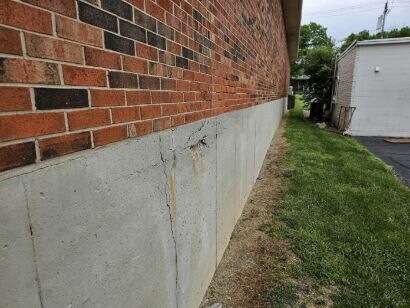
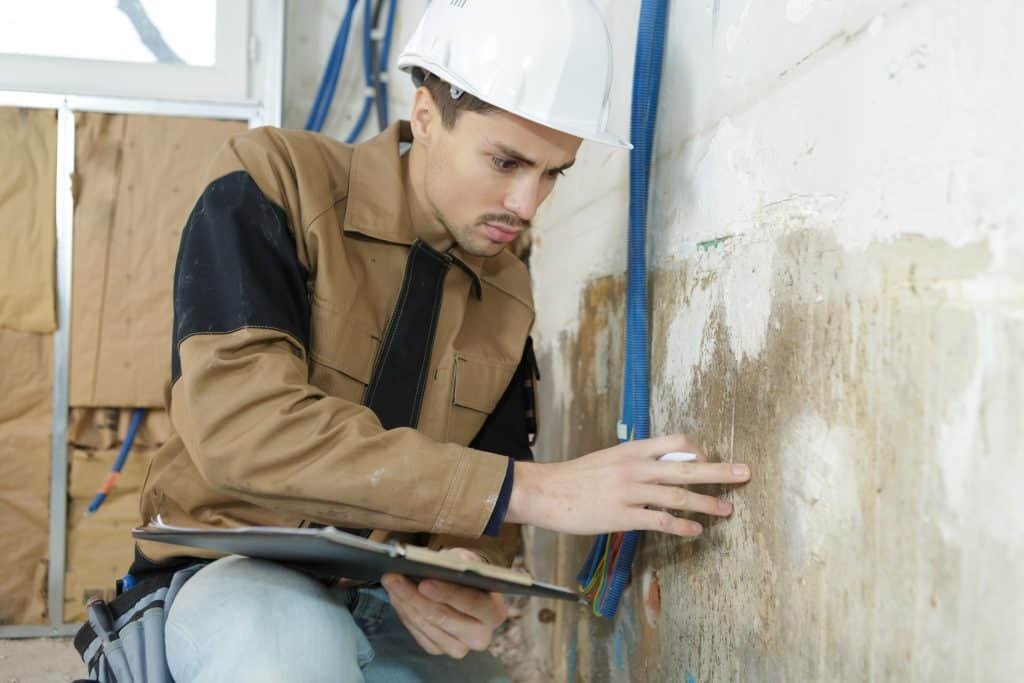
Foundation Experts Measure Wall Deflection Before Choosing a Repair Method
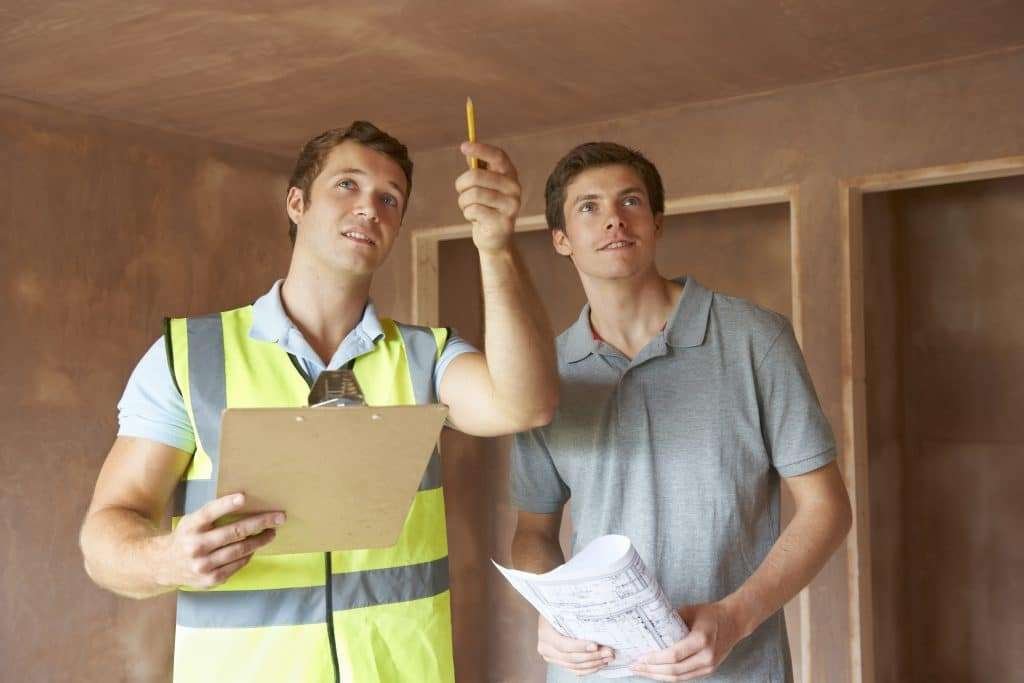
Roanoke property owners schedule inspections when cracks widen or doors stick in the basement. Accurate measurement determines if you need reinforcement or full stabilization to stop the movement. Contractors check footer depth in older Grandin Village homes built before modern codes. A laser level shows exactly how far the wall has moved from vertical. This measurement decides whether carbon fiber straps will hold or if you need anchors drilled into stable soil outside.
Wall Stabilization Protects Your Home While You Continue Living Inside
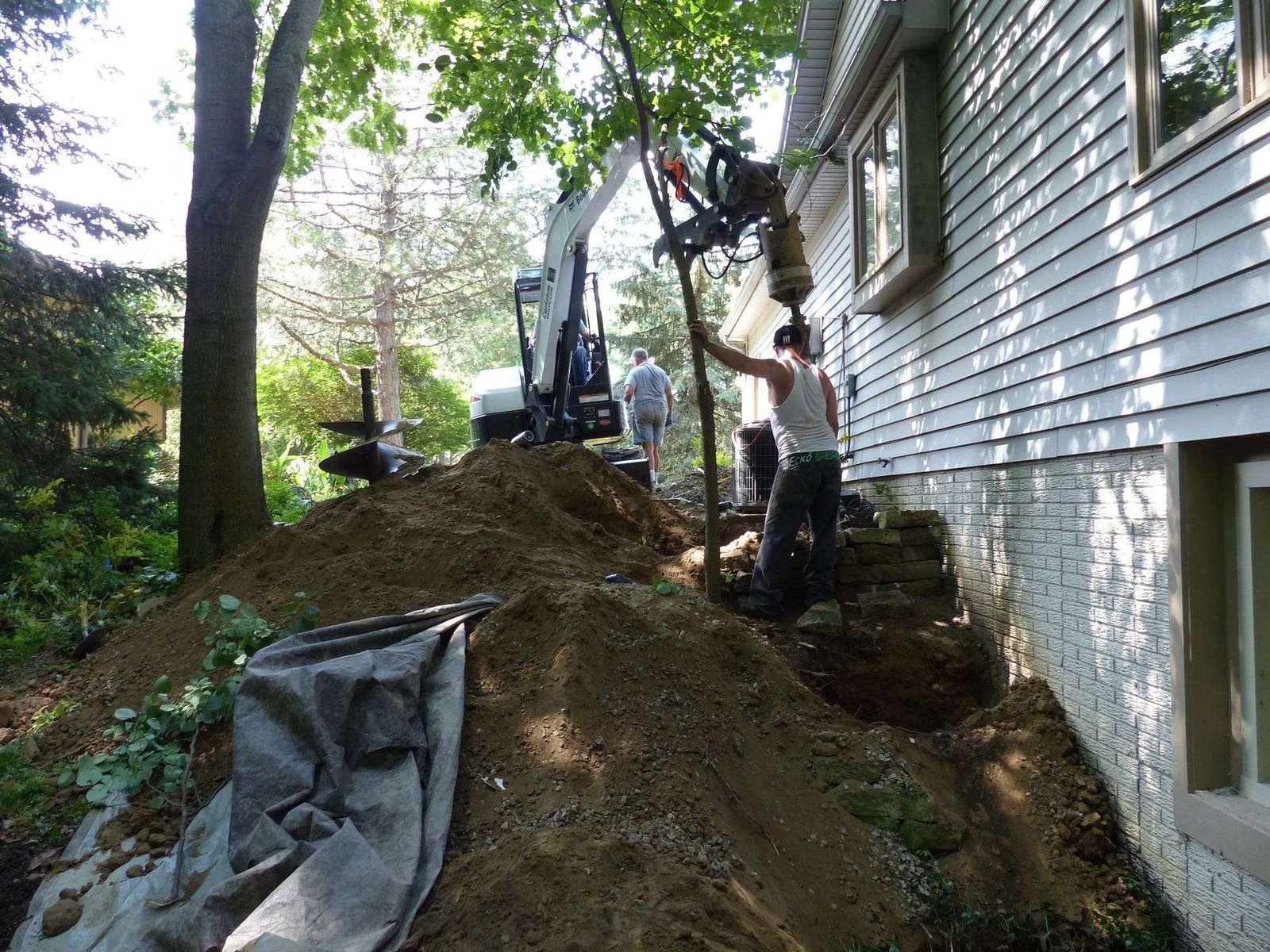
Families in Roanoke stay in their homes during most bowing wall repairs. Interior installations finish in one to three days with minimal disruption to your daily routine. Contractors work in the basement while you use the rest of your house normally. Exterior anchor systems may take longer if yard access is limited in South Roanoke’s hilly terrain. Most repairs require no drywall removal and create little dust or noise.
Regular Monitoring After Repair Confirms the Wall Stays in Place
Roanoke homeowners track wall position post-repair to verify system performance. Annual checks catch new movement before it becomes expensive to fix. Seasonal freeze-thaw cycles require monitoring basement walls each spring in Southwest Virginia. Your contractor marks the wall so you can measure any changes with a ruler. Small shifts are normal in the first year as anchors settle into the soil.
Proper Grading and Drainage Prevent Future Bowing in Roanoke Clay Soil
Homeowners in Garden City prevent recurrence by managing water around foundations. Gutters, downspouts, and graded yards keep soil pressure low against basement walls. Clay soil holds water longer than sandy soil, so drainage fixes are critical in Roanoke. Slope your yard away from the foundation at least six inches over ten feet. Extend downspouts at least five feet from the house to move rainwater away from the clay soil that expands when wet.
What Our Customers Say
Trustindex verifies that the original source of the review is Google. Excellent work from Queen Foundation Repair! From beginning to end, the crew operated with efficiency and professionalism. Carlos and his team completed the foundation repair project in less than four days, and even our neighbors have complimented the immediate transformation. I highly recommend them for foundation work, foundation repair, and water restoration.Trustindex verifies that the original source of the review is Google. I had a persistent rat problem in my crawlspace. After years of dealing with exterminators, I turned to QFR, and they solved the issue. Not only did they address the rats, but they also fixed some hidden plumbing leaks. Their crew worked quickly and efficiently, performing exceptional water damage, water restoration, and crawl space encapsulation services.Trustindex verifies that the original source of the review is Google. Hi, I had some cracks in my foundation after purchasing my new home and was concerned about them. Queen Foundation Repair made everything a very easy and stress-free process. They came out and repaired these cracks within a day, and the crew, including Dario and Sharon, was very knowledgeable. Thanks very much!Trustindex verifies that the original source of the review is Google. I cannot say enough about these guys—they were a pleasure to work with. Sharon, who was extremely knowledgeable, handled the scheduling, and Carlos and Dario did the assessment and repair of the foundation issues we were having. They answered every question we had, showed up exactly when they said they would, and back all of their work with a lifetime guarantee. Your search for a foundation repair company is over!Trustindex verifies that the original source of the review is Google. I’m very pleased with the results. I can clearly see the excellent work Jason's crew did on our crawl space. His team was friendly and left the property clean. This is the first time I’ve posted a review because I think people should know about them. Call them when you need crawl space repairs in Albany NY!Trustindex verifies that the original source of the review is Google. The customer care provided by Queen Foundation repair was exceptional. From the first contact to the final walkthrough, they were attentive, informative, and very responsive to my questions and concerns. They took the time to explain the encapsulation process and how it would benefit my home. Their crew was respectful and ensured that the work was completed to a high standard. It’s clear that they value their customers and take pride in their work. Our crawl space is now dry, clean, and well-insulated. Highly recommended!Trustindex verifies that the original source of the review is Google. I'm absolutely delighted with the exceptional assessment service provided by Queen Foundation Repair! When I noticed sloping floors in our bungalow, I knew I needed expert help. Scheduling an assessment was a breeze via email, and John arrived promptly as scheduled. His warm and personable demeanor put me at ease, and his expertise shone through as he quickly identified the root cause of our issue. I was thoroughly impressed by his professionalism and knowledge. Queen Foundation Repair truly exceeded my expectations, and I highly recommend their services to anyone concerned about their home's foundation!Trustindex verifies that the original source of the review is Google. I reached out to this company about an issue they couldn’t handle, but they were very responsive. They did a thorough inspection and gave recommendations related to their specialty. They even provided a reference number for another company that could help with our issue. They’re great for foundation repair work, and I’d definitely recommend them.Trustindex verifies that the original source of the review is Google. Germao and his crew installed helical piers and expertly stabilized our foundation. The crew was professional and responsive to our needs. I'm happy with their foundation repair service.
Ready to Work With A Foundation Company Who Puts Your Home First?
Can you fix a bowing wall without excavating my Roanoke yard?
Yes, carbon fiber straps and interior I-beams install from inside your basement. These systems reinforce the wall without digging up your landscaping or driveway. Contractors complete most interior repairs in one to three days with no yard work required.
How do I know if my basement wall needs immediate repair in Roanoke?
Walls bowed more than two inches or with stair-step cracks need urgent stabilization. Horizontal cracks that widen over weeks signal active movement. Call a foundation contractor if doors stick or you see new gaps between the wall and floor.
Will bowing wall repair work in Roanoke's clay soil conditions?
Yes, anchors and braces are designed for expansive clay and resist soil pressure year-round. Steel systems hold against the constant push clay creates when it absorbs spring rains. Proper installation accounts for Roanoke’s wet seasons and soil movement patterns.
How long does a bowing wall repair take in Roanoke?
Most interior repairs finish in one to three days depending on wall length and access. Exterior anchors may take a week if contractors need to excavate around trees or utilities. Weather delays exterior work during heavy rain or frozen ground in winter.
Should I repair a bowing wall before selling my Roanoke home?
Yes, unrepaired walls lower appraisal values and scare buyers during inspections. Foundation issues create red flags that kill deals or force price reductions. Documented repairs with transferable warranties make your home more attractive to buyers.
Can I schedule bowing wall repair in winter in Roanoke?
Interior work happens year-round since crews operate inside your heated basement. Exterior excavation waits until ground thaws in spring when soil is workable. Carbon fiber and I-beam installations continue through winter without weather delays.
